

BLOG
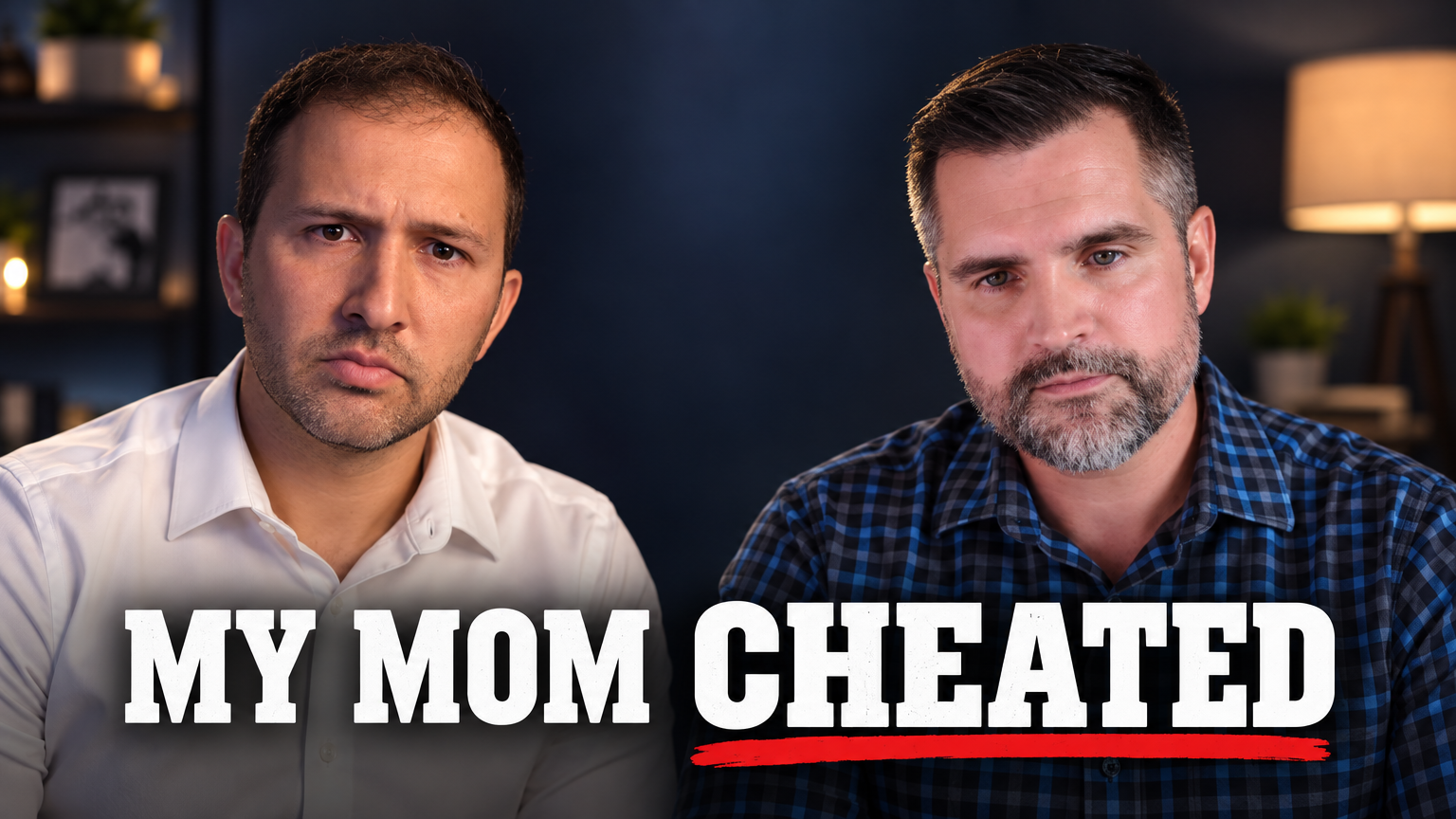
His Mom Cheated. Here’s How He Forgave Her and His Stepdad | Michael Comstock #185
Confident people still feel fear. The difference is how they respond to it. Fear, anxiety, and discomfort don’t necessarily mean you’re weak, unprepared, or on the wrong path. In fact, trying to suppress those emotions can make them even stronger.


When Michael Comstock was 17, he discovered that his mom was having an affair. The betrayal didn’t just affect his parents’ marriage—it shattered his sense of safety, trust, and family.
Years later, Michael realized the fallout was still affecting him. He struggled to trust women, sabotaged relationships, feared marriage, and wondered if he was doomed to repeat his parents’ story.
In this episode, we talk about:
Why a parent’s affair can feel like a betrayal of the children too
How divorce wounds can surface years later in dating and relationships
Why Michael felt guilty building a relationship with his stepfather
What helped him forgive his mom and stepfather without excusing what happened
How he went from fearing marriage to becoming a husband and father
If your parent cheated, if you struggle with anger or trust because of what happened in your family, or if you’re afraid you’ll repeat your parents’ mistakes, this episode is for you.
Resources:
If your parents’ divorce or family dysfunction has hurt you and you want to build a healthier future, learn more about Restored’s healing program for young adults:
https://restoredministry.com/program
You can also anonymously share your story with Restored:
https://restoredministry.com/story


Enjoy the show?
To be notified when new episodes go live, subscribe below.
As a bonus, you'll receive the first chapters from our book, It's Not Your Fault: A Practical Guide to Navigating the Pain and Problems from Your Parents' Divorce.
TRANSCRIPT
Transcript produced by artificial intelligence. Please pardon any errors!
Joey (00:00)
Michael, so good to have you on the show, man. I've been looking forward to this.
Michael (00:02)
Hey Joey. Thanks for having me. It's great to be here.
Joey (00:04)
Yeah, no, it's it's been so cool to know you for so long and to see you transform and your story, you know, evolve. I know that things were not easy for you growing up and eventually got to the point, like so many people listening right now, where you learned that an affair had torn your family apart. And so if you would take me back to that Friday night when you were seventeen, what happened? Yeah.
Michael (00:25)
Absolutely. So it was really just like any other night, any other day in high school. I was a junior. I was at home by myself. My mom and dad were somewhere. They were out of the house. But randomly my sister and brother in law showed up. My sister is about twelve years older than me. So I was seventeen at the time. I was kind of living in my own bubble. I was oblivious to to anything going on. But my sister came over because she had some just some suspicions that my mom was acting funny.
And just some comments, I guess, that she was making that just seemed a little fishy. So they came over to kind of do some some digging. And, you know, what happened was they went downstairs and they went on my mom's work computer and found some emails that had been deleted. Basically found an email exchange between her and another man. And I was kind of outside the room. I was kind of peeking in. Once they realized the nature of the conversations
And how sensitive they were. My brother in law was like trying to get me out of the room. Once it once it hit me, once once I realized like this is not a normal conversation and it it's like it kinda hit me like a ten of ton of bricks. I remember I basically collapsed. I basically passed out on the ground right right there at the bottom of the stairs. It was kinda like one of those like out of body experiences where it just felt like time just stood still, like froze. And I just I guess I was a I was just in complete shock, right?
like type A trauma right then and there. And I just remember hearing screaming and the screaming was coming from me. But like I wasn't really I just I was so disembodied from like what was actually happening. But so then later that night, you know, my sister took me in that night. I stayed the night at her house. I remember crying myself to sleep. And it's also probably important to note that I was on the wrestling team
You know, and I had wrestled I think this was my eighth year of wrestling. So it was you know, I was pretty good at the time. the next morning I had a big tournament, so it was kind of getting close to the state tournament and I had high hopes of going far into the tournament, but because of what had happened that night and the current state I was in, I remember just calling the coach and basically calling in sick and saying, like, I can't I can't go. And that actually turned out to be the very last I would
I would never wrestle again after that. So that was really yeah, that it ended my season and then I remember like next year when I wrestling came around the corner, you know, my coaches were trying to get me to go out and I think just the connection to that night just really ruined that sport for me. So yeah. So that was really kind of that night, how it how it unfolded.
Joey (03:09)
So it totally hit you out of the blue, like you would know even though your sister had some in inkling that something was going on, you didn't have any at all. Is that right?
Michael (03:17)
Absolutely.
Yeah, completely blindsided. Completely blindsided. You know, my parents were very involved in the community, very involved with my high school. The house I grew up in, that was the house all my friends, you know, came over to hang out. so you know, if you were to ask, you know, my friends growing up, you know, my parents were the last parents they would think of, like something like this would happen. And at that point they had been married, you know, close to thirty seven, thirty eight years, so a long time.
Joey (03:44)
Men, so so devastating. And one of the things, Michael, we've heard a lot from people who've been in similar situations to you where, you know, mom or dad cheat on the other, is that obviously the other spouse feels betrayed, but the kids do too. It feels like very much so a betrayal, like you're cheating on the kid as well. d did you feel that? Did you have that experience?
Michael (04:04)
I did. I did. I felt so I had a very close relationship with my mom, you know, before all this happened. And the betrayal was felt not just by me, but by my brother, by my sister, by everyone in the family. And you know, our family was very, very close. We used to have these Sunday Sunday night gatherings. We would when my brother, my sister, their families would come over to my parents, we would have pizza, play cards, watch TV, watch movies, and took family vacations growing up. So
In a sense, it was like we had such a good family. We had such a good thing going. Why did you do this? Why did you do this to us? why did you introduce this this man into our lives that we didn't ask for? Why and why did you really intentionally break up the family, break up what we had? So it did s it did seem like a huge betrayal.
Joey (04:55)
and I I could see why. I definitely think anyone in your shoes would feel the exact same way. Those are incredible questions that you asked to whatever degree you're comfortable sharing. Have you had a chance to find any answers to those really difficult questions?
Michael (05:09)
Somewhat. you know, in the in the direct aftermath of, you know, that night, the months the months following, you know, I kept a lot of that hidden inside me. I never, you know, I never reached out to anybody. I never even spoke about it with my own brother and sister. It was something I just kept private. You know, looking back at their marriage and just, you know, looking back and finding out like what I observed. Like, yeah, there's definitely things that my dad probably could have done better as a husband.
I think there was maybe a lack of quality time there. And perhaps that was you know, my mom's number one love language, and maybe he just wasn't quite meeting that need. The way I understand it was that this man that was introduced, that this man that that my mom was having the affair with was a childhood friend of hers. And they grew up in the same same area, same town as as children. Somehow they reconnected later in life, and then one thing led to another. And so
Maybe my mom wasn't completely happy in the marriage leading up to this, but when she reconnected with this man, that was obviously the catalyst for for getting that ball rolling and, you know, everything else following after that.
Joey (06:17)
Yeah, man. So devastating. You said that after, you know, all this happened, you tried to keep your family together, you tried to reconcile even your parents. I'm curious, yeah, talk me through that a little bit. Like why did you feel a level of responsibility to keep the family together and help your parents?
Michael (06:35)
Yeah, I think it was because I had such a strong bond with my mother, a very strong relationship. And once I kind of came to grips of of what happened, I felt like, okay, this is just like a little bump in the road. This is something that we're gonna, you know, get through together. And my mom and my dad, I think they sh they went on a like a retreat, a marriage retreat afterwards to try to reconcile. So I was like, okay, like things are you know, she's aware of what she did. This was a mistake. And my dad at that point, like giving him all the credit here, like he
He wasn't like, like I'm out. Like he tried to do everything he could to reconcile with my mom and and he was really committed to that. And he was obviously devastated, of course, but he was he was still in the fight and he was willing to do whatever it took to work. So I give him a lot of credit for that. But I just felt like, you know, my my mom loved me and if she truly loved me, then then she was going to keep the family together. Like she was going to make it work with my dad and and we were gonna go back to how things were.
And I just never once imagined you know, it's funny, like you look back and when I was in high school and I would I would have friends or Sikhs, other kids that their parents were divorced and I just always thought to myself that there's no way that's ever going to happen to my parents. And I remember thinking that a lot. And then when it actually does happen, something like this, it it definitely, you know, it shook my world, obviously. But I felt like I had control over the situation and when in reality I didn't it.
Joey (07:59)
Was there a particular moment when you realized that you didn't have control, you couldn't fix it, this wasn't something that you could do?
Michael (08:07)
It took me a long time to get there. I think it was kind of a slow progression of things. Sure. I think it you know, one of those moments was like when my dad officially moved out, got his own apartment. So then I felt like, okay, that's that's not good. You know, that's more of like a permanent decision. And then obviously I think when I finally came to that resolute that that realization that, you know, this isn't just like a a temporary thing was like when they started like planning. So my mom and dad, I grew up Catholic, I am
Devout Catholic, so they they received an annulment from the church. And then when they started planning their own their own wedding, you know, getting remarried, I think is when I came to the realization like this is going to be a part of my life forever. And my dad's not coming back. This man is going to be a part of my life forever.
Joey (08:55)
both parents get remarried or was it just your mom?
Michael (08:57)
So my dad did eventually as well. I think he he got married afterwards, after my mom got remarried. And it was pretty quick. I I believe they got married when I was a freshman in college. And you know, and just to touch on that too, like a lot of that was happening when I when I moved away for the first time. So, like in a in a way it was a blessing to kind of start start my own life and move out of the house, start college. I was really away from like the marriage preparations and all of that. I didn't even go to the wedding.
And I remember one person I was working with, they thought it was she didn't understand why I didn't go. And I remember being upset, like, you have no idea, you know, what this was like. And there was no at that time there was no there was no way I was going to attend the wedding. I was completely against it. I was, you know, completely against this man, you know. And honestly, I was against my mom too at that time.
Joey (09:47)
Yeah, I mean, it's understandable, you know, given that yeah, you experienced so much pain in that relationship that you would be like, I don't want anything to to do with it. it's beautiful to hear that your relationship now is in a different spot, which we're gonna get to soon. but you mentioned so you know your dad moved out, eventually your mom marries the man who she had the affair with, and you know, then he's a part of your life more permanently. He's living in your house, even though you were in college at the time you you spent time around him.
Yeah, talk me through that. What was that like for you even after the wedding?
Michael (10:20)
Yeah, I remember the first official time I met him, he came over to the house and we were downstairs and I remember like he was trying to find ways to kind of warm up to me, establish a connection. He knew that I was really into the Lord of the Rings movies at the time. Nice. So he was like asking me questions about that. And I was never I mean, I'm not gonna lie, I I had a lot of pent up anger at him, maybe maybe even like hatred, you know, at that point. But I never let it
show. Like I never was outwardly aggressive towards him or my mom. I was more cold and distant. And I was really just not interested in any of his advances, like tr to try to establish a relationship with me. I remember he would always invite me. We would go out to Starbucks and we would have these coffee dates where he would, you know, try to start a conversation, connect with me, buy me a coffee. And I went and I very reluctantly. So that was really kind of our
the beginning stages of him trying to get to know me, which like looking back on it I I appreciated. but I also struggled tremendously during those early days of like feeling like I was betraying my father too. And I'm sure we'll get into that, but
Joey (11:34)
Yeah, no, that makes so much sense. Like I can't imagine. I think what I've seen, you know, gosh, there's been so many people who unfortunately have shared a similar story where it's like mom or dad cheated, came to light, blew up our family, really, really messy thing. But what I've seen oft often happen is that the affair kind of fizzes out, they go the separate way. And so there's like this, like you said, the anger and the hatred there, which totally makes sense to me by the way. I don't think it's weird to feel at all. is directed maybe at this kind of person who's
far out there, you don't really interact with or see. But in this situation, it's like, no, you're like faced with him on a constant basis. so I can imagine how difficult that would be. I want to go into that about you said mentioning like it felt like a betrayal to your father. So yeah, talk me through that a little bit. You you you felt like even building that relationship with him was like betraying death
Michael (12:24)
Yeah, absolutely. Like every single time, you know, just seeing what my dad went through during all that. And then my dad ended up going down a pretty dark path and getting into a very deep depression himself. And I remember going over to his apartment to hang out with him and we would like watch a show or something and you could tell like he was just, you know, super, super depressed. And then I remember like I would leave his apartment and just seeing the sadness in his eyes. And then I would just as soon as I got back to my car
just immediately break down and uncontrollable crying. And that was probably the first time in my life where I've felt like I'm feeling somebody else's pain so deeply, so intimately. And my dad, like so many kids at that age, like, you know, they're our heroes. And, you know, we look up to we look up to them. And my dad was is such a good dad. He still is a great dad. Like he was so involved in my sports growing up. And he was my coach. He was my Boy Scout leader. He was always there for me.
So for him to like leave the house and like and when it's completely out of your control and like this wasn't your decision to make and having to see him in the state was like so brutal, so brutal. And so so that was super hard. and even like today, you know, honestly, like it it's taken me a really long time to not feel that those feelings of betrayal, like we're at a family function, birthday party, and okay, they're they're both in the same room and you know, if I'm talking to my my now stepfather, you know
I feel like a little tinge of guilt. Like my dad's over there. I should you know, I'm on I don't want my dad to think that I'm on h I'm on my stepdad's side and this constant like tug of war, which is very exhausting. So it was it was this constant just feeling of like I I can't I felt guilty being in the same room as my stepdad, talking with my stepdad, especially if my dad w would ask me like where am I? And you know, if I told him like I'm I can't I can't go over to your house because I'm with him, like it was just it was terrible. So,
It took a long time for that to heal, but it finally did.
Joey (14:25)
If your parents divorce, it hurts you and you do not want to repeat their story, I have an invite for you. It's so common for young adults to feel hurt by their parents' divorce or family dysfunction. It's so common to turn to bad habits to numb your pain or struggle with emotions like loneliness, anger, anxiety, and depression due to the brokenness in your family. It's so common to want love and even marriage, but fear repeating your parents' story.
Now, if you can relate, we're building a new healing program for young adults from broken families. In the program, you'll start healing your family wounds, practice healthier ways to deal with your difficult emotions, and learn how to build the happy, healthy marriage you never saw growing up. We're intentionally keeping it small so spots will be limited. Join the wait list or view the details now. I'm not excited to get to that. Yeah. No, I can't imagine like how how difficult that must have felt. At one point I remember kind of
Maybe stepping a little bit of a different direction. You had told me actually that listening to, you know, this podcast, like the stories on it and everything kind of made you realize like the brokenness that you were carrying with you. May maybe more so than i ever before. And I'm curious, like before so before hearing that, before finding the podcast, did you think you were like okay or where were you at with with all of that? What was it like? And what was it like? Yeah, I'm curious, realizing that maybe I'm not as okay as I think I am.
Michael (15:50)
Yeah, that's you know, I right after right after the affair happened and then the divorce became final, the remarriage, when I was kinda going through this at the beginning of college, you know, I continued to get good grades, I stay away from drugs. I was drinking but not I wasn't drinking to escape the the pain of the divorce. So I was like doing o at least what I thought I was doing okay in some of in some of the things, but in other things they started kind of
coming out later. And I started developing, you know, worse habits and unhealthy coping mechanisms. Alcohol later became a problem. I started having several broken relationships, fleeting relationships. And I started kind of thinking to myself, like maybe in my late twenties, like, you know, why am I still single? You know, why why am I not able to have hold down a like a healthy relationship, you know, with a woman? And then I started
I pieced together like, okay, there's probably something there with what happened to my parents and how I interact in relationships and how I go about that. So that seemed pretty obvious. So I started kind of digging deeper and deeper and deeper. And then at some point f you know, several few years ago I discovered I discovered this podcast. And this was the true like aha moment, the real eye opener for me when learning about all the statistics and the consequences of a situation like this and how and how it can affect
know, an adult child of divorce and that's when I started like, Okay, I'm not alone, like this is not this is not me being crazy. There's maybe a reason why a lot of these things have happened in my life stemming from that moment, stemming from that trauma. So and I'm still learning, of course, but this was like honestly the first step for that.
Joey (17:35)
No, I think that I'm I'm and I'm really glad that we were able to play that role in your life. And sorry, this wasn't me fishing for compliments by any means, but really just understanding that I think a lot of us have this experience where it it kind of makes sense. You're going through life and you've been through some stuff. Life is not n life's not easy for anyone. But especially when you go through something so grueling like you went through, you kinda get used to it to some extent. And you're walking around and you're thinking like, Well, I guess I'm okay. Like you don't maybe even think about it much.
And then you have experiences like you mentioned where maybe there's some bad habits or maybe there's just a lot of like emotions that we don't quite know what to deal with, or maybe there's like you said, relationships that start feeling maybe way harder than they feel like they should feel or failing. I I've been through that all myself. And it kind of makes you scratch your head a little bit and like, yeah, is something wrong with me? And then yeah, there's there's a lot of freedom in finding out. No, actually you're it's kind of typical. It kinda is expected, but thankfully you don't have to stay there.
But yeah, everything you mentioned, whatever, you know, whether it's the struggles, you know, the habits, the emotions, the relationships. And so I'm curious, was there a realization that was maybe like the hardest for you? And maybe realization's not the right word, but was there a moment where kind of all of the the weight of like, yeah, the relationships or the habits or anything like that and this connection that you drew to your broken family hit you to a point where it felt maybe like despair? 'Cause I know sometimes people have that experience too. Was that a part of your story or maybe not?
Michael (19:01)
Well, I mean I've I've absolutely felt despair, you know, in my life and and also, you know, anxiety. There's been period seasons of depression as well after, you know, failed relationships. I think some of the despair, you know, h probably occurred just realizing like having, you know, a broken relationship after broken relationship and just, you know, coming to the point where like I don't know if marriage maybe is in the cards for me. Maybe I am doomed to repeat.
my parents' mistakes. Maybe there's something wrong with me. And I've had all of those thoughts at one point or another that that I'm almost like too damaged, too far gone. And who would want to be with me, you know, with my with my past? And so a lot of shame, a lot of guilt, you know, I I mentioned that I'm a Catholic and just like going to confession for the same sins over and over. Like you get to a point where it is hard to kind of keep hope and keep faith and you see your friends getting married and having kids and
You know, they post their happy pictures on social media. So it does get to you and you s you start to really just realize like, yeah, maybe maybe I'm you know, I I when I was younger I wanna get married, I wanna have kids, but maybe that's just not not the plan. And so it does creep up on you.
Joey (20:13)
And I think a lot of people are in that exact spot right now where they feel that despair. I'm excited to learn kind of what the in-between the transformation was for you, but just to give people a little bit of a taste, your life's very different now. So if you would paint a little bit of a picture of that, like how is life different now and then we'll go backward and kind of fill in the missing spot.
Michael (20:30)
Sure, absolutely. Yeah, I'd love to talk about like, you know, 'cause it was a huge shift of of mindset before and after, but my life is very different today than I ever imagined. So I'm, you know, married to an amazing woman. we've been married for just over two years now. We met online. We now have two beautiful boys, four months and a year and a half. So, you know, life is crazy. They're they're just like two little tornadoes. well, one's a tornado, one's going to be another tornado. So it's just it's wild.
But I absolutely love it. I love being d being a dad. There was a lot of maturity and growth that I had to experience in in the in our marriage, like especially in the early parts, like probably the first year, year and a half, where I really went through a lot of growing pains and I felt like there were there were still so many wounds in my life that kinda lay dormant until I was like living with a you know, in marriage and and learning to live together and do different personalities and working through a lot of those like, you know, inner demons that I think I I had not
still healed. But you know, marriage for me has been ultimately extremely healing. And yeah, and I'm just just super thankful for it.
Joey (21:38)
I love this. Let's stay here a bit. So that's a big jump to go from I don't know if I'm capable of building a healthy marriage and family to now being in it and yeah, like you, I don't do it perfectly, but we're trying and I'm a dad of three kids and
We've been married eight years now and man, it's like the hardest thing you've ever done and it's like the most amazing thing you've ever done. So I totally I totally get that. But yeah, talk to me a little bit about that shift that occurred. Like what was maybe let's start in the place of like healing, what was the most healing thing that got you to the point where you were even thinking it was possible for for you to build a happy and healthy marriage?
Michael (22:14)
Well, before I was like super, super against marriage. After after the divorce happened, I was very jaded towards the towards the institution, towards the sacrament. So at that point I actually I had no desire to get married. I felt like, okay, this happened to my dad, why would I why would I, you know, take that chance, take that risk? And it was, you know, not worth it. So I really built this steel wall around my heart. I would not let anyone get close to me. So none of my relationships were
They were just very superficial. And my thought was like, I'm gonna hurt them before they have a chance to hurt me. And I constantly sabotaged relationship after relationship because of that reason. And I think kind of going back to your earlier question, I think that's what made me realize like something's wrong here. Why am I sabotaging ruining a good relationship? But anyway, I still at the same time just had a had a this vendetta, I feel like, against against you know, women in general. I was very angry.
a lot of the time I would lash out. But then I at some point, probably in my late twenties, I'm thirty seven now, early thirties, I I did have a huge mindset shift where, okay, you know, marriage is hard, yes. And there's a lot of marriages that that are not successful. You know, divorce is very common in our society. So I just thought like, okay, well doesn't that make marriage even more special? Doesn't that make it even more sacred when you can actually have a good marriage and a holy marriage and
I just thought like, okay, yeah, it's it's hard, but it's meant to be hard. And I almost saw it like as a challenge. Like, okay, well, maybe I'm still called to be married, but if I do get married, I want to make sure that I'm gonna be the best husband that I possibly can. And I'm not gonna repeat the same mistakes that my mom or my dad made. And like I'm gonna rewrite that story for my own family. And so in a way, it became this new just motivating factor for me that I had, you know.
I I could do things differently. And I wanted that for myself. And also just like looking back on it too, and like I think our society paints this picture that, you know, you're single or, you know, you hear a lot about, you know, married couples, no kids. You can do whatever you want, you can travel, you have all this freedom. But at the end of the day, like I was very, very lonely. And I was really unhappy, to be honest. And I maybe
portrayed this picture to others like, I'm single where all my other friends are married and I could do what I want when I want, but I was very selfish and I still have work to do in that department and I still have selfishness inside me that I'm working on. But I didn't want to live my life like that for myself. I wanted it to live for others.
Joey (25:00)
So good. And it sounds like you found so much more meaning and joy in that than you did just focusing on yourself.
Michael (25:05)
Exactly. Absolutely. And in this vocation, you know, marriage, being a father, like it is the ultimate like dying to yourself and learning about that every single day.
Joey (25:15)
Yeah. And there's something beautiful and powerful in that in that we we also receive a ton too. I've you know, it's kind of a contradiction. It's like you have to sacrifice a ton, but there there's a lot of beauty and joy that comes out of it. It's it's kinda baffling.
Michael (25:29)
It is. It is. And you know, I wouldn't I'm I'm so blessed. Yeah, and you know, my wife has been extremely patient with me as I work through a lot of that. And, you know, she's been great. She's she's now tuning into the podcast so she can learn how, you know, what we kind of go through and how we operate sometimes and some of the the stuff that we bring into marriage. And I think it's just super helpful for yeah, for spouses just to learn about about it as well and how they can maybe like, okay, understand us a little bit better.
Why we do the things that we do.
Joey (26:00)
Yeah, no, couldn't agree more. You mentioned kind of having this anger jaded view towards women. I'm curious, yeah, maybe what was what were some of maybe the beliefs or assumptions, the ways in which you, yeah, looked at women because of what you experienced in your family?
Michael (26:16)
felt that women couldn't be trusted because of the the the nature of the affair and and you know my mom cheating all my dad so I just had this like this vendetta like you know women can't be trusted and you know they're gonna hurt you and I would say that love is very transactional. It can be taken away from you in a moment. And so to me it was just very scary to put your heart out there, to give someone your heart, to give someone your trust.
And at that point it was just a risk that, you know, I wasn't willing to take at that time. And it was much safer on the shores of, you know, like I said earlier, like s the selfishness and not getting too deep with somebody. So it it took me a long time to realize like, okay, and I think part of that was like my it was my mom. And it was my mom who I trusted fully and I loved with all my heart. And for her to do that, like it just shook my whole like belief in like what a relationship means, what a relationship is.
I felt like before that happened I was like living in this like bubble. I was very naive about how the world worked. Yeah. You know, we we had a very kind of not closed family, but like, you know, everything was pretty smooth. And then, you know, when that happened I felt like, okay, my innocence has has been lost now, you know, for the first time. Kind of see things through the veil a little bit, like how, you know, there's some bad stuff out there.
Joey (27:35)
Yeah, no a hundred percent. And I think your experience of like having this like deep wound from and anger toward women makes sense to me. I think there's this one psychologist I was talking to at one point and he was sharing that yeah, he's noticed this like trend of like there's kind of like these masculine wounds when fathers maybe do things or men do things that hurt us, and then there's these feminine wounds when mothers or women do things that hurt us and they they both have different effects.
Like they're they're not the same. And so it makes sense so much to me that you would go through that experience and then feel like, Well, women can't be trusted. Love is transactional, you know, I need to protect myself and maybe, you know, hurt them before they hurt me, sort of thing. It it just it makes sense. Like it it's not an odd thing to to me at all. Now, obviously not the healthiest thing, which is why you've, you know, found healing and transformed, which is beautiful and you're still on that path like me. But but it makes so much sense. I I'm curious if you've like have you
Given this idea of like these feminine wounds, much thought, like mother wounds.
Michael (28:34)
Yeah, I have. I've looked into, you know, the father wounds. I feel like you hear, you know, a lot about that. And then so some of the the mother wounds as well. not too deep, but it would definitely explain, yeah, some of the behaviors that I would display later for sure.
Joey (28:49)
Yeah. No, no, totally. And no, it's fascinating. I w I wanna eventually w I wanna put more content on on that topic 'cause I think that's something that yeah, I like you said, I've heard way more about like father wounds and mother ones and I think they're both like very real and I think they again they have very real effects and different ones and and so I remember interviewing Jay Stringer, the
Therapist who wrote the book Unwanted. people listening might recognize that. He it's all about finding freedom from unwanted sexual behavior. And yeah, it's really fascinating how they were able to predict the type of trauma someone endured based on the type of sexual fantasies and porn searches that they engaged in. And a lot of times it it came back to mom or dad wounding them, trauma, you know, in the family. And it's it's so wild. So it's literally like this this pattern like that emerged.
Almost like science, like a physics. It's really, really wild. Fascinating. And so so I think there's something to that. And so I think the encouragement here to everyone listening is like there's there's so much hope. It it can be kind of scary, but there's so much hope in like what you've done, Michael, where you just understand yourself on a deeper level. Like know thyself. Like n the knowledge of like, okay, these are this is what I've been through, these are my tendencies in relationships, like all of that can lead you to a place then you
you know, kind of own yourself more, you have more self possession, and then you're able to transform, grow, and then also love better, which is the whole point of this whole thing in my opinion. And so I think it's really beautiful. And I think so some people might look at this and think, well, there's not much value in kind of digging into these uncomfortable topics, which it they tr certainly can be. But I think there's a lot of hope in that you can transform in your life. It's a beautiful example of that.
Michael (30:28)
Absolutely. Yeah.
Joey (30:30)
I'm curious, you know, you mentioned a few things already, but what else helped you heal, especially heal
Maybe again that like feminine or mother wound and maybe a broken view of relationships and marriage. If you'd like to share your story with us, we'd love to share it. You can do that in three easy steps. But first, some of the benefits of sharing your story, reflecting on your story and sharing it with someone who can receive it with empathy is actually healing on a neurobiological level and makes your brain healthier according to neurobiologists. Writing your story is also healing. Studies have shown that people who write about emotionally significant events in their lives are less depressed, they're less anxious, they're healthier.
And they're happier. And finally, it can be really helpful to someone who's maybe on the same path that you're on, but a bit far behind you to just hear your advice and to hear your story since they're going through things that you've been through. And so if you want to share your story, just go to restored ministry.com. You can fill out the form on that page that will guide you in telling a short version of your story. And then we'll take that and turn it into an anonymous blog article. Again, if you want to share your story now, you can do so at restored ministry dot com slash story or just by clicking the link in the show notes.
Michael (31:33)
Yeah, absolutely. So, you know, first and foremost, it was it was God. You know, for me, God's grace to give me the forgiveness to forgive my mom and my stepfather was number one. And I'd love to talk about forgiveness here in a little bit too, but I also wanna say that, you know, that was number one for me was healing, was just being able to forgive. And I believe that for total forgiveness to happen it, you know, this was a it's a grace that's given, you know.
human strength alone, you know, can only go so far. So just having God give me that supernatural grace to forgive my mom and my stepdad. Besides that though, thanks. exercise. extra exercise to me was a lifesaver. Just getting in the gym, lifting weights, going for a run, getting that sweat going. Like really enjoyed the podcast. You know, your your friend Dakota Lane, you know, he talks about the physical benefits of of exercise, mental the mental benefits, the emotional benefits. And to me, exercise is just it's amazing. And I
continue to to exercise as like a form of like therapy even for me just to clear my head. I went for a run earlier today, you know, just to get ready for this.
Joey (32:40)
Love it.
Michael (32:40)
the therapy in itself too can be can be very helpful. One thing I wish I did at the very beginning was to talk to somebody, just not hold everything in. I didn't like I said, I didn't even talk to my family about what I was going through, what my what was going on in my head. And I think that was like a huge detriment to to my own healing at that time. So
Whether it's a therapist, a friend, a coach, a a counselor, you just gotta talk to somebody. And I also at some point just took it upon myself to learn more about learn about relationships, self improvement. I'm a big movie fan. I love movies and shows. So like seeing how forgiveness can play out in media, I think can be very helpful and then see kind of how how it can be portrayed. And so I always gravitate. I love movies that show like forgiveness is like a big theme.
you know, where there's like this great injustice that's been done, but then, you know, the person finds a way to like mend that and come back together. I think is just beautiful. So so you know, healing is not it's not linear, it's it's different for everybody, but those are some of the things that that were part of my healing journey.
Joey (33:44)
Okay. No, I I love that. And I want to talk about forgiveness, but since you brought up like movies and shows, I'm curious if there's any like on the top of your head that were examples of like that forgiveness that you you mentioned.
Michael (33:55)
Yeah, there's you know, there's a there's a good book out there, movie, I think, you know, very popular called The Shack. And it's a it's a great story about forgiveness, about a father. It's been a long time since I've read it, but I think his his daughter gets gets kidnapped and murdered. And he goes to the shack to basically get away and pray and like but he he's on this journey to like being able like, how can I f you know, forgive forgive this murderer, you know, of of his daughters. so that one resonates.
I also think about like just like the real life stories of people too. So, you know, you think about, you know, from a from like Christian perspective, like Maria Garetti, you know, forgiving, you know, her murderer or like, you know, Pope John Paul the second forgiving, you know, his would be assassin in prison. So like seeing seeing some of those like real life examples play out is pretty inspiring to me. Yeah. I know there's other movies out there that there's actually this one movie that came out recently, it's like the new Knives Out movie called
Joey (34:54)
It's like what the priest
Michael (34:56)
Yes, yes. And there's like a very str like it's a really good movie. Like I thought it was really well done and there's a big theme of forgiveness in that movie as well that definitely recommend people check out.
Joey (35:07)
Beautiful. No, no, I love that. I'm curious then on this topic of forgiveness, so how did you do that? Like you you get to the spot where you're able to forgive your mom and your your stepdad now and get to a spot where you have, you know, a better relationship now than you did with them. How did you go from that that anger, that betrayal you felt, which all of us can understand, to forgiveness? And and was there maybe a particular moment that was a big jump from to the before state to the afterstate?
Michael (35:33)
Yeah. It took a very long time for that for that process to really happen for me. So there was one situation. It was really an incident that happened about three or four years ago. My niece was having her bridal shower, and this was like outside in this park, like in this little building. And long story short, so everyone was there. My stepdad, my mom, my dad, my stepmom. There was a there was an incident where my my dad
basically got into a physical fight, an altercation with my stepdad at that party. And it was pretty bad. And they were fighting outside. And it was it started kind of like I brought my dad and my mom out to talk to them because there was like some drama. And I basically told them that, no, I'm here for my niece. I don't want to deal with this today. And then w everything happened so quickly, but one person thought, like my mom pushed somebody or my stepmom pushed somebody and then
All of a sudden my dad and my s my stepdad were g getting after it and they had to be pulled apart. It was very ugly, very ugly scene. I was very upset as well. My dad and my stepmom ended up leaving, going home, and then, you know, obviously the whole night, the whole day was was really ruined, marred by that, by that just terrible, terrible event. So which is funny because it turns out that this event was there was there's some good that really came out of this event.
Which is hard to think about when when it that was going on. But my dad would later tell me that in that moment, like all of his anger left him. And obviously like he he didn't it was not the right way to go about it, but my dad was holding on to a lot of anger as well, you know, towards my stepdad. And he told me afterwards, like he no longer felt angry towards him. Wow. It was gone. He was able to forgive my stepfather after that as well. And I feel like when I heard that from my dad, like he was able to forgive him.
That almost gave me permission in a way to forgive my stepfather fully as well. And I feel like it was that moment when I truly was able to I told him I f like I f I forgave him before, but this was the moment in my heart where I felt like this was the full conversion happening. And I think it was because of my dad being able to do it. I'm thinking, like, if my dad can forgive him, then who am I not to? And ever since then, you know, there was been
Because before that there was so much tension, Joey, you could cut it with a knife. You know, you could just be in the same room and it was just so uncomfortable and awkward. What's funny is that I you know, I wouldn't call them friends now, but they're able to sit down on the same couch. They can come over, watch a football game with me, they can be civil, talk to each other, share a laugh. And it's amazing how far they've come, how far my dad has come, you know, from from where he was before. But something happened that day, you know, in that terrible moment that
That I believe God used to bring that forgiveness from my father, that to release that anger that my dad was holding on to. And so something beautiful came out of something terrible.
Joey (38:33)
And you're the on an emotional level, let it go, not saying it didn't matter, not saying it didn't happen, but you were truly kind of releasing him of of that debt.
Michael (38:42)
Absolutely. Yeah. And that's that's a great definition of, you know, what what forgiveness truly is, just releasing him of of that debt. You know. I think it's important, you know, for for everyone to know too, like, you know, forgiveness it it doesn't doesn't mean that your your feelings vanish or your anger vanishes. You know, it's it doesn't excuse the behavior. It doesn't excuse what he did or what my mom did, but it is it is releasing that debt, that moral debt. And I will say it's it is so liberating, it's so freeing.
There's you could just feel the effects mentally, spiritually, physically. You're you're unburdening yourself. You just feel lighter. It is just an amazing feeling. Like and and and I would say too, like forgiveness, it it doesn't it doesn't happen right away and it's okay. And if you are a believer and you can tell God, like, hey, I I can't forgive him right now or I can't forgive her right now. That's okay. Like tell God that. And he will listen and he will work with you on that. And no, just because you can't forgive right away doesn't make you a bad person. Sometimes it could take years.
Yeah. That's okay.
Joey (39:42)
So good. So good. No, the the term that came to mind is like you kind of give up payback in a sense with forgiveness. Not to say that justice may not play a role, but you give up like the vengeance piece and yeah, there's a lot of freedom in that. And like you on the flip side, there's a lot of people have been ruined by that by not giving that up. And so yeah, so so wise so so good and man, I admire you for that. And so I'm curious, like how did you go from where you were to where you are today in your relationship with your mom and your stepdad?
Michael (40:11)
Yeah, my relationship with my stepdad and my mom has changed a lot over the years, you know, from the beginning of the affair. You know, I think I mentioned at the beginning, my stepdad was trying to connect with me, so he would schedule, you know, times for us to go to Starbucks and talk. And at that point I was very I was still very dismissive, I was very quiet, very standoffish. One thing that really bothered me in the early days was when my nieces and nephews, they were still young at that time, they would call
my stepfather grandpa. And I remember the first time I heard that, I it it just I felt like this pang of betrayal. Like, no, like my dad is your grandpa, not my not not this man. And it would just it would just make me cringe every time I would hear that. And I'll get I'll get back to that here in a second. But you know, I think it was just a slow process of of my stepdad, you know, continuing to make the effort to get to know me. And then just the healing journey, you know, that I mentioned
along the way, you know, realizing that he is he is human, of course, the forgiveness played a huge part. But, you know, I and then over time, you know, I just realized like, you know, this is a good man. This is a good man that made a very terrible mistake. My mom made a terrible mistake. You know, but she's my mom. And I think when I came to the realization and when I finally gave up the the notion that I had to pick between my stepdad and my dad and like this constant inner battle that it that it was okay to let this man in my life.
And to acknowledge that my dad is always going to be my dad. You know, and my dad is honestly the strongest man I know from everything that he's been through in his life. But it's not betraying my father by getting along with my stepfather and to laugh at a joke that he tells or going to get a Starbucks coffee with him. So it was a very gradual process and you know, and I am really happy now that I that I truly do have a great relationship with my stepdad.
And my mom. And I think it c it came a lot sooner for my mom to reestablish that that relationship with her, because she was my mom. and we had a very close relationship before. But you know, with my stepdad, you know, he's he's done a lot for me over the years. And yeah, it's just kind of funny how how it happened, you know, and I'm I guess living proof that you can rebuild, you can have a healthy you can even have a healthy relationship with someone that that broke your parents apart, that broke your your your parents' marriage apart. And
Now, you know, if you look at today, my my own kids will call him grandpa. And ten years ago, fifteen years ago, that would have, you know, repulsed me. And now it's and it's normal. I go to my when my stepdad comes over, I'll be like, Hey, grandpa's here. You know, they'll come running up to him. and they'll say the same thing with my dad, you know, and everything is okay now. And so today, Keith and I, my stepfather, we we get together often, we go over to their house, he comes over, watches the ball games with me.
we still go out for Starbucks every now and then. So I think it just took a lot of like inner healing, a lot of time, a lot of conversations, of course. But I think everything happened for a reason. And I'm and I'm really happy that I was able to have the relationship I do with him because I know it's not always the case. And I'm very blessed that I do have that kind of relationship with him. And I've learned a lot from him, to be honest. So so I just I'm just wanna say like it is possible to rebuild that, to heal from that, and you know.
for everyone to get along. Just this past past week, my dad and my stepfather and I, we all and my brother in law, we all got together for a drink, you know, at a at a local place here in town. And there was no tension, there was no drama. It was just the past was the past and and all moving forward. You know, my dad's never gonna be best friends with my stepfather, but they at least can talk about things and they can have conversation and be civil and you know there there's certain things they get along
With in particular, like politics or sports. So it's it is nice. But yeah, that's what I really wanted to kind of say about that.
Joey (44:09)
No, so good and yeah, what a tough thing to do to work through all that, you know, brokenness and anger and unforgiveness to get to the spot where you are today. But it sounds like there's a lot more peace and you're you're all in a better spot. If someone listening right now is maybe in the spot that you were in, you threw out a few lessons which I think are super valuable. but like let's say they're in that spot where they don't have a good relationship with mom or dad or a step parent, but they wanna maybe take that first step toward
mending that toward improving that. What what might you say is like the first step that they could could consider? Maybe it looks different in different situations, but I'm curious from your point of view, like what would be one of the first steps that they could do today to begin mending that relationship?
Michael (44:52)
Yeah, certainly I wouldn't force it 'cause then I think, you know, if you that puts a lot of pressure on yourself if you're if you try to force yourself to have a relationship and by no means, you know, you're obligated to to do that, you know. Yeah, everybody's situation, everybody's circumstances are so different from one family to the next. But, you know, I would sp I would say, you know, first of all, spend a lot of time, you know, if you're religious in prayer, I think forgiveness would probably need to come first before anything else. And again
I think I mentioned that like forgiveness is not something that is gonna maybe happen right away. it may take time. But I I feel like it's very difficult to move forward and have a healthy relationship if you don't release that person of that burden, of that offense that they committed against you and your family. And forgiveness looks different again for everybody else as well. But I would I would say like focus on that first, pray about the forgiveness and ask for that grace, that that strength.
release that person and and again it's you know forgiveness is I feel like you're just kind of releasing them of that debt, I think is how I've kind of heard it termed and I'll say it again like when you do that, when you're actually able to release that person of that debt, it's it's an extremely freeing feeling. And I think only then is when you can actually like move forward and and establish a a relationship. And I think when I found out my stepfather was willing like he was really wanting a relationship with me. He was invested in my life. He was interested in me.
And then seeing how he treats other people like he wasn't this monster that that I thought he was, that I thought this person could be. And it just it just really reminded me of the kind of the human condition that we're all capable of great good or and also great evil. And all of our hearts are divided. We all we're all sinners. And so it it kind of makes you also look in the mirror, you know, as well and see how I can improve as a person. But I feel like we're all kind of in this, you know.
This thing called life together. We're all trying to figure it out. We all make mistakes. You know, no one's better than the other person. And it definitely again, I think it happened for a reason and I think it expanded my ability to to be able to forgive somebody. You know, and I've taken that with me in in other situations where someone has done me wrong and I feel like I'm able to kind of forgive a little bit more easily because of what happened. Because of that life sc scenario.
Joey (47:17)
So good, man. No, I think that yeah, it I look up to you. I admire you for for all of that. Yeah, I wanna just in closing down the conversation. I'm curious if you were to go, you know, back in time or maybe speak to the younger you listening right now who just discovered that, you know, one of their parents is cheating on the other. What would you maybe tell them to do and what would you warn them to to not do in that situation?
Michael (47:42)
I would probably tell my younger version that first of all like seek like seek companionship. Seek someone like that you can speak to about it. To to have that outlet of of what's going on inside your head because, you know, you're gonna be filled with so many different emotions and so many different thoughts and I don't think it's very good to keep that all inside and like letting that fester. And so I think, you know, I wish I had spoken to just anyone about it, my family, my brother, my sister, my friends.
I was embarrassed by it. And that's something I too I I forgot to mention that I was very embarrassed that my parents were divorced and I carried it like a like a black mark, you know, like when I would be out in public in high school and like I could just feel like, you know, I'm one of those kids and, you know, like I'm my parents failed, you know, failed me and it just and I d still like trying to process like where did that where does that embarrassment come from? But like it was it was there. And so I just wish I had spoken more, you know
to people that loved me and cared about me and that I truly wasn't alone, knowing that I wasn't alone. And so that would be my probably my biggest advice just in that stance. And then, you know, to not not do would be just, you know, not just not lose hope. Like this is something that's truly something terrible that happened to you, happened to your family. but this is also not your fault. And, you know, if you blame yourself, you know, don't blame yourself, because this is not your fault. And I would also recommend just don't get in the middle of it.
For so many years, I was caught in the middle between my mom and my dad, sending messages back and forth. And you're like I said, you're constantly playing this tug of war and it was exhausting. Yeah. And because they wouldn't talk to each other. And so I would say at all costs, try to avoid being caught in the middle. No, they're grown adults. They need to talk to one another. They need to have those conversations. And I think placing, you know, putting the kids in the middle of something like this is very unfair to the kids. And that's what happened to me and my siblings.
Joey (49:41)
And no again, really wise. You're your wise dude.
Michael (49:45)
No I
Joey (49:46)
Yeah, no, no, for sure, for sure. No, I think I I man, I would have died to hear this conversation when I was like a freshman in high school. So a lot of a lot of good stuff, man. Yeah. So I appreciate you coming on, sharing so openly, so vulnerably, so that you know the younger versions of us could could benefit from it. So really, really appreciate it. And I I wanna give you the final word. What final advice, encouragement would you offer, especially to that, you know, seventeen year old Michael listening.
yeah, if you can maybe sit beside him on the floor, like what what was the what's the final thing that you would say?
Michael (50:14)
I would say that, you know, it's gonna be okay. Like it's gonna be okay. You're gonna get through this. It's gonna be tough, but you're gonna get through this. And that even though this was something that was terrible, you didn't ask for this, that God is gonna bring purpose and redemption to this pain, to the suffering. And he's gonna bring you through it.
Joey (50:35)
That wraps up this episode. By the way, if you want to share your story with us, we'd love to hear it. If you want, we can post your story as an anonymous blog article on our website. Just go to restored ministry.com/slash story or click the link in the show notes to share your story. And if this podcast has helped you, feel free to subscribe and rate or review the show. You'll avoid missing future episodes and help us reach more people. In closing, always remember you are not doomed to repeat your family's dysfunction. You can break that cycle.
and build a better life and we are here to help. And keep in mind the words of C. S. Lewis who said, You can't go back and change the beginning, but you can start where you are and change the ending.
How Confident People Handle Fear Differently | Trevor Ragan: #184
Confident people still feel fear. The difference is how they respond to it. Fear, anxiety, and discomfort don’t necessarily mean you’re weak, unprepared, or on the wrong path. In fact, trying to suppress those emotions can make them even stronger.
Confident people still feel fear. The difference is how they respond to it.
In this episode, Trevor Ragan explains why fear, anxiety, and discomfort don’t necessarily mean you’re weak, unprepared, or on the wrong path. In fact, trying to suppress those emotions can make them even stronger.
Trevor is the founder of The Learner Lab and has spent nearly a decade studying learning, performance, resilience, and difficult emotions. He’s worked with professional and Olympic athletes, Major League Baseball teams, and leaders at the United Nations.
In this episode, you’ll learn:
How confident people handle fear differently
Why trying to eliminate fear can backfire
How to move forward even when you don’t feel ready
Why confidence isn’t the absence of difficult emotions
How to build skills you may not have learned growing up
If fear keeps you from taking risks, having difficult conversations, pursuing relationships, or building the life you want, this episode is for you.
More resources:
Join our 6-week healing program
https://restoredministry.com/program
Free guide: 10 Tips to Help Someone Whose Parents Are Separating or Divorcing
https://restoredministry.com/10tips
Learn more about Trevor:
https://thelearnerlab.com
Enjoy the show?
To be notified when new episodes go live, subscribe below.
As a bonus, you'll receive the first chapters from our book, It's Not Your Fault: A Practical Guide to Navigating the Pain and Problems from Your Parents' Divorce.
TRANSCRIPT
Transcript produced by artificial intelligence. Please pardon any errors!
Joey Pontarelli (00:00)
Trevor, so good to have you on the show, man. Welcome. Thank you.
Trevor Ragan (00:02)
Thank you. I'm really excited about this.
Joey Pontarelli (00:04)
The story of Duke going to Duke is fascinating. So you got into Duke, it was your dream school. And then after doing that really difficult thing of getting into Duke, you didn't speak for an entire year in class because you were afraid that maybe people would realize you didn't belong. I'd love for you to take me back there. What was what was happening inside of you when you wanted to speak up in class, but you stayed quiet?
Trevor Ragan (00:25)
For me it was like I grew up in the middle of nowhere in Wyoming. So then going to Duke itself was like a big leap. I think there was only like one other person from the whole state at the school. And it was just like a different place than I had grown up. And so like people had more money than me. They had bigger vocabularies than me. They dressed better than me. And so there was a lot like stacking up of like, wow, I wanted to come here for a lot of reasons, and now I'm here and I just feel like I don't really belong. And
I think something funny and I and probably everyone listening can relate, which is we have those feelings in different contexts and situations, but more times than not we think we're the only one feeling like that when the truth is a lot of other people do. And so like especially after I started making friends and when people start being honest and opening up, like everyone when they go to school feels a little bit uncomfortable, but sometimes we feel like we're alone when we feel like that. so I think
There was a lot that made me feel like that. I think I'm naturally introverted, like shy person. And so the combo of all that is I'm sitting in class and like again, I'm being challenged. Like these these classes are more difficult than the ones I was taking in high school in Wyoming. And again, it's like, yeah, probably everyone else felt a little uncomfortable and they were challenged too. But I went internal, I
kinda just shut down. It's just like I don't like how this makes me feel. I'm going to play it safe. I don't want to ask a dumb question. I don't want to give the wrong answer. And so if I just sit here and don't talk, that's the safe the safe bet. So people don't realize I don't belong here.
Joey Pontarelli (02:01)
Yeah, no, it makes so much sense. And this whole idea of playing it safe when you're afraid, I think resonates so much with so many people, especially our audience. So many of us who come from broken families feel often controlled by fear. We're we're afraid to maybe ask the girl out. We're afraid to, you know, go for that career. We're afraid to whatever it might be. it's much more comfortable to just play it safe. I'm curious, why do we why do we kind of default to that as humans? Why why do we play it so safe?
Trevor Ragan (02:28)
So I think there's a lot here. And this is a topic I've been working on for almost a decade now. And like when I attack a topic like this, I go and try to find the researchers, I interview them and really try to understand like the nuance. I would say a few things. One is humans don't like to feel uncomfortable. And that doesn't mean that when we feel uncomfortable we're doing something wrong. Like that's a very universal thing. It in different scenarios we can overcome discomfort and stress and difficult emotions. But overall
Humans don't like feeling like that. And that's extremely normal. I think where we go wrong is usually it's how we interpret the difficult emotions that steer us in the wrong path. And so a common like domino effect, and this is I think one that everyone can relate to, and whether it's we're talking about learning, sports, school, dealing with a like a real setback in life, it's something happens, it creates an emotional response, like
Like this makes me stressed or anxious or nervous or afraid. And then sort of our default perception of those difficult emotions is it's bad to feel like this. Therefore, when I do feel this, that means I'm on the wrong path. I'm doing something wrong. Something's wrong with me. So you kind of see that like the downstream thoughts about our emotions are trickling down from this kind of broad mindset that.
All difficult emotions are bad, stress is bad, fear is bad, difficult emotions are bad. And then again, how I paint them and how I look at them is well, if it's bad to be nervous, then if I'm nervous, I'm doing something wrong and something's wrong with me. And the problem with that approach is it usually makes us feel worse. And like the it creates this whole other spiral that we could talk about. But if we go back to like, okay, if we think that it's bad to feel bad, well
There's a lot of things that you can do to avoid difficult emotions. One, don't do the thing. So, like, yeah, if you avoid the thing that's creating the discomfort, that's one way to not feel uncomfortable. Other times we might do something and we're we're like trying it and it's not going well, that creates discomfort and then we stop before we can figure the thing out.
So again, when this comes to learning or just life, if we avoid all discomfort or any time that the discomfort pops up, we just turn away. Obviously, that tactic is really good if we're talking about danger. Like dangerous situations can make you afraid and they can make you stressed and uncomfortable. And avoiding them or when they pop up, like turning the other way is great. But a lot of these situations we're talking about don't involve danger and this.
kind of broad approach, avoiding all discomfort, spills over and can rob us of great experiences that could help us grow, learn, or just like have a better life. And so you just kind of have to get into the weeds of just like understanding the system, kind of why we do these things, and then understanding how to like fight back a little bit is usually our best.
Joey Pontarelli (05:34)
Okay. No, that makes so much sense. And yeah, as you're saying that, anything in life that I've maybe been most proud of or felt most accomplished in attaining was always, almost always on the other side of fear. It was it was on the other side of doing something difficult, something hard. And so I'm curious, you mentioned talking to researchers and you know going deep into this topic of like fear and pushing through it. what does science have to say about this in addition to what you already shared? I think
Trevor Ragan (06:00)
the the the one clear result of a lot of the research around this that okay if we're talking about like what to do with the difficult emotions so we can handle the situation better. People, I guess we can just like take it from the top. A researcher from Harvard Business School kind of created a a question that asked people like, I think the scenario was like, okay, if you're presented a challenge in life that stresses you out, what's the best advice to give yourself? And
They collected all the responses and like I think it was like eighty-five percent of the responses said something like, Calm down, relax, be fearless, don't worry. And like there's like a bunch of ways of saying that, but by far and away, like that was the most popular type of response. And if you made it like a a category or label for those type of responses, it's basically like don't feel how you feel. It's like and that approach makes sense on paper. So like if we're working under the assumption that
All difficult emotions are bad. Well, when you feel them, what do you think the best response is? Get rid of them. Don't feel them. And that will be better. And okay, so that that's maybe the most popular response. But then when you get into the research, you realize in many ways that's kind of the exactly wrong approach. And so, like a lot of these studies aren't just about learning and performance, they're just like about life. And again, one of the patterns that pops up in these studies is.
One of the worst strategies to dealing with difficult emotions is to try to suppress them. So like they'll put people into stressful situations and then give them instructions telling them to like suppress those feelings. But then they can monitor like their brain activity and how they respond. And when people try to suppress like their brain activates even more. It's like the more you fight it and suppress it, the stronger the feeling gets. And then if you want to take it back to learning.
When you're actively trying to suppress, like the the memory centers of your brain shut down a little. So not only does suppression usually make you feel worse, it also like you're not gonna remember as much from the experience as you normally would. But then you go back to like when we say things like calm down, relax, be fearless, don't be afraid, we're coming from a good place. But the message under the message is don't feel how you feel. And so when we give ourselves those instructions or give other people those instructions,
We're essentially telling them to suppress, and that usually backfires. And so the research shows, okay, if suppression isn't the move, what is the move? And there's a lot of different tactics, but the big, the broad idea is called reappraisal, which is kind of just a fancy way of saying, change how you interpret the situation or change how you interpret the feelings themselves. Rather than trying to suppress them, try to reinterpret them, try to rethink them.
think differently about the emotions. Like that's usually gonna be a better
Joey Pontarelli (08:55)
Okay. No, that makes sense. Are you familiar with optimal work? It's from a Harvard professor. It's like a program to help people in work especially to perform at a really high level. So it would align a lot with what the work that you do. And one of the things they teach in that course is and in their program is like the idea of reframing, which is what I kinda hear you saying. Same idea. Yeah. Same idea. So you see a challenge and instead of seeing that as a challenge that you maybe shrink away from or try to, you know, shove your feelings down when you're maybe intimidated or afraid, you
see the opportunity through it, which sounds kind of like just mind games, but it's not. Yeah.
Trevor Ragan (09:29)
And so like the reframing research is good and that more looks at like the situation itself. Okay. And there's a lot of good research that supports it. This is a little different in reinterpreting the feeling. So the shift we're the the shift we're trying to make is moving away from all stress is bad, all difficult emotions are bad. Which again is kind of like our default lens. But we're not trying to shift all the way to
we were wrong. Stress is great and it's fun to be uncomfortable. Like that obviously that's not where we want to get to what we want the reframe that we're after when we're talking about emotions is sort of understanding and accepting them in a way. Understanding that difficult emotions are normal and human and expected. And that there's no good and bad emotions. Obviously, some are more fun to feel than others, but they're all there for a reason. And when we feel a difficult emotion,
More times than not, it doesn't mean we're doing something wrong or that we're weak or on the wrong path. It means we're a human. Like that's a human response to like a lot of these situations that stretch us a bit. And so this formula that I sort of created that that's a reminder for me that really helps. Caring plus uncertainty equals discomfort. So okay, this formula this formula seems simple, and I think we can learn a lot from it. Caring plus uncertainty equals discomfort.
First, that formula shows you how to never be uncomfortable in life. It's actually really simple. Don't care about anything at all and and just avoid all uncertainty and you're gonna feel awesome most of the time. Okay. Great. But if our goal is to connect and learn, create, be a good friend, parent, partner, you have to do things that involve uncertainty in life. Like that is a rule.
Like you have to do things that involve uncertainty. And they don't have to be big things, but just raising your hand and asking a question, asking someone out on a date, applying for a job, applying to get into a school. Like those are all examples of like venturing into this zone of uncertainty. And we're human, which means more times than not, if we're doing those things, we're gonna care, which means we're gonna feel all sorts of difficult emotions. So I think the annoying thing about this research is it clearly shows that you can't do meaningful work.
And feel perfect all the time. If you're gonna do things that matter that you care about, you're gonna feel difficult emotions. The great thing about the research is it shows that those difficult emotions don't always have to mess us up. And we achieve that not by removing them, but by kind of changing the way we think about them. So let's give some real world real world examples using this little equation that we just came up with. So let's say we'll go back, you you gave the example of like asking someone on a date.
So, okay, we're like out in the wild, we see someone, like we want to like approach them and like maybe try to like ask them on a date. That's uncomfortable. And there's probably not many people in the world who would feel perfect in that situation. Why? It's the equation. You probably care how this goes. Like if there's someone you want to ask out, you probably care about what their response is. And then think about the uncertainty. You don't know what they're gonna say or how they're gonna respond. So it's the perfect example of.
This is probably gonna make you uncomfortable. Now, there's not much you can do to feel perfect in that scenario. And I want to make the case that shouldn't even be the goal. Rather than trying to change how you feel, let's just change how we think about how we feel. So one interpretation is, this is making me uncomfortable. I better not do this. This means it's not gonna go well, or like I'm not prepared. And like, again, like
I'm interpreting the nerves as a sign of weakness or a sign that I'm doing something wrong or can't handle the situation. Another interpretation could be, yeah, of course I feel nervous right now. I care and there's uncertainty. That doesn't mean that this person's gonna say no, and this doesn't mean I'm like doing something wrong. This is how humans feel when they experience uncertainty and they care about what happens. So you see, with this different mindset, I'm not shaming myself as much.
I still feel the same, but I'm avoiding sort of the doubling down spiral effect of thinking it's bad to feel bad and then going internal and like exaggerating how I feel. And so you could even take it to like doing work. So like you probably give presentations and you you speak in front of others and I do that a lot too. I get nervous before almost every presentation. In the past, in the past, I
I thought that that was a sign of weakness or that I wasn't prepared or didn't belong. And now I've given over a thousand presentations. I still get nervous, but now I know because I understand this science that the nerves are because I care and because every talk is different. We don't know how it's gonna go. So then you kind of just go back to this like fork in the road of how I feel before a presentation is the same as I used to feel, but now I kind of frame it as, yeah, I care.
about how this goes. Yeah. Of course I'm gonna feel. And then compare that to the alternative, which is uh-oh, I'm nervous, I don't belong, I'm not good enough, I'm not ready. It's the same initial feeling, but that different interpretation sends me in different directions as far as how I deal with the situation. And I want to underline that. Like that's what we're really after here. It's we're not saying we want people to be stressed all the time or afraid all the time. Of course not.
We wanna like work through the situations in our life that create the difficult emotions. But the argument is we're in a better position to work through those situations when we're like understanding and accepting the difficult emotions versus fighting, suppressing, denying, making them worse. So like again, we wanna like deal with the emotion, deal with the situation, but we're probably gonna do that better when we're just taking the approach of reappraisal.
And understanding that the difficult emotions aren't fun, but very normal, especially in situations like this.
Joey Pontarelli (15:44)
And to like you said, to be expected too. That that was helpful. And I know not everyone can maybe relate to us talking about like the public speaking thing, because not everyone does that. But you can apply this to any area of life. Like you said, relationships work, the list goes on. But one of the things, one of the shifts that was really helpful for me, and I hope this will be helpful for others, is just kind of expecting it. And that's what I
Hear you saying too. It's like it's it's not this odd thing. It's something that is natural, it's normal, it's going to happen. And I think the more we, you know, like you said, push against it, fight against it, trying to tell ourselves to like chill out, maybe the worse we'll feel, or at least we'll kind of shame ourselves into thinking that we shouldn't actually feel that way.
Trevor Ragan (16:19)
Like imagine let's say we're parents and our kid is in high school and they're going through like a difficult breakup. It would be really easy for us to be like, Hey, you're fine because we know like with our perspective, like the high school breakup doesn't matter in the scheme of things. Very small speed bump. But but in their world at that time, it is a big deal and it hurts really bad. And if you could scan their brain, the pain centers are
really active. And so for us to say, it's no big deal, you're fine, is kind of denying how they actually feel. So again, the question is what would be better? You don't need to give like a 90 minute PowerPoint about emotional intelligence, but twenty-five seconds of kind of going back to that formula, twenty-five seconds of a little bit of that. You could say something like, Hey, how you're feeling right now is the worst. It's not fun to feel like this. It hurts really bad. But how you're feeling right now, it doesn't mean that you did something wrong or
that you're weak or that you're doing something wrong. This is what it feels like when you lose something you really care about. And I'm sorry you have to feel like this, but this is this is normal. Then you could kind of zoom them out and say, I promise as time goes by, things are going to feel better. But my case would be those 25 seconds where you're giving a little bit of permission to feel and you're explaining that it's normal. It's not fun, but it's normal when you face a loss or like when you lose something you care about versus the alternative, which is
It's no big deal, you're fine. You should just toughen up where we're like sort of denying or like leading them to suppression. And so what does that take? Twenty seconds? And that's just kind of embedding some of these lessons in that important conversation.
Joey Pontarelli (18:01)
Yeah, no, it makes so much sense. So, Trevor, imagine someone's listening right now and they haven't quite built that muscle of acting even when they feel the discomfort. Where would you advise that they start to begin building that muscle? Not not just of action, but also of the reappraisal that you're talking about. Yeah. If your parents divorce and it's shattered your world, I have an invite for you. We're building a new healing program for young adults impacted by their parents' divorce or family dysfunction.
In the program, you'll start healing those emotional wounds, practice healthier ways to deal with your difficult emotions, and learn how to build the happy, healthy marriage you never saw growing up. We're intentionally keeping it small so spots will be limited. Join the wait list or view the details now.
Trevor Ragan (18:46)
For almost anything that I dive into, all these topics and all this research about like learning and performance and leadership, one of the best bets for all of it is to treat it as a skill. Like this in and of itself is a skill. And okay, let's work backwards from that. When we're building a skill, it's good to start small. So we're not saying like, okay, go find the thing that makes you the most uncomfortable and then just do it tomorrow. It's like if you treat it as a skill, it's like, okay, I gotta
Get some practice here and and get some reps. And even if it's small, that can still be valuable. So maybe it's even as small as in a group setting, I feel uncomfortable, but I'm going to raise my hand anyways. I wish I heard this advice when I was in school. or okay, there's certain conversations that I know I need to have, they're gonna be difficult, they're making me uncomfortable, and rather than putting them off, I'm just gonna like do it. And
When you treat it as a skill of getting these reps of like feeling kind of weird, but I do the thing anyways, feeling kind of weird, but I did it anyways, you just get better at this skill and then you're more likely to use it. But I think what I w will make clear for everyone listening is no one's perfect with any of this stuff. Like I lose battles to my difficult emotions all the time, all the time. But the cool thing is when you're just aware of this system and this research.
You're going to win a few more battles. And I I don't even like that I use the word battle. It doesn't need to be like a war. You're not fighting your emotions. You're not beating them or overcoming them. You're just like kind of changing the way you think about them. And that is something that you can do more often. And it's really helpful, not just for learning, but just for life. Like like my parents got divorced when I was in high school. I wish I knew this. Like, because there's so many times when
those things happen and there's a big life shakeup and we experience this like wave of difficult emotions and then we just start thinking that we did something wrong or something's wrong with us or we're all alone. And like even in those big moments, just being aware of some of this research can be actually really helpful as far as how you like navigate that. It doesn't make it necessarily easier and it doesn't really make you feel better, but it just helps you like navigate it and stop like shaming yourself every time you feel a difficult emotion.
Joey Pontarelli (21:03)
Yeah, no, so good. And I think that's where this conversation kind of naturally goes with this bigger question, which you've been hitting on a lot of like emotion, not just fear, fear just being one of the emotions. Sure. Yeah. was there a particular moment where you started seeing maybe emotion as not this like bad thing that's kind of baggage you have to carry around where you actually saw No, it's actually can be useful, it can be helpful, there's some good in it. So
Trevor Ragan (21:28)
Honestly, like I can pinpoint the exact moment. So how old was I? I think I was like late twenties, maybe like er very early thirties, and I was like going through a difficult breakup. Like it was a a messy breakup. I was really hurting. I like was living in Denver at the time and like got up at five AM and like just drove to Omaha and was like so mad and so hurt. And I'm in all these difficult emotions and I did what most
guys would do in their late 20s, which is like, you just kind of like, you like want to fight them and then like then you just want to get rid of them. And so you're like trying to numb them. You're calling your best friend and like blaming your ex. It's like all her fault and she's the worst. And so there's all these tactics of basically try to stop feeling how you feel. And I used all of them on this like 10-hour drive to Omaha. Okay. So I get to Omaha, like whatever. None of those
strategies necessarily make made me a better person or like learn from the experience, but of course some of them made me feel better for the moment. Okay. So I spent a few days in Omaha doing some work stuff and then I have to drive back to Denver. And on the drive back, I'm still like hurting and stressing and freaking out, and shaming myself for feeling it and trying to put all the blame on her to make me feel better. I remembered a book that one of my sisters had
like gifted me like a few months before and it was called Rising Strong by Brene Brown. And I knew about Brene at the time. Like, she's like a a researcher. She talks about vulnerability. And I was, again, in my late twenties and a dude. And I was like, not for me. So that book just kind of like sat on my shelf unread. But I remembered like the title and I could remember my sister telling me a little bit about it. And I bought the audiobook on that drive.
and listen to it from the drive home from Omaha to Denver. And I think something with books, you've probably experienced it too. It's like the right message but at the right time, like really like has an i an impact. And that was like the perfect e example. It's like a whole book about how you would like bounce back from a big setback in life. But
A big part of her message, and there's more to it, but she started talking about like difficult emotions and how you have to be more open to them and willing to feel them to like actually process them and like understand and learn from a situation. And like looking back, I was like 29, 30, maybe. That was like the first time in my life that someone said it's okay to feel bad if I really think about it. Cause like I grew up in the in the sports world where it's like if you're nervous, it's like, nah.
Be fearless or if you're hurting, it's like don't be weak, just be tough. So like all the messaging that I'd received before that day was basically don't feel be tough, be happy, stay positive. And this was like the first time someone's like, Yeah, it's like not fun to feel like this, but it's normal. And in fact, not only is it normal, it's kind of necessary. You have to like kind of process this and be willing to feel it to actually navigate the situation and learn the most from it. And like
connect and and like actually like figure your figure it out. And so I like listened to the book and I would just keep pausing and like reflecting. And that drive was amazing for me. Like not only was she like the first person to tell me it's okay to feel bad, but then you start to pause and you're like, wait, like I played a big role in this relationship going south. It wasn't just her, like I played a role too. And
Basically by the end of the drive, like I had gathered all these insights about the relationship. And it wasn't me just taking all the blame, but it was me just understanding that I played a role. And looking back, it's like there's no way I would have piled up those lessons from the experience if I stuck with my original approach, which is just like refuse to feel, put all the blame on her and just try to like numb it and suppress it and fight it. The only way
that I got the lessons was being willing to feel a bit uncomfortable. And so like that moment of like listening to that book and like that was the like the again the first time I was exposed to that that idea. And then where my brain went was like, wow, is there something more to this? Is like, does does the science support it? And so that kind of started my journey of like, let's find the researchers, let's talk to them. Like this seems like an approach that doesn't work
just for breakups. Like this is a good way to navigate all difficult situations. And so like that was like the the start of the rabbit hole that I jumped down.
Joey Pontarelli (26:11)
So good. No. And thanks for sharing that, you know, c vulnerable story. And I think so many people can relate with you when it comes to the the relationship side of things. But I think that the whole point that you said that, you know, feeling bad like isn't bad i is really powerful. I remember there was a young woman who you know in her twenties who shared with me that after her parents got divorced, you know, it was a really dysfunctional thing leading up to it. They eventually split up and she said that everyone like at school
her you know her teachers, her friends kind of knew about it. They knew that was happening. It was kind of a public thing. And everyone kind of acted like it wasn't a big deal. And she was really going through a lot. Like she felt a ton of emotional pain going through this. And so she kind of got to this point where she's like, Man, maybe something's wrong with me for feeling bad about this thing. And so I think I think there the one th quote that came to mind is from Victor Franco who said, you know, an abnormal response
To an abnormal situation and normal behavior. In other words, basically what you're saying, Chubbers, like if there's something that goes on that makes you feel bad, it makes sense that you feel bad given the thing that you went through. Mm-hmm.
Trevor Ragan (27:18)
And just like allowing it to be that versus piling on, trying to suppress it, trying to fight it. And again, I'm not shaming anyone. It's like I tried all those things myself and then like the how the people treated like that person when her parents went through like the divorce, it it kind of makes sense of like no one likes to feel uncomfortable and no one likes to like like we don't just don't know how to navigate it. And so like we don't have anything else other than like try to ignore it, minimize it, and
Again, all of these strategies are kind of fall under that umbrella of like suppressing and denying. And I think a big idea is like there is actually a better, more effective strategy. It's a little more uncomfortable. Like it doesn't change how we feel, but it can just help us like navigate it a little bit better.
Joey Pontarelli (28:06)
Love it. What what about someone listening right now who's thinking, well, Trevor, this all sounds like fine and good, but I just get so overwhelmed by my emotions. Like I can't even seem to like sift my way through them. Like I feel bad, but it feels so heavy. I don't really know what what to do with that. What would your advice be to them? If you know someone whose parents are separated or divorced, or maybe they're in the middle of the process right now, you probably want to help, but you're not quite sure what to do or say in order to help them. And if so, you're not alone. It's a really common struggle. That's why we created our free guide.
10 tips to help someone whose parents are separating or divorcing. It offers really practical, tactical things that you can do or say to help them and especially to help them feel less alone, the top things to avoid saying or doing that might cause harm, and then what they need the most from you during this time. But most of all, the guide helps you feel competent and confident in offering help. And so get the free guide at restoredministry.com slash 10 tips, restored ministry.com slash 10 tips, either the number or the letters, or just click on the link in the show notes.
Trevor Ragan (29:03)
I think for me, none of this is like a race. So it's not just like, I feel weird, reappraisal, I'm good. It's like this could take days or weeks to like navigate through. And I think again, starting small and just being like kind to yourself. And a another strategy that I've been trying to use a lot is like just kind of changing the scoreboard and how I judge myself. Where in the past I was really judging myself about how I felt in a situation.
Was I nervous? Was I afraid? Was I this? Was I that? And like that's how I like scored myself and judged myself. And now I spend less time thinking about how I feel and more time thinking about like actions. So it's like, okay, I felt this way or that way or nervous, afraid, anxious, whatever it may be, but I did this small thing and like I'm counting that versus judging myself for how I feel. And so sometimes that can help us navigate where it's like, okay.
I felt really scared and really bad, but I did this one thing that was like a little step in the right direction. And like I should like celebrate that and like that should count for something versus like, but I still feel bad. And so again, spending less time and energy on like trying to feel perfect all the time, more time and energy on trying to do like the next best thing. And even if it's just like
being more willing to reach out and ask talk to a friend or ask someone for help. Like those are all actions. Those are all wins. And I think as you start to stack those up, you s just start to work your way through. And like again, none of this is a solution to pain. Like when something tough happens, like the truth is like it doesn't mat matter how you like navigate it or how much time passes, it can still hurt. What we're trying to do is like navigate it in a way where we can grow, we can learn and just
Deal with the situation. And more times than not, kind of rethinking the difficult emotions is gonna help us do that better versus just trying to push them down and deny and fight
Joey Pontarelli (31:06)
No, it makes so sense. Are there any other exercises, practices, routines that your maybe you or your audience have found really helpful when it comes to, you know, kind of dealing with difficult emotions or fear? I know some people really like writing, but I'm curious if there's anything like that that you'd recommend to everyone listening.
Trevor Ragan (31:21)
I think there's like there's all sorts of stuff that we could do. Like there's some good research around like breath work and mindfulness and and meditation, writing. But my I think overarching advice for any of these tactics is don't expect them to make you feel perfect. Because I think sometimes people package those strategies as like the solution to stress. And so then what happens is okay, it's like I assume that this exercise or this breath work
is designed to make me feel perfect. And then I'm doing the breath work and I still feel bad. Now what? Now I'm stressing about the stress and stressing that I'm breathing wrong. So it's like all of those things can help me to be more present and regulate a feeling and help me handle the situation. Like that's what they're meant to do. And I think that's what the original research shows. Yet sometimes people paint it out to be like this is the antidote, the solution, the way to remove when they're probably not gonna.
And so whatever tactic that you find most helpful, I'd recommend like experimenting with different things. Again, kind of changing the scoreboard from this tactic is designed to help you navigate this. It's not designed to make you feel perfect. There's pretty much no approach that's gonna make you feel perfect and
Joey Pontarelli (32:37)
moment. Yeah, no, like that. And I think like so much of life is about kind of having a tool belt, so to speak, and then taking out the proper tools given the situation. But not every situation requires a hammer.
Trevor Ragan (32:48)
100%. I interviewed this researcher named George Bonanno and he researches like resilience. And one of my favorite questions to ask researchers is like, what's the biggest gap between what your research says and then how like most people talk about this topic online? And I asked that to him and he just started laughing. He's like, the gap is so big for for resilience. He's like, if you go online, like everyone's making it out to be like this step-by-step, like
The three tools for resilience, the three keys to resilience. And he's like, I've researched this for so long, and I promise you there is not a secret to resilience or a three-step process. And he actually said literally what you just said. He goes, the one thing that I do see in the research is really what we want is just kind of flexibility and the willingness to experiment with different tools in different contexts. Because he's like
Every situation is the same. And maybe the tools that you use to move through this setback in life are effective, but they're not the same tools you need for a different setback, or the tools that I are the most helpful for me aren't the most helpful for you. And so it's not this like color by numbers, like, yep, the key to resilience is do this, this, and this. It's more about this idea of like flexibility, kind of experimenting with different tools and trying new things and working my way through the situation. Like that's real resilience.
But again, it's kind of exactly what you just said. just experimenting with different tools and working our way through a situation.
Joey Pontarelli (34:20)
Yeah, and finding what works for you. No, that's so good. You made me think of it kind of goes back to some of the things you were saying before about how we perceive the world a certain way. Like we might look at people like yourself who like kind of fearlessly go on stage and speak to, you know, hundreds or thousands of people. And we assume like, no, he's just like really brave. He doesn't feel fear. We might think the same about professional athletes, whatever. But I remember hearing I think it was a study on like grit.
And they were looking at, you know, talking with people who are really gritty. They had a lot of like perseverance above the push through hard things. And they asked them in they said, What does it feel like to be gritty? And the I'm kind of paraphrasing, but the the short of it was that it feels super frustrating to be gritty. Like because you're you're going after something that you haven't accomplished yet and you want to accomplish and you're not going to quit until you get it, but you don't have it yet. And so but I think when people think of gritty people
They probably think of people who are just like very tough. But but so what we see on the outside is not always what someone's experiencing on the inside. Yeah.
Trevor Ragan (35:19)
It's the carrying and uncertainty equation again. And a cool part about my job is I just get to work with all sorts of different people. So I've done presentations in prisons, I've done presentations for five year olds, I've done presentations for learning managers at the United Nations, major league baseball teams, Olympic athletes. So I get kind of like a backstage pass to a lot of different industries and a lot of different people. And you nailed it about the pro athletes, like on TV.
They look fearless, but when you actually meet and talk to almost all of them will it will say like, yeah, I'm nervous all the time. Like I I like really care about this and like I feel stressed and I feel anxious and I feel nervous just like anyone else. But they practice this skill of like dealing with those emotions, not fighting and suppressing and get getting rid of them. Like they're taught tools like this. And so
Yeah, it's like sometimes when we see a high performer, we assume they feel perfect. But the truth is, like they're very skilled in what they do and they've practiced and they prepared, but I guarantee if they really admitted it, they don't feel perfect in that moment. And my favorite is the athletes that will admit it, even in like the interviews and stuff. Like some of them are brave enough to admit, like you've seen like some of the interviews during the the last Olympics. Like some of the athletes like, Yeah, I'm nervous all the I'm nervous all the time because I I've
really care about how this goes. I love when they do that because it's just sending a better message to everyone watching. Like, yeah, we're human. Humans feel uncomfortable when they do things that involve uncertainty that they care about.
Joey Pontarelli (36:55)
Yeah, no, so good. I want to shift gears a little bit to this idea of confidence. I'm curious, do you have a similar formula for like confidence? Like what is confidence? Like what makes confidence? Because like we're saying, it's natural to fear uncertain. It's natural to be in a s situation where we don't totally know how what the outcome is going to be. But at the same time, we can prepare, like you said before, and we can feel a level of confidence, maybe because of our preparation. But I'm curious, how do you think about confidence? What what is it made of?
Trevor Ragan (37:20)
It it's tough. It's like to me, it's again, we're it's not I feel perfect. And I used to think it was. Cause then it's like, well, in most of these c scenarios I still don't feel perfect, but I am confident. So it's not just how I feel, it's not just the absence of difficult emotions. It's this feeling that I have done what I can to prepare for the situation the best that I can. So to me like that's that's what it is. But even
in how you get there, it gets messy. Confidence, it's like it's such a tough thing. Like, who was it? There is this a mental training coach for a major league baseball team I was working with. And she has this concept called junk food confidence. And so this is like doing things that we think make us feel confident, but actually don't prepare us at all. So it's like like so she was it it's like a sports example, but I think most people would get it. She's like,
There's a lot of research that shows like batting practice, like what like the major league baseball players do before a game. They get like really slow and easy pitches and it's like really easy to get a hit every time. And a lot of times you can just crank home runs. And the players love batting practice. Why? Because you get up there and you're just hitting home runs every time. It's not that hard at all. And then if you ask them like, well, what's the value of batting practice? They're like makes me feel prepared and confident for the game. But then the research
around it is like crystal clear that it would actually be more beneficial if they spent the same amount of time doing batting practice just looking at live pitches. Like if they had a real pitcher throwing them real like pitches that were game speed, where they didn't know the location, they wouldn't hit as many home runs in batting practice, but they would actually be more prepared for the actual game. And so so it's like again this junk food confidence which is like
We do this thing because it makes us feel good, but it actually doesn't prepare us. And then I'm getting kind of like nerdy here, but the the funny thing is sometimes what we think is the best approach actually isn't. So let's take it away from sports. There's this study that they did where they have people they give them like a bunch of paintings to look at. And one group looks at like six paintings by one painter.
Six by another, six by another. So six at a time, six at a time, six at a time. The other group, they take the same amount of paintings and just mix them up. And so, okay, you go through all these. And then after this little training period, they ask each group. They go, Okay, tomorrow we're going to show you one painting. And it's going to be by one of the people that you saw, but it's not going to be a painting that you saw. But your job is to guess the artist that created the painting. And they asked them, like,
How confident are you that you're like prepared to do this? Okay. So the group that saw six at a time, six at a time, six at a time, they I think their like score landed in like eighty-one percent. Like they felt very prepared and very confident in the task. And the group that saw them mixed up actually like felt less confident, less prepared. But then they ran the experiment on like day two, and the group that looked at a mixed up actually performed way better.
And you could get into the reasons why, but it's just an example of even though the first group felt more confident, they actually performed worse because what really mattered wasn't how they felt, it was how they were prepared. And there there's a lot of research that shows like this idea of like interleaving and mixing something up is harder during the learning stage, but more effective for a transfer. And so a kind of another rabbit hole there.
But so you kind of go back to confidence and you go, wow, there's junk food confidence that there are some scenarios where feeling confident was fine, but it actually didn't even help people perform. And so where I get back to is and is kind of what you said at the very start, which is it's this this feeling that I've done what I can to prepare for this moment. There are no guarantees in life in a lot of these situations, but I feel prepared. And then maybe it's I feel confident in my ability to figure stuff out.
It's like, I don't know how this is gonna shake down. It could be good, could be bad, it could be what I think is gonna happen, or it could be completely unexpected. But I feel confident in my ability to figure things out. Which takes us back to the resilience researcher George Bonanno. He like he studies like really intense stuff, like how people deal with like very intense things, not just learning. And his research shows that actually humans were super resilient. More times than not, if you
throw a human some of the most difficult at challenges, eventually we just like navigate it and work through it. And like that's without talking about any of the stuff. It's just like that doesn't mean we feel good about it. And it doesn't mean it it that it's easy, but just like given time, humans are incredibly resilient and resourceful. And especially when we have people around us to help us and we're not afraid to like reach out. Like when we do that, more times than not, we like work our way through these situations.
Doesn't mean they're easy. Doesn't mean it's like simple. But when he said that, it like kind of it it makes you feel good of like, yeah, this is something that we can do.
Joey Pontarelli (42:43)
Yeah, no, I love that. And it's wild how as humans, like we kind of figure things out even when our back is up against the wall, which is I know a whole maybe another topic for another time. But I want to shift gears to this idea of like maybe doing things like a relations building a relationship, maybe something that you've never quite done before. we talked a little bit about maybe like starting small, but I think what what we see, Trevor, is like the young people that we serve who come from broken families, they're really afraid of repeating like their parents' relationship.
They don't want that. I felt that myself. My parents split when I was like eleven. And so they don't they know they don't want that. they saw love go so poorly. The template they have for a relationship is so broken that they're like, I don't even know where to start. And so in that maybe scenario, how might we apply some of these tools to them saying like, Okay, I want a good marriage or I want a good relationship, but I feel maybe like inadequate. I feel like I'm not prepared for it. I I literally have zero confidence in doing it.
so so where do they start in that particular situation?
Trevor Ragan (43:42)
This might not help in every situation, but something that I tr try to do a lot of is I try to break things into or turn things into and then break it down to a skill. So I think about because I was older when my parents split. So I could kind of like see it crumbling and like I was like there. And you I think it's very normal to like experience something like that and then you
have some doubt in how you navigate a relationship. But if you if we're like, okay, let's turn something into and break it down into a skill. So you see things like, these were some issues that I saw in my parents. And what what I see in my work, and again, I focus on learning, not stuff like this, but I think there's a lot of overlap, is more things are learnable than you think. So more things are skills than you think. A lot of time when you say the word skill, people think of like a sport
Or a formula in math class or riding a bike. But we should broaden our definition. Friendliness is a skill. You can learn to be more friendly. Giving feedback is a skill. You can learn to give better feedback. Receiving feedback is a skill. You can learn to receive feedback better. Dealing with difficult emotions is a skill. You can learn to do that. That's what we just talked about for an hour. And so, like all these things.
Maybe on the surface, we don't usually think of as skills, but then they absolutely are. And when you turn it into a skill, that becomes something that it's like, okay, I can get better at this with a little bit of practice. And so then I kind of go back and think about like navigating something like this. It's like, okay, this was a pattern I saw in my parents. I do not want to repeat that, but like what were some of the root causes there? Could I turn that into a skill? It's like, people weren't willing to have difficult conversations.
Okay, like let what if we treated that as a skill? What if I decided I wanted to be better at having difficult conversations? Like that's something you could do. what if it's people really resisted like opening up and sharing like gratitude and like expressing love? Okay, that's a pattern that I recognize. That's really common. But like what if we treated that as a skill? What if I shrunk that down and was like, I want to get some practice in like expressing like love for the people around me?
Like what if I treated it as a skill and did a little more of that? And so when you do that, things become a little more actionable. And that doesn't mean like you're gonna guarantee any outcome here. But it's just like taking this big thing and then breaking it apart and finding at least something that can like help you like navigate in a better direction. And so it's like just because this is
what happened to my parents. And again, we're only seeing what's on the surface usually as like a younger kid, like and you're like remembering and like there's so much more happening that you don't even know about. But it's like just because that happened doesn't mean that needs to be a pattern that repeats itself. Especially if I'm like thinking about these sort of behaviors as skills and things that I could improve. Because they all are improvable things most of the time.
Joey Pontarelli (46:54)
So good. Yeah. And I I love that frame of like almost every action is a skill, right? Or maybe every action is a skill. And so that idea is so powerful because then it's not that I'm disabled, like you said, where I'm not capable of doing this thing because I'm just so broken that I can't. It's more like, no, no, I just have a skill deficiency. I just don't know how to do it.
Trevor Ragan (47:14)
I I haven't had very many reps yet, but I can get more.
Joey Pontarelli (47:17)
Hundred percent. And then like when you when we learn any skill, and I'd love maybe just to finish the conversation here, it's like obviously practicing, like we're talking about, but maybe more specifically, what else can you do to learn a skill? The one thing that comes to mind for me, it's been super helpful in so many areas of my life, is learning from people who do it really well. Learning from mentors, learning from people who like literally model that thing. What else would you say, especially when it comes to the skill of, you know, getting good at relationships, people can do to learn sure.
Trevor Ragan (47:44)
So it's like you want first you want to broaden that definition. So just realize there's more out there that's learnable than you think. But then you want to kind of like focus in on like one thing at a time, like one small thing at a time. I think all the conversation we had about difficult emotions is such a valuable tool here because when you're practicing something, especially if it's like a new thing, it's not gonna be super easy initially. Like there's gonna be some struggle and setbacks. But
Literally, that's a rule of learning. It doesn't matter if you're a pro athlete or a baby learning to walk. When you learn something new, you're gonna struggle. And so when you struggle, it's gonna create discomfort. And so we need that tool of reappraisal and just reminding ourselves that that's okay. I think another thing that we can do is just this is like I have this printed on my wall behind me, but it's kind it says kinda good. And kinda good is a reminder to me that.
You don't have to be an expert at something for it to matter and make a difference in your life. So sometimes, especially when you're talking about skills and learning, like you hear things like the 10,000-hour rule and like how much time it takes to become an expert. And it's like, sure, maybe there's a little truth to that. But the truth is, you don't have to be an expert for a skill to make a difference. You can learn enough to be dangerous. You can learn to be kind of good.
in a week, a weekend, a month, depending on what the skill is, like you can make some genuine progress. And so that just kind of gives you permission to start and to try. So it's like, okay, like my job is speaking now, but I wouldn't ever talk in college. So like there's a huge gap between where I started and where I am. But it didn't just happen in one day. It was just like little experiences trying to get a little bit better, a little bit better. And then over time, like that led to the big change. But like that's I think how
the best learning works. And so shifting the goal from I have to be the best at this to I just gotta get kind of good at it. And then the cool thing with that approach is you're more likely to start. And if you actually start, you do get better. And then you start to use the skill more and now you're like getting even better. And so that that kind of good framework is is really good. And then I think you nailed it, which is more times than not, there's someone out there who has navigated something like this before.
So usually we're not like the first person to like experience this thing. Like there's a lot of humans out there. And then even bigger than that, there's probably someone who's devoted most of their career to researching the thing that you're dealing with. And maybe having a little curiosity and doing some digging and thinking about like what are people saying about these type of experiences? What is the research saying? Like, is there someone out there who has like spent time studying this and
unpacking the most effective tools to help people do this. It's like usually that's the case. And like that's true for like relationships and heartbreak, but that's also true for like my faucets leaking. It's not the first faucet to ever leak. Someone has the solution. A little YouTubing is probably gonna get you there. And so it's like the same it's the same idea. It's just being willing and a little curious and open-minded to go explore and look for some tools.
Joey Pontarelli (50:56)
I love it. No, it's so good. I remember my T ball coach, he he was amazing. He would always tell us to watch the pros because we could see how you know, to do to hit, to field, to do all these things really well and it served me well. You know, ended up playing ball in college and things like that. So anyway, so good man. if people want to follow you and learn more about what you offer, where could they do that? And what what do you offer if they wanted to Yeah.
Trevor Ragan (51:17)
So my website is thelearnerlab dot com and I have all sorts of videos and articles and podcasts about a variety of different topics. I have a book coming out in May. A big chunk of it is about the difficult emotions. So it was fun to like get to like talk about those. And yeah, the website's the best place.
Joey Pontarelli (51:37)
Okay. Yeah, and they can find the book if they're maybe listening to this at a later date on the website, which is which is great. Awesome. Really appreciate you sharing all your wisdom and being vulnerable and everything. I've learned a lot from you and I'm really grateful for it. I want to give you the last word. what final maybe challenge would you offer to everyone, especially maybe someone who again they came from a family where mom and dad didn't end up working out and they feel fear very strongly and maybe that holds them back from things they want in life, whether it's a relationship or something else.
What's maybe one final encouragement or challenge you would offer to them?
Trevor Ragan (52:09)
I think it's just like be nice to yourself. Most people facing this situation would feel difficult emotions in the same way you are. This doesn't mean that you're doing something wrong or that you're weak. This is something that you're gonna figure out and navigate, but please be like nice to yourself. It's like it's okay to hurt really, really badly when stuff like this happens.
Joey Pontarelli (52:33)
That wraps up this episode of this podcast has helped you. Feel free to subscribe and rate or review the show. You'll avoid missing future episodes and help us reach more people. And in closing, always remember you are not doomed to repeat your family's dysfunction. You can break that cycle and build a better life. And we are here to help. And keep in mind the words of C.S. Lewis, who said, you can't go back and change the beginning, but you can start where you are and change the ending.
How to Feel Safe Again After Family Dysfunction | Annie Sarlo: #182
What if you’ve understood your wounds intellectually—but your body is still carrying them? If you’ve done a lot of thinking or talking about your past but still feel anxious, guarded, or stuck, this episode is for you.
What if you’ve understood your wounds intellectually—but your body is still carrying them?
After her parents’ divorce, Annie Sarlo spent years hiding her family’s dysfunction, struggling with anger, anxiety, perfectionism, and difficulty receiving love. Her healing eventually taught her something surprising: we’re wounded in relationship, and we often heal in relationship—but talking alone isn’t always enough.
In this episode, Annie shares:
Why safe relationships can heal wounds caused by broken relationships
How family dysfunction can make receiving love difficult
Why movement, martial arts, breathing, and nature became part of her healing
The path from self-knowledge → self-possession → self-gift
How to find a person or place where you finally feel safe enough to exhale
If you’ve done a lot of thinking or talking about your past but still feel anxious, guarded, or stuck, this episode is for you.
Resources:
👉 Learn more about Annie Sarlo and her whole-person coaching:
https://annisarlo.org
https://sandamianocoaching.com
👉 Join the waitlist for our new healing program for young adults impacted by their parents’ divorce or family dysfunction:
https://restoredministry.com/program
👉 Get the free guide: 10 Tips to Help Someone Whose Parents Are Separating or Divorcing:
https://restoredministry.com/10tips


Enjoy the show?
To be notified when new episodes go live, subscribe below.
As a bonus, you'll receive the first chapters from our book, It's Not Your Fault: A Practical Guide to Navigating the Pain and Problems from Your Parents' Divorce.
TRANSCRIPT
Transcript produced by artificial intelligence. Please pardon any errors!
Joey Pontarelli (00:00)
Annie, welcome to the show. So good to have you.
Annie (00:01)
Thanks, Joey. It's good to be here.
Joey Pontarelli (00:03)
It's so good to reconnect. You've played a big role in in my life and my formation that goes back many years. And so I'm excited to maybe share a little bit about that later. But you have a unique story. So your parents got divorced, like so many of us. That experience wounded you. But thankfully you found deep healing, and now you help others heal too as a coach. I'm really excited to get into that. But before we go there with how you help others, I wanna hone in on your story.
You said that your parents got divorced when you were an adult. So I'm curious, like what happened there? How old were you? To whatever degree you're comfortable sharing.
Annie (00:35)
Yeah, yeah, you know, preparing for this podcast a bit gave me the opportunity to reflect on my story, which I haven't done in years, maybe ten even. and so it's really I'm I'm grateful that you've asked me to come on this because it's given me a chance to again take a peek at my story where I've been. yeah, my parents got divorced when I was
Trying to figure out the date, even I was about 35, so maybe about 15 years ago, was an adult, was you know, full into career into ministry. two younger brothers who were one was a senior in college, another a junior in college, an older sister who has Down syndrome. and as the adult child.
in the family, I felt great sense of responsibility, not for the choice that my parents had made and the lifestyle decision that my dad made to have an affair and he began dating a woman who was very close to in age to me, which was painful. but I felt great responsibility to care for my brothers and my sister who has special needs. and that f weighed
very heavily on me throughout the whole process, from finding out that he was having an affair to my mom filing for divorce and then the dog and pony show that became the court proceedings and you know just the the mess of it. and throughout it, because I was in Catholic ministry, at serving in a family ministry.
I hid a lot of the pain that I was going through. I didn't tell my story. I ch I only shared it with a very small group of people because in many ways I what I realized looking back was I was ashamed that my family wasn't the perfect family, that I didn't have the the perfect life. and then also I just, you know, it was very difficult to process the pain, the the
disappointment
of the divorce. and so I really I felt like at that time I I look when I look back, I I could see myself as a turtle, right? I kind
Joey Pontarelli (02:44)
Mm.
Annie (02:45)
of collapsed into a protective shell and
became more quiet, more reserved about, you know, what was going on in my my family life, my own personal life. And so it was it was a very, very difficult
Joey Pontarelli (02:58)
can only imagine. No, it's so difficult. I'm curious, like the the shame piece is so interesting to me because I I've felt similar things. I remember when my parents were splitting up ha feeling that need to hide as well. Wha what was underneath that maybe desire to like hide? Like what were you afraid of, would would you say if you know,
Annie (03:15)
Yeah.
Joey Pontarelli (03:16)
the news were to get out? What what did you fear?
Annie (03:18)
I was afraid of
was more of like see that there's elements of of some pride in this, but per I's perfectionism, right? I'm a recovering perfectionist. and so just not being perfect. I I should all over myself at times, right? I should have
Joey Pontarelli (03:37)
Yeah.
Annie (03:38)
the perfect family. I should be doing this this way. I should be living you know this
this type of prayer life. I should be living these disciplines in my life. and I wasn't. Right. And so that was compounding guilt. and serving in a in a family ministry. I was believing the lie that, you know, I should have the perfect family or I should present in this, you know, perfect way. just afraid to to reveal the truth, the auth authentic truth that
Look, my family's pretty messed up and they're pretty broken and and it has greatly impacted, you know, my service as a missionary. It's a it impacted my ability to love fully and freely. yeah. Yeah, so it was a
Joey Pontarelli (04:19)
Me too, yeah.
Annie (04:21)
just afraid of revealing the truth, but then also it was afraid of my own emotions, like what was going on in my interior.
because there was so much upheaval on the outside. like I couldn't really even come to terms with the upheaval on the the inside. And so I was afraid of that. Like if I were to start talking about things or if I were to give people a peek into what felt like a mess, what would then happen? Right. And so then I it felt safer to hide and to go into this protective turtle shell and to not
reveal
and I I stayed in that space probably for a a good ten years of just turtling up and not really expressing you know fully and freely what what was going on in my own interior life.
Joey Pontarelli (05:08)
Yeah, no, all that makes so much sense. It's it's complex, but I I can relate so much with you. I it was from like high school on, I was surrounded by really good Catholic families and I remember feeling a bit out of place and
I remember like having this desire of like I better kinda keep a lid on this for a few reasons. One, so I could fit in. Two, was kind of afraid they yeah, I wouldn't
be able to relate to me and see me as kind of like an outsider or something. And yeah, th there were a number of things going on, but I yeah, just remember feeling that strong instinct and it all c kind of came to a head probably the most for me when there was like a situation where the police were involved and I won't go into terrible detail, but having to do with, just the divorce and everything. And I had a friend over
And it was like there was no hiding it at that point.
Annie (05:56)
Mm.
Joey Pontarelli (05:57)
and so I remember just being like really ashamed. I remember she talking to me afterwards. She's like, I had no clue you were even going through any of this. And so it was a little bit of a lesson to me, like, okay, like maybe I need to open up to people. So I'm curious about you, like, was there a particular moment when you kind of maybe turn that corner and saw, like, okay, you know what, maybe maybe I can open up to people and not have all these bad things that I fear happening.
happen.
Annie (06:22)
Yeah, for me, I mean there was also a police moment where it was like, okay, there's there's no way this is I can hide this from my community that I was in and from, you know, I had to to leave and to help address a situation. and so at at those points it became more known within like the immediate circle that where I was was living. but subsequent
to that and years later, it was still something I I hadn't really talked about. know, there was there was addiction and mental illness and you know what felt like bigger things that I wasn't ready to to deal with or address or wasn't hadn't begun my own journey of of healing and and processing it. So then
I kept it bottled up and it was once
I
don't know when like aside from like the the big incidents of the police and and all of that, when I started sharing more, it was I think after of counseling, right, where where I could could just open up more freely my own interior reality in a safe space with one other trusted person. And then when I had the time to process it to grieve.
really to grieve the relationships with parents that were broken with a divorce, but prior to that I looked back at childhood
Joey Pontarelli (07:44)
Sure.
Annie (07:44)
and could see the dysfunction and addiction and mental illness in the family, you know, in my whole childhood and upbringing. So once I had the opportunity to to process and look at that, to grieve relationships that I wanted with parents that I never had, never could have,
Joey Pontarelli (08:01)
Mm.
Annie (08:02)
could forgive them.
And then could step into coming to see who who am I, right? Own my look at my story and realize, okay, this is this is part of my story. It's why I am who I am today, part of it, right? There are these threads that are woven throughout our our lives that make us who we are, right? In a in a sense. so when I I had the time to to process to grieve and then to come into my story.
to own it and then to realize who I am as Annie, then that gave me the courage to speak more freely, right, more confidently.
Joey Pontarelli (08:39)
Mm.
Annie (08:40)
and to see it. This this is part of my story. It's a very painful part. but, you know, and now in my my service as a coach, right, I can bring
my story, my experience, right and informs my perspective when I sit down with with another, right? I can receive them with a greater heart of compassion and and understanding. And having processed and gone through I it gives me the ability also to ask some deeper questions. You
Joey Pontarelli (09:05)
So good. No,
I love that. there's so much you said there that I'd love to unpack. But I am curious, you said like what would you say maybe to the younger you listening right now who's in that situation of feeling like incredible shame and feeling this reaction, this need to like hide their family situation from maybe their friends or school, whoever it is. what would your encouragement be to them?
Annie (09:25)
yeah. I've s I've sat with her a lot, the younger versions of of Annie. and what I've consistently told her, especially the the the turtle, right, or the anxious one. Like, come here, come here, sit, sit right here, come here. I got you. I got you. We got this. You're gonna be okay. Right. It's really painful, but you're safe and you're gonna be okay.
And
that's a even, you know, in moments of anxiety when things come up in the day to day with the influx of emails or whatever, you know, I I say that to myself. It's like, girl, you got this. Come on now. You're it's okay. You're gonna be okay. Right. And I I even rub my chest a little bit 'cause sometimes when I start to feel anxious, I can feel t it gets tense here, right? Gets tight. I was like, no, you're gonna be all right. Things are gonna be okay. You don't come out, right? Come on out.
Joey Pontarelli (10:15)
Mm.
Annie (10:16)
We're safe. You know, and so those are words that I've I've spoken to my younger self, just offering reassurance. And as the adult now looking back, you know, I can say, Okay, we're we're in a good space, we're okay, and we're we're gonna move forward.
Joey Pontarelli (10:32)
that love that. And something even through your story that you're I'm learning from you is that the importance like you said of of finding the safe people you can start even talking to. I think
Annie (10:42)
Mm-hmm.
Joey Pontarelli (10:43)
the place that you started makes so much sense to me and there's so much wisdom in that. And then I you know from what I heard you say in your story, it's like finding those people, whether it's a therapist, maybe a mentor, a coach like you, someone who can kind of
shoulder it a bit with you, not take it from you necessarily, but
Annie (10:58)
Yeah. Right.
Joey Pontarelli (10:59)
who can walk with you. But yeah, I'm I'm curious, like any maybe advice for finding that person who you can open up to, because like we both said in our stories, having those people who we can finally take down the walls, the facade off was big, like huge. So I'm curious anything that you wouldn't advise people look for in finding that like safe person?
Annie (11:20)
Yeah. First, I mean to to find that the person. and how do you find them? really in the the context outside of the professional space, right? Find your counselor, find a coach that can walk with you. but within the like the day-to-day find the friend, the the person who you're doing life with.
Who you can go maybe a little deeper with, maybe share a more of your story with. If you know that they're in a space that they can receive it, that they can hold that space for you. Right. And oftentimes we just need someone to hold space, to sit down with us and just be with us, not even to say anything. And I can think of a very, very dear friend of mine who held that space.
And
she's a quiet person by nature, and so she didn't often say much, but she would just come and sit. And I would cry my eyes out or scream and you know, the sailor language would come out, and
Joey Pontarelli (12:21)
Mm-hmm.
Annie (12:22)
I just needed to express all of the emotions, and she would just
Joey Pontarelli (12:25)
yeah.
Annie (12:25)
sit, you know, and just the the eyeball to eyeball glance that she gave, which was a glance of receiving and knowing.
And without judgment. That did so much for me that in the moments I didn't even realize how much her presence was healing to like my entire being. and how much my whole body would just relax in her presence. Like how is a person carried that much calm and peace with them? Well, that's just testimony of of who, you know, who she is.
But there was just healing, just being in in her presence. and so my encouragement would be to to find that person who you s can feel a like immediate release with, right? There's a there's a calm. and we know it in the depths of our being. Like you can if you become familiar with how your nervous system reacts and you know, where you get tense, the person that you can just let go and and kind of just chill with.
might be the person that you can begin sharing your story with.
Joey Pontarelli (13:25)
Yeah. So good. It's so visceral. And we're gonna get to that. I wanna hear more about like
Annie (13:27)
Mm. Yeah yeah.
Joey Pontarelli (13:28)
the kind of body based healing that you've experienced. I think there's so much wisdom in that. no, such such good advice. And I love the encouragement that it's like it might be someone in your life already. Sometimes we maybe feel this need to go search far and wide to find someone who can be like the perfect companion. One, there's no perfect companion, but
Like you said, there could be one that's very suitable, that we can sit with and and who can help you. And then on the professional side, I could say this, I know maybe you're trying not to toot your own horn, but I think there's so much value in looking to other people you trust for like a referral. Like if you know someone who has been to a good therapist, to ask them.
You know, and sometimes there could be like even shame and hesitation with that. But I think that's really good. Or like you said, a coach, someone who, you know, who you can relate to, who seems to maybe be living the life that you want to live or has gone through things that you've gone through, has some like experience and expertise. I think there's a lot of wisdom and at least taking a step in that direction. And and so I I think there's a lot there. Like, you know, you don't need to commit to
working with them for life, you can just do maybe an initial meeting and see how that goes. And and so and yeah, maybe we could go into into that more later. But I I love what you said. And I wanted to go a little bit deeper into like the way that all of the experiences with your family, the dysfunction, the divorce affected you. And what I've seen, Annie, is that it affects us on so many levels. the way the ones we kinda like to focus on is the way it makes us feel, the way it maybe causes us to act, and then the way it alters
how we love. And so I'd like to kind of push into each of those a little bit. So you can start maybe on the feel level. So like yeah, how did it make you feel? Like what emotions were you going through when all this dysfunction, divorce kind of came up? whether it was before or after during, how did it make you feel?
Joey Pontarelli (15:08)
If your parents divorce and it shattered your world, I have an invite for you. We're building a new healing program for young adults impacted by their parents' divorce or family dysfunction.
in the program you'll start healing those emotional wounds, practice healthier ways to deal with your difficult emotions and learn how to build the happy, healthy marriage you never saw growing up.
We're intentionally keeping it small so spots will be limited. Join the wait list or view the details now.
Annie (15:33)
Yeah, I think I felt all the feels. anger was a big one. I was so angry at my dad for his infidelity and for dating someone close to my age. That was such a sticking point for me. Like, how dare you?
Joey Pontarelli (15:47)
Yeah. Yeah.
Annie (15:50)
and anger for his, you know, abandonment of the family and just the financial mess that it created. So there was there was a lot of
Anger was a was a big one. felt a lot of shame. mostly surrounded like the perfect family image that you know we tried to portray. deep sadness. It was deeply, deeply sad. But that didn't come until later, but just heartbroken, deep, deep deeply sad.
Those yeah, were were primary yeah, some of the the primary emotions that that kind of came up, frustration with, you know, the legal proceedings and just yeah, I felt great responsibility to to assist, not to take sides, which was difficult, but because my mom was in a more vulnerable space, being an addict, having mental illness.
she's an artist and she's just a beautiful artist, a just inc incredible. She didn't have business savvy, she didn't have legal savvy. and so I wanted I felt very responsible to make sure that she was taken care of and not taken advantage of because it it seemed like, you know, my dad was working to destroy her completely and not protect her. And so I s I felt a great, great sense of responsibility and in that compounding frustration.
And stress. Yeah. Mm-hmm.
Joey Pontarelli (17:08)
Yeah. No, that makes so much sense.
Did you feel did you feel anger toward the woman he had been with?
Annie (17:13)
Yeah, yeah, great great anger toward her and the
Yeah, and it's like it even came down to like loathing, and feeling disgust, because of the what seemed like was seductive or
yeah. And just I don't want to get into too too many details. I mean, she's
Joey Pontarelli (17:30)
Totally get that.
Annie (17:31)
everyone's gone through their their processes of healing and and all of that. And you know, I think that they've they've grown incredibly, you know, and through it all. But, you know, that's the how I was perceiving it and what it what what I was feeling. There was there was great anger and great loathing for her and you know, she was
She had come over to the house for Christmas. You know, my dad brought her in as a client, from his business. And, you know, my spidey senses were kinda tingling, but then I didn't want to pass
Joey Pontarelli (17:58)
Yeah.
Annie (17:58)
judgment. But you know, I thought she was a cool lady at the time, beautiful, gorgeous woman, model, and you know, had some admiration for her. It was like, sh this she'd be cool to get to know. Like we're kind of close in age. And then it was like, but y you know,
Joey Pontarelli (18:13)
Yikes.
I think it's such a common experience to feel that anger. I hear that a lot from young people. And yeah. So I was just curious if you could relate to that.
Annie (18:22)
Mm-hmm.
Joey Pontarelli (18:23)
so on on the second level, it's like behavior or actions. What I experienced, without going too much into my story, is like I just felt so much pain that I just sought ways to numb that pain. And so often they were like unhealthy ways, you know, porn and other, you know, unhealthy behavior.
And so I'm curious, like, to whatever degree you're comfortable sharing, like what did that look like for you? Like how did it maybe alter your actions?
Annie (18:45)
Yeah, two ways. I dove deep into work. I was already a kind of a workaholic, used the excuse because I was in ministry and doing good things for the church and doing good things for other families. the organization I was working for was in a point of transition. I was in leadership. It was a very challenging time also for that organization.
And I was in leadership. so it was kind of like a one-two punch for me. The organization was in a very challenging time, and my family was crumbling. So I felt like many foundations for me were just bottoming out. and so I dove headlong into work to numb. And I I worked crazy hours and started studying law and canon law and just was trying to fill my mind with
just distraction. and then I realized that that was becoming unhealthy. I started working out very heavily so I I started lifting weights and really just trying to find an outlet for the anger, right? instead of know I had outburst and was agitated at work and kind of
short-tempered, well very short-tempered. and so I realized okay I need I need to work out. I need to really sweat. and then I needed to be away from people to just be still and be alone. and so I built for myself up in the forest a a hidden space for meditation where I
I transplanted moss and ferns and downed trees and carried logs out and just really built a space of beauty and a place of quiet and stillness where I could go and just camp out and be in nature. and be still. And I st I look back on those years and it it feels like I lived in the forest for those years because I spent so much time there.
just being still and just being in the, you know, in Ohio it's just so green and can be so lush and beautiful. I rerouted a s a stream so that the stream could flow behind where I would sit and meditate so that I could hear the water. and at the time I thought of it as, okay, I need a a project, I need something that I'm working towards.
And I need a major physical outlet. Like I need to lift boulders and I need to lift trees and I need
Joey Pontarelli (21:03)
Yeah.
Annie (21:04)
I need to sweat. And so
what I didn't realize that I was actually building myself a safe oasis where I could just sit in silence and be still and hear the birds and hear the stream behind me, and just being in that space again softened me, and helped me
start to become aware of the tornado that was actually going on inside me, right? After
Joey Pontarelli (21:29)
Mm.
Annie (21:29)
I had the physical outlet, I could then look at the tornado and then start like gently surfing it. Like, and okay, this is a this could actually be it's painful, but you know, if I flip my mindset, you know, this this could actually be positive. And instead of like being
inside
Joey Pontarelli (21:45)
Yeah.
Annie (21:46)
the tornado, let's let's surf it.
Joey Pontarelli (21:47)
Love that. So good. No, I I love the physical piece too, which we're gonna get into shortly. But yeah, and on that note, I just wanted to say like I I can relate so much of like kind of this body of a mind thing. But maybe I'll save that for in a second. But I wanted to push down a double click on something you said. So this idea of like a safe oasis, I think people listening right now are like, man, I could use one of those. That sounds great. So
Annie (22:09)
Yeah, yeah, yeah. Yeah.
Joey Pontarelli (22:12)
Does everyone need one of those? And if so, like any advice for like how to build one? I assume not everyone's gonna turn into a hobbit
and go build it in the woods, but maybe.
Annie (22:20)
yeah, I would say that the way that we're knit together as as human persons, I would make the claim that we we all need it. Everyone needs that safe oasis, a place where you can get away for a minute and just be still. And for busy moms, sometimes that getting away and the safe space is going to the bathroom and locking the door and just like
Now the kids will maybe still be knocking, but sometimes sometimes they know, like when you're in a bathroom, like that's it. sometimes
Joey Pontarelli (22:49)
Really again.
Annie (22:49)
a safe space is coming home after work and you sit in your garage. You sit in your car, I don't know if you do it, I do it. I'm s I like I live alone, I'm single, like I don't need to do this, but I sit in my car for another five minutes and just decompress, right? I just sit and be still before going into the house because that's a transition moment.
Right, from work, garage to now home life. Single, married, what you know, whatever. We're still transitioning. So, but sometimes that space, that oasis is the front seat of my Subaru. sometimes the oasis can be the shower, right? Where it's just right, the but h whatever it is.
And I live in Colorado. Sometimes it's, you know, the high peaks of the Rockies or, you know, out in the mountains. Right.
Joey Pontarelli (23:30)
Ugh so good.
Annie (23:32)
There's the glorious spaces. There are the places that you could build, but in the day-to-day, right? what is the that space?
to just find it, a place where you can just relax, be still, be silent, and sit with yourself.
Joey Pontarelli (23:46)
So good. And I love the nature component. And I I think I love what I hear you saying, like you might not need to build it, you just need to find And think the nature component's so good. I remember yeah, just going through everything that we went through in my family. while I did fall into a lot of unhealthy ways of coping, there were also some really healthy ways. And one of them for me, as simplistic and maybe silly as it sounds, was just like watching the sunset.
Annie (24:11)
Mm-hmm.
Joey Pontarelli (24:11)
there's just some like incredibly profound like calming effect that that had on me. And I'm sure there's science behind it, but man, that was just so good. I love that. I look forward to it. And it had this kind of ability to like pull me out of myself. Like if I went through a day where I was just kind of like stuck in my own head and kind of couldn't see beyond my nose, that had some way of just getting me out of that.
And and so that I I think that there's a lot of wisdom in like maybe it's not in your home, but outside your home or even a place near your home that can be kind of that oasis. And the other thing I just kind of am taking away from what you're saying is that it needs to feel safe. And I think that so often when we go through what we've been through where family life is really dysfunctional, parents get divorced, home doesn't feel safe. In fact, it probably feels, you know, super unsafe.
at least on an emotional level. and we might even be in this situation where we feel like we just don't even have a home or we lost our home. I know that's a very common sentiment among people like us. And so and so yeah, that might not be the place that you could can be your safe like place but you can find that elsewhere. And I don't think maybe it sounds a little woo woo, but I think there's a lot of value in in kind of having that that space where you can like decompress if nothing else.
Annie (25:20)
Yeah, absolutely. Absolutely.
Joey Pontarelli (25:22)
Shifting gears
to of this final piece of like how you were affected. So I'm curious, how did it change the way that everything you went through, how did it change the way that you loved?
Annie (25:31)
Yeah, I can see the development of the ability to love grow in me over time. So I think as something that that I'm working on receiving love is is hard. And it was very, very hard. you know, I would see myself as someone unlovable, or can't let someone in, right? It can't let the can't show vulnerability and it's hard.
can't let people in. so receptivity of love was was hard. and receptivity of love from the other people, from God, even myself, and sometimes that's the hardest to to love myself, love my story. so, you know, I found myself in a walled tower with that was very carefully crafted to to protect.
and then as I I went through my own healing journey and began receiving love from the small smaller trusted circle and began receiving love you know even loving myself then I felt myself okay I can open myself up more to others to receive love and to give.
Right. as a recovering workaholic, giving is so much easier, right? And I'm in a healing profession and that's also so easy to just give and to pour out and but I had to, you know, over time also realize that in the giving I have to also allow others to love me, to do things for me, to and to receive that.
So that was has been a a journey in friendships, in dating relationships, you know, just learning the the give and take of love. But mostly for me it's been in receptivity.
Joey Pontarelli (27:05)
Beautiful. Way harder. Yeah. I I couldn't
Annie (27:07)
Mm-hmm.
Joey Pontarelli (27:08)
agree more. I love the framework that you teach about how self knowledge can actually help us love better. It can make us more able to make a gift of ourselves. Would you teach a little bit on that for a second, of how kind of some of what we're talking about before with like you know, g getting to know yourself, know thyself, like can actually lead to making a greater self gift.
Annie (27:28)
Yeah, sure. So in coaching practice and this is, you know, a lot of it's from the Human Formation Coalition, a really great group of of coaches. so I've learned a lot of the language from them. but you know, we start with, you know, what not just who do I want to be, right? Who am I becoming is a question that I I often look at, but who am I?
Who
who am I fundamentally? How am I knit together? And even why now? Right here, right now, at this time in history. Why me? and who who am I? And so we we look at this the story of who we are. And it and you know, as a coach, we don't get into there's a distinction, you know, between coaching and counseling. And so we don't look at
we don't diagnose or you know, look at the past so much. We look at the past enough to look at the future, right? To set a path forward. but you know, there are assessments that you can take, like Clifton Strengths Finders, Pat Lancioni's working genius, the disc assessment. And these types of assessments help us explore how we're uniquely knit together. Like what are my strengths?
And then coming to know my strengths, then I I get to see the beauty of the unique, the unique Annie, how how I'm knit together with you know, leading with futuristic and strategic thinking. and then as I I get to know who I am, then I can look at my relationships. Well, how how am I showing up in relationships with others? and how am I receiving these relationships? And as I get to know
more of of myself, you know, like, okay, what's what's been my story? What are gonna be my to use an overused term triggers, to learn what my intrinsic needs are. You know, my needs in relationships are gonna be different than yours. But if I can get to know mine, then I can enter into a relationship with you as a friend, right? And to to see, okay, well, where might there be a rub or where might we get along really well?
And then as I right get to get to know myself, can take ownership of it. I can take like in a sense we could call that self-possession. I take ownership of how I'm uniquely get it together. I take ownership of my story, I take ownership of my response to my story and my actions. I was like, okay, this is this is how I've been. I I own it, right? Name it and claim it.
So we move from self-knowledge to to self-possession, to then self-gift, And then I can see, okay, how how am I a gift uniquely to others? How am I a gift in the world today? Right, as I said, right here, right now. Why me
Joey Pontarelli (30:05)
Mm.
Annie (30:06)
now? and then I can aim the the gifts that I've been given. I can give aim the the strengths that I have.
in a direction. Cause oftentimes I don't know about you, but when I look at different painful, traumatic parts of my story, there have been times when I was stuck in that stinking stinking and the the s the squirrels chirping in my head and just like you kind of get stuck in that spiral and then you're not really moving anywhere. You're just stuck in the mud. And the for you know much of the time I I was there and I couldn't think beyond it. Right. And then I start in this
you know, believing lies about myself and I'm not good enough and I'm unlovable
Joey Pontarelli (30:44)
Mm-hmm.
Annie (30:44)
and I should be doing this and I should be doing that, right? And I'm shooting all over myself.
Joey Pontarelli (30:49)
Yeah.
Annie (30:50)
instead of thinking, I could, I could, but maybe I choose not to or I choose to, right? So as we come to know who we are, we c we get to know yeah, know the story, own it, and then
aim it in a direction and the direction that we aim the our lives is for this for others. Right. It's to be a gift to others in the world and to others who you know those of us who have uniquely experienced the trauma of divorce or other traumatic experiences.
Joey Pontarelli (31:23)
Mm.
Annie (31:23)
how can we learn from that and help others
Joey Pontarelli (31:28)
So
Annie (31:29)
in
the space that they may find themselves, you know.
Joey Pontarelli (31:32)
So good, so helpful. Yeah. I and I think it's helpful especially to anyone listening who maybe has some hesitation towards this whole like digging into your story, engaging your story. sometimes I've heard people say like, yeah, it's just kind of like
unproductive navel gazing where nothing ever comes from it. But I think this framework that you articulated so well of going from, you know, self-knowledge to self-possession to self-gift, essentially orders it all towards love, which I think is a thing that we want at the end of the day. Right. We want to love and be loved. And so so yeah, so there's a point to all of it and and it's like working towards something. And I think probably modern psychology misses this hugely where we do get stuck in that like
you know, just looking at the mirror and when you look at the mirror so long you're just not gonna like you said, you're not gonna move anywhere, you're just gonna kinda stay where you are. But if it's all ordered towards something good, then I think there's way more merit to it.
now I want to get to the like kind of happier part. You definitely sprinkled in parts of your story, of course, that were super healing. And I want to just drill down deeper on that. So I'm curious, like if you were to just kind of maybe rattle off what has helped you heal the most? And then maybe we can go a little bit deeper into each of those. And again, I know you said
Annie (32:42)
Mm.
Joey Pontarelli (32:43)
some of them already, but if you kinda summarize again, like what has helped Annie heal the most?
Joey Pontarelli (32:47)
If you know someone whose parents are separated or divorced, or maybe they're in the middle of the process right now, you probably want to help, but you're not quite sure what to do or say in order to help them. And if so, you're not alone. It's a really common struggle.
That's why we created our free guide, 10 tips to help someone whose parents are separating or divorcing.
It offers really practical tactical things that you can do or say to help them and especially to help them feel less alone. The top things to avoid saying or doing that might cause harm and then what they need the most from you during this time. But most of all, the guide helps you feel competent and confident in offering help.
And so get the free guide at restoredministry.com slash 10 tips, restoredministry.com slash 10 tips, either the number or the letters, or just click on the link in the show notes.
Annie (33:27)
gosh. A couple things. off the top. relationships have helped me heal the most. I was wounded by relationship, in relationship, broken relationships, and I believe that healing comes within the context of relationship. healing trauma from relationships, comes within the context of relationship. And that's not easy, right? Because you're gonna rub up against
the trauma, the triggers, the the wounds, our own human weakness, opportunities for growth. but it's it's really been for me within the context of very close friendships, and even some of the dating relationships that I've I've had that have healed my heart tremendously and have given me the capacity to love at a deeper level. So
relationships, number one. I'm a Catholic, right? I'm a I'm a woman of prayer. and so you know, my relationship with with God, my prayer life, my life of silence and meditation has been deeply, deeply healing, right? That's the primary relationship, right, is is a relationship that I have with God, with the higher being, with my creator. and I see reflections of
Of God's love, God's mercy, God's compassion in the relationships I have with my friends. so that whole communion of relationships has been very healing. and then my training in martial arts has been incredibly healing.
Joey Pontarelli (34:50)
Love
Annie (34:50)
didn't realize it at first. So I first started training for self-defense, right? I was
Working in West Virginia and a man who was higher than a kite found himself in my apartment, unwanted. and so I realized that perhaps I needed to learn a little self-defense. anyways, we I scooted him on with colorful words and you know, he got him out of the house, but then that that woke me up and I was like, okay, I need to learn self-defense. But
Joey Pontarelli (35:18)
Wow.
Annie (35:19)
in that, right.
I was still right in this defensive mode, right? This turtling, right? I need to protect myself. Nobody else can protect me. I need to protect me. So that was my motivation. But then as I've trained over the years, and I've been training for I think this is about nine years, what I realized in training martial arts, particularly the Japanese art of Aikido, is that once I bow into the mat.
I leave everything behind. and what what we train is an art of in a sense receptivity, redirecting energy, the person's physical energy coming at you. And to practice well to be a good aikidoka, even in judo, I trained judo to be a good judoka. you actually don't have to have
A muscular force, right? So I don't tense my muscles. Whereas, like you think, okay, like I trained boxing, I trained MMA, right? And so you think like these are like really powerful people and like they punch really hard and just got a lot of grit. That's
Joey Pontarelli (36:22)
Yeah.
Annie (36:23)
all true, but to practice really well, you actually should not have any tension in your muscles. And so in my
Joey Pontarelli (36:29)
Wow. Wow.
Annie (36:30)
training, the the senseis would often tell me, Annie, relax. Annie, and I'd be like, I am relaxed.
He was like, I can feel it in your fingers. Like, how can you feel tension in my fingers?
Joey Pontarelli (36:41)
Yeah.
Annie (36:43)
but I what I realized was like my mind was still tense. Like, even though I would bow in and try to leave everything behind, the squirrels were still, you know, chirping. And and so I had to become even more calm in my mind and in my heart, so that then my body could fully relax, and then I could enter into
the training and the movement. And what Aikido and Judo, these the two Japanese arts, more than the other arts that I've trained, have taught me a whole person integration more than anything else, like my the integration of my mind, my heart and and my my physical body, right? Because we're embodied humans. Everywhere we go, we take our body with us, right? It's and so to become aware of
How my thoughts actually impact my fingers, even, right? Or when I'm becoming tense, or you know, when I'm thinking or when I'm starting to feel anxious, right? I mentioned it, I can feel it in my chest. And so then I need to like relax and open up. and so my martial arts training has taught me so, so much and was able to release, and I didn't realize this until
years later, and you know, the work of Bessel Vanderkook and The Body Keeps a Score, how trauma is actually stored in the body. That how my martial arts training of going and, you know, relaxing on the mat and rolling, you know, in the air, being thrown and, you know, throwing people and that was actually releasing the trauma. It was actually healing in ways that I didn't even realize was happening in my body and the
the breathing exercises that we do, you know, the the slowing down and taking, you know, longer breaths and longer exhales and sometimes these are dismissed as woo-woo or new age or whatever, but there's you know I don't have the data to pull out for you, but they're actually very healing for our bodies and ways to heal trauma in particular.
Joey Pontarelli (38:38)
I think that's so profound. And and like you said, we don't need to maybe pull out all the science of it, but you you mentioned it before, how like our nervous system plays such a key role in all of this. And so for someone who like maybe doesn't know anything about the nervous system, what are some of the basics that are helpful to understand that kind of play into this idea of like, yeah,
creating the ability or learning maybe it's a better word, learning the ability to kind of switch in this re relaxation mode is like really healing on like a physiological level. But yeah, teach if you would a little bit on that.
Annie (39:09)
Hmm,
yeah, I am no expert. this is something that
Joey Pontarelli (39:13)
Need either.
Annie (39:13)
pl actually plan to study at at length over this next year. So I'm
Joey Pontarelli (39:17)
Nice.
Annie (39:17)
new, new to these things. It's something that has piqued my curiosity because of what I realized was actually happening in in me as I trained and then
Joey Pontarelli (39:25)
Yeah. Wow.
Annie (39:27)
became like surface level familiar with Bessel Vanderkock's work. I went to a workshop of his.
And had started doing the exercises.
And so
what are somatic practices. What is this word somatic even, right? this it does sound it sounds woo-woo, right? But somas
Joey Pontarelli (39:40)
Yeah. It sounds weird. It sounds like woo woo like you said. It's like new agey.
Annie (39:45)
right, the body, right? The breath of the Holy Spirit, right? There are ways that we c we can look at this. But you know, like talk about anxiety, which is something that, you know, has impacted me greatly. and we know that to be a nervous system state, right? It's not just a an emotion we feel. It's actually
a nervous system state that impacts our our whole nervous system. And so there are ways that we can trigger or we can communicate to our nervous system safety. Right. Because it you know anxiety is you know when that stirs up, it stirs up right the tension. And so we can communicate safety to our body through different somatic
practices, bodily practices, breath being first a start a starter, right? Because what does that do? You know, like the people are familiar with right box breathing, with you know taking it slow inhale in with a count of four, hold it for four, and then release it for a slow count of four, or extend the breath, the exhale longer. And what does that do? It kind of resets the nervous system.
starts to calm our own physiology, our own bodiliness, just calms us down. where we we enter a state of no longer being so activated, right? and you know it'll signal safety to the vagus nerve. A medical term, scientific term, I really don't know a lot about it, but starting to get to know.
These things, but experiencing it myself, it's like the the body just starts to calm down. And so, you know, I realize that if I try to think my way through the feelings, or even as a coach, having been coached, coaching, or having gone through therapy, there's only so much that talk therapy can do. Because sometimes we stay in our heads,
Joey Pontarelli (41:32)
Totally.
Annie (41:32)
right? But if we can actually integrate
And enter fully into who we are fully as embodied persons, the greater healing can come. Even I I would say even more than talk therapy. And I'm a professional coach. I don't want to like diss the profession, right? Because this is going to keep the lights on. But
we need to to talk it through, but
Joey Pontarelli (41:54)
Yeah, yeah.
Annie (41:55)
then we also need to release in
Joey Pontarelli (41:58)
Yeah.
Annie (41:58)
in our bodies.
and become aware of how things actually, you know, or our whole take up space in our bodies with with
Joey Pontarelli (42:05)
Yeah.
Annie (42:05)
tension or, you know, a lot of people with gut issues or digestive issues. You know, kind of, well let's let's explore that even, right?
Joey Pontarelli (42:13)
Yeah.
Annie (42:13)
go to a doctor for sure, you know, take supplements, do what you need physically, but let's also see, you know, perhaps anxieties showing up in in your gut or
Joey Pontarelli (42:23)
Yeah.
Annie (42:23)
maybe
depression is showing up there too. So to just pay attention. and then, know, there there are some exercises
Joey Pontarelli (42:29)
Okay.
Annie (42:30)
to help help release Aikido being the best of of them all, I think.
Joey Pontarelli (42:35)
Yeah, it's so good. gosh,
there's so much there and you I love everything you're saying and I'm excited to do a deeper dive into this 'cause I I only know the basics as well and like the nervous system. One a book that we've both talked about, I'm not through it yet, but the biology of trauma.
In the biology of trauma, I like the way that the doctor, it's a medical doctor, I forget her name, maybe Dr. Amy something, and we'll link to the book in the show notes. I found it helpful. But she talks about kind of these different states of the nervous system and kind of the one, you know, you mentioned where you maybe are in this fight or flight. I think that's the what sympathetic nervous system. And
Annie (43:09)
Mm-hmm.
Joey Pontarelli (43:09)
then you have the parasympathetic, which is the rest and digest, which is kind of the state we're meant to mostly be in.
and then I forget the other the name for the other one, maybe you recall, but it's this state where we go, like maybe we go into so from the rest and digest into the fight or flight. And then if we have an experience where we're not able to fight, we're not able to flee, we actually go over this line of what she calls a state of like overwhelm, which is essentially my understanding of it, it's like it that's the hallmark of trauma. This overwhelm.
this sense of powerlessness that like, well, I can't fight and I can't flee, which is so often the experience of children of divorce or children of dysfunction. It's like, well, I can't really fight my parents and I can't leave. I'm like dependent on them. and even if you even if you're not, yeah,
Annie (43:53)
And I'm alone. I'm alone. Yeah.
Joey Pontarelli (43:56)
I'm alone. Yeah. So you have this this experience of like fragmentation, this experience of powerlessness, this experience of like overwhelm.
And that's like such a that that's essentially a becomes like a almost lifeless state that you can move into or you move into a state of just like continual numbing, like we talked about in both of our stories. so anyway, that's like my super basic understanding of it all. But you just made me think of that book and I wanted to mention it as a resource if people wanted to go a little bit deeper.
But I I think there there's such value, like you said, in learning different ways in which you can like you mentioned box breathing, a keto, different ways in which you can get yourself maybe out of the fight or flight mode and maybe even out of the state of overwhelm back into that state of rest indigest. Anything you'd add?
Annie (44:38)
Something that's also helpful in the in those moments, like you know, in in feeling alone, if you're able to to ground, like breathe through it, become grounded, right? Place your feet on the ground, become enter into the present moment. And for some, speaking or even singing or humming so that you're able to
Hear your own voice and enter into a space of like audible resonance that then can at times help transcend, right? So to rise above the present situation you're in. And in some traditions, right, where there's chanting and there's singing, singing in common, singing in community.
that's singing in and of itself, using the voice, because sometimes when we're traumatized, right, you can feel like, I'm isolated, I'm alone, nobody's gonna understand me. And in a sense, maybe I feel like I left lost my voice,
Joey Pontarelli (45:30)
Yeah.
Annie (45:30)
right? You become quiet. Well, actually, you know, exercising the use of the voice with singing, singing with other people. That's another somatic, they call it somatic practice. In the Catholic tradition,
Joey Pontarelli (45:42)
So yeah.
Annie (45:42)
you know, there's the
the tradition of the monks chanting and there it's also in Buddhist traditions like where there's there's chanting that's actually healing and of itself as well. So as you were talking that that practice also just popped into my mind.
Joey Pontarelli (45:54)
Yeah. I love it.
Annie (45:56)
so sing, sing, sing in the shower, right? If that's gonna be your your place of oasis, right? These these things
Joey Pontarelli (46:02)
Yeah. I love it.
Annie (46:03)
that sometimes we laugh off. We don't realize, this is actually healing.
Joey Pontarelli (46:06)
Yeah, no, so good. I love that. And no, I think just this whole idea of like using the body to heal is really profound. And I love that your whole coaching is anchored around this, among other things. because I remember hearing this story, a friend of mine, Dave Belkuski, Dave shared this with me. He said that there was a Navy SEAL he was listening to once, and the SEAL said that he went on to become a doctor. And he said in medical school
He would suffer with really intense anxiety. Again, this is after he's been a Navy SEAL special operator in like war, shot at, like had to, you know, do all that stuff. he said he felt so much more anxiety as a medical student and a resident than he did as a SEAL. And his explanation of it is that when he was a special operator, he was moving his body.
Constantly. He was exerting himself. Like you said, he was sweating. You know, the endorphins were pumping through his body. And he just he never felt anxiety, he said when he, you know, not at at at least not at the level that he explained in medical school and as a doctor. so there's something profound about Mike moving your body, and that's I know what you're hitting on here. So so good. I wish we had forever to talk. But any final advice on that? And then I want to ask you a few final questions about your coaching practice about this idea of like kind of body.
over mind and this idea that you can actually use your body to heal.
Annie (47:23)
No other thoughts other than just the encouragement for people to just get out there and move. You know, walking or just, you know, as you're walking. Even who cares what people think, right? Swinging your arms and just trying to fully enter into who you are. Fully as a human, right? We we have our bodies for a reason. Right. Yeah.
Joey Pontarelli (47:42)
So good, I
love that. And any one question before we get into the coaching stuff, I just wanted to ask, like, how is your life better now that you've kind of been on this path of healing and you know, you learned all these tactics and principles? I'm curious, like, paint
Annie (47:53)
No.
Joey Pontarelli (47:54)
a little bit of a picture of how life is better now for you.
Annie (47:57)
geez, life is amazing. I love my life. I just feel so much freedom and joy and fulfillment. I feel like I'm have stepped most fully into to who I am. And perhaps this comes with age, right? I've I've now reached any version 5.0. and 5.0 is my favorite version yet, right?
Joey Pontarelli (48:14)
You don't look it. You don't look it. I
love it.
Annie (48:18)
so you know, I've I'm entering into my wisdom years, right? The youngest of the old people, as they say.
Joey Pontarelli (48:23)
I love it.
Annie (48:24)
but life is so, so good, so good. and that's this is what I I want to share with others, you know, particularly those you don't have to wait until you're 50 to come to the you can experience this in your 20s, 30s, right? And so that's what has compelled me to begin coaching because I want to help others experience.
the joy and the freedom and integration that that I've I've come to, you know, just over the past decade. Yeah.
Joey Pontarelli (48:49)
Okay. And
about your coaching, which I love that you're offering, what do you offer exactly? You know, maybe what are some of the special t areas that you focus on? and how can someone reach out or at least learn about what it might look like to work with you?
Annie (49:03)
yeah. Thanks for that. yeah,
Joey Pontarelli (49:04)
Absolutely.
Annie (49:05)
so I offer whole person coaching. so st we start with who, right? Come to know your story. We look at some strengths assessments, learn how you're uniquely made, knit together. And then because I am trauma informed, I'm internal family systems informed, I'm not a counselor, but because I have these tools in my tool belt, we could look at, you know, the impact of of trauma and and pain.
on life that you know comes from your story. so go through a process of healing and discovery to then a process of forward momentum, right? And so in a sense, what the question I like to ask is who are you becoming? Right? What do you want your life to look like? Right. understand where your your life has been and where you're at now many people feel stuck where they're at in the present, but where do you want to go?
And as a coach, that's what I want to help people discover, the future vision. Right. We'll look at who you are, what you've been uniquely made for. We'll look at the the some of the pain and the in your story and help process healing, bring in some bodily movement into that, but really set a path forward so that you can start going after the life that you've been created for and the life that you want. So that's the kind of like the coaching pathway that I take take people on, you know.
Joey Pontarelli (50:21)
So good. No, I love it. And and I know you told me separately that you are especially adept at helping people who struggle with anxiety, perfectionism, maybe
Annie (50:28)
Mm-hmm. Mm-hmm.
Joey Pontarelli (50:30)
struggles of identity, which I know we don't have time to go into as much. But is there anything
Annie (50:33)
Mm-hmm.
Joey Pontarelli (50:34)
else you would add to kind of like your area of expertise?
Annie (50:37)
Yep. another one that then these are becoming expertise just by who comes to me, right?
Joey Pontarelli (50:43)
Sure. Yeah.
Annie (50:44)
and so many who have been wounded within the Catholic context, wounded within the structures of the church, I help process whatever wounds that that they've experienced within the church, be it identity or be it just from broken humanity.
Right. And so those are some of the the unique yeah, populations or people that I am blessed to walk with, you know. but it's
Joey Pontarelli (51:08)
So good.
Annie (51:08)
really client-led. You know, my my style of coaching is I'll give you a pathway, but you really lead with how you show up in a session and where you want to go, and then I I walk with you, right? I'm kind of like the
The accompanier who will just lock arms with you and and walk the path forward.
Joey Pontarelli (51:26)
So good. No, I love it. And if someone wants to visit your website, what is your website? And do you offer a free assessment? That's okay. If not, I'm just curious.
Annie (51:32)
Mm-hmm.
Yep. Yep. So I'll do a free discovery call just to explore. we explore fit, you know, and kind of talk about goals and all that. so my website is sandamiano coaching.com or annisarlo.org. So two two sites. and yeah, you can click a link there, sign up for a discovery call. We'd love to, you know, just meet whoever
is out there whoever's listening that that I could could help with their own t path of self discovery to eventually self gift.
Joey Pontarelli (52:05)
Awesome. You're amazing. Thank you so much. And like I said at the beginning, you've played a big role in
my own formation and upbringing and I'm really grateful for everything you did behind the scenes and directly to help me, you know, become who I am today. I was headed down a much different path and you played a role in that. So I'm really grateful, Annie. And I want to give you the final word. What final advice or encouragement would you offer to everyone listening, especially that young person listening who is really afraid of maybe repeating their parents' story. What advice or encouragement would you offer them?
Annie (52:33)
You are not alone. and you don't have to to repeat the story, right? We're we're each uniquely knit together. our stories can be different and are designed to be different. So I just offer you encouragement from an older sister to know that that you're not alone and are deeply, deeply loved. I love you and I I thank you for
who you are. and in those moments where you may feel discouraged or isolated, afraid, just know that you have someone who who loves you deeply, even if if I haven't met you, and who's holding you close to my heart.

If God Loves Me, Why Did He Allow This Pain? | Dr. Daniel Meola: #178
When your parents’ divorce or separation hurts deeply, it can raise painful questions about God: Why didn’t He stop it? And if faith matters so much, why didn’t it save my family?
Pending! Stay tuned.
When your parents’ divorce or separation hurts deeply, it can raise painful questions about God: Where was He when my family fell apart? Why didn’t He stop it? And if faith matters so much, why didn’t it save my family?
In this episode, Joey talks with Dr. Daniel Meola, co-founder of Life-Giving Wounds, about suffering, anger, grief, spiritual bypassing, and the struggle many adult children of divorce face in their relationship with God.
They discuss:
Why divorce can feel like abandonment by God
What to do when faith was used to minimize your pain
Why anger and grief aren’t signs of weak faith
How to avoid getting stuck in victimhood or spiritual bypassing
Why acknowledging your pain may be the first step toward healing
How God can transform wounds into strength, love, and purpose
If you’re an adult child of divorce or separation who has ever asked, “God, where were You when my family fell apart?” this episode is for you.
Learn more about Life-Giving Wounds
Get Joey’s free guide, 7 Ways to Work Through the Pain of Your Parents’ Divorce
Get Joey’s book, It’s Not Your Fault
Get the Book: Searching for and Maintaining Peace: A Small Treatise on Peace of Heart
Enjoy the show?
To be notified when new episodes go live, subscribe below.
As a bonus, you'll receive the first chapters from our book, It's Not Your Fault: A Practical Guide to Navigating the Pain and Problems from Your Parents' Divorce.
TRANSCRIPT
Transcript produced by artificial intelligence. Please pardon any errors!
Joey (00:00)
Doctor Mayola, good to have you back.
Dan Meola (00:01)
Great to be here, Joey. Thanks for all your great work I restore.
Joey (00:04)
Yeah, right back at you. And I I think this is the third time you've been on, which may be the most anyone's been on the show. So it's great to have to have you.
Dan Meola (00:10)
man. All
the pressure of a repeat guest. Hopefully I won't repeat myself, but you can edit it out if I do.
Joey (00:18)
It's
okay. It's okay. We need to be reminded more than we need to be taught. So I think it's ⁓ it's really good. So you've obviously worked extensively with adult children of divorce, and one of the things I know you know so well is that there's often a lot of struggle when it comes to faith, relationship with God. And so I'm curious, based on, you know, all your experience, what are some of the most common struggles that adult children of divorce face in their spiritual life?
Dan Meola (00:43)
Yeah, I mean, there's so many different ways to approach this question. And just yeah, thank you because yeah, I think, you know, for me, I'm a Catholic, a Christian, you know, I consider faith kind of the deepest level of healing. You know, we need good psychological formation, we need good human formation, but you know, we need faith, but so many of us struggle, struggle deeply. And and some of those struggles or maybe the lion's share of those struggles are from the wounds of our parents growing up. And maybe to introduce this topic
Maybe I'll start with a story that just kind of came to mind. ⁓ I remember me and this woman, we run retreats who came in a retreat in Denver and we're doing a one-on-one kind of walking in the foothills of the Rockies. I guess they're not foothills, the mountains of the Rockies. And she just had a ton of anger. And she chiefly was like, I don't know why I'm talking to you. My parents both were believing Christians, went to mass, they were Catholics. Every Sunday
And what difference did the faith make? Their marriage didn't have major problems, and yet they still got divorced. I don't see the point in the faith, and I just find that so hypocritical. Me and all my siblings have fallen away from the Catholic faith. She, this woman, is dabbling in a bunch of different faiths. And she's like, I just don't I don't see the point. Like what difference did the faith make? And I just kind of sighed and I said, Yeah, you know, sometimes when our parents
divorce and separate, it can feel not just like a rejection and abandonment from them, but God too. Like where where are you, God? Especially in the supposedly lives of these two faithful believers. And so I think a lot of us can struggle with feeling abandonment by God. For different reasons. For her, it was what she thought was the hypocrisy of her parents. But also just this question, yeah, what difference does did the faith make? I didn't see it.
Growing up, so sometimes it's just like they just didn't see people dis just didn't experience the difference that faith make or it was a negative thing, you know. Sometimes the faith was used against us. I hear this a lot too. Sometimes the minimize our pain. I don't know if you're familiar with the concept of spiritual bypassing. Do do you know
Joey (02:59)
Yeah, a little bit, but please explain, yeah.
Dan Meola (03:01)
Yeah, it's basically when somebody uses the truths of the faith to bypass your pain. So, you know, Joey, you're be like talking about your parents' divorce and somebody would just say, you know what, you just need to offer it up. Well remember the resurrection, right? And you just feel so minimized and so invisible in the name of the faith. So that that's very common. So again, there can be different reasons for feeling abandoned by God.
But I think a lot of it has to do with being abandoned by the church or Christians and and sometimes even our parents ⁓ and how they approach the faith. And when I shared that with Jess, just acknowledging her feelings of abandonment, she felt for the first time really seen. Really seen. And she just started weeping. And she's like, I wanna believe. I just I don't know where to start. And I think a lot of us too, for whatever reason, if you've fallen away from the faith or have difficulties of faith.
There is still this curiosity, the faith, and there's kind of this like push and pull. And so Jess kind of represents all of us if we're being honest, based on our wounds, the questions we might have. It's kind of this, I want to draw close, but I just don't know how. I didn't see it modeled. I don't know how. So that that can play a factor into it as well. And you know, there's a lot of different remedies, but those are the type of things that I hear very frequently. Yeah, this abandonment.
hypocrisy, what difference did the faith make? There's questions, you know, there's a lot of familial language in scripture, right? Wasn't mean to call God father, my father left me. Wasn't mean to describe that God's like a mother, my mother didn't care for me. So there can be challenges with that. ⁓ church communities and then also the big the big one. What is the meaning with the suffering? Right? I I think that every question of suffering is a question directed at God.
God, where were you? Where were you? I think that's valid. I think that's important. It's important to name that, to ask that question. Where were you, God? So all these different things and and again there, you know, I think in our book we listed like seven or eight, a few of them I'm not even discussing here, cause a lot of difficulties in one's relationship with God. Like even I was talking recently to somebody in our programs, like even the experience of like silence, which as you know is so important for prayer.
can feel very alienating if silence was a negative experience growing up. So like like just like even the building br blocks of ⁓ prayer can feel very threatening and unsafe. So I mean there there's all these different reasons why people may struggle with
Joey (05:38)
That makes so much sense. And it sounds like it's kind of this tangled mess that in order to remedy we need to kind of untangle. And I think w the thing you're doing now, which like putting language to it, is really h helpful as like a starting point. For some reason, for a while I kinda overestimated how important that was. I didn't th or sorry, I underestimated how important that was. I didn't think it was that important, but I think it is really key. And one of the things I wanna highlight that you said is like the hypocrisy piece. I definitely have heard from you know a lot of people and experience with some myself where you have ⁓
You know, parents like you said, who maybe go to church on Sunday and at church they act as angels and then afterward something else. And and we're all capable of that. I'm not pointing fingers at parents alone. But ⁓ but it there's this I remember hearing there's this like saying in German where it's like it goes like ⁓ angel like on the street, demon at home. And so I think like yeah, like you I remember without divulging too much, just conversations even within my family of like if you're not gonna change your behavior.
You know, why go to church? So I think there's some aspect of that too. So yeah, but maybe let's speak to that to someone who's like feeling that. It's like, Yeah, my parents were super hypocritical and because of that, I want nothing to do with faith or God. ⁓ what would you say to someone who maybe feels that way?
Dan Meola (06:51)
One just acknowledge the pain, just how hurtful that is. Yeah. To be treated poorly by somebody who professes a religion that should be one of love, that is one of love. So just one acknowledge the hurt, the pain, and then the confusion. Like it also introduces this confusion about what is really Christianity, right? And and so first just naming that utter and horrible pain and hurt that can be
that can happen in the name of religion and how confusing and unsettling that is. So I I always kinda wanna start there and and you know, if it was somebody calling on the show, just listen to their story in and to grief and to understand where they're coming from. And then yeah, I mean from there to offer them like yeah, I mean the church is full of sinners to acknowledge that like Christ came to heal sinners. And so there's there's a lot of sin in the church.
There's a lot of sin in the church. So also to acknowledge that. But to gently ⁓ introduce them to a more integrated way of the faith, right? Like Christ does call us to incarnate these teachings in our personal lives, right? Like the reason that was so hurtful is like that was sinful. Like what like no no bones and questions asked about it. Like calling evil for what evil is. Even though, you know, also the church teaches, and we have to be careful here, like
We distinguish between the person and his or her acts. You know, like it's important to remember even our parents who have greatly offended and hurt us, like they always retain a dignity in their personhood. But their acts, like we can call those acts evil, sinful, hurtful, unhealthy, you know, w we can name it. So naming that the that truth can set you free. Like that that was a perversion of Christianity and what the teaching was. I'm sorry about that. So naming that, naming that evil. So understanding their story, naming that as an evil.
And to say like, yeah, Christianity is called to be lived. It is called to be practiced in the home in the bedroom, you know? Like unlike the liberal society, right, is always saying, like, well, keep faith out of the bedroom. Well, here's a great example of like, well, what happens when it's not in the bedroom or the home? There's a ton of pain, right? And and so Christianity does teach this integration and kind of so you kind of just sitting with them in that truth and what that means.
What that might mean for their life if they're open to recovering a more integrated way of Christianity that doesn't separate the home life from the public life. That's good. I'd begin there, but every person's different in how to integrate it in what questions are coming up in their heart. I'd begin there. How would you begin?
Joey (09:34)
No, no, that's great. What one thing that comes to mind too is I've heard some people use the analogy of like if you think of, you know, there's been a lot of scandals and abuses when it comes to like school teachers, right? So some some school teachers have done horrible things. Like they don't really live up to the ideal that we think of that we want a school teacher to live up to, someone who guides children, who forms them, who educates them. And so it's little bit more of an intellectual argument, but I think it's important to understand that you wouldn't
then say, well, all teachers are like this bad teacher. All teachers like this teacher who misbehaved. Another analogy you could think of is or you can say is like, imagine you have someone in the Marine Corps who is in at you know, away at war in a foreign country and they do horrible things. They murder, they rape, they do things that like we do not approve of. And that doesn't actually live up to the ideal of like the our Marine Corps, right? We wouldn't then say, well, therefore all Marines are the same and
We should like look down on them. So I understand like I I don't want to skip over the emotional kind of hurt part, but I thought you handled that really well. But I think there's something to be said for that. It's like actually the problem that you have with maybe Christians or Catholics is that your parents actually didn't live up to what they were supposed to live up to. Right. And not saying that in a demeaning or judgmental way, but just in kind of matter-of-factly way, it's like that you've actually experienced something that's less than the ideal. And so with that in mind, I think the other thing I would throw out would be something like.
What if we look to the people who actually lived it out most perfectly? And so for us as Catholics, obviously that's like the Saints. Like, okay, maybe maybe there's a little bit of a contrast there and you can get to know what their lives would be like. But what would you add?
Dan Meola (11:07)
Yeah, no, th that's a great point. And and to find a community ideally that is living it out within the church. Like there there's always pockets of people, even now, not just the saints, sometimes the saints can seem far away in a different generation, but like right now that that are living this out differently in their marriages, in their home, in their church communities. And yeah, to give church ⁓ another chance to be that that home, that place of sanctuary, that it should be spilled out into private life. You know, that
That's a really great point. And and that's also too why, you know, when she approached me, this this woman Jess, about, okay, what do I do? felt this hypocrisy, y you know, I said two things just to start. One, I encourage her to meditate on Christ's passion, just to acknowledge her pain again that Christ too felt abandonment. I didn't say it in that words, I said just, you know, meditate on Christ's passion, see what the Lord speaks to you, is particularly at the moment of ⁓ where he says, My God, my God.
Why have you abandoned me? Because I I think it's really beautiful that moment where Christ feels abandonment in his human nature by God the Father, but a radical prayer. He's always in relationship to God, right? That was the depth of his feelings, his human nature, but his divine nature always knew God loved him, right? There was no doubt. So it's a beautiful moment to to pray about if you're feeling abandoned by God. And then second I said to return to the sacraments and seek out people.
In the church community that you do admire that you think is living this well and get to know them, have a meal with them, go you know, experience their home if you have doubts, right? I i if it's a safe and prudent, you know, after forming a relationship kind of deal. ⁓ and she did that. And that that really that changed her life. She first got to experience that on a retreat. She said I f I felt for the first time I had a place to belong when I was with a lot of peers, and that's another good place to start with peers who have similar wounds.
that are in the church, in your church communities, that that friendship. So like maybe yeah, maybe it seems too much to to approach a priest or even a married couple you don't know. But if you you know, there's a peer, a peer friendship can be a great safe place to to start. Cause we need community. Like God made us for relationship.
That's the other piece. Like like why it's so damaging with the parents too is like w God did make us for relationships and when that relationship is damaged, that redounds not just on the image of God, but just also how we think of ourselves too. And a lot of times we need to recover our own identity, not just God's identity, through concrete embodiment of relationships and friendships in the church and the faith. So that is a good place to start.
Joey (13:53)
as well. I like that. And I like your advice that, you know, even if it's a little intimidating for someone to maybe jump into like a a group of people, the idea of like finding maybe one person you know who's practicing f you know, Christianity Catholicism and
Deepen that friendship, spend more time together, do fun things together, have good conversations, ask questions, like those sort of things I think are maybe a good simple first step. So I love what you were mentioning there. I want to shift gears. There's so much we could cover here. So I want to shift gears a little bit to this idea of struggling with the idea of like God as a father. So you you articulated super well about how, you know, if your experience of a father was really poor, it can be really difficult to relate to God in that way. And so what have you seen helps kind of work through that, overcome that barrier?
Dan Meola (14:38)
Yeah, I mean I mean there's two things well, three things really. One, there's the intellectual truth, the truth will set you free, right? You know, the church has really beautiful ex like teachings, like if you go to the Catechism of the Catholic Church about who God is. It's a really beautiful ⁓ section, but some of the basic truths that while God is imminent and he uses this familial language to describe his nature, he's also transcendent to all of that.
like every image, every metaphor while speaking a truth about God, like he is more. He is more. And so just to remember like God is transcendent even as like, yeah, he's trying to reveal something important to you through this familiar language. Because he is imminent. He is close with you. So just to remember that. And then with the familiar language, I always like to say, yeah, as painful as it can be, perhaps part of the reason God uses it so much in scripture, or matter of fact, I would say this is
Core reason why he used this familiar language so much in scripture is because he knew how much marriages would break down and there'd be pain in families. So rather than like something painful, he had you in mind using this language because he knew there'd be so much hurt and that this needed to be purified. Like our concept of love, marriage, and family, like he knew how important it was because he made us would always be in need of purification because of the woundedness that can follow from it. So it kind of kind of flips the script of like.
This is a painful thing versus this is part of the reason why God chose this language for you. But that's still the intellectual side, right? Faith, we believe, is union with God. And we can accept those truths in our intellect, but not kind of accept them in the heart. And that's where like prayer really matters. And we have to kind of examine the struggles we might have in prayer due to our wounds. I mentioned one about silence, like just acknowledging that.
Silence might be shameful and uncomfortable from our wounds to work through that. That there there is a silence that is safe, that is comforting, that is different than the shame face silence that you maybe had growing up. To also acknowledge that yeah, prayer is gonna be really hard initially when you didn't have that model. And on top of that, prayer is a dialogue with God, the vulnerability that's needed for prayer for somebody who is very guarded because they have been hurt.
the the vulnerability gonna be very hard. It's gonna be very hard in prayer at first. So just like to acknowledge like these are difficulties that you may encounter because of your wounds, but just to persevere, work through them, talk to somebody who has had similar difficulties in prayer, who can kind of be a mentor. A lot of children divorce like being spiritual directors, a priest, a layperson, a nun to help them to be a guide. Cause prayer is a grace, but it there's also work, like a great
prayer life doesn't happen overnight. Like you do have to be intentional and cultivated and learn from the masters, but it's important to see how our wounds can impede that. So maybe if you've had difficulties in praying, it's not necessarily that God doesn't care or you can't do it, but this is another layer to examine gently with the Lord that there might be some wounds here to to overcome and work through. And if you do that and you do eventually develop a consistent daily prayer life.
You will experience all those truths that we talked about earlier as something really in your heart. And it's gonna make life so much more bearable in the suffering and joyful in the good times and give you kind of a whole different lens. That's how I kind of like to describe the healing that the faith offers. Like growing up, we tend to see love and life through the lens of how those who raised us treated us. And that there's good and bad things.
Right in that lens. Faith gives us a new lens that can heal that. And a new presence that helps us understand that in our hearts we are loved, that we are beloved, that we can disappoint the Lord and sin and make mistakes but still be loved. There's so much there.
Joey (18:38)
Yeah,
no, I love that. And you made me think of something I heard Father Mike Schmidt say at one point, he said, In order to be healed, you have to revisit the place of your ruin. Mm-hmm. That was like super good. So it's kinda that's that's what I hear you encouraging people to do. You gotta kinda go into those s it's like, yeah, if the silence is a tricky thing or a difficult thing. And on that note, I think this whole question that you asked just cut so deep for me and
Dan Meola (18:52)
Yes, a hundred percent.
Joey (19:04)
'Cause it's something I asked a lot, especially as like a teenager and I know a lot of people listening and the people you walk with ask it a lot of like, you know, God, where were you? Like if God is good and loving and all powerful, like, why would he let my family fall apart? And so I know it's a big, big question and something we could talk about for hours, but I guess I'm you know, imagine someone's sharing that with you and they just feel like that abandonment. I know you already addressed it to some extent, but I'm curious what else you know you would add to someone kind of struggling with that idea.
So you just found out that your parents are getting divorced or maybe the pain from their split has started to resurface. Either way, you feel alone and you might even be experiencing emotional problems like anxiety, falling into habits that you're not proud of just to numb the pain, and struggling in or feeling afraid of romantic relationships. I've been there, I totally get it.
But worst of all, perhaps you fear that one day you might repeat your parents' story. If you can relate, I wrote a free digital guide for you. It's called Seven Ways to Work Through the Pain of Your Parents' Divorce. Inside, I share practical steps that you can take to grieve the loss of your family, healthy ways to deal with your pain, and expert tips to heal those wounds. It's what I wish someone would have told me years ago, seasoned by 20 years of experience navigating my parents' split.
Listening to hundreds of young people from broken families one on one and helping tens of thousands of us heal and grow. You are not alone and you're not doomed to repeat your parents' story. Download your free guide at restored ministry dot com slash seven ways or click the link in the show notes.
Dan Meola (20:33)
Yeah, it's a huge one. The mystery, you know, the church calls it the mystery of evil. The mysterium iniquitatis. It's interesting. Why do they say that? Because the church gives answers to the suffering, but at the bottom of it, like evil just doesn't make sense. At the bottom of it. And so like there is a mystery, a non-answer to this, because it just doesn't make sense why people would hurt an innocent little child.
Right. Like at the end of the day, like it doesn't make any sense or just hurt another human being made in the image of God. So there's a mysterium iniquitatis to just acknowledge that humbly. But the church and the saints and Christ certainly has said a lot about suffering. And one of the gifts of the faith that we reflect a lot on and why our ministry is named life-giving wounds is that it does give us this
beautiful new understanding of suffering as redemptive suffering, which is part of the answer. Again, there's a mysterium iniquitatis that is just will not be revealed until heaven. But you know, God it's it's a basic teaching of this of the church that God does not will suffering evil. He doesn't will it. Like it comes from our sin, it comes from the the flaws of creatures. Like he doesn't will it. It's not he is love. So then you say well why does this exist?
Well the classic answer is like, well, out of his loving heart, he has allowed it so that we can have free will to love him back. Because we to have freedom say yes could also have the freedom to say no. But it doesn't stop there. So if you stop there with the answer, it can seem God's very passive. Okay, intellectually, I get it. So that we can have free will and love. That's what is called God's passive will vis-a-vis suffering. But he also has an active will. If he
Allows it to be. It is only because He also wills and much more deeply to transform it, all suffering into love in His presence. And we get glimpses of that in our life. When the wounds through all the different healing things that we can do through grieving, through community, through forgiveness, through acceptance, when the wound can become a resource for love for yourself, for others, for your family, for your faith.
And so we get glimpses of how the Lord is doing that transformative work. And and so a lot of people need to understand that's the fullness of the redemptive suffering teaching. Like he doesn't let evil and suffering have the last word. And it's not a one-to-one, like, okay, you hurt him, I'm gonna love you. Like it's not a one-to-one ratio. Like, no, he wants to so thoroughly transform it, not just scabbing over the old pain, but to make it fruitful and just, yeah, again.
And there's kind of a mystery to this too, like this resource for good that far, far exceeds their original evil inflicted. And I see this all the time. Like an example, if this sounds too heady, to bring it back down to earth a little bit. Yeah. ⁓ I love adult children divorced who are preparing for marriage, who are also radically and intentionally seeking healing. Because they don't take anything for granted with love on account of their wounds. And that makes them stronger.
Because a good marriage doesn't just happen. Like you have to be intentional about work. Because you know, it it's not just wounds that are dangerous to marriage. It's also sins. It's also familiarity taking love for granted. Right. There's other reasons why marriage fails. It's not just wounds. They don't do that. So they actually come out stronger than somebody who didn't have wounds because they have that intentionality. So that's one example of like how the Lord can use woundedness for a far greater benefit.
And then you know they because of their intentionality go on, have a strong marriage, have many kids who didn't experience the pain of divorce, help maybe their friends and neighbors that are struggling in marriage, etc. So that's just one small example. I i the Lord is like way more creative than just that. But that is what gives me hope without answering this profound question. Is I have seen that active will of God in my life, in the lives of others, and it's really beautiful.
To get to a point, and this is gonna sound crazy to your listeners, that I I can proclaim now through a lot of work that I do feel like my wounds are one of the greatest gifts I've been given by God in my life. Not on account of their woundedness, not on account of suffering. No, he hates that. He he weeps over that. But on account of what the Lord has done through that to transform me for the better through that. Now that's like a later stage of like healing. Let me just say if you're you're thinking like, well, I you know.
My wounds just suck. Like, okay, like, yeah. And actually I still cry. I still have wounds. Like Father's Day was tough for me. That was just we're recording this a few days after this. Like Father's Day is still tough. My relationship is not I love my dad and we have a relationship and a friendship, but it's it's not where I want. You know, it's there's still there's a woundedness there. And and this is part of redemptive suffering too. It's not like you're all happy and clappy, like, there's all this redemption, like it can coexist.
That purpose, that deeper gift that I'm explaining, it can coexist with grief. And I think this is the beautiful teaching of redemption suffering in the Catholic Church too, is that these realities of grief and love can coexist together.
Joey (25:58)
No, no, there's a lot there and I thank you for going into sharing vulnerably too. I for some reason the story of a guy I I heard of I'm originally from the Chicagoland area and there's a story of I think they were on a boat and or no, they weren't on a boat, they were on a pier and these two kids I think fell into Lake Michigan and for some reason the water was like really cold and choppy and they c kinda got carried out, something freak. And so this guy jumps in to save them and he was able to get out to them
and bring, you know, one back and then the other back. But he had like exerted himself so heavily in this like really cold water, they ended up dying. Super sad story, but it it's kind of a it proves your point to the extent of like through this great suffering and sacrifice, something really good came from it. These kids' lives were spared. They were saved. They can go on and like live and grow and you know who knows what they'll do with their lives. But this whole idea of like, you know, suffering and pain
bringing some sort of good. You could even see it, I think, on a natural level. I know some people maybe don't fully track maybe with the kind of spiritual things that you and I both believe. But but you at least could see that on some natural level. And then that can maybe be like a precursor to understanding like, okay, I could see how this would work on even like a spiritual level. You know, thinking back of course to Jesus' death. It's like, man, that's a pretty evil thing killing God. And one thing I wanted to add when we were talking about like religious hypocrisy, it's like good thing to keep in mind that like
the religious leaders of the time actually killed Jesus. So something to be said for
Dan Meola (27:30)
His own followers. Yeah. His own yeah. He betrayed him. ⁓
Joey (27:34)
Who were like people
who are literally celebrating him days before, you know, saying this guy's the greatest, like literally wanted or chanting for his death. Pretty wild. So anyway, not to go back to that, but this idea of like okay, like God can bring good out of really bad things, I think is like it's a powerful lesson and I think we see it even on a natural level, even if people aren't at the point of like seeing it on a spiritual level.
Dan Meola (27:57)
Yeah, and I think that's an important part of healing because I think one of the greatest things that can weigh us down is we're just like empty handed with this pain. Like we're just so wounded, we're so damaged, we can't do XYZ. And you know, that's real. Those struggles are real. But we want to cultivate hope that yeah, you're not so damaged or beyond repair to be empty handed, right? Like there's something of a like goodness still present working within this suffering.
that can be unlocked. And that's why we we describe evil as a parasitic on the good. Right? The good is always greater. And evil can't exist outside of the good. It's parasitic. And so I like to think of it like there's still some good at work. Let's pray and talk about that and see that both on the natural and you know hopefully if they're open to it the supernatural level as well. And I think, yeah, anyways, I think that's an important part of healing. Of finding that, you know, in the Second World they might say finding a deeper
perspective or purpose, right? That's important. That's important. But we also have to hold in mind, and this again, this is why I love the church and the faith, integration of grief and purpose, you know, grief and fruitfulness from these wounds. Because there's two spiritual dangers, right? One spiritual danger is to kind of just wallow in the self-pity and the grief and to lose hope, purpose that we are made for something more.
draw good from this, right? You could say that's kind of a victim mentality where it's like all is lost and that's okay if you've been there. But we want to just acknowledge that and kind of work towards something that is more integrated for grieving. And then on the flip side, like of that hopelessness, that's why we call victim mentality the hopelessness. We don't want to go in the other direction, which is that spiritual bypassing where it's like, okay, we're just going to be so focused on the good. We don't know
ourselves, you know what I mean? And ⁓ we don't acknowledge our human need to grieve and just like and how good grieving is, but how important it is to let go of those burdens that are burdening your heart. I mean grieving is just it's so profound and something we we begin our book with and I always tell people like on retreats or all our programs, like if you do nothing else, and same for your podcast listeners, like if you take no other takeaway, just know the power of grieving with hope.
But it's both ends. It's grieving, but grieving with hope. But the grieving is important. Here I'm focusing on that because it's a form of love. Right? Like it would be a problem. It is a problem. And it's a sign of trauma when you have an inability to grief. Right? You feel really isolated. That's actually like it's a it's a mark of trauma. And that's a horrible, difficult place to be. And it takes time to thaw out. And I want to acknowledge that.
It takes time to thaw, but part of the healing process, the first step is that thawing out and beginning to grieve. But again, as Christians, we have grieving with hope. So to avoid those kind of spiritual dangers of the victim mentality, hopelessness, but also avoid spiritual bypassing. It's like I don't have any grieving to do here. Because again, grieving is to come back to the faith piece, we believe as Christians and Catholics in the Beatitudes, blessed are those who mourn. What the beatitudes are permanent attitudes of Christian believers, right? So like
We are called to mourn, seriously, again and again and again. And that's so important, but perhaps one of the most important reasons is because it's a form of love for the things or the people that we have lost that are good. So it it's about keeping our humanity intact, of knowing what is good and what is evil and loving. And allowing our hearts to pierce through that frozen tundra in into love, to thaw out and love. So it's the both and that's the great but
Darren is the difficulty. It's like yeah, threading that needle. I like that.
Joey (31:47)
Two
extremes I think it's really helpful, like the nihilism or victim mentality, which we've all sure fallen into. I know I have where ⁓ yeah, we maybe have this feeling, like you said, of powerlessness, of hopelessness, of like waiting for someone to come in and rescue us and do all the work to kind of take us away from the pain that we've experienced or the wounds that we have. And one of the most helpful switches for me there, if this is helpful for anyone, is ⁓ something Dave Ramsey of all people, the financial group.
Dan Meola (32:14)
I know. That's great. Yeah.
Joey (32:15)
Yeah,
yeah, yeah. He said something really well. He's like, You may have been a real victim which I would say children of divorce are true victim. Sure. But he goes on to say, but you were not meant to remain a victim, which I love. I think there's like s a truth in it. And so I think and what you're saying is so good and I want to get into grieving in a second here. Grieving is one of the ways in which we go from being kind of stuck in that place of victimhood, which victimhood exists for a reason. We're just not meant to be stuck in it to that place of being more of a, you know
Dan Meola (32:23)
Yeah, yeah.
Joey (32:45)
Well some people have said, like a victor, someone who is able to, you know, not just survive and get by, but truly like live a meaningful, joyful life, not just be like a sad people, but get to a place of joy. While avoiding, on the other hand, like you said, this idea of like the goal of healing is not a utopia. And I've even been tempted to this at times, and probably even guilty of it at times, of thinking of it in those terms of like, Well, once you're healed, then life will be great. Once you're healed, then you can love.
Dan Meola (33:13)
That's such a lie.
Joey (33:15)
It's such a lie. What like once you're healed then you can and and even this idea of like, you know, perfect healing and so yeah. So I think that I love that you kinda put those at odds and it's like, hey, we want to avoid that, but then we wanna have somewhat of this like middle ground where we can acknowledge that we were victims, but we're not meant to remain victims. We can live a joyful, good, meaningful life. I'm trying to do that right now and I've experienced so much joy in life.
But at the same time there's gonna be sorrow and suffering. So feel free to comment on any of that. And then I wanna jump into get your thoughts more on grieving because I know you talk a lot about this and wanna get into that. But feel free to comment on any of that. No.
Dan Meola (33:47)
Love it. Yeah, well said. I I never heard that Dave Ramsey quote, but very well said. I will just just a word to those who maybe have fallen into victim mentality. You mentioned you have, I have been there that you know, like that can be ⁓ part of grieving. It's just a matter of trying to get more towards a more integrated, wholesome grieving, if that makes sense. Like it's ⁓ to like grieve well, we have to first grieve messily. It's like something I say a lot. And and so like that
maybe a step that may be something you fall into. It it's just it's good to acknowledge that it's good to love yourself. It's just yeah, we don't want to stay there. Right. We we wanna move towards this more integrated what I call like grieving with hope. That that knowledge the both and. Similarly, like I would say another big temptation with grieving and we've all been there like is to isolate ourselves, right? And but we know like studies have shown that isolation actually increases the pain.
It increases the trauma. It ain't it's one of the marks of trauma is to feel isolated and alone. And it it causes loneliness causes so much damage. And again, we've all been there like in our grief, like we want to like corner down and like I remember in high school, I I would go to my room and just like scream into the pillow because I didn't feel like there was anybody else there to listen. Right. So like these are profound things like we all struggle with, but just to recognize again to love yourself.
And and there's a place for like grieving alone that's different than just completely isolating yourself from relationship. And and this is a big thing. Like grief is an invitation to communion. Like we we cannot grieve appropriately or in a healthy way alone. Like there can be times of aloneness, but even that, like that should be ideally with the Lord, you know? So it's okay if you've been there, but just to be aware of there's this
tendency to isolate when we grieve and and that can actually cause more problems and be kind of a dangerous place and and to to see grieving as an invitation to communion and I kinda got that insight from the Beatitude again. Blessed are those who mourn. Like it's plural. I've always found that really fascinating. Blessed are those. It's not just saying like Blessed is Joey who mourns by himself in his studio. Like and again, like that's great. Like that can be part of it. But like
The Lord Yeah, just to be aware of those two big ten well, three big tendencies, the spiritual bypassing, the victim mentality, but also the isolation, because that can really wreck you. And the the Lord invites you to to communion.
Joey (36:27)
Love that. On that note, what are the seven signs of Christian grieving? For countless teens and young adults, their parents' divorce is actually the most traumatic thing that they've experienced, but so many feel lost and alone in navigating the challenges. I've been there myself. It's really not easy and it shouldn't be this way. My book, It's Not Your Fault, guides them through those challenges by helping them put their pain into words and begin to heal, work through the emotional problems that they face.
Cope in healthy ways instead of falling into bad habits, improve their relationship with their parents, navigate the holidays and other life events, and build healthy relationships and so much more. One Amazon review said this This book is packed full of really practical help. If you come from a broken family, or even if you don't but you love someone that does, this book is so helpful. I can't recommend this enough.
By the way, it's a quick read and it doesn't need to be read cover to cover since it's in question and answer format. You can just read one of the questions and one of the answers. And so if you want to join the thousands of people who've gotten a copy, just go to restored ministry dot com slash books to get the book or download the free chapters. Again, that's restored ministry dot com slash books, or just click the link in the show notes.
Dan Meola (37:35)
I mean we've already talked about a few of them. ⁓ one, just to recognize grief is love, that it's something of the good life the Lord promises us. Blessed are those who mourn. Two, ⁓ we talked about this invitation to communion. It is meant to be done with others. ⁓ again there can be alone periods. What's key is that you don't just completely isolate yourself, which is a temptation to do. I got this from a psychologist and I don't even know who it is, so I apologize. I can't give them credit. But
He or she said we need to reveal to heal. Like there's something really good about grieving with specificity. There's something about like doing that specific work with grieving can be healing. And this can be done a lot of ways. I'm a big proponent of like journaling, prayer journaling. But a lot of our alumni conversations with people, that's really important to have that. They come on a retreat for this, seeking this community. It could be done with a counselor, it could be done with the spiritual director, a mentor. But I would say the specificity, you do need some
Just time kind of examining your soul by yourself. Like sometimes it's good hearing other people's stories or listening to a podcast like this, but we need to like kind of chew on it, journal, prayer. ⁓ one thing I like to do is actually poetry. I think I think poetry is a really beautiful way to to lament. ⁓ I love the psalms for that. ⁓ shout out one of my favorite lines in the psalm is Psalm 423. Are you familiar with this line? it's it's talking about
person who believes in Jesus but or well believes in God, sorry, who is going through tremendous suffering and says his tears are his bread day and night. Like, I mean that's just like so poetic. Yeah. Like like he's so sorrowful he's not eating only the only sustenance in his life is from the tears that he's chewing on and eating. So some people find poetry art, you know, different ways to get this specificity.
And and I would say the longer you go in the healing process, the more they'll be revealed. Like I think God is good and gentle to us. Like he knows it's too much sometimes. Like you know, like so he just kind of reveals us little by little. ⁓ and there's new layers. Like ⁓ again, because Father's Day was recent to when we're recording this podcast, like the Lord revealed a new layer to my life about my wounds. It's like, okay, I've I've gotta mourn I gotta name this and mourn this too. So
We need to do this work of specificity to some degree. Now again, y to heal you don't need to like exhaustively do every single one, but there needs to be some specificity and to keep coming back to it from time to time. Another thing that we talk about we have these numbered in our book, but I'm going a little bit out of order. I I think it's I think it's really important for forgiveness, letting go of the anger is that we need to in our grieving and later on forgiveness process is a later step, much later than grieving.
But grieving is a part of it. ⁓ we've got to distinguish between the person is and his or her acts. I said this earlier, but it's it's really important to know that those who have hurt us always retain ⁓ their dignity. And so, yes, be angry at their actions, be angry that they hurt, but it is important, I think, to avoid language. I wish he or she was never born, I wish you were never my dad, or my mom, you know. ⁓ it's okay to like say that and get curious, like, okay, why?
But we do want to cultivate a sense of the dignity of the person while saying, yeah, that was a hateful act, that was a hurtful act, that was a sin, that was, you know, to distinguish between person, his her acts, that was really important for me in the grieving process too, because a lot of us have difficulty navigating anger and love in the grieving process. And what has helped me navigate anger and love is this distinction that okay, I can fiercely love my dad and his personhood, but hate certain
And we see this in scripture, right? ⁓ you know, God says he hates divorce. Malachi, I believe it's two sixteen, I'm sorry, Dan Dan translation if that's wrong. Don't have that off the top of my head. But yet he loves the woman who divorced seven times. The good Samaritan the not the good Samaritan, the Samaritan the woman at the well, the Samaritan woman at the right like how do you hold those two together? It's like, well, yeah, fiercely loved the person of the Samaritan woman, but
Joey (41:46)
Yeah.
Dan Meola (41:54)
He hates certain acts. Divorce is one of them, right? He knows the damage it causes. So that was important for me to navigate anger and love and to kind of set me up for success for forgiveness, which is later on. And I guess this is the last piece that good Christian grieving works towards acceptance. And what is acceptance? Probably the best definition I've heard of acceptance is Father Jacques Philippe. Acceptance is choosing the crosses we did not choose for ourselves.
with the goal of developing interior freedom and bringing faith, hope, and love versus rebelling or resigning ourselves with resentment. And so, you know, Christian grieving should work towards this acceptance of the crosses and and a big piece of that later in the process is forgiveness. And I think you you help yourself let go of the anger and the resentment towards acceptance and give up the rebellion when you can begin to distinguish
the dignity of the offender from his or her act. Wow. And and this is this is why too, just to go really deeply here, I'm just gonna put it out there. Like to have forgiveness, you need to first have grieving. So if you want acceptance, like you want to work towards forgiveness, letting go of that anger. And now what I say let go, like it's okay to feel anger. That's part of the grieving process actually. I I I love anger now. I used to hate it. I used to be uncomfortable with it. But I love it.
But we wanna eventually work towards letting it go through acceptance, through forgiveness. But it's choosing the crosses that we did not choose for ourselves, Father Jacques, Philippe, ⁓ so that we can have interior freedom, so that we can have faith, hope, and love. So there's a purpose. It's not just ⁓ resonation. Resonation, there's no purpose. Resonation is just like, this will happen to me. So be, so be it. You know. Sometimes acceptance is presented as that way, and that's that's actually resonation. And it adds to the original suffering by keeping you trapped in that.
Just like rebellion adds to the original suffering and and the only way out is through acceptance. So I'll stop there. That's a lot.
Joey (43:57)
No, no, th it's really powerful and no, I definitely would encourage people if you're still chewing on some of that to re-listen to the those parts. I love what you said about kind of this three options, if I'm getting them right, of like ⁓ you know, resignation with resentment, reb rebelling, like not taking the cross at all, or resign, like you said, with or and then the middle ground of actually like choosing it with freedom. Yeah. I think that well, there's power in that, and that's really good. That's fine.
Dan Meola (44:21)
Philippe Interior Freedom. Just wanna give a shout out. It's an awesome book. Awesome book.
Joey (44:26)
The I always joke that the the cure to my anxiety, Dan is his other book, ⁓ searching for and maintaining peace of hardness. ⁓ that's a good one. It's like whenever I've been going through like anything, whenever there's like intense like pressure in life and like there's anxiety that comes a reserve result of it, that like I turn to that, I read it, I chew on it, I pray with it and ⁓ it it works, it helps. So ⁓ shout out to them. We'll throw all that in the show notes for you guys if you wanna check those out. But the other thing ⁓ that I could just kind of observed in you talking about
Grief is that it seems like grief is something that you do, but it's also something that just kind of happens to you. is there do you think there's value in like the traditional talking about the traditional ⁓ stages of grieving or do you find that they're not as helpful to people?
Dan Meola (45:11)
The stages can be helpful as as so long as there was a misunderstanding of them in the nineties and early two thousands of of kind of being these linear steps. I don't think that's what Kubler Ross actually intended, 'cause I've kind of gone back and I don't think she ex intended it to be steps linearly, then you're done. So as long as you don't like as long as you see it as like grieving as more cyclical, I think that's healthy because like grieving is not usually a linear process. And
If we're gonna like geek out on psychology for a minute 'cause I love it, I really like sure, so the steps can be helpful, right? But if you but you need to complement that with kind of like understanding it's gonna be cyclical as new layers come up, you know, new wounds of dysfunction comes up, right? It it's gonna be cyclical to some extent. So it's like, I'm I'm just done with grieving. once I hit ⁓ acceptance stage. And that would be a mistake too, like with what I'm saying, like ⁓ part of acceptance is coming back to grieving as well.
And the model that I like is Lewis Tonkin. Are you familiar with his work? Yeah, so I I think it's a nice compliment to the steps. Like I think there are steps or we describe as kind of characteristics of grieving that we want to be working towards. But Tonkin says that there are some losses that are so deep and so great, they never go away. But yet healing is still possible. And what happens with these great losses is like while the grief may stay constant, let's imagine a black dot
And like the heart through the grieving process, through acceptance, through forgiveness, and all these different means that we can have to let go of the anger, etc., our hearts can enlarge around the grief. So I really like that. Like there's there's some grief that this side of heaven is gonna remain, but our hearts can grow around it so that it doesn't have as big of an impact on our life, or doesn't have as big of a hold on our heart, and is integrated in our hearts. So I like that.
understanding of grief. And if you understand it that way, then you understand it's this cyclical process that is part of the good life. And this side of heaven, by the way, we're talking about paralyce, separation. Like nobody comes out unscathed. So like we we all have to do this. We are all gonna experience death of ourselves, but also of loved ones. Right? Th nobody comes out unscathed. So so I like thinking of it, whether you think of it in terms of steps or you you think of it in terms of
characteristics to work towards like we talk about or Lewis Tonkin, like it's it's integration and enlarging our hearts. So it's a cyclical. So grieve is a cyclical practice that I would say is a virtue, right? That's my own language. I don't know who talks about that way, but like it's just maybe Beatitudes a little bit better in the church language. But ⁓ it's just it's something that's just supposed to be part of our life. And the sooner that we embrace that, the happier we will be. Rather than always resisting it as like taboo.
Yeah. To be avoided. And just so much tension is just added when we don't allow ourselves to grieve at times.
Joey (48:08)
No, that's really good. I was challenged ⁓ in the past by a past therapist of mine who kind of challenged me in the way that you're talking right now of saying, like instead of jumping to resentment toward this person who hurt you, what if you were just to allow yourself to feel the sadness warranted by the situation? And it was a profound shift for me. I was like, Yeah, I've kinda kinda like skipping over that and like going more to the anger resentment side of things. And not that, like you said, there's nothing wrong with that. There's a place for that, feeling that, getting curious about it.
But it it was pretty profound for me that I was almost like burying sadness with like resentment. And so I love that, yeah, these things are kind of like the stages and I'm sorry, someone's probably listening wondering five stages of grieving? Like ⁓ would do you mind explaining briefly like what those are? I know we're close to the end of our time together here, but yeah, just the five stages of grieving. I I think it's what starts with typically anger, but it might not it they're not linear. Like you said, it can be in a different order and you can jump back and forth.
Dan Meola (49:06)
Yeah, I mean the best thing is to look up it it's okay, the five stages of grief according to Kubler Ross. So I mean look that up. But I mean the five stages I believe are denial denial, anger, bargaining, depression and acceptance, I think is the the order. Double check this if you're listening to this podcast. Yeah, I and I I think those are definitely parts of the grieving process. Again
Joey (49:13)
So
That's right.
Dan Meola (49:36)
I just think the danger is if you th if you see grieving kind of linearly and it's like it's much more messy than that. It's sick cool. So like yeah, that those those are helpful steps to acknowledge and be part of. But but the other thing too, like I don't necessarily subscribe to that model because like I do think it can be done in a different order. So like you know, I in my own grieving process, like I am pretty sure I started with anger. Like you know, like like again
For other people, they're scared to death of anger, right? And I get it, and maybe denial is more comfortable to them. So like again, I think she highlighted it was really helpful that she highlighted, hey, these are these are normal parts, including depression, I think was interesting. ⁓ to kind of normalize that, like, yeah, we all kind of go through depression at times. Like that that's okay. I think there's a lot of truth and goodness to that. But yeah, I just I feel like there can be different orders. So again, I kind of subscribe a little bit more to Tonkins.
But there's no perfect model, let let's just put this out there. There's no perfect model of grieving. And so when I approach grieving in my own life, I think of the characteristics that I'm working to in my grief. But I mean practically like it it could be like just the other day, it's a prayer and a poem that I was writing to the Lord, grieving something new and that's what it was. And then I shared it with my wife and talked about it. So like where would that fall in the five steps? I guess acceptance. But yeah, I I mean it did take me a long time to get there. But no, I mean there was also though
because it was a new wound, there was anger there too. So like that's that's the problem with these steps is like like if I look at like what I just was doing this week, like there was a little bit of anger, it was a little bit of depression and sadness. And it was a little it was a little bit of acceptance, you know, my prayer and the poem I was writing to the Lord grieving something new that was discovered well Father's Day. So they're helpful, but there's no perfect model of grieving. So
Joey (51:27)
Yeah. No, I appreciate that. It makes me think of the movie Inside Out where they're, you know, sh ⁓ Riley, the main character, has these like simple emotions and then eventually, you know, develops more complex emotions and then her memories become like intertwined with two different emotions all at once. So it's like, Yeah, they were complex for sure. And it's hard to what I had a teacher who would always say that like, ⁓ all models are imperfect, some are helpful.
Dan Meola (51:50)
Yeah.
Joey (51:52)
So it's like don't get married to to that type of a model.
Dan Meola (51:56)
Yeah, and there's some the like the Lord allows some creativity in our grieving in like how we do it. Again, that's why I kinda prefer like characteristics to work towards and like how they all go together. So uniquely individual. And I think that's cool. I think it's great that some people like to grieve with poems. I like I think it's some it's great some people like to jam to like certain types of music. I think it's great the people that pray in front of the Eucharistic adoration at in a church. Like I think that's great. You know, like you know, I I would obviously say as a Catholic, like
Joey (52:06)
Yeah.
Dan Meola (52:25)
you w one of those is more important than the other, but but ⁓ the Lord is so creative in the healing process and creative in the grieving process too, which is is beautiful to see.
Joey (52:37)
I love that. No, I I know someone who's like expresses a lot of pain through writing and there's been a lot of good that's come from that. I know for myself there's something about when I'm going through a hard time, like music is incredibly comforting. And so anyway, without going too deep into that, ⁓ yeah, wow, so so good. Dan, obviously there's way more that can be said. And so if people want to go deeper into your resources, get the book, maybe look at a r coming on a retreat. Tell us a little bit about what you guys offer and how they can take a next step toward
Getting book and doing something with you guys.
Dan Meola (53:08)
Joey.
So yeah, we're a Catholic nonprofit and apostolate called Life Giving Wounds. You can find out more information on lifeguinwounds.org. We run retreats, we run support groups, for anybody 18 and older, for your parents, like if you've experienced your parents' divorce at any age, but you're now addressing it. We we wrote a book which we've been talking a little bit about. It's just called Life Giving Wounds, a Catholic Guide to Healing for Adult Children Divorce Separation, ⁓ published with Ignatius Press. You can find it on Amazon, our website.
them. So yeah, just you know, join us. ⁓ we also even have ⁓ like a free quiz like if you just want to begin to explore kind of how maybe your parents' divorce separation has affected you. Like we've developed kind of a quiz with our psych advisors, kind of like a quick assessment. It's not a formal psychological assessment, but just like a starting point. we got a lot of resources. ⁓ again I I'm a big poetry guy. I think one of the coolest resources I'm kind of a geek
We have a cool poetry section on our website. Yeah. So we we got a lot of different means.
Joey (54:11)
Cool. Okay. Yeah, and I know you guys do with retreats across the country to
Dan Meola (54:14)
Yeah. So like if you just go to our event calendar on our website, we've got ⁓ we ran forty four retreats and support groups last year all across the country, California, Texas, New Jersey, all over. I think the next one coming up is in Austin. So if you're in the Austin area, love to have have you join us.
Joey (54:31)
Sweet man. Well, I appreciate what you do and you're spearheading, you know, so much in this area. So just yeah, admire you for that and thank you for ⁓ and you and your team for the good work you're doing. So returning you on and glad you could come back and ⁓ make your ⁓ third appearance on the show. man. man
Dan Meola (54:49)
It's
all right. ⁓
Joey (54:51)
Right.
You live out to all the hype. No You you were a great man. No, appreciate it. So ⁓ yeah, so definitely encourage everyone to check out Life Giving Moons. We will link to everything that Dan mentioned in the show notes. You can get the book, check out the poetry section, or you know, check out the website at the very least. And so ⁓ yeah, definitely encourage you guys to do that. But Dan, as I usually do, I wanna give you the final word. So I'm just wondering what final encouragement or advice would you offer to to everyone listening, especially, you know, adult children of divorce who
Dan Meola (54:54)
Yeah yeah.
Joey (55:21)
are struggling in their relationship with God, who maybe are afraid of, you know, even opening that door, what what final encouragement or advice would you offer to them?
Dan Meola (55:29)
Yeah, just you're not alone. You're not alone. if you feel abandoned by God, if God feels far, if God feels unsafe, should also mention that because of our childhood experiences, like you're not alone in that. There's others who have felt the same way like you. And just encourage you to to explore that and join us or use Joey's resources or w you know, maybe it's your local parish or church, whatever it is. But just just to know
The Lord loves you and He's gentle, He's tender, He's full of love. And yeah, He wants to help heal you in this deeper way in that the faith can be so good and such an asset for healing from my own life. I would not be who I am or have experienced as much healing enjoying my life without the faith. I do believe it's the deepest level of healing and I hope and pray every listener out there ⁓ gives it a chance to experience that too. God bless.
Joey Pontarelli (56:31)
That wraps up this episode. If this podcast has helped you, feel free to subscribe and rate or review the show. You'll avoid missing episodes and help us reach people. And in closing, always remember you are not doomed repeat your family's dysfunction. can break that cycle and build a better life. And we are here help. And keep in mind the words of C.S. Lewis who said, You can't go back and change the beginning, you can start where you are change ending.
You Can’t Heal Without Safe People or Boundaries | Billy: #177
Billy shares how her parents’ long, painful divorce began after years of intense conflict, manipulation, and isolation. She opens up about coping through overachievement, the safe adults who helped her heal, and the boundaries she’s had to learn with an unsafe parent.
When your family breaks apart, especially through years of fighting, manipulation, or emotional chaos, you can learn to survive by staying busy, shutting down, or pretending it didn’t affect you.
But what happens when that pain starts showing up in your marriage, your parenting, your confidence, or the way you handle conflict?
In this episode, Billy shares how her parents’ long, painful divorce began after years of intense conflict, manipulation, and isolation. She opens up about coping through overachievement, the safe adults who helped her heal, and the boundaries she’s had to learn with an unsafe parent.
We discuss:
Why Billy expected her parents to divorce, even as a child
How she coped by becoming highly involved, successful, and busy
The loneliness of growing up without safe adults nearby
How one pastor’s wife helped her feel truly loved for the first time
Why journaling helped her process, remember, and heal
How her husband helped her learn to handle conflict without fear
What boundaries with a parent can look like as an adult
How Billy is building a healthy family, even though she didn’t come from one
If you’ve ever wondered how to honor your parents without letting them control you, or how to build something healthier than what you came from, this episode is for you.
Resources Mentioned:
Share Your Story with Restored
7 Ways to Work Through the Pain of Your Parents’ Divorce or Separation
Saving Your Marriage Before It Starts by Drs. Les & Leslie Parrott:
Enjoy the show?
To be notified when new episodes go live, subscribe below.
As a bonus, you'll receive the first chapters from our book, It's Not Your Fault: A Practical Guide to Navigating the Pain and Problems from Your Parents' Divorce.
TRANSCRIPT
Transcript produced by artificial intelligence. Please pardon any errors!
speaker-1 (00:00)
Autumn, welcome to the show. So good to have you here. Thank you for having me. I'm excited to talk with you. You've been through so much. You have struggled with things like depression, even struggles with suicide or ideation at least. You have struggled a lot in relationships you've shared, whether it's your relationship with your parents or romantic relationships. But you didn't let that crush you. You worked through so many things. You're in a better spot today. And I'm so excited to see kind how you went from where you were to where you are today. But starting out, I wanted to kind of go back to the beginning. You were 14 years old.
when your parents shared the news that they were getting divorced, but you weren't surprised. Why weren't you surprised and what led your family to that position of your parents getting divorced? I wasn't surprised because the tension in my house was very palpable. My parents were speaking to each other, but weren't hugging, weren't kissing, showing any sorts of affection. And my father was sleeping upstairs in the guest room. And I remember asking my mother why, and she said,
Well, he gets up early on the weekends to, he was training for triathlons at the time. So he gets up early, early on the weekends. I don't want to get woken up. And I just didn't buy that. I think I was a little too old to buy that line. So that was kind of the first inclination. And then I actually met the woman he was cheating with. And so when my mom broke the news to me that my father had committed adultery, I immediately said, it's this woman. And.
I pulled up the picture of her because he introduced us to her and I said, it's her. So I think on some subliminal level, I knew that their relationship was a little more than friendly. I didn't know the real start of the story was when my brother was just born. So this was about 2006. My father had previously committed adultery with his secretary at his workplace. And I did not know about that affair, but my mother forgave him for that affair and they moved on.
there was just a pattern of infidelity in the relationship and my mother and father tried to work things out, but there just didn't seem to be any road to reconciliation. So that was when they decided to divorce. And there was a point at which you realized that the infidelity that you saw, you know, with your dad didn't start with your parents. There were signs of it in previous generations. Yeah, take me to that moment when you kind of realized, this goes deeper than just my parents' marriage. I think
The fact that on the grandparent level there had been cheating as well. My dad's dad cheated on his wife when he was in the military and even left the family for a few, maybe not a year, but a couple months. So my dad had seen that and unfortunately fell into that pattern. But it also was on my mother's side as well. Her grandmother was cheated on repeatedly by her grandfather. And so it kind of ran through both sides. So.
Thankfully, my mom was very open about our past and it wasn't like a shameful thing. was, you know, these people made mistakes, but they're still our ancestors. So I did know about that. And I think that helped me kind of cope a little, little bit knowing that, you know, it's easy to fall into the sin. And my dad did not get the best example growing up. He didn't see a faithful relationship. So without having that example, it was hard for him to replicate it in his own marriage. when did your mom share that news about your grandparents? I'm curious.
⁓ I can't remember a time not knowing. think I was always kind of curious about people I'd never met. And so I just asked all sorts of questions and she was always very open with me and not judgmental, but just letting me into the fact that there were good things about our ancestors and bad things. And these were some of the bad things. Okay. Now that makes a lot of sense. And it sounds like you, yeah, like you said, you were curious and it wasn't this thing where she was kind of like cheering it with you that overwhelmed you. Okay. Yeah. Now that makes sense. I've heard.
kind of the opposite side of the story. That's why I was asking where, you know, parents ended up sharing and dumping, which I know we'll get to a little bit later, but dumping maybe information that kids don't really need to know, at least not at that point in their life. And so I'm glad to hear that at least given this topic, it was done in a way that wasn't overwhelming to you. Yes, that came later, the dumping, unfortunately. We're getting into, but on this note of infidelity, I'm curious, how did
you know, the families, the paths and fidelity with grandparents, and specifically your father's cheating, impact how you viewed men, love, relationships, and especially this idea of like being faithful. It seemed unattainable to me. Most of my friends, it seemed at the time, looking back, I know this wasn't the case, but it seemed like everyone's parents I knew were breaking up, getting divorced, having all sorts of issues. So I just thought that this wasn't possible for me. Like it was, it was in my blood somehow that I couldn't be faithful.
So that was really, really tough to kind of get over that fear and realize that the cycle can stop with me and it doesn't have to be a generational thing that is like in my DNA or something like that. So it sounds like you've wrestled with that a bit. I'm curious. I've dealt with similar questions and I'm curious, was there a specific moment when you kind of came to that realization that, you know, this doesn't have to be me in my story? There's certainly that fear, right? And I hear this with a lot of people, I guess it's like,
we're really afraid of repeating our parents' story. Because we've seen that. We've seen, you know, kind of like with the grandparents that started there, went to your parents, you know, not blaming them, but there's certainly this trend that you see that's hard to ignore. And so, yeah, I'm curious if there was a specific moment where you kind of realized like, no, this doesn't have to be me. I think in preparing to be married to my now husband, a lot of these fears came up, especially in like the engagement and pre-engagement period. I think I had to just honestly take a leap of faith and
recognized that he came, like look at the objective facts. He came from a good whole family where there was no divorce present. That was healing for me to at least have one of us have a whole family. So I saw a good example of marriage from his parents. I had many examples of good marriages around me. So I knew it was theoretically possible, even if it wasn't for my parents. And I think the knowledge that helps me the most actually is that my parents were frankly just incompatible with each other and both had very traumatic upbringings.
And in comparison, my upbringing was more positive, not saying there was nothing bad, but more positive. So I had just better tools to use to resolve conflicts. And that coupled with the good examples that I saw coupled with just God, ⁓ you know, having Catholicism in my life and having the blessed sacrament and confession and just having those, just having the tools to be a good partner, I think helps me take the leap and get married.
No, I love them. I felt similar in a lot of ways, like looking back at my parents. I love my parents and you know, I know they would admit that there were mistakes that they made. I clearly see that, but still love them of course. And in a lot of ways I've come to this place of compassion where it's like, man, they had to do so much with so little. And I feel like, you know, it sounds like we're the same in that we were given so much. had people in our lives, especially for me, and we'll get to this in your story, like mentors and people who kind of stepped into fill those roles, maybe where mom and dad didn't quite live up to what.
I need it. so, so yeah, so it's like looking back at it almost feels unfair. It's like, I, yeah, I've been so blessed. There's been so much good given to you feel the same. think it is kind of unfair to expect a perfect marriage from two people who grew up in very broken homes and in a very, they grew up almost in a cult. That's a whole nother story, but that whole situation was super damaging to them. I, yeah, I just can't imagine. So I try to imagine my parents as the ages that I.
see them as, which is teenagers. There were certain events in their life that didn't let them move past that. So when I think of my mom as a teenager who's struggling and has abusive parents and my dad and his situation with his mom leaning on him emotionally, I mean, it was just a mess on both accounts. So I try to think of them as teenagers and that helps me to have a lot of compassion for them. That's a good tactic. And as you know, before everyone listening, that's one of the effects of trauma. It can literally keep you like stuck.
developmentally in the past, or at least when you're triggered in certain ways, you literally act as like an 11 year old or a 14 year old or whatever age you might be kind of forced back into. And so I think there's a lot of wisdom in what you just said, but I'm curious, was there anything else specifically in your view of maybe men that kind of bled from your dad's behavior into your relationships? thought that every fight would end in the dissolution of the relationship. So I put up and shut up. I let...
one partner kind of take advantage of me because I thought that's what you had to do to be liked and stay in the relationship. So I kind of modeled what my mom had to do to keep the relationship together, if that makes sense. And I couldn't have a voice because my mom didn't have a voice. And at the same time, this resentment of men just was simmering under the surface. You know, they're not faithful. They can't be faithful.
Is it even worth it? Like, is marriage worth it? I don't even want to have kids. You know, it just all felt like too much of a risk because men seemed so, you know, wishy washy and like you couldn't depend on them because I couldn't depend on my dad. So that was kind of the underlying belief under all of that angst. Yeah. And it's true in some situations, like you experienced with your dad and, you know, sadly in our culture, it's like a really common thing for men to be exactly what you described. but I'm really curious. So you ended up with a guy at one point who
really mimicked your dad in so many ways. I remember in the article I read, you said, Freud would be proud. So just kind of recreating that same environment relationship that you had, you know, with your father, but you didn't stay there, which I really admire. I'm curious, like you came to a point where like, I need to break up with this guy. he? And I'm curious what changed in you and maybe take us to that moment when you're like, this has to stop.
I think COVID was a point for a lot of people to figure out what they needed to change in their life. For us, I was under the sad illusion that people who disagreed on very fundamental issues and beliefs could still make it work in a relationship. so we disagreed about very, very many things. At that time, I was still an agnostic, so we should have on paper worked well together. But at a certain point in about April, 2020, I realized our beliefs about
this pandemic and really everything are completely different and they cannot be reconciled. I just had this one little thought in my head of, want to raise my children in the faith. I was agnostic, so that makes no sense. But I think I wanted my children to have a structure, even if I didn't believe in that structure. That was a non-starter with this particular boyfriend. That was it. Breaking point. I'm curious, was there a point ever
in your relationships where you were just like, you mentioned this a little bit before, but you were just like, why even try? Like, I'm not even gonna go down the route of love and marriage. I'm not even gonna, you said you didn't even want kids at one point. Yeah, like tell me a little bit about that experience and how you came around to the point of like, no, I think this might be worth it. After that relationship dissolved, I resigned myself to be a cat lady for like the rest of my life. It was very dramatic. I'm sure you would make a great cat lady out of me. I was 20, I mean.
There was no reason to be this dramatic, but I was ready for it to be over because I was like, that was a year and a half of my life. I can't, and my judgment is so bad. Like I couldn't trust my own judgment. I felt like if I dated that guy and thought that was love, then I need to have a reality check. So I think I was just ready to write it all off and give up because it is a lot of effort to be in a relationship and it's very vulnerable and being in love is very vulnerable.
And so you don't want to get hurt again. And I was tired of being hurt by that point, especially with my parents' situation. And then my now husband comes into my life and I'm like, oh, gosh, okay. Love makes no sense. I love this guy, even though I am so scared of that, that I do love him, but I couldn't stop it. You were scared. What were you scared of exactly? I we're kind of talking about all of this, maybe going back a little bit, but yeah, what scared you the most maybe? The first one that came to mind is rejection. Just not.
getting into a relationship and marriage, which I believed and still believed at that time is permanent and realizing, oh, this person doesn't love you and that you don't love this person. That was my personal nightmare. Cause my parents, that's, that was my parents story. They liked each other, but they probably shouldn't have gotten married. You know, they just weren't compatible. So I feared that. feared that. A hundred percent. My mom shared at one point that this isn't maybe too much, but my mom shared at one point that, um,
Yeah, my dad and her didn't have the healthiest relationship. And I think they both would admit that at some level before they were married. And I think there were even people in their lives like telling them like, no, you're like not a good idea. Don't do this. And for one reason or another, they just kind of pushed ahead, kind of fell their way into marriage. yeah, and then it led to just a really unhealthy place, unfortunately. Yeah, I know that there's so much to say on the relationship end. What about your husband made you believe that like a man
could be different than everything you experienced before and that he could be faithful in particular. He could apologize. Wow. I mean, that was huge. He could say, I'm sorry and mean it. That was a huge thing for me. He was upset when he made me upset. It wasn't all about him. We resolved our conflicts with words. All of that gave me hope that we could make a marriage work.
And he just loved me. Like he, he cared about me. He cared about my family. He would go out of his way to do things for me. He drove an hour and 30 minutes, like every week to visit me. So yeah. And he had, he had good parents. Like that is so key. Cause I was, I was like, I can't be in a relationship with someone else who has divorced parents. know some people can do that, but I just, I needed a guy from a good household and he was that. So that was nice too. Yeah. No, I don't think you should feel.
guilty or anything about that. know sometimes that could be a little triggering for people, but I think it's, you know yourself and you knew that's what you needed. I have friends who both came from, you know, divorced families and they've made it work and they've, from everything I could tell, a really beautiful marriage. Yeah, but I know others where they're like, no, that is absolutely a requirement of mine. So, so yeah, I think that's, that could be really wise. I love that what you said about your husband though. And I think, you know, one of the most important decisions we can make, let me just spend some time here, is um,
on choosing a spouse. so I, you one of the things that I like to say is you can tell kind of where someone's priorities are by how they spend their time and their money. And if they spend their time like and their money just on themselves, uh, that that's, think a red flag, but if they're doing that for others, like you said, your family, for you, I think that's a really good and beautiful thing. I love the fact that your husband is humble. That's a really beautiful quality. think people should look for, because on one level, as you know,
It's the foundation of all the virtues. But it also, like you said, so well, it gives you the ability to apologize, to admit when you're wrong, which I'm sure you've noticed, like it happens a lot within marriage. I certainly have noticed that. So yeah, I'm so curious, like, was there a list of qualities you were adamant about in addition to wanting someone from, you know, a healthy family? If you'd like to share your story with us, we'd love to hear it. You can do that in three easy steps. But first, some of the benefits of sharing your story.
Reflecting on your story and sharing it with someone who can receive it with empathy is actually healing on a neurobiological level and makes your brain healthier according to neurobiologists. Writing your story is also healing. Studies have shown that people who write about emotionally significant events in their lives are less depressed, they're less anxious, they're healthier and they're happier. And finally, it can be really helpful to someone who's maybe on the same path that you're on but a bit far behind you.
to just hear your advice and to hear your story since you're going through things that you've been through. And so if you want to share your story, just go to restoredministry.com. You can fill out the form on that page that will guide you in telling a short version of your story. And then we'll take that and turn it into an anonymous blog article. Again, if you want to share your story now, you can do so at restoredministry.com slash story, or just by clicking the link in the show notes. Your list of requirements gets shorter and shorter as you get older. ⁓ I wanted someone who wanted children, smart, funny.
Ideally, caring gets along with my friends and family. That's very important. He kind of fit all those boxes. Attractive to me doesn't necessarily mean attractive to everybody, but attractive to me. Ambitious. I love music. That was a non-negotiable. I was like, I need someone to love music with me, otherwise they're not going to understand me as a person. Yeah. Love that. No, I like the mix of the objectives. You got to have these and then.
these like more subjective to you, but really important and still non-negotiables. That's really, really good. I did make the list of like the qualities I wanted, but I remember one of the things that really attracted me to my wife was just her selflessness. Kind like your husband, I noticed that she just had a heart for other people. Like she's a nurse and so clearly like her job literally requires her to care for others. She, you know, was involved in like ministry at our college campus. So it was like this kind of obvious thing. Like, yeah, she's clearly like time and money. Like she's...
proof that she's putting it into that. So that was one of the things that really attracted me. What would you say to maybe a woman like you were at the time who maybe doesn't know what she wants to look for in this spouse? Like obviously there's all these different qualities. What are some, yeah, what are maybe some of the big ones in addition to what we mentioned of like someone who's humble, can they admit that they're wrong? Like, yeah, what advice you give on that? I'm curious. think the biggest thing for young women is you want to be with the guy who wants to be with you. It sounds so simple, but I can't think of how many times
If you have to ask yourself, what's he thinking about? Does he really want to hang out with me? Why isn't he answering this text message? He just might not be the one. He might not be actually into you. But I think women, kind of like on some level crave that uncertainty maybe. It's hard to describe, but if a man is not excited to see you, wanting to see you, sad when you leave, happy when you arrive, like you just need to, you need to cut your losses, I think, and walk away.
That's probably one of the big ones. And someone who shares your values. Don't waste your time with a guy who you don't agree with on the fundamentals because in marriage, you don't want to spend your time arguing about the fundamentals. You want that to be something you're aligned on. So whether that's like kids or are we going to homeschool or what church are we going to go to? Those are big issues that you just don't want to about every day.
Right? marriage is hard enough as it is. Like if you add those like big wedges between you, my goodness, I don't know how couples make it there. And if it's okay, I just wanted to throw in, you know, in addition to those things you mentioned, what the researchers say is there's like kind of five big areas of life where you need to be on the same page. And you mentioned God, parenting, you know, how are you going to raise your kids? How many kids are you going to have? Or just an openness to life. Money being another one. A healthy relationship with your in-laws, being able to set boundaries there.
And then intimacy, especially sexual intimacy, you before marriage, but even within marriage, like having boundaries there and having like a plan being on the same page with what that looks like. And yeah, from what I've been told, if you're on the same page in those five areas, your chance of having a happy, know, successful marriage just shoots way up. So I love your advice. It's good. I want to transition a little bit if that's okay. So you had mentioned that you struggled with, you know, depression. There was a lot of anger, some suicidal ideation, but some of the things that
I think two of the things that stuck out to me the most in reading your story was the anger and the addiction. And so if it's okay, I wanted to go into those little bits. Maybe let's start with the anger. You were angry at your parents, at God. What were you angry about and what did you learn to do with that anger? I was angry about everything. Angry that my picture-perfect life had been taken away. We had to sell my childhood home because divorce costs money and it's so expensive.
So we had to sell my childhood home and leave it and move into a very, we were poor for many years is basically what I'm trying to get at. And that was really, really hard, especially in my suburb that is kind of upper middle class, I would say. So I just felt shame and that turned into anger. I was angry at my dad for thinking that he did nothing wrong. I think if we had a conversation today, I don't know how much.
self-reflection has happened, I hope more, but at the time he was convinced he did nothing wrong in the relationship. So that made me angry. I was angry at my mom for filing for divorce, even though on some level I knew it was justified. It was just very complex. And so I was just angry all the time and I didn't really do anything with it until college. So it kind of just simmered and turned into bitterness and resentment and judgmental thoughts of others. And that kind of continued.
for years. So I did not handle it productively at the time. think that's a common experience. I know I experienced that too. I remember when I learned the news that my parents were getting divorced, I just felt so much anger. Like I wanted the people involved to die. And I was a love-neural kid at the time and it was just like so pent up. And then I think over time, I'm curious if you would agree with this, yeah, we just learned to kind of hide it because we know that rocking the boat and adding more drama to an already dramatic situation is not probably going to help.
at least in some situations. Some people do act out and kind of cry for attention in that way. But I think there's a lot of people who care a lot of anger and they just don't know what to do with it. Yeah, I'm curious, any further thoughts on that before we jump over to the addiction? No, I wish I had an answer solution for people, but it is just hard sometimes. Yeah, it is hard. And I think I remember hearing anger is the response to a real or perceived injustice. Yeah. And I think there's something so good there. And I think sometimes it's so confusing for people like us because the way that
people talk about broken families and divorce, they don't really talk about the fact that there's an injustice going on there. They talk about the fact that like, well, it's for the best. There's actually a good thing on some levels. I hate it's for the best so much. Tell me more. Oh my goodness. Every child with a divorce knows that, you know, it's better for your parents. Okay. It's for the best. You know, it's better for you guys. No, it's not. No, it might be better in some ways, but.
there's a real loss. It's almost like a death, you know? So every time I hear it's for the best, just, I nod politely, but I, you know, just move on. Yeah. It's very, not triggering. don't like that word, but just brings back memories to hear that. No, a hundred percent. And I think, you know, sometimes this well intentioned people often I've found as well as people trying to like console your, I don't know, make sense of something that's painful. But, ⁓ yeah, I've, found that that was just so unhelpful and
demeaning in a lot of ways. Yes. you said, you never walk into a funeral and be like, well, it's for the best. It's best. It's like, gosh, that's dark. So no, no, I totally hear you there. And even in the cases, which some people might be thinking of where it's necessary, it's truly necessary because of real abuse and violence, things like that, the danger of death that happens in some situations, it's still a loss, like you said, because it's not the ideal it's supposed to be. Right.
even if it's the better of two really crappy options, it's still something that I think deserve to be grieved. It's a serious loss, like you said. Right. The addiction, so as much as you want to share, what led you to it? How did that start? And what kept you coming back? What need was that filling? So I was exposed to pornography when I was 11. A classmate had said the word lesbian and I had no idea what it meant. And so I went to Google and I found out what lesbian meant very quickly.
What kept me coming back? think, so I was sexually abused when I was younger by my grandfather. So I think that was part of it, trying to reconcile that. And what kept me coming back? I think it was just a coping mechanism for boredom, for rage, for sadness. It made me feel good about myself in the moment. Felt like I was doing something not harmful because society says it's not harmful. So I was.
I was engaging in my sexuality in a very twisted way, but it was the only way I could because of my traumatic background. just, I couldn't even hug people. Like it was, it was bad. So I couldn't hug people, but behind closed doors, there was this horrible addiction that was happening. And after a certain point, you just come back because you're addicted. You don't even have a motivation. It just becomes part of your neural pathways. So that probably happened pretty quickly, but yeah, broken home plus abuse plus, you know.
just trying to find an escape. Yeah, okay, 100%. And I was exposed at the same age and, whoo, no, my heart breaks for you too with the abuse. I'm so sorry for that. I am curious, so you're 11 that lasts into high school, I imagine. And was there a low point that you hit where you were just kind of ready to give up or you hit rock bottom and realized, my goodness, this is controlling my life? Yeah, I think, I always knew I had a problem, but I think...
I had given up on trying to fix it. I basically threw up my hands and said, this addiction is going to be with me for my whole life. So why bother trying to fight it? It was only in meeting my now husband and eventually converting to Catholicism that I realized, this is a sin and I need to get rid of it. So I had no plan though to get rid of it. I had no idea what to do. So I started like calling off sources of my addiction and that helped a little bit. the only thing that, so I would like,
delete apps that were pathways to that addiction. had ⁓ a bunch of notes that had explicit content on them, so I would delete those. So I started pairing back, but as people who are addicted know that there's always a way to get back to what you want to do. So really what solved it was basically a Hail Mary prayer of like, God, can't do this alone. I can't figure this out. Help me. And I was
I would call this a miracle because I have no other explanation for it, but when I converted in 2021, I put down pornography and never picked it up again. So after I had the Plessis Sacrament for the first time, I just stopped watching pornography wholesale. And I know that might not be relatable for some people and might be hard to hear for others because they want that miracle for themselves, but for me it was just grace. It's beautiful. over five years or about five years.
It was a decade. It was a decade of addiction. Okay. So, it lasted, but then you've been free since that time. And you don't have to go into this, but I know yet to anyone listening, I think one of the most tempting things when you find freedom is if you ever were to fall back, it can be extremely demoralizing. Something like, ⁓ I've fallen there. Then I, there's no hope for me, but I just, anyone.
who maybe finds himself in that situation. Like, I just want to say there's so much hope, even in that situation where you've maybe broken free and you fall back, that you can find freedom again. yeah, would you say anything like anything else to someone listening right now who maybe either is stuck in their kind of initial addiction or maybe did have a relapse and feels a lot of shame? I would say that shame is not super helpful in changing your behavior. You know, a little guilt can be good to...
have you come back to Jesus and apologize, but shame just keeps you in that spiral. Seek help. I know for women it's especially hard because we think this is a very male sin. There's a lot of resources for men and women don't get talked about nearly enough with this sin, but Magdala Ministries is wonderful and ⁓ they have small groups for women who are struggling with the same thing. So I highly recommend them. So yeah, there's hope out there. Yeah, I couldn't agree more. Love Magdala.
We'll link to some of the podcast episodes we've done on this topic for both men and women. ⁓ because yeah, it, you know, it's a human problem. Like he said, it's not just a male or female problem. And I think it's one of the things that I learned from J. Stringer. Have you read any of J. Stringer's content? man. It's so good. So he, J. Stringer is a therapist who kind of specializes in this area of sexual compulsion and addiction. And his first book, he studied about 4,000 men and women who struggled with sexual compulsions or addictions we're talking like.
porn use, masturbation, infidelity. And one of the wild things he found was that the type of trauma someone endured could be predicted by their porn searches and sexual fantasies. Wow. And in other words, was like this whole, there was this whole mosaic, there's this whole pattern to it that they realized like, none of this is random. And I think what happens with so many of us who've struggled in this area is that we think like, we're the only one. We think that no one could relate. We think that, you know, there's no hope for us. When in reality it's like,
Actually, it's super common for people from broken families to struggle with this. Dr. Patrick Carnes, I have said this on the podcast before, Dr. Patrick Carnes, another expert in this area of sexual compulsion, he found that 87 % of people with a sex addiction come from a broken family. I believe that. That's nine out of 10. So it's like, if you are dealing with this and your family was really dysfunctional, broken, parents got divorced, it's like, makes sense. And so I think there's like a lot of freedom to, you know, to hearing that, wow, it's actually predictable and it's likely, but.
Thankfully you don't have to stay there and that's where some of those resources that we'll mention or that we'll link to in the show notes can be incredibly helpful. I do believe that freedom is possible. What Jay Stringer basically says is like, our path to freedom is actually through the specific sexual struggles that we have. not sometimes we're gonna like shy away from them. They're bad, they're dirty, they're shameful. But he says, no, you actually need to learn to listen to your lust. He's not suggesting that we fall into lust. That's not what he's saying. But he's saying basically it's just a symptom.
It's just like pinpoints where deeper healing is needed. So not to go on a rant, but I found it really helpful and a lot of people like us have as well. So we'll link to all that in the show notes. Jay came on to talk about that book, but is there anything that you would add to any of that? Yeah, I think I would just treat your addiction with curiosity instead of revulsion. So porn satisfies a need. You just have to figure out what that need is for you. So if it's connection, if it's love, if it's acceptance.
if it's a self-esteem boost. That's all good to know so you can find those good things elsewhere. So just be curious about your addiction. Don't be afraid of it. That's where the devil wants to keep you, I think, is fear and shame. And yeah, that's all I'll say. For countless teens and young adults, their parents' divorce is actually the most traumatic thing that they've experienced, but so many feel lost and alone in navigating the challenges. I've been there myself. It's really not easy and it shouldn't be this way. My book, It's Not Your Fault,
guides them through those challenges by helping them put their pain into words and begin to heal, work through the emotional problems that they face, cope in healthy ways instead of falling into bad habits, improve their relationship with their parents, navigate the holidays and other life events, and build healthy relationships and so much more. One Amazon review said this, this book is packed full of really practical help. If you come from a broken family, or even if you don't, but you love someone that does, this book is so helpful. I can't recommend this enough.
By the way, it's a quick read and it doesn't need to be read cover to cover. Since it's in question and answer format, you can just read one of the questions and one of the answers. And so if you want to join the thousands of people who've gotten a copy, just go to restoredministry.com slash books to get the book or download the free chapters. Again, that's restoredministry.com slash books, or just click the link in the show notes. So good. And one final thing to just kind of mind was just how porn in particular can be a super stimulant. So similar to like a street brawl, it's to the point where
you are going to have to go through a period of withdrawal. And so it's going to be like really difficult and the habit you created, like you said, is going to just want to pull you back again and again. And so that's where I think there's so much wisdom in what you said about like, just don't do it alone. It's just such a fool's errand to try and you'll look up years later and be like, well, haven't made any progress, even though I wanted to save my pride and not ask for help. Was there anything else in terms of like struggles with emotions or habits that you wanted to mention that was part of your story that we haven't?
touched on. I think when you mentioned all the big ones, like the acting out sexually and then the judgment and rage against other people, but that was all kind of part and parcel of what made Autumn. Yeah, Maybe let's go back to the anger for a second there. Was there any other shift in you that helped you deal with the anger toward particular people? Was there anything you learned or a transformational moment that helped you realize that maybe the anger is normal to feel, but what do do with that? I think part of it is just healed by time.
distance from the events helped. I went to college and was away from my parents and wasn't in their house anymore. That was a good healing distance for me. Then seeing my younger brother, this is probably one of the saddest parts of my story, think, but my younger brother is six years younger than me and he couldn't escape the court system. He was having to go back and forth between my mother and my father's house. At the time he was so young, he couldn't understand why I was angry at my father, so he was angry at me for not.
coming to the house with them and hanging out with dad all buddy buddy. Seeing him get older and progressively get more angry at my father for what he had done was devastating. But seeing him feel that rage helped cool my rage, if that makes sense. I had to be his oracle in the desert when he was needing to go to someone who understood. We couldn't both be angry, it wouldn't be productive. So I had to process my emotions, journal it out, talk to friends and family and
So I could be there for him. So I think that helped me turn down the temperature a little bit, was seeing his struggle. It'd be kind of a counterweight to his anger. Okay. That makes some sense. You mentioned writing has been helpful for you. You're a great writer. I think. Yeah, no, no, you are. I was really impressed with your writing ability. Yeah. Talk more about that. How has that helped you heal and kind of process your emotions? I think journaling is really good for some people, myself included, just to get out the things that you probably shouldn't say.
⁓ My mouth gets me in trouble most often. I think journaling is good for me. So I just wrote down every emotion I was feeling just to get it out because if I kept it in, I would just get really depressed. So that was helpful for me is just writing and channeling that energy into something creative that could be painting for you or running or working out really hard or some other mentally stimulating activity to make sure you don't unleash that on your friends. But that journaling was that for me.
Cool, beautiful. Writing has been really helpful for me. A friend of mine told me recently that people who've endured traumatic events in their lives are more likely to get into endurance sports. I don't know all the psychology behind it, but it kind of made sense to me, like you said, that could be a good outlet in a lot of ways. And I've definitely found that moving your body is incredibly helpful as well. Good stuff. You said you kind of escaped the court system and you didn't have to do the visitation similar to at least your younger brother, right?
I remember you saying that you felt really conflicted in that though, that his brothers were going to be with dad, but you out of self-protection just knew you couldn't do that. Why did you feel so conflicted and talk me through where you were at that point? I mean, I still don't know if I made the right choice sometimes. Basically, my older brother has autism, so he's not fully aware of everything that happens. And my younger brother was so much younger.
my dad was bringing his girlfriends to the house and things like that. I, yeah, you already know where this is going. So they were mean to my brothers and I couldn't do anything about it. I was the only one who like saw what my dad was doing. If that makes sense, like saw through all the BS and was watching him to make sure he was on good behavior. And I think he knew that, which is why he accepted me not wanting to come to his house because it served his
you know, his benefits. So I didn't go because I wanted to be a source of positivity for my brothers. And I tried going back and forth a couple of times and it was just incredibly damaging to my mental health. And I was like, I need to be alive for them. So that's more important than me being there in this case. It's still tough though. I mean, I don't know if you have siblings, but this is like really hard, a really hard choice to make, think. So hard, yeah.
No, I remember feeling guilty as well when I got to the point where I didn't have to do that stuff and they still had to and gosh, it's the worst, especially when you know things are unstable, tumultuous and they might be in a situation, which happened, it did happen where it's like, goodness, I wish it was there. You mentioned just this desire to not live anymore, to give up. What happened there? I don't know. I think part of it was like a hormonal thing that's common for women is once you
you know, start your menstrual period, your emotions just kind of are up and down for a few years. So that didn't help because that's exactly what my parents decided to get divorced. Yeah, not good. So I think part of it was hormonal. Part of it was just, I don't know, it felt like death basically. Like, I think this says, it says this in the literature, but sometimes a parent dying is actually better than a divorce because
your parent can die and still be this like paragon of virtue for you. You can still miss them. You can still talk about them lovingly. Whereas divorce, it's just more complex. So it felt like a death on steroids. So I just didn't see a way forward for me to be happy. I thought, well, I'm just gonna end up like them. You know, I'm gonna be this bitter person for the rest of my life and be angry and who's gonna wanna, who's gonna wanna deal with that? So I think all that together just made me not wanna.
do life anymore. I hear you. And was it just your brothers who kind of kept you from going there? Were there other forces as well? Thankfully, I was baptized when I was nine. So I think that was part of part of it. was the Holy Spirit just withholding my hand. But I never had a concrete plan. I was just I was just tired. I was just tired. I didn't I didn't have an active will to die, but I didn't have an active will to live. But I had friends, which is key. I had friends that were
from whole families and people who cared about me and would notice if I was gone. So I couldn't play that game of, no one would care. I knew that was a lie. So for their sake, I stayed alive. It's a heart wrenching place to be. I've sat with people close to me who were like at that point and yeah, you can just tell like, like you said it so perfectly, the look in their eyes, it's like they don't necessarily want to die, but they just don't want to live with the pain they're going through. And it's an understandable place to be. And so it's beautiful that you were able to
pull out of that and I definitely can see the impact of grace and all that. But really beautiful. What did you learn from your friends and their families that were healthy that maybe helped you get to a healthier place and even build your own marriage? I think I've had the luck to have exposure to a lot of wonderful father figures. So it proved to me that there were good men and that they loved their wives and could love their wives. So that was helpful for me believing that could be possible for someone like me. And then
I learned from my friends, this was a harder lesson to learn, but eventually they were like, Autumn, can't trauma dump on us anymore. And I was like, wow. At first I was hurt, I'm so hurt by that. But over time I was like, you know what, they're right. Like me rehashing this over and over again is not making it better. I need to like do something with this pain. So that's how know you have a real friend when they're like, ⁓ enough, we love you, but enough. So that was good for me to learn to not make the divorce and my
trauma from it, my whole personality. Like there were other parts of me that were important and not just that my parents hated each other. So. Totally. No, and I think it's even something I worry a lot about running, hosting this podcast and running this ministry or nonprofit behind it. It's like even the term child of divorce, I've said this before, I like don't really like cause it's just meant to describe an experience you had not become an identity.
And think sometimes we like take it on as an identity. So you said you were able to kind of look beyond that and move through it. I know we're gonna get to this shortly, but I'm curious, like, where did you go with your trauma and your pain, if not to your friends? Journaling continued to help. And then really diving into philosophy and faith helped me. Thinking about thinking, finding good answers to the problem of evil. That was huge for me because the problem of evil was my life.
Why would a good God let this happen to me? And so philosophy and reading C.S. Lewis and reading really good authors like that helped me process mentally and intellectually that evil does not mean there is not a good God, evil does not mean that you deserve it, those kinds of things. So I think philosophy helped a lot for me personally. Beautiful. No, why do you think that worked so well? mean, in addition to like the problem of
pain and evil, like that's huge, obviously, to figure that out or to come to the realization that there can be a good God and still have suffering in our lives. But yeah, why did that help? I'm really curious. I think it broke me out of my like mental prison a little bit. thinking about thinking is good for you. It's like math for your brain. Well, instead of thinking about my pain and how sad I was about myself and how everyone else sucked and all this stuff, I could direct all of that energy into thinking about higher things than myself.
So it took me out of my own mental prison here. So I think that was a good thing for me. Yeah. Okay. Expanded your kind of small world to the bigger world. love that. A mentor challenged me in a similar way. He challenged me to find someone who was lonelier and struggling more than me and just help them, like love them. And that was really kind of eye-opening realizing like, whoop, there are people who are struggling more than me. And ⁓ so I think it
helped me realize that, you know, my pain wasn't the only pain in the world and even admits the pain, can still do good. You can still choose to love and help people. So I can definitely relate with you a lot on that. So we're almost to the end of our time together. I was curious, just want to touch briefly on your relationship with your parents. So you said that you, you know, you got to a point where even given all the hurt and anger that you felt toward your father, you were able to forgive him. What made it motivated you to actually forgive him? A lot of people.
don't go that route, they hold on to the unforgiveness. What motivated you to forgive him and maybe what were some of the practical things you did to actually forgive him? I think forgiveness is more for me, you know, like holding on to that poison. I've heard it said that like unforgiveness is holding on to poison and expecting the other person to die. And it's true. Like it was ruining my life being that resentful and angry all the time. And I was ready to move on. It had been years since the events took place and
I knew my dad and I were probably never gonna agree on what happened. So there was really no point in rehashing it. It would just be like banging my head against the wall. So I could either accept both my parents, frankly, as they were and not expect them to be the perfect parents that I probably would never have. It's kind of sad, but it's also like you have to accept what you were given a little bit and look for father figures elsewhere and in the church and...
in your families and friends because yeah, sometimes you're not going to get what you want. Practically, how did I forgive him? I wrote a letter forgiving him just for me. And over time, I slowly, you know, opened myself up to conversations with him again. Now that took years, so, you know, don't rush yourself if you don't feel ready. But I chose to invite him to my wedding, even though my therapist at the time said it was a terrible idea.
Once my granddaughter, or once my daughter was born, granddaughter, I told him I was pregnant. I allowed him to send me gifts for the baby. I invited him to her baptism. Events that had other people, so it wasn't so intense, like just one-on-one with him, because that always made me nervous, still does. But if there was an event with other people, I figured, how can I include him in my life, even if it's at a healthy distance? So that's basically what I've done. And I think it's...
been fruitful. And I also use it as an evangelization opportunity. He's not Catholic. So I feel like every time we see each other, I'm like, Hey, have you consented the church? So yeah. love them. Like even if there's with those boundaries, like which love requires health boundaries. So I love that. Well, it's been so good talking. You had two final questions. One, how is your life better now? Give us a little bit of a contrast. We kind of went through a lot of the mug and a lot of the hard times you've been through, but tell me the good things about your life. How is your life better now that you've
found a lot of healing and growth. Oh my goodness, my life's completely different. My marriage is wonderful. We have a little house together in the rural countryside. It's wonderful. I have a daughter who's amazing and just inspires me every day to be a child again with her. My relationship with my in-laws is good. My relationship with my mom is pretty good, all things considered. My relationship with my dad's getting better. I'm writing. I have a job I like. It's completely different. I just don't.
hold all that negative emotion in my head anymore. And I take myself lightly a little bit nowadays, which is good. So good. Adam, so good to speak with you. Really grateful for you sharing your story and, being so vulnerable. I know it's going to help a lot of people. I want to give you the final word. What final advice or encouragement would you offer to maybe the younger you listening right now, especially if they fear becoming like their parents, maybe repeating their parents' story in their own life? What final encouragement or advice would you give?
tools out there that can help you not become like your parents. However, your parents are still within you and there are good things about your parents, even if it's hard to see that right now. But you are the good things about your parents. You are. So you can take those good things and maximize them and minimize the bad things. And that's your choice. You know, there's a lot of tools out there. There's ministries like this to help you kind of cope with the trauma from this event in your life.
there's friends you can have, beautiful relationships are possible, just all things are possible with God and with an openness to good things. It won't always be this bad. And if it is this bad for a long time, God's always with you in that as well.
That wraps up this episode. this podcast has helped you, feel free to subscribe and rate or review the show. You'll avoid missing future episodes and help us reach more people too. In closing, always remember you are not doomed to repeat your family's dysfunction. You can break that cycle and build a better life. And we are here to help and keep in mind the words of C.S. Lewis who said, you can't go back and change the beginning, but you can start where you are and change the ending.

Why Affairs Happen, and How to Build a Faithful Marriage | Doug Hinderer : #176
Joey talks with marriage therapist Doug Hinderer about how affairs happen, why betrayal damages a child’s ability to trust, and how young people from broken families can avoid repeating their parents’ mistakes.
When a parent cheats, it doesn’t just wound the marriage. It can wound the children too.
For many young people from broken families, infidelity creates a terrifying fear: What if I get cheated on too? Or worse, what if I become the one who cheats?
In this episode, Joey talks with marriage and family therapist Doug Hinderer about how affairs happen, why betrayal damages a child’s ability to trust, and how young people from broken families can avoid repeating their parents’ mistakes.
They discuss:
Why affairs often begin long before anything physical happens
How infidelity affects children, even years later
Why love feels unsafe after betrayal
The role of forgiveness in healing from a parent’s affair
How to talk about the fear of infidelity in dating or marriage
The three habits that help build a faithful, lasting marriage
Why you are not doomed to repeat your parents’ story
If you’re afraid of being cheated on, afraid of becoming your parents, or unsure if lasting love is even possible after what you witnessed growing up, this episode is for you.
Restored Resources
https://restoredministry.com/resources
It’s Not Your Fault | Restored Book
https://restoredministry.com/books
Happy Marriage for Life | Doug Hinderer
https://www.happymarriageforlife.com/
Marriage Unhindered | Relevant Radio
https://relevantradio.com/listen/our-shows/marriage-unhindered/
How to Forgive | International Forgiveness Institute
https://internationalforgiveness.com/how-to-forgive/
“Impossible” Marriages Redeemed: They Didn’t End the Story in the Middle | Leila Miller
https://www.leilamiller.net/impossiblemarriagesredeemedpdf
“Impossible” Marriages Redeemed | Amazon
https://www.amazon.com/Impossible-Marriages-Redeemed-Didnt-Middle-ebook/dp/B086FS9XCW
Doug Hinderer’s email
doug@relevantradio.com
Enjoy the show?
To be notified when new episodes go live, subscribe below.
As a bonus, you'll receive the first chapters from our book, It's Not Your Fault: A Practical Guide to Navigating the Pain and Problems from Your Parents' Divorce.
TRANSCRIPT
Transcript produced by artificial intelligence. Please pardon any errors!
speaker-1 (00:00)
Autumn, welcome to the show. So good to have you here. Thank you for having me. I'm excited to talk with you. You've been through so much. You have struggled with things like depression, even struggles with suicide or ideation at least. You have struggled a lot in relationships you've shared, whether it's your relationship with your parents or romantic relationships. But you didn't let that crush you. You worked through so many things. You're in a better spot today. And I'm so excited to see kind how you went from where you were to where you are today. But starting out, I wanted to kind of go back to the beginning. You were 14 years old.
when your parents shared the news that they were getting divorced, but you weren't surprised. Why weren't you surprised and what led your family to that position of your parents getting divorced? I wasn't surprised because the tension in my house was very palpable. My parents were speaking to each other, but weren't hugging, weren't kissing, showing any sorts of affection. And my father was sleeping upstairs in the guest room. And I remember asking my mother why, and she said,
Well, he gets up early on the weekends to, he was training for triathlons at the time. So he gets up early, early on the weekends. I don't want to get woken up. And I just didn't buy that. I think I was a little too old to buy that line. So that was kind of the first inclination. And then I actually met the woman he was cheating with. And so when my mom broke the news to me that my father had committed adultery, I immediately said, it's this woman. And.
I pulled up the picture of her because he introduced us to her and I said, it's her. So I think on some subliminal level, I knew that their relationship was a little more than friendly. I didn't know the real start of the story was when my brother was just born. So this was about 2006. My father had previously committed adultery with his secretary at his workplace. And I did not know about that affair, but my mother forgave him for that affair and they moved on.
there was just a pattern of infidelity in the relationship and my mother and father tried to work things out, but there just didn't seem to be any road to reconciliation. So that was when they decided to divorce. And there was a point at which you realized that the infidelity that you saw, you know, with your dad didn't start with your parents. There were signs of it in previous generations. Yeah, take me to that moment when you kind of realized, this goes deeper than just my parents' marriage. I think
The fact that on the grandparent level there had been cheating as well. My dad's dad cheated on his wife when he was in the military and even left the family for a few, maybe not a year, but a couple months. So my dad had seen that and unfortunately fell into that pattern. But it also was on my mother's side as well. Her grandmother was cheated on repeatedly by her grandfather. And so it kind of ran through both sides. So.
Thankfully, my mom was very open about our past and it wasn't like a shameful thing. was, you know, these people made mistakes, but they're still our ancestors. So I did know about that. And I think that helped me kind of cope a little, little bit knowing that, you know, it's easy to fall into the sin. And my dad did not get the best example growing up. He didn't see a faithful relationship. So without having that example, it was hard for him to replicate it in his own marriage. when did your mom share that news about your grandparents? I'm curious.
⁓ I can't remember a time not knowing. think I was always kind of curious about people I'd never met. And so I just asked all sorts of questions and she was always very open with me and not judgmental, but just letting me into the fact that there were good things about our ancestors and bad things. And these were some of the bad things. Okay. Now that makes a lot of sense. And it sounds like you, yeah, like you said, you were curious and it wasn't this thing where she was kind of like cheering it with you that overwhelmed you. Okay. Yeah. Now that makes sense. I've heard.
kind of the opposite side of the story. That's why I was asking where, you know, parents ended up sharing and dumping, which I know we'll get to a little bit later, but dumping maybe information that kids don't really need to know, at least not at that point in their life. And so I'm glad to hear that at least given this topic, it was done in a way that wasn't overwhelming to you. Yes, that came later, the dumping, unfortunately. We're getting into, but on this note of infidelity, I'm curious, how did
you know, the families, the paths and fidelity with grandparents, and specifically your father's cheating, impact how you viewed men, love, relationships, and especially this idea of like being faithful. It seemed unattainable to me. Most of my friends, it seemed at the time, looking back, I know this wasn't the case, but it seemed like everyone's parents I knew were breaking up, getting divorced, having all sorts of issues. So I just thought that this wasn't possible for me. Like it was, it was in my blood somehow that I couldn't be faithful.
So that was really, really tough to kind of get over that fear and realize that the cycle can stop with me and it doesn't have to be a generational thing that is like in my DNA or something like that. So it sounds like you've wrestled with that a bit. I'm curious. I've dealt with similar questions and I'm curious, was there a specific moment when you kind of came to that realization that, you know, this doesn't have to be me in my story? There's certainly that fear, right? And I hear this with a lot of people, I guess it's like,
we're really afraid of repeating our parents' story. Because we've seen that. We've seen, you know, kind of like with the grandparents that started there, went to your parents, you know, not blaming them, but there's certainly this trend that you see that's hard to ignore. And so, yeah, I'm curious if there was a specific moment where you kind of realized like, no, this doesn't have to be me. I think in preparing to be married to my now husband, a lot of these fears came up, especially in like the engagement and pre-engagement period. I think I had to just honestly take a leap of faith and
recognized that he came, like look at the objective facts. He came from a good whole family where there was no divorce present. That was healing for me to at least have one of us have a whole family. So I saw a good example of marriage from his parents. I had many examples of good marriages around me. So I knew it was theoretically possible, even if it wasn't for my parents. And I think the knowledge that helps me the most actually is that my parents were frankly just incompatible with each other and both had very traumatic upbringings.
And in comparison, my upbringing was more positive, not saying there was nothing bad, but more positive. So I had just better tools to use to resolve conflicts. And that coupled with the good examples that I saw coupled with just God, ⁓ you know, having Catholicism in my life and having the blessed sacrament and confession and just having those, just having the tools to be a good partner, I think helps me take the leap and get married.
No, I love them. I felt similar in a lot of ways, like looking back at my parents. I love my parents and you know, I know they would admit that there were mistakes that they made. I clearly see that, but still love them of course. And in a lot of ways I've come to this place of compassion where it's like, man, they had to do so much with so little. And I feel like, you know, it sounds like we're the same in that we were given so much. had people in our lives, especially for me, and we'll get to this in your story, like mentors and people who kind of stepped into fill those roles, maybe where mom and dad didn't quite live up to what.
I need it. so, so yeah, so it's like looking back at it almost feels unfair. It's like, I, yeah, I've been so blessed. There's been so much good given to you feel the same. think it is kind of unfair to expect a perfect marriage from two people who grew up in very broken homes and in a very, they grew up almost in a cult. That's a whole nother story, but that whole situation was super damaging to them. I, yeah, I just can't imagine. So I try to imagine my parents as the ages that I.
see them as, which is teenagers. There were certain events in their life that didn't let them move past that. So when I think of my mom as a teenager who's struggling and has abusive parents and my dad and his situation with his mom leaning on him emotionally, I mean, it was just a mess on both accounts. So I try to think of them as teenagers and that helps me to have a lot of compassion for them. That's a good tactic. And as you know, before everyone listening, that's one of the effects of trauma. It can literally keep you like stuck.
developmentally in the past, or at least when you're triggered in certain ways, you literally act as like an 11 year old or a 14 year old or whatever age you might be kind of forced back into. And so I think there's a lot of wisdom in what you just said, but I'm curious, was there anything else specifically in your view of maybe men that kind of bled from your dad's behavior into your relationships? thought that every fight would end in the dissolution of the relationship. So I put up and shut up. I let...
one partner kind of take advantage of me because I thought that's what you had to do to be liked and stay in the relationship. So I kind of modeled what my mom had to do to keep the relationship together, if that makes sense. And I couldn't have a voice because my mom didn't have a voice. And at the same time, this resentment of men just was simmering under the surface. You know, they're not faithful. They can't be faithful.
Is it even worth it? Like, is marriage worth it? I don't even want to have kids. You know, it just all felt like too much of a risk because men seemed so, you know, wishy washy and like you couldn't depend on them because I couldn't depend on my dad. So that was kind of the underlying belief under all of that angst. Yeah. And it's true in some situations, like you experienced with your dad and, you know, sadly in our culture, it's like a really common thing for men to be exactly what you described. but I'm really curious. So you ended up with a guy at one point who
really mimicked your dad in so many ways. I remember in the article I read, you said, Freud would be proud. So just kind of recreating that same environment relationship that you had, you know, with your father, but you didn't stay there, which I really admire. I'm curious, like you came to a point where like, I need to break up with this guy. he? And I'm curious what changed in you and maybe take us to that moment when you're like, this has to stop.
I think COVID was a point for a lot of people to figure out what they needed to change in their life. For us, I was under the sad illusion that people who disagreed on very fundamental issues and beliefs could still make it work in a relationship. so we disagreed about very, very many things. At that time, I was still an agnostic, so we should have on paper worked well together. But at a certain point in about April, 2020, I realized our beliefs about
this pandemic and really everything are completely different and they cannot be reconciled. I just had this one little thought in my head of, want to raise my children in the faith. I was agnostic, so that makes no sense. But I think I wanted my children to have a structure, even if I didn't believe in that structure. That was a non-starter with this particular boyfriend. That was it. Breaking point. I'm curious, was there a point ever
in your relationships where you were just like, you mentioned this a little bit before, but you were just like, why even try? Like, I'm not even gonna go down the route of love and marriage. I'm not even gonna, you said you didn't even want kids at one point. Yeah, like tell me a little bit about that experience and how you came around to the point of like, no, I think this might be worth it. After that relationship dissolved, I resigned myself to be a cat lady for like the rest of my life. It was very dramatic. I'm sure you would make a great cat lady out of me. I was 20, I mean.
There was no reason to be this dramatic, but I was ready for it to be over because I was like, that was a year and a half of my life. I can't, and my judgment is so bad. Like I couldn't trust my own judgment. I felt like if I dated that guy and thought that was love, then I need to have a reality check. So I think I was just ready to write it all off and give up because it is a lot of effort to be in a relationship and it's very vulnerable and being in love is very vulnerable.
And so you don't want to get hurt again. And I was tired of being hurt by that point, especially with my parents' situation. And then my now husband comes into my life and I'm like, oh, gosh, okay. Love makes no sense. I love this guy, even though I am so scared of that, that I do love him, but I couldn't stop it. You were scared. What were you scared of exactly? I we're kind of talking about all of this, maybe going back a little bit, but yeah, what scared you the most maybe? The first one that came to mind is rejection. Just not.
getting into a relationship and marriage, which I believed and still believed at that time is permanent and realizing, oh, this person doesn't love you and that you don't love this person. That was my personal nightmare. Cause my parents, that's, that was my parents story. They liked each other, but they probably shouldn't have gotten married. You know, they just weren't compatible. So I feared that. feared that. A hundred percent. My mom shared at one point that this isn't maybe too much, but my mom shared at one point that, um,
Yeah, my dad and her didn't have the healthiest relationship. And I think they both would admit that at some level before they were married. And I think there were even people in their lives like telling them like, no, you're like not a good idea. Don't do this. And for one reason or another, they just kind of pushed ahead, kind of fell their way into marriage. yeah, and then it led to just a really unhealthy place, unfortunately. Yeah, I know that there's so much to say on the relationship end. What about your husband made you believe that like a man
could be different than everything you experienced before and that he could be faithful in particular. He could apologize. Wow. I mean, that was huge. He could say, I'm sorry and mean it. That was a huge thing for me. He was upset when he made me upset. It wasn't all about him. We resolved our conflicts with words. All of that gave me hope that we could make a marriage work.
And he just loved me. Like he, he cared about me. He cared about my family. He would go out of his way to do things for me. He drove an hour and 30 minutes, like every week to visit me. So yeah. And he had, he had good parents. Like that is so key. Cause I was, I was like, I can't be in a relationship with someone else who has divorced parents. know some people can do that, but I just, I needed a guy from a good household and he was that. So that was nice too. Yeah. No, I don't think you should feel.
guilty or anything about that. know sometimes that could be a little triggering for people, but I think it's, you know yourself and you knew that's what you needed. I have friends who both came from, you know, divorced families and they've made it work and they've, from everything I could tell, a really beautiful marriage. Yeah, but I know others where they're like, no, that is absolutely a requirement of mine. So, so yeah, I think that's, that could be really wise. I love that what you said about your husband though. And I think, you know, one of the most important decisions we can make, let me just spend some time here, is um,
on choosing a spouse. so I, you one of the things that I like to say is you can tell kind of where someone's priorities are by how they spend their time and their money. And if they spend their time like and their money just on themselves, uh, that that's, think a red flag, but if they're doing that for others, like you said, your family, for you, I think that's a really good and beautiful thing. I love the fact that your husband is humble. That's a really beautiful quality. think people should look for, because on one level, as you know,
It's the foundation of all the virtues. But it also, like you said, so well, it gives you the ability to apologize, to admit when you're wrong, which I'm sure you've noticed, like it happens a lot within marriage. I certainly have noticed that. So yeah, I'm so curious, like, was there a list of qualities you were adamant about in addition to wanting someone from, you know, a healthy family? If you'd like to share your story with us, we'd love to hear it. You can do that in three easy steps. But first, some of the benefits of sharing your story.
Reflecting on your story and sharing it with someone who can receive it with empathy is actually healing on a neurobiological level and makes your brain healthier according to neurobiologists. Writing your story is also healing. Studies have shown that people who write about emotionally significant events in their lives are less depressed, they're less anxious, they're healthier and they're happier. And finally, it can be really helpful to someone who's maybe on the same path that you're on but a bit far behind you.
to just hear your advice and to hear your story since you're going through things that you've been through. And so if you want to share your story, just go to restoredministry.com. You can fill out the form on that page that will guide you in telling a short version of your story. And then we'll take that and turn it into an anonymous blog article. Again, if you want to share your story now, you can do so at restoredministry.com slash story, or just by clicking the link in the show notes. Your list of requirements gets shorter and shorter as you get older. ⁓ I wanted someone who wanted children, smart, funny.
Ideally, caring gets along with my friends and family. That's very important. He kind of fit all those boxes. Attractive to me doesn't necessarily mean attractive to everybody, but attractive to me. Ambitious. I love music. That was a non-negotiable. I was like, I need someone to love music with me, otherwise they're not going to understand me as a person. Yeah. Love that. No, I like the mix of the objectives. You got to have these and then.
these like more subjective to you, but really important and still non-negotiables. That's really, really good. I did make the list of like the qualities I wanted, but I remember one of the things that really attracted me to my wife was just her selflessness. Kind like your husband, I noticed that she just had a heart for other people. Like she's a nurse and so clearly like her job literally requires her to care for others. She, you know, was involved in like ministry at our college campus. So it was like this kind of obvious thing. Like, yeah, she's clearly like time and money. Like she's...
proof that she's putting it into that. So that was one of the things that really attracted me. What would you say to maybe a woman like you were at the time who maybe doesn't know what she wants to look for in this spouse? Like obviously there's all these different qualities. What are some, yeah, what are maybe some of the big ones in addition to what we mentioned of like someone who's humble, can they admit that they're wrong? Like, yeah, what advice you give on that? I'm curious. think the biggest thing for young women is you want to be with the guy who wants to be with you. It sounds so simple, but I can't think of how many times
If you have to ask yourself, what's he thinking about? Does he really want to hang out with me? Why isn't he answering this text message? He just might not be the one. He might not be actually into you. But I think women, kind of like on some level crave that uncertainty maybe. It's hard to describe, but if a man is not excited to see you, wanting to see you, sad when you leave, happy when you arrive, like you just need to, you need to cut your losses, I think, and walk away.
That's probably one of the big ones. And someone who shares your values. Don't waste your time with a guy who you don't agree with on the fundamentals because in marriage, you don't want to spend your time arguing about the fundamentals. You want that to be something you're aligned on. So whether that's like kids or are we going to homeschool or what church are we going to go to? Those are big issues that you just don't want to about every day.
Right? marriage is hard enough as it is. Like if you add those like big wedges between you, my goodness, I don't know how couples make it there. And if it's okay, I just wanted to throw in, you know, in addition to those things you mentioned, what the researchers say is there's like kind of five big areas of life where you need to be on the same page. And you mentioned God, parenting, you know, how are you going to raise your kids? How many kids are you going to have? Or just an openness to life. Money being another one. A healthy relationship with your in-laws, being able to set boundaries there.
And then intimacy, especially sexual intimacy, you before marriage, but even within marriage, like having boundaries there and having like a plan being on the same page with what that looks like. And yeah, from what I've been told, if you're on the same page in those five areas, your chance of having a happy, know, successful marriage just shoots way up. So I love your advice. It's good. I want to transition a little bit if that's okay. So you had mentioned that you struggled with, you know, depression. There was a lot of anger, some suicidal ideation, but some of the things that
I think two of the things that stuck out to me the most in reading your story was the anger and the addiction. And so if it's okay, I wanted to go into those little bits. Maybe let's start with the anger. You were angry at your parents, at God. What were you angry about and what did you learn to do with that anger? I was angry about everything. Angry that my picture-perfect life had been taken away. We had to sell my childhood home because divorce costs money and it's so expensive.
So we had to sell my childhood home and leave it and move into a very, we were poor for many years is basically what I'm trying to get at. And that was really, really hard, especially in my suburb that is kind of upper middle class, I would say. So I just felt shame and that turned into anger. I was angry at my dad for thinking that he did nothing wrong. I think if we had a conversation today, I don't know how much.
self-reflection has happened, I hope more, but at the time he was convinced he did nothing wrong in the relationship. So that made me angry. I was angry at my mom for filing for divorce, even though on some level I knew it was justified. It was just very complex. And so I was just angry all the time and I didn't really do anything with it until college. So it kind of just simmered and turned into bitterness and resentment and judgmental thoughts of others. And that kind of continued.
for years. So I did not handle it productively at the time. think that's a common experience. I know I experienced that too. I remember when I learned the news that my parents were getting divorced, I just felt so much anger. Like I wanted the people involved to die. And I was a love-neural kid at the time and it was just like so pent up. And then I think over time, I'm curious if you would agree with this, yeah, we just learned to kind of hide it because we know that rocking the boat and adding more drama to an already dramatic situation is not probably going to help.
at least in some situations. Some people do act out and kind of cry for attention in that way. But I think there's a lot of people who care a lot of anger and they just don't know what to do with it. Yeah, I'm curious, any further thoughts on that before we jump over to the addiction? No, I wish I had an answer solution for people, but it is just hard sometimes. Yeah, it is hard. And I think I remember hearing anger is the response to a real or perceived injustice. Yeah. And I think there's something so good there. And I think sometimes it's so confusing for people like us because the way that
people talk about broken families and divorce, they don't really talk about the fact that there's an injustice going on there. They talk about the fact that like, well, it's for the best. There's actually a good thing on some levels. I hate it's for the best so much. Tell me more. Oh my goodness. Every child with a divorce knows that, you know, it's better for your parents. Okay. It's for the best. You know, it's better for you guys. No, it's not. No, it might be better in some ways, but.
there's a real loss. It's almost like a death, you know? So every time I hear it's for the best, just, I nod politely, but I, you know, just move on. Yeah. It's very, not triggering. don't like that word, but just brings back memories to hear that. No, a hundred percent. And I think, you know, sometimes this well intentioned people often I've found as well as people trying to like console your, I don't know, make sense of something that's painful. But, ⁓ yeah, I've, found that that was just so unhelpful and
demeaning in a lot of ways. Yes. you said, you never walk into a funeral and be like, well, it's for the best. It's best. It's like, gosh, that's dark. So no, no, I totally hear you there. And even in the cases, which some people might be thinking of where it's necessary, it's truly necessary because of real abuse and violence, things like that, the danger of death that happens in some situations, it's still a loss, like you said, because it's not the ideal it's supposed to be. Right.
even if it's the better of two really crappy options, it's still something that I think deserve to be grieved. It's a serious loss, like you said. Right. The addiction, so as much as you want to share, what led you to it? How did that start? And what kept you coming back? What need was that filling? So I was exposed to pornography when I was 11. A classmate had said the word lesbian and I had no idea what it meant. And so I went to Google and I found out what lesbian meant very quickly.
What kept me coming back? think, so I was sexually abused when I was younger by my grandfather. So I think that was part of it, trying to reconcile that. And what kept me coming back? I think it was just a coping mechanism for boredom, for rage, for sadness. It made me feel good about myself in the moment. Felt like I was doing something not harmful because society says it's not harmful. So I was.
I was engaging in my sexuality in a very twisted way, but it was the only way I could because of my traumatic background. just, I couldn't even hug people. Like it was, it was bad. So I couldn't hug people, but behind closed doors, there was this horrible addiction that was happening. And after a certain point, you just come back because you're addicted. You don't even have a motivation. It just becomes part of your neural pathways. So that probably happened pretty quickly, but yeah, broken home plus abuse plus, you know.
just trying to find an escape. Yeah, okay, 100%. And I was exposed at the same age and, whoo, no, my heart breaks for you too with the abuse. I'm so sorry for that. I am curious, so you're 11 that lasts into high school, I imagine. And was there a low point that you hit where you were just kind of ready to give up or you hit rock bottom and realized, my goodness, this is controlling my life? Yeah, I think, I always knew I had a problem, but I think...
I had given up on trying to fix it. I basically threw up my hands and said, this addiction is going to be with me for my whole life. So why bother trying to fight it? It was only in meeting my now husband and eventually converting to Catholicism that I realized, this is a sin and I need to get rid of it. So I had no plan though to get rid of it. I had no idea what to do. So I started like calling off sources of my addiction and that helped a little bit. the only thing that, so I would like,
delete apps that were pathways to that addiction. had ⁓ a bunch of notes that had explicit content on them, so I would delete those. So I started pairing back, but as people who are addicted know that there's always a way to get back to what you want to do. So really what solved it was basically a Hail Mary prayer of like, God, can't do this alone. I can't figure this out. Help me. And I was
I would call this a miracle because I have no other explanation for it, but when I converted in 2021, I put down pornography and never picked it up again. So after I had the Plessis Sacrament for the first time, I just stopped watching pornography wholesale. And I know that might not be relatable for some people and might be hard to hear for others because they want that miracle for themselves, but for me it was just grace. It's beautiful. over five years or about five years.
It was a decade. It was a decade of addiction. Okay. So, it lasted, but then you've been free since that time. And you don't have to go into this, but I know yet to anyone listening, I think one of the most tempting things when you find freedom is if you ever were to fall back, it can be extremely demoralizing. Something like, ⁓ I've fallen there. Then I, there's no hope for me, but I just, anyone.
who maybe finds himself in that situation. Like, I just want to say there's so much hope, even in that situation where you've maybe broken free and you fall back, that you can find freedom again. yeah, would you say anything like anything else to someone listening right now who maybe either is stuck in their kind of initial addiction or maybe did have a relapse and feels a lot of shame? I would say that shame is not super helpful in changing your behavior. You know, a little guilt can be good to...
have you come back to Jesus and apologize, but shame just keeps you in that spiral. Seek help. I know for women it's especially hard because we think this is a very male sin. There's a lot of resources for men and women don't get talked about nearly enough with this sin, but Magdala Ministries is wonderful and ⁓ they have small groups for women who are struggling with the same thing. So I highly recommend them. So yeah, there's hope out there. Yeah, I couldn't agree more. Love Magdala.
We'll link to some of the podcast episodes we've done on this topic for both men and women. ⁓ because yeah, it, you know, it's a human problem. Like he said, it's not just a male or female problem. And I think it's one of the things that I learned from J. Stringer. Have you read any of J. Stringer's content? man. It's so good. So he, J. Stringer is a therapist who kind of specializes in this area of sexual compulsion and addiction. And his first book, he studied about 4,000 men and women who struggled with sexual compulsions or addictions we're talking like.
porn use, masturbation, infidelity. And one of the wild things he found was that the type of trauma someone endured could be predicted by their porn searches and sexual fantasies. Wow. And in other words, was like this whole, there was this whole mosaic, there's this whole pattern to it that they realized like, none of this is random. And I think what happens with so many of us who've struggled in this area is that we think like, we're the only one. We think that no one could relate. We think that, you know, there's no hope for us. When in reality it's like,
Actually, it's super common for people from broken families to struggle with this. Dr. Patrick Carnes, I have said this on the podcast before, Dr. Patrick Carnes, another expert in this area of sexual compulsion, he found that 87 % of people with a sex addiction come from a broken family. I believe that. That's nine out of 10. So it's like, if you are dealing with this and your family was really dysfunctional, broken, parents got divorced, it's like, makes sense. And so I think there's like a lot of freedom to, you know, to hearing that, wow, it's actually predictable and it's likely, but.
Thankfully you don't have to stay there and that's where some of those resources that we'll mention or that we'll link to in the show notes can be incredibly helpful. I do believe that freedom is possible. What Jay Stringer basically says is like, our path to freedom is actually through the specific sexual struggles that we have. not sometimes we're gonna like shy away from them. They're bad, they're dirty, they're shameful. But he says, no, you actually need to learn to listen to your lust. He's not suggesting that we fall into lust. That's not what he's saying. But he's saying basically it's just a symptom.
It's just like pinpoints where deeper healing is needed. So not to go on a rant, but I found it really helpful and a lot of people like us have as well. So we'll link to all that in the show notes. Jay came on to talk about that book, but is there anything that you would add to any of that? Yeah, I think I would just treat your addiction with curiosity instead of revulsion. So porn satisfies a need. You just have to figure out what that need is for you. So if it's connection, if it's love, if it's acceptance.
if it's a self-esteem boost. That's all good to know so you can find those good things elsewhere. So just be curious about your addiction. Don't be afraid of it. That's where the devil wants to keep you, I think, is fear and shame. And yeah, that's all I'll say. For countless teens and young adults, their parents' divorce is actually the most traumatic thing that they've experienced, but so many feel lost and alone in navigating the challenges. I've been there myself. It's really not easy and it shouldn't be this way. My book, It's Not Your Fault,
guides them through those challenges by helping them put their pain into words and begin to heal, work through the emotional problems that they face, cope in healthy ways instead of falling into bad habits, improve their relationship with their parents, navigate the holidays and other life events, and build healthy relationships and so much more. One Amazon review said this, this book is packed full of really practical help. If you come from a broken family, or even if you don't, but you love someone that does, this book is so helpful. I can't recommend this enough.
By the way, it's a quick read and it doesn't need to be read cover to cover. Since it's in question and answer format, you can just read one of the questions and one of the answers. And so if you want to join the thousands of people who've gotten a copy, just go to restoredministry.com slash books to get the book or download the free chapters. Again, that's restoredministry.com slash books, or just click the link in the show notes. So good. And one final thing to just kind of mind was just how porn in particular can be a super stimulant. So similar to like a street brawl, it's to the point where
you are going to have to go through a period of withdrawal. And so it's going to be like really difficult and the habit you created, like you said, is going to just want to pull you back again and again. And so that's where I think there's so much wisdom in what you said about like, just don't do it alone. It's just such a fool's errand to try and you'll look up years later and be like, well, haven't made any progress, even though I wanted to save my pride and not ask for help. Was there anything else in terms of like struggles with emotions or habits that you wanted to mention that was part of your story that we haven't?
touched on. I think when you mentioned all the big ones, like the acting out sexually and then the judgment and rage against other people, but that was all kind of part and parcel of what made Autumn. Yeah, Maybe let's go back to the anger for a second there. Was there any other shift in you that helped you deal with the anger toward particular people? Was there anything you learned or a transformational moment that helped you realize that maybe the anger is normal to feel, but what do do with that? I think part of it is just healed by time.
distance from the events helped. I went to college and was away from my parents and wasn't in their house anymore. That was a good healing distance for me. Then seeing my younger brother, this is probably one of the saddest parts of my story, think, but my younger brother is six years younger than me and he couldn't escape the court system. He was having to go back and forth between my mother and my father's house. At the time he was so young, he couldn't understand why I was angry at my father, so he was angry at me for not.
coming to the house with them and hanging out with dad all buddy buddy. Seeing him get older and progressively get more angry at my father for what he had done was devastating. But seeing him feel that rage helped cool my rage, if that makes sense. I had to be his oracle in the desert when he was needing to go to someone who understood. We couldn't both be angry, it wouldn't be productive. So I had to process my emotions, journal it out, talk to friends and family and
So I could be there for him. So I think that helped me turn down the temperature a little bit, was seeing his struggle. It'd be kind of a counterweight to his anger. Okay. That makes some sense. You mentioned writing has been helpful for you. You're a great writer. I think. Yeah, no, no, you are. I was really impressed with your writing ability. Yeah. Talk more about that. How has that helped you heal and kind of process your emotions? I think journaling is really good for some people, myself included, just to get out the things that you probably shouldn't say.
⁓ My mouth gets me in trouble most often. I think journaling is good for me. So I just wrote down every emotion I was feeling just to get it out because if I kept it in, I would just get really depressed. So that was helpful for me is just writing and channeling that energy into something creative that could be painting for you or running or working out really hard or some other mentally stimulating activity to make sure you don't unleash that on your friends. But that journaling was that for me.
Cool, beautiful. Writing has been really helpful for me. A friend of mine told me recently that people who've endured traumatic events in their lives are more likely to get into endurance sports. I don't know all the psychology behind it, but it kind of made sense to me, like you said, that could be a good outlet in a lot of ways. And I've definitely found that moving your body is incredibly helpful as well. Good stuff. You said you kind of escaped the court system and you didn't have to do the visitation similar to at least your younger brother, right?
I remember you saying that you felt really conflicted in that though, that his brothers were going to be with dad, but you out of self-protection just knew you couldn't do that. Why did you feel so conflicted and talk me through where you were at that point? I mean, I still don't know if I made the right choice sometimes. Basically, my older brother has autism, so he's not fully aware of everything that happens. And my younger brother was so much younger.
my dad was bringing his girlfriends to the house and things like that. I, yeah, you already know where this is going. So they were mean to my brothers and I couldn't do anything about it. I was the only one who like saw what my dad was doing. If that makes sense, like saw through all the BS and was watching him to make sure he was on good behavior. And I think he knew that, which is why he accepted me not wanting to come to his house because it served his
you know, his benefits. So I didn't go because I wanted to be a source of positivity for my brothers. And I tried going back and forth a couple of times and it was just incredibly damaging to my mental health. And I was like, I need to be alive for them. So that's more important than me being there in this case. It's still tough though. I mean, I don't know if you have siblings, but this is like really hard, a really hard choice to make, think. So hard, yeah.
No, I remember feeling guilty as well when I got to the point where I didn't have to do that stuff and they still had to and gosh, it's the worst, especially when you know things are unstable, tumultuous and they might be in a situation, which happened, it did happen where it's like, goodness, I wish it was there. You mentioned just this desire to not live anymore, to give up. What happened there? I don't know. I think part of it was like a hormonal thing that's common for women is once you
you know, start your menstrual period, your emotions just kind of are up and down for a few years. So that didn't help because that's exactly what my parents decided to get divorced. Yeah, not good. So I think part of it was hormonal. Part of it was just, I don't know, it felt like death basically. Like, I think this says, it says this in the literature, but sometimes a parent dying is actually better than a divorce because
your parent can die and still be this like paragon of virtue for you. You can still miss them. You can still talk about them lovingly. Whereas divorce, it's just more complex. So it felt like a death on steroids. So I just didn't see a way forward for me to be happy. I thought, well, I'm just gonna end up like them. You know, I'm gonna be this bitter person for the rest of my life and be angry and who's gonna wanna, who's gonna wanna deal with that? So I think all that together just made me not wanna.
do life anymore. I hear you. And was it just your brothers who kind of kept you from going there? Were there other forces as well? Thankfully, I was baptized when I was nine. So I think that was part of part of it. was the Holy Spirit just withholding my hand. But I never had a concrete plan. I was just I was just tired. I was just tired. I didn't I didn't have an active will to die, but I didn't have an active will to live. But I had friends, which is key. I had friends that were
from whole families and people who cared about me and would notice if I was gone. So I couldn't play that game of, no one would care. I knew that was a lie. So for their sake, I stayed alive. It's a heart wrenching place to be. I've sat with people close to me who were like at that point and yeah, you can just tell like, like you said it so perfectly, the look in their eyes, it's like they don't necessarily want to die, but they just don't want to live with the pain they're going through. And it's an understandable place to be. And so it's beautiful that you were able to
pull out of that and I definitely can see the impact of grace and all that. But really beautiful. What did you learn from your friends and their families that were healthy that maybe helped you get to a healthier place and even build your own marriage? I think I've had the luck to have exposure to a lot of wonderful father figures. So it proved to me that there were good men and that they loved their wives and could love their wives. So that was helpful for me believing that could be possible for someone like me. And then
I learned from my friends, this was a harder lesson to learn, but eventually they were like, Autumn, can't trauma dump on us anymore. And I was like, wow. At first I was hurt, I'm so hurt by that. But over time I was like, you know what, they're right. Like me rehashing this over and over again is not making it better. I need to like do something with this pain. So that's how know you have a real friend when they're like, ⁓ enough, we love you, but enough. So that was good for me to learn to not make the divorce and my
trauma from it, my whole personality. Like there were other parts of me that were important and not just that my parents hated each other. So. Totally. No, and I think it's even something I worry a lot about running, hosting this podcast and running this ministry or nonprofit behind it. It's like even the term child of divorce, I've said this before, I like don't really like cause it's just meant to describe an experience you had not become an identity.
And think sometimes we like take it on as an identity. So you said you were able to kind of look beyond that and move through it. I know we're gonna get to this shortly, but I'm curious, like, where did you go with your trauma and your pain, if not to your friends? Journaling continued to help. And then really diving into philosophy and faith helped me. Thinking about thinking, finding good answers to the problem of evil. That was huge for me because the problem of evil was my life.
Why would a good God let this happen to me? And so philosophy and reading C.S. Lewis and reading really good authors like that helped me process mentally and intellectually that evil does not mean there is not a good God, evil does not mean that you deserve it, those kinds of things. So I think philosophy helped a lot for me personally. Beautiful. No, why do you think that worked so well? mean, in addition to like the problem of
pain and evil, like that's huge, obviously, to figure that out or to come to the realization that there can be a good God and still have suffering in our lives. But yeah, why did that help? I'm really curious. I think it broke me out of my like mental prison a little bit. thinking about thinking is good for you. It's like math for your brain. Well, instead of thinking about my pain and how sad I was about myself and how everyone else sucked and all this stuff, I could direct all of that energy into thinking about higher things than myself.
So it took me out of my own mental prison here. So I think that was a good thing for me. Yeah. Okay. Expanded your kind of small world to the bigger world. love that. A mentor challenged me in a similar way. He challenged me to find someone who was lonelier and struggling more than me and just help them, like love them. And that was really kind of eye-opening realizing like, whoop, there are people who are struggling more than me. And ⁓ so I think it
helped me realize that, you know, my pain wasn't the only pain in the world and even admits the pain, can still do good. You can still choose to love and help people. So I can definitely relate with you a lot on that. So we're almost to the end of our time together. I was curious, just want to touch briefly on your relationship with your parents. So you said that you, you know, you got to a point where even given all the hurt and anger that you felt toward your father, you were able to forgive him. What made it motivated you to actually forgive him? A lot of people.
don't go that route, they hold on to the unforgiveness. What motivated you to forgive him and maybe what were some of the practical things you did to actually forgive him? I think forgiveness is more for me, you know, like holding on to that poison. I've heard it said that like unforgiveness is holding on to poison and expecting the other person to die. And it's true. Like it was ruining my life being that resentful and angry all the time. And I was ready to move on. It had been years since the events took place and
I knew my dad and I were probably never gonna agree on what happened. So there was really no point in rehashing it. It would just be like banging my head against the wall. So I could either accept both my parents, frankly, as they were and not expect them to be the perfect parents that I probably would never have. It's kind of sad, but it's also like you have to accept what you were given a little bit and look for father figures elsewhere and in the church and...
in your families and friends because yeah, sometimes you're not going to get what you want. Practically, how did I forgive him? I wrote a letter forgiving him just for me. And over time, I slowly, you know, opened myself up to conversations with him again. Now that took years, so, you know, don't rush yourself if you don't feel ready. But I chose to invite him to my wedding, even though my therapist at the time said it was a terrible idea.
Once my granddaughter, or once my daughter was born, granddaughter, I told him I was pregnant. I allowed him to send me gifts for the baby. I invited him to her baptism. Events that had other people, so it wasn't so intense, like just one-on-one with him, because that always made me nervous, still does. But if there was an event with other people, I figured, how can I include him in my life, even if it's at a healthy distance? So that's basically what I've done. And I think it's...
been fruitful. And I also use it as an evangelization opportunity. He's not Catholic. So I feel like every time we see each other, I'm like, Hey, have you consented the church? So yeah. love them. Like even if there's with those boundaries, like which love requires health boundaries. So I love that. Well, it's been so good talking. You had two final questions. One, how is your life better now? Give us a little bit of a contrast. We kind of went through a lot of the mug and a lot of the hard times you've been through, but tell me the good things about your life. How is your life better now that you've
found a lot of healing and growth. Oh my goodness, my life's completely different. My marriage is wonderful. We have a little house together in the rural countryside. It's wonderful. I have a daughter who's amazing and just inspires me every day to be a child again with her. My relationship with my in-laws is good. My relationship with my mom is pretty good, all things considered. My relationship with my dad's getting better. I'm writing. I have a job I like. It's completely different. I just don't.
hold all that negative emotion in my head anymore. And I take myself lightly a little bit nowadays, which is good. So good. Adam, so good to speak with you. Really grateful for you sharing your story and, being so vulnerable. I know it's going to help a lot of people. I want to give you the final word. What final advice or encouragement would you offer to maybe the younger you listening right now, especially if they fear becoming like their parents, maybe repeating their parents' story in their own life? What final encouragement or advice would you give?
tools out there that can help you not become like your parents. However, your parents are still within you and there are good things about your parents, even if it's hard to see that right now. But you are the good things about your parents. You are. So you can take those good things and maximize them and minimize the bad things. And that's your choice. You know, there's a lot of tools out there. There's ministries like this to help you kind of cope with the trauma from this event in your life.
there's friends you can have, beautiful relationships are possible, just all things are possible with God and with an openness to good things. It won't always be this bad. And if it is this bad for a long time, God's always with you in that as well.
That wraps up this episode. this podcast has helped you, feel free to subscribe and rate or review the show. You'll avoid missing future episodes and help us reach more people too. In closing, always remember you are not doomed to repeat your family's dysfunction. You can break that cycle and build a better life. And we are here to help and keep in mind the words of C.S. Lewis who said, you can't go back and change the beginning, but you can start where you are and change the ending.

Her Dad Cheated, Her Family Broke, But She Broke the Cycle | Autumn: #175
When your family breaks apart, anger makes sense. But if it has nowhere to go, it can turn into bitterness, depression, addiction, relationship fear, and despair.
Episode link coming soon. Thanks for your patience and support.
Episode link coming soon. Thanks for your patience and support.
When your family breaks apart, anger makes sense. But if it has nowhere to go, it can turn into bitterness, depression, addiction, relationship fear, and despair.
In this episode, Autumn shares how her parents’ divorce, her father’s infidelity, generational dysfunction, and sexual abuse shaped the way she saw men, love, marriage, God, and herself. She opens up about the rage she carried, her struggle with pornography addiction, suicidal thoughts, and the fear that she was doomed to repeat her parents’ mistakes.
But her story does not end there.
Autumn also shares how faith, writing, friendship, therapy, forgiveness, and a healthy marriage helped her heal and build a life that looks completely different from the brokenness she came from.
In this episode, we discuss:
Why anger after divorce is often a response to real loss and injustice
How divorce can feel like a death, even when it was “necessary”
Why fear of repeating your parents’ mistakes is so common
How pornography addiction can be connected to deeper wounds
What Autumn learned to look for in a spouse
How she forgave her father without pretending the hurt didn’t happen
Why your parents’ divorce is part of your story, but not your identity
If you’re from a broken family, angry about what happened, afraid of repeating your parents’ story, or wondering if healthy love is even possible for you, this episode is for you.
Enjoy the show?
To be notified when new episodes go live, subscribe below.
As a bonus, you'll receive the first chapters from our book, It's Not Your Fault: A Practical Guide to Navigating the Pain and Problems from Your Parents' Divorce.
TRANSCRIPT
Transcript produced by artificial intelligence. Please pardon any errors!
speaker-1 (00:00)
Autumn, welcome to the show. So good to have you here. Thank you for having me. I'm excited to talk with you. You've been through so much. You have struggled with things like depression, even struggles with suicide or ideation at least. You have struggled a lot in relationships you've shared, whether it's your relationship with your parents or romantic relationships. But you didn't let that crush you. You worked through so many things. You're in a better spot today. And I'm so excited to see kind how you went from where you were to where you are today. But starting out, I wanted to kind of go back to the beginning. You were 14 years old.
when your parents shared the news that they were getting divorced, but you weren't surprised. Why weren't you surprised and what led your family to that position of your parents getting divorced? I wasn't surprised because the tension in my house was very palpable. My parents were speaking to each other, but weren't hugging, weren't kissing, showing any sorts of affection. And my father was sleeping upstairs in the guest room. And I remember asking my mother why, and she said,
Well, he gets up early on the weekends to, he was training for triathlons at the time. So he gets up early, early on the weekends. I don't want to get woken up. And I just didn't buy that. I think I was a little too old to buy that line. So that was kind of the first inclination. And then I actually met the woman he was cheating with. And so when my mom broke the news to me that my father had committed adultery, I immediately said, it's this woman. And.
I pulled up the picture of her because he introduced us to her and I said, it's her. So I think on some subliminal level, I knew that their relationship was a little more than friendly. I didn't know the real start of the story was when my brother was just born. So this was about 2006. My father had previously committed adultery with his secretary at his workplace. And I did not know about that affair, but my mother forgave him for that affair and they moved on.
there was just a pattern of infidelity in the relationship and my mother and father tried to work things out, but there just didn't seem to be any road to reconciliation. So that was when they decided to divorce. And there was a point at which you realized that the infidelity that you saw, you know, with your dad didn't start with your parents. There were signs of it in previous generations. Yeah, take me to that moment when you kind of realized, this goes deeper than just my parents' marriage. I think
The fact that on the grandparent level there had been cheating as well. My dad's dad cheated on his wife when he was in the military and even left the family for a few, maybe not a year, but a couple months. So my dad had seen that and unfortunately fell into that pattern. But it also was on my mother's side as well. Her grandmother was cheated on repeatedly by her grandfather. And so it kind of ran through both sides. So.
Thankfully, my mom was very open about our past and it wasn't like a shameful thing. was, you know, these people made mistakes, but they're still our ancestors. So I did know about that. And I think that helped me kind of cope a little, little bit knowing that, you know, it's easy to fall into the sin. And my dad did not get the best example growing up. He didn't see a faithful relationship. So without having that example, it was hard for him to replicate it in his own marriage. when did your mom share that news about your grandparents? I'm curious.
⁓ I can't remember a time not knowing. think I was always kind of curious about people I'd never met. And so I just asked all sorts of questions and she was always very open with me and not judgmental, but just letting me into the fact that there were good things about our ancestors and bad things. And these were some of the bad things. Okay. Now that makes a lot of sense. And it sounds like you, yeah, like you said, you were curious and it wasn't this thing where she was kind of like cheering it with you that overwhelmed you. Okay. Yeah. Now that makes sense. I've heard.
kind of the opposite side of the story. That's why I was asking where, you know, parents ended up sharing and dumping, which I know we'll get to a little bit later, but dumping maybe information that kids don't really need to know, at least not at that point in their life. And so I'm glad to hear that at least given this topic, it was done in a way that wasn't overwhelming to you. Yes, that came later, the dumping, unfortunately. We're getting into, but on this note of infidelity, I'm curious, how did
you know, the families, the paths and fidelity with grandparents, and specifically your father's cheating, impact how you viewed men, love, relationships, and especially this idea of like being faithful. It seemed unattainable to me. Most of my friends, it seemed at the time, looking back, I know this wasn't the case, but it seemed like everyone's parents I knew were breaking up, getting divorced, having all sorts of issues. So I just thought that this wasn't possible for me. Like it was, it was in my blood somehow that I couldn't be faithful.
So that was really, really tough to kind of get over that fear and realize that the cycle can stop with me and it doesn't have to be a generational thing that is like in my DNA or something like that. So it sounds like you've wrestled with that a bit. I'm curious. I've dealt with similar questions and I'm curious, was there a specific moment when you kind of came to that realization that, you know, this doesn't have to be me in my story? There's certainly that fear, right? And I hear this with a lot of people, I guess it's like,
we're really afraid of repeating our parents' story. Because we've seen that. We've seen, you know, kind of like with the grandparents that started there, went to your parents, you know, not blaming them, but there's certainly this trend that you see that's hard to ignore. And so, yeah, I'm curious if there was a specific moment where you kind of realized like, no, this doesn't have to be me. I think in preparing to be married to my now husband, a lot of these fears came up, especially in like the engagement and pre-engagement period. I think I had to just honestly take a leap of faith and
recognized that he came, like look at the objective facts. He came from a good whole family where there was no divorce present. That was healing for me to at least have one of us have a whole family. So I saw a good example of marriage from his parents. I had many examples of good marriages around me. So I knew it was theoretically possible, even if it wasn't for my parents. And I think the knowledge that helps me the most actually is that my parents were frankly just incompatible with each other and both had very traumatic upbringings.
And in comparison, my upbringing was more positive, not saying there was nothing bad, but more positive. So I had just better tools to use to resolve conflicts. And that coupled with the good examples that I saw coupled with just God, ⁓ you know, having Catholicism in my life and having the blessed sacrament and confession and just having those, just having the tools to be a good partner, I think helps me take the leap and get married.
No, I love them. I felt similar in a lot of ways, like looking back at my parents. I love my parents and you know, I know they would admit that there were mistakes that they made. I clearly see that, but still love them of course. And in a lot of ways I've come to this place of compassion where it's like, man, they had to do so much with so little. And I feel like, you know, it sounds like we're the same in that we were given so much. had people in our lives, especially for me, and we'll get to this in your story, like mentors and people who kind of stepped into fill those roles, maybe where mom and dad didn't quite live up to what.
I need it. so, so yeah, so it's like looking back at it almost feels unfair. It's like, I, yeah, I've been so blessed. There's been so much good given to you feel the same. think it is kind of unfair to expect a perfect marriage from two people who grew up in very broken homes and in a very, they grew up almost in a cult. That's a whole nother story, but that whole situation was super damaging to them. I, yeah, I just can't imagine. So I try to imagine my parents as the ages that I.
see them as, which is teenagers. There were certain events in their life that didn't let them move past that. So when I think of my mom as a teenager who's struggling and has abusive parents and my dad and his situation with his mom leaning on him emotionally, I mean, it was just a mess on both accounts. So I try to think of them as teenagers and that helps me to have a lot of compassion for them. That's a good tactic. And as you know, before everyone listening, that's one of the effects of trauma. It can literally keep you like stuck.
developmentally in the past, or at least when you're triggered in certain ways, you literally act as like an 11 year old or a 14 year old or whatever age you might be kind of forced back into. And so I think there's a lot of wisdom in what you just said, but I'm curious, was there anything else specifically in your view of maybe men that kind of bled from your dad's behavior into your relationships? thought that every fight would end in the dissolution of the relationship. So I put up and shut up. I let...
one partner kind of take advantage of me because I thought that's what you had to do to be liked and stay in the relationship. So I kind of modeled what my mom had to do to keep the relationship together, if that makes sense. And I couldn't have a voice because my mom didn't have a voice. And at the same time, this resentment of men just was simmering under the surface. You know, they're not faithful. They can't be faithful.
Is it even worth it? Like, is marriage worth it? I don't even want to have kids. You know, it just all felt like too much of a risk because men seemed so, you know, wishy washy and like you couldn't depend on them because I couldn't depend on my dad. So that was kind of the underlying belief under all of that angst. Yeah. And it's true in some situations, like you experienced with your dad and, you know, sadly in our culture, it's like a really common thing for men to be exactly what you described. but I'm really curious. So you ended up with a guy at one point who
really mimicked your dad in so many ways. I remember in the article I read, you said, Freud would be proud. So just kind of recreating that same environment relationship that you had, you know, with your father, but you didn't stay there, which I really admire. I'm curious, like you came to a point where like, I need to break up with this guy. he? And I'm curious what changed in you and maybe take us to that moment when you're like, this has to stop.
I think COVID was a point for a lot of people to figure out what they needed to change in their life. For us, I was under the sad illusion that people who disagreed on very fundamental issues and beliefs could still make it work in a relationship. so we disagreed about very, very many things. At that time, I was still an agnostic, so we should have on paper worked well together. But at a certain point in about April, 2020, I realized our beliefs about
this pandemic and really everything are completely different and they cannot be reconciled. I just had this one little thought in my head of, want to raise my children in the faith. I was agnostic, so that makes no sense. But I think I wanted my children to have a structure, even if I didn't believe in that structure. That was a non-starter with this particular boyfriend. That was it. Breaking point. I'm curious, was there a point ever
in your relationships where you were just like, you mentioned this a little bit before, but you were just like, why even try? Like, I'm not even gonna go down the route of love and marriage. I'm not even gonna, you said you didn't even want kids at one point. Yeah, like tell me a little bit about that experience and how you came around to the point of like, no, I think this might be worth it. After that relationship dissolved, I resigned myself to be a cat lady for like the rest of my life. It was very dramatic. I'm sure you would make a great cat lady out of me. I was 20, I mean.
There was no reason to be this dramatic, but I was ready for it to be over because I was like, that was a year and a half of my life. I can't, and my judgment is so bad. Like I couldn't trust my own judgment. I felt like if I dated that guy and thought that was love, then I need to have a reality check. So I think I was just ready to write it all off and give up because it is a lot of effort to be in a relationship and it's very vulnerable and being in love is very vulnerable.
And so you don't want to get hurt again. And I was tired of being hurt by that point, especially with my parents' situation. And then my now husband comes into my life and I'm like, oh, gosh, okay. Love makes no sense. I love this guy, even though I am so scared of that, that I do love him, but I couldn't stop it. You were scared. What were you scared of exactly? I we're kind of talking about all of this, maybe going back a little bit, but yeah, what scared you the most maybe? The first one that came to mind is rejection. Just not.
getting into a relationship and marriage, which I believed and still believed at that time is permanent and realizing, oh, this person doesn't love you and that you don't love this person. That was my personal nightmare. Cause my parents, that's, that was my parents story. They liked each other, but they probably shouldn't have gotten married. You know, they just weren't compatible. So I feared that. feared that. A hundred percent. My mom shared at one point that this isn't maybe too much, but my mom shared at one point that, um,
Yeah, my dad and her didn't have the healthiest relationship. And I think they both would admit that at some level before they were married. And I think there were even people in their lives like telling them like, no, you're like not a good idea. Don't do this. And for one reason or another, they just kind of pushed ahead, kind of fell their way into marriage. yeah, and then it led to just a really unhealthy place, unfortunately. Yeah, I know that there's so much to say on the relationship end. What about your husband made you believe that like a man
could be different than everything you experienced before and that he could be faithful in particular. He could apologize. Wow. I mean, that was huge. He could say, I'm sorry and mean it. That was a huge thing for me. He was upset when he made me upset. It wasn't all about him. We resolved our conflicts with words. All of that gave me hope that we could make a marriage work.
And he just loved me. Like he, he cared about me. He cared about my family. He would go out of his way to do things for me. He drove an hour and 30 minutes, like every week to visit me. So yeah. And he had, he had good parents. Like that is so key. Cause I was, I was like, I can't be in a relationship with someone else who has divorced parents. know some people can do that, but I just, I needed a guy from a good household and he was that. So that was nice too. Yeah. No, I don't think you should feel.
guilty or anything about that. know sometimes that could be a little triggering for people, but I think it's, you know yourself and you knew that's what you needed. I have friends who both came from, you know, divorced families and they've made it work and they've, from everything I could tell, a really beautiful marriage. Yeah, but I know others where they're like, no, that is absolutely a requirement of mine. So, so yeah, I think that's, that could be really wise. I love that what you said about your husband though. And I think, you know, one of the most important decisions we can make, let me just spend some time here, is um,
on choosing a spouse. so I, you one of the things that I like to say is you can tell kind of where someone's priorities are by how they spend their time and their money. And if they spend their time like and their money just on themselves, uh, that that's, think a red flag, but if they're doing that for others, like you said, your family, for you, I think that's a really good and beautiful thing. I love the fact that your husband is humble. That's a really beautiful quality. think people should look for, because on one level, as you know,
It's the foundation of all the virtues. But it also, like you said, so well, it gives you the ability to apologize, to admit when you're wrong, which I'm sure you've noticed, like it happens a lot within marriage. I certainly have noticed that. So yeah, I'm so curious, like, was there a list of qualities you were adamant about in addition to wanting someone from, you know, a healthy family? If you'd like to share your story with us, we'd love to hear it. You can do that in three easy steps. But first, some of the benefits of sharing your story.
Reflecting on your story and sharing it with someone who can receive it with empathy is actually healing on a neurobiological level and makes your brain healthier according to neurobiologists. Writing your story is also healing. Studies have shown that people who write about emotionally significant events in their lives are less depressed, they're less anxious, they're healthier and they're happier. And finally, it can be really helpful to someone who's maybe on the same path that you're on but a bit far behind you.
to just hear your advice and to hear your story since you're going through things that you've been through. And so if you want to share your story, just go to restoredministry.com. You can fill out the form on that page that will guide you in telling a short version of your story. And then we'll take that and turn it into an anonymous blog article. Again, if you want to share your story now, you can do so at restoredministry.com slash story, or just by clicking the link in the show notes. Your list of requirements gets shorter and shorter as you get older. ⁓ I wanted someone who wanted children, smart, funny.
Ideally, caring gets along with my friends and family. That's very important. He kind of fit all those boxes. Attractive to me doesn't necessarily mean attractive to everybody, but attractive to me. Ambitious. I love music. That was a non-negotiable. I was like, I need someone to love music with me, otherwise they're not going to understand me as a person. Yeah. Love that. No, I like the mix of the objectives. You got to have these and then.
these like more subjective to you, but really important and still non-negotiables. That's really, really good. I did make the list of like the qualities I wanted, but I remember one of the things that really attracted me to my wife was just her selflessness. Kind like your husband, I noticed that she just had a heart for other people. Like she's a nurse and so clearly like her job literally requires her to care for others. She, you know, was involved in like ministry at our college campus. So it was like this kind of obvious thing. Like, yeah, she's clearly like time and money. Like she's...
proof that she's putting it into that. So that was one of the things that really attracted me. What would you say to maybe a woman like you were at the time who maybe doesn't know what she wants to look for in this spouse? Like obviously there's all these different qualities. What are some, yeah, what are maybe some of the big ones in addition to what we mentioned of like someone who's humble, can they admit that they're wrong? Like, yeah, what advice you give on that? I'm curious. think the biggest thing for young women is you want to be with the guy who wants to be with you. It sounds so simple, but I can't think of how many times
If you have to ask yourself, what's he thinking about? Does he really want to hang out with me? Why isn't he answering this text message? He just might not be the one. He might not be actually into you. But I think women, kind of like on some level crave that uncertainty maybe. It's hard to describe, but if a man is not excited to see you, wanting to see you, sad when you leave, happy when you arrive, like you just need to, you need to cut your losses, I think, and walk away.
That's probably one of the big ones. And someone who shares your values. Don't waste your time with a guy who you don't agree with on the fundamentals because in marriage, you don't want to spend your time arguing about the fundamentals. You want that to be something you're aligned on. So whether that's like kids or are we going to homeschool or what church are we going to go to? Those are big issues that you just don't want to about every day.
Right? marriage is hard enough as it is. Like if you add those like big wedges between you, my goodness, I don't know how couples make it there. And if it's okay, I just wanted to throw in, you know, in addition to those things you mentioned, what the researchers say is there's like kind of five big areas of life where you need to be on the same page. And you mentioned God, parenting, you know, how are you going to raise your kids? How many kids are you going to have? Or just an openness to life. Money being another one. A healthy relationship with your in-laws, being able to set boundaries there.
And then intimacy, especially sexual intimacy, you before marriage, but even within marriage, like having boundaries there and having like a plan being on the same page with what that looks like. And yeah, from what I've been told, if you're on the same page in those five areas, your chance of having a happy, know, successful marriage just shoots way up. So I love your advice. It's good. I want to transition a little bit if that's okay. So you had mentioned that you struggled with, you know, depression. There was a lot of anger, some suicidal ideation, but some of the things that
I think two of the things that stuck out to me the most in reading your story was the anger and the addiction. And so if it's okay, I wanted to go into those little bits. Maybe let's start with the anger. You were angry at your parents, at God. What were you angry about and what did you learn to do with that anger? I was angry about everything. Angry that my picture-perfect life had been taken away. We had to sell my childhood home because divorce costs money and it's so expensive.
So we had to sell my childhood home and leave it and move into a very, we were poor for many years is basically what I'm trying to get at. And that was really, really hard, especially in my suburb that is kind of upper middle class, I would say. So I just felt shame and that turned into anger. I was angry at my dad for thinking that he did nothing wrong. I think if we had a conversation today, I don't know how much.
self-reflection has happened, I hope more, but at the time he was convinced he did nothing wrong in the relationship. So that made me angry. I was angry at my mom for filing for divorce, even though on some level I knew it was justified. It was just very complex. And so I was just angry all the time and I didn't really do anything with it until college. So it kind of just simmered and turned into bitterness and resentment and judgmental thoughts of others. And that kind of continued.
for years. So I did not handle it productively at the time. think that's a common experience. I know I experienced that too. I remember when I learned the news that my parents were getting divorced, I just felt so much anger. Like I wanted the people involved to die. And I was a love-neural kid at the time and it was just like so pent up. And then I think over time, I'm curious if you would agree with this, yeah, we just learned to kind of hide it because we know that rocking the boat and adding more drama to an already dramatic situation is not probably going to help.
at least in some situations. Some people do act out and kind of cry for attention in that way. But I think there's a lot of people who care a lot of anger and they just don't know what to do with it. Yeah, I'm curious, any further thoughts on that before we jump over to the addiction? No, I wish I had an answer solution for people, but it is just hard sometimes. Yeah, it is hard. And I think I remember hearing anger is the response to a real or perceived injustice. Yeah. And I think there's something so good there. And I think sometimes it's so confusing for people like us because the way that
people talk about broken families and divorce, they don't really talk about the fact that there's an injustice going on there. They talk about the fact that like, well, it's for the best. There's actually a good thing on some levels. I hate it's for the best so much. Tell me more. Oh my goodness. Every child with a divorce knows that, you know, it's better for your parents. Okay. It's for the best. You know, it's better for you guys. No, it's not. No, it might be better in some ways, but.
there's a real loss. It's almost like a death, you know? So every time I hear it's for the best, just, I nod politely, but I, you know, just move on. Yeah. It's very, not triggering. don't like that word, but just brings back memories to hear that. No, a hundred percent. And I think, you know, sometimes this well intentioned people often I've found as well as people trying to like console your, I don't know, make sense of something that's painful. But, ⁓ yeah, I've, found that that was just so unhelpful and
demeaning in a lot of ways. Yes. you said, you never walk into a funeral and be like, well, it's for the best. It's best. It's like, gosh, that's dark. So no, no, I totally hear you there. And even in the cases, which some people might be thinking of where it's necessary, it's truly necessary because of real abuse and violence, things like that, the danger of death that happens in some situations, it's still a loss, like you said, because it's not the ideal it's supposed to be. Right.
even if it's the better of two really crappy options, it's still something that I think deserve to be grieved. It's a serious loss, like you said. Right. The addiction, so as much as you want to share, what led you to it? How did that start? And what kept you coming back? What need was that filling? So I was exposed to pornography when I was 11. A classmate had said the word lesbian and I had no idea what it meant. And so I went to Google and I found out what lesbian meant very quickly.
What kept me coming back? think, so I was sexually abused when I was younger by my grandfather. So I think that was part of it, trying to reconcile that. And what kept me coming back? I think it was just a coping mechanism for boredom, for rage, for sadness. It made me feel good about myself in the moment. Felt like I was doing something not harmful because society says it's not harmful. So I was.
I was engaging in my sexuality in a very twisted way, but it was the only way I could because of my traumatic background. just, I couldn't even hug people. Like it was, it was bad. So I couldn't hug people, but behind closed doors, there was this horrible addiction that was happening. And after a certain point, you just come back because you're addicted. You don't even have a motivation. It just becomes part of your neural pathways. So that probably happened pretty quickly, but yeah, broken home plus abuse plus, you know.
just trying to find an escape. Yeah, okay, 100%. And I was exposed at the same age and, whoo, no, my heart breaks for you too with the abuse. I'm so sorry for that. I am curious, so you're 11 that lasts into high school, I imagine. And was there a low point that you hit where you were just kind of ready to give up or you hit rock bottom and realized, my goodness, this is controlling my life? Yeah, I think, I always knew I had a problem, but I think...
I had given up on trying to fix it. I basically threw up my hands and said, this addiction is going to be with me for my whole life. So why bother trying to fight it? It was only in meeting my now husband and eventually converting to Catholicism that I realized, this is a sin and I need to get rid of it. So I had no plan though to get rid of it. I had no idea what to do. So I started like calling off sources of my addiction and that helped a little bit. the only thing that, so I would like,
delete apps that were pathways to that addiction. had ⁓ a bunch of notes that had explicit content on them, so I would delete those. So I started pairing back, but as people who are addicted know that there's always a way to get back to what you want to do. So really what solved it was basically a Hail Mary prayer of like, God, can't do this alone. I can't figure this out. Help me. And I was
I would call this a miracle because I have no other explanation for it, but when I converted in 2021, I put down pornography and never picked it up again. So after I had the Plessis Sacrament for the first time, I just stopped watching pornography wholesale. And I know that might not be relatable for some people and might be hard to hear for others because they want that miracle for themselves, but for me it was just grace. It's beautiful. over five years or about five years.
It was a decade. It was a decade of addiction. Okay. So, it lasted, but then you've been free since that time. And you don't have to go into this, but I know yet to anyone listening, I think one of the most tempting things when you find freedom is if you ever were to fall back, it can be extremely demoralizing. Something like, ⁓ I've fallen there. Then I, there's no hope for me, but I just, anyone.
who maybe finds himself in that situation. Like, I just want to say there's so much hope, even in that situation where you've maybe broken free and you fall back, that you can find freedom again. yeah, would you say anything like anything else to someone listening right now who maybe either is stuck in their kind of initial addiction or maybe did have a relapse and feels a lot of shame? I would say that shame is not super helpful in changing your behavior. You know, a little guilt can be good to...
have you come back to Jesus and apologize, but shame just keeps you in that spiral. Seek help. I know for women it's especially hard because we think this is a very male sin. There's a lot of resources for men and women don't get talked about nearly enough with this sin, but Magdala Ministries is wonderful and ⁓ they have small groups for women who are struggling with the same thing. So I highly recommend them. So yeah, there's hope out there. Yeah, I couldn't agree more. Love Magdala.
We'll link to some of the podcast episodes we've done on this topic for both men and women. ⁓ because yeah, it, you know, it's a human problem. Like he said, it's not just a male or female problem. And I think it's one of the things that I learned from J. Stringer. Have you read any of J. Stringer's content? man. It's so good. So he, J. Stringer is a therapist who kind of specializes in this area of sexual compulsion and addiction. And his first book, he studied about 4,000 men and women who struggled with sexual compulsions or addictions we're talking like.
porn use, masturbation, infidelity. And one of the wild things he found was that the type of trauma someone endured could be predicted by their porn searches and sexual fantasies. Wow. And in other words, was like this whole, there was this whole mosaic, there's this whole pattern to it that they realized like, none of this is random. And I think what happens with so many of us who've struggled in this area is that we think like, we're the only one. We think that no one could relate. We think that, you know, there's no hope for us. When in reality it's like,
Actually, it's super common for people from broken families to struggle with this. Dr. Patrick Carnes, I have said this on the podcast before, Dr. Patrick Carnes, another expert in this area of sexual compulsion, he found that 87 % of people with a sex addiction come from a broken family. I believe that. That's nine out of 10. So it's like, if you are dealing with this and your family was really dysfunctional, broken, parents got divorced, it's like, makes sense. And so I think there's like a lot of freedom to, you know, to hearing that, wow, it's actually predictable and it's likely, but.
Thankfully you don't have to stay there and that's where some of those resources that we'll mention or that we'll link to in the show notes can be incredibly helpful. I do believe that freedom is possible. What Jay Stringer basically says is like, our path to freedom is actually through the specific sexual struggles that we have. not sometimes we're gonna like shy away from them. They're bad, they're dirty, they're shameful. But he says, no, you actually need to learn to listen to your lust. He's not suggesting that we fall into lust. That's not what he's saying. But he's saying basically it's just a symptom.
It's just like pinpoints where deeper healing is needed. So not to go on a rant, but I found it really helpful and a lot of people like us have as well. So we'll link to all that in the show notes. Jay came on to talk about that book, but is there anything that you would add to any of that? Yeah, I think I would just treat your addiction with curiosity instead of revulsion. So porn satisfies a need. You just have to figure out what that need is for you. So if it's connection, if it's love, if it's acceptance.
if it's a self-esteem boost. That's all good to know so you can find those good things elsewhere. So just be curious about your addiction. Don't be afraid of it. That's where the devil wants to keep you, I think, is fear and shame. And yeah, that's all I'll say. For countless teens and young adults, their parents' divorce is actually the most traumatic thing that they've experienced, but so many feel lost and alone in navigating the challenges. I've been there myself. It's really not easy and it shouldn't be this way. My book, It's Not Your Fault,
guides them through those challenges by helping them put their pain into words and begin to heal, work through the emotional problems that they face, cope in healthy ways instead of falling into bad habits, improve their relationship with their parents, navigate the holidays and other life events, and build healthy relationships and so much more. One Amazon review said this, this book is packed full of really practical help. If you come from a broken family, or even if you don't, but you love someone that does, this book is so helpful. I can't recommend this enough.
By the way, it's a quick read and it doesn't need to be read cover to cover. Since it's in question and answer format, you can just read one of the questions and one of the answers. And so if you want to join the thousands of people who've gotten a copy, just go to restoredministry.com slash books to get the book or download the free chapters. Again, that's restoredministry.com slash books, or just click the link in the show notes. So good. And one final thing to just kind of mind was just how porn in particular can be a super stimulant. So similar to like a street brawl, it's to the point where
you are going to have to go through a period of withdrawal. And so it's going to be like really difficult and the habit you created, like you said, is going to just want to pull you back again and again. And so that's where I think there's so much wisdom in what you said about like, just don't do it alone. It's just such a fool's errand to try and you'll look up years later and be like, well, haven't made any progress, even though I wanted to save my pride and not ask for help. Was there anything else in terms of like struggles with emotions or habits that you wanted to mention that was part of your story that we haven't?
touched on. I think when you mentioned all the big ones, like the acting out sexually and then the judgment and rage against other people, but that was all kind of part and parcel of what made Autumn. Yeah, Maybe let's go back to the anger for a second there. Was there any other shift in you that helped you deal with the anger toward particular people? Was there anything you learned or a transformational moment that helped you realize that maybe the anger is normal to feel, but what do do with that? I think part of it is just healed by time.
distance from the events helped. I went to college and was away from my parents and wasn't in their house anymore. That was a good healing distance for me. Then seeing my younger brother, this is probably one of the saddest parts of my story, think, but my younger brother is six years younger than me and he couldn't escape the court system. He was having to go back and forth between my mother and my father's house. At the time he was so young, he couldn't understand why I was angry at my father, so he was angry at me for not.
coming to the house with them and hanging out with dad all buddy buddy. Seeing him get older and progressively get more angry at my father for what he had done was devastating. But seeing him feel that rage helped cool my rage, if that makes sense. I had to be his oracle in the desert when he was needing to go to someone who understood. We couldn't both be angry, it wouldn't be productive. So I had to process my emotions, journal it out, talk to friends and family and
So I could be there for him. So I think that helped me turn down the temperature a little bit, was seeing his struggle. It'd be kind of a counterweight to his anger. Okay. That makes some sense. You mentioned writing has been helpful for you. You're a great writer. I think. Yeah, no, no, you are. I was really impressed with your writing ability. Yeah. Talk more about that. How has that helped you heal and kind of process your emotions? I think journaling is really good for some people, myself included, just to get out the things that you probably shouldn't say.
⁓ My mouth gets me in trouble most often. I think journaling is good for me. So I just wrote down every emotion I was feeling just to get it out because if I kept it in, I would just get really depressed. So that was helpful for me is just writing and channeling that energy into something creative that could be painting for you or running or working out really hard or some other mentally stimulating activity to make sure you don't unleash that on your friends. But that journaling was that for me.
Cool, beautiful. Writing has been really helpful for me. A friend of mine told me recently that people who've endured traumatic events in their lives are more likely to get into endurance sports. I don't know all the psychology behind it, but it kind of made sense to me, like you said, that could be a good outlet in a lot of ways. And I've definitely found that moving your body is incredibly helpful as well. Good stuff. You said you kind of escaped the court system and you didn't have to do the visitation similar to at least your younger brother, right?
I remember you saying that you felt really conflicted in that though, that his brothers were going to be with dad, but you out of self-protection just knew you couldn't do that. Why did you feel so conflicted and talk me through where you were at that point? I mean, I still don't know if I made the right choice sometimes. Basically, my older brother has autism, so he's not fully aware of everything that happens. And my younger brother was so much younger.
my dad was bringing his girlfriends to the house and things like that. I, yeah, you already know where this is going. So they were mean to my brothers and I couldn't do anything about it. I was the only one who like saw what my dad was doing. If that makes sense, like saw through all the BS and was watching him to make sure he was on good behavior. And I think he knew that, which is why he accepted me not wanting to come to his house because it served his
you know, his benefits. So I didn't go because I wanted to be a source of positivity for my brothers. And I tried going back and forth a couple of times and it was just incredibly damaging to my mental health. And I was like, I need to be alive for them. So that's more important than me being there in this case. It's still tough though. I mean, I don't know if you have siblings, but this is like really hard, a really hard choice to make, think. So hard, yeah.
No, I remember feeling guilty as well when I got to the point where I didn't have to do that stuff and they still had to and gosh, it's the worst, especially when you know things are unstable, tumultuous and they might be in a situation, which happened, it did happen where it's like, goodness, I wish it was there. You mentioned just this desire to not live anymore, to give up. What happened there? I don't know. I think part of it was like a hormonal thing that's common for women is once you
you know, start your menstrual period, your emotions just kind of are up and down for a few years. So that didn't help because that's exactly what my parents decided to get divorced. Yeah, not good. So I think part of it was hormonal. Part of it was just, I don't know, it felt like death basically. Like, I think this says, it says this in the literature, but sometimes a parent dying is actually better than a divorce because
your parent can die and still be this like paragon of virtue for you. You can still miss them. You can still talk about them lovingly. Whereas divorce, it's just more complex. So it felt like a death on steroids. So I just didn't see a way forward for me to be happy. I thought, well, I'm just gonna end up like them. You know, I'm gonna be this bitter person for the rest of my life and be angry and who's gonna wanna, who's gonna wanna deal with that? So I think all that together just made me not wanna.
do life anymore. I hear you. And was it just your brothers who kind of kept you from going there? Were there other forces as well? Thankfully, I was baptized when I was nine. So I think that was part of part of it. was the Holy Spirit just withholding my hand. But I never had a concrete plan. I was just I was just tired. I was just tired. I didn't I didn't have an active will to die, but I didn't have an active will to live. But I had friends, which is key. I had friends that were
from whole families and people who cared about me and would notice if I was gone. So I couldn't play that game of, no one would care. I knew that was a lie. So for their sake, I stayed alive. It's a heart wrenching place to be. I've sat with people close to me who were like at that point and yeah, you can just tell like, like you said it so perfectly, the look in their eyes, it's like they don't necessarily want to die, but they just don't want to live with the pain they're going through. And it's an understandable place to be. And so it's beautiful that you were able to
pull out of that and I definitely can see the impact of grace and all that. But really beautiful. What did you learn from your friends and their families that were healthy that maybe helped you get to a healthier place and even build your own marriage? I think I've had the luck to have exposure to a lot of wonderful father figures. So it proved to me that there were good men and that they loved their wives and could love their wives. So that was helpful for me believing that could be possible for someone like me. And then
I learned from my friends, this was a harder lesson to learn, but eventually they were like, Autumn, can't trauma dump on us anymore. And I was like, wow. At first I was hurt, I'm so hurt by that. But over time I was like, you know what, they're right. Like me rehashing this over and over again is not making it better. I need to like do something with this pain. So that's how know you have a real friend when they're like, ⁓ enough, we love you, but enough. So that was good for me to learn to not make the divorce and my
trauma from it, my whole personality. Like there were other parts of me that were important and not just that my parents hated each other. So. Totally. No, and I think it's even something I worry a lot about running, hosting this podcast and running this ministry or nonprofit behind it. It's like even the term child of divorce, I've said this before, I like don't really like cause it's just meant to describe an experience you had not become an identity.
And think sometimes we like take it on as an identity. So you said you were able to kind of look beyond that and move through it. I know we're gonna get to this shortly, but I'm curious, like, where did you go with your trauma and your pain, if not to your friends? Journaling continued to help. And then really diving into philosophy and faith helped me. Thinking about thinking, finding good answers to the problem of evil. That was huge for me because the problem of evil was my life.
Why would a good God let this happen to me? And so philosophy and reading C.S. Lewis and reading really good authors like that helped me process mentally and intellectually that evil does not mean there is not a good God, evil does not mean that you deserve it, those kinds of things. So I think philosophy helped a lot for me personally. Beautiful. No, why do you think that worked so well? mean, in addition to like the problem of
pain and evil, like that's huge, obviously, to figure that out or to come to the realization that there can be a good God and still have suffering in our lives. But yeah, why did that help? I'm really curious. I think it broke me out of my like mental prison a little bit. thinking about thinking is good for you. It's like math for your brain. Well, instead of thinking about my pain and how sad I was about myself and how everyone else sucked and all this stuff, I could direct all of that energy into thinking about higher things than myself.
So it took me out of my own mental prison here. So I think that was a good thing for me. Yeah. Okay. Expanded your kind of small world to the bigger world. love that. A mentor challenged me in a similar way. He challenged me to find someone who was lonelier and struggling more than me and just help them, like love them. And that was really kind of eye-opening realizing like, whoop, there are people who are struggling more than me. And ⁓ so I think it
helped me realize that, you know, my pain wasn't the only pain in the world and even admits the pain, can still do good. You can still choose to love and help people. So I can definitely relate with you a lot on that. So we're almost to the end of our time together. I was curious, just want to touch briefly on your relationship with your parents. So you said that you, you know, you got to a point where even given all the hurt and anger that you felt toward your father, you were able to forgive him. What made it motivated you to actually forgive him? A lot of people.
don't go that route, they hold on to the unforgiveness. What motivated you to forgive him and maybe what were some of the practical things you did to actually forgive him? I think forgiveness is more for me, you know, like holding on to that poison. I've heard it said that like unforgiveness is holding on to poison and expecting the other person to die. And it's true. Like it was ruining my life being that resentful and angry all the time. And I was ready to move on. It had been years since the events took place and
I knew my dad and I were probably never gonna agree on what happened. So there was really no point in rehashing it. It would just be like banging my head against the wall. So I could either accept both my parents, frankly, as they were and not expect them to be the perfect parents that I probably would never have. It's kind of sad, but it's also like you have to accept what you were given a little bit and look for father figures elsewhere and in the church and...
in your families and friends because yeah, sometimes you're not going to get what you want. Practically, how did I forgive him? I wrote a letter forgiving him just for me. And over time, I slowly, you know, opened myself up to conversations with him again. Now that took years, so, you know, don't rush yourself if you don't feel ready. But I chose to invite him to my wedding, even though my therapist at the time said it was a terrible idea.
Once my granddaughter, or once my daughter was born, granddaughter, I told him I was pregnant. I allowed him to send me gifts for the baby. I invited him to her baptism. Events that had other people, so it wasn't so intense, like just one-on-one with him, because that always made me nervous, still does. But if there was an event with other people, I figured, how can I include him in my life, even if it's at a healthy distance? So that's basically what I've done. And I think it's...
been fruitful. And I also use it as an evangelization opportunity. He's not Catholic. So I feel like every time we see each other, I'm like, Hey, have you consented the church? So yeah. love them. Like even if there's with those boundaries, like which love requires health boundaries. So I love that. Well, it's been so good talking. You had two final questions. One, how is your life better now? Give us a little bit of a contrast. We kind of went through a lot of the mug and a lot of the hard times you've been through, but tell me the good things about your life. How is your life better now that you've
found a lot of healing and growth. Oh my goodness, my life's completely different. My marriage is wonderful. We have a little house together in the rural countryside. It's wonderful. I have a daughter who's amazing and just inspires me every day to be a child again with her. My relationship with my in-laws is good. My relationship with my mom is pretty good, all things considered. My relationship with my dad's getting better. I'm writing. I have a job I like. It's completely different. I just don't.
hold all that negative emotion in my head anymore. And I take myself lightly a little bit nowadays, which is good. So good. Adam, so good to speak with you. Really grateful for you sharing your story and, being so vulnerable. I know it's going to help a lot of people. I want to give you the final word. What final advice or encouragement would you offer to maybe the younger you listening right now, especially if they fear becoming like their parents, maybe repeating their parents' story in their own life? What final encouragement or advice would you give?
tools out there that can help you not become like your parents. However, your parents are still within you and there are good things about your parents, even if it's hard to see that right now. But you are the good things about your parents. You are. So you can take those good things and maximize them and minimize the bad things. And that's your choice. You know, there's a lot of tools out there. There's ministries like this to help you kind of cope with the trauma from this event in your life.
there's friends you can have, beautiful relationships are possible, just all things are possible with God and with an openness to good things. It won't always be this bad. And if it is this bad for a long time, God's always with you in that as well.
That wraps up this episode. this podcast has helped you, feel free to subscribe and rate or review the show. You'll avoid missing future episodes and help us reach more people too. In closing, always remember you are not doomed to repeat your family's dysfunction. You can break that cycle and build a better life. And we are here to help and keep in mind the words of C.S. Lewis who said, you can't go back and change the beginning, but you can start where you are and change the ending.
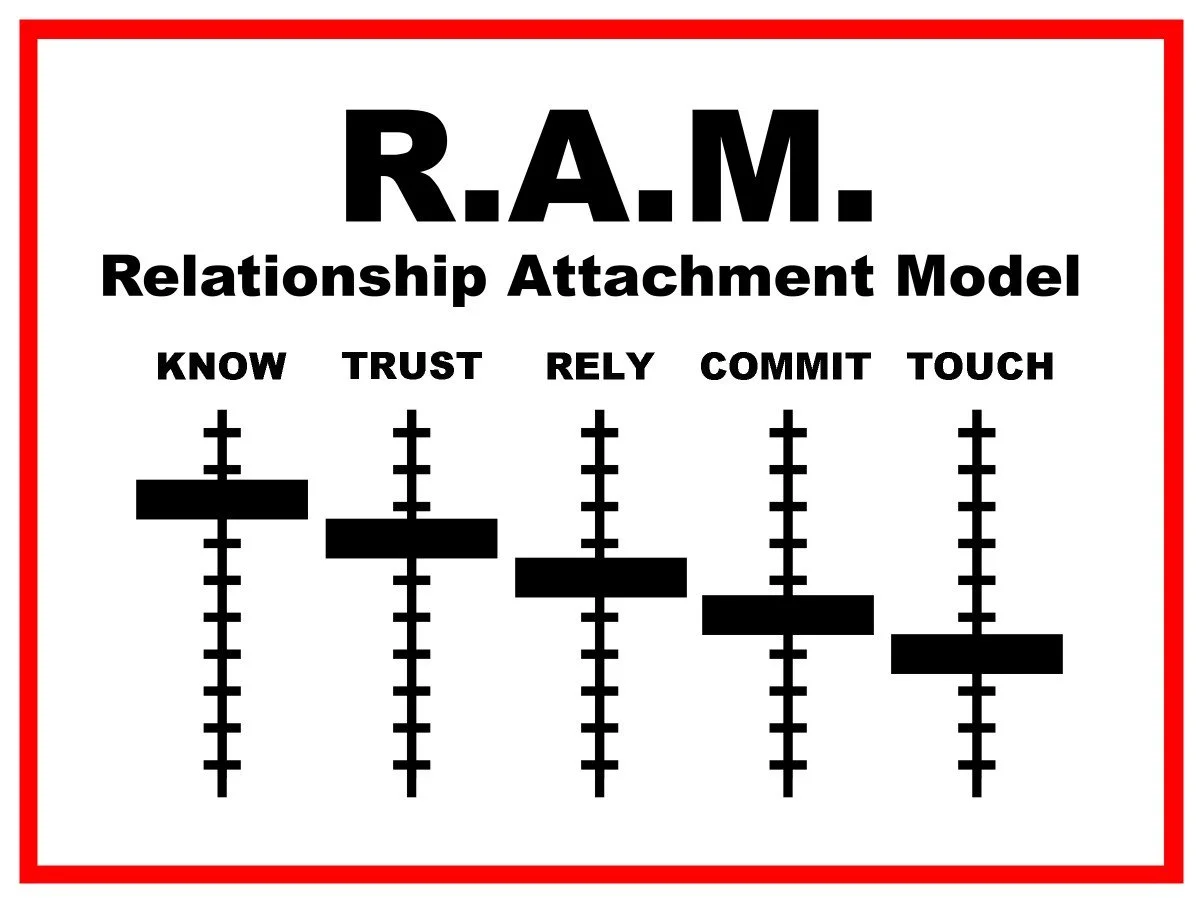
How To Avoid Falling In Love With A Jerk | Dr. John Van Epp : #174
In this episode, we explore how to build love with both your heart and your head. We talk about repetition compulsion, red flags, rushing trust or physical intimacy, and how to tell whether someone is actually capable of healthy love.
What if the person you fall for isn’t just a choice, but a pattern?
Most people think love is about chemistry, attraction, or finding “the one.” But according to today’s guest, the heart alone is not enough.
If you come from a divorced or dysfunctional family, your wounds can shape who you trust, who you’re attracted to, and what feels “normal” in a relationship. Without realizing it, you might be drawn to someone familiar, not because they’re good for you, but because they feel like the past.
In this episode, we explore how to build love with both your heart and your head. We talk about repetition compulsion, red flags, rushing trust or physical intimacy, and how to tell whether someone is actually capable of healthy love.
My guest is Dr. John Van Epp, relationship expert, counselor, and author of How to Avoid Falling in Love with a Jerk.
If you’ve ever wondered, “Why am I attracted to people who aren’t good for me?” or “How do I avoid repeating my parents’ marriage?” this episode is for you.
Get our book: It’s Not Your Fault
How to Avoid Falling in Love with a Jerk by Dr. John Van Epp
Enjoy the show?
To be notified when new episodes go live, subscribe below.
As a bonus, you'll receive the first chapters from our book, It's Not Your Fault: A Practical Guide to Navigating the Pain and Problems from Your Parents' Divorce.
TRANSCRIPT
Transcript produced by artificial intelligence. Please pardon any errors!
John Van Epp (00:00)
Dr. John, so good to have you on the show. Glad you can make it. So great to be here, Joey. Your book is amazing. I'm excited to dive into it. Before I do, I'm so curious of the why behind the book. Take me, you would, to the moment where you just felt like you had to release this book. You had to put it in people's hands. Something that was becoming very apparent to me was that people that came in for counseling that had relationship problems, many of those struggles, regrets that drove them into counseling, when you looked
historically, if they had just done a few things differently, that they might have really ended up in a completely different type of relationship or maybe even with a different person. I found a lot of people said, if only I knew then what I know now. That was a phrase that just kept repeating, like certain things I didn't see or they said, I wish I would have paid more attention to what I saw. Those were the two regretting comments that I heard.
over and over and over. ⁓ I saw it, but I just didn't make a big deal out of it. I overlooked it. I minimized it. Or I just didn't know what to look for. And now three years in or 13 years in, you know, now I see things that never ever changed. It just kept repeating. And I saw the I saw a little bit of the red flags or I never looked in this direction. I never paid attention to it. And that's really I, you know, next time I'm to pay attention to those things. But it
That's after people have been really wounded and hurt. So I wanted to get them at that kind of critical time to then bring into their awareness, you have agency in how you do a relationship, how you bond to another person, and definitely you have agency in being able to figure out what that person would be like 10 years later in a relationship with you. There is a way to kind of look through that.
know, window to be able to think about what this person is going to be like for you. That is not just something that happens automatically. And even as a Christian, as a believer, this is not something that just the Lord is doing for you. The Lord wants to equip you to be discerning. It's a phenomenal kind of core scripture. And when Paul wrote to the Philippians in the Bible there, it says, I pray that your love may abound more and more.
in all knowledge and discernment. And love of the heart needs to be balanced by discernment of the mind that God has given us. And the head and the heart really are meant to work together. I love that. So the way I see you working is you're preventing the heartache, the pain, the cycle of dysfunction and brokenness that could happen if they don't take your advice. The biggest fear, Dr. John, that my audience feels is repeating their parents' marriage on their own. They are really afraid.
of that script following them into their own marriages. One of the ideas that stuck out in your book so much was the idea of repetition compulsion. For anyone unfamiliar, what is repetition compulsion? When we are growing up, we have experiences and some fill us up and some leave us vacant. Maybe it's a vacancy because we've been hurt. Maybe it's a vacancy because something we needed didn't get met, but-
There is kind of, if you just think of it like, you know, all children growing up from a newborn all the way to being launched by the home, you know, what we share in common is we need to be loved, we need to feel important, we need to be encouraged and validated. There's certain, I would call them human universal needs that we have growing up. So if I reach adulthood and I've got
some real vacancies or I have some real unfinished areas of a parent letting me know that I'm important and significant. You would think I'd be attracted to somebody that makes me feel important and significant, but I tend to go to either somebody that's gonna do that in a pretty demonstrative way or somebody that doesn't do it hoping to change the ending. I didn't get it from that parent.
So I want to find somebody that's kind of like the parent in some ways and finish what was unfinished, change the ending, get that vacancy filled. So people tend to be attracted. That's not the only driver, by the way. That's one driver, but it's not necessarily the driver for everybody. So the person that does that ends up getting involved with a partner that.
just seems to hold back. They don't really, I don't know, they have a hardness to them. So they're trying to soften that partner up to give them the love and the validation that they never got from their home. So they are composed to repeat the kind of the dynamic situation. And it could be, you know, a woman with her mother. It doesn't have to be the opposite sex parent, by the way, if we're talking about heterosexual relationships. So it doesn't really matter. is.
kind of the system, the dynamic that was going on with a parent or caregiver of significance. So it doesn't really matter. It could be a guy with his father. But the point being, because it's unfinished, because it didn't really fully meet the need, they want to recreate it, hoping that they can then change the ending. What sadly happens most times is they recreate it and it just ends up recreating over and over and over the painful dynamic.
that they experienced in childhood. So I'll give you a second, kind of like a swing to the opposite. Now I need to find somebody that really demonstrates love and significance of me, like validation of me in a pretty kind of extreme way. So now I am prone to love bombs, right? Love bomb is where they like go overboard and they just give it like, so repetition compulsion is where I recreate the same kind of deficiency
of what didn't happen for me, hoping to change it. Love bomb is where I find somebody that's like going overboard. Many of the people that do love bombs though have a lot of narcissism, I find. And so that ends up backfiring because now you're getting it, you know, in rather than in pints, you're getting it in gallons, but all of a sudden something about that person bothers you. You have a conflict or something and you notice that.
you know, love bomb people, people that really can turn it on have swings. And a lot of times now they swing to become really a pretty difficult person to be in a relationship with. So now you have your need getting met on the one hand, but as soon as you, you know, do something to upset them, offend them, bother them, you.
you get really shut down, maybe you get violence, maybe you get anger, maybe you get shouting, maybe you get the silent treatment, maybe you get like an absence of any affection and all of a sudden now, now you're back in, you know, kind of the same thing periodically swinging back and forth. So both those can be very problematic. That makes so much sense. I always baffled me growing up like.
Why does a girl who grew up with an abusive father end up with an abusive husband? But it makes so much sense how this kind of unresolved relationship, unresolved aspect of the life, that the needs that they never got filled, they'd be seeking to change the ending to that story by finding someone who looks and feels very similar. There's a bit of uncomfortability with what is healthy then too. I mean, and there's a number of things that go into this, not that complicated too much, like,
If it's a female, she was hurt by her father. He was rough, he was violent, he was abusive, but he was also the template for what masculinity is too. Now a guy that is soft and tender and able to be affectionate and transparent, now he looks wimpy and weak and effeminate. She may not be able to sort all that out in her mind, but there is that as well that's working against her. She has to reconstruct what
feminine and masculine looks like in healthy ways. And that's why I say just getting her act together as a woman doesn't automatically change her templates of what she's looking for and what she thinks of and what she finds attractive. Like she is more attractive maybe to the kind of masculinity in that template that actually was formed by an abuser, by somebody that was violent. So now her
her actual sexual attraction is now impacted as well. And so these are things that I say, hey, it's one thing to work on self and improve self, but you also have to improve what you're looking for and what you're attracted to. That becomes something that is equally important or you will find that the relationship with a unhealthy partner will undo all of your healthy gains as an individual. Wow.
I know if you heard what I just said, but this is, I found this over and over in counseling. I'd counsel somebody that came out of a bad relationship. They'd work on themselves for two years, get involved after two years, they're finally functioning well, feeling good. You know, they're not on any meds. They're doing great. They get involved with somebody. They do the relationship poorly. Don't use good discernment. The person they get involved with is unhealthy. And I watched two years of their personal healthy gains all unravel.
in just a matter of weeks and a few months. Wow, no, that's profound. And I love this focus you have on, you know, kind of the spouse selection idea. And I want to go deeper into all of this. I'll add one other thing that kind of frustrated me. So I told you in the very beginning, I pretty much entered into the divorce world. So I've not been divorced. My wife and I got married. She was 19 and I was 21. So like I told you, we were young. I was going into my senior year of college. So
⁓ What's my point is that I never really lived in that divorce world. Then when I had a counseling practice, obviously I worked with people that were going through divorce sometimes, people that had already been divorced and were on a new relationship. I had some of that. Well, I have this material and so I started doing these Saturday seminars. Well, who shows up? I have 50 people in a Saturday seminar and 40 of them are divorced. ⁓
I'm like, my gosh, when I got into that world, would say Joey went through divorce. He's going through a divorce or he's been through a divorce. He's had a heart and he goes to, you know, a local, a lot of times it's a ministry, a divorce recovery class. So now he's in the divorce group and then comes John and John says, Hey, I want to help you guys who've been divorced, learn a game plan of choosing the next partner and being ready to do it differently. I always say,
You know, we have that been there, done that. Knowing what wrong looks like doesn't automatically teach you what right looks like. Just because I know what wrong looks like. That's why you said the counterfeit is a perfect example. Just knowing one counterfeit doesn't tell you maybe another one or another one. And it definitely doesn't tell you what right. Teach them what right looks like. And then all the counterfeits start to be exposed. So I said, just because you were in a marriage relationship where there maybe was, you know, continual pattern of problems that
You know, you wish you want to have it differently in the future. And they all nod their heads, they get that. But this is what Joey says. Joey says, you know, I'm still kind of working on my pain. The last thing I want is another relationship. You know, I get what you're saying, but I'll take your class later. And Joey skips the class. I heard this over and over. When in pain or when wounded, they want to grieve the past. They want to rebuild the past. They want to get their act together.
And then someday they'll get ready for the next relationship, but not now. They don't want to do it at the same time. They don't want to overlap it. They want to, you know, rehabilitate self first. Okay. And then after six months, it might be a year, might be a year and a half, I go to the group meeting and, Hey, where's Joey? I haven't seen him for a couple of weeks. I don't know. Let's call him up. Hey Joey, man, what's going on? I haven't seen you in group, you know, and divorce. Oh, yeah. I'm not really feeling the need to do it. How come? Well, I met somebody.
So here's Joey, over and over these people that have been in wounded relationships try to heal from the wound, but they don't develop any kind of a different game plan of what to do in the next relationship. And before they ever can even be presented with there's something out there to do it differently, they think having done it wrong or having had the wounds automatically teach them how to do it right.
So they don't feel any need, they don't feel compelled or motivated. And next thing you know, blink their eyes, they're in a new relationship and maybe they have somebody that looks very different, but many of the same kind of like internal gears, kind of the same drive shaft that drove a lot of the problems in the past, that's still going on relationally for them. And next thing you know, maybe it's a different face.
but a lot of the same repeated problems and boom, they're back into the pain again. And that's where, you know, I do my best to try to convince people, hey, no matter how much pain you are in something of the past, this content will not only help you work through the past, while working through the past, it will also give you a completely different trajectory of what you want to do going into the future. That's so good. I wanted to transition into the RAM though.
So this is obviously what you teach. if you would, what is the Ram goes to 30,000 foot view and how maybe more specifically to my audience, like how might this help them avoid repeating, you know, the dysfunction that they saw in their parents' marriage. For countless teens and young adults, their parents' divorce is actually the most traumatic thing that they've experienced, but so many feel lost and alone in navigating the challenges. I've been there myself. It's really not easy and it shouldn't be this way. My book, It's Not Your Fault.
guides them through those challenges by helping them put their pain into words and begin to heal, work through the emotional problems that they face, cope in healthy ways instead of falling into bad habits, improve their relationship with their parents, navigate the holidays and other life events, and build healthy relationships and so much more. One Amazon review said this, this book is packed full of really practical help. If you come from a broken family, or even if you don't, but you love someone that does, this book is so helpful. I can't recommend this enough.
By the way, it's a quick read and it doesn't need to be read cover to cover. Since it's in question and answer format, you can just read one of the questions and one of the answers. And so if you want to join the thousands of people who've gotten a copy, just go to restoredministry.com slash books to get the book or download the free chapters. Again, that's restoredministry.com slash books, or just click the link in the show notes. When I started my counseling practice,
I was trying to talk to people about relationships and it's so confusing to be honest. So I began to put like on a sheet of paper when I'd be talking to them, like scales. And so we would talk about like, you know, where do think you are in knowing this person? Cause this is very bonding. This is part of how we connect, but knowing them and trusting them are very different. So.
Maybe you know them a little bit, but you trust them a lot. So all of a sudden I started to define what I call the universal connections in relationship. So if a relationship is a connection, what are the very specific bonds or connections that comprise a relationship? So I ended up putting it into a graphic.
Probably lot of your listeners and viewers don't remember the old graphic equalizer, but even on my car, I can open up the equalizer still on my little screen for my audio and move levels up and down. you had all kinds of, right? So it's like the equalizer of your relationship bond. You can have one be really strong, pretty intense, and another one be really weak. So you can have mixed feelings. It's like ⁓ the sound.
of the relationship comes out of all these levels and how they are moving up and down. So I do have a picture of it here that maybe your viewers can see. Can you see that okay? Is it blurry? Yeah, it's coming through. We'll show this in the show notes. We'll place it in the show notes so people want to pull it up while you're talking, they could look at it as well. So if I just start over here, just think of it from each one of these. How well I know you. So these can go up and down.
how much I trust you, these can go up and down, how much reliance has to do with, think of it like how you meet needs. So how do I meet your needs? How do you meet my needs? So these are two-way streets. can know you really well, but maybe you don't know me at all. So I can feel like you don't really know me very well, but I sure know you because you talk all the time and you tell me everything, but you never ask me any questions. So you don't really know me. So you can kind of use this to think of it like how I.
understand you and relate to you in a relationship, but I could also turn it around and talk about how you relate to me. So not to get too confusing, but each of these are kind of two-way streets. So how do I meet your needs might be very different than how you meet my needs. Maybe I do everything to meet your needs, but you don't do anything to meet my needs. So the way that I can rely on you to meet my needs is really low, but the way that you rely on me to meet your needs is really high. ⁓ commitment is how...
much of a priority, how invested, how much I kind of like put into this relationship. And then touch, touch could be just, you know, ⁓ a fist bump, affection, friendship, you know, it could be a parent and a child, you know, a hug. ⁓ It could be playful where you're wrestling around. mean, touch is touch, but because in some relationships they're sexual, touch can be sexual. What I found as I kind of came up with these five areas,
Each one of them, you might say, on their own had a whole litany, meaning a whole huge amount of support and research theory, all kinds of things, to say that this is a major source of how we bond or connect or feel close to another person. Trust. You can find whole books and research studies and go to a library and a university and you'll have shelves all on information about
the importance of trust. You can find that on need fulfillment. mean, there's whole theories about how, you know, a relationship is how I do for you and you do for me and need fulfillment. And then can find the same about commitment. I found all of these on their own were kind of positioned as a major source of bond, but nobody had put them all together. So I said, you know what? I get that they're all important on their own, but they're also interactive because they're
parts of a whole and the whole is a relationship. So a relationship is how I know, trust, rely, commit and touch another person. these are operating to create a feeling of connection or bond, okay? Almost like the ingredients of a relationship. They are the ingredients of a relationship. But sometimes when we think of an ingredient,
by the way, we think of like baking a cake and they're all independent, but they all are playing off each other's. If I know somebody a lot and trust them and rely on them and all of a sudden they break my trust and my trust goes down, that's going to interact the other ones. It's dynamic. Yeah. It's very dynamic, very interactive. So we got to keep that in mind when we talk about them. So I had developed this, I was using it in my counseling and when I decided to
develop a game plan for singles, there is an ⁓ application of this to building a new relationship. This application doesn't apply to your marriage necessarily because Joey, you're eight years into a marriage, you said, and that was probably a couple of years prior to that. This is a long-term relationship with your spouse that all these levels, you might say, you're just trying to keep them up. Because life is always like,
taking your attention and your commitment to other places. I got to do this, I got to do that. know, honey, what about me? You know, you're like, okay, we got to get back on bringing this back up and something's going to interrupt this area of your affection or your sex life. And this is going to go down. You'll be like, babe, we got to talk about our sex life because we've kind of like been, you know, missing each other. So you got to figure out. So long-term relationships, these levels are always what I call deflating and we have to have a way. It becomes a great
kind of ⁓ strategy to sit down with that person in a long-term relationship, like a spouse or like your kids even, and say, life is bringing these down, let's figure out a way to bring them back up, okay? That's very different than building a new relationship. And so we're gonna talk about dating. So here, let's move all these levels down. So now this is ⁓ more like ⁓ a short-term relationship now.
the beginnings of a relationship, like how do I get started? So I meet the person and right here, the no, it goes up a little bit. Well, what are we talking about? Well, I call it the three T's. We're talking, that's one thing. So I'm getting to know them by I share things, they share things and conversation. Well, nowadays we text, so we're texting. Maybe we're phone calls with.
kind of like FaceTime, so we're kind of looking at each other. But hopefully we're having some more in-depth conversations. But I think there's a lot of people that the no is pretty low in a dating relationship because if they're texting, they're just kind of texting the here and now. And they're not talking history, they're not talking like the last, they're not talking growing up and family stuff. It's a pretty kind of shallow talking. So let's just keep it real for a minute that the no,
When we say talking, it might not be as in depth of talking as what you'd really want so that the nose stays down even if the talking has been going on for a while. But that's not the only T, togetherness is another one. So you got to be with somebody and see different moods. So you got to see them in a happy mood and angry mood. You got to see them when they're pissed off at you, right? So I kind of joke with singles a lot of times when I'm teaching them.
You know, this is why you need to get somebody pissed off on the first date, right?
speaker-1 (23:24)
Yeah, you guys see how they're going to treat you when they're mad. Well, that doesn't work.
John Van Epp (23:29)
because you can't manufacture that kind of situ... You gotta wait for it. So the third T is time. So moods, situations, that's the togetherness. Talking, that's important. But you can't get around time. It has to happen to naturally, organically bring some of these things to the surface. So if I know them here, the simple kind of rule to follow, we call it the safe zone rule. It's what helps...
protect, we got to guard our hearts in a relationship and we have to also keep our eyes wide open and getting to know this person. So the safe zone rule simply says, when you're building a new relationship, don't let any of the levels get higher than one to the left. So don't get to know somebody here, but trust them way up here. Well, why would you ever do that? Well, because you get to know a few things. We talked about love bombs. Well, that can make me feel
really great and safe and good with the person. So all of a I trust them way up here. We talked about projecting onto them kind of a, wow, you have some of the qualities that idealize, but they are coming from an unhealthy dysfunctional parent and I'm projecting that on you or I'm going to try to finish the ending like we talked about the repetition. So all of a sudden, anytime you trust more than you know,
you create this great vulnerability. Does that make sense? 100%. We can do this as well. Now this would be where maybe I'm a caregiver. So I always step in to take care of somebody. So I get involved with somebody that's not the healthiest person in the world. They've got a lot of needs and they're not really doing a lot for me except giving me an opportunity to do a lot for them. So I don't know them real well. I don't even have the best of opinions of them, but I am like,
wholly invested in meeting needs and caring and giving. so again, what's going on? Anytime a level gets higher, if I keep moving over, higher than any to the left, I am creating a bond that actually is competing with what I know. So it's starting to create a bond of the heart that is shutting down the judgment of the mind. It's shutting it down. Well, look at it. I don't know if you can see the whole board.
because it keeps moving on me. You see the whole board. It's coming through, yeah. Trust and touch are high and that's, I would call that, that's mainstream dating culture today. Interesting. Everybody doesn't get to know very much about somebody, nothing deep, nothing historical, not a whole lot of good content to really construct an accurate understanding of the person. So they don't know the person deeply like that.
but their belief in that person goes way up and they become sexually involved with that person. And the trust and the touch create an intense bond that actually shuts down the getting to know process. So they don't really get to know, they don't even feel they need to get to know those things. They've got kind of the bond, but it's a weak bond in the long run of a relationship. And it creates tremendous vulnerability.
Time goes on, the three T's, they talk, they begin to realize they need to talk more, they run into barriers, they realize it doesn't, know, the conversations don't go the way they'd want them to go, but they're already sleeping with the person and they have this kind of like trust and the reliance now is getting pulled up as well. So the relationship ends up looking like that. And all of a sudden, as this keeps going up, they realize, wow, I don't even.
know who I'm involved with. And so they try to talk to them about something that they want the person to do differently. I wish you would do this for me or that for me, or I wish we could talk about that. And then they get all kinds of defensiveness and anger. And they're like, wow, where did all this come from? Or the person shuts down and withdraws. they're like, now I can't even, I'm trying to like reel them in like a fish. And they're just always swimming away and I can't reel them in. They've shut down on me and they're like, I didn't see this. And I'm now six months in.
And now I'm seeing things, but man, I've been sleeping with them for five of the six months or five and a half. You two weeks in we had sex and it was great. You know, I thought I felt loved. I felt close. This happens over and over and over. So then they get stuck and six months turns into two years and they're finally like, I'm done. I'm out of here. Now they are ⁓ bitter.
Inside, they're a bit cynical, they're jaded, they feel like, you know, I've been taken advantage of, they feel victimized, and now they're gonna go into a new relationship? And you multiply this by multiple relationships, and this is the world of dating that's going on. So we have a world of wounded people, not only from upbringing, because a lot of, you know, families have been broken families and have a lot of baggage. So it's a minority of families that are what I call high functioning.
in this culture that we live in. So you come into that and then you have, we're doing relationships poorly out of the safe zone. we're believing that that is the norm. This is how it's supposed to be done. Trust goes up high, sex happens right away, and everything else is gonna just slowly follow. But what happens is by doing it that way, we get ⁓ fooled.
It shuts down the discernment, I call it the discernment of the mind to judgment. know, the bond of the heart overrides the judgment of the mind and you don't get to know the right stuff. And as a result, the relationship goes on too long. You're not using discernment. And when you finally are done with it, it leaves you with all kinds of baggage that you're gonna bring into your next relationships. So, Roz, yeah, so just to repeat for everyone, I recommend in the show notes, we'll link to the chart.
that Dr. John is referencing so you can see what it looks like and it's basically a spectrum, like a high and low spectrum of no trust, reliance, commitment and touch. And so I'm sure there's so much more to this, but it's profound and it makes so much sense. And so, you know, I think a lot of our audience is probably in that first spot of like getting to know the person that they're with. And like you said, even throughout the relationship, you're always coming back to this and trying to inflate it. You mentioned ⁓ talk and togetherness. What was the third T? So I to make sure I had that.
Okay. So are there any, if there's like one piece of advice that you have for people, maybe in this stage. I'll add one more thing. When you look at this, getting to know if this is, if this is kind of like the ceiling setter. So as no goes up, it should allow these others to determine whether they go up or down, but you don't want any of them to go higher than any to the left. so if no is the furthest to the left.
It is the ceiling setter for everything else. So just think of a drop-down box. What are the content areas to get to know? If no is so important, tell me what to get to know about somebody. There are five areas to get to know, and I put them as a separate chapter in my book. So I have five chapters. Each chapter is on a major area that is important to get to know.
that is not only, I call it windows and mirrors. It's not only important to get to know about yourself, that's part of your own personal growth. But this is how you will learn discernment. You get to know this area about another person, you start mixing these five areas all together and you have a very well-rounded ability to discern what that person is like now, as well as where they're going. And what are the maybe potential pitfalls
that that person needs to deal with. Maybe they have some issues that they're not even dealing with. You will discern those more clearly with these five areas to get to know. So my book has five chapters, one on each of these areas of the RAM. So there is a chapter on know, there's a chapter on trust, a chapter on rely, touch, commit, right? But there is also five additional. So a total of 10 core chapters, five additional on the key areas to get to know.
And what you get to know is what I call using your head. Being able to build a relationship with actual agency. Hey, I'm not gonna let trust just move on its own. I am going to be involved in how much trust I give. I'm gonna be involved in how I meet a need or what I let that person do for me. I'm gonna have boundaries and parameters and I'm gonna have involvement. And so I am going to learn how to quote, run the relationship.
with some involvement with this model. And that's what the five chapters are. That's the heart. I'm going to have some involvement in the way that I bond in my heart and use my head. And that's why I say my book, you know, all of my material related to that book content is basically defining clearly what it means to have the head and the heart work together in a relationship so that they're not in competition, they're not one overriding the other.
They are in concert, they are in harmony, and that's how God made us. He made us a head and a heart to work together, especially in relationships. If you come from a divorced or broken family, or maybe you know someone who does, we offer more resources than just this podcast. Those resources include things like a book, free video courses, speaking engagements, a free assessment, online community, and much more. All of our resources are designed to help you heal from the trauma that you've endured and build virtue so you can break that cycle and build a better life. And so,
If you want to view those resources for yourself or someone that you know, just go to restoredministry.com slash resources or click on the link in the show notes. Beautiful. I love it. And ⁓ I know we don't have time to go into those five additional things, five ways to get to know people, but just to tease it for everyone so they can go more deeper into the book. What are those five ways that we can get to know someone? I never give them out because then they're like, I'll give you, I'll give you a two. So one is family stuff.
speaker-1 (33:44)
know it, I've heard it all, but...
John Van Epp (33:49)
So what I found is that people do tell a few stories about families, but they don't really know how to figure out what that person took out of the family. So I think any of the people you've worked with or the people that have been following you that had some real hardships in their family, they know it's not what happened to you, it's what you did with it. And of course, it's important what happened to you. I'm not saying that that's not valuable, not important, not meaningful, but what you do with it,
I mean, that's the ultimate determiner of who you are and where you're going in life. So how do I figure out not only what happened in this other person's, I mean, if that's so important for me, it's equally important for the person I'm dating. 100%. And getting to know them. So how can I figure out not only what happened to them, but I need to figure out what they're taking out of it because I might not be seeing what they're taking out of it right in this moment in our dating relationship.
But if I get to know the right stuff about them through talk, togetherness over time, I can really discern what they're taking out. And that will be strongly predictive of what they're gonna be like maybe in the future that doesn't show up right in the present. Okay, so family stuff, family background, what they took out of it needs to be way more than just telling a few stories about upbringing your childhood, okay? The second area.
And it's the fifth in my book, I go through them almost like how they are progressive in some ways. So they are like an onion, you have to keep peeling layer after layer after layer. So all five have different layers. You get them to know them on the surface and you go a little deeper, a little deeper. So it's not like one naturally leads the other, but the one that really, I would say, starts to pull it all together is getting to know somebody's conscience. And this is a term that
is interesting. We think of like getting to know their character, but I like the term the conscience. And the conscience is that very kind of like interactive part of your mind that observes you, observes other people. It's like the self observer. It's like, you know, you're not just looking through the window of your eyeballs and seeing the world. There's part of you that is watching yourself. So you walk into a situation and ⁓ somebody says something to you.
and you kind of react to them. You get a little bit like, ⁓ and then they react to you. And now, and all of a sudden there's part of you that steps out and is like, wow, John, looks like you're getting a little bit ticked off at this person. It's like my self observer. That's part of what the conscience does, but the conscience has some guidelines to how I ought to behave. And so it's like, John, you're getting a little bit angry with your boss.
over just what they told you about the weekend and what they watched on the news and you disagree with them and what they watched on the news and do you really want to argue with your boss? So my commentator, my self-observer has a value, an ethic, moral. It has like a code and it's observing me, but it's also pointing out you're kind of breaking your code right now by coming up against your boss in this, you're going to be in an argument.
Do you really want to have this argument with your boss? This is not about work. This is about what was on the news and what's happening in the world. And I don't think this is a good idea. And that's the conscience. Everybody has some form of that. Some people have a really strong observer where they're always like self-conscious. They're always like under the light bulb of, you know, analyzing and watching themselves. And some people have a really weak conscience and they act stupid.
And you're like, didn't you think about you're acting stupid? They don't have any kind of a self-observer. And some people have different kinds of codes. Some people have a code that is like the Christian code, like do unto others as you'd want them to do unto you. And other people have a code, get what you can get. And that's how they live. And so the moral code and the self-observer is part of the way that our minds function.
speaker-1 (37:43)
I didn't
John Van Epp (38:08)
And it is under that umbrella that it's called the conscience. Well, if you think about it, my conscience is pretty important to who I am and how I live life. Whether I'm a big risk taker, whether I am nice to people, whether I'm offensive, whether I apologize, whether I am forgiving of others, whether I am like, know, burn me once, shame on you, burn me twice and you're dead to me. You know, how do I function in life? What's my code? That's my conscience.
All that goes into my conscience. You better believe that's a major determiner, a major predictor of how I'm going to live my life. As I get to know this person and I'm dating them, I need to know how to figure out their conscience. Absolutely. Because their conscience is going to be one of the strongest predictors of how they're going to treat me. And if I'm aligning my life with them, where they go and what they do and how they handle things with their conscience,
I'm gonna be part of it. If they're unforgiving, then I'm gonna have to live with an unforgiving person. Maybe one of my parents is going to do something to them and they're like, I'm not gonna forgive them. Well, that's gonna be awkward. I guess I can't have a relationship with that parent anymore because now you wrote them off. so I can't view that their conscience is just their thing and has nothing to do with me. A relationship joins two people.
more and more into one. It's not just marriage, you become one. All relationships join you to some degree in a connection with that other person. The deeper you go in that relationship, when it's dating and then it's sexual and romantic, the deeper it goes, the more that oneness, that joining, that, think about the threads of the fabric of your life and the threads of the fabric are starting to get interwoven. And so how they function,
is in very many ways going to impact your life. And so the conscience, their family stuff, what they took out of it, what they wanted to change. I'll give you one more thing, the change factor. This is in the beginning of my book and it isn't one of the five, but it is an important area that predicts how those five areas of getting to know those five areas, that's a dropdown box under the note, how they're going to deal with it when there's something they need to improve on. So the change factor is
how motivated and willing and actually engaging are they in making a change in their life when it doesn't sit right with you? I'm not saying that I need to tell my wife, you've been married eight years, it's going to be 47 for me. We've been together a long time. I love it. I just had a birthday and turned 68. I see the big seven oak on the horizon. I'm not real happy with that one, but it's better than the alternative as they always say.
But here's the point is that, you I didn't marry my wife to change her. I actually, literally, as a 19 year old, I thought about this. She changes me and I like it. She makes me somebody different than I would have been on my own. I like what she brings out of me. But with that being said, I will tell you this. There are things that I've said to my wife that I wanted her to change. mean, little things like, you know, please don't do that that way or that bugs me or, know, or, and she said that to me. So.
Just think about what 46 years would be like with somebody that they're always defensive and blocking and they don't ever make a change that is important to you. Well, maybe if it's a little thing, that's one. You can live with it. I can overlook that. You're never gonna really change that about yourself. But there's some significant things that if they don't have the ability to change. So I actually, in the book, I'm not gonna take time to do this, but I say there are four
clear ingredients, all four are essential for somebody to be able to make changes in their life. And you need to be able to evaluate all four of these ingredients to determine the degree of change factor this person has. you need to look at, again, windows and mirrors. I need to look in the mirror and see, I have the change factor in these four areas? Because these four areas work together.
to really produce change. And if I look at major things that I've dealt with in my own life and changed, all four of these ingredients were part of it. So when I look at this person and I want to say, do they have the change factor? Because I want them to have that flexibility and openness to try to change just like I have. I want it to match. I want us both to be, hey, we're in this relationship to become better people than we could be on our own.
and you are open to me to working with the change factor as needed, and I'm open to you to working on change factor as needed. And together, that is going to give us kind of like the system of success in our relationship. It's going to be a system of success because you have that openness and I have that openness. But here are the actual ingredients to measure. It's not just what you say, it's whether you have these ingredients. So anyway, we deal with that in the first few chapters of book because
⁓ I define a jerk or a jerkette, male or female, doesn't matter, anybody, any type of person can be kind of labeled jerk when they really, no matter what they say, they don't have much of the change factor. It's the lack of change factor that you could be very reductionistic. know, whatever problems they have, if they're working through them and coming out on the other side and they're making changes.
They're not a jerk. They're a great person in progress. They're an unfinished human being, but they're working and you can see it going. But you know, it's when they don't have that change factor that sometimes, you know, that one thing that maybe it's a temper or maybe it's a bad attitude or maybe it's a lack of taking you into account when you wish that they would. But all of a sudden, you know, they didn't just do it once or twice. But now, as you look at the last two years, it is a regular reoccurring pattern.
And even though you brought it up to a half a dozen times in a nice way, it never really changes. And if it's a pretty significant issue and it's never changing, then you start to say to yourself, man, what a jerk, you know? And that's because they're missing the change factor. So fascinating, John. There's so much good in your book. I appreciate everything you've communicated here. If people want to dive in deeper and get the book and follow you, how do they do that?
Yeah, the book can get on Amazon. It's just how to avoid falling in love with a jerk. We always added jerkette to the program because I didn't want anybody to think I'm- Jerk is really generic for any human being, okay? It is not a gender-related term, but I think people tend to associate it with guys. So, you know, when the book first got published, I did get some hate mail from guy organizations that were very sensitive to nail bashing. And I'm like, you got to read at least-
the first four pages of the book to realize I'm not doing mail bashing. It's just being used in a very general way. But ⁓ on Amazon, how to avoid falling in love with a jerk. I actually have a website that has Head Meets Heart, which is kind of an online course I can do at home. And maybe we can figure out a discount code that you can put out on your site for anybody that might want to do that course, where it goes through the book content, but they kind of watch videos of myself and Dr. Morgan Cutlip, who's my oldest daughter.
So she's worked with me and kind of followed in my footsteps and is doing a tremendous ministry and work on her own now as well as ⁓ with me. So she's very much established herself in her own right with her own books getting published. But we do the videos together and kind of like talk through the course material that's basically paralleling the book. So reading the book, doing the course, Head Meets Heart, that's on a site called My Love Thinks.
So, Love Thinks is our primary website. My Love Thinks is a website with a blog and a podcast that we did and courses that they can purchase and things like that. Amazing. We'll link to all of that in the show notes. And yeah, we appreciate your offer for the discount code. So, we'll talk after and we'll throw that in the show notes for you guys as well. But Dr. John, so good to have you. We'll have to have your daughter as well. I learned a lot reading your book and I've read a lot of these type of books. So, there's a lot of value in it.
And I would say, yeah, especially if you're someone who, you know, you're afraid of maybe repeating what you saw in your parents' marriage. You know that it's not just about working on yourself that's part of the equation, but it's really important that you pick the right person. I couldn't recommend it more. So definitely go check out the book, How to Avoid Falling in Love with a Jerk. Doug, John, I want to give you the final word. So first off, really glad that you came on the show. I know we're all better for it.
But if you were to move all of our listeners, you know, think of the young men or the young women listening right now with a final word, what final advice or encouragement would you give to them, especially if they're maybe a little bit discouraged, intimidated by this idea of building love when they really didn't see that growing up? Well, I think the final word ⁓ is kind of like a two-prong. ⁓ The first is that relationships don't run themselves. They don't just happen. Love doesn't run itself. Love doesn't, like our relationship with the Lord, for those of you who are
walking with the Lord, it doesn't run itself. I have to carve out time to spend with the Lord. If I don't and I don't read the scriptures, I start to slowly trail away. And that just tells you that I have to have a plan. I have to have an involvement. I have to use what I call my agency in my relationship with God. And if it's true for my relationship with God, it is even more true for my relationship with friends. ⁓
maintain them. I've got to keep them up. I've got to decide who I want to be a friend with and who I think is probably not real great for me. And I've got a sense of boundaries on what we actually do together. my agency is so important in my involvement. But I want you to see that as opportunistic. Man, if everything was fatalism and determinism, if it was all determined for you and you had no involvement, you're just like you got nothing. You're powerless. But you are a powerful
human being is how God made you, how God wants to relate with you because God wants to empower you to be actively running your relationships. So regardless of what has happened in your past, that agency is renewed day by day, today and tomorrow will get renewed again for you to be able to make decisions in your relationships, to be involved in it, to rely on the Lord helping to guide you. There's a
Another verse in Philippians, I told you the prayer of, may your love abound all the more in knowledge and all discernment, right? But there's another one I would give you. It's interesting if you read chapter two verses one all the way to 12 and 13, maybe even 14, right around there. It's a very long passage and a lot of it sounds like it's all about, you know, what Jesus did on the cross. He came and He,
right on the cross and he is a phenomenal kind of passage. Probably some say it's the strongest passage about Jesus being God, you know, that he was in the form of God, but considered, you know, did not consider being equal with God something to be held onto, but put it aside to come to die on the cross. So we have this great passage. You say, well, what's that all about? If you read verses one and two, it starts by saying in your relationships,
with one another, have the same attitude that we saw in Christ Jesus. That whole wonderful passage about Jesus is giving us an example of how we should act in our relationship. This is how God acted in relationship with you. This is an example of how you should act in your relationships. And you get to verse 12 and it says, therefore, let me just give you a conclusion. And it's this really kind of crazy verse that people never really put in context.
of what it's about. says, therefore, work out your own salvation with fear and trembling for it is God who is at work in you both to will and to do of his good pleasure. And you say, ⁓ that's all about my salvation. The whole context is relationships, which is the core of working out our salvation. You could put the word relationship in there rather than salvation and it would make perfect sense in context.
Hey, you work out your relationships with a bit of fear and trembling, right? Be thoughtful, know how to do it, be planful, don't just take it for granted. But the word work is an interesting word. means carry it, you put in effort, dig in, exercise it. And then the word for it is God who works in you is in the language that Paul wrote in when he were way back 2000 years ago, it's
It's the word, ⁓ energase is how you pronounce it, from which we get energized. God's energizing you while you put in your effort and like put kind of like your hand on the steering wheel and your foot on the pedal and you're driving the vehicle, but God's providing the gas, the energy. And he's energizing your willpower, like your motivation and your performance, what you do. Work out your relationships.
for it is God who is energizing you to will and to do of his good pleasure. I would say, listen, regardless of whatever has happened to you or what you have done in the past, the decisions you make today with your agency to work out your relationships with the energizing of God, the decisions you make today can change the whole direction of your tomorrow. Regardless of what happened yesterday, today you have agency.
Today, you can work out your relationships. Today, you can make decisions and involvement with the strength and the Spirit of God differently than anything in the past that happened to you or that you did. And those acts of your obedience to Christ, your engagement in your relationships and seeing, I have an involvement in this. What you do there can change your tomorrow. And every day that it changes, where you end up is a totally different destination.
than where you would if you didn't make the changes.
That wraps up this episode. this podcast has helped you, feel free to subscribe and rate or review the show. You'll avoid missing future episodes and help us reach more people too. In closing, always remember you are not doomed to repeat your family's dysfunction. You can break that cycle and build a better life. And we are here to help and keep in mind the words of C.S. Lewis who said, you can't go back and change the beginning, but you can start where you are and change the ending.

When Not to Listen to Your Parents About Love | 3 Callers from Broken Families #173
In this episode, Celeste shares what it was like to grow up as the “third parent” in a family where divorce was unthinkable — and what that responsibility did to her nervous system, her faith, and her ability to trust.
In this episode, I mentor three people LIVE through the problems they’re facing in their broken families:
One caller asks how to deal with a dad who avoids the reality of his divorce, and whether it’s his place to confront him or let that battle go.
Another asks a question people are afraid to say out loud: Can I actually heal? And if so, how does healing really happen?
And finally, a young woman opens up about starting her first relationship while watching her divorced parents repeat unhealthy patterns, and asks, “Who do I go to for relationship advice when my parents haven’t modeled a healthy relationship themselves?”
If you’ve ever felt torn, stuck, or unsure how to navigate the pain and dysfunction of your broken family, this episode is for you.
View details for Healing Retreat May 1-3 in Philly
Ask a question anonymously on the show
Get Dakota’s FREE Guide, The Biggest Fitness Mistakes to Avoid
Enjoy the show?
To be notified when new episodes go live, subscribe below.
As a bonus, you'll receive the first chapters from our book, It's Not Your Fault: A Practical Guide to Navigating the Pain and Problems from Your Parents' Divorce.
TRANSCRIPT
Transcript produced by artificial intelligence. Please pardon any errors!
speaker-0 (00:00)
Instead of an interview in this episode, I'll mentor three people live right here on the podcast who are facing problems that so many of us from broken families face. One caller asks how to deal with a dad who avoids the reality of his divorce and whether it's his place to confront him or maybe just let that battle go. Another asks a great question that so many of us are afraid to say out loud. Can I actually heal? And if so, how does healing really happen?
And finally, a young woman opens up about starting her first relationship while watching her divorced parents repeat the unhealthy patterns in their relationships. And she asks the question, like, who do I go to for relationship advice when my parents haven't been able to model a healthy relationship for me? And so if you've ever felt torn, stuck, or unsure how to navigate the pain and dysfunction of your broken family, this episode is for you. And with that, here's our first call.
Hey, welcome back. What, what can I help with?
speaker-1 (00:57)
Joey, it's good to see you again. I wanted to talk about my relationship with my dad and just kind of how to navigate living in reality with him. The fact that, yeah, my parents have been separated for five years. Legally, the divorce has been going on for five as well with no resolution quite yet. ⁓ And the previous time we talked, I mentioned my mom talks about it a lot, so I'm very aware on her end. But with my dad, it's the complete opposite. I don't ever hear.
anything about how the divorce is going for him. We don't use the word divorce. It's basically he's living his own life and my mom doesn't exist in it. And I think I just have a hard time navigating between these two extremes. Right one looping me in often and one pretending it's affecting the relationship. So yeah, with my dad, the things for contracts, like the things we talk about is like exercise, culture, reading, travel, work.
speaker-0 (01:50)
kind of surface level.
speaker-1 (01:51)
Yeah, very surface level. if that's the conversations we stick to, it's great. Like him and I get along well, we can engage in conversation. As soon as we go even one step deeper, it's just values are exploding and it doesn't go well, which is part of the reason I don't bring up this divorce in situation with mom and dad or anything familial. However, I'm finding it difficult in how that aligns with my values and how much I
emphasize the importance of having a healthy relationship with my parents, mom and dad. And so I don't want to be avoidant of the situation in the way my dad is being. So I just was curious what your take is on whether I would be in the right place to bring it up if I keep playing along with what my dad's doing. Yeah, I just don't have a lot of leeway or even foresight for that.
speaker-0 (02:40)
Yeah, no, it's a great question. And like I'd said before, it's man, it's so rough what you're going through. And I've been there and everyone listening, you know, has been through some sort of variation with us too. So we get you, you're not alone. I think it's a great question with, you know, a dad who, you know, maybe, yeah, just as ignoring kind of the reality of the problem of like your family falling apart and whatever role he played in it. Yeah, whatever behaviors that, you know, he's putting forth. And so I guess one of the questions is like, if things were to continue the way they are.
Like, why would that bother you? Is it just because he's being oblivious or is there something else to it?
speaker-1 (03:15)
I don't think he's being oblivious. think he, for as long as I've known him in my adult life, he avoids conflict. But I struggle with it because I hear so much from my mom's side of like what's said during the hearings or whatever legal terms actually happen in the court and all that. And yes, I hear like how he's treating my mom and kind of how he sounds like he really doesn't value time my mom spent.
to raise me and my brother. And so, yeah, just having that understanding, it really irritates me to think that he's living a certain lifestyle while not valuing my mom's time and sacrificing career in short and a livelihood for family. And then reach his out. Well, actually, he doesn't really reach out to me. I reach out to him. We have dinner and he's amiable and friendly and encouraging of my career and encouraging of my steps forward in life and whatnot. But inside I'm like, how can you?
Talk to me that way when you're mistreating my mom.
speaker-0 (04:13)
Got it. That makes sense. So you feel this need to stand up for your mom.
speaker-1 (04:17)
Yeah, that's a good way to put it.
speaker-0 (04:18)
Yeah. Which makes sense. Like you're defensive or especially cause you're hearing, know, what she's saying. and I get that. So I guess the question is like, is that your role? And if it is like, how do you go about doing it? ⁓ which, which is, I think a great question. I think one of the questions is important for you to think about. It's okay if you don't have an answer here is like, know, if you said something and if it went as perfectly well as you could imagine it would go, what would that look like? What would be the outcome? Like, what would be the result of that?
Have you thought about that at all?
speaker-1 (04:46)
Yeah, I mean, I daydream. The result of it is my dad taking ownership over his action to initiate the divorce and finalizing it. it's, from what I understand, the delays come from his end. it's both affecting, it's affecting them emotionally, but I'm also seeing it how it's affecting them physically, you know, as they age a little more. So for me, would just be maybe someone finally telling him what it is. I mean, the truth the situation and like, hey, you're not addressing need to finish this. Also, it's hurting everyone in the family.
maybe would lead to kicking him in the behind a little bit.
speaker-0 (05:18)
Everyone needs that from time to time. Okay. No, I totally am tracking with you. And I've been in these situations with my dad too, where we were kind of estranged from each other. Like we weren't talking and you know, where he was doing things I didn't agree with. And so I can share kind of what I did in that situation that we can maybe see if it's applicable here. So I remember at one point, I won't get into the specifics, but my dad was like acting out in a really horrible way during my parents divorce. And remember that even after divorce, and I remember.
feeling like if I were to continue my relationship with him like normal, you know, going out to eat like you had mentioned and seeing him here or there and of having normal conversations about like sports and life and whatever, I felt like I was kind of tacitly approving his behavior, kind of like pretending like it wasn't happening. And at one point, because it got so extreme, like it was pretty extreme, I felt that couldn't go on. And so what I decided to do was to write him a letter. in that letter, I said, you know, dad, I love you. I want a good relationship with you.
Here's what I've been observing that is a major problem for me. And because of that, like I can't keep going as long as you're acting this way. But as soon as I see that you've, you're changing, that you've changed, I'd be more than happy to restart or resume the relationship. I sent him that letter. didn't talk for a year and a half, but eventually his behavior did change. And once it changed, I was happy to start the relationship again, because I want a relationship with my dad.
And I think we all do at some level, even if our parents have hurt like we want a good relationship with them. And so that was my way of doing it. An ultimatum like that is Jocko Willink, the leadership expert Navy SEAL guy. He talks about it a lot and he says that an ultimatum is the last resort. It's something where a situation has gotten so you really have no other option but to do that so maybe it's not quite at that point in your situation, but that's what I had to do in that situation.
So I guess like in your situation, I totally get that the outcome is you want your dad to take ownership. You want the whole drama of this whole divorce legal proceeding, at least the legal proceeding side of it to be over with. And then there's also the side where you like want to kind of correct him for saying things about your mom that you feel aren't true based on what you've observed and everything, which I totally So I guess the one question I would ask is like, how do think he would react to you maybe having a conversation with him one or two, delivering that message in a more passive way, like a letter or an email?
Like what's his reaction?
speaker-1 (07:35)
The letter, I probably wouldn't get a response from him and it would just, I wouldn't know whether he wrote it or not. That's what I imagine. If I were to tell him in person, have had an ultimatum conversation with him before, not relating to my mom, just relating to him and I's relationship. think previously I mentioned if I went one step below or deeper than, know, everyday activities, no, he kept crossing that threshold. So essentially told him like, hey, if conversation leads past this.
type of conversation, I will end the call or like, I'm just going to create more distance. So I have told him this. So based on that data and how that went, my dad would play victim. He would pout about it then not talk to me for a long time.
speaker-0 (08:15)
Okay. So, so like, that's a likely outcome. And I think it's important to say that we hope our parents would act the way that we need them to, the way that maybe it would be virtuous and really wise, I think, to think back to like you just said, you know, what, what's the track record and what's the, and based on that, what's the likelihood. And I even like putting into percentage for myself of like, it's probably like a 5 % chance this goes well, or there's like, or in some, you know, better situations, like, yeah, there's like a 70 % chance that this is going to end.
pretty well. so you can kind of decide how you're going to act based on that. I think that's a reasonable thing to do. so him playing the victim, so again, like I know I said this in our last conversation, not your job to defend your mom in this sense. It's not your job to, know, kind of put your dad in his place. It's not your job to kind of convince him of how damaging the divorce is. Like I get why that's a desire. And I know you know this, I just want to remind you and everyone else listening that it's like, Hey,
This isn't your job. In fact, sometimes I think what can happen with us kids is like, we might even overestimate how much of an impact something we do will have. We think that, man, if I just said this thing or did this thing, it would fix the situation. When in reality, if you could, if you do that perfectly, like flawlessly, might not change much, unfortunately, because people have hard hearts. People don't want to change. People want to play the victim. even if you have the perfect solution, they might not do anything with it.
And so does that mean we should never try? No, I think we should, but I think it's more important to try to be and tactful and try to influence people as opposed to, you know, maybe trying, and then I'm not saying you're saying this, but sometimes our intuition is like that we want to like force people or get them to do what we want them to And so, yeah. So I think like, how do you go forward? So you mentioned a few different goals and all of this. And I would say one, showing him like how damaging it's been for you and you have siblings too, Okay. Yeah. So.
speaker-1 (09:59)
One brother, yeah.
speaker-0 (10:01)
showing him about that, like he can't really argue with your story. So if you haven't already, which it sounds like you might've, ⁓ you could convey like, Hey, here's why this has been so hard for me. And the thing that I would want at this is just for this to be over. That's one angle. And that's, and that's maybe like one battle and like, you don't fight the other battles right now. You just fight one battle at a Maybe that's the top priority battle. You go after that one and that's it.
Where it's more like, you know, do this for mom. He's not going to be motivated by that, unfortunately. Do this for yourself. Who knows. do it for me because this is hard. Maybe. I don't know. It seems like that might be more convincing. I'm a dad and if, you know, my kids told me something, I feel like, you know, I would at least take it to heart and consider it. So that's just one thought. And then, yeah. And then some of the other things where, yeah, just kind of, you know, it sounds like he's.
behaving a certain way that you don't agree with. think that's like, I'd mentioned them, the letter to my dad. think once you voice that and then you maybe cut them off, if it's so extreme or you limit and, you know, do what you've already done, which is saying like, if this happens, this consequence is going to go in place. And they're just doing that until you're nauseous, which is so annoying. I hate it. That's just of boundaries. And it comes to a point where if it continues on long enough, then it's like, okay.
Is it really wise for me to be investing in this relationship when it's maybe draining the life out of you, even if you want a good one? And then I think that's where, you like we were saying, an ultimatum might be appropriate. are a few things, but I would say I'd probably avoid, I know as hard as it is, cause I get that desire in you to like fight for your mom and defend her. I would probably avoid going down that would kind of let her do that. Let the attorneys do that. Let the court system do that.
They'll figure that out. It's not really your role. I remember talking with Father John Burns, who did his PhD on forgiveness. I'm like, what do you do with all the anger and hurt you feel? is there like scientific evidence that forgiveness is actually good for you? We talked about that in one of the episodes. We'll link to that in the show notes for everyone who's listening. Yeah. And one of the things that he says though is like, when it comes to situations of like injustice, typically it's best for a third party to bring about the justice.
Where it's like, if you were harmed, a third party, the police, the justice system will bring about the justice. It's not your role. It's not your job to do that. Now it doesn't mean you can't defend yourself. doesn't mean there might not be a situation where you like advocate for yourself. Different, not talking about that, but typically that third party I think is better. So that's kind of why I'm getting at what I'm getting at with like maybe let your mom fight that battle at her attorney's and all that kind of play out. Is that making sense so far?
speaker-1 (12:30)
Yes, it is. That's very helpful context. And I think just with self-reflection, know justice gets fired up in me pretty quickly.
speaker-0 (12:36)
Yeah, and that's a good thing. And again, it's more about like knowing which battles are yours to fight. then also when you know which battles are you're to fight, making sure you're winning the battle, but losing the war. Right? Where we're like putting everything in this one scenario, this one situation, just being right or convincing this person this or that, but then maybe like throwing everything else out the window, right? We're maybe betting too much. And I'm not saying you're doing that in this situation, but I think it's a helpful thing to kind of.
temper ourselves to think like, okay, I'm, you know, I want to win the war. I want to be prudent about which battles are mind defied. And I think this is probably not one of them. I, I know it's maybe a little bit of tough love, I just, I hear about you and I want to make sure that you're, you know, not spending yourself on something that maybe isn't yours to do.
speaker-1 (13:19)
Mm-hmm. No, that's helpful. And I mean, maybe at heart it's tough love, but it doesn't feel like that. I think it's affirming of what I've been doing, which is not doing what my natural inclination is, which is, you know, defend my mom for the sake of having a relationship with my dad that's more even keeled than previously.
speaker-0 (13:36)
Yeah, no, I get And, and, know, if you think it's appropriate, I know we talked about this idea of like conveying like your hurt and how it would be helpful to just finish this whole legal thing for you and for your brother, perhaps. one other thought is maybe offering like resources to your dad and perhaps you've done something like this, but the idea being that, um, if he's more responsive to emotion, to like stories, the book Primal Loss, which I think we've maybe talked about before, it just, features a 70 stories of.
adult children of divorce, really honestly and kind of it's a grueling book to get through. They just talk honestly about like, here's how my parents' divorce impacted me. Here's all the pain that I felt. Here's all the problems. Here are the problems that I faced. Here are the maybe good things that I didn't pursue or I gave up on in my life, whether it's a marriage or relationship or something because of a lot of the hurt that I experienced at home. so that's Primal Loss is a great book for that. And Leila Miller, we, who put the book together, she was the editor.
We interviewed her on it and we'll throw that link in the show notes if you guys want to check that out before perhaps diving into the book. That's one. The other one is if in the future where it's not ready yet, we finished the research on it, there's a book that we're putting together that's going to feature over a hundred peer reviewed studies. We're just going to summarize like over a hundred peer reviewed studies in like a one page format. So one page will say, this is the study on divorce and children of divorce. You know, here's the link. If you want to go look at it yourself, here are like the five to seven findings.
and things like that. You know, they studied this many people and this is what they found and all that. And that's more of a data-driven way. If he's more of like a numbers guy type that like that, then someone could see that and be like, man, there was a recent study that they did where they looked at children for 30 years. they found all these different things, children of divorce for 30 years, and they found all these different things. So sometimes people are more convinced by data than stories. So kind of knowing where he's at with that might be helpful to give him like this or that. So that book, unfortunately, is not out yet.
But there are some studies like the one I mentioned, which we'll link in the show notes as well, that could be helpful to kind of present as like, it's not just me, here's evidence, or it's not just me, here are other stories that are kind of heart wrenching that maybe would get him to think twice. But that might not just to be honest. And at the end of the day, you can only be responsible for yourself. And the only other book I'd mentioned, which I don't know if it would be appropriate or right for you to.
or smart to give it to him, but is Extreme Ownership by Jocko Willink. Have you read that book, Extreme Ownership? It's a great book. It's for anyone interested, it's written by two Navy SEALs, Jocko Willink and Leif Babin, who fought in the Middle East and their task unit, which is just like a, you know, a team of Navy SEALs was the most decorated task unit of the entire Iraqi operation over there.
And so, ⁓ they just share like leadership principles and the whole leadership principle. And it's not just for like people in business or in leadership positions, it's for all of us. The main thing they say that the characteristic, the virtue that is like most core to being a good leader is taking ownership, extreme ownership of yourself and everything in your environment. And so perhaps, especially if he's a business guy, that might encourage him to take more ownership in his own life. So that could be even a gift and you might not even like relate it to the situation. You might say, you know, here's a book that.
you know, I heard about or I read and I thought this might be helpful when it's a gift for your birthday, for Christmas, whatever.
speaker-1 (16:59)
Mm-hmm. Yeah, that might actually go over well.
speaker-0 (17:01)
Cool, yeah. And you're being more influential, you're being subtle, you're kind of trying to use those kind of diplomatic tactful tactics to get by maybe the heart exterior, which may or may not work. And it's a long game. That's the final thing I'll say is that with all of our parents, I think it's important that we remember that there's nothing we're going to do or say in one instant that's going to change them, change their hearts. It's over time. And by far, for those of us who are religious too, prayer and God's grace is the biggest thing that we can do.
it, you know, he can change them when we can. And we just don't have control over that or the timing of it. So that would be my last encouragement is just to be patient and don't be afraid to put those boundaries up and even take a step back if you need it.
speaker-1 (17:42)
Thank you so much for your time and advice. This is very helpful.
speaker-0 (17:45)
Yeah, no, I'm really glad and please keep me posted on how this plays out, okay?
If you're a young adult who comes from a divorced or broken family, I have a personal invitation for you. The Archdiocese of Philadelphia asked us to host a weekend healing retreat for young adults. That's anyone ages 18 to 39 who comes from a broken family, meaning your parents are divorced or separated.
Or maybe mom and dad stayed together, but they acted divorced. And so if that describes you and perhaps you experienced things like anxiety, habits, maybe that fear of repeating your parents' story, this retreat is for you. You're gonna walk away with really practical ways to heal, healthier ways to deal with your pain, and a real plan to build the kind of love and marriage that you did not see growing up. Everything that we'll be doing on the retreat is based on research, the church's wisdom, and expert...
built exercises. And so if that interests you, the retreat is May 1st through 3rd, that's Friday evening to Sunday morning. Instead of view details or register, just go to restoredministry.com slash affiliate or click the link in the show notes. We are almost out of seats. I think that's less than 10 seats at this recording. And so by the time you hear it, it might be even less. So the retreat center closes registration on Tuesday, April 28th. And so if you want to get in, just make sure to
grab your spot before they run out and before we hit that date. So hey, welcome to the show again. How can I help? How did you Because sometimes I feel like it is not possible to I'd to know from your experience, how did feel? It's a great question. And the first thing I would say is healing to me.
speaker-1 (19:05)
you here.
Maybe I will never
Do you?
speaker-0 (19:21)
is the process of becoming healthy and whole, to becoming functional. So I like to think of it in physical terms. I think of if I were to break my arm, right, I would go to the doctor, you I'd go to the hospital. They would maybe do an x-ray. They'd maybe give you some medicine for the pain. They would probably put a cast on my arm. And they do any number of actions that would help my arm to heal. And then eventually in time, my bone would heal, my, you know, arm would get healthier.
I would get the casts off, I would maybe do some therapy, I would regain strength, regain movement, regain function, and my arm would be healthy and whole again, at least to its fullest capacity. That's how I like to think of healing. The same needs to happen on an emotional level as well because these experiences we go through in our families that are wounding to us, they leave emotional wounds. They leave us feeling abandoned, they leave us feeling neglected, rejected, like all the things. And so when it comes to emotional healing, there's
there's any number of things you can do. And that's, think, the first principle is there's no silver bullet. There's no like, do this one thing and you will be healed. It's more like, do these series of things and you will become healthier and more whole. And so I love the quote, there's no silver bullet, there's only a hundred golden BBs, meaning there's a lot of little things you need to do. So I think starting out, one of the...
quotes that comes to mind is from Adam Young who hosts the awesome podcast, The Place We Find Ourselves. He says that when it comes to experiencing healing, naming how you've been harmed is about 70 % of the battle. So what is he saying? So essentially he means being able to reflect on your story, which he encourages people to do, to engage your story, he says, to think through what has happened in your life, all the people that have impacted you, all the different settings, the plot.
as if it were a story, as if it were a novel or a movie, we need to kind of think back in a constructive way on what happened. And when we do that, it's actually the start of healing because we put into words, oh, dad abandoned me here. He shouldn't have done that. It should have been different. He should have been present and loving and protective. He abandoned me. It should have been different. So we're putting language to it, or we can say, oh, my parents got divorced.
That was traumatic, that was hard, that overwhelmed me. And because of that, I suffered in this way and that way. And so we need to just start by being aware of it, by putting language to it, by putting into words, which sounds so simplistic, but that is the start of healing. from there, or one of the things I wanted to share, that act alone is healing. And that was helpful for me, by the way, you asked like, how have I found healing? That was helpful for me, just starting with like putting things into words.
In therapy, I did that with therapists over the years. I did that with friends. I did that with mentors who weren't technically therapists, in my case, spiritual directors. so what Adam Young says though, he quotes a neurobiologist who says that one measure of brain health is something called neural connectivity. So if you think of your brain as a web of neurons, the more connections between the webs, the healthier your brain is, the healthier you are.
Reflecting on your story, like I was saying, is actually healing on a neurobiological level because it neural connectivity, making your brain healthier, making you healthier. So that's one place to start. The second place that I would recommend that's was helpful for me is just sharing your story with someone else who could receive it with empathy. So you find someone who you trust, you find someone who you can share things with, who's not gonna judge you, who's not gonna dismiss you, who's not going to.
not really show any sort of empathy, but he's actually gonna listen. And that alone, again, according to this neurobiologist, is helpful and healing and makes your brain healthier because it increases neural connectivity. So that's one place to start. I've always found writing incredibly healing. There's a professor at University of Texas at Austin who wrote great books. His name's Professor James Pennbaker. He wrote books on how writing can be healing.
And so that was really helpful for me. I didn't follow his method originally because I didn't know about him, but we've done exercises with him and those are really helpful. They're like 20 minute exercises. You do four days in a row. So that's another healing tactic as well. But I think overall, the thing that's been most helpful and healing for me, in addition to some of these other things I mentioned, is just my mentor relationships. So my relationship with these mentors, whether they were just, usually it was a man, sometimes it was like a teacher or a coach or...
someone in my life who had some other role, but they were able to step into this role of being a mentor for me. in college, especially, had just amazing men come around me and guide me and give me advice and love me and just affirm me as a man. Because especially as a man, I needed to be affirmed in my masculinity. I needed to be told like, you're a man, you're good enough, you have what it takes, you're strong, all those things. Women need something similar. They need a good father figure in their life to love them and tell them they're beautiful and enough and all of that. And then, you know,
Women obviously need women in their life too to kind of show them how to be a full woman, a beautiful woman, a strong woman, all those good things. So anyway, I would say the mentors though have been like the most thing. And part of the reason for that is because when we're wounded, when we go through trauma in life, at the root of that is a deprivation or a distortion of love, a deprivation or distortion of love. And so naturally the antidote to our wounds is experiencing love, authentic love.
especially in these mentor relationships, but it can also be with your friends and other people like that. So those are a few things that have been really helpful in healing. And then, you know, for people who are religious, I would say, I know not everyone's maybe open to this, but it's been helpful for me, is just our relationship with God. Grace is God's life within you, within your soul, and grace helps you to do good and avoid evil. It helps you to heal on so many levels because it kind of helps you to take the things that are out of order within you and put them into right order.
And there's different ways to get grace. That's maybe another topic for another time, but just having that relationship with God can, you know, He gives you His life, He gives you His grace. And that for me has been incredibly helpful in healing, especially when I, you know, would kind of bring to Him all my pain and my brokenness. He was there for me as well. So those are a few things I would say, but it's certainly a big question, something that's worth, you exploring more. And I would say therapy or mentorship though is probably the biggest thing that I would recommend. And yeah, the, ⁓
the partnership that we have with the Catholic Psych, catholicsych.com slash apply. ⁓ you can get like 10 % off if you use the discount code restored 24 restored 24. And that's a great way to find someone who we trust, who's really well trained to walk with you. So is that helpful? So helpful. Awesome. Awesome. Well, it's good to talk with you and, I, yeah, you'll have to let me know how things are going, but it's a great question. Thank you. Okay. Real talk. If you've been trying to get in shape so you feel better physically and emotionally, but nothing is working, you're not.
speaker-1 (25:57)
Yeah, yeah, yeah.
speaker-0 (26:11)
I've been there myself. recently read a free guide by Dakota Lane, a certified personal trainer who we've partnered with that's helped about a thousand people. And it was really helpful for me personally. In the guide, he breaks down the biggest fitness mistakes that we all make like under eating, over stressing, or focusing too much on the scale. And he gives really simple practical tips that you could actually use that you can implement today.
And so if you're tired of feeling like you're never going to get in shape, just click on the link in the show notes and grab the guide today. It's totally free and it might just be the thing you need to start feeling healthier physically and emotionally. Hey, it's really good to be talking with you. How could I help today? Thanks.
speaker-1 (26:46)
So I'm in my late twenties and my parents got divorced in my late teens. They had been married all my life before then. They got remarried to other people about two years after they divorced. kind of throughout their marriages, I noticed kind of a lot of the dysfunctional patterns that they had in their first marriage with each other kind of continuing. A few months ago also, I just started my first relationship. So wondering.
I guess considering that I have concerns about, you know, how my parents are with their own relationships, how should I go about getting advice from them regarding my current relationship?
speaker-0 (27:24)
This is a tricky one. I think there's two ways to answer it. On one end, people have the perspective, like never take advice from someone who hasn't been where you want to go. So don't go to a poor person asking them how to be wealthy. Don't go to someone who's completely out of shape and ask them how to be fit. You want to go to people who've done what you want to do in order to like learn how they did it. So, you know, if you see someone
Anyone, even, you know, I know we're talking about your parents here who has like really unhealthy relationships and you want your romantic relationship now to be healthy. They might not be the best people to learn from. And I don't say that with harshness against them. In fact, they might even say that to you if you were to have like a really honest conversation with them. But, but that's one perspective. So the question becomes then who do you go to? And that's when I think it's really, really key. What I've found really helpful and a lot of people that I've talked with through Resort have found this helpful too.
Find a family that you admire, that you would want to emulate. You want your marriage to be like their marriage, spend time with them. Which sounds simple, but I think there's sometimes some struggles to get to that point. But that's what I would say. And for me, there were two couples, I just loved being with their family, I loved being with them. They really were an inspiration for me, because I really doubted that love could last. Especially after my parents' marriage ended, I was like this, even if marriage and love is good for a time.
I'm like, eventually it's going to fall apart. Like I do not want anything to do with that then. But in time, you know, when I saw these really beautiful couples who they didn't have perfect relationships, but they had really healthy relationships and they really happy relationships, happy marriages. I was like, man, I want that. And just by observing their, their marriage, the way they interacted, the way they disagree, the way that they, you know, would ask questions and just, you know, look at each other and like all the little things. It even kind of created a little bit of an example to follow.
It was almost like a little bit of an apprenticeship in love, which I think is really beautiful. So I think that's like really great. can be hard to find those families because there's not a ton of like really thriving, great, healthy families, depending on what circles you run in. But I found across the board, it's hard to find them. And so do you have anyone in mind who might be able to be kind of that mentor family for you?
speaker-1 (29:39)
I mean a few people. Up until now, while I might ask my parents some things, I do have some cousins that I might go to for advice about certain things. And then also because I'm living in a different city, same as my boyfriend who lives here, we do have like different maybe members at church who we can go to for advice or like things like that.
speaker-0 (30:00)
Great. I love that. And I love that you mentioned church. I think that's a great way to find these sort of mentors. I know for me too, I found them through different relationships. Like I remember some of my professors at school, I got along with them while I looked up to them. They seemed to have really good families. So would try to ask them advice. So I think, yeah, that's great. And one of the things I would advise there, and I'm glad you have people in your corner, but if there's a family who you maybe admire at church or somewhere else, start by getting to know them maybe at church.
you know, say hi to them, you know, ask obviously how they're doing, things like that. And then if you can, you know, there's a couple of ways to approach it. One is to like, maybe ask for you to ask like the mom, the woman to say, you know, Hey, I really admire you and your family. I'd love to get some advice for you. Would you be open to like, you know, sitting down and having coffee sometime? That's it. So you build that relationship with like the, the, the mom. And then maybe over time, you know, you kind of build a relationship with the family where you can go over.
And you can maybe help out with a project around the house. You can maybe babysit the kids or do something like that. Go over for dinner, maybe even bring dinner, something like that, where you kind of just spending time in their presence. And like, honestly, for me, that was just incredibly helpful and healing. I don't think I'd be married today for over seven years now, if it wasn't for those families that I mentioned. I really believe that. And so I think this is like, it can be so, so helpful, at least it was for me. And so that's it. it's, and you know, I think.
Finding out how to be helpful. Families have busy lives. They don't have a lot of time and space for like extra things, but people don't mind giving advice. People like giving advice. And so sitting down with someone like that, I think it'd be really good. And then maybe even, you know, trying to have a meal or something like that with them. and then in time, you know, once you get that level of comfort, perhaps I don't, you you don't have to go down this route. You can maybe even ask the married couple to like mentor you.
to kind of help you guys as a couple. Maybe you meet with them once a month or something like that. And you just bring to them like the reality of your relationships. Like, hey, you know, here's our relationship. Here's where we're strong. Here's where we're weak. You know, this is where we want to go and whatever, you know, this is maybe some of the things that are keeping us from getting, you know, getting married or whatever. And my wife and I did that and it was really helpful. We had a mentor who, you know, knew everything about our relationship and he was able to guide us and even help us kind of.
Um, figure out if we were the right fit to get married. And so I think, I think that's like really, really helpful. Now I know it's like a lot of steps to get to that point. So, you know, I would recommend if there's someone at church who you admire, you look up to, just try to get to know them more, grab coffee and see where it goes. What do you think about that?
speaker-1 (32:27)
I think that sounds helpful because I think up until now the issue that I've been running into is that I have people but I haven't had that level of closeness where I felt comfortable say going to them rather than going to my parents who I felt like were people who knew me quite well.
speaker-0 (32:44)
And there's nothing wrong with that. And that was the second part of the answer, which I want to get to in a second. But first, I totally get that. And I think it is a little bit of a leap because not everyone will be open to it. I don't think you're going to, especially if you're approaching someone at church, they're probably going to be cordial and likely going to be, you know, open to having a coffee and, having a chat. It takes a little bit of vulnerability. And I know for me growing up, vulnerability wasn't something that was like, you know, I could tell you, it seems like you're a vulnerable person, like you're able to open up to people and that's great.
For me, it wasn't like that. I felt like in my family, we kept things kind of safe and on the surface. And so having a conversations where you're kind of like opening your heart up was not a normal thing. Eventually it became more normal because my siblings and I would do it and it, you know, we had friends who kind of influenced that and it was really good, but it wasn't a normal thing. So I actually had to learn how to do that. I had to learn how to, you know, approach people and be like, Hey, I'd love to get your advice. And again, people love giving advice. So when you say that, use that word advice. There's actually research on this from.
Robert Cialdini, who's studied like influence. Um, he says, if you ask people for advice, like you actually will then have more influence over them, which is a really interesting thing. so anyway, people typically are really open to, giving advice. So I think that's a great starting point of like, you know, figuring out a time you can sit down and have coffee to get some advice. And then, you know, kind of like we're doing this conversation, you present, Hey, here's the situation. Here's the problem I'm facing. Um, I'm feeling a little lost and I'd love to get some of your guidance here and then, you know, let them go.
Let them see what they have to say and see if it's helpful. And if it is, then maybe you meet again. And if it's not, then that's okay. At least you had the practice of like opening up a little bit to someone and maybe you find another person who's a better fit for you. So yeah, so that's kind of one end of it is like learning how to be more vulnerable. And I think again, kind of like we were saying before, when it comes to that conversation ⁓ with your mom, you kind of got to risk it. You kind of have to put your neck out there.
And, you know, maybe be rejected. I don't think you'd be rejected in this situation, but maybe be rejected or maybe and not go perfectly like you want it to, but just realize like, Hey, that's just, this is just practice. Like I'm just learning how to do this thing. I'm not going to be perfect at it at first. And that's okay. ⁓ so, so that's kind of what I would say on that front, but I wanted to get to the second part of the answer, which is like approaching your parents for, ⁓ advice too, which I'm not against. I just wanted to give this first part. Is that helpful in any other questions on the first part? No.
speaker-1 (35:04)
think that makes sense with that first part.
speaker-0 (35:07)
Is there anyone you could think of in particular, even beyond just maybe generally like at church who you could maybe approach? And that's okay if not, I'm just curious.
speaker-1 (35:15)
I mean, I think between my family members and church, that's kind of the main ones that come to mind. Beyond that, it might take more looking into or maybe even asking my boyfriend, because I know he has connections and people he knows as well.
speaker-0 (35:28)
Great. I love that. That's really wise. And yeah, like I was saying before too, it might take some time of like getting to know people and that's okay. You know, a lot of times when it comes to like church or school or things, it just means spending more time around them. So it's like, you know, after church, having more conversations, putting yourself out there a little bit, going to other events, things like that. Then you get to know people a little bit more. And through that, maybe you'll find someone who can be a bit of a mentor. So that's that. Okay. The second part of the answer is, you know, the first part is kind of like,
don't necessarily go to your parents for advice because, know, unless you, I'm not saying you're going to end up getting divorced if you go to advice from divorced people, but it's kind of the whole idea of like, you want to go to people who've had success in the area that you're seeking for success. Sorry if that sounded harsh, genuine, that's not what I intended. The second part I'm saying is like, I think you can go to your mom or dad for advice and relationships. I think you need to be, you know, again, if they had kind of like a train wreck of a marriage and there weren't a lot of great examples.
You might learn more from their mistakes than you would from the things that you should be doing, if that makes sense, or the things that they did. And so I think there's, you know, like one of the lessons I've heard from a lot of parents is like, they say like, yeah, I really didn't discern well whether I should have married this person. You know, there were like all these red flags. I kind of kept them to myself. I didn't tell anyone about them. Or if anyone brought them up, I kind of brushed them off. didn't really give them the attention that they deserve. We ended up getting married and now we're divorced.
And so I think there's like some powerful lessons that can come from quote unquote failure or, you know, a bad relationship and unhealthy relationship. And so I think there is something to be said to, you know, going to mom or dad and seeking that advice. ⁓ When it comes, there's another component of it too, that I would say is healthy or is really helpful is that they know you so well. And so they can speak into a little bit at least about maybe how they think, you know, you guys are together.
I remember in some of my relationships in the past, I could tell my mom like didn't quite approve of the girl I was with. Not because she was like, wasn't a good girl, but because I just didn't think that we went well together. And then I remember once I started dating my wife, it was like a totally different tone with my mom. Like I noticed like she was, you know, just talked about her differently. She acted around her differently and it seemed to be like, okay, there's something here. She, she said it with words too, but there was something kind of like even nonverbal that I understood like, okay, she, she thinks this is the right fit.
And so, so I think there's a lot to be said on those two fronts, maybe learning from their mistakes and then also kind of pulling upon the wisdom that they have because they've known you your whole life. He's known you as long as you've had been you and no one else really knows you as long as you've been you. Is that ringing true? Is that helpful?
speaker-1 (38:07)
So I mean, I think kind of what I've been doing a bit already is whenever I do ask for advice or they do give me advice, I feel like I tend to just kind of, I don't know, take it with a grain of salt like filter. Like, what do I think is good from this apart from negative? And I think also they are aware of kind of their own mistakes in a sense. Like my mom will talk about things that she felt like could have gone better with my dad or, you know, like you said, red flags or.
My dad will talk about with his second marriage, things that, you know, he feels like if he hadn't known, maybe then he wouldn't have gone into that marriage.
speaker-0 (38:45)
That's super valuable. I love that. And I think you're wise to take anyone's, including mine, anyone's advice with a grain of salt and kind of filtering it through, you know, what you think is best.
speaker-1 (38:57)
Yes, thank you so much for, you know, taking the time to listen and talk through things.
speaker-0 (39:02)
Absolutely, my pleasure and yeah, definitely feel free to come back and let us know how it went.
speaker-1 (39:06)
sure thing.
speaker-0 (39:10)
That wraps up this episode. you'd like to call and ask a question on the show, just go to restoredministry.com slash ask or click the link in the show notes. How it works at the moment is that once you submit your question, we'll review it. And once my team approves, you'll get a link to schedule a time to do a call with me. We'll jump on that call for 15, 20 minutes. Your face and your name will not be shown. Only your voice will be heard. So you'll be anonymous. And again, you can ask your question by going to restoredministry.com slash ask or just by clicking the link.
Lastly, as you've heard, we wanted to invite you to our weekend retreat in Philly, May 1st to 3rd. Spots are limited, we're actually almost out of spots, but you can go to restoredministry.com slash Philly for details or click the link in the show notes, whether it's for you or someone you know. And if this podcast has helped you, feel free to rate or review the show and make sure to subscribe. You'll avoid missing future episodes and help us reach more people too. And in closing, always remember you are not doomed to repeat your family's dysfunction. You can break that cycle.
and build a better life and we are here to help and keep in mind the words of C.S. Lewis who said, you can't go back and change the beginning, but you can start where you are and change the ending.

You’re the Third Parent: How to Break Free Without Hurting Your Siblings | Celeste: #172
In this episode, Celeste shares what it was like to grow up as the “third parent” in a family where divorce was unthinkable — and what that responsibility did to her nervous system, her faith, and her ability to trust.

At 14 or 15 years old, Celeste learned her parents’ marriage was unraveling.
Affairs.
Addiction.
Secrets.
Her siblings didn’t know.
But she did — because she was the oldest daughter.
And before long, she wasn’t just watching the marriage fall apart… she was managing it.
In this episode, Celeste shares what it was like to grow up as the “third parent” in a family where divorce was unthinkable — and what that responsibility did to her nervous system, her faith, and her ability to trust.
We talk about:
Carrying secrets to protect the family’s image
Panic attacks and anxiety that she didn’t know how to name
The guilt of moving away and “leaving siblings in a burning building”
Why even a “necessary” divorce still deeply wounds children
And why dating now triggers intense anxiety
Celeste’s story is honest, raw, and hopeful. Because while you can survive being the third parent… At some point, you have to stop carrying everyone else.
If you were the responsible one…
If you feel guilty for wanting your own life…
If anxiety follows you into relationships…
Or if you’re afraid you’ll repeat your parents’ marriage…
This episode is for you.
Suicide Hotline: Call or Text 988 (English or Spanish)
Get the Book or FREE chapters: It’s Not Your Fault
Get Dakota’s FREE Guide, The Biggest Fitness Mistakes to Avoid
Enjoy the show?
To be notified when new episodes go live, subscribe below.
As a bonus, you'll receive the first chapters from our book, It's Not Your Fault: A Practical Guide to Navigating the Pain and Problems from Your Parents' Divorce.
TRANSCRIPT
Transcript produced by artificial intelligence. Please pardon any errors!
Joey Pontarelli (00:54)
Welcome to the Restored Podcast. I'm Joey Pannarelli. If you come from a divorced or dysfunctional family, this show is for you. We mentor you through the pain and help you heal so you can avoid repeating your family's dysfunction and instead build strong, healthy relationships. Around 14 or 15 years old, Celeste learned her parents' marriage was falling apart. She'd even seen the signs earlier than that. Affairs and addiction, years of hidden betrayal. Most of her siblings did not know, but she did because she was the oldest daughter.
Now at one point in high school during a car ride, her dad asked her if they should get divorced. Imagine being in high school and being asked whether your parents should get divorced or not. But Celeste didn't just watch the marriage break down, she became the mediator. She became the third parent because she tried to keep her younger siblings in line so they wouldn't trigger anger. She tried to keep secrets so that everyone outside the home wouldn't know how broken things were inside the home. She would talk to her parents into seeing each other's side, trying to be their th-
marriage therapists of sorts. She basically held the family together so no one would fall apart. And at night though, she would have panic attacks and she felt almost constant anxiety, but she didn't even know what to call it at that point. So she couldn't sleep, her chest was tight, her body would shake, she would throw up, and she didn't tell anyone. And so this episode isn't only about your parents getting divorced, but it's also about what happens when a child becomes the emotional adult or the third parent in a dysfunctional home. We hit on a bunch of different topics, like what it felt like for Celeste to carry secrets that her siblings did not know,
The guilt that she still feels and extend for moving away and leaving her siblings in a burning building, an analogy she goes into which is really deep. We talk about why even though she believes the divorce might have been necessary, it still deeply wounded her. And we also hit on why dating now brings so much anxiety for her almost immediately and so many more topics. Celeste grew up in a family where divorce was the ultimate failure, image matters, secrecy mattered, control mattered. And it's the second oldest of eight kids, the oldest daughter.
She carried responsibility that no teenager should have to carry. But thankfully, now she's rebuilding. She's working with a mentor. She's relearning how to set boundaries and have healthy relationships. She's reconstructing her faith. She's rebuilding and deepening her relationship with her family and so much more. And she's honest about how hard it is for her to trust, especially in romantic relationships. And so if you were the responsible one, if you were the one who your parents leaned on, if you left home but still feel like you abandoned your siblings, or maybe if dating feels terrifying,
because you'll afraid you'll marry the wrong person or maybe you'll repeat your parents story. Celeste's story will feel painfully familiar, but also hopeful. And I think one of the takeaways is you can survive being that third parent. You can go through that stage and do some really good and necessary things to help your family. But at some point you have to put that role down and there is a life after that. There's a lot of hope and healing ahead of you.
A few things before we dive in, we do talk about God and faith in this episode. If you don't believe in God, you're totally welcome here. My challenge for you is this, just listen with an open mind. Even if you skip those parts, you're still gonna get something out of this episode. We do also talk about some mature topics like suicide. And so if that's triggering for you or if you have kids around, I either recommend not listening or putting some earphones in. And finally, Celeste just wanted everyone to know that thankfully her siblings are much older now and they're not in harm's way. Even if home life isn't perfectly functional, it's better now.
And so they're not suffering abuse or physical harm in any way. She felt that she needed to clarify that ⁓ based on some of the things we talked about in the episode. But with that, here's our conversation.
I'm really glad we could do this. As I was reading your story on our blog, I was really moved by it. Earlier today when I was preparing for this, it actually made me tear up because you've been through so much. And so I want to dive into all of it. And I think the maybe natural place to start would be your parents' marriage. And so curious, what was the start of the breakdown of your parents' marriage as much as you can remember?
Celeste (04:24)
Thank you, it's good to be here.
Yeah. ⁓ So my parents raised us very evangelical Christian, very conservative. Divorce was the big no-no sin, right? And we kind of carried that energy for a long time. And there were a lot of things that definitely contributed to my parents' marriage breaking down. I think we went into ministry when I was around 11, and we became very isolated from other churches and other families.
Part of this was because of my mom wanting to isolate us a little bit more and stay sheltered. And part of it was for religious reasons. ⁓ I think in that isolation, it became really difficult to actually work through the problems that my parents were having. And instead of reaching out to other people for help when they started experiencing conflict, they really internalized it and kept it a secret from others.
to avoid losing supporters or ministry credit and things like that. When I was 14 or 15, both my parents came to each other and told each other that they'd had either multiple affairs or marriage-long porn addiction. And that really started a huge breakdown in our marriage. Again, this was not being shared with any of our friends or family or churches and not with my other siblings either. This was mostly just shared with me as the oldest daughter.
And so when sometimes in your previous episodes you ask if it was a high conflict or low conflict situation and for the rest of my siblings I would say they definitely probably experienced it as low conflict and didn't know that it was going on. But for me it was pretty high conflict seeing everything that was going on between the two of them and the lack of respect they had for each other especially towards the end.
Joey Pontarelli (06:36)
Okay, no, that makes sense. And that's a really wise distinction because the researchers we quote who talk about high conflict and low conflict, they basically, from what I've gathered from them, they basically say it just matters what the child sees through their eyes. And so I think you could have a situation where it is kind of both one for you and different for your siblings. Did, without going too deep into it, how old were you when all of that came to light and you learned about the problems within your parents' marriage?
Celeste (07:05)
14. It's hard to get a good timeline in these situations. Totally. You can't really get a clear one from either parent. I'm not really sure they know anymore. So yeah, so I was probably about 14 to 16 when all these things started coming to light. Yeah.
Joey Pontarelli (07:19)
So yeah, just beginning of high school and man, what a tender time that it's lot to carry. know your parents tried different things to heal their marriage. What do you think kept them from actually fixing it and how did the kind of like failed attempts impact you?
Celeste (07:24)
Yes.
Obviously all this is from my perspective and I don't know their motives in the situation, what was really going on in their minds. But from my perspective, it seems like they kept doing all the right things to try to fix their marriage. Like, go to counseling. ⁓ do the love dare. Or let's go through this book. Or things like that. And I don't think either of them had a great willingness to change. I think, especially in my mom's case,
the ability to see what was really going on and understand what would be needed to rebuild trust. She just wasn't there. I think they also had different levels of willingness throughout those years to see the counselor. And so they're rarely on the same page with actually wanting to find help. And I think the counselor also sided more with my father, which made it more complicated. So.
whether or not they were right in doing it, I think it definitely pushed my mom away from wanting to pursue further counseling. is great, but if you're not actually going with the intention to change and improve, there's not really a point.
Joey Pontarelli (08:43)
Yeah, I would agree with that. One of the analogies that has always stuck with me is I hurt my shoulder, like, I don't know, a couple of years ago now, and I went to PT. And there were times in which I would like do the exercises and I would go consistently and it would feel better. And there were other times where I just like wouldn't really go or wouldn't do the exercises and I would feel worse. And I think that can be so true like within marriage when you're struggling, it's like, it's great if you like show up.
PT every once in a while. great if you go to the therapist's office like once a month or something. But if you're not actually doing what they tell you to do and like working through like the wounds and trying to build new habits, then you're right. It's just kind of going through the motions. And so what I see with a lot of marriages, and I'm not saying this was necessarily the case with your parents, but it sounds like it could have been, is where like we either don't try it all or we do try, but we don't really put our hearts in it or we try, but we do too little. Like we're, you know, doing like, I don't know, one rep almost the equivalent of that.
And again, I don't want to pass judgment, I think, yeah, I think that could be so true. so then because just looking from the, the lens of like the, marriage that the couple, because they're in such a place of hurt and woundedness and everything, can feel like, ⁓ I've tried everything. I've tried everything. When in reality, it's like, okay, you went to like two counseling sessions. You did this, you read this book and you did this like love dare thing. And that was about the extent of it, but it probably feels like,
You just ran a marathon because you're just so exhausted. Would you agree or disagree?
Celeste (10:12)
think so, yeah. And from my perspective, especially when they were in the midst of it, I don't think either of them had very good mental health. Also, one parent is highly manipulative and one parent is highly apathetic to doing anything to change. And so, it definitely didn't help the situation at all.
Joey Pontarelli (10:30)
dangerous
combo there yeah okay I definitely hear you was there anything else about kind of like watching that as a their kid how that impacted you I know you touched on that but I just want to see if there's anything else you'd say
Celeste (10:41)
Yeah,
I think we'll probably talk about it later, but I am the oldest daughter and so being in the position as more of a third parent and not necessarily as another child. I know, I think it was episode 140 where your brother was on the podcast. That was probably the best episode you guys have released in my opinion. I the That one was super helpful for me because just, I think this, you guys were talking about making the oldest child the extra parent.
and how that really negatively impacts relationships with your parents in the future. Seeing that when you're a kid, you really want to help your parents out and your parents want someone to talk to, but they're not going to talk to their friends because they don't want their friends to know. And they're not going to talk to their spouse because they're arguing with their spouse. So the oldest child is the next solution. I think that was really the position that I had in the situation and trying to make them see eye to eye and trying to keep my little siblings out of it, I think was
was a big part that I had to play in the whole situation. That's how I viewed it.
Joey Pontarelli (11:42)
sense. I want to get to that and I'm excited to talk there because I think a lot of people like us are in that exact situation where they're maybe even more concerned for their siblings than they are for themselves. I know I felt that way and I remember you saying that too. But before we get there, I knew you felt many different feelings, emotions toward your parents. You mentioned anger, outrage in your article. I'm curious, what are you feeling now?
Celeste (12:04)
These days when I'm not at home, I mainly feel disappointment with my parents and some grief and seeing still some major character flaws that are negatively impacting the family. usually only feel like genuinely angry or like really, really, really sad when I go home to visit because I live several states away. And so for that reason, the holidays are usually very emotional times, but yeah, that's generally what I feel now. think
At the end of the day, I can feel angry all the time and bitter, but once you've forgiven them or are working on forgiving them, the only thing left is just sadness and almost pity, like watching people destroy their lives. ⁓
Joey Pontarelli (12:45)
definitely felt that both toward my parents and some seasons and definitely like with a lot of the families that I'm interacting with it's it's just there's a sadness there I could totally agree with you. If you want to share we don't have to go into this too much like how is your relationship with them with your parents now I know you said you live out of state and so it's I'd imagine distant but yeah if you want to go into that.
Celeste (13:06)
so it is pretty distant. think I have, I have a relationship with both my parents still right now. It's very much small talk and sharing, you know, funny pictures or recipes and things like that. I think that's the only level that it can safely be at right now. ⁓ that might change in the future with my mom. That's probably where it's going to be for a long time. With my dad, things are kind of strained right now, but we're figuring some other things out. So it's always complicated, isn't it?
Joey Pontarelli (13:34)
Yeah, no, it definitely can be. I think it's naturally a little bit of a roller coaster where there's seasons where things are better and then there's times when they're not so good. I know I've gone through that ⁓ as well.
Celeste (13:47)
There's just drama that's introduced at various times and that changes everything.
Joey Pontarelli (13:52)
Yeah, but I totally got what you're saying about like the safe topics and I find myself like, like wanting to go into the deeper topics, but having to be careful and tactful and, you know, wise because sometimes it's not the smartest thing to kind of open those.
Celeste (14:05)
And for me, I still have younger siblings who are minors who are living at home. So I don't, I've decided not to go into super deep topics with my parents until my little siblings are no longer at home. That way I know even if my conversation goes poorly, their emotional reactivity is not going to be taken out on my little siblings.
Joey Pontarelli (14:22)
I get that. There's there's wisdom in that. You mentioned that you're the ⁓ second oldest of eight kids, if I got that right. You're the oldest daughter. Yeah. So you touched on this a little bit, but I want to go deeper into like, what was your role like in the family growing up? You said you were the third parent, but yeah, let's get into that a little bit more curious what that was like.
Celeste (14:40)
So I think my parents really wanted to avoid me becoming the third parent. They told me before that they didn't want me to be that position, but actions speak louder than words. And at the end of the day, I had a lot of responsibilities with taking care of siblings. Some of them were given to me and some of them I took upon myself. We were homeschooled and between being homeschooled and the situation at home,
It was a lot of responsibility put on me, sometimes explicitly, sometimes subtly, to keep these secrets in the family so that nobody would share them outside the house or we wouldn't get social services called on us, things like that. And so I really worked hard to keep my siblings in line. One of my parents has, at least at the time, had some anger issues and I would really try to keep my siblings from acting out or being, you know, acting like kids to...
prevent more physical forms of punishment from happening in my household. I love my siblings, but none of could lay low to save their lives. So that was kind of my job. And also in the middle of the divorce, ⁓ everybody was really struggling with depression. And so I felt the need to balance that out. I became insufferably joyful all the time just to try to balance out the depression that everybody was living in. So.
Joey Pontarelli (16:01)
It's heavy stuff to carry. ⁓
Celeste (16:03)
Yeah,
yeah, kids weren't meant to carry that. ⁓ But I hear a lot of the time that wasn't your responsibility. That's your parents responsibility to parent. And it's really tough to tell a kid in that situation that they shouldn't take that responsibility because if they don't do it, nobody's going to do it, even if their parents are responsible to be parents. So yeah.
Joey Pontarelli (16:23)
I would agree with that. It's ⁓ yeah, it's just the, it's a necessity. It's the, yeah, the best of like two really bad options. And I really wish it wasn't that way. But sometimes like when we live through that, we have to do the best we can with the hand that's been dealt to us.
Celeste (16:36)
Yes. So I got asked for parenting advice on a regular basis, sometimes marriage advice because, you know, a 14 year old has a lot of experience with marriage. ⁓ And so actually, when they were thinking about getting divorced, they asked me whether or not they should. ⁓ So I definitely was proud of the role that I had unknowingly. And I was really happy that I could talk people into agreeing with each other or seeing the same way.
and keeping my siblings from getting mad at my parents and keeping my parents from hurting my siblings. And upon reflection that was manipulative of me, but I did the best I could with what I had.
Joey Pontarelli (17:20)
Yeah, no, I mean, I get that and what an impossible position to be put in to give your parents marriage advice and be asked if they should get divorced. It's definitely, wow, it's a lot. You mentioned before the pressure you felt or the need to keep everything a secret from friends, from church people. That's a difficult burden to carry as well. What was that like for you? Why was there so much pressure there and what was that like for you?
Celeste (17:42)
⁓ Part of it was because we were in ministry and we were full-time supported by a bunch of churches and so there's a concern that if my parents got divorced then people would stop supporting us and so that was definitely part of the pressure. I think in the time when I grew up homeschooling was still not super popular and so there was concern that
we'd get taken away if somebody saw us outside during school hours, which sounds silly to say now, but I think part of it was just the fear mongering from my parents. ⁓ and it did contribute to keeping us isolated, whether it was intentional or not intentional. that's what happened. I think also we come from, my grandparents are both pastors and so trying to maintain that really good family image and
trying to keep up the good image of a homeschool girl and oldest daughter and Christian. Yeah, and not really understanding why my siblings couldn't see why they needed to work a little harder to keep up this image.
Joey Pontarelli (18:47)
Yeah, they probably are a little less, yeah, a little less judicious about that. It's so interesting because I remember feeling like similar pressure and I think it came from a place of like embarrassment too for us. It's like, just don't want people to know how broken things are and I don't want them to know that our family is not like their family because eventually we were surrounded by a lot of great families. And so there was that going on as well. But yeah, it is a lot to carry. It feels like you're living a lie to some extent. I mean, I guess, I guess it is.
Celeste (19:15)
Yeah,
but in that moment you don't think you're living a lie. You just think, well this is normal. I just can't tell anyone because they wouldn't understand. Like, I can't tell anyone about my mom's anger issues. They just wouldn't understand that it's just out of love and discipline, you know?
Joey Pontarelli (19:30)
Okay, real talk, if you've been trying to get in shape so you feel better physically and emotionally but nothing is working, you're not crazy. I've been there myself. I recently read a free guide by Dakota Lane, a certified personal trainer who we've partnered with that's helped about a thousand people and it was really helpful for me personally. In the guide, he breaks down the biggest fitness mistakes that we all make like under eating, over stressing, or focusing too much on the scale and he gives really simple practical tips that you could actually use that you can implement today.
And so if you're tired of feeling like you're never gonna get in shape, just click on the link in the show notes and grab the guide today. It's totally free and it might just be the thing you need to start feeling healthier physically and emotionally. Yeah, no, I get that. And I remember a friend of mine coming over and it was during a really tumultuous time in my family. My dad and my mom were separated and the police would often get involved because there was an order of protection and it get broken. And so I remember her being over and the cops show up and I'm like,
and I told her nothing about any of this and it was just so embarrassing. Then of course I would open up to her and be like, here's what's actually going on. I just didn't want to burden my friends with it as well. That was another consideration. like, I don't want, I don't know if I necessarily had situations like this in the past, but I've heard this from a lot of people where you maybe go to friends who haven't really suffered much in life and haven't been through anything like this, of course, and you tell them these things and they don't really know what to say. And sometimes you even get a bad reaction. So I think a of us, yeah, a lot of us kind of learn well.
I'm gonna keep it to myself. I don't wanna burden them with it. I'm embarrassed, all the things we said. Would you find that to be true?
Celeste (21:02)
Definitely. I didn't have any close friends growing up outside of my siblings and we hadn't reached the point yet where we would talk about our parents' issues. I don't think I told anybody about the problems until my parents were already pretty ready to get divorced and about to move out and I was probably 18 at that point. I remember thinking, you're just using this as an excuse.
Like I had told a friend on Sunday, because I was feeling tired and I didn't really want to talk to her very much and I said, I'm sorry, I'm just tired, my parents are going to get a divorce. And I was like, ⁓ like that was one of the first times I'd ever told anybody that this was going to happen. And I felt really guilty because I was just using it as an excuse that I didn't want to talk to her. I was really, really careful not to use my parents' divorce as an excuse for anything, for any negative feelings that I was experiencing.
And I would tell you probably throughout most of the time that any mental health problems I was having was not at all related to my parents' issues. Again, now as an adult I see that it definitely was and I needed to talk to people, but I just didn't.
Joey Pontarelli (22:07)
Why do you think you didn't see the connection between the two?
Celeste (22:10)
As an adult, now looking back, I would say that I was just really wanting to avoid the blame game and seeing how a lot of kids, once they grow up and leave the house, they say all kinds of terrible things about their parents and then they leave them. I didn't want to be that kind of person. And also my parents, you know, consistently played the blame game with each other and I didn't want to be like them at all. I wanted to take responsibility for anything in my life, which ended up in me blaming myself for pretty well everything. And so
I think that's, that's probably.
Joey Pontarelli (22:41)
sense. And what have you landed on now in terms of like that balance between taking ownership versus acknowledging maybe when someone played a role and causing harm?
Celeste (22:50)
You know, I can point to many, many things or character issues in my life that may have resulted from my parents getting divorced, but I might have struggled with them anyway, is part of it. And also, like, even if all of my character flaws came from my parents' marriage struggles or my parents' sin issues, I'm still responsible to change them. And that's one of the toughest truths I think kids of divorce have to have to come to terms with is that, yeah, it's not very fair that you have to...
be the person to do the work to break these cycles, but that's how it is. And I think the faster you can make your peace with that, the faster you can actually.
Joey Pontarelli (23:25)
I would agree with that the way I would like to think about it and you might have heard me say this before is that you might not have caused the problems But you're in charge of the solution Which stinks sometimes? But but but it's real and it's like if you I think the victim mentality victimhood thing comes in when we like you said continue to blame and we're waiting for someone else to solve the things that No one else is gonna solve we are the ones who have to solve it even if we didn't cause them
Celeste (23:50)
Yeah, yeah, definitely. And you just think of what life do I want? And, you know, I want a family and kids someday and I want it to be healthy and happy. And it's not going to happen if I keep martyring myself over the situation. And so it's important to grieve that and really lament that it happened and not just blame it all on yourself. But it is also important to take responsibility to break the cycle in yourself.
Joey Pontarelli (24:20)
Yeah, I'm with you there. I think that's really well said. I want to shift gears a little bit to kind of the emotional struggles that you've wrestled with. I've wrestled with them as well. So you mentioned that you would deal with nighttime panic attacks and anxiety. I'm curious, you know, what triggered the panic attacks and the anxiety from what you could tell.
Celeste (24:39)
So again, as an adult, I can look back and see that the major instability in my parents' relationship was affecting that. And having so much responsibility to take on at a young age really put me in a high state of stress all the time. And panic attacks would just be a natural expression of that. ⁓ at the time, because I was in such a religiously isolated household, I thought I was for sure demon possessed or something.
which is terrifying when you're 14 and don't have any context for mental health. So I didn't talk to anybody about it because I thought it was too big for any adults to handle normally. And so, yeah, I was just always afraid that I would do something that I didn't want to do. This sounds a little silly looking back, but it feels very real and very dark for a kid who's not sharing those thoughts with anybody.
Joey Pontarelli (25:10)
Yeah.
That's too much to carry, especially, yeah, just when there's like a, that spiritual misunderstanding of like what you said is a human experience of like, just really anxious. I'm in like fight or flight mode all the time. I'm like, yeah, the hyper arousal that we sometimes talk about of like just survival mode. It's a tough spot to be in. Okay. And do you remember, was there any particular focus of those panic attacks? Like, was it the kind of fear, the demonic fear, or was it something else or did it just kind of run the gamut of like.
different things that they would be focused on.
Celeste (25:58)
Yeah, I think the majority of the focus that I had would be religious in nature. Whether I was afraid that I had committed too great of a sin or something demonic or a big fear that I would kill myself, which again really goes to show how bad my mental health was at the time. But because I wasn't able to express that, I just kept waffling on it for years. And so it never really changed to
my parents are getting divorced and I'm scared about that. It was mostly still the religious stuff that I was spiraling about. Yeah. looking back at the time, I can see that that was mostly just the expression of the instability that I was already experiencing in the household. And because I thought that this parental's conflict was normal, I wouldn't have known to point to that as the problem.
Joey Pontarelli (26:50)
Yeah, no totally. How could you in the midst of it? It's really difficult to make sense of something when you're going through it, especially as a young person. I can't agree more. I want to talk about anxiety, but first I'm curious. You mentioned suicide. Was that ever a temptation for you? Was that ever seen as like a, like I'm done with this?
Celeste (27:08)
Yes, I think less in the sense that I wanted to die and more in the sense that I didn't want to live the way I was living anymore. Yeah.
Joey Pontarelli (27:16)
Totally makes sense. What would you say to someone maybe who's there right now? Like obviously you're in a better spot now than you were then, which is beautiful. So imagine someone's listening right now and they're like at that spot where they don't wanna take their own life, but they just don't wanna live with the pain.
Celeste (27:23)
Yes.
Yeah,
I would encourage them to talk to somebody about it, even if they're not wanting to go as deep as to say, I want to kill myself right now. ⁓ I really would like them to tell somebody that, but even just being able to express the emotions. I didn't know that anxiety was a thing. I just thought something was completely wrong with my body and I couldn't stop shaking and throwing up. But nothing's wrong with you.
You need to get it out and talk to somebody about it. And there are safe adults. And also, your situation may not going to be changing immediately, especially if you are stuck at home still. But your emotions about the situation can change. And there is something about that and about your mental health that you can always that can always get better. That's what I would encourage my past self with is that
know your whole life isn't going to be stuck in these panic attacks and your whole life isn't going to be spent trying to navigate between your parents and your siblings and there can be a happy future ahead and you just got to hang in there a little bit longer. I don't know if that's great advice if it's coming from a therapeutic perspective but that's what I would have told my past son.
Joey Pontarelli (28:45)
Yes, okay. No, you and I are not therapists. So we're just kind of speaking as ourselves like to the younger version of us and no I love that and we'll link to the suicide hotline as well That's like a great resource because sometimes people are just embarrassed to talk with someone they know and admit that they're thinking about that
Celeste (29:00)
It's really great to find someone who doesn't care or know your family at all to talk about them with it.
Joey Pontarelli (29:05)
Totally, like an outside perspective where there's, yeah, totally agree with that. So that's where that hotline could be good. And then I think ideally you would move ⁓ to someone who not necessarily is like involved in your family life, but someone maybe who's a little bit closer to where you are and not just something like stranger, because it's really good to have people who can walk with you through all that, like a therapist, but we'll at least link to that. And I'd recommend that. And one of the things that, you know, in my darkest times, like I would go back to, and that's just been helpful for other people is like,
Imagine a life if you could snap your fingers and imagine a life in which you weren't living with the pain that you're experiencing now. Would you want to live? And almost always the answer is like, yes, of course. So then the question becomes, how do we get to that place? And that's what you said, it might not happen right away, which is hard. That's not easy. I want to skip over that. But hopefully you and I even are proof that actually you can get through that. You're on your own now. You're not living at home.
Celeste (29:57)
Yeah.
Joey Pontarelli (30:02)
from, you I know there's still struggles in life, but life is better than it was then for you.
Celeste (30:06)
So
good. And it's not perfect. And there's days, you know, where I'm depressed or struggle with anxiety. But my life is so good right now. I just live a very boring normal life. But comparatively to my high school life, it's so good. I wish my high school and early college self would be able to know that it's going to be okay. And it was, it's so good now. Even just a boring normal life is so good.
Joey Pontarelli (30:32)
Yeah, I would echo that and just to kind of add my end of the proof to anyone listening who's maybe struggling in this area. like I was super afraid of relationships, which we're going to talk about a little bit later. I was afraid of marriage. I didn't really see that. I thought it was unattainable for me. Couldn't do it. Now I'm married. I've been married almost eight years now and I have three kids and I absolutely love it. It's great. Marriage is hard. I've said that a lot in the show. There's definitely been seasons where
It's been harder than others, but there's a lot of joy in it too. And being a dad, my gosh, it's so good. I just love it. There's something about having kids. It's hard to understand this when you don't have kids. Probably having siblings would be the closest approximation. Maybe if you have nieces and nephews, you can kind of get that feeling too. But man, something about having kids, it's just like, it's really, really beautiful. So if we got through it, you can too. And that's, think, the message of hope that we'd want to leave you with on that topic at least. Beautiful.
One of the things you said that really stuck out to me was that you said you didn't have a name for your anxiety. I think a lot of people have that same experience. I know I did in high school and even I think the beginning of college. So if you were to explain it without using the term anxiety, I'm curious, like how would you put it into words now, especially imagine that someone who's like experiencing that, but they also don't have the word anxiety. Like what would, what could they relate to? What was going on inside of you?
Celeste (31:53)
I just called it overthinking at the time. Interesting. I was just like, I'm such an over thinker or my parents would tell me I'm such an over thinker when it's like your thoughts are spiraling and you don't even realize that you're spiraling or feeling anxious because you think you're just thinking logically and trying like you owe it to yourself to think through the worst possible scenario and some people don't have a whole like
panic attack where their body just shuts down and starts shaking or they want to throw up. Like that's what happened to me, but that doesn't happen to everybody. Often it's just like that cold, hot feeling that goes all the way through you. Similar to guilt, honestly, or just not being able to stop thinking for any second of any day. I remember that was when it was really bad where just every second of every hour of every day, it was just constantly never being able to turn my brain off. ⁓ That's how I would describe it without actually saying the word anxiety.
Joey Pontarelli (32:52)
Yeah, okay, that's really good. What about like tightness in your chest? I can throw out a few things that I experienced.
Celeste (32:56)
That's
definitely a thing. Other people, like, I think they'll get like a tingling on their fingers and in their mouth and think they're dying because they can't catch their breath, but it's really because they're just breathing too fast. And that's actually a clinical thing. I think that's very common. I see that in other people a lot. Definitely tightness in your chest, like you can't get a full breath. I felt a lot of emotions in my stomach when I wasn't crying or processing when I needed to. And so it just feels like a stomach ache.
or like you constantly feel weighed down. remember there was a period of time where I was just always walking hunched over. There's nothing wrong with me physically. I just, couldn't bear it all.
Joey Pontarelli (33:36)
For countless teens and young adults, their parents' divorce is actually the most traumatic thing that they've experienced, but so many feel lost and alone in navigating the challenges. I've been there myself. It's really not easy and it shouldn't be this way. My book, It's Not Your Fault, guides them through those challenges by helping them put their pain into words and begin to heal, work through the emotional problems that they face, cope in healthy ways instead of falling into bad habits, improve their relationship with their parents, navigate the holidays and other life events, and build healthy relationships and so much more.
One Amazon review said this, this book is packed full of really practical help. If you come from a broken family, or even if you don't, but you love someone that does, this book is so helpful. I can't recommend this enough. By the way, it's a quick read and it doesn't need to be read cover to cover. Since it's in question and answer format, you can just read one of the questions and one of the answers. And so if you want to join the thousands of people who've gotten a copy, just go to www.resortministry.com slash books.
to get the book or download the free chapters. Again, that's restoredministry.com slash books or just click the link in the show notes. I mean, the emotional kind of manifests in the physical. It's wild. And anyone who's read The Body Keeps the Score, there's a lot of science behind it. It's not just a kind of woohoo thing. No, it's so interesting. What I would say on my end, like what I experienced was everything you said. Thankfully, it wasn't, I didn't have the panic attack, so I was definitely lucky. I've been with people who've had them.
at all. And I would think the overthinking thing is so interesting. That's what I would say too. Like my brain almost felt like it was on fire at times. Like I couldn't, like you said, shut it off. And it was like, yeah, just moving really quickly and not being able to sleep, I think is kind of a hallmark to at least what I experienced where you're just like laying there and your body's tired, but your brain just like will not shut off. I also, for me, there was like an aspect of like OCD too. Like there was like a perfectionism in me that kind of got worse when I was more anxious.
Celeste (35:23)
Yeah.
Joey Pontarelli (35:32)
So I don't know if that's a typical experience of people, just thinking through what I was experiencing. And then I think like the way I probably would have told you then in high school was like, I just felt like a total lack of peace. Like I didn't feel calmness. I just, knew that I didn't know exactly what I was experiencing, but I was like, I didn't, I don't feel peace. think I was able to put the word like worry to what I was feeling. ⁓ but, but that was probably the extent of it. I really didn't know much about anxiety or that that was a thing.
Celeste (36:00)
couple turning points when it started getting better. One of them was I was really scared about the fact that I wasn't sleeping through the night and one night I was just like, so what then I'll stay up all night. And actually that's a tool for defeating anxiety is just being like, so what then I'll do it deal with it anyway. I think a little bit of carelessness. I don't know if I just gotten so tired, I didn't care anymore. But I think that helped. ⁓ I did finally open up slightly, maybe not completely to my mom about the situation.
And just sharing it, I think, brought some light to it. And then once my parents actually signed the divorce papers a couple of years later, I think also my anxiety improved a lot. So I'm just not waiting for it to happen anymore. And it's done.
Joey Pontarelli (36:45)
Yeah, there's some level of closure. I can definitely see that. So there's a book I haven't read yet, but I trust the guy who wrote it. It's Dr. John Deloney. If you guys are familiar with Ramsey Solutions, he's like one of their personalities. And he wrote a book called Redefining Anxiety, I think it's this one. No, I'm sorry. There's two books. There's Redefining Anxiety, which is like a booklet. And then there's another one called Building a Non-Anxious Life, which is like a big full-size book. So.
I would recommend that if anyone's kind of in this anxiety trap and you're just wanting peace, which I think is what we all want in the midst of that situation. And again, I think when you're in it, it can feel like, how am I ever going to turn this off? But you can. And one of the things I think that was helpful for me, Sus, was just learning that it wasn't just like in my mind, it's actually like in your body. yeah, that was helpful. For some reason, I thought it was just like a mental thing, but there's physical aspects to it.
Celeste (37:39)
Doing cardio is really helpful for just a basic thing. not a big working out person by any stretch of the imagination, but going for a run or going up like this to your climber at the gym is really helpful when I'm dealing with anxiety or depression because if I'm really depressed, sometimes it'll give me a little bit of a boost and if I'm really anxious, it can burn off all that extra energy and I think it helps me sleep better at night. So that's something that's helped me as well.
Joey Pontarelli (38:05)
Yeah, it's been similar with me in terms of like exercise and yeah, I'm sure there's, know there's a lot of science behind it and probably has something to do with endorphins pumping into your body. But, but yeah, I found like the physical thing that there was this phrase a friend of mine told me in high school and she, said like, this is this idea of like, we have this idea of like mind over matter. But sometimes like we can get stuck in our minds and we can't really solve things like that, especially if we're stuck in an anxiety loop or OCD.
Celeste (38:32)
it's as bad as it is.
Joey Pontarelli (38:33)
Yeah, yeah, so this idea of like body over mind is really powerful. It's like get out of your head get into your body so to speak and move and that will help you ⁓ Change your emotional state and I think I don't know if there's another way like I think I think prayer can do that to some extent But so often when you're sucking an anxiety loop, especially if you're dealing with OCD It's actually not super helpful in the midst of it, which sounds kind of strange But but I think it there's a place for it, of course, but I think you kind of need to break the loop and get into a
place where you're like changing your physical state.
Celeste (39:04)
And you know, from my perspective, God created prayer to help us out and Bible verses, but he also created our bodies and knows what we need. And some people, it's helpful to recite a Bible verse when they're feeling anxious. But when I was so far down my anxiety, ⁓ I needed like therapy and mental help before I could even be in a healthy place to talk about God or have a healthy relationship with him. And that's not
I don't think that's on spiritual or on godly. I think it's just using other tools that God has given us.
Joey Pontarelli (39:35)
I would agree with that. sorry, I kind of made a generalization. I don't think it's never helpful for someone to do those things. Like sometimes prayer does actually bring a lot of peace and yeah, totally. But I think, think in this scenario we're describing is like when you're like at a really high edge of like you're a nine or a 10 or maybe even eight on that scale of like anxiety.
then it's like you need to kind of back down a little bit more before that some of those other things can be helpful if you're in that state. But it's different for everyone and I think if you're lower on the scale, then I think those other things do help right away. So sorry for making that generalization. Good deal. Yeah, hopefully that's helpful to anyone who's dealing with anxiety or panic attacks. You're not alone. We've been through it too and I think it is really helpful putting what you're feeling in towards as a research that says that will help you feel better faster.
Celeste (40:09)
Yeah, I get what you're saying.
Joey Pontarelli (40:24)
And yeah, like you said, so I'll like move your body and do some of the other things that you had mentioned. So, so good. I want to shift a little bit over to, yeah, just the divorce. So I'm curious, initially you agreed with the kind of conclusion your parents came to that they should get divorced. And then later you changed your perspective on that. I'm curious, like what caused you to change?
Celeste (40:50)
So, initially my dad presented all the facts to me ⁓ and I had only been hearing them from my mom's perspective up until that time about all the things that dad had done to contribute to the downfall of their marriage. But I think dad was driving me to some church conference and he just kind of laid out what everything was going on and the things that mom had done that had really contributed to the situation. And I was already at a point as a teenager where I was becoming disillusioned with
both parents anyway. But then during that card ride, he asked me like, Oh, what do you think we should do about it? And when somebody lays it out for you like that, there's really only one option. That's to say, yeah, I think you should get divorced. And so I think I would still say that my parents are better off. I don't know if this is a good thing to say or not, but I think it's probably better off separate. One could say that the best thing would have for them never to have gotten married in the first place, but that's not really an option. And I wouldn't be here.
So I think what changed was a couple years later when I was or maybe only one or two years later. Again, the timeline is a little sketchy. ⁓ When I got to college and I started talking with a older woman ⁓ in a kind of a counseling mentoring situation, ⁓ and she told me to write down every way that my parents divorce had actually affected me. And that's when I stopped blaming all of my anxiety and
family issues on myself and taking full responsibility for all of other people's issues and just honestly and respectfully saying, yeah, this really affected this. And this really contributed to why I think the way I do. I also was looking for resources for adult children of divorce, of which there are not a lot at the time. and I found this one book called Primal Loss and it's the now adult children of divorce speak and it's just people
compiled all of the stories of these adult children of divorce and put them in one place so the kids could actually have a voice. And reading through that made me see that even if divorce was the best option for your family, it still is not good and it really sucks. Even if, like in an abusive situation, there was some abuse with my household and different for different siblings.
Seeing that even with that going on, divorce still sucks and it might be the best option for a family, but it's really going to negatively impact you. And being honest about that, and I think that's what made me change my mind.
Joey Pontarelli (43:28)
Yeah, I love that you found Primal Loss. It's a tough read, but it's a good one.
Celeste (43:33)
I would not recommend going at it in one go.
Joey Pontarelli (43:38)
It's like chewing wood, it's hard. It's gonna take some time.
Celeste (43:40)
Yeah,
you kind of feel like your insides are all hollowed out like a pumpkin at Halloween after reading that, you know?
Joey Pontarelli (43:48)
great
description. Yeah, no, for sure. But I recommend it. We'll link to it in the show notes. There was an episode where the author, the one who compiled it, like edited it, Laila Miller came on the show. And so if you guys are interested in that, you can check it out. And I think if I'm remembering right, she's become a good friend. And so we've had a conversation, but I think she gives the book away for free now for on digital. So if you want, if you can't afford it, you can get the digital one at least for free. And then if you want the physical copy, of course, you can grab it on Amazon. But yeah,
That's a great recommendation. The other thing that you mentioned in your story is that you were at college when the divorce started and finished, I believe, unless I maybe got that wrong, please correct me. I'm curious what that experience was like for you and what I'm getting at there is I actually think it's really common for people to go off to college and their parents to start a divorce because sometimes the parents are like waiting for the kids to go to college or the first one or whatever. So I'm like, I know multiple people where that's happened. And so I'm curious, yeah, what was that experience like being at college, seeing it from afar?
Celeste (44:47)
think it's called gray divorce now because, you know, they have gray hair. But it is a lot more common these days. So I think for me, a lot of the hardships about my parents divorce all happened before they actually did get divorced because I was in that third parent role at home growing up. When I moved out, I had to get out. I was 18. I moved several states away. never seen, I didn't know a soul where I was moving to. I'd never even visited the college I was going to go to.
I just needed to get out and I knew that I was leaving my siblings behind in a rough spot. And in that moment, I didn't even care because I had to get out and I can get into that more later. But I think just witnessing it from afar, feeling like you can't get the whole story and you don't have as many opportunities to connect. And I definitely didn't talk to my family very much for probably the first two years that I moved away. I just needed space and I wish I would have called more.
⁓ Especially I wish I would have called my siblings more during that time, but I needed space to figure out what kind of person I needed to be, what it meant to be a Christian and who God actually was, and how to be healthy again.
Joey Pontarelli (46:01)
I'm excited to dive into this topic because there's such a tension there when we're presented with this option to leave home and be on our own and maybe get the space like you said we need, hopefully the healing that we need to be able to become our own person, like to grow all the things. But then we see our siblings and especially for those, I was number two in my family as well and yeah, our heart's kind of torn. So we're gonna get into that. Before we do, I want to go back to something you said before, because I didn't mean to gloss over it. You mentioned how your parents,
are seemingly better off now. And I wanted to touch on that because I think that sometimes maybe people misunderstand me. I think that's a common experience for parents who get divorced. Because imagine, depending on the scenario, they were maybe in this situation where there's a ton of conflict, maybe not, maybe it was just a little conflict situation, but the marriage was struggling and they didn't put the effort in that was needed, or whatever the case. I don't want to paint with too broad a brush. But I think that when a ⁓ problem
or trigger is like removed from your life, it's kind of natural that your life would get better. And so I've seen that with my parents too. I've seen it with others where it's like, no, there's actually like a step toward like some peace and maybe things improve. Now I will say this, what often happens is that people want to say that it's all happy and all good. And I know you're not saying that, but we got to be careful here because it's like, I now see how my parents are kind of lonely. And
There's a lot of other things that like definitely like breaks my heart for them too. So it's not all just like sunshine and rainbows. It's like that there's some definitely some downsides to that. And then without even mentioning, which is what you covered already so well, I don't feel the need to rehash it, the impact on the kids, which is the hardest part. And so even in those situations, like you said so well, where yes, maybe a divorce is.
necessity because there's abuse or other high conflict stuff going on, it can still have really detrimental effects even if some of the people involved are actually better off, it's still a difficult thing to go through.
Celeste (47:56)
I think, especially seeing its impact on my siblings. And one thing that I find super ironic about divorce when you have kids is that you get divorced so you don't have to spend time with this person and live with them anymore, but you have to communicate almost more than you did before because now you have
kids who have lives and activities that you have to coordinate and you have to figure out who's sitting where and then you bring more spouses into it and then it gets more complicated and divorce isn't going to solve all your problems either, especially if you have children, you're still going to have to see that person on regular basis unless they're in jail or something. So it's not an end-all solution to marriage problems and it might be the best solution in some situations, especially in some abusive situations, but again, it's going to hurt everybody.
Joey Pontarelli (48:41)
Yeah, yeah, totally. No, I've mentioned this before in the show, but the military, ⁓ I've heard the Rangers do this on the army Rangers. They put their people in what's called like a lose lose situation, especially they're like officers because they want them to, this is in training. They want them to learn what it's like to be faced with like two really bad options and then be forced to make a decision. And in so many ways, I think, you know, some, not all divorces, but some divorces are like that. It's like, no, it's like a really, really bad situation.
And I know we didn't really even touch on the religious aspect of like the belief that marriage is for life and the divorce is like breaking that deep, deep bond. and we don't need to necessarily need to hash that out here, but, but that's another thing I just wanted to kind of give a little bit of a footnote to, because it is a super important and big conversation there as well. This episode is sponsored by Blackstone Films. They just released a new documentary called Kenny. It's about an ordinary
Denver priest who lived like a true father and transformed families and inspired vocations. He would actually wake up at 430 every day to do an hour of adoration. His parishioners would ask him to pray for them and they actually got those prayers answered. Some even call them miracles. He had to shepherd his people through the Columbine shooting, if you guys remember that horrible, horrible event. He ate with the families in his parish every night of the week. He hiked with groups of young adults in the Rocky Mountains on Colorado.
and he sat with couples on the brink of divorce, even saving a marriage, which they talk about in the documentary. And so if you want a hopeful model of leadership and fatherhood, something worth watching with maybe your spouse or your small group, watch Kenny. The trailer and the full film are now streaming on formed.org. You could just tap the link in the show notes to watch the full documentary or just the trailer. Again, thanks to Blackstone Films for sponsoring this episode and for telling such an inspiring story that I myself watched and really appreciate it.
Shifting to your siblings now, this one's so near and to my heart, because I love my siblings. And in the same way that you kind of had to become that third parent, I definitely took, switched my younger siblings under my wing and basically became their dad for a season, right? And there was a lot of good that came from that. There was obviously some challenges and some detriment that came from it, but there was a lot of good that came from it. But you mentioned in your story that the hardest part for you,
What was not really the pain that your parents caused you, but rather the pain that caused your siblings and seeing that was just like so grueling. How does your sibling struggle to as much as you want to share? Yeah. And then we can go deeper into this.
Celeste (51:08)
Yeah, and the broadest generalizations. I think all of my siblings have struggled with mental health, especially depression, SI, as a result of the fallout. I think my siblings were pretty blindsided by it. Some of them didn't even know that my parents were struggling in their marriage until the week before my mom moved out. So that was tough for them, I think, because I was moving out.
about the same, I think the same month they got separated. My younger sister stepped up into that third parent role a lot of the time and being my parents' therapists and taking care of my little siblings because my parents were going through it and that's the big thing about divorce is like your kids need emotional care and support but you're going through it yourself and sometimes you don't have a lot of that emotional intelligence to give that or the emotional space to give it and my siblings didn't really receive the help that they needed, I felt. Another
odd thing is that my siblings don't really remember any of our childhoods. I would say I'm probably the sibling that remembers the most, if anything, and like I'll bring up a memory and none of them will remember anything. And so sometimes I wonder if my, if the whole situation was really as bad as I think it was and then I remember that none of my siblings remember anything and I think that's a sign. So also siblings definitely see things differently and have different struggles. I think that's
really important thing for older siblings who move out to remember is that you might have a problem with this parent, but your sibling might have a completely different experience. That parent might be a lifeline to them and the other parent is the one that they're really struggling with. So I think that's kind of kind of how I've noticed the struggle happening. There's also, I think, a complete lack of any respect left for my parents left at home because my siblings are all having to be adults, even at like 14, you know.
Joey Pontarelli (53:01)
Yeah, no, I'm tracking with you there. And no, I think everything he said is like my experience as well. So I'm with you. I'm curious, like, what was the experience you touched on this a little bit before? What was the experience like for you just watching your siblings struggle, watching them go through the things that you mentioned both when you were at home and then at college too, which brings on a different dimension.
Celeste (53:21)
At home, I could... I didn't know how to set boundaries or avoid codependency at that times. I definitely tried to dig them out of their own holes as much as possible when I lived at home still. But when I moved away to college, a lot of my siblings didn't have phones yet or any way of contacting them. So if I wanted to talk to a sibling, I had to call a parent. And so I definitely avoided talking to them for a long time. Even if your sibling hasn't done anything to hurt you.
still even just talking to them just just brings back everything from home and there's guilt that comes along with that so much guilt and not knowing if your siblings are okay or not and then every couple months you get an update this sibling has been making more dark jokes like maybe we should be worried about them or finally this sibling has therapy but none of the other siblings get therapy for some reason and so there are a lot of inconsistencies between how siblings received help and
wanting my siblings to see that there was hope and change like I was finally experiencing, but that's a long road ahead that they had, you know, and they weren't gonna get out anytime soon. So yeah, that's kind of what it was like watching from afar. I still only go home a couple times a year. Sometimes I'll invite my youngest siblings to come stay their spring break with me. And that's always a fun time and that's helpful, but.
I know my younger siblings have said like, ⁓ it's Christmas. That means the older siblings are home. We're to have to have deep conversations. And when you go home as an older sibling, you feel like you got to get all your deep conversations in now because this is the only face to face time you're going to have with them. And also I think I worried a lot. I still worry sometimes how my siblings may resent me for the choice I made to move away when they needed me most.
Joey Pontarelli (54:56)
I love that.
Celeste (55:07)
Because for me, it was bad for years and then I left home. But for them, the bad part really started when I left. so, you know, with parents of divorce, I feel like kids never are 100 % honest with their parents about how they actually feel because they don't want to their parents. And I feel like my siblings probably withhold a little bit of that as well.
But at the end of the day, it's not my job to project what I imagine they might be feeling about me. And having to move on from that is really a challenge.
Joey Pontarelli (55:40)
Let's get into that. But what you said, my goodness, it was hard for you leading up to the divorce or leading up to when you left. And then it was harder for them after you left. Wow. Yeah. So difficult. I think this whole question of like moving out or moving back in after school is a really, again, tough one for people like us because in so many ways, you know, I'm sure you can relate. I just like.
never wanted to abandon my siblings. That was something I felt very strongly about it because I had felt abandoned in so many ways. so going to college like was really hard for me. And then, eventually I did move home for a little bit and I was working and then eventually I moved close to where my now wife, Bridget was living. So I moved there, got an apartment and I was able to live like five minutes from her. So we were able to actually date and not just to the long distancing, but that, was a tough decision as well. So
So anyway, it's a tricky one. And I remember from your article, you said that you really felt helpless to really make an impact or a difference at home. You were obviously doing as much good as you could, but you knew that there was a limit to that. And so you made the decision that you needed to not move back home after college, even though, which was just like, honestly, I think this is the part that made me tear up, even though you were afraid that someone might kill themselves or something really bad would happen. So.
Talk me through that decision, what were you feeling when you were going through, like, what do I do, do I do this, do do that?
Celeste (57:06)
I think the decision not to move back to the state where my family lives is probably the hardest decision I've ever made. And it's not just a one-time decision either. There were times throughout college where I was like, maybe I should just move back to Texas and go to college there. Times after college, multiple times and through different career changes or anytime I changed churches or something like that, I would consider, maybe this is a sign that I need to move back to Texas. Anytime any of my siblings I heard
we're struggling with severe mental health problems, I would think maybe this is my sign to move back home, you know? ⁓ And so it's a decision I have to make on a very regular basis. Really, it's a decision I have to make any time I visit my family. I have to decide whether or not I'm going to move back home. Sometimes when I visit my family, I drive away and I can't drive away fast enough. And other times when I visit, it's really hard and
I start thinking of every way on the drive home that I can possibly change my career, uproot my life, leave my church, and move back to my family. And so, again, that's probably the toughest decision I will ever have to make. And I think only people who have been in a similar position can completely understand.
You get a lot of nice therapy advice that says you have to put your oxygen mask on before you put somebody else's on. But it doesn't feel like that. It feels like you're in the same burning building and you run out without waiting to see if your sibling makes it out. You know? And it feels like you're just leaving your sibling in this burning building and you're not going back in after them. And I don't know if that's a healthy way of thinking about it. It probably is not, but that's how it feels.
And you know, people will also say, ⁓ it's your parents responsibility to parent your siblings and you need to be a sister, but not a parent. And who's going to do it if I don't. And especially seeing how parentified my sisters were after I left home and watching them save my other siblings lives or struggle with it themselves. Yeah, it's really tough. Additionally, I've noticed that the sibling who moves out or speaks up often becomes the black sheep and the parent often
has some negative things to say about them. And sometimes that can really negatively impact your sibling relationships. Thankfully that's not been the case with me. But yeah, that's been really tough. Learning that siblings see things differently. My biggest point of conflict and struggle has been with my mom, but a lot of my siblings has been with my dad. And I didn't understand that as much until just this year when one of my siblings moved in with me. And so having to face, hey,
Sometimes there's not a good parent and a bad parent. Sometimes there's just two people who are really difficult to deal with. And so you just feel so obligated to throw out all that nice advice you receive in therapy and run back and take care of your siblings. And even if you do make the choice to move out and become a healthy person and get a nice foundation and get started, you can never stop thinking about the family you left behind. And that's a tough truth to swallow.
And that's the price you pay, I guess, for being able to be healthy and live and live, period.
Joey Pontarelli (1:00:22)
No, so good. I think the analogy of running out of the building makes a ton of sense. You know, I see what other people say about the oxygen mask and that makes sense too, but I think that is more accurate to what it actually feels like being in the building. And yeah, I think, you know, I definitely have been in that, those situations too, where it's like, things are so dire. If I don't take action right now, like, yeah, it's going to be really bad.
Celeste (1:00:41)
They're all gonna die.
No.
Joey Pontarelli (1:00:47)
I've been in that scenario too. And so it's like, you gotta do something. Like there's a cost of an action too. And yes, the idea would be to have, I don't know, relatives involved or a therapist or a pastor or something. And that's something I think that's good to work towards. I think sometimes we can maybe be so blinded or like our heads down in the, you know, the mess of it all that we don't actually maybe ask for help or know, no, we even know where to ask or who to ask for help.
And so I think that's something that is worth pursuing for sure. But I think when you're in the midst of it, you're not thinking of those things. And so you're just like in survival mode and you like want to take care of everyone and I get that as well. And yeah, no, it's definitely a difficult thing. was like a really grueling, I remember like pulling away for college that like definitely brought tears to my eyes and yeah, and even, you know, leaving afterward to like, not just kind of go in the next chapter of my life, but you know, ever to live at home again in a lot of ways. Yeah, it does kind of feels like you're battling on everyone.
Maybe a bad anger.
Celeste (1:01:43)
point because I had kind of a topsy-turvy college experience where I changed majors a lot of times and changed schools but still did not choose to move back home and I think the moment when I had been away for four years five years six years and my little siblings realized that they didn't have to keep asking me ⁓ are you almost done with college and gonna move home because I just wasn't gonna move home and
Again, upon reflection, probably could have communicated that to them a little bit better. But how do you tell your little baby siblings that, nope, sorry, you're still stuck and I'm still gonna go live my life. That's.
Joey Pontarelli (1:02:22)
Yeah. No, it is really hard. They might not be able to understand that. And yeah, and obviously, you know, we're not saying that there's some scenarios where you can move back home or live near your family and hopefully have good boundaries in place. But sometimes it does necessitate you being taken quite a bit of space, at least for a season. And hopefully getting to a better spot where you can maybe, you know, reenter things, but maybe not to.
Celeste (1:02:44)
And you know, you think about some of these things and it's not safe or good or healthy for you to stay in the place or stay at home. Or least that's how it was for me. So maybe you don't get to see your siblings very often, but you're just a baby adult and you don't even pay for your own phone plan. You don't even have a car. Okay, so just start small. Start with trying to get a job and saving up enough money so you can buy a car and go visit your siblings.
Or you can buy yourself a phone or even maybe in some cases your sibling a phone so you can contact them still. And being able to establish yourself as an adult. So when you have a place to live someday, you can get somewhere that has a spare bedroom. So one of them can come live with you or things like that. And I've heard of older siblings dropping everything and having all of their siblings move in with them and taking care of them in really serious situations. Obviously the state would have to get involved for that.
And I really admire and respect that. And sometimes in my peak of I'm going to save everybody, I just remember thinking like, oh, maybe I could do something like that. And it wasn't practical. And the truth of the matter is things weren't to a level where the state would take my siblings away or give them guardianship to me. The kind of abuse that happened in our household is not something you can put a finger down on. And they had food in the fridge and a roof over their heads. And so it's tough when it's
bad enough that it shouldn't stay the same, but it's not bad enough for anybody to intervene.
Joey Pontarelli (1:04:15)
That's a hard spot to be in. But I think, yeah, what you said makes a lot of sense. And I think like doing the little things to help your siblings, like you said, is so good. And even if that means buying them a phone or doing something like that, it's such a difficult topic. And I think one of the things you wrote, I want to read that now, really hits a nail in the head. It just kind of doubles down on what you just said. You said this, you said, if you're leaving little siblings behind, know that we don't get to choose when our chance for escape comes. We have to take it when it comes.
because you don't know if you'll get the chance to get out and heal again. Unfortunately, it rarely happens at the same time as your sibling's chance. This is awful. You can't change that. You can work hard to heal and establish yourself and thrive so that when your sibling's chance comes, you'll be waiting to help them, whether that's saving a room for them in your apartment or having a car to drive them away or learning how adult life works so you can teach them how to function. Still well said.
anything you would add to that?
Celeste (1:05:15)
Yeah, well, it's taken me like eight years and a lot of therapy to get to this point where I can say that. And there's not days where it's not still hard, but I think I've come to a place of more peace with it. One thing I would add is that it's really important for siblings who are children of divorce to unite and have that sibling loyalty that you can't have with anybody else instead of letting your parents manipulation or
trying to make you choose sides, break you apart. And I think something that me and all of my siblings have, or a lot of my siblings have had to deal with is when one of our parents starts bad mouthing a sibling or a sibling who's moved out of the house. And I think all of my siblings can agree with me. Like your parent can say anything bad that they want about you or they can say anything hurtful or do anything hurtful to you. But when it comes to your sibling, like you're gonna fight for them.
And there's obviously complications within sibling relationships, and it's not necessarily that way with all of my siblings, but with the majority of us, I think like finally we're at a place where we really want to stay in for each other. And regardless of what happens with our parents, they're going to keep screwing our relationships up. And we've noticed some manipulation happening that has intentionally tried to push the siblings apart and we don't want that to happen. And I would say one of my greatest joys in life, and I
I know this sounds cliche to say that, I don't, it's truly from my heart. I think my greatest joy is watching my siblings succeed and become the adults who would have kept us safe as kids. Watching my siblings actually have passions and watching them all come into their own and live and have good lives. Some of them even, you know, still living at home.
and have personalities and some of them, especially the younger ones, call things the way they are a lot more than us older siblings every day. Just seeing each sibling in our family exactly where they needed to be and seeing God take care of them when I didn't know if he would. just that's probably my greatest joy in life. And I really look forward to that as more of my siblings become adults. It's really weird now going home and they're all taller than me.
And that really always really hits it home for me like, whoa, you're a grown person now and you have a personality.
Joey Pontarelli (1:07:34)
Love it. Yeah, no, and it's just heartbreaking to hear that there's, you know, been so many rifts over the years and the complications with your parents. I definitely hope, and I want this for you and for everyone listening, that there may be a day, God willing, and I think God wills it, whether people cooperate is another question. That's so true. Yeah, where there can be healthier relationships between you guys and your parents and hopefully everyone.
as well and I really believe that it's possible that things can get better and improve and but at the same time like you said we really have to be honest and face reality as it is we can't pretend it's not there but I'm hopeful that one day I can get to that better spot.
Celeste (1:08:17)
Yep. And one of my siblings lives with me now and having to accept her graciousness and forgiveness has been really tough because I like being the perfect older sister and I like being able to be there for her and realizing the things, some of the things that I did in the past that negatively contributed to her, but that she's forgiven me for. Or the fact that she has grace for the fact that I moved away. And some of my siblings have said like, oh,
We didn't realize this from your perspective and giving me grace in that. I think you have to learn to listen to your sibling side of the story without being super emotionally reactive. And I think that helps so much when trying to reunify with siblings.
Joey Pontarelli (1:09:01)
So good, such good advice and I think it goes back to what you said before about like, they could have a totally different experience of your family life and of your parents. And so I think that empathy is huge, putting yourself in their shoes for sure. I want to, maybe we'll do a little bit of like a lightning round, because I know we're almost out of time here. Your relationship with God, let's talk about that for a second. So how has your relationship with God suffered because of everything you've been through?
Celeste (1:09:24)
Well, I am a Christian still. Some of my siblings have moved on from the faith, which knowing the example that they were given of Christianity, I understand. But I think it suffered because there were so many things that I was taught were religious in nature or about God or we do this because of God and it was actually because of manipulation from a controlling parent. And so it really sets you back having to weed all that out.
I know there's big feelings right now about the word deconstruction within faith, but I really had to kind of take it apart and rebuild it from the ground up and go back to scripture to understand who God actually says he is and that he's not an apathetic father figure. Or heard that if marriage is an example of Christ's love for the church, what does divorce say about Christ? That Christ is going to leave his church, that he doesn't care about his church, that his church can do something to push him away?
And I think having to defeat those subconscious beliefs about Christ that watching my parents divorce gave me, that has really been tough for my faith.
Joey Pontarelli (1:10:32)
No, can imagine. No, it equally pisses me off that people use faith or God to justify bad behavior or, like you said, manipulation. It's just like, it's so infuriating. And I get why people, you know, come to the conclusion that, I'm just going to reject God or God doesn't exist because it's just like too painful, like you said, to sift through all that. It's a hard spot to be. And gosh, that definitely gets me. But I think there's some beautiful, like you said, about rediscovering who God actually is. go ahead, sorry.
Celeste (1:11:01)
Sorry, I was just going to say that I think manipulative or abusive people are going to use whatever tools they have closest to them to gain control and sometimes the tool closest to them is religion and guilt and it's not religion's fault. I think it's definitely that person's fault. We have to put the credit there. That's my opinion on the situation.
Joey Pontarelli (1:11:20)
Yeah.
Yeah, no really well said and no, definitely I just have a heart for people like you described to you know are far from God and faith because of what they went through and definitely I get it like I get it. How have you found healing and growth? Through everything that you've been through like obviously there might be a long list, but I'm curious What are some of the things that has helped and how's it your relationship with God in a better spot, too?
Celeste (1:11:45)
Yes, it is significantly better now, mostly because, you know, I'm not worried every second of every day that I'm going to go to hell or something horrible. I think seeing Jesus for who He actually is and wants to be known as in Scripture has been super helpful for me. I reread through Exodus, which is one of the early books in the Bible, and it's where God is just initially introducing Himself to humans.
and showing who he actually is and taking care of them and seeing like this is who God is and this is how I can know him. Trying to make my faith more about actively knowing God in a very nitty-gritty daily basis has been super helpful. Instead of just trying to make a big checklist of things that I need to do or ways that I could be better. The church has been really helpful and healing for me. I am very privileged to have been able to choose my own church to go to as an adult. I found a really healthy one which doesn't have leadership that's always
suspicious or untrustworthy. And when I moved out, I knew I had to do different if I wanted a different life than what my parents had. And so I really reached out and searched for good female mentors. The lady who's been mentoring me now has been part of most of my adult life and she's incredible and has shown up for me in ways that my mother can't spiritually and emotionally. And she's just a sweet lady who's very faithful and
also can be very sassy times at times. And she's just incredible. And she grew a relationship with me. And in the space of having a healthy mother relationship, finally, I was able to accept more spiritual growth as well. And not having been able to trust my mother for the spiritual teaching that I need really created a vacuum. But this lady in my life has been able to both fill the relationship need and also
be trustworthy enough to fill a spiritual need as well. So that's been really helpful.
Joey Pontarelli (1:13:44)
I love that and mentorship, it's been so important for me and probably easily like the most healing thing, maybe aside from my relationship with God. And on that topic, I love what you said about like actually getting to know God for who He is. think there's a temptation with humans actually, like when we have people in our lives that we get to know that we hear things about people and or we learn things about them because we can look them up on social or whatever. So we're just like taking in some information, but it's very different to like sit down with the person.
and talk to them and ask them questions to get to know them. I think that's often what we do with God. It's like we learn about Him, but we never get to know the real Him. And I think what you said is really wise, that like one of the best ways you can get to know God is just reading scripture, reading the Bible. And so there's a podcast I'll recommend on that. It's called The Bible in a Year, and it's just a way to read the Bible in a year. And so it's really practical. It takes you maybe like 20 minutes a day. It's something you listen to, so you don't even have to like sit down for 20 minutes, which for a lot of people feels impossible. ⁓
But it's really beautiful. You can learn things you've never learned, even if you've been a person of faith, like you've been a Christian forever. It's wild. I feel like I've had really good formation and I'm reading this now as like a 33 year old and I'm like, wow, like I either totally forgot that or I just did not pay attention to this or that. And so I think there's a lot of good. So we'll link to that podcast if you guys want to check it out. I definitely recommend that. no, anything final you'd add about your relationship with God and then want to shift to romantic relationships.
Celeste (1:15:11)
Just the last thing that's been super helpful both in my relationship with God and with being an adult child divorce is the concept of lament within faith and I think telling God honestly what's not okay, what's going on I think is a very biblical concept you read the Psalms and I always used to skip the sad ones but now I read them and really getting into them and telling God this is not the way it's supposed to go this is not how you wanted things to be
understanding that God didn't want my parents to get divorced or be manipulative or anything any more than I did and being honest with God about the ways you want it to change and resting in Him despite it and Knowing that He's walking with you in it, even when it hasn't changed yet I think there's a big push in the church to be like, okay This is my testimony and this is how everything's fine now. This is how God worked it all for good I don't see that yet and you've got to be honest with yourself and with God with other believers about that and so
Lamenting it and just setting aside time to grieve I think has been super helpful in my spiritual walk with little things and big things like my family
Joey Pontarelli (1:16:16)
So good, I love that. And I know Brene Brown on the secular side, she talks a lot about that. If you guys are familiar with Brene Brown, psychologist, researcher, who talks a lot about shame and grief and things like that. And I think there's something like you said, so good to just being super real, because I don't think it helps anyone to pretend. So really good. All right, the last thing I wanted to talk to you about is romantic relationships. So you said dating is hard, it feels like hell, you mentioned. Why, talk me through that, why has it felt?
Celeste (1:16:45)
Yeah, I am single right now dating is really tough in this day and age to begin with but I think having the anxiety component Almost all the time I can really control and keep my anxiety managed But whenever I start dating or go out with a guy It gets triggered pretty quick and it gets back to that uncontrollable level really easily and I think that's why it feels like hell to me Maybe I was being a little overdramatic when I said that but it honestly does Yeah
Joey Pontarelli (1:17:12)
It's good writing,
Celeste (1:17:14)
And you don't know how early to share that struggle with whoever you're seeing because you don't even know if you're going to go on another date yet. I think most of the people I went to college with are married with kids or getting kids. Like, yes, it's sad to be single sometimes. Sometimes I really struggle with it. But I more struggle with the idea that I might get stuck in something that I chose because I was just lonely one day. And so, yeah, there's there's a tough balance to walk there.
Joey Pontarelli (1:17:41)
Yeah, it's a big, it's a big topic and you know, maybe we'll have to you come back another time to talk through it because it's the number one struggle for people like us and the anxiety you described. I hear it all the time. I experienced it myself and it's so interesting. Like you said, it's not like a generalized anxiety about life necessarily because we can, you know, with enough healing and growth, we can have that in check. We can learn how to like regulate our nervous system to where we're not always like,
on edge like we were talking about before. But then relationships come into the picture and there's just so much like, like you described it really well. There's just this anxiety, this worry, this uneasiness, whatever we're going to call it about love and it's hard. So I'm curious, do you feel like marriage is unattainable for you? Do feel like it's something that you can?
Celeste (1:18:23)
Do. ⁓
Joey Pontarelli (1:18:26)
a lot of the time you said it feels unattainable
Celeste (1:18:28)
It feels unattainable a lot of the time, less now than it did before. Just because I have seen so many people get married now, I'm like, well, if they can get married, surely. I think if I wanted it badly enough, I could be married by now, which might sound a little vain or prideful. But I think the idea of finding somebody who's emotionally intelligent enough to deal with my family and all their ups and downs and believe me when one of my parents is being manipulative.
or being willing to set boundaries with them or understanding what I've been through. I think one person I dated, I mentioned my mom's anger issues to them and he said, like, my mom sometimes yelled at us too. And I just remember going like, you don't understand what I'm saying here. So having somebody trying to find somebody who's emotionally intelligent enough to deal with such a situation and navigate it and still being willing to live our own life, I think.
It seems impossible a lot of the time.
Joey Pontarelli (1:19:28)
No, I get it. get why I can feel that way. What else is holding you back would you say? Is there, you mentioned, you know, maybe being afraid to pick wrong, but what else?
Celeste (1:19:38)
The anxiety in the situation makes me really avoidant of close relationships and it took long enough for me to get close female relationships, let alone like close guy relationships. When all this stuff was happening with my family, it was also the time when all the IVLP and gothic stuff and big Christian leaders were coming out with big sexual sin and assault and things like that. And so that was around the same time I was going through puberty. And so just this idea of men
Like, they might act nice on the outside, but deep down, they're this way. And so, having to find guys who are trustworthy now as an adult has been really healing, but the idea of marrying somebody and trusting them to contribute even just to the housework or want to be a parent, not just a father figure, or trusting somebody with my children in the future, it seems impossible that I will reach a place with a man where I can trust him enough to
be a good father to my kids. I think that's probably the biggest fear I have with it.
Joey Pontarelli (1:20:40)
Yeah, hey, that's honest. I appreciate you sharing that. I'm going to challenge you a little bit here, okay? Okay. Because I've been through what you're going through. Yeah. And I felt the same way and I've talked with lot of people who have and I just want to say, even if marriage feels unattainable for you now, it doesn't have to feel that way always. And I think there is this aspect of it being like this hard and you actually aren't fully prepared for it, at least not yet. I know I wasn't. And it's something that I think eventually over time, you kind of grow into that.
into that role. Just like anything, you're stretched and it's like, wow, okay, now I look back a year and it's like, okay, I'm a better person, husband, father, whatever, than I was a year ago. It works the same. It's the same with our bodies. Like if we train and eat well and sleep and everything, it's like, wow, I'm a healthier person today than I am in the past. So yeah, the fears are super real and I'm not trying to wash over that by any means, but I just, for you and for anyone listening, I just want you guys to know that, yeah, those are super real struggles, barriers, emotions, and.
Celeste (1:21:40)
I was wanting to ask you, I know a big thing for kids with divorce is this fear of becoming like their parents or having marriage behaviors or parenting behaviors that you see that are like something your parents would have done or something you regret. How do you, when you do those, cause they're inevitable, how do you cope with the guilt and restore relationship with your family member after?
Joey Pontarelli (1:22:02)
Yeah. So let's say the situation of like a child, like if you get angry at your kid and you yell at them and it was just like over the top. The key is just the repair. And it sounds kind of simplistic. You hear a lot of psychologists who talk about this stuff, but like there's in every relationship, there's going to be ruptures. And the key is to repair those relationships. What so often happened in our families of origin, in our parents' families, it's like, they just never did the repair part. There was plenty of rupture to go around.
There was not a lot of repair ⁓ if any and then that was the problem and so obviously you want to avoid Doing things that are gonna harm your kids, but you're not gonna be able to do that entirely because you're human You have emotions you had a long day, you know or something really bad maybe happens I remember there was a situation where one of the kids like knocked into the other kid and then there was like a bloody nose and it was just like for some inside me like maybe really angry and so I yelled because I was just like I see this kid bleeding and I'm like, no, like I don't
I'm super protective as a dad and I felt so bad. so like immediately, you know, not immediately I needed to cool down for second. I went to the other kid, my daughter and I was like, Hey, I'm so sorry. I should not have yelled like that. Like I know that was probably scary and it made you feel this and that I'm really, really sorry. I love you so much. And yeah, so you can do that and you don't have to be perfect. You can repair and you can then have a stronger, better relationship because of it. In terms of other qualities that may be come out,
that remind you of your parents, like yeah, for some reason that is inevitable. But I think the key is then, instead of just wallowing in that or getting caught in some unhealthy cycle, it's like, okay, is there a better way to do this? If I have this tendency, can I learn something new? It's like, yeah, you totally can. And I think the most helpful thing there is look at people who are doing it right. It's like if you wanna be a professional athlete, you watch other professional athletes who are doing that sport. You don't watch the high school kid who like,
doesn't know how to dribble. You watch the pros who are so good at what they do. And so that's the key. It's like you want to model after the people who are doing it really well, otherwise you're just going to default to doing it poorly. So those are a few things that have been helpful. And then like you said before, the mentorship piece is kind of a component of that, where you can have someone who can help you kind of work through some of those maybe unhealthy tendencies that you have. And then if you're in a good spot, like with your spouse too, it's really meant to be a team situation. You can kind of call each other on.
where it's like, you know, like my wife can say to me, you hey, like, you you reacted really strongly there. You know, I think like it would be really good for you to talk with Lucy. Then I can, if I'm humble in that moment, can be like, you know, you're totally right. Let me go do that. Or, you know, I can say to her like, hey, you know, I think like this and this is happening and I see you react in this way. And so, you know, I think this would be good for us to talk about or work through. So you have to use like influence tactics and everything like that on yourself and with other people.
But I think ⁓ you don't have to go down that same path, even if you feel some sort of magnetic pull in that direction. You can do it differently. And there's plenty of people who have, and that's what gives me a lot of hope. It's like, even if I screw up and maybe have those tendencies, I can rewire it and learn from people who've done it well. Does that help?
Celeste (1:25:12)
Yeah, that's really helpful. So the key is in the repair, not just necessarily the rupture. Yeah. It's really helpful.
Joey Pontarelli (1:25:20)
And one of the tests of a healthy marriage is that repair doesn't take forever. Because you could have a marriage, and we've been through seasons like this, where it's like it may take days for you to repair, or longer even. But in a healthy marriage, think it's like, yeah, you need time to cool down, maybe it's 30 minutes, maybe it's an hour, maybe it's overnight. But then as soon as you kind of regain like the, you're regulated again, you're in that state of like calm, then you can come back to each other, and it just requires a lot of humility.
And I have a whole talk, we can link to it on building a really healthy marriage, not just from my opinion, but what researchers have to say age-old wisdom and then really beautiful couples have built. And so we'll link to that in the show notes if you guys are interested. It really concisely, within 45 minutes, essentially brain dumps all the things that you could learn by reading all these different books and all these different psychologists and just makes it really practical for you.
We've gotten a lot of good feedback, I don't mean to take my own home, but we've gotten a lot of good feedback on that talk. And so we'll link to that in the show notes if you guys wanna check that out, but that can be a really helpful roadmap. And then going back to what I was saying before, think that content can be helpful with this whole fear that we feel of like, don't wanna repeat what my parents had. And I think there's a lot of hope in it that it's like, no, you don't have to. The fear is super understandable, but my main encouragement to you and everyone listening would be like, do it scared. You don't have to do it now, and maybe now's not the time.
you know, maybe it is going to take a while to find the right person. That's okay. Should not settle for just anyone. I agree. But when the time comes and if that's something you feel called to do, then you're going to have to push through that fear and you can cause you've done it in other areas of your life and you can do it here too. So I don't mean to coach you, but I just wanted to encourage you cause I would say just like marriage and family life and especially having kids, it's just been
greatest joy of my life and I'd hate for you or anyone else to miss out on that because of these these fears and these barriers that are very real and we have to work through I and I get it I get it I've been there yeah of course yeah and I'm just I'm excited to talk with you one day to see like okay I'm in a better spot now and maybe and not another that some people aren't you know called to marriage and that's okay like it's not like the I don't want to pretend like everyone has to go down this route but
Celeste (1:27:20)
Thank you. I appreciate that.
Joey Pontarelli (1:27:36)
But yeah, I think there's a lot of joy to be found. I think if nothing else, I think the tendency I would just like caution all of us, myself included, to be wary of is like that tendency to isolate, that tendency to think that love is not worth the risk because it's hurt us in the past. And there's truth to that. Love is gonna hurt you. Your heart is gonna be broken. You know, the whole C.S. Lewis quote, I'm sure you guys have heard it. And if you wanna make sure of not getting your heart broken, then you need to like lock it away and never love anything. But the danger of that is that your heart would just become hard. And I'm not such...
preaching this to you, but just to all of us, the dangers that our hearts would become hard and unchangeable, and that's actually, in the end, think, more painful. And so, anyway, yeah, I know you know this stuff, and I was asking the specific question about what's held you back, those other things, but maybe I'll throw that final question toward you of what have you learned then when it comes to love, relationships, marriage, what gives you hope?
And what makes you think that like, okay, you know, one day I can do this too.
Celeste (1:28:36)
I think right now I like to call it a supply chain demand issue for why I'm not married yet. ⁓ There's just not a lot of men that I know in my area that are somebody who I'm willing to spend the rest of my life with in that capacity. But I think the things that give me hope in marriage are friends who have gotten married and have really good healthy marriages and their marriages don't make their life harder. They make it better. Obviously there's different challenges, but
men who are genuinely just very good people ⁓ and who I'd be willing to have these couples babysit my kids someday because I trust them and Beautiful Seeing people that I'm relieved that they found this person and I am happy for them. ⁓ I think that's been really healing. I am now at a point where I actually desire to be married which is better than where I was when I moved away from home eight years ago. So get that. All that progress. Yeah, that's where I'm at.
Joey Pontarelli (1:29:36)
love it. That's an honest answer. And speaking of honesty, I think that's one of the qualities to avoid marrying someone who puts on a front of being this good, virtuous person who then later you learn is not that way. That's what we all fear, right? Even people who don't come from broken families, but especially those of us, because that's often what happens with our parents. But I think if there's someone who's humble and they're honest, like, yeah, you know, I do have these struggles or this struggle.
then I think there's a beauty in that, that it makes it at least more likely that they would be honest about other things going forward. So just wanted to mention that. And I think that's really beautiful of that shift toward it, toward marriage and love, because I think there's, it's a journey. I ⁓ went through all that too. But I'm really excited for you to see where it leads. And on the note of finding someone, I totally get that. And that is one of the biggest problems right now I see in the dating world. It's just the right person for you is difficult to find.
We had an, our last episode was on a new platform, a new app that is making that easier. It's not just another dating app. It's like a, I guess you could call it a platform, but it's a way, it's like an experience that's like way more human than, than a lot of the other options out there. So I'll leave it at that. You guys can go back to the previous episode, ⁓ with Emily Wilson, who's SIM and listen to, ⁓ to that and hopefully, you know, make use of what they're offering to potentially meet someone who could be a good fit for you. But.
The last thing I was just gonna ask you is if you can speak honestly to your parents just about everything you've been through, what would you want to say to them? What would you want them to know?
Celeste (1:31:09)
Boy. I think for the most part I have been pretty honest with them about what I want them to know. There's a point which you can't tell them everything, but I would wish that they... I would ask that they would be able to listen to their kids a little bit better. I understand that they've gone through a lot, both of them, and suffered a lot because of the other parent, but I want them to understand that sometimes when you...
victimize yourself too much that it doesn't give space for your kids to deal with their own issues. Yeah, I think I just asked them to listen, especially to my siblings, and see what their needs are right now, and not just write them off when they do share them.
Joey Pontarelli (1:31:53)
Thank you for being here. I'm really glad we did this and yeah, you have a lot of wisdom and your story is really moving and beautiful I would say just the way that where you are now compared to where you where you were It's really beautiful to see I admire you I am want to give you the last word what final encouragement final advice would you give to? That younger you listening right now who yeah, who's going through what you went through. What would you leave them with?
Celeste (1:32:18)
I would tell them it feels really dark right now and you might not be at a place where you have anyone to share this with or are willing to share it with anybody, but it can get better. For me did. Again, your situation might not change very fast, but your emotions can. You can do little things to take a little bit more control in your life. And I know you're afraid that God's just gonna let you slide on away from him, but he's more secure of a parent than that.
and he loves you and he actually wants you even though you can't understand that yet.
Joey Pontarelli (1:32:56)
Just a reminder, Celeste confirmed that her siblings are safe. They're much older now and they're much bigger now. There's no physical harm. There's no abuse that's happening, thankfully. But just in case anyone got the wrong impression, I just wanted to put you at ease. with that, that wraps up this episode. If this podcast has helped you, feel free to subscribe and rate or review the show. You'll avoid missing future episodes and help us reach more people too. In closing, always remember, you are not doomed to repeat your family's dysfunction. You can break that cycle and build a better life. And we're here to help. And keep in mind the words of C.S. Lewis who said,
You can't go back and change the beginning, but you can start where you are and change the ending.

How to Build Healthy Relationships After Growing Up in a Broken Family
Growing up in a broken family changes the way you approach relationships, often in ways you don’t fully realize until later in life.

7-minute read.
Growing up in a broken family changes the way you approach relationships, often in ways you don’t fully realize until later in life. Your parents might have divorced, or your home was emotionally unstable. Maybe there was ongoing dysfunction. Regardless, those experiences shape how you see trust and commitment.
Many people don’t recognize this impact right away. It usually becomes clear when you start dating or trying to build deeper relationships. You might find yourself pulling away when things get serious, overthinking small interactions, or feeling anxious about being abandoned. At the same time, you may genuinely want a strong, healthy relationship but feel unsure how to build one.
If that sounds familiar, you are not alone. This is one of the most common struggles for people from broken families. The good news is that healthy relationships after a broken family are absolutely possible. But they require awareness, intentionality, and a willingness to do things differently than what you may have seen growing up.
How Broken Families Affect Relationships
To understand how to build healthy relationships after a broken family, you first need to understand how your upbringing shaped you.
When parents divorce or a family environment is dysfunctional, a child does not just observe those dynamics. They internalize them. They form beliefs about love, trust, and commitment based on what they experienced, not what is ideal.
For example, if you grew up watching constant conflict, you may associate relationships with tension or instability. If there was emotional distance, you might struggle to open up or depend on others. If love felt conditional, you may feel like you need to earn it.
This is why relationships after parents’ divorce can feel confusing. You are trying to build something healthy without having a clear model of what that looks like.
I’ve talked to countless people who didn’t realize how much their family impacted them until they started dating. One guy shared that every time a relationship started to go well, he would subconsciously create distance. He wasn’t trying to sabotage it, but deep down, he expected it to end. That expectation came from watching his parents’ relationship fall apart.
Another person told me that she constantly felt anxious in relationships, even when nothing was wrong. Her parents’ divorce created a deep fear of abandonment, so she was always scanning for signs that things were about to go wrong.
These patterns are not random. They are learned responses.
Understanding this is important because it shifts the question from “What is wrong with me?” to “What did I learn, and how can I change it?”
Trust Issues from Dysfunctional Families
One of the biggest challenges in dating after a dysfunctional family is trust.
Trust issues from a broken family often develop because trust was either broken or never fully established in the first place. When a child sees betrayal, inconsistency, or emotional instability, it becomes difficult to believe that relationships are safe.
This can show up in different ways.
Some people become overly guarded. They struggle to open up, avoid vulnerability, and keep people at a distance. Others go in the opposite direction. They become overly dependent, seeking constant reassurance because they fear being abandoned.
Both responses come from the same root: a lack of emotional safety.
Attachment wounds in relationships are often formed in childhood. If your early experiences taught you that love is unpredictable or unsafe, your brain adapts to protect you. That protection might look like control, avoidance, or anxiety.
For example, someone with trust issues might overanalyze text messages, assume the worst in ambiguous situations, or feel uneasy when things are going well. It can feel like you are waiting for something to go wrong.
I remember someone telling me, “When things are calm, I get more anxious, not less.” That sounds counterintuitive, but it makes sense if chaos was your normal. Stability can feel unfamiliar, even uncomfortable.
This is where many people get stuck. They assume these patterns are permanent or that they simply aren’t good at relationships.
But trust is not fixed. It can be rebuilt.
How Does a Broken Family Affect Dating?
If you’ve ever wondered how a broken family affects dating, the answer is both practical and emotional.
On a practical level, you may not have learned key relationship skills. You might not know how to communicate effectively, set boundaries, or resolve conflict in a healthy way.
On an emotional level, your internal experience can make dating feel complicated. You may carry fear, insecurity, or confusion into relationships, even when the other person is healthy.
This combination often leads to patterns like:
Choosing partners who reflect familiar dysfunction
Avoiding commitment because it feels risky
Becoming overly attached too quickly
Struggling to communicate needs clearly
Reacting strongly to perceived rejection
These patterns are not signs that you are incapable of a healthy relationship. They are signs that you are operating from past experiences rather than present reality.
Children of divorce often ask, “How do I have healthy relationships if I didn’t grow up seeing one?”
The answer is that you learn.
You learn by observing healthy examples, by practicing new behaviors, and by becoming aware of your own patterns. It is not automatic, but it is very possible.
How to Build Healthy Relationships
Building healthy relationships after a broken family is not about becoming perfect. It is about becoming intentional.
The goal is to replace what you did not learn with what you need now.
1. Build Self-Awareness
The first step is understanding your patterns. Pay attention to how you react in relationships. Do you withdraw when things get serious? Do you become anxious when communication slows down? Do you struggle to trust even when someone is consistent?These reactions often point back to your upbringing.
When you can name the pattern, you can begin to change it.
2. Learn What Healthy Looks Like
If you did not grow up seeing a healthy relationship, you need to intentionally expose yourself to one.
This could come through mentors, strong couples, counseling, or even content that teaches relationship skills. The key is to develop a clear picture of what you are aiming for.
Healthy relationships are marked by:
Consistent communication
Mutual respect
Emotional safety
Clear boundaries
Shared values
Without this clarity, it is easy to normalize unhealthy behavior or miss red flags.
3. Focus on Trust Building
Trust building is essential when you’ve experienced consistent violations of trust from your broken family. Instead of expecting instant trust, focus on building it gradually. Pay attention to consistency over time. Look for actions that match words. At the same time, work on being trustworthy yourself. Follow through on commitments, communicate honestly, and show up consistently. Trust grows through repeated experiences of reliability.
4. Develop Communication Skills
Communication skills are one of the most practical ways to improve relationships. Many people from dysfunctional families either avoid conflict or handle it poorly because they never saw it done well.
Learning to communicate means:
Expressing your thoughts clearly
Sharing your feelings without attacking
Listening without becoming defensive
Addressing issues early instead of letting them build
This takes practice, but it is one of the most impactful skills you can develop.
5. Create Emotional Safety
Emotional safety is the foundation of a healthy relationship. This means both people feel safe to be honest, vulnerable, and themselves without fear of rejection or punishment. If you grew up in a broken family, emotional safety may feel unfamiliar. You might expect criticism, withdrawal, or conflict.
Part of building a healthy relationship is learning to both create and recognize emotional safety. This includes:
Responding calmly instead of reactively
Respecting each other’s emotions
Avoiding manipulation or control
Encouraging openness
6. Establish Relationship Boundaries
Relationship boundaries are often unclear for people from broken families. You might struggle to say no, tolerate unhealthy behavior, or feel responsible for other people’s emotions. Healthy boundaries define what is acceptable and what is not. They protect your well-being and create clarity in the relationship.
Examples include:
Communicating your needs and limits
Not tolerating disrespect
Taking responsibility for your own emotions, not your partner’s
Allowing space for individuality
Boundaries are not about pushing people away. They are about creating a healthy structure for connection.
7. Move Toward Secure Attachment
Secure attachment is the goal in healthy relationships. This means you are able to trust, connect, and remain stable even when challenges arise. If you have attachment wounds from past experiences, moving toward secure attachment takes time. It involves recognizing your triggers, regulating your emotions, and choosing healthier responses. Over time, your nervous system begins to adapt to stability instead of chaos.
How Do I Build Healthy Relationships After Family Dysfunction?
This is one of the most common questions people ask. The answer is not a single step, but a process. You build healthy relationships after family dysfunction by:
Understanding how your past shaped you
Identifying and changing unhealthy patterns
Learning and practicing new relationship skills
Surrounding yourself with healthy examples
Choosing growth over comfort
It is not always easy. There will be moments where old patterns resurface. But progress comes from consistency, not perfection.
You Can Break the Cycle
Growing up in a broken family does not mean you are destined to repeat the same patterns. In fact, many people who do the work go on to build stronger, healthier relationships than they ever experienced growing up. The key difference is awareness. You are not blindly following what you saw. You are choosing something different. Healthy relationships after a broken family are not only possible; they are achievable with the right mindset, tools, and effort. And in many ways, your experience gives you an advantage. You understand what doesn’t work. Now you have the opportunity to build what does.
Are you interested in sharing your story with Restored? If so, click the button above. Sharing your story can help you begin healing.
Be assured: Your privacy is very important to us. Your name and story will never be shared unless you give explicit permission.
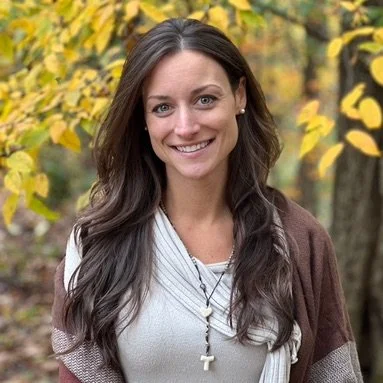
Low Confidence? Here’s How to Build It | Dr. Nicole Gabana Chiesa: #171
Learn how to build self confidence even if your family didn’t model it.
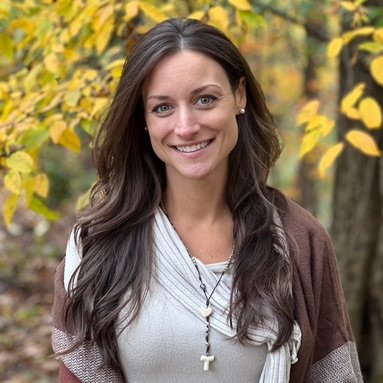
If you grew up in a broken or divorced family, struggling with confidence isn’t random.
Research has consistently shown that children of divorce are more likely to experience lower self-esteem, higher anxiety, and greater insecurity in relationships. When love feels unstable or conditional early on, it shapes how you handle pressure later in life.
You might:
Overthink conversations
Freeze in high-pressure moments
Feel like you have to perform to be loved
Or believe everyone else is just naturally more confident
In this episode, licensed psychologist and Certified Mental Performance Consultant Dr. Nicole Gabana Chiesa breaks down what confidence actually is — and why it’s not personality.
We explore:
The subtle belief that makes confidence collapse when you fail
What’s happening in your brain when anxiety spikes
Why hyper-focusing on yourself increases insecurity
How to stop just listening to your thoughts — and start talking back
And why confidence is built through imperfect reps, not feelings
If your family didn’t model emotional stability, healthy conflict, or secure love… this episode gives you a roadmap.
Confidence isn’t something you’re born with. It’s something you build. And you can build it.
UPDATE: Dr. Nicole now has PSYPACT approval, so she can now virtually serve clients in numerous states.
Book a FREE Consult: (904) 624-1331 or paxperform@gmail.com
Get the Book or FREE chapters: It’s Not Your Fault
Get Dakota’s FREE Guide, The Biggest Fitness Mistakes to Avoid
Enjoy the show?
To be notified when new episodes go live, subscribe below.
As a bonus, you'll receive the first chapters from our book, It's Not Your Fault: A Practical Guide to Navigating the Pain and Problems from Your Parents' Divorce.
TRANSCRIPT
Transcript produced by artificial intelligence. Please pardon any errors!
Joey Pontarelli (00:47)
Welcome to the Resort Podcast, I'm Joey Ponnarelli. If you come from a divorced or dysfunctional family, this show is for you. We mentor you through the pain and help you heal so you can avoid repeating your family's dysfunction and instead build strong, healthy relationships. If you grew up in a divorced or broken family, struggling with confidence is not random. Research consistently shows that children of divorce are more likely to experience lower self-esteem, higher anxiety, and greater insecurity in relationships.
Basically when love feels unstable or conditional early on, it doesn't just hurt you in the moment, it trains your nervous system and it shapes how you handle pressure later in life where confidence is essential. You might overthink everything you say, conversations, feel like you have to perform and be perfect in order to be loved, and assume that everyone else got the confidence gene and you didn't. But what if that's not true? What if confidence isn't personality, it's actually a belief that you have what it takes
based on proof. In this episode, we unpack what confidence actually is and why most of us have been building it the wrong way. We explore why emotional regulation under pressure matters more than hyping yourself up. We talk about the subtle belief that quietly makes your confidence collapse when you fail. My guest shares how to stop just listening to your thoughts and start talking back to them. I love that piece of advice. And why hyper-focusing on yourself actually kills confidence and why confidence doesn't come.
Before action, it comes after enough imperfect reps done scared. My guest today is Dr. Nicole Gabbana, a sports psychologist, certified mental performance consultant, and former director of sports psychology at the University of Massachusetts. She's worked with division one athletes at schools like Harvard, Ohio State, Indiana, and Florida State, and is listed in the United States Olympic and Paralympic Committee Mental Health Registry. She specializes in helping high performers stay steady.
under pressure, when pressure hits, when the moment gets big and nerves spike. And what she teaches athletes about performing under pressure applies directly to our lives, to dating, to work, relationships, and even healing from a broken family. She doesn't just talk about confidence as some abstract idea, she actually trains it. And so if you've ever asked yourself, why do I choke? Why do I overthink every little thing? Why does everyone else seem so much more confident than me? Or why do I feel like I have to earn love? This episode is for you. Confidence is not magic.
and it's not personality, it's built and you can build it. In this episode, we do talk about God and faith and if you don't believe in God, you're totally welcome here. Anyone listening for a while knows that this is not a strictly religious podcast and so wherever you're at, I'm glad you're here. If you don't believe in God, my challenge for you is this, just listen with an open mind, even if you skip the God part, you're still gonna get a lot out of this episode.
other things as well. And with that, here's a conversation.
Dr. Nicole, so good to have you on the show. Thanks for being here. One of the huge struggles that my audience faces is feeling unconfident, low self-esteem, feeling insecure, whatever word we put on it. And not just in sports, of course, I know it's your background, but really in life, work, dating, friendships. In this interview, I really would love your best advice for how to build confidence, how to go from maybe being unconfident or insecure or low self-esteem to having a good...
Dr. Nicole Gabana (03:31)
Thanks for having me, Joey.
Joey Pontarelli (03:58)
good confidence where you can do the things that you need to do that you want to do. But before we get into all the details of that, which I'm really excited for, I was curious, like, how do you define confidence? Like, let's give people an idea of maybe what we're talking about.
Dr. Nicole Gabana (04:09)
I think confidence is generally the way that we regard ourselves. So the belief in my abilities, the belief in my character, my capability, and it's closely related to self-efficacy. So self-efficacy is the belief that I can do something, that I have the ability to do something or the power to do something. So I think that ties into self-confidence of just my belief in my ability to
achieve a certain goal or certain, to complete a certain task.
Joey Pontarelli (04:41)
Okay, that makes a ton of sense. And one of the things I was thinking of is it's a continuum. Like it's not like you're confident or you're not confident. It's more about like how confident are you and perhaps how confident are you in a given scenario in a situation? Like it's, you know, I might have very different confidence of like, you know, making a checking the oil on my car versus like changing the oil. And I know that's more related to like task confidence, but, but would you say that's true that it kind of varies depending on like the situation you're in and that it is a continuum?
Dr. Nicole Gabana (05:11)
Yes, absolutely. as I'm trying to define confidence, even though you gave me a heads up about this question, I'm realizing I don't feel so confident in my ability to define it. But I think it has ties to this concept of identity, how we view ourselves, how we define ourselves. So I think there's an element of identity and then there's an element of action, right? How confident am I to do something specific, like you're saying?
to change the oil to perform the sports task to achieve this goal. I think there's an internal dimension of confidence of how we feel about ourselves. And then there's what is my belief about what I can do with who I am and my skill set.
Joey Pontarelli (05:56)
That's really helpful. Okay, yeah. I remember growing up, especially like I, there were certain things I felt really confident about, know, especially like sports related things. I loved playing sports with my brothers and I played baseball a lot, we football and hockey players and all of that. But then if you threw me in like a social environment, was a very different story in some cases. And thankfully, you know, I was able to grow there. But yeah, I could totally see the difference of like, what are, if we're calling it, yeah, like task confidence or whatever the right term would be versus maybe like you said, an identity or like a personal confidence.
Dr. Nicole Gabana (06:25)
Yeah, it is a continuum and I think there are many factors that influence your level of confidence in something. You know, some of those might be past experiences, like successful experiences you've had, mastery experiences. So with the sport example, if you've had successful performances in the past, you're more likely to be confident with your performance in the future. If you've watched somebody doing something well and you can have a vicarious experience of
watching someone perform well, then that might make you feel more confident in mirroring that or practicing it. Also, the feedback we get affects our confidence. So if I'm getting positive or encouraging feedback from supportive others, then that increases my confidence that I will be able to do something. Also, if we imagine ourselves doing it, if we kind of use imagery or mental rehearsal to picture ourselves doing something.
That can increase our confidence. And lastly, our ability to regulate our physical and emotional states when we're working toward a goal or performing or doing something. The ability to do that, to regulate our emotions, to regulate the results and our response to those results, that can also affect our degree of confidence in doing something.
Joey Pontarelli (07:44)
So good. So there's a lot at play and it totally makes sense. And as you're saying all that, the thing that comes to mind for my audience, for those of us who come from broken families, is I think the biggest area where we don't feel confident is in relationships. And it's interesting to compare that to an athletic environment like in sports, how they've actually seen relationships play out so poorly. Like you were saying, if you watch the pros do their thing,
and you watch, maybe amateur too, I think it's very different and you can learn a lot from the pros. I remember one of my coaches always encouraging us to watch the pros, watch the pros, watch the pros, you'll just learn from their example. But in these really broken families, the relational example that they're seeing, the marriage that they're seeing is really broken and so that is their training in love and then they go out and they try to build their own relationships and they end up being often very unhealthy. Do you see the parallel there?
Dr. Nicole Gabana (08:36)
Yeah, and we are shaped so much by those early experiences, both by ⁓ what we experience directly. So like how someone is relating to us, the way that they're talking with us, the way that they're demonstrating love or lack of love, and also by what we observe. So the way that we see our parents communicate, the lack of communication, the love that we observe, or how relationships are functioning around us.
teaches us a lot about where we fit in relation to others and how relationships occur between two people. And so a lot of it is, as we get older, as you know, is kind of unlearning some of those unhealthy behaviors that we might have experienced or observed, and then learning ones that are more ordered or more healthy, more of God's design, rather than broken or wounded interactions and relationships.
Joey Pontarelli (09:34)
I want to circle back to this in a little bit, this whole idea of relational confidence. I think this is really good, but I wanted to welcome your dog to the show if you're watching on video. See, a five month old pup, which is awesome. I love it.
Dr. Nicole Gabana (09:47)
fit on my lap. So she just puts her front two paws up and she just kind of hangs out there. So
Joey Pontarelli (09:52)
I love it. So good. So good. She's, she's adorable. Um, what do you think maybe people, what are maybe some misconceptions or unhealthy like beliefs when it comes to confidence?
Dr. Nicole Gabana (10:02)
I think one of the biggest ones I see as a sports psychologist and also as just ⁓ a Christian psychologist is this belief or vow that I need to perform for love. And performing, it can be sports, it can be school, academics, work, professional life. It could even be in the spiritual life, in our relationships, you know, that I have to maintain a certain level of performance to be loved.
or to be accepted or to be worthy. And I think that whenever we're chasing our worth or our value or our identity in something other than the core, is unconditional love of God that we're created to be loved, and before we even do anything, we are loved. If we don't have an anchor in that reality and that experience, then it makes it very hard
to feel confident in who we are, because we're constantly chasing that validation and chasing that justification of, I'm worthy, I'm valued, I'm good enough in our performance in a variety of areas.
Joey Pontarelli (11:13)
So good, and I'm excited to get deeper into that too, because I think that's huge. think, especially as a man, I can only speak as a man, I think I have that tendency of thinking that, my value, my worth comes from what I can build or what I can do. And so I think I definitely could see how you would not feel very confident if you base all of your worth on your ability to perform or make money or be good at a sport or.
you accomplishes of that and then you don't do that or you for some reason you're thrown off that then you would feel like I have nothing to offer it worries me I know people who so much of their value the way that the value that they feel comes from their job it's like that is their life it's what they focus on it's the thing that they're really proud of which is great but man if they ever stop working I've seen this play out where they stop working or they lose their job
and they're crushed and it's almost like they just don't know who they are.
Dr. Nicole Gabana (12:08)
I see that with athletes all the time, both in when they're in their sport experience and then, you know, if they retire, if they have a career ending injury, something happens that that changes their ability to perform, then all of a sudden, their their identity is totally tied up in their performance or their athletic identity, we call it. And once that is threatened or they experience a loss in that dimension, it totally shakes them as a person.
And I think that's a common area is like our work, family life, our life accomplishments. A lot of those markers can be sources of that, we're putting maybe too much of our identity into those areas and not having things ordered as they should be. And it's not to say that we shouldn't care about our performance, our work, our sport experience or our relationships. It's just to know that I need to keep it in the
the bigger perspective that no matter what happens that I'm still a child of God and I'm still loved by the Father and that will be a constant reality that I can't earn, I don't have to earn.
Joey Pontarelli (13:18)
that yeah and I like what you said how it is a part of your identity all those things you mentioned but it's only a part that doesn't make the whole and it's certainly not the foundation I think that's like you were saying where we often get it wrong we make some aspect like our job or career whatever the foundation of our identity and then when that cracks or falls apart then we're in trouble so I'm curious like is it possible to avoid putting yourself in a situation where you yeah make your identity so dependent on like what you can do and and what's the solution to avoiding that
Dr. Nicole Gabana (13:47)
That's a big question and a great one. And I think naturally as human beings, we all have that tendency to idolize, which is biblical. And I think putting too much of our identity in any one area comes from that temptation or that sin of putting something above God, worshiping something above God. So if we are regarding our successes in work,
as more defining in terms of our worth than who God says I am as His child, then I'm going to experience dysfunction. I'm going to experience unrest in that area. If I'm putting my bank account and securing my bank account above my security in God and His divine providence, I'm going to have things out of order. If I'm putting it in my youth or my appearance or my sports performance or whatever it is,
then I'm idolizing this thing that usually the world says is the most important thing or one of the most important things that gives you glory in a worldly sense. And God is saying, all of these things are passing, they're all temporary. They can help you get to heaven, they're designed for our good, they're designed for us to have an abundance of life, but they're not designed to be in that number one spot on a pedestal before God.
Joey Pontarelli (15:10)
So it sounds like what I'm hearing you say is like, there's this aspect of like formation or knowledge that we need. They're like, no, like this isn't the thing that defines you, your child of God, your son, your daughter of God, that being at the core. I'm curious if someone's listening to this is like, yeah, well, I know that, or I get that to some degree, but I maybe just don't like feel that at my core. Like I don't, like how do I make that shift from just like having the head knowledge and really like kind of living from that place?
where if I went through a career ending sports injury or lost my job or my dating relationship ended, I would be okay. It obviously would hurt, but I'd be okay because I'm not putting all my worth in that. How do I make that switch? All the easy questions today.
Dr. Nicole Gabana (15:53)
It's so challenging because we very rarely see that modeled by the adults around us, whether we're young and growing up as a child or even in the world around us. And I think that's why environment is so important. But also, like you said, there's a degree of formation there that, you know, it's who you're surrounded by greatly affects your own mindset. And so if you grew up with a parent saying,
You know, putting a ton of pressure on you to perform well in sports or even maybe they didn't do it explicitly, but you knew that they were kind of vicariously living out their own dreams through your sport experience. Or, you know, you grew up in an environment where you had a parent that was very insecure about themselves, whether it's their appearance, whether it's their ability to provide, whether you had a parent that was addicted to some, something that when we don't see.
those priorities modeled in ⁓ a rightly ordered way or a healthy way, it makes it very difficult for us to kind of change our hardwiring to learn that this really is the most important thing, that our relationship with God and our identity in Him is actually the deepest sense of who we are. And I think one way to go to begin to try to understand that and to plant seeds of belief, because it does take time, it's not like,
You know, we can expect ourselves to wake up and be like, I 100 % buy into all of this and all my self-confidence issues are fixed. Right. But just to think about the fact that we were created out of nothing before our parents even knew that we existed, you know, within our mother's womb, God created us. He breathed life into us and he intended us for, for us to be here. So even, even before anything of human origin,
God put that spark of life into our soul and wanted us here. So if we go back to the very beginning of our existence, it came from God. And if we go to the very end of our existence, of our end of life and what happens after we die, that we will meet God and that we'll see Him as He is and have a full understanding of our human experience and our life and be presented with an account of our life.
If we go to the beginning and the end, becomes very clear that everything in the middle is secondary because it should be a means to the end and not an end in itself. so thinking about, I know it sounds kind of morbid, but thinking about, you know, what happens after this life? What does it all mean? What does it all matter? You know, what does it matter if I'm all state?
or if I win the national championship, or if I achieve all of these things intellectually, athletically, professionally, even with my family and maybe some of the expectations I place on my relationships, what does that all mean if I haven't fostered a relationship with God the Creator, the one that I will face and that has eternity in His hands? That all being said, I think just beginning to foster a relationship with God through prayer,
by having conversation with Him in prayer. It doesn't have to be anything fancy. It doesn't have to be anything advanced, but just by acknowledging His presence, acknowledging that He created us and that He loves us, and then asking Him to reveal Himself so that we can come to a deeper understanding of who He is, I think is a great place to start. Because knowing who He is and reading His Word and understanding who we are,
will lead us to have a more healthy sense of confidence and put all those things in right order.
Joey Pontarelli (19:45)
Okay, real talk, if you've been trying to get in shape so you feel better physically and emotionally but nothing is working, you're not crazy. I've been there myself. I recently read a free guide by Dakota Lane, a certified personal trainer who we've partnered with that's helped about a thousand people and it was really helpful for me personally. In the guide, he breaks down the biggest fitness mistakes that we all make, like under eating.
overstressing or focusing too much on the scale and it gives really simple practical tips that you could actually use that you can implement today. And so if you're tired of feeling like you're never going to get in shape, just click on the link in the show notes and grab the guide today. It's totally free and it might just be the thing you need to start feeling healthier physically and emotionally. Love that. And I love the whole idea that you said that we can't do this alone. Like we need to be in a community of people like in relationships, whether that's mental relationships or friends or whatever it looks like who can really model this for us so that we can like,
you know, the whole saying of like way more is caught than taught. It's not something we really just study in a book, but we can see someone living it out. And when you do like, I've definitely been around people where it's like, no, they, their value does not come from their work. Their value does not come from money they make or, you know, how fit they are, how good looking they are, like all the things he went through. And you can just tell a difference. And maybe if you spend around time around something like that, you'll kind of learn, okay, maybe this is how I can do it too. But I do think there's this kind of bedrock foundational.
Knowledge like you said formation. That's like, okay, you're not made for just Performance like you're made to be loved and you stripped of all that is so you're so valuable
Dr. Nicole Gabana (21:15)
Yeah. And the ironic piece is that we see this in sport performance a lot is that once you can detach yourself from, know, your worth and confidence being totally dependent on the outcome, we actually end up performing better. You know, when we can let go and take off some of that pressure that, you know, the outcome will define me and I am how I perform.
We take off that pressure, we actually enter into a sense of freedom that the outcome of this performance, whatever it is, whether it's sports, whether it's professional, whether it's a relationship, that the outcome of that does not define me. So then, you know, I can exhale, can relax and know that I'm still going to be okay. And then we actually are more relaxed and loose and we're able to be more present in the moment and we're able to participate in the process.
because our attention is not so focused on the outcome, ⁓ which actually impedes performance.
Joey Pontarelli (22:18)
I'm curious, when did you first learn that and maybe when did you see that play out where you, if you don't put all of your value in your performance, you actually can perform better? I'm curious where that lesson came from. It's fascinating.
Dr. Nicole Gabana (22:28)
Yeah, I think just in my studies of sports psychology, you know, my education and then my experience as a sports psychologist working with a lot of athletes that were dealing with performance anxiety with pressure. I've had my own personal experiences of that, you know, from an early age, but then especially in my athletic career as a rower, we would have to do these rowing tests on the ergometers. And I would get so in my head about
you're staring at a screen and you're seeing the output of your power and your time, projected time. And so you're racing against a clock and physically exerting yourself as much as you possibly can and having to process the pain, the physical pain that comes with that. And you're also having to calculate and look at a screen and see these very real time numbers. And then you start, you might start hyperventilating and breathing more heavily.
even though physically you're breathing as much as you can. it's a very, for me, was a very anxiety provoking experience. When I got on the water and I didn't see the numbers, it was like, I could just pull as hard as I possibly could and be in the rhythm of my teammates in the boat and enjoy, you know, being on the water and the movement of the boat as we were rowing and just be giving it my all and like going all out and.
My power was so much greater when I wasn't thinking about the numbers all the time and when I didn't have that in my face. ⁓ but it was something that I had to cope with because inevitably seeing the numbers was something I had to deal with in my sport experience. There's things we have to do to test as being part of a team. So it was a constant struggle for me. ⁓ yeah. And that's something that I see a lot of athletes, regardless of sport time, there's different ways that performance pressure shows up for athletes.
Joey Pontarelli (24:23)
Okay,
yeah, so to be that cool, calm, collected athlete is hard. I remember hearing Jocko Willink, the Navy SEAL, who talks about leadership saying that that was like one of the qualities that they would look for and try to train in their like Navy SEALs in the middle of combat. And one of the ways it's played out, it's so fascinating, was literally
Nicole, they're in the middle of war. There's bullets flying everywhere. They would get on the radio. You see this in movies and you think everyone's yelling into the radios and things are going crazy. And they would get on the radios as little as they needed, or as little as they could, by the way. They weren't talking more than they needed to. But they'd get on the radios and they'd be like, hey, I need an airstrike to this location. And as calm and as collected as you can be. And I think there's something in that lesson. You can learn that,
even in like the most hellish of scenarios like war to have that clear headed, but it obviously takes practice. And I'm sure the modeling is like another thing where if you're around people who do that, you can kind of pick up on it. But was there like one hack or thing that you learned? Like were you able to improve on that when you, I you said when you're on the water is a different story, but was there anything that you learned? Were you able to transform into being a little bit more cool comp collected and being able to perform better because of that?
Dr. Nicole Gabana (25:38)
So ⁓ I had a mentor of mine recently tell me that a lot of this both relationally but also in sports performance, it comes down to regulation. How we're regulating our emotions and our physiological state and that is one of the factors that contributes to confidence. But I see this in sports and I also see this in my own experience of relationships that
it can be very challenging to regulate our emotional responses and our physiological responses. And so when I'm having a conversation or an argument in a relationship, you how am I able to regulate my own internal emotional experience? And how does that impact that performance, if you will, or outcome of how I'm communicating with the other person in front of me? Am I...
able to manage my own emotional state, my own internal experience so that I can communicate in a way that is not coming from a place of defensiveness out of self-protection, or it's not coming out of a, you know, totally losing my cool and yelling or saying something that I don't mean in the moment because I'm so triggered or my emotions are so activated.
that I can't think clearly as I would if I wasn't emotionally activated. So a lot of times things like fear, anxiety, fear of abandonment, rejection, those things will trigger an emotional experience. A lot of times there's connections to past relational experiences we've had, whether traumatic or not, or just ways that we've learned to relate to people that are close to us that can also have an impact on, you know, or almost
Repeat we have we have a repeat experience that we're playing out a pattern that we may not even know we're doing but until we take a step back and see You know, am I even able to regulate which most of us struggle with? That can give us a lot of insight of of where to go when we're having difficulty experiencing the anxiety in those situations
Joey Pontarelli (27:52)
That's fascinating. This whole idea of like regulation being like a core piece of confidence and being able to like perform all that's really fascinating. I remember there's one therapist, one of therapists I worked with in the past. He told me that they apparently did a study on like NFL players and I don't exactly know the details of the study, but the outcome was that when they were emotional, I think, especially when they were angry, they were able to measure that their IQ dropped by about 30 points.
So for anyone listening, if you're like an average IQ of like 100, that puts you in the 70 range and that in his words, he said that's a range of like mental retardation. And so you're trying to like maybe resolve a conflict with your spouse or boyfriend, girlfriend, or, you know, trying to perform on the sports field or work or, whatever the scenario is. And you're literally on the level of your brain, you're disabled because at least what he was sharing and feel free to push it back and says, you're, you know, you're,
the dysregulation like causes you to not be able to be your best.
Dr. Nicole Gabana (28:49)
Absolutely. Yeah. And we see this in, I was reading about this recently, you know, in cases of trauma and what traumatic experiences do to our brain. And so there's a high activation of our limbic system, which is the emotional center of our brain. So when, when that is highly activated, it kind of shuts down the activity of our, prefrontal cortex, which is like the executive functioning. And so that
tracks with what you're saying about the IQ dropping. You know, so when we're angry, that limbic system is highly activated, the amygdala, it's more of a primal area of our brain that is having, you know, an instant emotional experience, but we're not necessarily using that high level of functioning, executive functioning, and part of our brain. And so in DBT, which is a type of therapy, they talk about having a wise mind where you're having
If you think of a Venn diagram of our emotional brain and our rational brain, they put wise mind in that middle area of the Venn diagram where we need to have, you know, we need to keep our emotions in our experience because they're useful. They tell us something, they're meaningful. We don't want to shut off our emotional experience altogether, but sometimes we do because of trauma or because of experiences in the past where we've been in a vulnerable state.
and those emotions were not helpful to us or they were too overwhelming to us. In the case of the Navy SEAL, that is not the time or place for emotional experiences. So I would say it's dependent on the task too, that if the task is requiring precision and a quick reaction time, there's very like executive functions that need to be firing to execute this task well.
which is a lot of sports as well, not on that same level as military tasks or executions, but there's a level of I need to perform this task well without getting my emotions, having them pull me away from what I need to be doing cognitively or physically in this moment. So it's more of a time and a place of a win, you know, how much of do I need my focus versus how much do I need my emotions in this moment? And
All the while we're just living our human experience and we're not thinking about it that much. And that's why having someone where you can process this, that's why therapy could be so useful, that's why mental skills training can be useful because we have a place to sit down and say, how can I look at my reactions and kind of understand what's going on within me in this moment?
Joey Pontarelli (31:36)
So that you can retrain it. That's so good.
Dr. Nicole Gabana (31:38)
So that you can see, you know, how much is this helping me or hurting me when I'm trying to do X, Y, and Z, when I'm trying to have a conversation with my spouse, when I'm trying to, you know, play my best on the court, even though I made a mistake in the last quarter. How can I keep my focus on this military task when stuff is going on at home? Like I need to also know how to compartmentalize at times, but then not just to leave it there.
I need to come back and attend to it at an appropriate time.
Joey Pontarelli (32:12)
Just to summarize for everyone again, we're talking about how do we become more confident. Nicole is basically saying that one of the skills we need is emotional regulation. When we get really anxious or we feel really depressed or sad, when we go kind up and down on that scale, getting ourselves back into that calm, collected, cool spot that we're talking about, that's really key. It's fascinating that we're tying those two things together. makes a lot of sense. I want to share an embarrassing story, since you were so vulnerable, about rowing.
But before I do that, just like where my confidence, the time when my confidence really faltered and kind of what I learned from it. But before we get to that, I wanna say in this idea of emotional regulation and how that relates to confidence, what would you say are the best tips, the most practical tips that someone can take away when it comes to, in a moment where...
maybe they do feel the dysregulation, maybe they get super nervous, they get the performance anxiety, whatever environment, whether it's for a job interview or a first date or maybe a hard conversation that they need to have, and their body's kind of freaking out, right? We've all been in these scenarios, like, yeah, talk me through that, like, what do they do in that moment?
Dr. Nicole Gabana (33:13)
Yes, I think the first step is just to be aware of it because sometimes it happens to us and we have no consciousness whatsoever of what's going on. So the first step we always work on with athletes is just, you know, can I catch myself in the moment and just be aware of what's happening? Once we're aware of it, it's really important that we just observe it without jumping on the judgment bandwagon with ourselves. So
Often what we do is once we're aware of the jitters or the anxiety or the nervousness, we start judging ourselves for it. And I can't believe you're so nervous. I can't believe that, you know, this is bothering you so much. And we start beating ourselves up for the reaction or experience that we're having. But chances are there's a reason for that reaction. And so, you know, that's something that can be unpacked over time.
But if we judge ourselves for the reaction, it's not going to make the reaction go away. And it's usually not very useful or helpful in the moment. So once we acknowledge and we have that awareness, we have to accept this is the reality that I'm working with. And then accepting that allows us to move forward with some skills and tools like breathing for regulation to understand that.
Butterflies are a normal experience for most people who are getting up to give a speech or going out to play a game or a musical performance or even maybe it's having a tough conversation with someone. It's normal to feel some anxiety because you care. When something's important to you, it naturally brings up fears of what could go wrong and ⁓ hopes for what you want to happen.
So just knowing that it's normal to experience some of that activation because you care about this thing. Then it comes to surrendering, you know, and being like, okay, God, I am putting this in your hand, I'm in your hands, I'm entrusting this to you. I am praying for the trust that you're gonna take care of it no matter what happens and that you're a good father and that I'm yours and you're gonna be there no matter what the outcome is. And so I'm gonna give it to you.
all the anxiety, all the worries, the fears, the hopes too, and it's in your hands now. And I'm gonna do the best that I can with the skills and talents you've given me. ⁓ Another aspect of anxiety and confidence is our preparation. So the more that we can be physically and mentally prepared for whatever the thing is, the more confident we're going to feel by going into the task. It doesn't mean that it's gonna eliminate anxiety.
But if I know that I've been training for this, I know that I've been preparing for this, then that's going to help my level of confidence when it comes time for that moment to perform or to have that conversation or whatever it is. So doing some reflection, doing some journaling, getting some input from trusted others who are supportive, who are positive and encouraging, that can all be part of the emotional or spiritual preparation too.
Joey Pontarelli (36:15)
But I love the idea of like just the awareness as the starting point. think like you said, it's easy to maybe skip over that. ⁓ but yeah, I totally agree. Like we can be experiencing feelings or things in our body that like we don't quite put words to, we're not quite aware of. And once you do at least say, yeah, this is going on, then you can move to that acceptance, like you said, and then, you know, move through the other steps as well. And I love the, yeah, the ideas you had. And I think, like you said, the expectations so huge. I, you know, I do a lot of speaking with what I do and
Obviously early on it was terrifying. And still my body is like, this is something big you're doing. You're getting up in front of people, it's a vulnerable, bold thing to do. And I know you do this as well. So what I try to remind myself of in that situation is my body's actually doing what it's supposed to do. It's preparing for something big and that's normal. And so I actually remind myself, I have a whole checklist I work through when I give a talk. The talk I've given at this point is to about 2,000 people.
And that one was scary, but I worked through the checklist and I reminded myself, yeah, I'm gonna feel this, I'm gonna feel that, I'm gonna feel that, that's all normal, it's part of the process. And when I went through that, once I got up there, I actually didn't feel nervous. And the preparation piece, which I'll maybe get into a little bit, was another thing as well. So I totally, I'm tracking with you and it definitely has worked for me and hopefully can work for everyone listening too.
Dr. Nicole Gabana (37:34)
Absolutely. And something else that helps me, there's a couple others that are coming to mind as you're sharing your experiences, you know, getting a good night's sleep, minimizing or eliminating caffeine in the morning if you have a speaking event. But even for me, like getting on this podcast with you, I've done podcasts before, you know, and it's like you asked me that question of defining confidence and I'm like,
Everything that I was preparing just totally left my brain. And so I think having a sense of like, ⁓ humanness and humility and sense of humor, you know, and just being able to, again, be human and understand that we're often striving for a level of perfection that doesn't exist. And that doesn't need to exist that people actually relate when you can be a little transparent or open with your experience that.
Because you're not setting this expectation that everyone else needs to be perfect either. So the people that I've felt most comforted by or that I admire are ones that can also share their flaws and their faults and that are humble in that, that don't put on this false sense of perfection or false sense of strength that, you know, they have it all figured out. I think that's where like the self-reliance piece comes in.
that's not so healthy.
Joey Pontarelli (38:56)
For countless teens and young adults, their parents' divorce is actually the most traumatic thing that they've experienced, but so many feel lost and alone in navigating the challenges. I've been there myself. It's really not easy and it shouldn't be this way. My book, It's Not Your Fault, guides them through those challenges by helping them put their pain into words and begin to heal, work through the emotional problems that they face, cope in healthy ways instead of falling into bad habits, improve their relationship with their parents, navigate the holidays and other life events, and build healthy relationships and so much more.
One Amazon review said this, this book is packed full of really practical help. If you come from a broken family, or even if you don't, but you love someone that does, this book is so helpful. I can't recommend this enough. By the way, it's a quick read and it doesn't need to be read cover to cover. Since it's in question and answer format, you can just read one of the questions and one of the answers. And so if you want to join the thousands of people who've gotten a copy, just go to www.resortministry.com slash books.
to get the book or download the free chapters. Again, that's restoredministry.com slash books, or just click the link in the show notes. agree. And one of the, I heard someone say once, like the best, it was probably the best advice on like public speaking I've ever heard. And they told the person who was about to go on stage, like make a mistake. And then so I tell myself that, and I've told other people that are like getting up in front of people like,
Dr. Nicole Gabana (40:10)
Yeah.
Joey Pontarelli (40:16)
hey, good luck, make a mistake. like, because it takes a little bit of the pressure off of like, yeah, you know, don't need to be flawless and perfect and people are still going to be helped in that environment. But no, I think it applies in every other environment too. if you're going on a first date and make a mistake, if you're going, doing a job interview, make a mistake. If you're having a difficult conversations, like make a mistake, like you're not going to get through it perfectly. It's, okay to be a little bit flawed, but yeah, curiously, any further thoughts on that?
Dr. Nicole Gabana (40:41)
I think it makes you more relatable and it creates a space for other people to be human as well. So like with the first date example, I'm not saying that you need to like spill everything and overshare, right? Like that can be a little cringy too. So we need to have a healthy sense of like self-disclosure and boundaries. But you know, just to be able to put something out there and be like, I'm actually feeling a little nervous right now. You know, I was really excited to meet you and it can be an open door for someone to be like,
yeah, I was feeling that too. Or in other examples too, it just creates a space for other people to be vulnerable and then for them to there and feel accepted and for them to take some of the pressure off. Like, okay, I'm not the only one. A lot of times we feel like we're the only one. We're alone. I think of the classic example of like going around the room in a circle, doing introductions. Like to this day, I hate it.
I've done it with students. I've been on the other end of it so many times and I still get this like my heart starts fluttering and I'm just like, like I hate this feeling. And one of the other tips that I've learned is that when you really try to focus on what other people are sharing in their introductions, if you really try to keep your focus and attention on the other person and truly listen to what they're saying, it will decrease your own anxiety.
And that is because we're not staying in the self-focus, we're staying in the other focus. A lot of times, everybody's going around the circle and they're sharing what they're, and we don't even hear it because we're like, what am I gonna say? What's my unknown fact that has to be funny and has to sound a certain way? And you're all stressed out about what you're gonna say rather than being attuned to what other people are sharing. And I think I tell my athletes this too, like if you're sitting on the bench,
and you're worried about how you're gonna perform when you go in the game, pick a player in your position or even pick an opposing player, watch what they're doing and mentally rehearse how you're gonna respond to this. Try to put yourself in the game and focus on them, focus on what they're doing. And when we take ourselves out of ourself, we naturally lower that pressure, lower that anxiety because I'm not just obsessing about myself.
I'm focused on the other or I'm cheering on my teammates and paying attention to what they're doing rather than worrying about what I'm going to do at a future point in time.
Joey Pontarelli (43:14)
so good. I love this idea of overthinking being maybe at the core of a struggle with confidence. I remember I was talking with one of my cousins and she was saying that she was I think talking to mentor or something and he said, IQ is a little too high. If your IQ was a little lower, you would actually perform better, be more confident because you think through things too much.
And I've totally found myself falling into that as well. And so that's fascinating of like, the focus off of yourself. And I know I wanna come back to like this idea of visualization. think that's like, that's really helpful for me in a lot of arenas. But yeah, but this idea of preparation to art is also like really important. But I love that idea of like, just stop focusing so much on yourself. But I wanted to share the embarrassing story. So yeah, just a time when my confidence falters, because you shared so vulnerably. I was in college, right? And for some reason, Nicole, I just like hated.
reading in class. know, some teachers will like, you know, not just have you like answer questions, but they'll actually like, hey, read this part of the book. I don't know why I like up to that point, I'd given some like talks and done things like that. But like for some reason, reading just freaked me out. So I remember being in class with like all my friends and classmates and, just, got called on to read and I was like, and I got to a point where I just like couldn't continue. I like locked up. I like, I started reading. was like,
Literally choked. it was like, and it might even happen twice and it was so embarrassing and it's just so ironic. It's like, I guess God has a sense of humor now. puts me in front of like hundreds and even a couple thousand people to give talks. But it's, but yeah, that was like a very embarrassing moment. But I think, think one of the lessons I took away from it was like, putting so much pressure on myself to like perform. And now, you know, this whole idea of like,
I'm gonna give it my all. I'm put in the hard work, the time to prepare, and then whatever comes out, like the outcome, I'm leaving it all in the field. Whatever happens from that, it's like great, it's on God's hands, it's not under my control, but I'm literally putting to the best of my capacity now, I'm putting my effort in. But that was such a painful experience.
Dr. Nicole Gabana (45:19)
⁓ yeah. And I think that's such an excellent point that what you just said about putting it all out there and giving it your best, because this is not like I take my hands off the reins and I don't care and it doesn't matter. The outcome doesn't matter. It doesn't matter what happens to me. Like it's no big deal. It's not this laissez faire like attitude, like whatever. I
need to put an effort, I need to prepare, I need to try, and that's a good thing. And so we're more likely to walk away from something with our confidence intact when we have prepared and we have given our full effort. Sometimes what happens to athletes or other performers is that when they feel pressured, when they feel performance pressure or anxiety, they let go, but in a way where they give up effort.
and they stop caring, but out of the place of a loss of motivation because of the fear of failure. And so they're like, if I check out and I stopped trying, then I can't be blamed that it didn't happen because I'm not going to allow myself to be disappointed. And so I would just say that that trying is so important because even if you lose, right, proverbially or literally, you still can walk away saying, I gave my best effort.
I didn't give up and I think that means something. Like the quote by Mother Teresa always, Saint Mother Teresa always sticks out to me where she said, God didn't call me to be successful, He called me to be faithful. And so can I stay faithful to whatever I'm giving my all in the moment, whether it's in a relationship, whether it's in a sport, whether it's in a speaking event, can I give it everything that I have that I've learned and trained to up to this point? ⁓ And then can I
be faithful to that training and not just evaluate myself on my successful outcome or the degree of the outcome at that point.
Joey Pontarelli (47:18)
This episode is sponsored by Blackstone Films. They just released a new documentary called Kenny. It's about an ordinary Denver priest who lived like a true father and transformed families and inspired vocations. He would actually wake up at 430 every day to do an hour of adoration. His parishioners would ask him to pray for them and they actually got those prayers answered. Some even call them miracles. He had to shepherd his people through the Columbine shooting, if you guys remember that.
horrible, horrible event. He ate with the families in his parish every night of the week. He hiked with groups of young adults in the Rocky Mountains on Colorado, and he sat with couples on the brink of divorce, even saving a marriage, which they talk about in the documentary. And so if you want a hopeful model of leadership and fatherhood, something worth watching with maybe your spouse or your small group, watch Kenny. The trailer and the full film are now streaming on formed.org. You could just tap the link in the show notes to watch the full documentary.
or just the trailer. Again, thanks to Blackstone Films for sponsoring this episode and for telling such an inspiring story that I myself watched and really appreciate it. So good. I love it. I want to get even more tactical. think we've already been tactical, but just talking with people about like how they can implement this stuff in their life. And so one of the things that I just wanted to share from my personal experience was when I was in high school and college playing baseball, I came across the winning state books. I don't know you're familiar with those, but
They're great. We'll link to them in the show notes, but they have like I think it was a sports psychologist who wrote them and he has different books for different sports and I'm sure like the tactics are similar across the board but those are really really helpful and a few of the tools that I took away from that that I still use this day in different areas of my life was one ⁓ He said this like kind of like calm intensity is one of the things you want He gives the analogy of like like whenever you know, you're tackling one of these kind of big things in life whether it's know relationship
Job thing whatever and he said he gave the analogy of like a dog who was just like like a mom a mother dog Who is laying like by her puppies? Let's say she's just laying there calm But you get close to her and she'll give like a little growl like a And and like like like it's an intense growl like you're not like you mess with me I'm gonna like take you down, but it's not like a dysregulated like crazy psycho thing It's like no like I am like intense and so that that's been really helpful in a lot of different things. I even you know
before doing podcasts or whatever the scenario, kind of having that idea of like, okay, I'm like that calm intensity has been really helpful for me. Another thing that I took away from, might've been another book, but I think they talked about in those books as well was like you said before, having experiences that you can fall back on. So they would, I forget what they would call it, but like some sort of an anchor where I would think of like these just three scenarios that I, they were kind of mimicked when I'm walking into where maybe I was nervous, maybe I didn't do it perfectly, but I did get through it and maybe even did it well.
And so I always try to fall back on those things and that's been really helpful for me because it starts to change the way that you feel when you remember, and I you know this, but for everyone listening, it starts to change the way you feel when you remember those situations and think, yeah, okay, I was at that wedding and I gave that speech and people laughed and that was a couple hundred people and I got some good compliments about, I kind of forgot about that. And I'm feeling so nervous about this speech I have to give, then maybe.
I need to remember those things where it went well. And so that's been really helpful for me. But love for you to maybe expand on that and add anything else that you would add in as like these tactical tools that people can take away from this conversation and start using today.
Dr. Nicole Gabana (50:47)
Absolutely,
I love that example because that's one of the things I frequently encourage my athletes to do is to reflect on their previous successful experiences and it's kind of like watching tape, right? So there's multiple purposes of watching tape in sport but usually it's for the purpose of learning something but it's much more helpful to watch tape of yourself successfully performing well, like highlight reels.
because then you have those images in your mind and those memories in your mind of, yeah, I've done this before. And that goes back to one of the sources of confidence being past successful experiences or mastery experiences that we so often forget. Our brain is really good at focusing on negative information because it's built to protect us from a primal sense. So we are naturally going to attend to negative cues or cues of stress or danger.
just more than positive cues because they could be threats to our life. And so we need to be prepared. ⁓ But the way that happens in sport, this is again often takes place in overthinking is that we get so focused on the negative, the fears, the what could go wrong that we're just wasting mental energy on things that are not actually helping us to increase the likelihood of a future successful.
performance. So one of the things that I often work with my athletes on and people in general, especially from a Christian perspective, is the idea of our self-talk. We all have this voice in our head that is constantly chattering, constantly. And so we talk in sports psychology, we talk about talking to yourself more than listening to yourself. So oftentimes we have all these thoughts that come into our mind and we just automatically accept them as true.
So we're listening to all these thoughts that are flooding our mind. We don't often stop and pause and say, how true is this thought that I have in? How much evidence do I have for this thought? Is this thought coming from a positive, encouraging, kind place, which is the voice of God, essentially? Or is this coming from a voice of accusation, of doubt, of fear, of criticism, which
we know who the accuser is. So we know who wants to instill fear in our hearts and minds. And so if that is not the voice of God, then why am I paying so much attention to it? Why am I giving it so much power? And then we have to do the work to replace those thoughts with more helpful and they don't even have to be positive in the sense of fluffy, but just more realistic thoughts of, I've done this before.
I'm going to do my best to do it again. I've prepared for this. Think of all the positive comments and encouragement, the feedback that I've gotten in the past. Rehearse that in your mind and talk to yourself more than you're just automatically listening to all those unhelpful negative judgmental criticisms, doubts, fears. It's not going to help.
Joey Pontarelli (53:53)
never heard it said like that. That's really helpful. And man, yeah, there's so much to say, but one of the things I was just thinking of was like, so much of what we fear never actually comes true. And we would kind of forget that. In the moment, it just feels so real when it's actually not. It's just, yeah, like you said, our brain protecting us, which not a bad thing, but yeah, I can definitely hold this back. One of the, probably the best advice I've ever gotten when it came to confidence and performance and doing things that you want to do but maybe scare you is just to do it scared. Do it scared?
I love that and that's something I try to remind myself of and my four year old daughter, Lucy, she's got that ingrained in her now and so when she's scared I'm like, what are you gonna do? And she's like, I can do it scared. was like, yeah, that's Yeah, but I think that's really helpful because what some people might be thinking when we talked about the highlight reels, which I totally agree with, that's amazing, is like, I don't have that to fall back on.
And so I love your thoughts on that. Like what if they don't have that track record yet to say, to help them feel confident? What I would say from my experience of like messing up and doing things poorly is like, it's okay, like do it scared, like fail, struggle, do it imperfectly, and then in time you're gonna have enough successes or enough, you know, of a track record to fall back and say, no, I can do this, I know I can do it, it won't be perfect but I can do it. What would you say?
Dr. Nicole Gabana (55:14)
Yes, I would say everybody starts at that point. You know, we, of course, we're born with natural talents and gifts and things, but a lot of us end up doing things that we didn't expect to do. Like you said, public speaking, that's something that I never would have anticipated either. And we all had to start at that point. And I think the thing that has been most helpful for me is doing research and gathering as much information as possible, talking to people as much as possible.
So, you if you wanna improve your speaking skills, watch some videos on, you know, how to deliver a speech, talk to people that you admire that are good speakers, ⁓ you know, rehearse, make videos of yourself, like prepare yourself as best as you can, knowing that it's not gonna be perfect, that it's gonna take time to build up experience, and then remind yourself of the why. Remind yourself of why you're doing this, because if you're not connected with that sense of purpose,
The challenge is going to feel like, well, I'm just going to give up because this doesn't really matter. We know that we're doing it for a reason, that it has purpose or God has called us to it or that we've been given these gifts and we have a responsibility or an invitation to share them with others. Then we know that, OK, I can get through this hard thing. I can do it scared. I can. We often say like I can feel the fear and do it anyway. I like that movie In and Out.
with the characters, I think, or inside out.
Inside out, yes, with all the emotion characters, that. ⁓ Fear is just one of those characters and we don't have to let fear drive the bus. So like it can drive the bus and it can make our decisions and it can lead our behaviors, but we don't have to let it. We can feel it and acknowledge, say like, Hey, I know you're there. I see you, but I'm going to do this anyway, because you are not my identity. This fear is not my identity.
Something else I heard recently, think it was Father Mike Schmitz said it in one of his homilies or something, but I may be misquoting that, I'm sorry if I am, but that faith and fear both require you to believe in something that you can't see. So both faith and fear require you to believe in something you can't see. So when we believe, when we choose to believe in the fears, we can't see it, it hasn't happened yet, and we have just as much of a choice to have faith.
in what could happen if we push through the discomfort, if we challenge ourselves, if we go for it, if we do it scared.
Joey Pontarelli (57:54)
I love it. That's so good. And I know we're talking about a lot of different examples and public speaking has come up a lot. I wanted to kind of talk about that for a second. There's a podcast episode I'll link to.
where there's actually a world series of public speaking. one of the, think two of the guys who run a business teaching people how to speak well. So we'll link to that and it might seem kind of random, but I think it's really important because one of things they say in that episode is like speaking is kind of what they call like a keystone or a cornerstone habit, a linchpin habit where it's like, if you get better at that, then you're actually gonna feel more confident in other areas of your life too. And so I think that's something for if, especially if that's.
you know, maybe you need to talk a lot at work. Most speaking, by the way, is not getting up in front of a stage and giving a talk. That's actually pretty rare and like a low percentage of for most people. Most speaking is like impromptu stuff where you're getting up in front of like maybe a meeting of people at work or your classroom in school and, and being able to get better at that will instill a sense of confidence in you that will translate into other areas of life. And so I'll link to that episode. but yeah, I think, I think that's, know we're using this public speaking analogy and, and on that note,
You talked about the importance of preparation. So I know we're getting closer into our time here, but I just wanted to really focus on this and double down here. I heard Alex Hormozi, one of the top business content creators now, ⁓ he talks about this a lot. He says that confidence, like you said, is your belief that you can accomplish something, And so it's like, and it's more of, says it's like your percentage of likelihood that you could. So it's like, how confident are you? Like we said, it's a continuum. And if you're like,
If you've practiced so much and you're really good at that thing, like your percentage likelihood that you're gonna like knock it out of the park, it's pretty darn high, as opposed to something you kind of prepared for a little bit. And so one of the things that he says is like, confidence is the byproduct of proof. Where, just like you said as well, it's just he puts different words to it, where it's like if you've done this thing so many times, you have so much proof that you don't, in his words, he's like, you don't even need confidence, you're just sharing your experience, you're just talking about like what you've done.
in his environment at least. And so ⁓ he said, know, sometimes like the whole idea of faking until you make it, I think, I don't know his whole thought on that, but I think he gets it. But at the same time, he's like, no, it's better to have proof than trying to fake it. Now you need to start somewhere like we were saying. So doing it scared is I think the best advice. But yeah, I know like when he gives talks and things like he did this whole like ⁓ book launch, business book launch, I mean, he prepared for a whole year. He wrote a book.
I think he put like at least a hundred hours into preparing his presentation. And so I think like by the time he said he gets up in front of, know, these, I think it was millions of people online, it just felt like another rep. Like it felt like another practice because he had done it so many times. And so I think there's an important lesson in that too for preparation. But what else do you teach when it comes to preparation?
Dr. Nicole Gabana (1:00:47)
There's the physical element. There's the mental element and there's the in between of that would be like the physiological element. So what we're looking at is like for an athlete, you know, how have they physically trained? Have they put in the reps? Have they put in the time? What kind of coaches do they have? What kind of training experiences have they had? And so how are they training their body to be prepared to execute the sport that they play?
and the position that they're responsible for. Then you have the mental preparation, which a lot of athletes miss this. And then that's why you see very, very talented people choking or getting overwhelmed by the pressure and then not playing to their potential, even though physically they have not lost their skill. But there's what we call like a mental block or something that's
getting lost in that translation. So I think we underestimate the value of mental preparation. And what that can look like is doing some reflection on things that have gone well in past performance, things that could be better, and then how you wanna take tangible steps to continue improving. Mental preparation might also look like practicing gratitude, like before you get up for a speech or something that you're a little anxious about.
takes some time to just do a little bit of journaling, make a list of everything that you're grateful for today. And, you know, for this opportunity, for the people that have poured into you, for your life, for your ability to speak and communicate. And sometimes that takes us our focus on the deeper quality of our human experience rather than just at the surface level, I'm giving this talk and I want to be successful. Okay. Why am I here?
Why am I pushing through this discomfort to give this talk and what can I be grateful for before I perform and then doing that after to doing some reflection after the performance and again, going back to what went well, what could be better? How am going to do that? And what am I grateful for in this experience that I just had? Sorry, I just have to throw in the last. ⁓
Joey Pontarelli (1:02:57)
So good.
Dr. Nicole Gabana (1:03:03)
So the physiological would also be like the things like deep breathing, exercise, sleep, nutrition, caffeine intake, all those kinds of things that can affect our physiological functioning and regulation that can help us. It doesn't usually make or break the performance, but it can help us create an environment and an internal environment that is more conducive to performance. The last one would be spiritual preparation. Prayer for me is like the core of everything.
So like, you you and I said a prayer before we got on this podcast and it's that act of surrender and ⁓ just asking the Lord to use it for His purposes and for His glory. I think when we do that before we perform and then thank Him after we perform, it sits different.
Joey Pontarelli (1:03:49)
No,
it's so good. And I love the gratitude piece. I think it kind of reframes the whole situation that you're going to as opposed to being like, oh, like I have to do this. Then maybe see it as like, I get to do this. Like, this is amazing. I, yeah. So I think that I love that advice. That's really, really good one. There's so much more we could talk about. I wanted to tie what I was saying about.
and what you said multiple times in this conversation about proof, back to this whole idea of relational confidence. I think everything we've said can be applied to relationships, especially, you come from a broken family, let's say you haven't seen romantic relationships and marriage handled well, you don't really have a good pattern for that. I think what Dr. Nicole said about surrounding yourself with people who do model healthy relationships will, by osmosis, kinda help you to do that too.
But then if you can build healthy friendships, this is one thing that was really helpful for me, you know, well before I got married with, you know, they're a little safer. You can be vulnerable. You can build something healthy there. That's proof. That's a little bit of a track record. Maybe you have mentor relationships where you can have a good, healthy relationship. can essentially like experience loving and being loved.
And then that kind of overrides that maybe experience you had at home where that just wasn't the case. And then once you have enough of those experiences, that becomes your proof that you can then take into maybe a romantic relationship into a marriage. And that will give you, think, a greater capacity to love while there and to feel confident. Because I think, yeah, we're not meant to fake it till we make it forever. Like there are times where we have to push through it and do the whole scared thing, like we were saying, but I think like the proof piece is so key. So I wanted to tie that together. Would you say it any differently?
Dr. Nicole Gabana (1:05:27)
I wouldn't,
I think that's a great point of just building up to, you know, with experience. And I would just add that even once you get to a place where, you know, you feel called to marriage and you're ready and you get married, like you're still learning, you're going to be learning for the rest of your life. And I think we, we all are going to mess up and we make mistakes and things get, patterns get triggered and we start learning more about our spouse. And so I think just,
that understanding that we are constantly learning and we're constantly in a process of healing. Even when we have made a lot of progress and God has done a lot within us and within our relationships and our healing journey, we're continuously healing. And so there's always something more to learn. So I think if you don't have proximity to learn from people that you personally know, there's so many great books and this podcast and other podcasts out there.
They have retreats, they have, you know, and then going and seeking out if there's a couple that you admire, like having a conversation with them or like you said, even with the friendship piece of just, you know, even making friends can be really as challenging as dating, you know, and ⁓ intimidating and you don't know where to start. So I think just trying to put yourself out there and gain experience and give yourself grace in the process.
And even once you've achieved that next milestone, you have a really good friendship or you have a marriage or you have children, like you're always gonna make mistakes. And like you said, make a mistake and then you figure it out.
Joey Pontarelli (1:07:06)
I love it. Awesome. Yeah. No, and I think this whole idea that confidence is not about perfection, but it's just about, you know, kind of this belief that you're to be able to get through this and do the best you can. And even if it's not perfect, like that's okay. There's like a level of like peace. I think that probably comes along with confidence too. Yeah. So, I mean, we talked about so much, but I want to make sure that people, they want more from you, ⁓ how, yeah, where can they find your work and who do you typically work with?
No, it's like who's best suited to what you offer.
Dr. Nicole Gabana (1:07:36)
I typically work with athletes primarily and other performers, I do, I'm a general psychologist as well. So I do see, you know, teens, adults, young adults all the way up through older adults. So I have a private practice and ⁓ I've worked at universities in the past. I've worked with, you know, anything from youth sport to professional sport. So that's, that's primarily my population.
Joey Pontarelli (1:08:03)
So good. just to clarify for our audience too, since you do have the private practice side of things, are you unable to see people in Florida or do you, know there's SIPAC and different ways of.
Dr. Nicole Gabana (1:08:13)
Yes. So I do see ⁓ for clinical mental health cases, so like for clients that are coming in that, ⁓ you know, maybe struggling with something like feeling depressed or feeling like generalized anxiety or with the trauma history that are seeking mental health services or therapists for those purposes. I do work with people only in Florida. So I'm not side packed yet. I haven't taken that leap yet, but I'm considering it.
But I work with athletes from all over the world, actually, if we're just doing like mental skills training. So if we're focused mainly on performance and working on sports psychology concepts, like focus, motivation, performance anxiety, pressure, things like that, confidence, and it's not going into the realm of like clinical mental health, then I can see anyone from anywhere.
basically. And I just, give the caveat that like if something comes up and it seems like you're presenting with symptoms that would be better addressed in like a therapeutic clinical setting, then I make a referral, but it doesn't mean I can't stop seeing that person. It's just that they would be talking with someone else about more of those clinical issues.
Joey Pontarelli (1:09:28)
Great. Okay. Thanks for clarifying that. That's helpful. So if someone's in Florida, you do virtual as well. Okay. Great. So someone in Florida, at this point, you know, maybe in the future you'll be somewhere else, but at this point you're in Florida, you can see people virtually or in person and like the Jacksonville area, ⁓ or north of Jackson.
Dr. Nicole Gabana (1:09:43)
I
don't have an office right now. Sometimes I'm able to find a meeting space, but most of the clients that I see are virtual because they're kind of spread out through Florida, or like I said, athletes who are spread out throughout the country or throughout the world.
Joey Pontarelli (1:10:00)
Okay, yeah, on the athlete side, it's really anyone, it's more coaching, not therapy. And then on the therapy side, it's in Florida. And eventually, maybe by the time you're listening to this, CYPAC, for anyone who's not familiar, gives therapists the ability to see clients in other states, certain states. It's a lot of them now. So maybe by that point, they could reach out to you and see if you're CYPAC'd.
Dr. Nicole Gabana (1:10:20)
likely that I will be doing that in the near future.
Joey Pontarelli (1:10:23)
Great, okay, so yeah, so maybe ⁓ to reach out, think is probably the best option. And how could they contact you? ⁓ Your website, email, what's the best option?
Dr. Nicole Gabana (1:10:32)
Yes, so if you go to PAXPerform.com, P-A-X-P-E-R-F-O-R-M, that will have all the contact information and I'm happy to talk with people too if they're unsure about services or any details, just to briefly chat and then decide if that's the right fit.
Joey Pontarelli (1:10:52)
Great, I love it. Well, it's been so good to talk with you, Dr. Nicole. Yeah, I'm really glad and hopefully this gives people a little bit of a roadmap. I know we kind of jumped around with different analogies, but the whole idea is like if there's an area of your life where you don't feel confident and you want to be more confident.
Dr. Nicole Gabana (1:10:55)
Thanks for having me.
Joey Pontarelli (1:11:08)
some of the principles and tools and lessons that we brought out today from these different environments like sports and public speaking. You can use and apply that to that area of your life. And if you need help doing that, someone like Dr. Nicole would be perfect for you. We will link all the links, you know, the books and different resources that we mentioned in the show notes for you guys to make that easier for you. But I definitely encourage you to check out Dr. Nicole's website and maybe schedule a free consult if that sounds like it'd be helpful to you. Nicole, before we close down, I just want to give you the final word.
What final advice or encouragement would you offer to everyone listening, especially to that young person listening who maybe has a lot of brokenness, emotional wounds from their family's dysfunction, their parents getting divorced, and they want to be that confident, healthy whole person, but maybe they're not there quite yet. What final encouragement would you give them?
Dr. Nicole Gabana (1:11:55)
I would just say you're not alone. I was that person, I am that person, and there's always hope. And I would just say that God loves you so much, and there is a reason that you are here. And you will learn that everything that you've experienced, even the worst parts of it, God can transform it into good, and he can make all things new. So I just want you to have that hope that things do get better.
and you will end up using your experiences and the things that you learned in ways that will help other people and that will tie into your mission and calling in life.
Joey Pontarelli (1:12:36)
That wraps up this episode. this podcast has helped you, feel free to subscribe and rate or review the show. You'll avoid missing future episodes and help us reach more people too. In closing, always remember you are not doomed to repeat your family's dysfunction. You can break that cycle and build a better life and we are here to help. And keep in mind the words of C.S. Lewis who said, you can't go back and change the beginning, but you can start where you are and change the ending.
Money Stress in a Broken Family Forces You to Grow Up | Liz: #170
What if your anxiety about money didn’t start in adulthood, but in your dysfunctional family during childhood?
What if your anxiety about money didn’t start in adulthood, but in your dysfunctional family during childhood?
Growing up with financial instability doesn’t just affect your bank account. It can train your nervous system to live in survival mode — forcing you to grow up too fast and quietly shaping how you date, marry, and handle responsibility.
In this episode, pediatric cardiac ICU physician Liz shares her story of financial chaos, parentification, and how that hyper-responsibility followed her into adulthood and marriage.
We cover:
How money stress creates “parentified” kids
Why responsibility can feel like survival
How financial trauma affects relationships
If you grew up worrying about money, feel responsible for everyone, or struggle to rest — this episode is for you.
Get the Book or FREE chapters: It’s Not Your Fault
Get Dakota’s FREE Guide, The Biggest Fitness Mistakes to Avoid
Enjoy the show?
To be notified when new episodes go live, subscribe below.
As a bonus, you'll receive the first chapters from our book, It's Not Your Fault: A Practical Guide to Navigating the Pain and Problems from Your Parents' Divorce.
TRANSCRIPT
Transcript produced by artificial intelligence. Please pardon any errors!
Joey Pontarelli (00:48)
Welcome to the restored podcast. I'm Joey Pantarelli. If you come from a divorced or dysfunctional family, this show is for you. mentor you through the pain and help you heal so you can avoid repeating your family dysfunction and instead build strong, healthy relationships. What if your relationship with money was shaped long before you earned your first paycheck by the money problems within your dysfunctional family? Most people think being stressed about finances makes you somewhat responsible, but
What if it actually trained your nervous system to live in survival mode? Could explain why you struggle to relax even when things are technically fine, especially financially, why responsibility feels heavier for you than it does for other people, and why often in your relationships, you feel like the fixer, the provider, the one who has to hold everything together no matter the cost. In this episode, we explore how growing up with financial instability doesn't just affect money. It affects parentification, hyper-responsibility,
the way you show up in marriage and relationships long after childhood is over. My guest is Liz. She's a pediatric cardiac ICU physician who spends her days caring for critically ill children while also caring for her own father with moderate dementia. She shares her personal story of growing up in financial instability, becoming the emotional adult in her family, and how the survival mindset followed her into marriage, faith, and adulthood. And so if you felt like rest is in
If you grew up worrying about money before you even understood it, or maybe you've noticed that financial stress has quietly shaped how you love, how you commit, how you trust. This conversation is for you. Now in this episode, we do talk about God and faith, and if you don't believe in God, you're totally welcome here. Anyone listening for a while knows this is not a strictly religious podcast, and so wherever you're at, glad you're here. My challenge for you is this, if you don't believe in God, just listen with an open mind. Even if you skip or take out the God parts, you're still gonna benefit a lot from this episode. With that,
Here's our conversation.
Liz, welcome to the show. So good to have you here.
Elizabeth Dorwart (02:48)
Yeah, thank you so much. really appreciate that.
Joey Pontarelli (02:51)
I'm excited to dive into your story. You wrote a blog article for our blog and we'll link to that in the show notes, but I'm excited to get into more of the details. So starting out, I'm curious from what you remember, what you were told, what was life like for you growing up?
Elizabeth Dorwart (03:04)
So, you know, when I was little, things were really great, pretty normal, happy family. I remember going to summer camp in the summer. I remember my parents always being really proud of us, especially when we excelled at something. My sister was an athlete and very good volleyball player. I was in the band. Going to mass on Sundays, morning pancakes, I would always get syrup in my hair. Pretty good memories. And about middle school and high school is kind of where things started to get tough.
as we'll talk about it, of continued to kind of get a little harder in my 20s and 30s. But, you know, my parents in general were really good hearted people who went through some really tough stuff. But I think that was unclear at the time. And that's part of why I wanted to sort of talk about it is it's easy to when you're young to form an idea of what's going on. And sometimes it becomes clear what's actually going on quickly. And in my case, it sort of took
many years to sort of unravel what was actually going on and so my understanding of my family changed a lot.
Joey Pontarelli (04:06)
No, it's fascinating. Um, because I, um, I heard, I think it was Tony Robbins say recently, like how you describe your experience becomes your experience. And I think it's really wise. It's like, okay, so it's really like what you were saying. It's really important to actually know the truth. Obviously maybe some things we're not always going to be privy to as children with our parents, because there's some level of like maybe privacy, but as we get older, I think we have a right to learn a lot of that.
But that's super interesting that you hit on that right away because I think that's really important that we really grasp reality as it is.
Elizabeth Dorwart (04:37)
I totally agree. think that's one thing I've learned along the way is that it's really easy when things are imperfect and human and full of ugly emotions and ugly realities. For a long time, I thought that that part had to be sort of hidden from God and hidden from people. And it's taken me a long time to fully appreciate like in His mercy. Number one, He knows how human we are and how broken we are. And He loves us through that, not just
accepts it and tolerates it, but he's a good father who really like he has his compassion. So that's been very freeing. Yeah
Joey Pontarelli (05:13)
Yeah, that's so beautiful. Wow. I was curious, would you describe your parents' marriage as high conflict or low conflict?
Elizabeth Dorwart (05:20)
Yeah, good question. would say it was a mix. So high conflict in the sense that there was a lot of arguing, never any physical violence. I have all the compassion and respect for people. I have to go through that. We didn't. Some of the things that were more clear, I would say, were there was always this sense of stress around finances, some sort of shame around finances and wanting to keep that a secret as a family.
And then there were some struggles with addiction as a coping mechanism in my father later on as things got harder. So yeah, there were some parts that were unclear, but I wouldn't say there was a lot that was like surprising or sudden.
Joey Pontarelli (06:05)
Yeah, and it's sometimes a high conflict, low conflict, like categorization could be a little bit hard, because it can like change a little bit and then the lines are a little bit blurred. But yeah, I know, so, you know, violence and abuse and things being thrown and being exposed to maybe like drugs and things like that is obviously the hallmark of like one of the high conflict situations, but we all can have kind of pieces of that. that totally makes sense. I'm curious, so how old were you when things started going downhill and how, if you're open to sharing, how old are you now?
Elizabeth Dorwart (06:33)
Yeah, so
I'm 42 now and I found your blog, it was just a few couple years ago. So I think the healing is ongoing and sharing the story is helpful. So I'm glad that you saw that that was a need for people to share their stories, to own it and really accept it. But I would say interestingly, so when I was seven, I have like a really distinct memory of my dad and I were playing Monopoly.
and I was beating him at Monopoly and I felt really guilty and confused as a seven year old. I was like, how am I beating my dad? This makes no sense. And I remember thinking, is he like letting me win? But it seems like he wasn't. And then around that time, interestingly enough, I think because, you know, it's amazing how much kids absorb and I'm sure parents, they do the best they can to hide or protect them from conflict. But I would hear these discussions about finances and the race.
stressed, pressured discussions. And I remember asking my dad, what are taxes? How do taxes work? And what happens if we can't afford taxes? And I was so stressed. I'm a high strung individual. That's my nature. Anyway, and he said, no, it's a percentage of what you earn. Like, don't worry. That's, know, and he kind of laughed it off. But that's been an interesting part of the story, because unfortunately, he struggled a lot because of some undiagnosed
probably football related brain injury. He played football in high school and college and played on the offensive line. So I'm sure had many concussions. so kind of as all the discussions like five, 10 years ago came out about concussions and CTE or chronic traumatic encephalopathy, I kind of started to wonder and realize like, wow, his story of being a vibrant, friendly, he's a gentle giant, he's six four.
big guy, but friendly, everybody loved him. And outgoing, he was in sales. And through my teens and 20s and 30s, he would struggle to keep jobs. then as a man and someone tried to be a provider, there was a lot of shame hidden in that and a lot of struggles with depression. Anyway, sorry, it's a long winded answer. But yeah, but I feel like it was interesting because there's times that I wonder, like, wonder if that was.
Joey Pontarelli (08:45)
That's a good answer.
Elizabeth Dorwart (08:53)
guardian angel or the Holy Spirit or something kind of clueing me into maybe part of the story that was going to happen later on. And there are some beautiful like elements of providence that I only saw much, much later on. And so in that period of time was going through a lot of confusion, frustration at God, frustration at my dad, frustration at the whole situation and lack of trust was a big thing for me. But it has come to, I feel like it.
into my late 30s and 42, there's been a lot more understanding of, oh wow, God is a good father and he really did provide, even through my father who couldn't provide financially, but would always give us blessings and take us to church. He provided in the ways that mattered.
Joey Pontarelli (09:37)
Okay, beautiful. No, thanks for sharing all that. Okay, so you had that experience when you were seven. Would you say that's when things went downhill or was it a little bit later or was it of sprinkled through?
Elizabeth Dorwart (09:47)
Yeah, good question. ⁓ I would say, so in middle school, my dad lost a job and he was working in sales and he became really depressed. And it was the first time I really saw my dad not just cry, but really struggle to regain hope. And his personality kind of changed in middle school and high school. He became more withdrawn, you know, the lovable, ready to talk to everybody, life of the party.
dad that I knew kind of disappeared and that was hard. He was very withdrawn. It's a tough thing to go through, so I can only imagine how difficult that was. My mom was scared. And then when I was in, at the end of high school, my sister had gone away to play. She played volleyball at the University of Oklahoma. So we became Texans who then had to struggle with, we go for the Oklahoma Sooners or do we go for Texas? And there's a big rivalry there. So was kind of a funny.
That's awesome. We were like, what do we do? So when you walk down the street in Texas with an OU sweatshirt, you get a lot of dirty looks. People are like, ooh, get out of here. But so when my sister went away for college, I remember, I think I was 14, my mom said, there is no money for college, and you will go to college. So we were in the car, and she said, I'm dropping you off at H-E-B. It's a grocery store in Texas. It's pretty popular. And you will get a job. And so, OK.
and I got my first job. And then that wasn't hard as much as it was just sort of a stark reality of like, you're now growing up. And I'm glad I'm grateful for it now. And then sadly, at the end of my high school career, just before I went to college, may I shame us, it's cool. My dad was really depressed and had a near attempt. So almost committed suicide. Thanks be to God, at the last minute, he changed his mind. He actually called a deacon at our church who's a wonderful man.
and came to the Deacon, came to where he was and got him help. But that was ⁓ a really big moment as I'm sure it is for anyone. And I have a lot of compassion for people who have to bear the huge cross of losing someone to suicide, but even nearly losing someone was, it really changed the way I looked at the world. It made me sort of very fearful and sort of assume that this is what's normal. I think that's what happens when you're young if something happens to you traumatic.
that's traumatic, it's easy to say this is how the world is and luckily it's not.
Joey Pontarelli (12:13)
When the suicide attempt radiation hold you.
Elizabeth Dorwart (12:17)
So that would have been right at 18. It was my senior year of high school right before I went away to college.
Joey Pontarelli (12:24)
Yeah, that's such a tender age and difficult for all of you guys, man. I wanna push a little bit more into the financial stress side of things, because I think there's a lot of people who can relate to that. Before I go there, I was curious, at any point in your story, did you ever wish that your parents had gotten divorced? I know there's a lot of people who sometimes feel that. They sometimes feel like, things are so bad at home. Maybe they heard about, maybe even if they're young, they've heard about this idea of divorce, or they knew someone who went through it and like, yeah, that would be better. So yeah, and then later, it made me feel a lot of shame, like I wish I wouldn't have.
said that because now things got worse or whatever. But I'm curious if you were ever in that situation, did you ever wish that they had gotten the divorce? Okay, real talk, if you've been trying to get in shape so you feel better physically and emotionally but nothing is working, you're not crazy. I've been there myself. I recently read a free guide by Dakota Lane, a certified personal trainer who we've partnered with that's helped about a thousand people and it was really helpful for me personally. In the guide, he breaks down the biggest fitness mistakes that we all make, like under eating.
overstressing or focusing too much on the scale and it gives really simple practical tips that you could actually use and can implement today. And so if you're tired of feeling like you're never going to get in shape, just click on the link in the show notes and grab the guide today. It's totally free and it might just be the thing you need to start feeling healthier physically and emotionally.
Elizabeth Dorwart (13:39)
Yeah, I can definitely empathize with that. I would say in my 20s, I was married, I had decided to go to medical school, I was in medical school, and there was a lot of big, I kind of call them financial explosions, and I think a lot of these were related to my dad. Cognitive abilities were getting worse and worse, and he was just doing the best he could.
At the time, we didn't know that. so everybody in the family was so frustrated at him and so confused. And trying to be a young person who's grappling with your parents, can't seem to handle things that maybe it looks like on the outside other parents have figured out or should have figured out was definitely, I definitely went through periods of that. My sister was actually brave enough to say it out loud and I wasn't, but I definitely felt it.
because after a while of their marriage became so strained, I can't imagine raising kids. And my mom was raised in a family where her mother was the stay at home mom, was married to an Air Force general who was sort of a take charge person who was a leader and handled all of the finances. And my mom didn't want anything to do with that and didn't think it was part of her job.
didn't want to take on the responsibility, was scared of all that responsibility, especially because it wasn't going well. And so there was a lot of resentment between resentment from a mom towards my dad, even though she's a wonderful, hardworking, very faithful woman. But you know, it doesn't matter how faithful you are, anger and emotions are real. They're a part of being a human and being disappointed and dealing with disappointment. And so seeing her be frustrated at him and him continue to be ashamed.
as he declined and I think he was trying to figure out what was going on. Why can't I just fix things? Why can't I keep a job? Why can't I handle finances? He never said those things to me, but you could just see it. And looking back, just looking back, I can see all of those elements. Yeah, there was definitely moments and I was just like, they'd be better off alone or better off, excuse me, apart. But my mom was pretty stubborn, but pretty, she was honest about it. Like we got really close.
into my 30s. And sometimes she would call me to really vent and it felt awful because it gave me this new insight I didn't want. I wanted to keep this idealistic view of my dad and my mom. I didn't want to see these ugly emotions. So that was hard. And not to be too Pollyanna about it, but I just think this stuff is really the beautiful redemptive part of the story that I think, you know, needs to be said because God really did redeem all the ugliness and there was a lot. So my mom, you know, she was kind of broken at
many points. And she told me one time when we were, you know, I was an adult and your relationship changes and you could be more honest with each other. And she didn't have to hide anything from me because I wasn't young anymore. And she said, you know, there are weeks when I the only way I think I can get through this marriage and all of these struggles and all of these financial problems and all of these, you know, she was aging, getting arthritis and all this looking forward to she didn't know how they were even going to retire. They couldn't even like do basic repairs on their home.
in Texas where things were more affordable in the 80s and 90s and 2000s. And she would say, you know, ⁓ the way I get through the week is I do an hour of adoration every week. And that's how I get through the week. And she didn't do that her whole life. That was something she discovered, you know, into her like 50s and 60s. But she would just say, Jesus, I need an hour of you to get through a week of my family because nothing is easy. And at the time I thought,
Gosh, that was so harsh to hear. I wanted it to be softened somehow and be happier somehow, but it was so real. And I think it showed how much like her faith really did sustain her. So that was inspiring. I mean, it's humbling too, because I'm much ⁓ more self-reliant and like, I'll just go do it. And then I'll clue you in when I need you, I mean, that's part of my, yeah, it's a theory I need to grow in.
Joey Pontarelli (17:48)
I'm type A too, so the self-reliance is definitely a, oh my goodness, yeah. We think we could tackle the world, and in some ways we can, but in other ways, I mean, in all ways, we definitely can't do it alone. But I could tell that the financial stress was just a big part of your story, so I wanted to dig into that even further. I can relate, first of all. My dad worked in construction, he made good money, but my parents, they would tell you this, they didn't know how to manage it well.
especially when he lost his job and it was just a really hard time for him because he found so much worth and value in his work and he's really, really good at what he does. And it was just a hard time for him, for my mom, for their family. You know, and I was younger, so my memory of it is more of like maybe what I've learned from others, but I do remember some of it. But this whole idea that like job loss and financial stress in particular is really difficult on a marriage. And I remember hearing another interview.
where one of the guys from Shark Tank of all people was saying, he's like, I've done a lot of research into this. He said, a marriage, it's really difficult, but a marriage can survive an affair, but it can't really survive financial stress. Like you can come back from an affair, in his opinion he was saying, but financial stress is even more devastating than that, which is just wild to hear, but I've found it to be true in so many ways. And so I'm curious, what did that like financial instability,
How did that make you feel in particular growing up and then where did that leave you once you got on your own?
Elizabeth Dorwart (19:14)
Great question. I am so glad that you asked. So, and it's funny, I sometimes I get nervous talking about this because it's such a part of my story. And I like, I think about how it's going to come across as like financially obsessed, but it really does. I appreciate that the guy at Shark Tank said that, cause I totally agree. I think when there's just so much stress and then there's just, it's like, you can't just have joy and in relationships you need to have moments where it's just like,
the stress melts away for even a weekend or a day and you can just celebrate. My sister used to say this a lot. She used to say, you know, after things got hard, the biggest thing I resented is that we couldn't just relax and make memories together. We couldn't just go away. And even if it was just a, a relaxed, you know, weekend at some cheap hotel or, you know, something really frugal, but there just wasn't that breathing space to do it. And so for me, I definitely,
became, I reacted really hard against that. I assumed that if my parents can't handle it, like I knew my dad wasn't, to me he was a normal dad. He wasn't a rocket scientist, but he seemed like he could handle things. I didn't see the cognitive deficits at the beginning. And so I thought, man, if my mom and dad can't handle this, then the world must be incredibly expensive and finances must be incredibly scary and hard to manage because my parents can't do it. And then,
You know, I'll be perfectly honest, when I was in high school, kind of floated through high school, enjoyed school, was a good student, just kind of naturally loved to read books. know, calculus, forget it, that's hard for everybody. But I thought I really love music. And so I thought, okay, I'm going to be a music teacher, or maybe I'll go into something like healthcare. My mom was a, was a physical therapist, lot of aunts who are nurses. ⁓ But I wanted to care for people, I wanted to teach, I wanted to
focus on music. That was what I wanted to do. I didn't worry about finances before all of this sort of everything got hard. ⁓ And then after my dad's attempt, you know, I remember being really worried in college and seeing a lot of wholesome families who seemed together and happy, but just thinking, my gosh, if I get married and have children and like, there is a real possibility that my future husband could have the same attempt and not be able to keep a job. So I need to be able to provide for the entire family. So
that plus my mom saying, you know, if you want to be in medicine, ⁓ you know, don't let lack of confidence prevent you from applying to medical school. You're smart. I think you could do it. And so that was part of my decision to do it. But definitely thinking about I need a doctor's salary. was an I need that because the world is so expensive and scary. I must have that. And so I think there was a lot of
limitation. I think God did redeem that. There's been many beautiful moments that I'm very thankful that I went into medicine. I have a spiritual director I meet with monthly and she's pointed out these things that I haven't seen. And she's like, look at, you know, look at all this good that God has pulled out of you feeling like you had to be a physician, even though, you know, residency is very hard.
student loans are very hard just the stress, but he redeemed even that. I wouldn't, I think if this hadn't happened and I had been in a family that had a lot more peace, I probably wouldn't have gone into medicine, probably the medical field of some fashion. you know, everybody in medicine on every level is important to taking care of the patient from the unit clerks to the custodial staff to everything on up to the CEO. So anyway, I delve really, sorry, I long winded.
Joey Pontarelli (22:52)
No, no, this is great. But the financial piece is just like so important for you. could tell even like you talking about it. like, it almost like, this is what I'm hearing you say, it's like, it just felt like it's survival for you. Like if you didn't figure this piece out, ⁓ like you, things were gonna be really bad. That's at least what your mind and your body were telling you.
Elizabeth Dorwart (23:12)
Yeah, absolutely. And part of that was reinforced by, you know, things as I went into my 20s, sorry, like a very long story, a little shorter. As I went ⁓ into my 20s and 30s, my parents struggled more and more and so I went into a six-step mode. So I learned about all about Dave Ramsey and managing money and staying out of debt. And then I met a wonderful guy who coincidentally came from a very lovely
set of parents who happened to be very frugal. They came from humble families and just were frugal people and hardworking and also had a lot of fortune in their luck and good providence in their professional careers. But there was a lot of comparison there that was difficult. And then ⁓ my husband's career took us to California, which very expensive state. So there was sort of extra pressure. There was like the student loans was extra pressure. But I paid off my student loans really quickly so that I could help my parents because in my 20s and 30s,
there was like things would come up. My dad would, I think with all the best of intentions, open up credit cards and try to find a product he could sell because he always knew he could go back to sales. But he was unsuccessful multiple times. And looking back, I can tell it was because the cognitive abilities were slowly declining. One time he didn't pay the taxes for seven years and we found out in a surprise fashion. I wanted, yeah, I'm sorry. want to tell the audience, all your listeners.
I wouldn't share this many details if my dad was still in a state where he would hear or it would hurt his dignity. He's got pretty moderate dementia, so functions about like a five or six year old now. He's about 76 years old. So that's the reason I feel like it's okay to share. But so there was a lot of big sort of financial explosions that came up and luckily my husband's kind of a level-headed guy and he would just sort of dive in and try to help fix and we
tried to live frugally so that we could try to fix by giving my parents what they needed to help fix up their home. Yeah. But it never, it felt like the pressure didn't let up frankly from sort of medical school on and that was a lot of discussions I'd have with that is like, it's been so intense. It's been so intense for so long and it just seems to be like a slowly unfolding train wreck and I don't, you know, it was really easy to get hopeless and just feel like it's never gonna get better. It's only gonna get harder.
Joey Pontarelli (25:39)
wow, no I totally hear you and it's so interesting that you went the route of just like trying to be really good at making money and really good at managing the money.
And I think those are great skills to have, but it's unfortunate how it was like kind of thrusts upon you to like figure this out because it felt like survival with my family. My mom later got into Dave Ramsey's stuff and took the course and then, you know, shared stuff with us. And, you know, I went through the course and I went through with my wife. And, and so we follow, you know, his principles as well. And that was incredibly helpful. Now it's funny if when I look at me and all my siblings, everyone is in a spot where we're like stable.
financially and it's a beautiful thing. So I think like one of the kind of redeeming aspects I wanted to focus on, I know you want to focus on too, is that there was some good, even though it was kind of hellish going through it all, there was good that came out of it, now you're in a better spot. And I think to anyone who's maybe living through that now or who is kind of scarred by maybe a situation like Liz described, hopefully our situations can offer some hope that it doesn't always have to be.
that way and yeah, might take time. It's definitely gonna be hard. It's painful. But can get to a spot where you're better and ⁓ it doesn't mean you're crazy wealthy or anything like that. But you can be at a spot where you are able to provide for your needs and not be able to stress about it. Because there's nothing, yeah, I don't know if there's anything worse than money stress.
Elizabeth Dorwart (27:06)
Yeah, I agree. I guess I can't remember the name of the friar but there's one of the Franciscan friars of the renewal who I love and I watch sometimes and he says, Poco a Poco, little by little. Yes, don't lose hope. Just one foot in front of the other. Do a good job at whatever you do. I'm so thankful that Dave Ramsey says it's just like it's God's money and he gives it to you to manage. Or you could say the same with like talents, I think, you know. He gives you certain talents, go use those. He gives you energy or he gives you health.
go use it. And if there's a time in your life when you're deprived of those things, you know, that's another thing I had to come full circle onto is because I weren't so extreme into, ⁓ everything has to be fixed and everything has to be following these rules. It was easy for me to think because I was surrounded by physicians and I was in a very, we were in the Bay Area, which is very fast paced and there's a lot of really high achieving people and
There's a lot of focus on status or achievement or degrees and it's easy to get pulled into that. I think part of the story too is I think God allowed me to be humbled in some ways because and it taught me right to remember like it's about doing whatever you do well. It's not that there's a certain career or a certain level of wealth that necessarily gives you more dignity. You know, we all contribute.
Joey Pontarelli (28:28)
Yeah, and I think one of the lessons since we're talking about wealth that was really helpful for me and I'm curious any other lessons that you would want to pass on to like the younger you when it comes to finances before we move on to some other topics. But one of the lessons that I loved hearing was just that wealth is really, it's not for you in the sense that.
True wealth can be measured by the quality of your relationships, and so your money really is meant to enrich your relationships. It's not meant to just accumulate a ton of stuff, because we've been through that. Especially our parents' generation, they were more the generation of buying things. Our generation's more the generation of experiencing things, which has its own pitfalls we have to be careful of. But I think that the purpose of wealth is to, the purpose of money is to enrich your relationships, and true wealth is measured not by the stuff you have, but about the quality of your...
relationships and the rest of your life. So that was like one of the shifts for me. But one of the other, I think, lessons too, is just that, yeah, like you can be frugal and then you can also work really hard. So you can decrease the expenses and you can increase the income. Like there's ways of doing it and it won't happen immediately. You might fall and fail and mess up, but I think there's so much hope. And I think that's what Dave Ramsey does so well is like he shows people who maybe don't believe that it's possible that actually know it is because there's someone like you doing it right now. And if they can do it, you can do it too.
So anyway, so many lessons and I could talk money all day. actually studied finance as my undergrad. So I love this topic, but I'm curious, what are maybe some of the main lessons when it comes to money that you learn through this really kind of grueling experience? For countless teens and young adults, their parents' divorce is actually the most traumatic thing that they've experienced, but so many feel lost and alone in navigating the challenges. I've been there myself. It's really not easy and it shouldn't be this way. My book, It's Not Your Fault.
guides them through those challenges by helping them put their pain into words and begin to heal, work through the emotional problems that they face, cope in healthy ways instead of falling into bad habits, improve their relationship with their parents, navigate the holidays and other life events, and build healthy relationships and so much more. One Amazon review said this, this book is packed full of really practical help. If you come from a broken family, or even if you don't, but you love someone that does, this book is so helpful. I can't recommend this enough.
By the way, it's a quick read and it doesn't need to be read cover to cover. Since it's in question and answer format, you can just read one of the questions and one of the answers. And so if you want to join the thousands of people who've gotten a copy, just go to restoredministry.com slash books to get the book or download the free chapters. Again, that's restoredministry.com slash books, or just click the link in the show notes.
Elizabeth Dorwart (31:02)
I think one of the best things that I learned and I think this is, I think God, you know, he definitely puts people in your path that you need to learn from. My in-laws are really good about not falling into like a dis-American materialism comparison trap that we all are so susceptible to and it's hard. I remember watching them and I've always been like, love people and I love to watch people and I think I love to.
Maybe it's because I'm a little type A and a little perfectionistic, but also had a lot of fear when all this was going on in my high school years and my 20s. There was a lot of that I would look for advice and I would watch people and I would try to think about other couples that were like doing it well or doing it right. ⁓ Not that there's, you know, we're all in a journey, right? But they were just happy with simple things and it had a sense of just kind of natural gratitude for, you know, I don't need a brand new
I don't need brand new Tupperware. can use the same Tupperware that I got handed down from my grandmother, you know, 30 years ago. Or I can do a simple thing. Like we don't need to go out and eat. We can make a delicious meal at home. And my mother-in-law really was a good cook. And so it actually was delicious. And I think growing up in a family where sometimes it felt like, like the fancy thing to do is going out to eat. And it's like, well, in a lot of restaurants you could probably make something just as delicious or more at home for keeper.
So I think there's lots of examples of that you could think of, of like pulling back in certain areas so that you can spend in your other areas that enhance your life. My mother-in-law loves to play the piano, so she has a nice piano, ⁓ but she uses that gift and she's developed it. It brings her joy. ⁓ She sings and plays at her church. So both can happen at the same time. It's not a black or white, like everything is.
pinching pennies and stressful or everything is lavish. You know what I mean? Like it's a mixture like every part of life is. And then I just think just it's so hard to trust. And if someone said this to me at the time, I probably wouldn't have believed it. But if I can say like just trust that God does provide, maybe he doesn't directly hand you the money. Maybe he doesn't like I'm not saying prosperity gospel. I'm not saying like, just claim it and say a prayer and a thousand dollars will fall into your lap at all.
Joey Pontarelli (33:25)
That would be nice.
Elizabeth Dorwart (33:26)
I wish it was. Not at work. But, you know, he puts both the good and the bad in your life. And the bad, he'll redeem it eventually. It will be very unclear sometimes. You'll get humbled, but you'll eventually come around to where that humility you realize benefits you somehow. Like, there's been times in my life where I've had conflicts at work, I've gotten really humbled at work. And then a few years later, I realized that that humility that I was sort of forced into,
taught me a lesson that benefited me and someone else will say, like I had a coworker a year ago, she was like, I think you're one of the most humble people I've ever met. And I just started laughing because I was like, I am not by any means humble. am. I have an ego that gets in my way all the time. But I thought about that and I thought it was funny because I just thought, you know, if I hadn't gone through those really crappy situations, I wouldn't have gotten humbled and I wouldn't be here.
So God, even in that, was doing something. He was providing for me, maybe not directly financially, but he was providing me the things I needed for the next steps. If you just, yeah.
Joey Pontarelli (34:31)
No, no, that's so good and I appreciate you sharing all that and I, yeah, there's so much more we can say about the financial side of things but I think the last thing I was just gonna say is, yeah, I think it has so much to do with this feeling of safety and security and it's not about, for so many of us, especially who came from maybe families where money wasn't handled well, it can really, it can feel, maybe traumatizing is a strong word but it can feel really scary and like, ⁓ gosh, I don't know if I'm gonna be able to provide it so.
Yeah, no, even with me, I remember in college, I would give myself like a $10 a week, like budget to spend on things. And often I wouldn't even use it because I was just like so careful. And I was like, I'm putting myself through school, I'm taking dad, not going to go out and do all this stuff. And I'll just do the free stuff and play sports. But I think there was an aspect of like me just desiring like, just want to be safe. Like I just I don't want to be in a situation where I'm going to be.
Yeah, maybe not at someone else's mercy, but just like not not feeling safe. And so that was like a big motivation for me. So if you're feeling that you're not alone, and if you didn't see your parents handle money well, and you want to handle it better, like Liz has, then I definitely recommend Dave Ramsey's course. We'll link to that in the show notes. There's zero pressure from us, of course, and we don't, we're not incentivized to say any of that. But we've seen a lot of results he's helped about, I think.
about 10 million people and most like have massive transformations within like this first like I think six months or less. So you can see like really good results if you have a plan that works and Dave always says there's great hope in a clear plan and that's what it gives you when it comes to money. yeah, so anything you would add to that before we maybe shift the conversation a little
Elizabeth Dorwart (36:09)
Yeah, no, I think you I think you said it really well and watch his when you get down watch his Radio show and just watch those families that really shows that you can anybody can get there doesn't matter your budget It's just it's not what you make. It's what you keep ⁓ for your family and then when you have enough to give then you give and And that parts really fun
Joey Pontarelli (36:31)
Yeah, yeah. And that's, remember hearing that quote, what is it? If you don't think money can buy happiness, you can't, haven't given enough away. And so I think that's so much, that's beautiful to be able to be generous or to help a family in need or something like that. So I want us to shift a little bit to a topic that a lot of our audience struggles with this, which is this whole idea of like having to be parents to our parents. I mean, you could probably write a book on this with everything you've done. So I'm curious, like imagine you're talking to the younger you.
Elizabeth Dorwart (36:51)
Mm-hmm.
Joey Pontarelli (37:00)
What advice would you give to them? What do you maybe wish you would have known back then?
Elizabeth Dorwart (37:04)
Yeah, so I did a ton of counseling years and, you know, I'll just be honest about it. I know there's a lot of some people who still have some some holdouts and shame about about that. But I hope it's something that we're all learning as a society to talk about more openly or at least, you know, just allow other people to be wherever they are in their story because it's so helpful. But I had a lot of great counselors that taught me that about being parentified, as I think what they call it in the psychology literature.
how it's normal to become hypervigilant, it's normal to become hyperresponsible, it's normal to find it to be difficult to relax because the world is really scary when the people who are supposed to take care of you are not able to do that for whatever reason and to feel like you have to take the reins. It can make it, I guess I would just say allow yourself to know that that response is normal to accept yourself.
and to love yourself, give yourself some mercy because you're going through a tough thing. And those responses are very human and they're very normal and they take a long time. I mean, I'm still working through ⁓ learning to relax, learning to pull off the gas pedal, learning to like I reminding myself I don't have to take care of everything just because I did that role for a long time. And my spiritual director actually was telling me a story about in Japan, there's a
a ceremony called the, something like the ceremony of the loyal soldier. But they take soldiers who have been in battle and when they're ready to integrate into civilian life, they struggle. And so they have a ceremony where everybody in the community comes and they thank them out loud as a group. Thank you for your service. You are now finished with your service. It's giving me chills. It's like, ⁓ it's like, so, but.
And that's what it takes, plus a lot of time for people to shift gears into knowing that they can rest and not be, and I can't imagine, know, like everything I went through is little T traumas that caught, like I can't imagine being on a battlefield or going through like true PTSD, having like my life endangered or seeing violence or violence toward me. But I think that there is a small portion of that and there's a lot of resentment.
that can go along with a lot of anger that I had to deal with and worked through and it took time. It wasn't like one day I said a prayer and, you know, automatically all those ugly feelings went away. So the thing, one of the things that helped me is it became more clear over time that it was truly a medical issue for my dad. And so, but even that, it still took years to accept it and to say, well, I was so frustrated at him for making all these poor decisions and putting me in these situations where
I felt like I had to excele of these things. know, my mom would cry when the taxes weren't paid. They had to lean against their home. The home was almost taken away and we had to help negotiate that. And by the grace of God, they were able to keep their home. sorry, I don't want to traumatize everybody else. so but I and now I'm in a caregiving role. So my mom passed away sadly from a really rare ocular melanoma eye cancer in 2020. She was diagnosed. She passed away in 2021.
I have to insert this because it's a huge moment of grace. Sorry to tell this part of God's story because he, sorry. He writes the most beautiful stories, just sometimes really confusing as you're going through them. So, but I feel like I want that to be my quote on my headstone someday is like, God writes the most beautiful stories. Like he is the best plot writer. Just hang in there because, ⁓ so my mom passed away. Her mother had died on Good Friday and she had
was getting, we were getting close and she wanted to pass away. Good Friday. She had a real appreciation for the suffering Jesus, which I sort of appreciate from afar. And I'm like, I don't want to do all the suffering like can somebody else? No, thanks. Thank you for doing it for us. I really just want to sit in my cozy home and drink some coffee and pet a puppy as we all do, right? So 30 minutes over midnight, she's in our house in San Jose. She was the only one working at the time because my dad wasn't driving or working anymore.
And when she got diagnosed, they couldn't stay in their home. They didn't have anything in savings and they couldn't make the mortgage. So we had to rent the home out. 30 minutes before midnight, her breathing slowed and I had given a pope. was like, she's not gonna make it. It's gonna be the day after Good Friday. And her breathing slowed and her heart rate slowed and she very peacefully passed. And she got her last wish and it was just like, that can't be anything other than the grace of God. Like it was just the most beautiful ending to a really hard story.
Joey Pontarelli (41:44)
⁓ Wow, what a severe mercy. My goodness. Well, thank you for sharing that and I love that one. I think that the whole parentification thing is really tricky because there's an aspect of it that sometimes it's thrust upon you and you can do nothing else but the best you can and you can't often just walk away. There's other situations where maybe you can and you should, but that's not always the case. And so it's a really difficult thing. And that's where anyone who's in that situation, I think,
like you said, spiritual direction, therapy, maybe a good mentor who can guide you through it because each situation is so unique that we can talk principles, but it's really helpful to be able to apply those properly in any given scenario. But yeah, no, I think your story is like really helpful and difficult to hear because of how much you suffered. you, was, you know, I'm sure a lot and I know now there's such redemption and it's beautiful, but like talking to someone who's going through it now, it's like,
There's such a level of injustice. There's such a level of like, it's holding you back. It's causing you stress. You know, just doing all these things that are just, it's not supposed to be this way. That's the whole kind of takeaway. So let's say someone listening right now, let's say little Liz is listening right now and she's going through that. Are there any other lessons that you, cause you have so much wisdom. I want to make sure I get all the wisdom out of you. Is there any other lessons I guess you would offer to the younger you when it comes, if they're kind of getting pulled into this whole parentification situation in addition to what you already said?
Elizabeth Dorwart (43:09)
So great, it's a great question. And I thank you for asking because I want to be fully transparent about that. By no means was my story like I'm a human and I look back and there are things I regret. There are things that I wish I had done differently. I think that's going to happen for all of us. It's a beautiful and very difficult part of sort of reaching midlife is looking back and going, yeah, I really wish I had done that differently. And I can't really point the finger at anybody else except myself. But yeah, I would say just give it to God.
And also be a human, allow yourself to cry, feel angry, vent multiple times to trusted people, whether it's a counselor, whether it's a priest, whether it's a best friend. I was ashamed for a long time and I tried to hide things. I just didn't feel comfortable sharing it. I just assumed everybody else's families have it figured out, mine's such a mess and I don't want to share it. And that doesn't help anybody and it definitely doesn't help you. So try to open up as you feel comfortable. It's hard at first and it gets easier.
you know, with time and, you know. And then I think just be merciful to yourself to know that it's okay at times to say, you know, I'm depleted. I need to take care of myself. I'm young, I'm overwhelmed. I'm trying to focus on ⁓ my own career, my own marriage. You know, I'll be perfectly transparent. I was so overloaded with what was going on with my parents that there's times when I put them first before my own husband and he, you know,
I think wouldn't mind me saying that there's been times when he said, you know, I really felt like when you got married, like the Bible says, you're supposed to cleave to your spouse and they're your number one. And I felt like you would never do that. And I that frustrates me. It's hard. It's a hurt that he has to heal, too. I never felt comfortable because I was so focused on finances and I was so focused on fixing everything. I never felt like there was a time when we could have kids and when we tried it, it didn't happen. And that's another hurt. I would say help.
and also know that you need to call in other people. It's not all you. It can't be all you. Like no one can, in the hospital, right? I can't, if we have a dying patient, I can't run a code by myself. I need nurses, I need RTs, I need ⁓ specialists, need, you know, the best medical team is a huge medical team with lots of brain power, all tackling it from different areas. Part of it was hard for my parents.
They didn't, you they were ashamed. I want to be respectful of their privacy. But I think if I could do it again, or if I could give advice to someone else, I would say gently encourage your parents to find peers who can help in addition to you. It's normal to feel like it's all on you or it's your fault, but it takes a huge village. And so make sure you focus on yourself too. Focus on your family, focus on your career, your rest, your friends, all of the things that make us a happy, healthy human, your physical health, right? You need all those things.
to keep running the marathon. You need to have joy. You need to go on vacation sometimes and just get away from the burden so that you can go back and help them carry it again, right? Like Jesus had Simon help him, right? He was God, right? So we all need help. guess that's what I'd say.
Joey Pontarelli (46:18)
That's really helpful. Thank you for all of that. And I think at the end of the day, to you and to everyone listening, would say what you've done has been heroic and really beyond even what's required. It's really beautiful to see how you went through a lot of hurt.
And some people who've been through what you've been through become very bitter and angry at their parents. And I know you said you've wrestled work through that, me too. But they end up putting their parents out in a situation where it's like they don't help them. And so it's really beautiful and redeeming. could tell that you have been able to work through that and not be in a spot where you're giving, you're kind of giving your parents or your dad now the care that you wish maybe would have been shown to you and not saying that, you know, not pointing fingers at him or anything, but it's really, it's beautiful. There's like such a redemption in that. And I just wanted to highlight that before.
shifting to the final part of the conversation, which is ⁓ relationships. So were you like me and just terrified of love and marriage and relationships or where were you with that? This episode is sponsored by Blackstone Films. They just released a new documentary called Kenny. It's about an ordinary Denver.
priests who lived like a true father and transformed families and inspired vocations. He would actually wake up at 430 every day to do an hour of adoration. His parishioners would ask him to pray for them and they actually got those prayers answered. Some even call them miracles. He had to shepherd his people through the Columbine shooting, if you guys remember that horrible, horrible event. He ate with the families in his parish every night of the week. He hiked with groups of young adults in the Rocky Mountains on Colorado and he sat with couples on the
rink of divorce, even saving a marriage, which they talk about in the documentary. And so if you want a hopeful model of leadership and fatherhood, something worth watching with maybe your spouse or your small group, watch Kenny. The trailer and the full film are now streaming on formed.org. You could just tap the link in the show notes to watch the full documentary or just the trailer. Again, thanks to Blackstone Films for sponsoring this episode and for telling such an inspiring story that I myself watched and really appreciate it.
Elizabeth Dorwart (48:20)
Yeah, no, definitely. So it's kind of funny. I dated in high school as a public school kid and then I went to the University of Dallas. It was a wonderful experience, amazing education. I mean, I met real men of God and went, wow, there's actually guys in the world who like really believe in their faith and like live it. You know, as a public school kid, I remember like having guy friends and being like, oh, they're attractive. And then you find out like somebody whispers, oh, they're thinking about the seminary. And I was like, I don't know what that means. Like, can I talk to them? Do I have to?
Is there like a distance we have to, I don't know what to do. Just like looking back, it's so funny. Anyway, but wonderful priest and I'm so thankful for their service to our church. But so, I didn't date at UD, I just focused on studies, just, I don't know, didn't really meet anybody. So that was kind of a funny thing for four years and then I went out and I was dating in the real world and that was a real shock because, know, online dating was just starting, but I was, was scared and I was, I think,
I think because my journey was going to be so hard and so long and God knew that in his eternal wisdom, I think he put my husband in my path because he knew I wasn't going be able to do it alone. So I do think I'm very thankful for that. think if I hadn't met my husband, I did. And the way things continue to get more difficult through my 20s and early 30s, ⁓ yeah, can't imagine meeting someone and then...
sort of feeling like I was burdening them with that. I can't imagine really having the time and the brain space to even want to date. There was so much, so I'm very grateful that I met him when I did. I think that's another redemptive part of the story is I wonder sometimes if everything had gone smoothly, would I have picked up on some of the qualities that my husband had? He told me when we first started dating, he said, I've only been in one serious relationship.
and she broke my heart. And one of the things is she used to tell me that I'm not romantic. So I'm very nervous about how I'm not spontaneous and romantic enough. And high school me would have been like, oh yeah, like, bye. But it was just so funny because I'm a very idealistic, spontaneous, all over the place, kind of untreated ADD person. But it was like that steadiness and that just,
I don't want to say predictability because that sounds like boring. He's not boring. But he's the dependability is something I never would have appreciated if I hadn't grown up in a chaotic home. ⁓ And so, I even think God redeemed that. Like, I think He wouldn't have been like, I met Him. I just was like, I can rest around Him. I can rest because He's logical to a fault. It's so funny. Like, sometimes I know how He's going to like, He's a scientist. And so, any problem you come to Him with, He like,
he's like, well, according to XYZ principle in science, I just die laughing every time. But it's that, like that is a gift. And some people are like that. And guess that's the other thing I would tell people is when you meet people like that, that just your soul just rests, whether it's a friend or romantic partner, like lean on those people, because you need that peace and you need that steadiness to also help you handle whatever chaos is going on in your life. And I think
I think the alternative is also true when you're going through a lot of chaos, when you add another element of chaos or another chaotic person, it kind of just makes things much more difficult. So I would just say, try to be wise about that. know, everybody's journey is gonna be a little bit different. you know, I know some people are really gonna have ⁓ families that have a lot more trauma and a lot more dysfunction. And you know, there, there may be certainly scenarios where you need to step away from.
a parent or a loved one for a period of time, you know, for your own safety or anything like that. But I think a beautiful thing, you know, when you're looking for someone is to think about things like, I don't know, I just really believe that God gives us all gifts that really pull out different things in different people, know, different, He made us all so different and it cracks me up when I'm around somebody who's really direct because I'm really sensitive and it has an impact on me that's interesting, you know, or
I'm really empathetic and some people are not built that way. And so sometimes when I say something, you know, and people will say, kind of, did you pick up on that? Or, know, I had one time a friend say like, pointed out like, Liz, you're really, you're really warm. And you're good at like setting out a warm like environment. And I sort of thought, wait a minute, why is that? Like, this is how it always been. Why is that different? Sorry, I'm kind of going over this because I worked in the hospital last night. So forgive my tired brain. I think it's just interesting to point out those things and to think about
how different personalities work and just watch the person that you're dating or even friends. They'll have different impacts on sort of, I don't know, the climate or the feeling in your family. And I think stuff like that, it doesn't have to be like a make or break, but I think it's helpful to sort of think about that and to think about somebody who obviously is respectful or sort of whatever.
I think sometimes people can be a fix, can be part of the fix that God's trying to provide you. Sometimes it's like you need a different type of personality or a person with a different background or just a different way of approaching life, different way of communicating that it changes the dynamic in maybe a dysfunctional family. And it certainly did for ours. My husband is, he cracks me up. His parents and his whole family, they're very just naturally.
considerate of each other. very polite to each other. Versus my family dynamic, there was certainly a lot of outside pressures that amplified our natural predisposition. But our predisposition, you'd think that we weren't mixed Irish with a little bit of German and Texan heritage. You'd think we were fiery Italians. We are all up in each other's business and we argue.
and we fight and it's fiery and we say things we don't mean, but then we all know we don't mean it. And so we come back together after it's sort of the pressure is let off the volcano. And then, you know, we apologize and say, didn't really mean it. know, versus my husband's family. It's just funny. One time I asked him, I was like, do you guys ever fight? Like, is there ever any fighting? You know, and so but I can also be pretty intense. And so you need people who are less intense because it kind of balances out that, you know, I just think. ⁓
It's good for us to be around people who are different. And I had a friend actually, sorry, this is probably just my tired brain being really creative and linking things together. But I had a friend who I went to college with at UD, who taught me about like, know there's so many, there's so much to our church. There's like, you could study for ages and continue to uncover saints or teachings or books or philosophies that, know, wisdom that
that is out there. So it's always funny to me that I continue to get surprised because I'm like, well, the church has been around for a really long time. So there's a lot of ideas out there. But she would talk to me about like the Ignatian discernment of spirits. And I kind of think it's sort of similar to that. like different, like one of the things, and I'm certainly not an expert in this area is, you know, thinking about when you feel sort of consolation or desolation, maybe wait until you feel some consolation.
You feel consolation to sort of make a decision. You feel peace about something. Or you feel kind of peace about something. And I think that that's interesting because I feel like people do that. Sometimes people just give you a sense of peace versus they may kind of rile you up. But my husband was really just to get more concrete. Because he was so steady and reliable and respectful. And I think because we had had so much history of
And it wasn't just my parents, you know, my sister and I were under the same pressures and so there was some some arguing and some fighting and some different personalities that really revved up against each other sort of in a friction way rather than like a smooth way. And so I just think it's good to think about that. And similarly, like when you watch someone as you're dating, like watch how they interact with other people, it actually teaches you a lot about, you know, sort of just what they're like, what their natural character is and you know.
Some people are more introverted, more extroverted, quieter, louder. All that stuff is okay. But I think when you watch someone and, you I can speak to women because I am one. I think when you when you see a man who can be sensitive to people, who's principled, who believes in something and stands by it and who can sort of I'm not saying my husband's perfect. We're all human, of course. But, you know, when you can see those good qualities and see someone really treat people well and be able to relate to people. For me, that was really important because I am a massive
extrovert, can probably tell by how much I've talked on this podcast. I love it. I am a talker. I need to be around people. I like to be around lots of friends. And so if I was around someone who like couldn't get along with a lot of people, that would be really difficult for me. I just don't know that we would sort of fit. Like I can't envision my life just having one person that I'm around all the time. Now I love my husband and and he's primarily the one that I'm with, especially like we're in the trenches with with caregiving. My dad's got pretty moderate dementia and it's he and I most of the time. But
when we get a day off, we want to be around people. We love to have dinner parties. We like to invite people over. We like to, and that's just, that works for us. So I think just pay attention to that with people that you meet. And I know it's hard, especially as a woman, to feel so much pressure, to feel like, I have to find the person or I have to make this work. And I can't speak to the pain of, you know, I certainly had a few people that I...
In high school, I thought, well, they're the one in my sort of young, immature high school brain and it broke my heart. And I can't speak to having that happen later on in your 20s and 30s where you're feeling sort of the pressure of like, I'm getting older and I want to have children and I want to build a life. But I guess I would just say, try to find people who have healthy relationships, be around them and try to have a little bit less of a tight, white knuckle hold on a relationship just because you have it. Because if there's
If God's sending you signals that this doesn't work for some reason, and part of those are just natural things, it's your personalities, like you're human. We're spiritual beings and we're physical beings and we're personalities, we're psychological beings. It's okay to listen to those things and let them guide you a little bit. I think he talks to us through all those things, not just, know, Dear God, here's 15th, give me a billboard. Thanks for the billboard, answer, done.
No, I wish it was that way. really do. There's so many things in my life I wouldn't have stressed over if that was the answer. ⁓
Joey Pontarelli (59:08)
No, so good. What I hear you saying, like overall when it comes to the relationships is like just the importance of choosing the right spouse for you. And they're never going to be the perfect spouse for you. But like I hear you talking about complementarity. So certainly there's people you mix well with, you're better suited to than others. And it's important that we find someone like that, not just someone who we think is attractive or, you know, maybe we have fun with it, but it's like, do we compliment each other? I love that. And yeah, I think like maybe aside from like your own
growth and like virtue and healing. Um, the number one decision or the number one, yeah, really decision in your life, but especially as it relates to your relationships is who you marry. And so I love that advice. I think it's really, really timely. And I was like, I could talk to you forever. Hopefully we get a chance to sit down in person at some point. know we're on the side of the country, but um, but I just want to say thank you for being here and I appreciate all the wisdom you know, you've given us and I'm really hopeful that, um, you I know for a fact it's going to help thousands and thousands of people for.
tens of thousands and hundreds of thousands of people for years to come. And so thank you for ⁓ being here. And I want to give you the final word. What final advice or encouragement would you offer to that maybe younger you that's listening right now who feels pretty broken and knows that they want love, they want life to be better, but maybe they're not quite there yet. What final advice or encouragement?
Elizabeth Dorwart (1:00:27)
you give? know, I guess, I mean, can be trite and say, don't give up hope. But I guess I would just say ⁓ there is, it's a both and. There's so much in our church that teaches about the both and. And life, family life does not have to be perfect for it to be joyful. You will be surprised at how many things you find in life. And even if you remain single, if you're called the single life or you're called a religious life, you will be surprised by how many
funny moments happen and just tickle you and bring you joy and you think, now if you could told me 10 years ago I'd be in this moment and I'd A, still be standing and B, be laughing about it, I would call you crazy. And that really is true. There has been many moments as hard as it has been, as a slog as it has been, when I have just been surprised by hilarious things and joyful things that you never could have told me like.
you would be, that I would find delight in my father with dementia who just says the cutest things as he becomes more childlike sometimes. And that exists along with sometimes so much frustration that I can't even pull my hair out. And that's okay, that's life, you know? And you'll get there and keep going. ⁓ Cling to God if that is your journey of faith. And if you're not in a place of faith, truly, truly, truly, please hear this, no judgment. We are all on a.
We're all on our own journey and God, there are many, many, many, many, many ways to live your life. There are many ways that God can craft you into who he needs you to be. So just know that even if there's lack of trust, there's lack of belief, there's, you know, ⁓ a sense of like, that's not for me. That's okay too, because I'm not gonna try to proselytize, but truly your story is beautiful and you are beautiful, but your story's not done yet. So just keep on day by day and just keep hope.
because I promise you things will get better. I know that. I know that we have a loving God. And even if you feel like you're not comfortable with that, just know that there are good people out there and we're all struggling. And the more we can be open about our struggles, the more we can support each other through it and feel like this is a part of life and we can get through it together. You'll be happily surprised by the help that you find.
Joey Pontarelli (1:02:50)
That wraps up this episode. By the way, if you'd like to reach out to Liz, her email is in the show notes. We'd love to hear from you. And if this podcast has helped you, feel free to subscribe and rate or review the show. You'll avoid missing future episodes and help us reach more people too. In closing, always remember you are not doomed to repeat your family's dysfunction. You can break that cycle and build a better life and we are here to help. And keep in mind the words of C.S. Lewis who said, you can't go back and change the beginning, but you can start where you are and change the ending.
Dating is a Mess: A NEW Way to Meet High Quality, Virtuous People | Emily Wilson Hussem: #169
Emily shares what she’s learned from helping nearly 20 couples get married through her viral matchmaking posts, why you can’t “analyze” your way into certainty, and how real discernment only happens when you actually meet people in real life
Dating today feels exhausting. Confusing. And for people from divorced or dysfunctional families, it can feel even heavier — because one wrong choice doesn’t just mean heartbreak… it can feel like repeating your parents’ story.
In this episode, Joey sits down with Emily Wilson Hussem, Catholic author and co-founder of Sacred Spark, to talk about the most important factor in building a healthy marriage: choosing the right person — and why modern dating culture makes that decision harder than ever.
Emily shares what she’s learned from helping nearly 20 couples get married through her viral matchmaking posts, why you can’t “analyze” your way into certainty, and how real discernment only happens when you actually meet people in real life.
In this episode, we cover:
Why choosing who you marry matters more than anything else
The fear of repeating your parents’ mistakes (and how to move past it)
How real discernment happens through in-person dating
A NEW way to meet high quality, virtuous people
If you’re single, want marriage, but feel anxious, stuck, or afraid of choosing wrong — this episode is for you.
Get the Book or FREE chapters: It’s Not Your Fault
Get Dakota’s FREE Guide, The Biggest Fitness Mistakes to Avoid
Enjoy the show?
To be notified when new episodes go live, subscribe below.
As a bonus, you'll receive the first chapters from our book, It's Not Your Fault: A Practical Guide to Navigating the Pain and Problems from Your Parents' Divorce.
TRANSCRIPT
Transcript produced by artificial intelligence. Please pardon any errors!
Joey Pontarelli (01:07)
Welcome to the Restored Podcast. I'm Joey Pannarelli. If you come from a divorced or dysfunctional family, this show is for you. We mentor you through the pain and help you heal so you can avoid repeating your family's dysfunction and instead build strong, healthy relationships. If you're single and from a broken family like me, quick question for you. Do relationships and marriage make you anxious? Are you terrified of repeating your parents' story? Does the idea of picking the wrong person as your spouse freak you out?
If so, you're not alone. One of the solutions to these fears is making sure that you choose a good, virtuous spouse. That's by far the most important decision you can make if you want to build a healthy marriage and avoid repeating your parents' mistakes. But obviously that is not easy, especially given how messy the dating world is right now how hard it can be to find someone who's right for you. And because of all that, for so many people, dating feels so daunting and even hopeless. And if you come from a divorced or dysfunctional family,
it can feel even heavier because like I said, in the back of your mind, you might be thinking, if I choose wrong, I might repeat my parents' story. In this episode, we explore how to find the right person for you and a new way to meet that person. We also talk about why you can't analyze your way into certainty, how real discernment actually happens through in-person dating, and what it looks like to move from endless messaging on your phone to meaningful in-person connection.
My guest today is the amazing Emily Wilson-Hussein, a Catholic author and influencer whose Instagram matchmaking posts unexpectedly, get this, led to nearly 20 marriages and even children being born from those couples. She and her husband Daniel are now founders of Sacred Spark, a new app unlike anything you've seen designed to humanize dating and help people move off their phones into real life. And so if you've ever asked, how do I actually find someone solid and virtuous and how do I build something different than what I knew
Growing up, this conversation is for you. And with that, here's our chat.
Emily, welcome to the show. So good to have you here.
Emily Wilson Hussem (03:07)
It's
a delight to be here. Usually we're together in person, but it's so nice to see you from across America.
Joey Pontarelli (03:13)
Yeah, I know. I wish you could sit down in person. I wish Daniel could join us too, but I'm so grateful to be speaking to you and I want to dive right in. Your Instagram matchmaking posts are legendary. So obviously not everyone listening is aware of like how legendary they are and how the results that have come from them. what are they, what inspired them? Take me to that maybe first moment when you realized, wow, this is actually helping people. For sure.
Emily Wilson Hussem (03:36)
So I've been in ministry for a long time, just walking with people on the journey of faith, wherever they are on that journey of faith. And over the years, I've seen a real struggle for singles, like minded singles to connect with one another. So what the it was kind of a nudge, I feel like in faith from God to create a space where singles could meet each other. People use the word platform for for what I have and share. And I really hate that term. I'm not standing on a platform. I just have.
a place where I can reach people that the Lord has given me. So the question has always been Lord, what do want me to do with this place? What do you want me to do with this space? And in that moment, the Lord said, I want you to help singles connect with one another. So what I did was I made a simple post on Instagram. thought it was the silliest idea ever. I thought it was the most ridiculous thing. And that three people would comment. I wrote this as a matchmaking post. And if you're single and you want to write about yourself, what you're looking for, who you're looking to connect with, go ahead. So there's all these people in the first two days.
were over 6,900 entries on this one post that I had made. had friends texting me, I've heard about this matchmaking thing. What are you doing? And I was like, I don't know what I'm doing, but I'm just trying to be obedient to God and see what happens. So it became this revolution online that I didn't anticipate. That was in August of 2023. So we'll come up on three years since the first one this August and
Just about, I'm really trying to keep up with the numbers, but just about 20 married couples have come from those posts. ⁓ In the last 90 days, there have been two babies born to those married couples who came from the matchmaking posts meetings. And it has been people of all ages, people all over the world, a couple in New Zealand, one couple from America to Spain, and even one couple in their sixties. One woman, she posted about herself and she could have said, this is for people in their twenties and thirties, but she said,
going to take a chance. I'm just going to go for it see what happens." She posted about herself. And her now husband was not on social media, but one, a gal who follows my ministry, she knew this man and she saw this woman's comment. She thought, my gosh, I think I know the guy for this woman. And she connected the two of them and they're now married. they have been legendary in the sense of, it's just me trying to be obedient to the Lord and really shows it with God all things are possible. And he wants us to think outside of the box when it comes to dating.
when it comes to relationships and when it comes to love.
Joey Pontarelli (06:04)
Hmm, so good. I guess one of the obvious questions like, why do you care so much? know you said, you know, you felt moved in this direction, but like, go a little bit deeper into that. Like, why do care so much about helping people find love, build marriages? Yeah.
Emily Wilson Hussem (06:16)
Yeah,
absolutely, it's a great question.
There are a couple of pieces of my heart that factor into this question. I think really solid marriages really just help build up the culture, build up the world and build up the church. think when strong marriages, right? And I know you speak to this a lot, the importance of this and ⁓ strong marriages, they really can impact communities. If you think of real, beautifully strong couples and the mentorship that they have offered people and their home and what a beautiful place it has been.
that really changes cultures and communities. Along the way, some of my closest friends are amazing single women. Shout out to the single women and men listening to this episode right now. Single women who really ache to find a wonderful partner, a wonderful man to build a life with, and they just can't seem to find him. And I've walked with them on this journey for many years now. Some of them in their 30s, some in their 40s. Many years now of the ache.
and the longing for a good, holy, virtuous spouse. And this, guess, in a way was my attempt to say, okay, maybe I can help find a man for my friends, or maybe there's just many men and women out there just like them longing to connect with a solid, rooted person. So what part can I play in this? And I guess that's why, where my care comes from. Like I really want to do the Lord's work and...
help people who really have this deep longing for connection find that connection.
Joey Pontarelli (07:45)
And what I've seen too, especially in the young people that I work with, is that they all want love. They might be afraid of it, there might be a lot holding them back from it, but they want love, and they even want marriage. But like you said, so many feel hopeless because they can't find the right person for them. And so, you you already touched on that, but say a little bit more, like how real is the struggle for young people today? And maybe not even young people, for everyone.
Emily Wilson Hussem (08:10)
Yeah, wouldn't would you agree when someone if someone said to you dating culture these days is a dumpster fire. Would you agree with them?
Joey Pontarelli (08:17)
Yeah, I would say secular dating culture. Yeah.
Emily Wilson Hussem (08:20)
For sure. Would you say that about like Christian or Catholic dating culture as well or would your answer be different?
Joey Pontarelli (08:25)
I would say maybe it's a little bit better, but still a mess.
Emily Wilson Hussem (08:28)
Yeah,
totally. And I think that ache is so real because the longing is there to find a good person, but it really dating culture is a disaster. And there's a lot of reasons for that. Right. A of really painful reasons for people really trying to find a good virtuous person. The breakdown of communication. Unbelievable. Right. Nobody really talks to each other anymore. There was so many people don't know how to express their feelings, express their wants, communicate and say, I'm not interested in pursuing a romantic relationship for you. And I just don't want to lead you on.
People just have a hard time saying that period, the breakdown of communication, as well as the fear of commitment. The fear of commitment, as I know you talk about on your podcast, the fear of commitment is so real for so many different reasons based on our own experiences as young people looking at marriage or looking at love, looking at relationships, we can fear commitment because we think commitment is a horrible thing, or we can fear commitment because of the next best thing, culture, right? Our culture is always offering us this menu of people
this, you know, like the next best thing is always around the corner. Someone I saw someone write recently, the grass is always greener in the next DM. And I was like, my goodness, that speaks so much to the culture today, because you could be in this great relationship. then another man DMS you he slides into your DMS. And you think, well, I'm having a little bit of a hard time in my relationship. Now, would things be better if I just ended this and went with this man, when the reality is that all relationships have troubles. And so I think those two
pain points are so real in the dating culture of nobody knows how to communicate and everyone's afraid of committing to something, especially for life, which makes dating very, very challenging. The search for love, very, challenging in this day and age.
Joey Pontarelli (10:11)
I couldn't agree more and I heard someone say recently too, there's kind of this animosity, I don't know if animosity is the right word, this distrust, this suspicion between men and women right now. Something happening in our culture where we think that, to sound kind of skeptical, the guys are thinking like, women just want me for a paycheck, they just want me for this and that to provide them a home, whatever, security, whatever. That's what some people would say.
And then, you on the other end, the women are thinking like, well, men just want to use me for my beauty and my body, like whatever. And then there is this kind of rift where we were really meant to be each other's helpmates. We were meant to be companions. JBT calls it like your life's companion, like so beautiful. And yet it's come down to this thing of like, well, I'm going to protect, I have to protect myself from you and in so many ways. And so I think that's another thing, at that I've seen that's underneath this kind of hesitancy, even pursue love. And even though we desire it.
So I'm curious your thoughts on that, before I throw it over to you, the other thing I see in this aposlet with me coming from a broken family, serving people who come from broken families, parents divorced, all that stuff, is that there's just this huge fear of potentially repeating your parents' mistakes through your parents' story. And there is data that says you come from a divorced family two to three times more likely to get divorced yourself.
So people feel that fear. That's probably the number one fear that our audience feels. And so yeah, I'm curious your thoughts on both of those things. Maybe the skepticism between males and females in our culture and then also this just deep seated fear of like, I just don't want to become like my parents. So maybe it's just better to not do it at all.
Emily Wilson Hussem (11:40)
Yeah, absolutely. I think the skepticism between men and women, it's so true. It's very real. And as I've been in the dating culture, right, with my matchmaking posts and really accompanying singles along the way, I've really encouraged singles to stop playing this blame game. So many people want to say it's the men's fault. So many people want to say it's the women's fault. It's a collective struggle for all singles, right?
And what I encourage singles as I walk with them in this is to say, what part have I played in this mess? Right? Have I been a person who's been terrible with my communication? Have I been the person who's really just brought my baggage in ways that hurt a lot of people rather than dealing with it as is appropriate and then jumping into the dating pool? Right? So the skepticism between men and women is a very deep pain point.
that is exacerbated by people pointing fingers, right? Instead of saying, how can we all heal? How can we really come to a place where it's not like, you're the problem, you're the problem, but how can we say there's a big problem here and we all need to gather together to change it and fix it? I hear from a lot of young men who are, you know, the messaging and the culture from women have been like, don't talk to us.
We don't want to talk to you. Don't lift our bags. Don't open doors for us. So they don't do those things. Like don't talk to us. Right. And you know, I'm painting with a broad brush here. So then they're like, OK, I won't talk to you. And then the women are like, men never ask us out on dates. Men never approach us at events. Men never do these things. And the men are like, you told us to stop doing things. And so there's this dynamic that's just like, my gosh. And then men are thinking women say like, ⁓
you know, a man who's forward and forthright. he's such a creep. So men are trying to find this balance line of like, how do I be forthright, but not act like a creep. And it's this whole game. It's this whole overthinking mess that if from a woman of faith, my standpoint that God never intended it to be right. So stepping back, right. And we can get to this a little bit later on through a sacred spark, which I know I'll talk about. We created a, just a resource called dating 101.
Because so many people think, how do I even date? How do I even, you know, get past this animosity or skepticism between men and women and actually know how to approach a woman? How do you be receptive as a woman? All these different kinds of things. And to your second question, coming from a broken family and that fear of commitment. So my mom comes from a very, very, very dysfunctional family, a family that had just problems as deep and wide as the ocean. And.
She was one of those people who decided deep within her soul, I'm not going to carry this on. Like this stops with me. And I'm sure you've talked with about that with people here on your show. She decided this stops with me and she had to believe in her heart that she could create with the Lord's help, a family that looked entirely different than the family that she grew up in.
that really came from being discerning about who she was dating and being really discerning about who she chose to marry because she could have taken those patterns into her life. Her father was a really, really rough, abusive man, and she could have in her life decided to repeat those patterns and say, this is what I'm used to. This is what I know. But she decided I'm going to look for the very antithesis of the way that I was raised.
And she chose my father who's such a kind and giving and faithful and loving man. And I think that that choice, right? That's a very difficult choice to say the buck stops with me. I am not repeating this. This ends here comes with a lot of for her, a lot of prayer, a lot of discernment, a lot of very hard decisions, but she
did what she set out to do with the Lord's help. And she created a beautiful, loving family that looks nothing like the family that she grew up in. I have three siblings, three girls and a boy in my family. are as tight as could be, as loving and caring and warm a home environment as you could possibly imagine. And my mom's story, I really believe for all your listeners out there, I hope that anybody listening who believes
There's no hope for me to create a beautiful, warm, loving home environment family. My mom is someone who you look at and you say like, wow, those patterns don't have to be repeated. And I can, there is hope to create a family that's beautiful and holy and a marriage that's beautiful and strong for everyone. And so much of it, she didn't know how to do it. But as a woman of faith, really, she says, she all tells everybody, I invited the Holy Spirit in every step of the way. I had no idea how to create a happy home environment.
I had no idea what that looked like. I didn't know how you cultivate it. And every step of the way as a woman of faith, she just relied on the Lord. Teach me how to do this. Holy Spirit, come into my parenting decisions. Holy Spirit, come into the way I build out this home with my husband. Teach me how to honor my husband. And the Lord was faithful to her every step of the way. And she's like a lighthouse for so many people who don't believe that it's possible for them.
Joey Pontarelli (17:03)
Okay, real talk, if you've been trying to get in shape so you feel better physically and emotionally but nothing is working, you're not crazy. I've been there myself. I recently read a free guide by Dakota Lane, a certified personal trainer who we've partnered with that's helped about a thousand people and it was really helpful for me personally. In the guide, he breaks down the biggest fitness mistakes that we all make, like under eating.
overstressing or focusing too much on the scale and it gives really simple practical tips that you could actually use that you can implement today. And so if you're tired of feeling like you're never going to get in shape, just click on the link in the show notes and grab the guide today. It's totally free and it might just be the thing you need to start feeling healthier physically and emotionally. So good Emily. I love that. And I think that's the solution. That's what we need to hear is that other people like us have done it. So you can too. And I love the focus on God's grace. I think there's a temptation for us to think that our lives and us
are the result of just nature or nurture. But I've heard it said that there's two other components as well, which is your will, the choices you make, and God's grace, which is for everyone listening who doesn't know, it's God's life inside of you helps you to do good, avoid evil. And so, yeah, we do have nature, we do have nurture, but we also have our wills we have God's grace. you know, taking all those things into account, looking at your mom's story, you can build a family different than what you had, what's the whole saying, you even if a...
If you didn't come from a healthy family, healthy family can come from you.
Emily Wilson Hussem (18:24)
Absolutely. I really want all your listeners to really believe that and I know you know how I talked to my mom in her 20s she Who knows if she would have said that's baloney. I would never believe it Like it's not possible right and I so get coming from a horrible environment that that skepticism or that cynicism or just that jadedness of it could never happen for me and it's true with God's grace with proper healing with
choices, the choices that you make, is totally possible for a beautiful family to come from you, whoever out there is listening, it is possible for a beautiful family to come from you, from your heart. Is it easy? No. But is it possible? Absolute.
Joey Pontarelli (19:11)
And going back to what we said before, that's probably the biggest fear that our audience struggles with is like the fear of becoming maybe like mom or dad or repeating the dysfunction that they grew up in. But their biggest desire is to build something different. And so in order to arrive there, you talked about healing, I know it's another conversation for another time. But a big piece of it, of course, is building a healthy relationship. And by far, as you well know,
the number one most important thing you can do when it comes to building a healthy marriage is choosing a virtuous spouse. So that brings us to Sacred Spark. But before we dive into the details of that, I'm curious, you mentioned that the dating world is so broken even in the religious Catholic Christian world. I'm curious, if you could change it with the snap of your fingers, what would you make it? What would be a thriving, healthy, beautiful, ideal dating world?
Emily Wilson Hussem (20:02)
That's a really great question. I think a thriving, healthy, beautiful dating world would be one in which people are actually taught about masculinity and femininity in light of God's design for it. There has been so much confusion, right? One thing, one document that changed my life as a Catholic woman, it's an encyclical called On the Dignity and Vocation of Women by John Paul II. It is life changing. Have you read it?
Joey Pontarelli (20:30)
I have him.
Emily Wilson Hussem (20:31)
is amazing. It's available on the Vatican website for anyone to read. used to make copies of it. It's part of my testimony of why I'm sitting here right now is that encyclical. picked it up after church one day from a woman's library. She had died and she donated her whole library to the parish and I picked up a copy and it changed me forever. really understanding, I think that what would heal the dating culture is if men and women really believed in the pit of their souls
that women bring special strengths to a relationship and men bring special strengths to a relationship. And it is not a contest of who is stronger, who brings more, who does this, who does that, but the feminine strength of nurturing, of caring, of warmth, of openness, so powerful, Men's protection, provision.
so far beyond financial, right? And I hear that all the time when men saying, well, on the first date, every woman asks me how much money I make and I'm totally sick of it, Provision, providing protection, also warmth, also openness in their own way, in the masculine way. A couple of years ago, there was this beautiful image that came out of Hurricane Harvey that I show in talks, especially for young people. And it was this man in knee deep water and he was carrying a woman like,
to safety wherever she was going. His boat was behind him and there was this woman and this baby was just laying on her chest sleeping in the midst of utter chaos. This baby is sleeping on her chest. The image is so beautiful. It's so poignant. And I really show that to young people to talk about masculinity and femininity in the sense of there's a lot going on here that shows the strengths of these two people, right?
This man protecting and providing, what is he protecting and providing her from this hurricane, but protecting her and providing safety, right? This refuge of safety for her in the masculine way. This woman is providing this refuge and safety for this baby in this moment. Not every woman will become a mother, but showing that nurturing safety that she can bring. These two strengths, we've forgotten them. They've gone to the wayside. People are so confused. And so I think what would heal is if people step back to say,
what special things do women bring? What special things do men bring? And how can we truly get back to that complementarity of the way God's designed it to be? Okay, I'm going to throw the question back to you. If you could snap your finger and heal and you could think of, know, a way, my answer was bigger than kind of one way, a way to heal the dating culture, what would your answer be?
Joey Pontarelli (23:07)
I think when we were last together in person, we talked about this a little bit, but exposing young people, especially single dating young people, engaged to really healthy marriages and families. And it doesn't, that's just like one piece of it. Obviously there's other things that would need to be done as well. I think, especially with my background, was just, I was so afraid of love. I was so afraid of marriage, even though I really wanted it. But seeing my parents' marriage fall apart, I was like, I just really don't want to go through that pain. And so I thought the best
safest route was to avoid it altogether. I think to see us as I learned that actually is very dangerous. Another topic for another time. But yeah, I think the thing that really changed my mind and my heart was seeing really beautiful couples, beautiful. There's two families in particular. think of all the time, the Cheethams and the colors and my goodness, just, but mom and dad loved each other so much and they would flirt and it was romantic. And even when they disagreed, it was respectful. They were
really loving to their kids, but they weren't their best friends. They were responsible parents, they had boundaries, and being in their homes, there was just such a peace. Like you could just literally feel it. And so seeing that contrasting against what a lot of people I'm sure can fill in the blanks of just a lot of dysfunction, conflict being handled so poorly, there would be yelling, just the total opposite, right? The total breakdown of any sort of healthy relationship. I think that's one of the keys because I think Jason Everett says this a lot, but it's
you know, so much more is caught than taught. And so I think you need to be like immersed in it. So I think that would be part of my solution. I know I've heard you say that too, that I'm man, I wish we could have like a come and see sort of like weekend with families. And so I think that's a big part of it is that those virtues, you don't really learn them from a book as good as that is. And we have friends who've written those books, you've written those books, it's beautiful. But as good as that is, you actually learn it by being in the presence of people and seeing those virtues and then trying to live them out themselves.
Emily Wilson Hussem (25:00)
parents of your friends or were those people at your church?
Joey Pontarelli (25:03)
Yeah, great question. mainly at church. Yeah. ⁓
Emily Wilson Hussem (25:06)
think that's, that's what I joke about. And your listeners might not, might've heard me say that might not have, but yes. And in Catholicism, right? If you're going to go be a priest or religious sister, you go to a formal common seat. And if you're going to go be a sister, you go with them and you live their life and you live the rhythm of their life. And you see, this life for me? And so I've joked about doing that for a family and coming for not just a day, but like a week or two weeks to be with our family.
and see what it is like. What is it like to have children who are seven, five, and one? It's pretty chaotic. after a week or two weeks with us, you'd really be able to discern, right? Is this something that I think God is calling me to? I think that would be an amazing thing. on the vision board for my life. Obviously, you'd have to vet great families and all these, there would be a lot of things that you would have to get in order to do something like that. But I think it would, ⁓ help a lot with that for ⁓ people to see healthy, wonderful, happy, holy families.
But also discern is this the path God wants me on specifically, or does being in this environment just make me want to run and flee for the hills? So maybe this isn't for me. I think it could do a lot of good, but we'll see if it comes to fruition one day.
Joey Pontarelli (26:16)
No, I'd love to work with you on that one day. Maybe there's some sort of collaboration or future because we, we started to pilot. won't go into this much. We started to pilot a program that we were calling the school of love where we would pair up, you know, young people, especially came from broken families with healthy marriages and families and we had to put a pause on it because it was just much more difficult to pull off than we originally thought. But I, but I think there's a real need and I'd love to work with you guys on that. Maybe someday in the future. We don't have the capacity now either, but yeah, so good. And yeah, yeah, we'll see where the future.
brings but okay so just to kind of resurface the conversation again everyone we're talking about how you know we all were afraid of love especially you come from a broken family because we don't want to repeat our parents mistakes but we also want love we deeply want that and so the number one thing we can do to build really healthy a healthy marriage is to choose the right spouse but it's really difficult to find good people that is where sacred spark comes in and so Emily like what is it what do you guys offer and maybe more specifically like what makes you unique than maybe everything else that's out there
This episode is sponsored by Black Zone Films. They just released a new documentary called Kenny. It's about an ordinary Denver priest who lived like a true father and transformed families and inspired vocations. He would actually wake up at 430 every day to do an hour of adoration. His parishioners would ask him to pray for them and they actually got those prayers answered. Some even call them miracles. He had to shepherd his people through the Columbine shooting, if you guys remember that.
Horrible, horrible event. He ate with the families in his parish every night of the week. He hiked with groups of young adults in the Rocky Mountains on Colorado, and he sat with couples on the brink of divorce, even saving a marriage, which they talk about in the documentary. And so if you want a hopeful model of leadership and fatherhood, something worth watching with maybe your spouse or your small group, watch Kenny. The trailer and the full film are now streaming on formed.org. You could just tap the link in the show notes to watch the full documentary.
or just the trailer. Again, thanks to Blackstone Films for sponsoring this episode and for telling such an inspiring story that I myself watched and really appreciate it.
Emily Wilson Hussem (28:17)
Yeah. So as my matchmaking post went on and on and I, you know, continued to do them. So many people were saying, can you categorize this by age? Can you categorize this by region? Can you categorize this by single moms? And I was like, there's too many categorizations. Let's make this official. And there were a lot of problems. Well, there was a lot of fruit. There were a lot of problems. If you were not following someone, you could not like direct message them. I was the only person who could see all the comments. were thousands and thousands.
But you could only see a subset of the comments if you were not me. So my husband and I, my husband who has a background in tech, he moved to America in 2015 and his first job here was a job at a technology startup. And we thought, well, what are the offerings for Catholic singles or we're as Catholics, we want to help Catholic singles in the church. We have a heart for all singles, but what are the options for single Catholics and how can we help them to meet? And so we just got going.
on sacred spark. So sacred spark is a, we don't call it a dating app because you don't date on an app. Really what it is, is a connections app. We're just connecting people, whether that's in the same city or my husband and I are from many, many thousands of miles apart. We dated from California to the Netherlands in Europe. That's a whole story for another day. A connections app to connect amazing Catholic singles and bring them together to build these amazing ⁓ marriages and if God wills families. a couple of things that,
are just hard about dating apps is really feeling like you're shopping on Amazon. You're just looking at a picture. You're deciding, do I like this picture? Do I not like this picture? You know, shopping on Amazon is not how we want connecting with amazing humans made in the image and likeness of God to be. So there are a few ways that we have made it hopefully to highlight the humanity of the person. can't do it entirely like you're meeting someone in person, but we want to help you meet in person. So you have to on sacred spark, you make an audio introduction. And I just think that
⁓ Being able to introduce yourself is so important. Hearing what someone says, right? And the funny thing is that on Secret Spark, ⁓ people go all different directions with this. Some people tell their favorite jokes, right? ⁓ I'll get to matchmaking in a moment, but I'm a matchmaker for my friend on the app, and so I can hear these men's introductions. And some of them, talk about what they love or who they are whatever it is. Some of them make jokes from their favorite show. If you just want to make jokes from the office, like the office is your jam.
or like Lord talk about Lord of the Rings if that's your jam, you just go for it. And the right person for you will be like, this is funny. This is interesting. Let's connect, you know? ⁓ And then there's a video option so you can make a video. And it's amazing to see how these people make their videos. Just like if you love cooking, you you're you're just cooking in the kitchen and you're like, I am Emily. I'm making my favorite chicken parmesan. Actually, I'm allergic to chicken, so I wouldn't be making chicken parmesan, but I'm making my favorite recipe.
And this is just me and I love cooking and this is what I love. There was a man who brought the video into his woodworking. He's a carpenter. So he's in his woodworking shop and this just brings him to life. I will. This is my carpentry shop. These are the things that I'm working on to really in the ways that we can bring people to life on a dating app. So you don't feel like you're shopping. You're looking at this man, seeing what he loves, seeing you like bringing you into his space and going from there. So those are a couple of the humanizing features that we want to make people realize.
This is we're not shopping for our products. These are people that we want you to connect.
Joey Pontarelli (31:40)
So good. then from there, once you maybe connect with them, there could be, is there direct messaging or how does it work?
Emily Wilson Hussem (31:48)
Direct messaging by the time this episode release we should have our video feature up so you can video call with them right within the app. We just want you to connect and go on a date as quickly as possible rather than this back and forth of like what is this? what are we doing? texting, texting, texting. No, no, no, we don't need to text and text and text some more. We just want you to go in person, whether it's ice cream, whether it's a coffee, whatever it is, just get out there and meet each other in person that we are the avenue.
for that, not just long-term communication that leads to nothing.
Joey Pontarelli (32:19)
love that, I remember Jason Edwards saying that, you know, imagine you're holding two seeds in your hand, and you don't know if the seeds are apple seeds or pear seeds, let's say. And he said, you you could bait it endlessly, you can come up with all the different reasons, this one's the apple, this one's the pear, you can look it up online, I'm sure, but at the end of the day, he said, you just have to put it in the ground and let it grow, and see what comes of it. And I think that's so true for, like this, I think it's so.
Yeah, it's so tempting right to overanalyze and to dissect and and I remember him saying, yeah, just like when something's healthy, you just like let it grow. And I think you have to give it a chance to grow to begin with.
Emily Wilson Hussem (32:57)
Absolutely and in dating right it's so important to remember that some of those seeds will become a little sprout and then you're like Okay, it didn't work. I met a girl last week at an event and she said I'm on Secret Spark and I went on three dates with a guy and then we just both realized like it wasn't the thing for us but it was a really positive thing we had positive dates and we just weren't the right fit for each other and I said and so you just you feel just like hopeful that your fit is out there and she's like Yeah, it was really positive and so so much of dating right?
is and this fear of commitment, lack of human communication is I want to figure out if this person is the one before I go on a first date with them. And it doesn't happen that way. In an instantaneous culture, let's say you want to learn more about some conflict that has happened over time, right? There's some war that happened way back in the day and you go and you can just look it up on Wikipedia and you go and you find out every single thing, every single battle that happened, every single correspondence happened in one minute. You know, all this information.
We want people to be the same way. I want to punch in this man's name, right? And know every single thing he's been through, all his trauma, all his stuff. I want to know it all because my brain has been conditioned to Google search something or Wikipedia something and know everything. And we have to take a step back to look at our lives and reality to say, people aren't like this. I can't Wikipedia someone and know everything they've been through. It is something that happens over time.
Is that frustrating in an instantaneous culture? Yes. know, Joey, for you, you and your wife, I imagine your relationship as you, you know, dealt with your own fears and all of the stuff in your life. was this learning to trust one another instead of this instantaneous like, everything's healed, right?
Joey Pontarelli (34:38)
Yeah, it still is. even, you know, even just different layers and chapters within marriage, I would 100 % agree. Yes.
Emily Wilson Hussem (34:44)
And it is this, talk about this, it's more like a blooming of a flower, right? If we're going for the seed analogy, watering the seed that sometimes becomes a sprout and it's not the right thing for you, or it might grow into an oak tree, right? If we're looking at this, not making everything so instantaneous, it's like the blooming of a flower. don't microwave trust. don't put it in the instant pot. like, oh, I trust this person fully, completely. It is like a flower.
that blooms and what does it need? needs sunshine, It needs sunshine and needs water. needs all these healthy things for it to open up. And that's really like vulnerability with someone else. It's really like trust with someone else. is this slow opening up that happens. doesn't just burst open. It's like, boom, like a firework. is a slow, beautiful process. I'm sure you could
You know, speak to that for your own life, the slow, beautiful process of learning to trust your wife and opening up to her and realizing that there can be a good love for you in this life.
Joey Pontarelli (35:46)
Totally. it's definitely, it's definitely tempting, you know, like with everything else in our culture, like you hit a button on Amazon, something shows up at your door in two days. It's like magic. It's crazy. It does not work with love. It's just different category. That's great. You can get your package in a few days that you're not gonna, it's exactly like you said, it's more like farming. It just takes time to see the fruit of your labor. And I think it's a really beautiful thing we need to remind ourselves of. And on that note though, I wanted to say, know we're close to the end of our time together, but I just wanted to say that I think sometimes people will think, well, I'll be fine without it.
or maybe there's like resistance, because like maybe the crowd is going towards like this dating platform is kind of what I call it. know, Sacred Spark, there's like, wanna kind of keep doing my own thing. And I guess the question to anyone who's in that category, I would say like, how is that working? And not in like a mean or skeptical way, but I was like, is it working? Like, have you met really good quality people? Are you going on dates or are you just maybe swiping? Are you actually like getting in the game essentially, or is this something that, ⁓ you know, it's just a thought, a fantasy, something that you're not actually
jumping into and so the thing I love about the focus behind everything you guys are doing at Sacred Sport is like you said, you want them to go on the date, you want them to actually be in person and get to know each other that way, not just, to know the person, not just know about the person, very different.
Emily Wilson Hussem (37:00)
Yeah, absolutely. I have ⁓ a sweet, amazing gal. She married my cousin. They got married when they were 38 and 40. And what she says is that like the best thing that she did was continue to put in the work to try to find this man who was my cousin. He's amazing. I can't believe it. I remember so many conversations where he said, I don't I don't know that I'll ever become a dad. I think that dream, you know, has died for me. And now I see him with his two small children. It's greatest thing ever.
But she says what I did right was continue to quote unquote put myself out there, which people really hate because somebody really you need to put yourself out there more and you're like, I'm trying. And she said, I put myself out there in like discerning right in wisdom. I took breaks when I really needed to. When I felt that fatigue, when I felt like this is really not working and I need to take a step back from the apps or just from, you know, unquote, putting myself out there. I need to take breaks and I need to rest and I need to recharge.
⁓ She said that's what I did right and she said that's what got me to like the perseverance and the stamina in order to keep putting myself out there to find my cousin who's an amazing man and she said had you told me I would have been a first-time bride at 38 she wrote about she wrote an excerpt for my social media for me to share with women had you told me I'd be a first-time bride at 38 I would have been utterly horrified. She said when I was young she said but to know that this was the man
For me, I would have been absolutely thrilled to wait until I was 38 in order to find him. Basically is what she shared. And so I think taking those breaks to rest and recharge is important. That's good. yourself out there and realizing, and this is what also what I want your listeners to hear, because I sit in a home that I share with a man who was from another country, right? So many times we box in how we think that our love story is going to go.
and how we think it's going to be and where we think we're going to meet the person. I'm going to meet the person. live in Dallas and that person has to be in Dallas. Don't be afraid to think outside of the box and don't be afraid if you're a person of faith to, to not put God in a box and say, this person doesn't have to live in my city. Right. And that's the beautiful thing about secret spark. Lots of people are connecting from states away, any states away. And it's a wonderful thing to say for long distance can work for the right person. And if I put in a type and in a box and I, I limit
this this idea of what this person where they where they need to live and how they need to be. I that word limiting I'm limiting God if you're a person of faith or I'm limiting you know what the possibilities could be for me. So never put it in a box and always take those breaks but continue to put that effort in to see what could come of those.
Joey Pontarelli (39:37)
I love it. Yeah, I I love your nuanced answer and I hope no one misunderstood me before because I yeah definitely agree It's it's hard. It can be really hard I'm in many ways grateful that I'm not dating right now because I think it is like I have friends and siblings who are in this world right now and it's a difficult thing but I love your approach of yeah, just you might need to take a little bit of a break just like you know your body needs a break from working out you maybe need a relational break from going out but it's so good and I think one of the things that came to mind before we close down here is when you're looking for a job
There might be a job in your city, in your town, in maybe the state or maybe the next state over, that would be a great fit for you. Emily, it's tailor-made for you, but you don't know it exists. It's not there. You don't know it, you're not aware of it. And so the way I see Sacred Spark in so many ways, it's like you're just connecting people. You're making them accessible to each other. And so that's why I'm such a big fan of just give it a shot. What do you have to lose? Really, nothing. If you play-
Emily Wilson Hussem (40:34)
you
Joey Pontarelli (40:36)
And what I was getting after is like, you play the tape forward of how things have gone in your past, like how will this end up in another five or 10 years? Not to scare anyone or make you afraid at all, but just to think, is it worth maybe trying something new? ⁓ That's maybe a question I'll leave everyone with. But Emily, I know we gotta jump, but feel free to comment on any of that and then imagine someone who wants to give this a try. like, okay, I'm willing to put myself out there. They're feeling a little brave, they're scared, that's okay. What are the next steps? Like tactically, I know this might.
the user workflow might change in the future, but what do they do? Imagine they download the app on their phone or they go on their computer. What does that look like?
Emily Wilson Hussem (41:11)
Yeah, so it is only on. ⁓ It's only an app, right? Okay, you can go on the App Store or Google Play, can download sacred spark. I really just encourage anybody who wants to download and see what happens just to be yourself. Don't overthink it. We want people to just have fun with it to be authentic to rather than fear the process actually enjoy the process of talking about yourself.
Talk about what you love. Talk about what you're passionate about. Bring someone into your life. The right person for you will be like, this person is awesome and amazing. And like you said, you don't know who lives even in your city. My sweet friend Jenny, she was on Sacred Spark the first week and she has now been dating for a couple of months her new boyfriend who she met on Sacred Spark and the Phoenix Catholic young adult culture. A lot of people know each other. A lot of people. Nobody knew this man.
People are like, where was this man hiding? Where was he? He never went to anything. He was just a faithful Catholic who lived in Phoenix who never went to anything. And now they have found each other and it's just an amazing thing. So just have fun with it. Enjoy the process. You can download it and just see what happens. We got a lot of people in their twenties and thirties, some people in their forties. ⁓
Even a couple of people in their 50s, the gal I'm matchmaking for, she's in her 30s. And so it's in a variety of ages. And we want you to just go for it and have fun and highlight who you are and who God made you to
Joey Pontarelli (42:32)
So
good, I know we could talk so much more Emily but it's so good to be with you and the one thing I would just encourage everyone to do as well like you said before just doubling down on this is that I heard a woman say she went on like a hundred dates which is kind of insane but she learned so much through doing that you know not everyone has to do that of course but she learned like the type of man that she wanted to be with she was able to tell pretty quickly like this is not a good fit for me so this whole idea I would just encourage people like quantity has a quality of its own and so it's not a bad idea to
to kind of a high volume and maybe for some people that's five or 10 or 15, 20 dates. know maybe sounds like a lot, but man, you will have so much more wisdom and know more of what you're looking for after that process than before. So if you want love, I would encourage you to check it out and see if it might be a tool to help you potentially find the right person for you. But Emily, always a pleasure. If people wanna find you online, where do they do that? We'll link to all this in the show notes, including that letter from JP too.
Emily Wilson Hussem (43:25)
Yeah, so you can download Sacred Spark if you look up Sacred Spark in either of those app stores. You can find me online if you Google search Emily Wilson. I've written seven books. My new one, Sincerely Stoneheart. Some of your readers are sorry listeners might have read. And then you can find EmilyWilsonMinistries.com everything else.
Joey Pontarelli (43:42)
Awesome, so good. Yeah, really grateful for you and for Daniel, the good you're doing in the world. Just giving you the final word, what final encouragement or advice would you give to everyone listening, especially those listening who want love but they're afraid of it because of the dysfunction that they come from.
Emily Wilson Hussem (43:56)
There is hope for you. Anybody listening out there, I want you to hear the word hope. I want you to let it, you know, just come into every cell in your body. As a woman of faith, I believe there's hope in Jesus. I believe that in the dating culture, there is hope. And I meet so many singles who are looking for an amazing person with so many different backgrounds, so many different upbringings, but they want a healthy, wonderful, beautiful relationship. If that's what you're seeking, there are so many people out there seeking that alongside you.
There is hope for you. Believe it and know it and know of my prayers for you.
Joey Pontarelli (44:35)
Sacred Spark has so many unique features like their matchmaker function where can actually invite a friend or family member to be your wingman or wingwoman on the app. Super unique. But the main benefit I'd say of Sacred Spark is that you'll actually be able to meet people like you who value what you value in a new way that's not transactional but deeply human. And so I highly recommend just downloading the app just to check it out. By the way, if you hate it, you can always delete it. In fact, I spent years as the COO of a startup
tech company. And one of the things I learned through that experience about any new app or technology is that the best way to learn it and to experience the benefits of it is simply by signing up and clicking around the app, literally just playing with it. It's that simple. And so at the publishing of this episode, you can actually join Sacred Spark for free. That might change in the future. And so just click on the link in the show notes and download the app so you can check it out. Again, I just encourage you to click around and see what it's like. And if you hate it, you can always delete it.
Now, if you're not ready for that, I recommend watching Emily's free video series called Dating 101. There's also a link to that in the show notes. With that, this episode is a wrap. If this podcast has helped you, feel free to subscribe and rate or review the show. You'll avoid missing future episodes and help us reach more people too. And in closing, always remember you are not doomed to repeat your family's dysfunction. You can break that cycle and build a better life. And we are here to help. And keep in mind the words of C.S. Lewis who said, you can't go back and change the beginning.
but you can start where you are and change the ending.

Why Having Divorced Parents as an Only Child Feels Heavy
Being an only child with divorced parents can feel overwhelming. There’s no sibling to lean on and no one to help carry the emotional load.

7-minute read.
Regardless of family size, there’s just no way around the fact that divorce is extremely difficult for the children. But there is a particular challenge in having divorced parents as an only child.
Though siblings may steal your clothes and spill your secrets, having them can also help mitigate the effects of growing up with divorced parents and therefore preserve the child and parent relationship.
Siblings (even just one) provide a built-in community that helps with the burden of having divorced parents. You have someone in your exact same situation that can support you in the difficulties that arise and the negative effects of growing up with divorced parents. The camaraderie between siblings is like soldiers who are in the trenches together, the shared experience strengthens their relationship, which in turn creates a support system that alleviates the suffering they are going through.
In this article, we will explore the specific problems that you may face with divorced parents as an only child, the effects of growing up with divorced parents, the effects of divorce on the child and parent relationship, as well as simple strategies you can implement to help cope with the pain and problems stemming from your parents’ divorce. If you’ve ever thought: “I have no siblings and I am lonely,” know that you are not alone, and we want to help you feel accepted and supported as a child of divorce.
What It’s Like Living With Divorced Parents as an Only Child
One of the most powerful comforts when going through a difficult time is community. You can prove this simply by noticing the existence of support groups for pretty much any challenge you can think of: a cancer diagnosis, bereavement, drug addiction, etc. Siblings often provide that as you endure the effects of growing up with divorced parents together. However, having divorced parents as an only child means no one can quite understand or relate to your specific situation. Furthermore, you alone have to bear the struggles that come with having divorced parents and the strain on the child and parent relationship.
You alone have to handle your parents’ fights, tension, and potentially even emotional unraveling as they go through the destruction of their marriage. You alone have to manage your own emotions as you watch your family fall apart and potentially face the introduction of step-parents and siblings into your life. You alone have to navigate difficult conversations and the dispersing of holidays and your time between both parties.
This can feel heavy, especially if you feel like you have no one to turn to. The loneliness and isolation of having divorced parents as an only child might even feel unbearable at times. You may think, “I have no siblings and I am lonely.” But know this: you are not alone. Restored is here to support and encourage you in this difficult time and give you resources to cope with the negative effects of growing up with divorced parents. Furthermore, you can always look for a mentor in your community–an adult you know and trust. If you’re not sure where to start looking for someone to talk to,consider asking a youth group leader, pastor, or even guidance counselor to point you in the right direction.
The Hidden Effects of Growing Up With Divorced Parents Alone
Though it may not be often talked about, going through your parents’ divorce can be traumatic and devastating. It can also seriously damage the child and parent relationship. This is especially true if you have divorced parents as an only child.
If you are an only child, these are some of the potential hidden effects of growing up with divorced parents:
You feel lonely, isolated, and that there is no one for you to turn to.
You are overwhelmed by the difficulties that come from your parents’ divorce.
You feel disconnected from your parents.
You feel like you can’t trust or confide in anyone.
You feel that love and marriage are impossible and never last.
You turn to unhealthy coping mechanisms that cause more problems.
You feel that something is wrong with you.
While divorce is largely normalized, the truth is that it is incredibly difficult for the children, especially if you are an only child. Restored exists to help you heal from the trauma of your parents’ divorce so you can break the cycle. Healing is possible for you, no matter how broken you feel right now.
How Divorce Complicates the Child and Parent Relationship
One of the effects of growing up with divorced parents as an only child is the strain it can put on the child and parent relationship. Going through the pain of divorce can make your parents emotionally or even physically unavailable to you. It can also cause strain and tension if your parents are using you as a ‘middle man’ in their interactions. You may have to endure one parent speaking ill of the other. A parent may rely on you too much emotionally, making you their shoulder to cry on as they experience the pain of losing their spouse, this is sometimes referred to as ‘spousification,’ when a parent becomes too emotionally dependent on their child.
All these negative effects of growing up with divorced parents happen frequently and can cause a lot of distress to the child as well as wreak havoc on the child and parent relationship. The good news is that repair is possible for broken relationships and there are strategies you can put in place to help with these problems. It is especially important for children of divorce to implement boundaries with their parents so that they do not become their parents’ ‘go-between’ or emotional support. It can be as simple as saying ‘I don’t want to talk to you about my mom/dad if you are going to criticize them.’ Or encouraging them to join a support group or find a friend they can confide in.
A helpful resource with more strategies to improve and heal the child and parent relationship is our book, It’s Not Your Fault: A Practical Guide to Navigating the Pain and Problems of Your Parents’ Divorce.
Here’s What Helps When You Feel “I Have No Siblings and I Am Lonely"
Loneliness can be one of the most pervasive and painful effects of growing up with divorced parents, especially as an only child. If you’ve ever thought: “I have no siblings and I am lonely”, that is totally normal. Here is the good news: You are not alone. As distant as He may seem in your current situation, God is with you and He sees you. He has a plan for your life. A plan to heal and restore you. If you are able to, make time to go to Adoration, and prayer and journaling.
You can also find a community here at Restored. If you are feeling alone in facing the struggles of your parents’ divorce, go listen to our podcast. There you will find the stories of other children of divorce, the strategies that helped them heal and grow, as well as expert advice from psychologists, counselors, and spiritual leaders.
Navigating the pain and problems of having divorced parents as an only child is hard enough, don’t go through it alone.
Having divorced parents as an only child can feel incredibly heavy at times. We hope this article gives you some support to work through the effects of growing up with divorced parents, as well as any challenges you may encounter in your child and parent relationship. Remember that God is always with us, He has a plan, and healing is possible. Even if you feel “I am an only child and I am lonely,” you are not alone and we can help you get on the path to healing. Check out our website today to see all the resources available to you to help you heal from the trauma of your parents’ divorce so you can break the cycle.
Are you interested in sharing your story with Restored? If so, click the button above. Sharing your story can help you begin healing.
Be assured: Your privacy is very important to us. Your name and story will never be shared unless you give explicit permission.
Your Phone Might Be Blocking Your Healing (Here’s the Plan) | Christen Routh: #168
In this episode, I’ll mentor three people LIVE through real-life situations that people like us from broken families face.
Most people think screen time is a harmless habit. But what if it’s quietly training your brain against healing?
In this conversation, Christen Routh explains why doomscrolling feels like relief but often leaves you more anxious, more numb, and more alone. We talk about the real danger of screens, not just what they show you, but what they replace: real friendship, real presence, real growth. And we get practical about what to do instead, without going off-grid.
In this episode, we cover:
Why screen overuse can mimic an addiction cycle and keep you stuck in escape mode
How doomscrolling can increase loneliness through comparison and emotional crash
How algorithms quietly shape your standards for love, friendship, and boundaries
How to build a tech plan that makes your phone a tool again, not your master
Access the Family Digital Wellness Activity
Get Dakota’s FREE Guide, The Biggest Fitness Mistakes to Avoid
Enjoy the show?
To be notified when new episodes go live, subscribe below.
As a bonus, you'll receive the first chapters from our book, It's Not Your Fault: A Practical Guide to Navigating the Pain and Problems from Your Parents' Divorce.
TRANSCRIPT
Transcript produced by artificial intelligence. Please pardon any errors!
Joey (00:52)
Welcome to the restored podcast. I'm Joey Panarelli. If you come from a divorced or dysfunctional family, this show is for you. We mentor you through the pain and help you heal so you can avoid repeating your family's dysfunction and instead build strong, healthy relationships. What if the reason you're still stuck isn't just your past trauma, but actually your phone? Most people think that screen time is just a harmless habit, but the truth is it can actually quietly train your brain against healing. You're not just wasting time. You might be rehearsing escape.
This might explain why you keep telling yourself that you'll change and then keep falling right back into the same screen time habits. Why real relationships feel harder than scrolling? Why you feel more numb or more anxious or even lonelier after you've been online? Because the real danger isn't only what's on the screen, it's also what the screen is replacing. Real friendships, real presence, real growth, real healing. In this episode, we're talking about how screens affect your brain, your healing, and your relationships. We break down
why doom scrolling feels like relief but often leaves you worse off after. We also touch on how algorithms subtly shape what you think about love and friendships, how they should actually look, and what it actually takes to get your life back. Not by going off the grid, but by building a plan that makes technology a tool and not a threat. My guest today is Kristin Roth. She spent the first arc of her career in Big Four Consulting, helping major organizations navigate emerging technology and ethical AI.
She's also completed a master's in clinical mental health counseling and she's been studying the brain, attention, anxiety, and the real world impact of screen life on families, teens, and young adults. Now, if you've ever felt like your phone is your coping mechanism, your way to escape the life you live, your way out of maybe the tension in your family, if you've ever put it down and thought, why do I feel so much worse? Or maybe you just want a simple, realistic way to build real life habits, real friendships, and.
find real peace, then this episode is for you. And with that, here's our conversation.
Kristen, so good to have you on the show, welcome. As you know, our audience comes from broken families, where the parents got divorced, there was a lot of dysfunction. They've experienced trauma, they have a lot of wounds that they're carrying, and naturally, they wanna heal those wounds, they wanna heal that trauma, and most maybe importantly, they wanna go on and build strong, healthy relationships that don't repeat those patterns that they grew up with, but one of the threats I've been thinking about lately that they face is...
Christen Routh (02:51)
Thank so much, Joey. Thanks for having
Joey (03:13)
screens as good as they can be, particularly the overuse of screens. And what I've been thinking about is that these screens, especially the overuse of screens really hurt our ability to heal, to grow and to build healthy relationships. Would you agree with that? And if so, was there a particular moment that you kind of woke up to this fact?
Christen Routh (03:31)
Yeah, so I definitely agree with that. I would say there have been a couple milestone moments. I would say there was a distinct moment when one of our daughters was young and obviously every mother thinks that their kids are the cutest. And I was recording a little video of her doing something sweet and she just looked up at me and she said, are you going to post that mom? And I said, what's posting? And that was a real light bulb moment that what was a very intimate familial experience. She was already keenly aware of, I think she was maybe four.
cause I've been off social media for a while, ⁓ that that made me really aware of how much of an impact that that had on her little very, you know, continuing to develop developing brain. ⁓ so that what I would say is a distinct one. ⁓ but there have been a number, but that's kind of the first one that comes to mind in terms of the family life.
Joey (04:18)
That totally makes sense. And kind of where did you go from there? I consider you an expert on this topic and this is something that I know you're going to be producing more resources around in the future, which I'm really excited about, by the way. But I'm curious kind of what led you from that point to this place that you are now.
Christen Routh (04:34)
Yeah. So I spent the first arc of my career in big four consulting. So I was helping these large global organizations just navigate all sorts of technology adoption, how to implement emerging technology. I love learning. Love it. Love it. Love it. I could go back to school forever if I had unlimited budget. And one of my bosses, super generous guy, Simon, I said like, Hey, I want to really
learn more about this AI thing. So he was able to help me go through one of those executive programs through MIT. And as I learned more about the technology, and I was supposed to be thinking about it and the way that it would be adopted by people in an organization, I just found myself in boardrooms talking about how to do these implementations and how to configure all of that technology in an ethical way so that
It was AI enabled, but human centered. But every conversation I started having headed back to, I would say just like the workplace as a community, and then actually to those individuals, families. And so even though I was meant to be talking about things that were very corporate, nine out of 10 times, it was talking about how families were navigating the use of technology and how they were adopting it. Particularly, I would say with.
children and teenagers. And then the conversation of course trickles into adults as well. But I would say that was the general path that led me to starting to study the brain a little bit more. I'm sure a lot of folks have heard of Jonathan Heights, Anxious Generation, Ano-Lemke, Dopamine Nation. Some of those texts were coming online as I started just as like...
for the record, like an educational growth experience, a master's in clinical mental health counseling. And so as I progressed, I started to learn a little bit more about the functionality. And then I realized, OK, now I'm talking more about that a little bit than I am about the core content of my consulting. And so that's kind of when I realized it was time to pivot.
Joey (06:37)
Wow. You cover so much ground and I love how it led you to where you are today. guess like, want to go a little bit deeper into that before we get into some of the nitty gritty, like, why do you care so much about this? Like obviously you had that experience with your daughter, you know, you're working in, you know, big consulting and everything, but I'm curious if there's anything in particular, like, why do you, why does this, you know, get you going, like make you want to help people in this area?
Christen Routh (06:58)
Yeah, it's funny. But when my husband and I first started dating, he had a smartphone and I did not. And we started dating in 2010. So smartphones were, I guess, issues on the market. The iPhone was 2007. And I think it started just as like a little bit of a competition. Joey, honestly, it was like, no, no, I think I can make it without, you know, naps on my phone. Like, I just wanted to cultivate like some of those like now we call them like 90 skills, right? How to get to a place without navigation, how to, you know, look something up.
without necessarily like having it in the palm of your hand. Had to call a friend and ask for a paint color instead of, you know, going on Pinterest and comparing with thousands of people. And I was, I think at that time, probably just a jealous girlfriend. And so I was like, Jim, you're like on your phone, you know, would you think about going back to a dumb phone? And he did. And it was very kind. And then I think I made it. I don't know, maybe, so my daughter was born in 2012 and I still didn't have a smartphone.
But somewhere between 2012 and 2014, I got my first iPhone and I realized that it was just pulling so much of my attention. And so what started kind of is like this game. You know, I had colleagues that were working, you know, in many countries and again, many global organizations say like, how can you have this job? How can you have little children? How can you do drop offs and pickups without having, you know, total and complete unfettered access? And so I think it started out more like.
I can do this, you know, and probably like a little bit of like the digging in. ⁓ but that when I started to realize is when my husband and I were out, you know, and our phones were away, that was distinctly different than our peers. And it was something that I kind of wanted to protect. So I don't think that there was ever a particular light bulb moment with our parenting, but we opted to limit screens early. I would not say our screen usage is perfect. So don't look to me for the exact model, but we thought, you know,
I think we had an iPad for about 15 minutes and we were like, this is not having a wonderful effect. Like you could, you could just kind of see the immediate reaction of like the little brain for wanting more and kind of the addictive nature. Then of course we hear, you know, Steve Jobs children, you know, weren't given access to iPads and all the, all the anecdotes that everybody already is aware of. I was like, I think we can do it. I think we can do it. So through that, and it's definitely been a learning journey again.
Not perfect, but just really encouraging families like, like this is kind of a cool adventure. Technology should be a tool that we use. We should not be kind of enslaved and, know, kind of in service to it.
candidly admit how they feel. And so just like kind of talking with friends and starting those little grassroots, like, Hey, do you think, know, Susie would want to wait until this grade? And, and now we've seen the blasphemy of a lot of these movements, like wait till eight, you know, to wait for a smartphone till eighth grade, or parents kind of gathering around and signing a petition, you know, okay, we've got 10 kids that are going to great. it, just became very alluring to.
encourage and walk with people that wanted to kind of put the genie back in the bottle. And then just like kind of how to come back to being human again, more on that at some point. but ultimately, yeah, you can see the kind of trick I don't like to do say and, you know, kind of say all the negative things we already know. So I think everybody's in agreement on the problem. But really, all it takes is us banding together to kind of resolve that.
But we're at that tipping point, societally, and it's kind of cool. I'm very hopeful. I know you said you have a new little one coming. By the time your son is 15, we're going to look back to now and be like, what goofball decisions were we making as a society? So I think we're figuring it out and I'm encouraged by that. And that's why, you know, just kind of seeing the unfortunate trade-offs, you know, just made me more and more want to help others say like, okay, I think we can do this. Not that I'm a hundred percent confident, but like let's step out and...
try it and then encourage others to do this.
Joey (10:55)
Love it. That's so good. I do think everyone's aware of the problem to some degree, but I feel like a lot of us maybe don't understand it at a deep level and I know you do. So I want to dig into that a little bit. this idea of like technology, stunting growth, preventing us from having these real relationships, all of that, that we talked about at the beginning. I want to dig into that a bit. So like what's happening? How big of a problem is this? Like break that down if you would, in case someone listening is like, yeah, I kind of know screens are a problem, but I don't really understand.
Christen Routh (11:21)
Well, so we have a lot of data that supports that some of the major impacts of screen use comes down to attention span. And so the way that a lot of content is created is to kind of keep you on it. Your attention is the thing that is the commodity for which companies are trying to kind of pull in either direction. And that in and of itself may not necessarily be super inherently bad. It's more around like when we think of it in
the family context. So there are some dangers, right, with the brain and kind of the dopamine cycle that happens with the reward pathway. You you kind of have the ability to like step on the gas or step on the brake. And if you keep stepping on the gas of your little brain, then it starts to imitate what we would kind of associate with an addiction cycle, right? So you kind of want more of that thing. It starts to have less of an impact over time. So you need a little bit.
more of it. And we have a lot of research around that part. But what we're starting to find with more research is a direct clinical link to increased rates of anxiety, particularly in young women. But I don't think anybody really is immune to the impacts of it. It's changing the way that we work significantly in the workplace, both how we connect and then through some of, for example, those clinical impacts of anxiety. What it's making is it's
harder to actually interact in real life because let's say, you know, you were, let's say you were born in 2015 and you were five when, you know, COVID came on the scene. And so you're a little COVID baby angel that had to navigate his or her first years of like, say kindergarten and you know, first grade, maybe it was online. Like that was more the standard for your developing brain of interaction. So it's.
as unnatural as it might seem to somebody born in the 80s, it became kind of that commonplace thing for a little brain. And then confluence of events, right? So then we have families looking very different than they did. And so with multiple working parents, with families that are navigating households living in different homes, there's a lot more hours of work being taken place by the parents in a way that, ⁓ yeah, technology is being leveraged to kind of help
candidly with filling the children's time. I don't want to say babysitting necessarily, but it's just a reality of the way that that has unfolded. And so when you have a child who maybe comes home and their leisure is, let's say, gaming for a bit, and maybe they're interacting with somebody online in real life, but then they consume, let's say, some television content. And then let's say they jump on a Chromebook and then they're doing their homework. We've just seen the screen time skyrocket.
So my daughter came home yesterday from health class and the kids had to pull out their phones to report their screen time. And the winner was at 59 hours a week. And an interesting insight to Joey is that she's in a phone free school. So that was all incurred for 7.25 AM and after 3.15 PM. And so that's just a lot of time. The issue is that when you go then to build a friendship,
They have to learn the basic skills of building friendships in real life, which is natural as that is for you. And for me, it's not, ⁓ for somebody that has kind of started from square one building those relationships, let's say with a video game system as the core interaction or a social media platform as the core interaction. And so ultimately, yeah, we're just doing our best to kind of give those gifts of how to be a friend because the secondary kind of dovetail.
trickiness is a lot of these young adults and teens and, you know, even young adolescent children, their expectations around friendship are being driven by an algorithm. And so they have wildly, I would say wildly different standards of love and what kindness or
You know, an expression of like tenderness could look like, and candidly on the flip side, the very kind of dark side of it is they're getting fed a lot of content that's, know, candidly dangerous. You know, I just saw, you know, somebody kind of create a profile posing as a 14 year old girl. within I think two hours of being on Snapchat and Instagram was already being fed, you know, self-harm content and, you know, lot of things algorithmically that we're talking specifically about loneliness. And so.
Again, we've all heard the anecdote. We're never as connected as we've ever been in history in terms of the number of relationships that we're cultivating because most of those are, digital. It's overwhelming and not what we would maybe consider real friendship in the sense of like, Hey, I love you. You love me. I'm going to disappoint you. You're going to disappoint me. We're going to suffer through this conflict together. And then.
You know, the way the culture has kind of navigated the discussion of boundaries has also made that exceedingly complex, particularly for parent and child relationships, and particularly young adult, child and middle age and aging parent relationships as well. So I could keep going, but I'll kind of pause there. I'm not sure if there's a thread you want to.
Joey (16:42)
Yeah, no, no, no, it's so good. It's good to hear all of this as hard as it is to talk about. And I think that, like you said, everyone kind of recognizes this as a problem, but no one really knows what to do about it. So maybe let's shift over there for a second and maybe we'll go back to the problem a little bit later. But what is the solution? Because I know on some ends, one end of the spectrum is just like to live a totally kind of techless life, which I know for some people either isn't realistic or it's not very attractive. It's like, you know, I...
Don't want that. So I'm curious, what's the solution, especially for our audience, like if it's a teenager or young adult listening who, you maybe they recognize like, yep, I use a lot of screen time and I maybe need to cut back. So I'm curious, yeah, what are the solutions? What are the options? Okay, real talk. If you've been trying to get in shape so you feel better physically and emotionally, but nothing is working, you're not crazy. I've been there myself. I recently read a free guide by Dakota Lane, a certified personal trainer who we've partnered with that's helped about a thousand people and
was really helpful for me personally. In the guide, he breaks down the biggest fitness mistakes that we all make like under eating, over stressing, or focusing too much on the scale. And he gives really simple practical tips that you could actually use that you can implement today. And so if you're tired of feeling like you're never gonna get in shape, just click on the link in the show notes and grab the guide today. It's totally free and it might just be the thing you need to start feeling healthier physically and emotionally.
Christen Routh (18:03)
Yeah, so I would say there's no one call to action. I think it's specific to each individual and I think it's specific to each family. I would say just evaluating for an individual that is capable of doing a self-evaluation. How it is that you use your screen is a great starting point, just kind of inventorying. Clinical intake will often as counselors do some basic questionnaires, you know, hey,
Tell me a little bit about like your family's mental health history and your sexual health history and things that are pretty intimate. And when we get to the, so I've actually folded in screen time as an intake question. And when we get to that question, there's deep shame for many, many individuals. They might say, I don't even want to look at it or I don't even want to think about it or I'm sure there's a, I'm sure there's a screen time app. And then those that are aware,
can kind of cite it right away. So they might say like, yeah, you know, it's three hours and 25 minutes. I've worked my way down from fat. So kind of that self-awareness around how you want to live your life intentionally with your devices is a great first step. ⁓ I wouldn't say that's necessarily the call to action. I do think, like I said, I'm very encouraged that there are individuals that are really starting to be intentional. So if you've already navigated that, let's say you've.
removed the devices that are unnecessary. Let's say maybe you've gotten out the home phone and you're encouraging your kids to call each other. I think the next gift, particularly for young people that parents can help is around cultivating friendships in real life. So just encouraging to get together in person where you are able. I remember being struck the first time.
when a young adult told me like, yeah, they'd been dating somebody for six months, but they'd never met in real life. That's a much more common paradigm now that we have, or they might cite chat or chatty as like one of their closest friends. And that's because they're very reliably available to them. And so it takes a little more work, but particularly as parents, parenting children in multiple households, it's just doing like the harder, more present thing, which is encouraging them to be together. So I always say like a basic thing like,
The child texts their friend, it's like, who are you texting? Susie? Like, okay, great. Invite her over. And it's kind of that simple, but that, that can be very anxiety producing right now for a lot of children. We kind of have to start somewhere. have to like grab that first rung of the ladder to, you know, kind of climb up and overcome ultimately the social anxiety piece that a lot of young people are experiencing with in-person interaction. I would also say hobbies is another thing that I really promote. Most young people now, if you say like, what do you like doing?
They won't lead with like, I love scrolling, you know, Instagram and like checking out like new recipes. Like it might be more subversive. They might say cooking, but then you find out they actually haven't picked up a knife yet. ⁓ and so just kind of encouraging that bridge from an online interest into an in real life hobby, because ultimately, you know, often we use that digital communication as a pastime because we're exhausted, but it's, it's inactive.
In the sense that we're not learning something, we're not building a skill, we're not growing. And the thing that we think that is bringing joy when we actually then put it down, it often you realize, and this is supported by data, that you are more sad after having done the scrolling and then the mental, you know, comparison of looking at somebody doing a hobby than actually just doing it yourself.
Joey (21:35)
Thank you for all that great advice. I love how tactical it is. The loneliness piece is really interesting. I've noticed it with our audience that relationships can feel extra scary when you come from, you know, a really dysfunctional family. Um, I think there's especially this fear. I know I felt this myself of like repeating what you grew up in. And so I think there is a temptation, like you said, to kind of go online where it might feel a bit safer. There's some distance. I can kind of present myself the way I want people to see me.
not all the flaws, but I think that, like you said, it just leaves us lonelier and even more unseen than before. But why is that, I guess? I'm curious, like, why does all that make us lonelier and more unseen?
Christen Routh (22:14)
Yeah, so kind of goes back to the addiction cycle of the reward pathway of the brain. It's kind of the same thing as coming down from a little bit of a high. So maybe the colors and the interaction feels very positive, but you often end up, like if you look at the kind of graph of the actual chemicals running through your brain afterwards, it's kind of the letdown. So that's the more biological explanation. But I would say if you were to ask most
Like young children, what are you thinking about after they leave an interaction on social media? It's often like, don't have what that person has comparison comparison being obviously a thief of joy. talk about often. also promotes, I would say the elimination of suffering, which is not practical. So when folks come in for a session and they'll kind of say like, yeah, you know, I'm, I'm struggling with this thing. Let's say depression or anxiety. We don't eliminate.
Depression, we don't eliminate anxiety. We learn how to suffer well through it. We can reduce it. We can learn ⁓ tools to more healthily cope with it, particularly in a family system. We can build up good boundaries for what is and isn't appropriate in friendships and relationships to help rewire the brain around what's been wired very counter-humanly.
And then something that you said that kind of struck me was, you know, how not to repeat, you know, perhaps something that was modeled for you as a child, whether that's, you know, let's say, interactions of conflict. It's also just being hopeful and maintaining that hope that like, Hey, I can learn. We know so much more about the brain now with neuroplasticity. That is one of the most like easily connected to the virtue of hope scientific facts like that we require our brains and like,
You know, this isn't, this isn't forever. Things can be for a season, but by the same token, it's, it's navigating that balance of my one brother very adorably says like before he was settled into his like future life vocation, like I was sad. I was a little depressed and then I found my vocation and I was sad and I was a little depressed. And that's kind of normal, but that's not really promoted through social media. So kind of helping young people read jigger and just say like, Hey, like you see my interaction with my best friend. Like we're not.
always in perfect relationship. There's only one real perfect relationship we believe in any sort of faith tradition and that's typically with your God. And we're just trying to model that. But ultimately in family communities, but also in workplace communities, it's modeling it, right? So modeling appropriate boundaries, modeling reasonable expectations, not exceedingly wild ones of,
well curated and beautifully photographed lives that, know, again, we know all the anecdotes. It's the child with or the teen with the most amazing sets of like reels and feeds that's struggling with, you know, suicidal ideation or, you know, loneliness just as much as the next person. And so to the extent that you can bring in that layer of authenticity, but model it like, Hey, I'm, I'm sad. Like I'm struggling. Like,
I wish I had this thing my 40 year old friend had like life or, you know, I'm sad, but you know what? This is also some joyful things. You know, we know a lot more about, you know, gratitude and the positive effect that has on the brain. But again, I think I go back frequently to a huge life skill. hear a lot about resilience and resilience is good to some degree, but it's also like when things are sad, when things are tough, when we are suffering, part of it is, is how to work with it.
Not like to circumvent it because that goes right back to that reward pathway and like just kind of the addiction cycle, like eliminate all things that are bad. Well, if you eliminate all things that are bad, that's not how your brain was made. And that's not good for your brain either. So, you know, just helping to navigate it, recognize the packets of joy, embrace that joy when it comes. But.
Joey (26:21)
Yeah. This episode is sponsored by Blackstone Films. They just released a new documentary called Kenny. It's about an ordinary Denver priest who lived like a true father and transformed families and inspired vocations. He would actually wake up at 430 every day to do an hour of adoration. His parishioners would ask him to pray for them and they actually got those prayers answered. Some even call them miracles. He had to shepherd his people through the Columbine shooting, if you guys remember that.
horrible, horrible event. He ate with the families in his parish every night of the week. He hiked with groups of young adults in the Rocky Mountains on Colorado, and he sat with couples on the brink of divorce, even saving a marriage, which they talk about in the documentary. And so if you want a hopeful model of leadership and fatherhood, something worth watching with maybe your spouse or your small group, watch Kenny. The trailer and the full film are now streaming on formed.org. You could just tap the link in the show notes to watch the full documentary.
or just the trailer. Again, thanks to Blackstone Films for sponsoring this episode and for telling such an inspiring story that I myself watched and really appreciate it. I wonder if what you said, like this desire to eliminate suffering is why we're seeing so many suicides. I know there's been so many, even with people I know, and it's such a sad thing, but I think, yeah, I've never heard it put in quite that way. And I think that's so accurate. And I think with our audience in particular, with the young people listening right now, for example, the young adults in particular,
I think a lot of us, a lot of them would recognize like, yeah, I am using my phone as like a way to soothe myself or to cope with all this pain in my life, all the problems in my family. So I guess like to that person listening right now, you already gave a lot of good advice, but would there be anything in particular you would say if someone kind of came to you and said, Hey, this is my coping mechanism. This is my escape. This is my way of like kind of getting out of the problems of my family. What would you say? Maybe what's one thing that they can do to maybe help do something a little bit healthier?
Christen Routh (28:16)
Yeah, I don't want to clarify the question. So are you, are you tying that to self harm specifically meaning if somebody is struggling with self harm or suicidality or just suffering.
Joey (28:26)
Yeah, great question. Not, wasn't talking about that in particular. Yeah. So it's a separate question of more just like a general struggle with like, yeah, you know, my parents are fighting or there's a lot of tension in my family. instead of maybe dealing with it or in this way, that way you're coping in a healthier way. They maybe are just doom scrolling.
Christen Routh (28:42)
So there are so many, but again, I think it comes back to the individual and they're gonna know the best. I think I reflect back to just the self-awareness. So we have so many tools now and I expect, I would say in the next 12 to 24 months, we're gonna see a lot more tools available. So something actually one of my British colleagues mentioned it offhand knowing, like I chatter about this all the time during my.
other role as a, as an executive assistant. And it's actually, it's called the brick. So this is a tool where you can, at this point, I should be asking for commission. This is not sponsored, but does not know of my very humble existence, but you tap your phone and you select to essentially eliminate the use of any app on your phone. And you can put parameters around that. And very brilliantly, they'll say like, start with five apps. But once you leave the house, you can't.
Access that it's not like a screen time limit where you can ignore it and override it. It's it. You have like five lifetime, like get out of jail for free cards. But then after that, you need to buy a new one, which is great. but there are so many tools like that, that if you're looking really just to, like I said, kind of get on the first rung of the ladder, recognizing how you use it and then potentially leveraging a tool, there's many, many other digital tools available. Brook is just happens to be one, but it is a lot easier.
I'm going to tie it back to the hobbies. It is a lot easier to turn away from something when you have something else true, beautiful, or good to turn towards. And so like the thing that I pray for for my children is one good friend. And so if you can just imagine, you know, I think of my childhood and, know, I think of my daughter who has 56 more hours than the girl sitting next to her in health class. Like what's she doing with her time? You know, she's doing.
all things that are fun and true and good and beautiful. And it's like a lot of hobbies and, know, it doesn't have to, you know, again, a lot of young people go immediately to athletics. I was not an athlete. I was a musician, but to be able to cultivate that in a way that also doesn't become like automatically very competitive. We've seen a huge shift in families where, you know, we, kind of had this proliferation of unfortunately like promoting like.
Hey, there's kidnappers everywhere in your neighborhood. so parents came to kind of zoom in and we've seen a lot more helicoptering and results of that. And so we've never spent as much time supervising children as we have, but just really giving them the ability to cultivate creativity and free play. That's ultimately the stuff that pulls you away from the doom scroll. It's having something that you love more. And, you know, again, for people of faith, it's like, when will I stop using my phone? Well, when I realized I love God more than my phone, it's like, well. ⁓
That is good. But yeah, I think, again, it's hard, particularly for younger children to learn that without mom and dad modeling that. so, you know, that line, you know, are they going to remember your eyes or are they going to remember the back of your phone? It's like, you know, but it's it's just the reality. So the best gift you can give your kids is be interested in things other than your phone and show them that a creative and, you know, hobby filled and friend filled life is is a good one.
Joey (31:59)
Yeah, no, I love it. And I think you're wise to say that it's going to be personalized and customized to everyone. But I think the principles that you're sharing, I think are applicable to everyone. And I love that whole idea of like a push towards the real, toward experience, toward even like tangible things. It's really interesting. Like a lot of my friends now, I'm just looking around to like hobbies they're getting into. And it's like, it's all like away from a screen. It's very tangible. Like, you one of them is really into like farming now and
you others are into other things and it seems to be yeah this move towards like feeling dirt or something and not not so high tech.
Christen Routh (32:34)
Exactly. And we're seeing that with young adults. For those that are maybe, let's say in the 21 to 25 range who was handed a smartphone, maybe as an eight or a 10 year old before screen time limits existed, they feel the impacts. They're the first ones to say like, I've taken up fly fishing and I now, you know, know how to basket weave. They have, there's such a return to those hobbies for that younger generation.
And the first thing that they'll say is, my kids will never have an iPad. My kids will never have a phone. kid, like they lived it and they know, they know how much they have struggled as a result of it. And so that's why I'm encouraged, even though right now I do think the climate cultural message is a little bit like doomsday, particular around artificial intelligence, but like.
It's not going away. So I'm a big proponent of how do we make this like an exciting adventure where we can provide people the guidance for its good and ethical usage to put the genie back in the bottle in a way that it becomes a tool for us. ⁓
Joey (33:30)
Yeah, no, I would agree with you on that. And I think there's a lot of good coming to it, even though I a lot of people are being negative, but that's another conversation for another time. Okay. So imagine a young adult's listening right now and they've heard a little bit of like some of the signs of like, your screen time is like really high, other things like that. Maybe they're, you know, feeling a certain way, but what are some of the other maybe like warning signs that like, Hey, you need a break from the screen. Is there anything, ⁓ a list of things perhaps that you would give them? know we've thrown around a few things already, but I'm curious, like if you would say, look out for this.
Christen Routh (34:00)
So I don't know that there's any, again, like out of the box things to be aware of. I would say anecdotally, those that struggle more as a clinician, I might say, you know, any unprocessed trauma back there, you know? And so just kind of your subconscious has such an impact on the way you move. I'm sure it's come up. I know many greats have gone before me on this podcast. So I'm sure somebody covered that, but yeah. And just meaning like,
Cool. What are you here for? Because ultimately when you're struggling, so what's interesting is like it is difficult with young adults to promote it per se as tech addiction and kind of invite them on into a tech addiction clinic because there is that shame. But if we start with what are you living for? What's your purpose? What's your meaning? And obviously we're not expecting a 21 year old junior in university to be able to answer that articulately that it's a curve. It'll change. 21 will look different than 31.
But yeah, what are you, what are you living for? So one counseling technique, particularly for those that work with individual struggling with addiction, it's called motivational interviewing and motivational interviewing. It's just this most kind, gentle, compassionate way to approach. What are you motivated to do? do you really, in this case, if it were to be, ⁓ an actual, let's say physical substance to which somebody was addicted, like, okay, great. Like tell me about your relationship with heroin. Like, well.
What, what does it always given you? What is it providing to you? What do you, okay. Tell me more. It does not, it does not kind of demand or command that motivation should be something. It continues to open up and walk down the path until they find their intrinsic motivation. It's really the same thing with smartphones. If somebody is not internally motivated and does not know the meaning for which they are living their, why their purpose, their, at least like some sense of identity.
really hard to kind of convince somebody to be motivated to put something else away. So
Joey (36:00)
I agree. Yeah. And I love that technique because I definitely am a firm believer. One of my mentors kind of instilled this in me that everyone actually already has all the motivation they need. It's just
buried deep within them and they have to uncover it. have to discover it. But once they do, my goodness, people will do incredible things. It's, about finding that why like Nietzsche said, know, a few, yeah, I forget the exact quote, but you know, a man with a why can endure almost any house, something like that. And I think that's so true. You know, I found that in areas of my life, something I'm always trying to live better, but yeah, I think that's really, really good advice. Not, not what I was expecting you to say, but I think that's really beautiful. Cause, cause at the end of the day, if we kind of zoom out and look at it, it's like technology,
You know, smartphones in particular screens, there's just a tool and you know, if they're running our lives because we're addicted to them, ⁓ that's a sad existence. But the good news is there's a better way. There's a better existence and that can just be a piece, a tool, something that you carry with you to, you know, to accomplish some greater meaning, like you said. And I think that's a much more hopeful message because, because I, you know, I don't want this podcast to sound.
super down on technology. love technology and I know you do too, right? Like we've been able to do so many great things with, you know, helping people to exit poverty, to, you helping people have better health. I know there's like problems in all these areas for sure, but there's been so many improvements, you know, in the business world and just like in humanity overall. But of course it's a two edged sword. comes with a lot of problems, but, I think I love this approach. Like you were saying that it's just, it's a tool and it matters like where you point it.
Christen Routh (37:30)
Exactly. And I think what, when we're kind of rationalizing our use of it, we talk about how it connects us as a community, which it does. And that's one of its wonderful uses. But I'll say, for example, a shift in the workplace with that connectivity that has had a trade off, right? So let's say in my early days of when I was an auditor, we would, you know, when my dad was young and he was, you know, a CFO and somebody asked for a work paper.
And it was five o'clock and he was on his way home. First of all, he didn't have a cell phone to call, right? To ask him for that thing. Maybe halfway through his career, he had an email. You waited until 9 a.m. And so there was a lot more segmenting around the workplace and the workplace community. Now it is nice if you're the auditor that's going to be in the room till midnight. You can call the CFO. You can ask, you know, I can ask for the work paper. They email it. They ping it forward. But that constant connectivity and that.
work-life integration has kind of trickled into everything then. And so again, just being intentional about how it is that you want that tool to be used in your family and then agreeing with, you know, your life partner on how you want that to unfold or if there's multiple parents in the mix, just trying to sing from the same song sheet is one of the easiest ways to try to kind of make it that tool again, because ultimately, even though circling back, it was meant to be
a supplement or an augmentation of connection, it has replaced a lot of connection. So now let's say you have a colleague. I remember very distinctly, actually, I had a new client that was put on my plate in 2020 and I didn't meet them in person for almost three years. And then after having met in real life, the entire relationship changed in the best sense of it. And the ability to work together was just like absolutely.
skyrocketed and just changed in a way that I did not expect. And so I think that personal experience, again, I don't have the data to support that per se, but I think even from like a workplace efficacy because of task switching and because of the constant connectivity and because of a number of those other things, it's actually, that's where it's becoming actually deleterious to our ability to do work well and then to do work.
in community and it's the same thing with every community. So schools, know, PTO, used to be like just all in-person parents rallying around a thing and now it's, know, sign up genius and this and that. And that's not all bad. Some of those things are really good and super helpful, but it eliminates, you know, do you know all your children's friends, parents from having had an in-person interaction or is it more like, yeah, you know, we set them up to let's say play a video game together and.
They've been at one birthday party and I dropped them off, I didn't get so that in-person community. But right now it's funny. There's just still like this little bit of shame around just kind of popping into the center of a parent group of parents and saying like, Hey, I'm blank blanks mom. And like, you know, it's great to meet you because we we've kind of lost that art of, you know, kind of in-person networking. know that's something that you're very gifted and, kind of seeing people and putting together their, I call them Venn diagrams.
If you never have that opportunity or you're a remote worker exclusively, like you can't bump into anyone in the elevator. Online school is wonderful for some students, but it is harder to naturally develop a best friendship if that person is in Florida and you're in Georgia, you know, those types of things.
Joey (41:02)
Totally, no, I've seen them in the work sphere, like you said, without spending too much time on this. remember just, you know, we had a, last company was, we were completely remote. I was one of the leaders in the company and meeting the team members was huge. It was awesome. Just I was able to better lead them. You know, my colleagues as well, like the other leaders, like I was able to, yeah, just work. Like it's like, almost like it shifted overnight when you kind of meet them in person. So I think there's something very good and real about that, about, you know, meeting in person. And like you said, it.
goes into every area of life. so yeah, no, think there's going to be a lot in the future about doing like real experiences. There's a lot of opportunity there and a lot of people who want that. So no, so good. I was curious, you know, we've kind of thrown little nuggets here or there, but I'm curious if there's any, um, anecdote or story or study that kind of shows the benefits of just getting more of a handle on this. Like, like what are the results? Like what, what does the data say or what do you do at least stories anecdotes say about like, if you
get more mastery over this, will maybe make you happier, whatever the result is, especially when it comes to maybe healing and growth and relationships.
Christen Routh (42:06)
So I am far from the expert on happiness, but in our broader community, Dr. Arthur Brooks, who I highly recommend, is in fact a happiness expert. So I definitely would gear people towards his body of work, which shows the data that aligns to some of the things that we've been talking about. Those with a purpose and a meaning will for sure have an easier time of being happier more often. We see in Jonathan Haidt's work,
Instances of anxiety are certainly going to be decreased as screen time decreases. So we have that at this point, like I said, with that tipping point. I think if you come back to me this time next year or this time three years from now, there's going to be so much more available data because it now has so very many sets of eyeballs focused on it. But I would say those are just, yes, anecdotally some of those things that we had already talked about with.
some of those other experts in those key.
Joey (43:03)
areas. Love it. Yeah. And one story I would throw in is, you know, when I went to Franciscan University studying in Austria at that time, I didn't have a smartphone until after college and going over there, you know, my regular phone didn't work. And this is at a time where I don't even remember if I had like an iPad or something, but, but yeah, they gave us like these dumb phones and we could buy minutes to add onto them, which is so foreign to a lot of people listening right now. But, my goodness, Kristen, that was like one of the happiest few months of my life.
I just, loved it. It was so good. You know, just hanging out with friends, the 180 of us who were there, you got to know them real well. Yeah, there were problems, but you you work through those problems and going on hikes, playing sports, you know, going to waterfalls and diving through caves and doing all this like beautiful, beautiful views of the Austrian Alps.
Christen Routh (43:51)
You are the original ice bath champion, I'm sure. Myself, but there was one wired phone down the hallway that we had to share and like a phone outside. I didn't even have it
Joey (43:55)
Not me, but...
Okay, yeah, yeah, that was.
Christen Routh (44:07)
abroad.
And I remember Skype becoming an actual product when I did, I was a French major undergrad and it was like mind blowing. Again, that's the joys of both sides of things, you know, the ability to connect with your family at home without it being $17 a minute was great, but then being disconnected from your family at home so that you had these experiences of independence and failing and resolving and
you know, learning in a foreign country, you know, that's so different. I do giggle now because now I hear about students, you know, with cell phones and, you know, taking like Airbnb reservations as they're like walking in. like, there was some gift though, and having to plan and learn, but it's cool. You see, you know, I think you're familiar with Andrew Lobacher and the work that he's doing with Humanality and encouraging students to go back to those phones. They're learning life skills that they haven't had the opportunity, I'm sure, to cultivate, uh, just because of circumstance. so.
Joey (45:05)
Totally.
Christen Routh (45:06)
it they will be as formed young adults having to navigate it. Even if it's a little more painful, even if it's a little patience inducing, yeah, life's as my dad always says, is a lot about waiting. So the faster we embrace that, but yeah, the culture is preaching the opposite. So it is hard a little bit to reconcile those things until we settle.
Joey (45:08)
Yeah, no.
If you come from a divorced or broken family, or maybe you know someone who does, we offer more resources than just this podcast. Those resources include things like a book, free video courses, speaking engagements, a free assessment, online community, and much more. All of our resources are designed to help you heal from the trauma that you've endured and build virtue so you can break that cycle and build a better life. And so if you want to view those resources for yourself or someone that you know, just go to restoredministry.com slash resources or click on the link in the show notes.
Yeah, no, there's these big machines, like you said at the beginning, that want all of our attention. And so we're fighting an uphill battle, but I agree. think that the pendulum is going to swing and we're going to see some real change. Yeah, so good. And maybe one challenge I would leave people with and feel free to throw something in as well is just like, whether you're married or not, sitting down, if you're married, you know, with your spouse, fiance, whatever, and just coming up with like a simple plan of like, this is what we want our family to do when it comes to technology.
Or if you're just a single person on your own, this is kind of how I want my life to look. Because I think so often in my life, it sounds so simple and so basic that I'm almost too simple to be effective, but it's like, we just lack the design aspect, the intentionality. And when we actually sit down, we realize, no, this thing has been kind of on autopilot controlling me, dictating what I do. And I just want to be the one in charge. And I think everyone wants that. And so maybe that's one challenge with you.
Yeah, put the phone away, get out a piece of paper and a pen, which I know sounds kind of foreign. And maybe write out a little bit of like what you want that to look like for my family. What that looked like is we were spending too much time watching movies. You we don't watch like regular TV, but it was just too much time on movies and screens. And so we actually just took the TV down and it was just an experiment that we were just running. Like, let's just do this for a month and see what happens. We could always put it right back. Yeah, it's going to take, you know, 15, 20 minutes, but it's still sitting in another room.
we're not using it's awesome. Now we still will watch movies from time to time on a laptop or an iPad, but that's like even, you know, limited now. So we feel we're in a much better spot that the iPhone, I'll have to report back to you guys on that one. I'm doing, you know, I do better, but I feel like I can improve there. But I think that's sort of intentional and not that we've done it perfectly by any means, I think is, one of the keys. So that would be my challenge, but what would you say?
Christen Routh (47:35)
Yeah. So building off that, I think it's again, making your individualized and tailored plan. There are so many tools now and so many people that are navigating the creation of materials to help you. So I mentioned humanality. They're encouraging people to build like just in real life villages. And there is something to kind of rally around. have some cool, it's almost like a scouting where you get badges and you kind of earn stickers as you do little milestones that are screen limited.
Um, I talked already a little bit about the brick. One, one thing that we do in our household, every child that comes through the door, we have the talk the first time they visit us that phones live in our phone charging basket. They are welcome to stand next to the counter at the entire duration of the play date. They are not, not permitted. They are always allowed access to their phone. Um, it has to be plugged into the wall, which you can kind of watch. mean, my children's friends are all adorable and amazing.
you can kind of watch. It takes a few minutes to like untether. they're like, okay, they're walking past it in the kitchen. They're like, you're like trying to, you know, okay, or they might, they might check it a few times at the outset, but far and away once the phones are away, they just play and they play age appropriately in a way that they wouldn't if the cameras were out and the recording was going and they just get to, they just get to be little. So that's kind of like a cool way. So Jimmy and I tried to do that. My husband
I just put your phone away. So it kind of takes like the no phones at the dinner table to the next level. And then, yeah, just, but I would echo what you have already said. When I give talks in communities, we have a guide for how to go through some of those questions as a family and as a family plus community, because often families are living in two or three households in a community.
And like I said, when you're kind of singing from that same song sheet, it makes it a little easier to be consistent so that it's not like, well, when I'm at dad's house, I get to do whatever I want. When I'm at mom's house, she makes me put. So just having that real unified front, particularly in co-parenting is a wonderful way to help reinforce that. I will also say that every time I call a mom or a dad and I tell them about our phone rule, just so that they know, call the house phone if you need your child, because they're not going to text you back because it's in the basket.
I'm always bracing myself like they're going to be upset and I've never been met with anything other than that's awesome. Wow. And everybody's supportive. my gosh, I wish we did that. And then I say like, we can too, like let's, let's try to do it because a lot of that, you know, even when we talk about, yeah, big tech, it's like, if we didn't use it, it wouldn't exist. Right. We're the ones that are promoting and perpetuating its existence. So
Joey (50:16)
Dang. So good on that note. And I love that. And those questions, is there any way for people to get access to those? That's okay. If not, I just figured I'd ask.
Christen Routh (50:23)
If you don't mind sharing my contact information, always happy. But yeah, we call it again, positive spin, like a whole family or a whole community adventure of how to navigate just digital wellbeing. Because when it is a tool in service to us, we are, our wellbeing is higher and healthier and happier.
Joey (50:38)
Awesome. Yeah, maybe we'll try to put a link to it just so you don't have to coordinate all that, but that's amazing. Well, so good to have you on the show. I'm really glad that we had this conversation. Two final things. ⁓ One, how can people find you online? And then two, I want to give you the last word. Yeah, what maybe final advice or encouragement would you offer, especially to the young people listening right now who come from broken families, they've struggled a lot. Whatever final advice and encouragement would you give them?
Christen Routh (51:05)
Yeah. So I, as I mentioned, when my opening story, the minute my daughter asked me about posting, I eliminated Facebook and Instagram and all that good stuff. So I am only on the internet on LinkedIn. So I am happy to always receive folks that want to connect and chat about this through LinkedIn. And if there's one thing that I could tell young people, you're loved, you're lovable. It's if, if they all could believe that all the other stuff goes away, that's really the core of it.
Joey (51:37)
That wraps up this episode of this podcast. helped you, feel free to subscribe and rate or review the show. You'll avoid missing future episodes and help us reach more people too. In closing, always remember you're not doomed to repeat your family's dysfunction. You can break that cycle and build a better life. And we are here to help and keep in mind the words of CSU who said, you can't go back and change the beginning, but you can start where you are and change the ending.

Why You’re Not Healthier: The Real Fix Nobody Talks About | Brandon Hall: #167
In this episode, I’ll mentor three people LIVE through real-life situations that people like us from broken families face.
Most people don’t have a knowledge problem when it comes to wellness. They have a consistency problem. You already know the basics, but when stress hits, you fall off and you start chasing the next hack, app, plan, podcast, or supplement.
In this episode, Brandon Hall (CatholicWell) explains why the real battle is willpower, how stress and trauma can train your brain to live on high alert, and why the most underrated wellness practice is going inward. Stillness, self-awareness, prayer, Scripture, and simple daily habits that actually stick.
In this conversation, we talk about:
Why you keep starting strong, then falling off
How stress and trauma can rewire your brain, and how neuroplasticity means you can rewire it back
Simple nervous system tools (like breathing) that calm you fast
Why wellbeing is not just self-care, it’s self-gift and love
Get Dakota’s FREE Guide, The Biggest Fitness Mistakes to Avoid
Watch the Trailer: Kenny (3:31 min)
Kristen Holmes: Modern Society's Biggest Sleep Problem REVEALED | TUH #125
Enjoy the show?
To be notified when new episodes go live, subscribe below.
As a bonus, you'll receive the first chapters from our book, It's Not Your Fault: A Practical Guide to Navigating the Pain and Problems from Your Parents' Divorce.
TRANSCRIPT
Transcript produced by artificial intelligence. Please pardon any errors!
Joey (00:47)
Welcome to the Restored Podcast. I'm Joey Panarelli. If you come from a divorced or dysfunctional family, this show is for you. We mentor you through the pain and help you heal so you can avoid repeating your family's dysfunction and instead build strong, healthy relationships. Here's the reason you're not healthier, myself included. You don't have a knowledge problem. You have a consistency problem. Most people already know what to do. Sleep, move more, eat real food, pray, slow down. But instead of doing the basics, we keep chasing the next hack. The app, the plan, the podcast, the book.
hoping it'll finally make us discipline. And this might explain why you keep starting strong and then falling off, why you can't follow through with sleep, prayer, workouts, therapy, boundaries, or maybe the habits that you swear that you want. And instead, like I said, you keep chasing the next hack. And if you come from a broken family where you're carrying a lot of this untreated trauma, all of this can feel so much harder. In this episode, we explore what actually fixes that consistency problem. I promise you it is not what you think.
We talk about the most underrated wellness practice, which will certainly strengthen your will and make you more disciplined. We also talk about spiritual faith-based practices that when they're paired with brain science can actually help you calm stress, rebuild discipline, and live with more peace and purpose. My guest today is Brandon Hall. He's the founder of Catholic Well, where he integrates brain science, wellness research, and Catholic spiritual practices to help people navigate stress.
and anxiety. He spent 15 plus years in health sciences and medical devices and he's lived this personally too. He's battled chronic stress and anxiety himself, which is a big part of why he cares so much about helping others through this. And so if you've ever wondered, why do I know what to do, but I can't stay consistent? Or why do I feel like my nervous system is always on high alert? Or how do I stop coping and actually start becoming whole this conversation?
is for you. Now in this episode we do talk about God and faith and if you don't believe in God you're totally welcome here. Anyone listening for a while knows that this is not a strictly religious podcast and so wherever you're at, glad you're here. If you don't believe in God, my challenge for you is this, just listen with an open mind. Even if you skip the God part, you're still gonna get a lot out of this episode. And with that, here's our conversation.
Brandon, welcome to the show, man. It's good to have you. Excited to dive in. I was curious starting out, why do you care about helping people in particular? Be well, be healthy.
Brandon Hall (02:56)
Thanks brother, great to be here.
So this has been a passion of mine for a long time. As you know, I'm in medical devices and my mom's been a nurse and I've always been interested and passionate about health wellness. But more recently, I've started getting reinvested in my Catholic faith and you know, we're called to serve and we're called to love and we're called to help each other. And in particular for me, I have suffered from some stress and some anxiety for most of my adult life. And I think that is like the number one challenge that we face in today's society.
And so I just believe it's a calling of mine to help people get through their stress, their fear, their anxiety in any way I can with my experience in medical devices and also with my experience building Catholic Well, the holistic wellness platform that I'm working on.
Joey (03:47)
For someone who's just learning about this for the first time, like what problem do you solve with this work? I know you mentioned stress and anxiety, but I'm curious, like how would you communicate like this program, what I'm doing with this work solves this problem?
Brandon Hall (03:59)
Yeah, I mean, that's really what it boils down to. It's the lingering and seemingly growing problem of stress and anxiety and fear in not only adult lives, but young kids' lives and teenagers' lives. If you look out in the world, and specifically in the West and the United States, we have a growing epidemic of mental health challenges. And it's heartbreaking because there are so many tools and resources out there to help with our mental health, to help with our physical health.
I mean, you know, diet, fitness, nutrition plans, technology, smartwatches, phones, but it doesn't seem like it's getting any better. And so I think we're missing something. I think there's a major disconnect there. And I think that we are missing God and we are not incorporating God in our faith-based practices into our health and wellness practices. So that's what we do. And that's what I think kind of sets us apart as we take in particular our Catholic faith, Catholic traditions and teachings.
and integrate those practices into modern scientific health improvement practices to try to help people overcome their stress and anxiety and optimize their wellbeing.
Joey (05:06)
I remember you even mentioning St. Thomas Aquinas basing some of your curriculum and program on him. Would you say a little bit about that?
Brandon Hall (05:13)
I mean, he's like one of my heroes in terms of saints. I love it because of how intellectually rich he is or was. But also, like I understand how life can be overwhelming and we have so much on our plate already and we have so many challenges we face. Like how do we really get to the heart of the matter and how do we simplify things? And he boils it down so beautifully that we are embodied rational souls. So we are intellect and will. I think for the most part, like we know what we need to do.
in terms of optimizing our health and reducing our stress. We know we need to eat healthy. We know we need to exercise. We know that's good for the brain and body. We know we need to sleep well. We know we need to get out in nature and take a walk. And that helps with stress and anxiety. But the challenge is the will, right? So the challenge is making a conscious effort and a conscious decision every single day.
to do those practices, to stay disciplined. And so that's like the crux of the program is to focus on strengthening our will so that we can first and foremost put God first through Christ and then take on these practices every single day to work on our brains, to improve our brain function, to improve our mindset, and ultimately to improve our souls, our relationship to God.
Joey (06:25)
Beautiful. I love it. And I know you go much deeper in the actual program. I'm curious, like, when you look around in the world, you had mentioned the mental health crisis and different things. Like, what do think most people get wrong when it comes to living a healthy life?
Brandon Hall (06:39)
think we don't put enough emphasis on just how important it is to put God first in every single aspect of our life through the teachings of Christ, through the sacraments, through those spiritual practices, through scripture and prayer. And then in conjunction with that, going back to St. Thomas Aquinas and going back to what Christ said, you know, we are, he said, the spirit is willing, but the flesh is weak. So the second part of that is I don't think we spend nearly enough time focusing on
the part of the body that directly affects and controls willpower in our decision making or planning and that's our brain and that's our prefrontal cortex in particular. So I think it's a two-part answer. think when we incorporate things like greater prayer and scripture and the sacraments into brain strengthening practices, I think that's when we can really get to the heart of the fear, the stress, the anxiety and really overcome
a of these mental challenges and optimize our well-being. think we really need to focus on strengthening and improving our brain, like society says, to do so for like our muscles and our bodies with respect to physical health practices like exercise and diet, which are very important. I'll give you
Joey (07:49)
Yeah, no, it all works together. I'm excited to get deeper into that. But first I'm curious, you know, obviously our audience is full of people who come from broken families. They come from divorced families. They come from highly dysfunctional families. And one of the things I've seen in the data is that they're more likely to have health problems, actually. Obviously way more likely to have mental health problems than a number of them, whether it's depression, anxiety. They're more likely to attempt suicide, a whole range of things. Not pretty.
outcomes. And so I'm curious if you have any insight into how, you know, the crisis in our day and age and how this experience of coming from a broken family might affect like their health and wellness. Like, why do they struggle so much? know, maybe even what's kind of the starting point for them to turn that around? ⁓
Brandon Hall (08:34)
Well, first thing is I empathize with them because I thankfully don't come from a broken family, but I have experience with that and my parents have experience with that. And so I know how traumatic that can be. But if you look into a little bit of the brain science in full disclosure, like I'm not a neuroscientist or anything like that, but I've done a lot of research and I have experience in this department, it's heartbreaking because when you face either trauma or adversity or stress and anxiety, particular at a young age, it quite literally changes your brain.
it changes brain function. so people that go through these challenges, they have a tougher hill to climb because, know, just like a little bit of science, see like the amygdala for instance, in their brain or the limbic system, like that emotional brain becomes hyperactive. And so they're more prone to outbursts or, you know, negative health practices. And again, it's heartbreaking, but the science does show through what's called neuroplasticity brain change that people can absolutely overcome.
the challenges they face in life with specific practices. And, you know, the science shows that it takes a comprehensive approach. So it's not just, you know, trying to think your way to better health, or it's not just trying to hit the treadmill. You have to incorporate all these different things into your life, especially the spiritual aspects. You have to leverage your higher power and you have to flood your mind and your brain with positive, uplifting, healthy spiritual content to try to remold your brain.
and try to renew your mind. Like St. Paul said, do not be conformed to this world, but be transformed by the renewing of your mind. So it's quite literally taking what Christ said and taking all the health resources that we have and flooding our minds and our brains with that. And that helps you to overcome these challenges.
Joey (10:18)
Love it. I want to get into maybe some things you recommend a little bit later, but I'm curious, like if someone's listening to us right now, watching us right now, and they're thinking, interesting, like I don't really know where I stand with my health and wellness. Cause I think a lot of times we can become so much on the like autopilot that we don't really.
take a step back to assess like, I'm really struggling in this area or maybe I'm doing well in that area. How do you think about this? Like maybe for yourself or for people that you're coaching, how do you kind of assess your wellness and get a starting point as if you would go to the doctor and get a, you know, a little bit of like a health assessment? how do you think about this?
Brandon Hall (10:52)
So, I mean, there are a lot of health assessments and wellbeing assessments out there, and we actually have one for our program. But one unbelievably powerful, impactful practice that goes by multiple names that's been practiced for centuries by, you know, Catholics, Christians, and non-religious people is something that you've probably heard of called mindfulness or interoceptive awareness or contemplation. I think it quite literally boils down to, and this is very biblical,
Be still and know that I'm God. So get rid of the external noise and just spend a few minutes a day and go inward. Evaluate your own thoughts, evaluate your emotions, evaluate your bodily sensations. How do I feel today? How do I look today? How are my biological functions operating? Am I healthy? Am I well rested? Am I energetic? And then you do an assessment and wherever you're lacking, then maybe you start addressing those.
But I think no matter where it is, and you can do this obviously from a spiritual perspective as well, am I close to God? Am I living with meaning and purpose? Am I loving my neighbor? Am I performing spiritual or corporal works of mercy to be Catholic specific? So you do this internal evaluation, and this is very much in line with St. Thomas Aquinas, and you kind of figure out
what areas of your life, and I like to, I love, you the greatest commandment, and I use that to guide my entire life, but I think that is very pertinent in particular with respect to health and wellness. Like, just bucket it and focus on three categories. You know, mind, body, and spirit. Like, how do I physically feel? Again, am I well rested? Am I energetic? Am I strong? Like, what's my physical health look like? What does my mental health look like? Can I control or manage my thoughts, my emotions, and my behaviors? If I can't, why not?
And you can talk to somebody, you can talk to spiritual counselor or a mental health professional, you can write it down in a journal. Journaling is profoundly impactful for mental health and well-being. You can talk to a priest. How is my spirit doing? Again, am I praying? Am I hearing God's voice? Am I living the life the way God is calling me to live? And I think it sounds incredibly complex, but I think when you boil it down in simplistic terms, you have to go inward.
And you have to evaluate those areas of your life and find out, you know, where am I struggling? And hey, let's figure out a plan and let's start putting those pieces together and let's start improving those different areas of life. And then we can get over the challenges that we're facing and optimize our wellbeing.
Joey (13:19)
I like it. And I've always found Matthew Kelly's four parts of the human person helpful. And I'm sure I know he didn't like originated. I just learned it from him of like the, heart, your mind, your body, your soul. And, and that's always been helpful for me. Like when I'm assessing my own like health and wellness, it's like, okay, how am I doing on the level of like my mind? Like, I learning new things? Am I staying sharp? Am I, you know, giving my brain, you know, the kind of fuel it needs to, be at its best.
And I know, you know, they're all connected and they overlap like in that example. and then, know, with my body, like you said, sleep being the foundation of our health, like in my sleeping well. And one of the interesting things on sleep I saw recently, the head scientists at whoop, if anyone's familiar with whoop, the kind of wearable bracelet that gives you so many biomarkers, a lot of athletes where they, she was saying that sleep regularity is one of the biggest, most important aspects of sleep. And by regularity for anyone not familiar, she means that
when you go to bed and when you wake up, if it's roughly the same every night, that makes one of the biggest impacts on your health and just your function as a person, your mind, your body, everything. And they actually correlated that. There was a research they did at Harvard that she was talking about in this podcast. They correlated that with GPA, actually, with Harvard students, like the ones who had more consistent sleep regularity. They were the ones who had a higher GPA.
which at least there was a correlation. don't know if they got causation in that, but that was on Gary Brekka's podcast, anyone's familiar. We'll maybe throw a link in the show notes for that, but that was fascinating. So I imagine your course, your program is filled with little tips like that. And so one of the things on that topic is I'm curious about the nervous system, because it seems like there's ⁓ a lot of talk maybe more about the nervous system, and that's kind key to kind of assessing how you're doing as we're talking and also
figuring out how you can better deal with stress and fear and anxiety and all that. so just curious, how much do you teach on the nervous system in the program and how important is that to
Joey Pontarelli (15:13)
Okay, real talk, if you've been trying to get in shape so you feel better physically and emotionally, but nothing is working, you're not crazy. I've been there myself. I recently read a free guide by Dakota Lane, a certified personal trainer who we've partnered with that's about a thousand people. And it was really helpful for me personally.
In the guide, he breaks down the biggest fitness mistakes that we all make like under eating, overstressing, focusing too much on the scale. And he gives really simple practical tips you could actually use that you can implement today.
And so if you're tired of feeling like you're never gonna get in shape, just click on the link in the show notes and grab the guide today. It's totally free it might just be the thing you start feeling healthier physically emotionally.
Brandon Hall (15:50)
It's incredibly important. then, so that's funny. The nervous system in the brain in particular is obviously incredibly complex and incredibly important. from like coming from a scientific background, an analytical background, as you're well aware, you know, I've been in the operating room for 18 years and helping people with heart health devices. And so those are incredibly complex as well. So what I love to do, and I think is very beneficial is to take the complex and try to simplify it as best as possible.
and focus on, you know, the key components of health and wellness. So to answer your question in terms of the nervous system, I mean, you hit the nail on the head. Like sleep is incredibly important for holistic health and wellness. mean, that's where brain change occurs. That's when the body detoxifies. So we absolutely need to get high quality sleep and maybe that's the major change that somebody needs. They just need to improve their sleep and all other areas of their health immediately improve. But like I mentioned before,
Simple practices like, you know, meditation or mindfulness, interoceptive awareness, or even journaling, like simple practices really do wonders for brain health and the nervous system. And simple breathing practices can quite literally calm the brain and body in matter of seconds. And I'm sure you've heard of different breathing practices, but one of the things I thought that was fascinating, what I learned is, I'm not sure if you're familiar with this, but when we breathe in, our heart rates naturally speed up a little bit.
And when we breathe out, they naturally slow down a little bit. by just, again, going inward and just focusing on controlled breath work, but making sure you breathe out slower than you breathe in, you can quite literally calm your brain and body in a matter of seconds, which is like incredible. I use this technique all the time in the operating room. Yeah. So there's, simple practices that you can adopt into your everyday life.
like reading scripture. mean, reading physical paper is incredibly beneficial for brain health. And I like to boil it down. So my physical health practices, I like to first and foremost start in the brain because if my brain is not working optimally or if I'm stressed out or if I fear an anxiety, I'm probably not going to the gym that day, right? If I'm nervous about something and stressed out, I'm probably not getting high quality sleep. And like you said, I mean, everything kind of plays on itself. And so
You know, our brains affect our thinking and our thoughts affect our brain function, which affect emotions, which affect behaviors, and they reinforce the patterns. And so I think it's important to start somewhere. And again, that combination of I love to start with either prayer or scripture and, you know, start in the morning and start with the brain. And then that can kind of cascade your entire day and get you on the path to healthier living and those healthier practices.
Joey (18:31)
No, so good. I love those practical tips you gave to, think like with the breathing, that's so helpful. And we had a podcast episode where we talked with ⁓ a friend of mine actually, who is a first responder, he's a paramedic firefighter. And we talked about it. Yeah. Box breathing that those guys use and special operators use and how they are able to stay focused and calm and perform well under like high pressure. So that's great. And the rest of us can certainly use it as well. I heard of a study recently actually that said that if you read physical paper,
for at least six minutes before you go to bed under like low light, ⁓ you will, I think, fall asleep faster and have better sleep quality. Can't remember the details, so don't quote me guys, but it was something about like it helps your sleep and improves your sleep. And I've tried it and it seems to help. And so it usually results in like reading at least three pages, which is pretty doable. Six minutes, that's it. And so I'm curious, there any other sleep related or not kind of tips or hacks that you maybe personally use or that you recommend to?
to people that you like sharing something that maybe someone could take and like use right when they stop listening to this.
Brandon Hall (19:34)
My go-to practice that kind of ties everything together, which I absolutely love, is Lectio Divina. So I'm sure you're familiar with, but for those of audience who are not familiar. So Lectio Divina is ⁓ an ancient Catholic practice that's basically called divine reading. So there's a couple different parts of it. It's physically reading scripture, and then it's meditating or reflecting on that scripture. Then it's prayer, praying about the scripture. And then it's that stillness and listening to God speak back to you in prayer.
And this practice is incredibly beneficial for holistic wellness because when you physically read and you you mentioned something that I thought of, there's a nice study. If you read the Bible or scripture four times a week, there's significant reductions in stress and anxiety. yeah, yeah. So reading scripture directly targets the prefrontal cortex in your brain and then meditation, mindfulness, stillness, whatever you want to call it, again, directly targets the prefrontal cortex and it reduces stress and anxiety.
And this is quick sidebar. I love the science behind all this. People that regularly practice either mindfulness based stress reduction or mindfulness or interoceptive awareness. The studies have shown that they quite literally have stronger prefrontal cortexes in that they have greater density in that brain region and they have greater blood flow to that brain region. And conversely, the emotional brain, that amygdala in the limbic system,
they found to be smaller in people that do this over consistent basis. And that portion directly controls and governs stress and anxiety. So then again, it's about being disciplined. It's about doing it every day. But I absolutely love starting my day with ideally reading scripture, but or listening to like Father Mike Schmitz or Bishop Robert Barron or some kind of positive uplifting, ideally spiritual podcasts. And then just sitting in silence, praying, listening to God's voice and
For me, my prayer life has been absolutely on fire lately, especially since I've been working with my dad on Catholic Well and, you you're well aware, I three young kids and they go to Catholic school and I'm getting reinvested in my Catholic school and church. I mean, I can't tell you how many times I hear God speaking to me. Now, it's not like an audible tone, but the thoughts that I get from God in my head and the emotions that I get and the little life circumstances and coincidence are just incredible. ⁓
You know, God doesn't always answer them, know, answer my prayers how I want them, when I want them, and I don't always look for those signs, but I find the more I get involved in Scripture, the more I meditate on Christ's Word, the more I pray to God, and then I'm just still and I listen. And it could be like right now in the office, or it could be before bed, or when I wake up, or it could be taking the dog for a walk. The more I hear God speak back to me through my thoughts and my emotions, and I think that has been
incredibly powerful for my own personal health and well-being because we're not our thoughts. Thoughts come and thoughts go and we are bombarded every single day by evil, by negativity on social media, by the emergence of AI technology and artificial reality and all this jazz. mean the world comes at us every which way and puts thoughts in our head. But again, we have the will and we have the intellect and we have the power to choose what thoughts
hold on to and what thoughts to let go of. And when we flood our minds and our brains and our souls with the mind of Christ and with scripture, that's when, as St. Paul said, we can really transform our minds and transform our souls. But it takes consistency, and it does take work. And, you know, there's no shame in asking for help and getting help from somebody, a friend, a mentor, a colleague, a coach, or, you know, a spiritual advisor to help you along this process, you know, help you along your health and wellness journey.
Joey (23:17)
So is there anything you would say to someone who maybe is struggling with the implementation? So you mentioned maybe asking for help or getting someone to kind of keep you accountable, guide you. I'm curious if there's anything else that maybe someone can do today in terms of, know, they kind of understand at least at a high level that they need to be doing these things. Maybe they need to learn at a deeper level, you know, going through a program like yours or a book or something else. But I'm curious if there's anything that you would recommend in terms of like a best practice for being more consistent with implementing.
Brandon Hall (23:47)
think it's gonna vary for each individual depending on where they are. And I would say first and foremost, there's absolutely no shame in asking for help and getting help. So I would say start there, whether it's a friend, a loved one, again, a spiritual advisor. I would be open and honest and say, hey, I'm struggling with this. I need help. Because when you are so riddled with fear or stress and anxiety, sometimes it's hard to just get out of bed. Sometimes it's hard to just function. And it's a lot easier when you're getting the help that you need.
But in terms of if somebody said, you know, like they don't necessarily need the help or aren't ready for the help, think, again, I might sound like a broken record, but I think waking up in the morning, and I'll give a little bit of ⁓ habit science here for the audience. If you want to adopt a new practice, you know, say, Lekia Divina or journaling or reading scripture, and you want that to stick and become habitual, that eventually leads to other healthier practices.
There's two components in the habit research. You want to start small and you want to start immediately after an existing habit or routine. So if somebody's starting tomorrow is like, okay, you know what? I'm going to do something about my diet or I'm going to do something about this fear and this angst. What they can and should do is immediately after they wake up and they do something automatically like brushing their teeth or making their cup of coffee, they should start the practice. And what that practice is, is going to vary for each individual person. I recommend either prayer or reading scripture right away.
I recommend getting God into your life the first thing that you do in the morning in some capacity or turn on a podcast and go for a walk and listen to the Bible in a year or the catechism in a year. So I recommend starting there, starting small and just either read a passage or two or listen to a five-minute little podcast and going for a little walk and doing some praying.
So again, starting in the morning is great because we're naturally more alert and awake in the morning. then, know, the habit, habit research also shows that specific practices can lead to other practices that are called keystone habits. So a habit like, you know, either exercise in the morning or reading scripture or prayer can lead to other healthier habits. So that's, think, where I would recommend starting first and foremost, you know, go inward and kind of do a self assessment and ask yourself, can I do this myself, whatever the challenges I'm facing? And it's okay if you can't.
Ask for help. So that may be the first thing is to pick up the phone or open up to somebody and that can be challenging in and of itself, but pray about it. Ask God for the strength and the guidance to do it. Ask for the help and then, you know, whether it's my website or program, there's so many, there's so many, like I said, podcasts and there's resources out there to help people with their mental health and anxiety. Just start somewhere, get help and then put together a plan and take action, take consistent action because
your brains can absolutely change and a lot of the research shows that they can change in a couple of weeks to a couple of months. So you can absolutely change and improve your life. It's easier to do it with somebody as an accountability partner. And again, there's no shame, but it does take consistent daily action and you should ideally start tomorrow, start in the morning and just do a little bit each day and a little bit more. And you'd be surprised at how quickly you can change and improve your life.
Joey (26:50)
I it. Yeah. And I think a lot of times maybe we look down on those like small things because, you know, we think like, well, if I'm not reading, you know, a lot of this book or the Bible or doing a full workout, then it's doesn't really count. But I love it. You're saying that, you know, just getting started, just putting in the two minutes, putting in the five minutes to start is such a good piece of advice. I'm curious, ⁓ if there are any other kind of keystone habits you recommend people start with, if they're not implemented in their life, you know, you mentioned
prayer, you mentioned exercise for me, just to kind of share my experience. Exercise has been so huge. My goodness, that has really transformed my life in a lot of ways because I mean, for so many reasons, like I, so I typically work out in the morning. usually do like a 7 a.m workout. Um, so it's super early, but I like getting it in. I will work out for an hour and that just like sets my day super well. And for me, you know, maybe I'm just not as disciplined, but I really have a hard time like praying in the morning.
So for me, it's like I need to move my body first and then after that is when I'm able to kind of get into that state of prayer. So, so anyway, but it just like sets me up for the day. gives me so much energy. ⁓ and honestly, it makes me feel more disciplined throughout the day too, because, you know, I just did this hard thing, this hard workout and I got through that. So I'm like, okay, I can get through this project or deal with this difficult conversation or write this, you know, kind of challenging email, whatever.
⁓ I'm able to, it just makes me think a little bit more resilient. So I'm curious if, you know, in addition to exercise and prayer, if there's anything else that you would add to that as like, these are really good keystone habits to consider if they're not present in your life.
Brandon Hall (28:24)
I I have too much more to add to that. I'll just give you my own personal routine that's helped me. And I think I mentioned to you that I was not trying to brag or anything, but I lost a decent amount of weight this summer because I wasn't prioritizing these things. Like 25, 30 pounds. That's lot. Yeah. Yeah.
Joey (28:36)
How much to do this? ⁓
It's impressive.
And it's, imagine you just got really lean cause like I've known you for a bit now and you don't are carrying around a ton of weight.
Brandon Hall (28:48)
Yeah,
with a body that wears it well. I distribute it pretty evenly across the body, which is nice. I you know, I played football in high school and college and I've always been kind of like, you know, bulky, so to speak, and I kind of wear it well. But yeah, I mean, I wasn't feeling great and I was snoring a lot and sweating a lot. And I was like, you know, I've been meaning to just shed these these pounds and let's go. It's time to do it. And so again, what helped me was
working on Catholic well and incorporating these faith-based principles into my everyday life. But to answer your question, so what I love doing, and you actually bring up a very important point here. Not everybody's going to want to wake up and start praying in the morning or start journaling or reading scripture. mean, everybody's different. Some people might find it easier to get up and go for a simple walk or get up and hit the gym right away. But you can combine these different practices, especially the spiritual practices into your physical health practices.
So what I love to do is I actually, so I love waking up relatively early, nothing crazy, anywhere 6, 6.30, maybe sometimes 7, but usually early enough, about an hour before the kids have to get up and do the school routine thing. And I do, I love to just consume either scripture or a podcast. I love to start filling my mind and my soul with the Word of God. And again, it could be like a sermon of Bishop Robert Barron from the previous Sunday. It could be, you
Father Mike Schmitz, could be various podcasts like Thomistic Institute or Pines of the Aquinas, but just to get God into my life right away. And then some mornings I'll do the Lekio Divina, I'll do the full thing, but sometimes I'll do a partial Lekio Divina and then the prayer and the stillness I'll actually do while I walk my dog for, take my dog for a walk. And so I'm kind of killing two birds with the stone there. I'm getting in, you know, the spiritual, the mental practice plus the physical practice. And then depending on the day, you know, when I have to go into work,
I started running again. That's what helped me really shed the weight. Cause I actually love running, but I haven't been able to run that often because stupid me. ⁓ you know, I think I'm still in college and I can just go and do something and I don't stretch. Right. So I learned after going to the doctor when he evaluated my cast, cause I would keep popping my calf muscles cause I would never stretch. And he's like, sorry, buddy, you're getting old. You just, your calves are fine. You just need to stretch.
So that's one thing and there's another practice. if somebody wants to incorporate a really nice, relaxing, stress-reducing practice, maybe they get up and just start stretching in the morning just to get the blood flowing a little bit. And so, you know, I would do the Lectio Divina or pray or scripture. You know, I would work on Catholic Well a little bit or journal a little bit. Then I go take the dog for a walk. And that just kind of sets the tone for the day. And then maybe I drop the dog off and then I go run two extra laps, just something nice and easy. And from a physical health perspective, there's a lot of really good science out there now to suggest that
getting exercise on an empty stomach, they call it low intensity, steady state lists is really good for your health and wellbeing. So I'd like to do these practices on an empty stomach. And then maybe after I go take the dog for a walk or a jog, then I get a lift in and then that actually will set the tone for the day in terms of my diet. So then I will sometimes just intermittent fast till lunch or I'll just have like a small, you know, protein filled lunch. And so right there, by starting my day off with God and getting a little walk in a little exercise in, mean,
I feel so much better and this kind of goes back to my prayer life. And I think this is kind of what it really clicked for me. And I don't know if I heard this from somebody. It probably has crept up. I know it's crept up over the years, but it really started to sink in. used to love to eat to cope with stress and I would derive such pleasure and fulfillment from food and from sweets and those sorts of things. And lifting for me was always pretty fun, but then it became more of like a job and a task and I didn't like it. But again,
When I went back into my Catholic faith and when I started really deriving fulfillment and pleasure, if you will, from God, you know, that cookie didn't really taste as good anymore. And those exercises became more enjoyable because I would listen to a podcast while I would be jogging or I would listen to a podcast while I'd be lifting. And those sorts of practices, again, they kind of all became intertwined for me.
That really helped me with my weight loss because I wasn't overeating, I wasn't as stressed out, I was getting those stress-reducing practices, was performing the breathing techniques. Sometimes I would always kind of like take a pause throughout the day, but again, I couldn't get enough of scripture and I can't to this day get enough of prayer. And that just fills my heart and that's where I derive my fulfillment now. And those other areas that were negatively affecting my health and well-being like booze, alcohol, like the foods,
they just don't do for me anymore. Like this does it for me. know, it's getting together with you through, you know, scent or the different various Catholic organizations, or it's talking about Christ. It's trying to help people with their health and wellbeing. Like that's what does it. And that's what we're called to do. And that's what ultimately brings, you know, health and fulfillment is, you know, knowing, loving and serving God in our own unique way.
and then helping others with their challenges, because we all have challenges. I mean, we all have varying degrees of stress and anxiety in our lives, and that's not going away because evil permeates this world. But we're called to do more, and we're called to face that head-on with Christ's help. We have the tools and the resources to do that. Again, it goes back to Thomas Aquinas. It's about strengthening our will, and we absolutely can do it. We can overcome our challenges in life, but it takes help, and it takes consistent action, and it first and foremost starts with God through Christ.
Joey (34:23)
I
Joey Pontarelli (34:25)
Blackstone Films.
They just released a new documentary called Kenny. It's about an ordinary Denver priest who lived like a true father transformed families and inspired vocations. He would actually wake up at 430 every day to do an hour of adoration. His parishioners ask him to pray for them and they actually got those prayers answered. Some even call them miracles. had to shepherd his people through the Columbine shooting, if you guys remember that.
horrible horrible fan.
He ate with the families in his parish every night of the week. He hiked with groups of young adults in the Rocky Mountains on Colorado, and he sat with couples on the brink of divorce, even saving a marriage, which they talk about in the documentary.
And so if you want a hopeful model of leadership and fatherhood, something worth watching with maybe your spouse or your small group, watch Kenny.
The trailer and the full film are now streaming on formed.org. You could just tap the link in the show notes watch the full documentary or just the trailer.
for sponsoring this episode and for telling such an inspiring story that I myself watched and really appreciate it.
Joey (35:28)
love it. Yeah, that's so good. And I think one of things we talk a lot about to restore it is filling, you know, like you said, your mind with good content, surrounding yourself with like coaches who can guide you, can advise you, who maybe have accomplished what you want to accomplish. And then surrounding yourself also with community, with people who are maybe at your level who
can support you and encourage you and be a little bit maybe more constantly present that maybe a coach or a mentor or spiritual director couldn't do. So content coaching community, I hear so much of what you're saying kind of fitting into that as well. And yeah, I how practical you make it as well. Anything else, any other daily practices that fit within your routine that you found helpful that you would offer to everyone the same?
Brandon Hall (36:10)
I would say, and I know everybody's situation is gonna be different here, obviously because of the challenges that some of your audience have faced or may have faced, try to reconnect with family and try to get that family component into your life or back into your life. And maybe, unfortunately, it's not with your parents or siblings, but maybe could be with an aunt or an uncle. But again, for me, I'm so blessed in life, love of my life, I'm married to with three beautiful kids. That is...
The probably, you know, in conjunction with, you know, getting God in my life, that's the go-to for my stress and, you know, my stress anxiety management. It's having deep, meaningful conversations with my wife. It's doing things for her and doing things for my kids and seeing them grow in the faith and grow in Christ. And it's not just me going to church by myself or confession, which I do, but it's also taking my family with me and getting reinvested and reinvigorated.
in my faith with them and seeing my kids grow up in the faith. That's incredibly beneficial for health and well-being. along those lines, there is good research that shows people that pray consistently that they go to mass or spiritual services have reduced stress and anxiety. They have greater peace in their life because not only does that transform you spiritually, but it also transforms you mentally and physically, like physically going to receive the sacraments, going to mass, going to confession.
Those are the practices that I would encourage everybody to do, you know, with their family, if possible, you know, getting reconnected again with their family and just again, living life for them and for the benefit of others, because there's a huge, and don't get me wrong, I'm all about self care, but there's a little bit, I think too much of a movement to emphasize self care. And I think we tend to forget that, you know, the greatest commandment is to glorify God and love God with all our heart, mind, soul and strength and love others to will the good of others.
So we can and should focus on improving our health and wellbeing, but let's not forget that's for the benefit of others. That's to take care of others. And one of the best ways that you can help yourself and reduce that fear or those challenges in your own life is to go help somebody with the fear and the challenges and stress in their life. And it's to reconnect with family and it's to do things with your family. So, you know,
That may not be considered a health practice, but in my book it absolutely is because it is incredibly beneficial to health and wellbeing to have solid, deep, meaningful relationships with your close inner circle, with your friends and your family first and foremost, and then go out and evangelize and then go out and meet people in the world. But, you know, do everything you can to mend those wounds that you can with your family.
Joey (38:53)
Okay, no, it's good stuff. And I've mentioned this elsewhere in the show, but the author of the book, The Happiness Advantage, he was a researcher at Harvard who studied happiness, what makes people happy. it's a thick book, it's a dense book, but one of the big takeaways is that the greatest predictor of happiness in life is the strength of your social connections, which is like a nerdy way of saying quality of your relationships. And he even said like your family relationships are,
so key and core to that, just exactly what you're saying. So it's good research to back it up. In fact, I mentioned this before, but he actually moved away from Harvard after doing all this research and just, he now lives, I think, on the same street as like his parents and his sister and his family's there, which is pretty cool to see him put that into practice. So yeah, I think there's something to be said for if you want more happiness, more peace in your life, that improving those relationships to whatever degree is healthy and possible, especially for our audience, ⁓ is only gonna help.
I know it's a big topic for another time, but so often accomplishing that is maybe experiencing your own healing and growth first and then being able to work through some of those wounds and challenges in the relationship, which will often include difficult conversations, which is a whole topic on its own, maybe we'll shelf for another time. But yeah, so anyway, just backing up what you're saying with some research that I've seen. To do all that, everything we're talking about, but especially men in those relationships have those good relationships.
you know, requires emotional intelligence. requires a bit of resilience. I'm curious, how does wellness that we're, you know, these practices that we're talking about relate to support, improve emotional intelligence and resilience?
Brandon Hall (40:31)
Yeah, sure. have to just, know again, broken record, but it all goes back to brain function. The practices that we talked about, particular the mindfulness based stress reduction or meditation directly target the prefrontal cortex. And then again, whatever you want to call it, it's as simple as being more mindful of your thoughts and emotions. And then what you can do is you can take those thoughts, right? And those emotions and recognize which ones are healthy and which ones are unhealthy.
And that's kind of like the basis for emotional intelligence. It's understanding what's going on in our internal state so then we can better learn and understand what might be going on in the lives of other people. And that's like, that's the precursor to emotional intelligence. It's that interoceptive awareness. It's that stillness, it's that contemplation, it's that meditation that first and foremost comes from, again, being still known that I'm God. It comes from prayer. It comes from understanding where you are with your health and wellness. And then in terms of resilience, again,
It's really, it is brain function. You can basically strengthen the willpower part of your brain. Resilience is just overcoming adversity and it's very much mental as it is physical. And so again, it starts with those simple daily practices that help you to strengthen your brain and your mind and your thoughts so that when you do face adversity in life or when you face somebody that's dealing with challenges, you know how to help them and you know how to overcome those because you've either dealt with them yourself or
you have a stronger brain and you have stronger willpower and you have also incorporated those challenging practices in your life. Because, I mean, we all know this, like avoiding the cookie is hard. Go into the gym and lifting weights is hard. So when you introduce good stress into your life, like those physical health practices, you, you naturally will build resilience. You'll be able to strengthen your mind, your body, soul, to be able to deal with life challenges when they, you know, inevitably arise in your day.
Joey (42:22)
Yeah, I know it certainly translates and it seems to me too like if you you know do these things that help you have a calm like nervous system and you know like you said just maybe think before you act and not be as so on autopilot or knee-jerk that's gonna increase your empathy and it's gonna increase your kind of thoughtfulness and I'm sure we you know we've all been I know
this for me, I've been in seasons where I'm more knee-jerk and I'm more automatic and I'm not as thoughtful and I might come across as a jerk or arrogant. And so I've noticed when I'm doing that, and that's often because I'm not doing the things that you're talking about, but when I am doing those things, I am more thoughtful. I am able to take a step back and detach from the emotions and tense situations. am able to, maybe someone reacts poorly to me instead of chewing them out or feeling anger towards them or whatever.
I'm able to take a step back and think and even say maybe, hey, are you okay? Like, is everything okay? And so I've noticed that even, you myself and so not that I, you know, do that perfectly by any means, but it's something that I'm trying to work on. And so I think, you know, if we want to be better in relationships, learn how to love and what motivates my audience, especially is that we don't want to repeat what we saw in our parents' marriage. We have to start with being healthy and whole. And the root of that, as we've discussed is like healing.
whether it's through therapy or through other therapeutic practices that kind of resolve trauma and bring closure to emotional wounds, that's one end of it, healing. And then the second thing is building good habits, which you kind of hit on both, but especially the habit part. If you can build these good habits into your life, then you're going to be this healthy whole person and you're going to go on and instead of building maybe unhealthy relationships, you'll build healthy relationships.
instead of building, you know, maybe a weak marriage, you'll build a strong marriage. And instead of building a broken family, you'll build, you know, a thriving family and you'll be able to break that cycle that you came from, which I, you know, it's just, it runs so deep in our audience to want to do that and maybe being afraid, but you know, craving it so badly. So I love how all this kind of fits together. And I think that piece of, ⁓ yeah, just taking care of yourself, but even going beyond that and loving is just so good. And that's what this is all aimed towards is teaching you.
create helping you love better so you can build the relationships in the life that you want.
Brandon Hall (44:37)
think for people that might either not be familiar with Lectio Divina or maybe wondering like, know, give me something specific where I can start, right? Sermon on the Mount. I mean, that is like one of the most impactful, incredible sayings, words, sermons in the history of the world. It directly addresses every challenge with respect to human beings, stress, anxiety, fear, anger. So I would start there. And again, it goes back to everything that we talked about. When you read scripture,
And when you strengthen your faith in the words of Christ, then you can deal with those life challenges easier because you know what to say in certain circumstances. You just say what Christ said. You do what Christ did. I mean, He gave us the blueprint to deal with all life challenges. And when you combine that, again, with these other physical health practices, the mental health practices, when you get help, when you strengthen your relationships with your family, I mean, that's all you need. That's it. mean,
Like I said, it may sound incredibly complex and yeah, it does take a comprehensive approach to really optimize your wellbeing, but you got to start somewhere, start small and then you'll see over time and you hit the nail on the head. It's about building those habits and you know, reoccurring theme in our Catholic faith and in the Bible are the virtues. It's temperance and it's prudence. It's wise decision-making and it's self-control. So it's focusing on the brain, focusing on better self-talk, better self-control.
wiser decisions and then building from there and you'll see you'll find the changes will come in your life.
Joey Pontarelli (46:11)
If you come from a divorced or broken family, or maybe you know someone who does, we offer more resources than just this podcast. Those resources include things like a book, free video courses, speaking engagements, a free assessment, online community, and much more. All of our resources are designed to help you heal from the trauma that you've endured and build virtue so you can break that cycle and build a better life. And so if you want to view those resources for yourself or someone that you know, just go to restoredministry.com slash resources, or click on the link in the show notes.
Joey (46:39)
Okay, so that's your kind of spiritual challenge read the Sermon on the Mount which if I'm looking this up correctly would be Matthew 5 through 7. That sounds right. Matthew 5 through 7. What would you say I guess if there was like a physical challenge maybe related to sleep maybe not if you were to issue something that someone can do right away to improve maybe the way they sleep or the way that they're you know, but their bodily health. What would one challenge be there?
Brandon Hall (47:00)
Oh, let's combine them. So, and you hit the nail on the head with a sleep tip. So let's just say you're used to going to bed at 10 or 11, right? Back that up a little bit and try to go to bed at like 9.30 and then try to wake up a half hour earlier and just start with like 20 minutes to a half hour. Just try to go to bed a little bit earlier and then wake up a little bit earlier and then try to stay consistent with that. Go to bed at the same time, wake up at the same time and take that extra 20 or 30 minutes and do exactly what we talked about. Read the sermon on the mount, pray and just go for a walk. Just start there.
those three simple little things and then build from there. And then maybe instead of you go for a walk, then you exercise and you do some resistance training. But I would, I would wake up and make time for yourself in the morning. And if you're married, if you have a spouse or whatever, maybe they'll get up with you or they'll help you get up, you know, or maybe you have somebody that will call you and get you up. And it might be challenging at first. You may like your sleep. may like your Netflix at night, but I think that would be a good call to action would be, all right, let's not.
let's not watch Netflix tonight, right? Let's go to bed a little bit earlier and wake up just a little bit earlier and just start and then do something that you naturally like to do from a physical perspective. Cause I think we all like to move in some capacity, right? Unless we have a significant physical challenge. Maybe you like to, mean, the weather's still nice. Maybe you like to go hit some balls. Maybe you like to play racquetball. Maybe you like some different sport and maybe you're already doing this. So if you're doing this, maybe on the drive to this activity, you
put on a podcast or you put on the Bible in a year and you get God into your life. I think you should start your day with God, with scripture, with prayer immediately and then tie in a physical practice and then just build from there, go from there. And then you might find that, feel really good after doing that. I'm gonna do a little bit longer the next day and I don't feel like eating a donut after I just had a good workout. Maybe I'll eat some eggs instead. And a real quick side note, I think we as a society put...
It's very important. We put way too much emphasis on diets nowadays. I mean, just keep it simple. Eat what God made. Just read the Bible. Plants, animals and water. You'll be fine. You'll be healthy. Fruits, vegetables, lean meats, fish. Drink plenty of water. Sprinkle in some fasting. There you go. We have the tools, right? Yeah. It's about doing it. And if you're allergic to beets, I mean, there's tons of other, you know, like some random vegetable that you don't like, you don't have to eat it. There's plenty of other options.
Joey (49:09)
Cool.
Brandon Hall (49:22)
But back to what I said earlier, try to disassociate pleasure with eating. mean, that's a huge, that's a huge component, I think, to the physical health practices. When I learned how to do that, it was like, well, let me just, you know, I'll just eat a piece of meat and a piece of fruit and I'll go about my day. Like I was so concerned in the past with what I'm going to eat and, you know, and gorging and fill my belly and I need all this energy. No, our bodies are phenomenal. We can go on little calories. We can fast.
we stay hydrated, I mean we can go about our day, can get good quality sleep and exercise, it's not the physical, it's not so much those physical practices, it's more so the will, and it's more so the decision to stay consistent in deriving pleasure and fulfillment from God versus those physical passions or the food or the booze and those sorts of things.
Joey (50:09)
One of the things that has been helpful for me to get to bed a little bit early, because I'm naturally a night owl. So like you had mentioned, just to kind of add my personal experience, if this is helpful for everyone listening, having something I look forward to in the morning is huge with getting me out of bed. So I really look forward to going to the gym, to doing the CrossFit workout. I know that there's going to be people there that I like seeing and interacting with. kind of like waiting on me. They want me to be there. If I'm not there, like they're maybe reaching out and being like, Hey, you know, where are at?
So that there's kind of that accountability broken in or built in. And, and I love what you said, like it doesn't have to be like one size fits all, like what did you prefer? What you like can be different and starting with as simple as a walk, I think it's a great, great thing. And even if it's really cold out, you can bundle up. If you can't go outside, you can walk around your house. Like there's ways to do this. ways.
Brandon Hall (50:57)
it's actually good to get some cold, know, cold temperature.
Joey (51:00)
Yeah, yeah. No, for sure. That's been something that's been helpful for me. I've been, I'm not brave enough to do like a full cold shower yet, but I at least do like 30 seconds of cold water and it's like, it's invigorating. I feel great. I feel more disciplined, all the good things. So not to too much down that, but yeah. So like having something to look forward to, just like you said, I think it's been, it's a great tip that you mentioned.
Brandon Hall (51:02)
the world.
Joey (51:22)
And then like you said, the nighttime routine, like the evening routine, the bedtime routine, whatever you call it, I think is so huge. so I, I'm such a nerd. like wrote mine out and I have it to reference if I ever need it, but it's like, okay, you know, at this time you do this and I actually have an alarm on my phone that kind of starts it. So I first get myself, this is very nerdy, but if this is helpful for you people who are especially type A and maybe not, if you need this.
I have an alarm that says, you in like 20 minutes, you've got 20 minutes to finish up what you're doing and then you got to do your bedtime routine. And then the alarm goes off like right at the bedtime routine. And I actually like threatened myself on the screen saying, Hey, if you don't go to bed, this is what's going to happen. Like you're to get sick. You're going to, tomorrow's not going to be as good of a day. Like all these problems are going to happen. And that like is a little bit of a incentive for me to like, okay, like stop, get off the computer or stop working on whatever you're working on. Like go brush your teeth and.
drink your tea or whatever I do. so anyway, I just wanted to kind add my personal experience just to double down on what you said in case it's helpful for people. So having the alarm that starts a bedtime routine I think is huge. And then, you know, getting off your phone because doom scrolling is just probably the worst thing for sleep.
Brandon Hall (52:31)
I mean, we are up against it with technology. technology can be a blessing, but it absolutely can be a curse. And I think we all have been there doom scrolling. And again, going back to the brain, it targets that emotional part of the brain, the dopamine, and they're designed to keep us addicted and keep us attentive. And so it's challenging. Yeah, I mean, we're facing these challenges and there's no shame in that.
Joey (52:53)
No, and that's why you said, you know, having a program like yours, your book, you know, getting guidance and help and learning like the best practices, all that I think is really, really good. On that note, I'm curious, yeah, what is it that you guys offer? What is it that you, that people can maybe get and how do they get that?
Brandon Hall (53:10)
Yeah, sure. So there's two components of Catholic Well. There's the student component and then there's the adult component. So I'll just give you a quick 30 second synopsis. My dad is a retired superintendent of schools and also retired Catholic school principal. You know, I've been sharing my work with him over the years and he suggested that we put together this Catholic program because unfortunately, not many schools, if any, have an actual health class anymore in Catholic schools that teach kids about how their brains work.
teach them about stress, anxiety, teach them about mindset development, and incorporate the Catholic practices and the principles into their everyday life, in particular with their health and wellness practices. So the one component of Catholic Well, we have a, Pennsylvania standards aligned nine week course, so an elective course for middle school and high school students that does just that, that teaches them about their brains, helps them to develop emotional intelligence, resilience, transforms their mind, incorporates their faith into every one of the physical practices that we talked about.
And he's kind of spearheading that and off and running with that. And then I also personally offer some executive coaching for Catholic adults in businesses and some health and wellness, either workshops, virtual in person. And I also have a little book on the website, just again, to help people with their health and wellness to overcome their stress and anxiety and help them to really realize the fullness of life that God intended to incorporate those Catholic practices and their faith in the sacraments into their health and wellness practices to lose some weight.
get more energized to improve their physical health, their mental health, and their spiritual health.
Joey (54:39)
Love it. ⁓ remind us of the website one more time.
Brandon Hall (54:42)
So
it's one word Catholic Well, know, CatholicWell.com. And then you can reach out to me, email us, and the training guide on there is free, so you can download it and kind of walks you through, again, the way my brain works, kind of like a systematic overview of reality, God, how we connect with God, the necessity for Christ, how we derive ultimate fulfillment and optimal well-being through Christ and through our Catholic faith.
Joey (55:06)
Awesome. If you guys, ⁓ you know, need to reach out to him, feel free to do so. There's, ⁓ this, I know the program is going to be developing further and when they get to the website, there might even be new things there depending on when they're listening to this. So definitely encourage you to reach out if you, if you have any questions, it's been good to have you in. I am glad we got to do this and I just wanted to give you the final word. What final maybe encouragement or advice would you offer to everyone listening, especially maybe that young person unless you're right now who
comes from a broken family and maybe they're struggling with a whole range of problems, what encouragement and advice would you offer them?
Brandon Hall (55:37)
I can't help but think what Christ said. said, you know, in this world we will face challenges, but take heart, He's overcome the world. So we all have challenges in life, varying degrees. We all have the tools to overcome those challenges. And He also said, you know, take up your cross and follow me. So there are ways to overcome whatever challenges that we're facing in life. And it first and foremost starts with incorporating God into your everyday life.
as much as possible through Christ. And so I would just encourage anybody that's facing any type of challenge in life to think about some of the things that we talked about and just start small. And again, there's no shame in asking for help. Take the time and start, you know, tonight, tomorrow, start as soon as you can. And you can absolutely change your brain. The science shows neuroplasticity. You can absolutely change brain function. You can renew your mind and you can strengthen your soul by drawing closer to God because that's, you know, that's what we're designed to do. I mean, he's, he's written,
his law and his word on our hearts and all we have to do is just incorporate him more in our everyday life and we can heal.
Joey (56:43)
That wraps up this episode. If this podcast has helped you, feel free to subscribe and rate or review the show. You'll avoid missing future episodes and help us reach more people too. In closing, always remember you are not doomed to repeat your family's dysfunction. You can break that cycle and build a better life. And we are here to help. And keep in mind the words of CSU is who said, you can't go back and change the beginning, but you can start where you are and change the ending.
How to Heal the Physical Cost of Your Parents’ Divorce | Dakota Lane: #165
If you grew up in a divorced or dysfunctional home, chronic stress can get stored in your nervous system — quietly shaping your sleep, energy, digestion, hormones, and mental health years later.
You might be “over” your parents’ divorce.
But your body might not be.
If you grew up in a divorced or dysfunctional home, chronic stress can get stored in your nervous system — quietly shaping your sleep, energy, digestion, hormones, and mental health years later.
In this episode, I talk with Dakota Lane about how stress doesn’t just affect your emotions. It can literally rewire your body and keep you stuck in survival mode long after the chaos ends.
In this conversation, we cover:
Why your body remembers what your mind moved past
How chronic stress disrupts sleep, gut health, hormones, and energy
The link between family dysfunction, inflammation, and burnout
Why doing “more” can make stress and health issues worse
Practical ways to calm your nervous system and restore your body
If you’re exhausted, anxious, on edge, or wondering why your body feels stuck — especially if you grew up in a broken family — this episode is for you.
Contact or Schedule a FREE Consult with Dakota
Get Dakota’s FREE Guide, The Biggest Fitness Mistakes to Avoid
Get the Book or FREE chapters: It’s Not Your Fault
Enjoy the show?
To be notified when new episodes go live, subscribe below.
As a bonus, you'll receive the first chapters from our book, It's Not Your Fault: A Practical Guide to Navigating the Pain and Problems from Your Parents' Divorce.
TRANSCRIPT
Transcript produced by artificial intelligence. Please pardon any errors!
Joey Pontarelli (00:57)
Welcome to the Restored Podcast. I'm Joey Panarelli. If you come from a divorced or dysfunctional family, this show is for you. We mentor you through the pain and help you heal so you can avoid repeating your family's dysfunction and instead build strong, healthy relationships. What if you think you're over your parents' divorce but your body isn't? What if the anxiety, exhaustion, gut issues, or constant tension that you live with didn't start in adulthood at all but started years ago when your home stopped feeling safe? A lot of people think that stress is just something in your
but the truth is stress can get stored in your body quietly shaping how you sleep, think, feel, and function. This might explain why you're always tired no matter how much you sleep, why your nervous system feels stuck on edge, why you struggle with motivation, focus, or health issues that don't seem to have a clear cause. And if you never deal with it, you can spend years thinking something is wrong with you when in reality your body has just adapted in order to try to get you to survive.
In this episode, we explore how chronic stress, especially the kind that comes from growing up in a divorced or dysfunctional family, doesn't just affect your emotions. It can literally rewire your body, your physiology. We talk about what stress does to your nervous system, hormones, gut, sleep, and energy, and why healing often requires way more than just talking it out. My guest is Dakota Lane, a fitness and nutrition coach who's spent over a decade helping people rebuild their bodies from the inside out. He's worked with about 1,000 clients across
all 50 states and 20 plus countries from teenagers to single moms to pro athletes to people who are just burned out by life. And he's seen firsthand how unprocessed stress shows up physically years later. But Dakota also knows this personally, having lived through his own parents' divorce, the family's stress dysfunction, and watch how it silently affected his own body and health even years later.
And so if you've ever wondered, why am I always exhausted? Why does my body feel stuck in survival mode? Why do I feel like I'm carrying something that I can't explain? This conversation is for you. Because even if your mind moved on beyond your parents divorce, beyond the dysfunction in your family, your body might still need healing. And with that, here's a conversation.
Dakota, welcome back to the show, Always good to talk with you, bro. This whole topic of stress is so fascinating. Obviously everyone deals with stress, but when you come from a divorce or really dysfunctional family, there's a uniqueness to it. It could even be constant sometimes, but it's especially heavy in my experience and the experience of all the young people we work with. And I think it shapes you in ways that a lot of people don't even realize and don't talk about. So I'm excited to get into all that, but if someone just kind of stumbled upon this podcast, interview,
Dakota Lane (03:08)
Thanks, glad to be back.
Joey Pontarelli (03:34)
⁓ Why should they care about what we're about to tell them? How might it help them?
Dakota Lane (03:39)
question. Stress actually reframes your entire physiology. like stress doesn't just affect your mind from like a stress perspective, but like it actually changes your biology to the point where your body operates differently from a cellular level so that what you were doing before, you can no longer do that in the same way. So it literally affects everything from the foundation up.
Joey Pontarelli (04:04)
So really it inhibits you basically from maybe doing things that you normally could do you wouldn't be able to do in a stress state, is that right?
Dakota Lane (04:11)
Totally, yeah, it changes your physiology. So the way that you approach things, which we'll get into, has to be different. You have to start to change some of that or address some of that. ⁓ Or just simple things like exercise, nutrition. Your mental health is not going to operate the way that it should, the way that our bodies are made to operate, given the underlying circumstances. So yeah, it kind of reframes a lot of how we are as humans. So it literally just changes your biology. But it's not permanent. It can be fixed. But that's kind of the trick.
Joey Pontarelli (04:39)
Wow, fascinating. Yeah, I don't think most people realize that. And so I'm excited to dive in and learn from you. I'm curious, take me to the moment, maybe when you started realizing how big of an impact stress has on the body on us as people.
Dakota Lane (04:52)
would say just one example of really intense stress affecting my body. ⁓ When I did my last competition prep for a physique show, it's a really stressful process, cutting down to extreme levels of body fat and really intense workouts in cardio, really low nutrition. I got down to like 3.3 % body fat ⁓ and I would fall asleep. Yeah, it's crazy. would fall asleep for...
a couple hours and wake up like I had slept for 12 hours, just completely wired, ready to go. And my body was under so much stress, your liver stores glycogen and that's part of the way that our body regulates our sleep. And so when you're that depleted, my body just didn't have any liver glycogen. And so it would essentially just give the signals that like, you're good to go, you're rested. Even though eventually it does kind of domino effect, you know, I would just...
I would be mid-sentence talking to somebody and my brain would just completely shut off. I would be mid-sentence and I could not remember what I was talking about. Or like I would just break out in sweats randomly. things like that. Like obviously that was very physical stress that wasn't necessarily emotional traumatic. But things like that make you start to realize like, so this like immaterial and this material, you know, the soul and the body, they are not separated. They impact each other. Stress is a, it's not a tangible thing that we can
grab per se, but it affects us tangibly.
Joey Pontarelli (06:12)
No, that's so fascinating. I've even noticed like when I, like you said, when you look back on different periods of life that were like really stressful, whether it was like your parents divorced or all the fighting and the dysfunction that maybe led up to it or like the aftermath of that, like once you kind of have a second to breathe and your body like chills out, that's when I've realized like, wow, I didn't even realize like the weight I was carrying.
Dakota Lane (06:34)
Yeah, and that's what I described to lot of clients and people that I work with is if your very first car was a beat down 1999 to Honda Civic and that's just what you learned to drive in and then all of a sudden you upgrade to a 2025 like Range Rover, you're not even going to realize that what you were driving before until you kind of had that you're like, holy cow, didn't know cars could operate this way. It's the same with our bodies. just get our bodies are so adaptive that they will do their best to make do with what we give them. And it's not until you start to change.
that clients are like, I had no idea that I was so low energy before that my brain just like was not functioning as best as it could be, or just like my emotional confidence, things like that, like just were not at their best until you start to realize like, wow, there's so much more quality of life that I could be having. ⁓ So yeah, it's a beautiful thing because there's so much more life out there, but so many times we just take what we have and we just assume this is the cards were dealt and we just kind of have to go with it. But there's so many things that we can change, which is the good news.
Joey Pontarelli (07:33)
Yeah, and I'm excited to get into those things that we can change, the things we can do. Before we do, you hinted at some maybe transformations that people have had that you've worked with when it comes to managing stress or better handling it. I'm curious, do you have any particular stories where maybe someone was really in this stress state, they did these particular things that we're going to talk about, and then they had this transformation and now they're in a better spot? I'm curious if anyone comes to mind.
Dakota Lane (07:56)
I want to talk about two because they come from different angles. One that's pretty easy to think about is parents that I work with, particularly parents like moms who have a bunch of kids, stay-at-home moms. That's one of the most stressful ⁓ things is just managing a household of a bunch of kids who are just constantly demanding things of you. So lot of moms will come to work with me with lot of kids. And it's very easy to think, like, first of all, I just don't have time. I don't have time for my health because I'm just constantly giving.
And it's so important that I try to remind them that when you take a little bit away for yourself, it's going to make giving so much better. So that self mastery is going to lead to so much more self gift. When you can possess yourself, you're better able to give of yourself. So I see it all the time where I really push them like, okay, let's figure something out.
What is that going to look like with the kids, with food, all this kind of stuff? And then once we figure something out and they start to implement it and they start to take the time to prep their foods and make sure they're getting the right nutrition and getting the right recovery and getting the exercise without a doubt, every single time, I cannot believe that I was not doing this before. Like I was just missing out on so much. And of course, like the physical transformation is awesome because that just helps your confidence. That just helps like waking up in the morning, looking in the mirror. Like those things take a toll on us if we're not.
confident in that. And so it's nice to be able to do that in a way that feels comfortable, but also physiologically, just like the energy, you know, parents telling me I can play with my kids at the park for the first time without having to take a break. Like I can just keep up with them. And like I'm actually calling my kids on to challenge them to like push themselves. I remember one particular instance, a dad, this is just a very practical one who couldn't fit down slides at the park. He was just too big, ⁓ lost a bunch of weight and he was able to
hold this kid on his lap and go down the slide. Like seems like a minor thing for some people, but for somebody who's not able to do that, more life. Like you just have more life and you experience life more to the full when you take that time for yourself. being able to, yes, yes, it's stressful to try to figure these things out and add another component in. But from, know, supplementation, nutrition, hydration, arrest, recovery, exercise standpoint, when you're able to order those things properly, everything starts to kind of fall into place.
Now the other side of things is that also when we are in a stressed state, sometimes more is not always better. So for example, I had a girl who is just one of those very driven, always been into exercise, struggled with her weight for quite a while and she would do whatever I said. If I gave her the most intense workout, she would do it and she would bust it out. And so for somebody like her, we have to kind look at the big picture because
Stress also has a cascading effect, which we'll get into physiologically. And like I said, it kind of changes your physiology. And so for her, we actually pulled her workouts way back. We increased her calories, because being in the calorie deficit is a stressful thing for the body. And once we did that, all of sudden, the weight loss started happening. So you have to kind of change your thinking, because you're like, wait, she's working out less, and she's eating more, and now she's losing weight?
Yeah, because she was under so much stress that if you add more stress in that situation She was under so much physical stress. I should say that you know that that would just compound So sometimes you have to be strategic more is not always better So it's important for people to know that like it doesn't have to mean that you have to do these crazy regiments or these crazy things ⁓ It just means that being strategic and intentional with how you implement some of these things is really important so yeah, it's really beautiful to see and then you know, just the
which will get into kind of how it rabbit holes into our digestion, into our brain, into disease markers and so on and so forth. It just starts to have that cascading effect, both negative and then positive on how we operate and again, the type of life that we're living.
Joey Pontarelli (11:47)
Okay, no, so good. Yeah, that's what my experience with fitness as well is that at first, especially when you're first getting into it, it feels like such an extra thing. It's like I already have a full plate, like I can't do more. But once you kind of invest in that, the energy you get back, the confidence, like you said, the even the clarity of thinking, you know, even being more articulate, like there's so many benefits. It's such like a kind of a cornerstone habit, a linchpin habit where it's like, man, if you get that area of your life, right,
everything else in your life can get better too. But I know we're going to get into all that. I was curious. So yeah, you mentioned these transformations and was there anything like that for you personally? I'm just curious if there was, I mean, I know you've been doing this for a long time now, but was there a point at which like you were like, man, I need a better way to deal with this stress that you mentioned the physique show, but I'm curious if there was anything else that you can kind of, yeah, I get this. relate to seven through it myself. Yeah.
Dakota Lane (12:39)
Yeah, I mean, when I was younger, single, kids, I would just work like crazy eight hours a week and seven days a week. It was just crazy trying to get my business up and going. But once I got to a certain point with the family and then a full business and then trying to expand, it just gets to the point where you have to be able to prioritize that yourself or something is going to give. So for me, it kind of came in the form of just intense GI issues I started having earlier this year.
⁓ I'm very in tune with my body and with my input, all this type of stuff. so, I basically kind of ended up figuring out that it was ⁓ kind of a stress-related thing. so for me, yeah, I've had to just be a lot better at being just time management and being able to take that time for myself to decompress is so important. think one of the most important things, which I think we'll get into in the end, just some practical tips, a couple of things just kind of to tease that for me is,
routines around sleep. This is something that is so missed nowadays and it's honestly like an epidemic I think. People wake up and they immediately get on their phone and they start scrolling. Number one, just practically the blue light is going to throw off your circadian rhythm which is going to increase your cortisol levels which is a stress hormone which we'll get into. Number two, looking at your emails or social media and comparing yourself is going to just increase your stress.
people do that both before bed, they're just scrolling, they turn it off and they go to bed and then right when they wake up, they're back on it. And you know, that's, it's a temptation for myself. We have this kind of temptation to think that, the phone's going to help me to decompress. Like I'm just going to kind of scroll and just kind of mindlessly decompress. It actually does the opposite. So some lifestyle things for me that were so helpful is just setting aside time before I go to bed and after I wake up to just take that space. And for me, I feel that with prayer to be able to have
quiet time. It's sound, it's like it's these old cliche things of like having some meditative time to just like even just practicing breath work. Like if most people listen to this after this call, we're to just sit there for five minutes, which doesn't sound like a long time and do targeted breathing. Are we called box breathing where you breathe in for a certain count, hold it for a certain count, breathe out for a certain count, hold it for a certain count, do that for five minutes. You will literally feel your body just relaxing. So things like that are just
have been so good for me to take time away from work and from just kind of the craziness to be able to be a little bit more strategic, to recharge that battery a little bit. But yeah, it's definitely for me been something where I've had to do it in order to give the best I can when I'm working because I found that there would be times where I would just be grinding and grinding and my brain would just be like mush. I'm sure you get to this point too, like where you're just like, I got to step away and come back to this because my brain right now is just not operating.
how I know it can be. And so sometimes like doing more and just like pushing yourself and just like grinding isn't going to be the answer. It's important to be able to take those times to recharge.
Joey Pontarelli (15:42)
Yeah, and it feels so counterproductive or it feels like a waste of time, but it's so not because I'm sure you've had this experience too, like when you do, the way in which you like tackle life, your relationships, your work, everything is just so much better. Whereas if when you're in that stress state or that survival mode, you're just kind of like, you're reacting, you're saying things you shouldn't say, you're doing things you shouldn't do, you know, way easier to fall into like bad habits, sentations, things like that as well. So there's so many costs to
kind of staying stuck in that survival state, which no, not all stress is bad. I know we'll talk about that too. It's good to have a little bit of pressure to get you to move, but when you're in that kind of constant state, which so many people listening right now, going through family dysfunction and the parents divorce, they experienced that. It could be so taxing. And like you said, they might not even realize it until they take their foot off the gas and they're like, woo, this is like, I'm exhausted and I really need this time to rest and recover.
Joey Pontarelli (16:36)
For countless teens and young adults, their parents' divorce is actually the most traumatic thing that they've experienced, but so many feel lost and alone in navigating the challenges. I've been there myself. It's really not easy and it shouldn't be this way. My book, It's Not Your Fault, guides them through those challenges by helping them put their pain into words and begin to heal, work through the emotional problems that they face, cope in healthy ways instead of falling into bad habits, improve their relationship with their parents, navigate the holidays and other life events, and build healthy relationships and so much more.
One Amazon review said this, this book is packed full of really practical help. If you come from a broken family, or even if you don't, but you love someone that does, this book is so helpful. I can't recommend this enough. By the way, it's a quick read and it doesn't need to be read cover to cover. Since it's in question and answer format, you can just read one of the questions and one of the answers. And so if you want to join the thousands of people who've gotten a copy, just go to www.reswordministry.com slash books.
to get the book or download the free chapters. Again, that's restoredministry.com slash books or just click the link in the show notes.
Dakota Lane (17:39)
Yeah, one point you said I think is really important to target that stress gets a bad reputation nowadays. But I remember hearing a talk from this guy. He's got 16 kids. Amazing, amazing guy. Wrote a really cool book on family order. And he talked about just stress. did the word stress, where did it come from? It was used in architecture, basically in engineering, to describe the amount of force that a bridge could hold before it.
would collapse. That's what stress is, is how much force it could withstand before it would collapse. So it was an engineering term. It wasn't a bad thing per se. was more of a mathematical thing of how much force is there before it breaks. And so we kind of adopted that term. And now it's just become this very common thing for us. And I think that people
fall into that of just like, oh, I'm just stressed and I'm just busy. And like you said, not all stress is bad. think stress is actually a good thing in some ways because it means that there's probably some good things happening in your life. If you don't have things to lose, you're probably not as stressed. When you have valuable things, it can be more stressful, like a family, children, a business, whatever that is. So yeah, I think it's important to highlight this, that stress in and of itself isn't a bad thing. We're all going to experience it of some kind and actually can be very transformative if we allow it to be.
But from a of a physical standpoint, it's good to be aware of some of the ways that it can kind of cascade negatively.
Joey Pontarelli (19:00)
Yeah, totally. And what I've been learning about stress is like, you can get over this like threshold or this tipping point, kind of like the bridge you said, to where you get into the state of overwhelm. And then the overwhelm could lead you to then burnout and just to being like in this trauma state where you're like, your body just shuts down because it's just too much on it. So I'm excited to get into all that, but I agree. Like there's like different kinds of types of stress and at a point at which
It becomes too much, but shy of that, like you said, it's good. It moves us in life and we need that. But I wanna get more specifically, you already said a lot of different things about maybe the way that stress impacts our body, but let's get deeper into that and anything you would add. I'm curious about how does stress specifically impact our bodies, our minds, everything?
Dakota Lane (19:44)
We spend a lot of time even just on one of these aspects. I'll just kind of go over an overview. But yeah, think the main thing to remember with stress is that, again, our bodies are going to figure out a way to operate no matter what. It's going to do its best to kind of fight and find a status quo no matter what the situation is.
⁓ You know if somebody's in a car accident, they're trapped in their car, like your body's going to go into a lot of different mechanisms to try to just keep you alive. So it's important to remember like our bodies are doing a lot of these things behind the scenes that we're not typically aware of and those things behind the scenes take energy, they take emotion, and they take a toll on our body. So cortisol. Cortisol is a stress hormone that is used by our bodies to wake up. So when we're sleeping,
⁓ with our natural circadian rhythm, at some point our cortisol is in the morning, will start to elevate, and that's what will wake our body up. So in the morning, our cortisol is typically always higher. Cortisol also though makes it a lot easier for our bodies to store adipose tissue, which would be body fat, because in a stressed state, our bodies are made to survive biologically. So having less body fat is not conducive to survival, because if you are out in the wilderness and you're trying to survive,
having more food storage is gonna be better. So when cortisol is elevated, we're gonna see a cascading effect of a lot of things. But again, it can kind of start mentally, can go down into the gut, can go into even histamine-based issues, hives, hair loss, stomach ulcers, lots of different components. Cortisol regulation, it would be kind of like the tip of the iceberg, but stress in general ⁓ is going to have just kind of a cascading effect. So there's a...
wide variety of areas that it's going to impact. First of all, nervous system dysregulation. So this is just very easily seen when we get super stressed, you do anxiety, you know, just like more shaky, more tense, you kind of snap at people, know, heart rate, heart palpitations, things like that, elevated blood pressure. Another big one is going to be our HPA axis, which is our hypothalamic pituitary and adrenal. So this is basically our brain along with our
hormone pathways, the way that our body kind of processes from our thoughts, our brain activity, and how it regulates our hormones. It's going to start to impact that. So stress can really impact hormones. ⁓ You see this especially with women because they have a lot more hormones that their bodies are trying to regulate. ⁓ That's when stress comes, like a very common one that I see in my industry is women lose their menstrual cycle. So if you're over-exercising, if you're under-eating,
or if you're just extremely stressed, women can lose their menstrual cycle. So again, we're seeing kind of that stress component having that impact physiologically. ⁓ Chronic inflammation. Stress is going to increase our inflammation and as a result, it's going to start to impact our immune system. All of this is connected though. A lot of people don't necessarily understand the body from a holistic standpoint, but everything is connected. So many things start in our gut, our immune system.
a lot of our hormones, a lot of components that we might see symptoms elsewhere are starting in our gut. And so when that gut starts to become compromised, which stress is going to do, you're going to start to see that dysfunction elsewhere. So as the gut becomes compromised, you're going to see, ⁓ you know, just from a basic standpoint, you know, an upset stomach, but as that gut microbiome starts to get disrupted, you can start to see, you know, things like dysbiosis, or you can start to see
a beneficial bacteria decreasing or bad bacteria increasing, you start to see stomach ulcers, you start to see things like leaky gut. So it becomes compromised and then the immune system from there becomes compromised. And so then you can start to see a lot more issues pop up depending upon how the person is pathologically, it could spring into something more autoimmune based, it could spring into something more mental based, it kind of depends on the person. From there, another one would be mitochondrial dysfunction.
Our mitochondria is basically just the powerhouse of the cell. It's the baseline of kind of our cellular activity in our body. And so as the mitochondria starts to become dysfunctional, it's going to, again, it's going to start to cascade into a lot of these different things. What people are going to see ⁓ is diagnosis. It's going to be, you're diagnosed with some autoimmune issue or depression or ⁓ even cancer, different types of diseases that spring up.
that actually starts to become traced back to the way that stress is impacting your body. From the most foundational level, it's going to be inflammation. Inflammation is going to be kind of the blanket statement that I could say of how stress is going to negatively impact your body. When our body is inflamed, there's going to be tons of processes that happen to try to regulate it. But as part of that inflammation, things are going to start to happen. Oxidative stress is going to start to happen.
our body starts to release these things called cytokines and it's going to start to again have that kind of domino effect where our body's trying to just regulate and it's trying to find a comfortable state but in order to do that it starts to kind of attack itself in some ways. So you start to get a lot of this oxidative stress that builds up and when people's nutrition, their recovery, they're not exercising, when those things aren't in line that inflammation is going to start to pop out in certain areas. One you know one interesting
kind of example would be with cholesterol. Like people hear about cholesterol like, it's this bad thing that's ⁓ related to the fat that we're eating. an interesting aspect on the flip side of high cholesterol, low cholesterol, because our brain actually produces some cholesterol, most is in our body and from our food, but our brain actually has some cholesterol. And when our cholesterol is low, then our brain's not getting enough. Typically, you're going to see depression every time.
Depression is not a mood-based thing necessarily. It's not like a sadness. It typically looks like the form of fatigue. if you ask people who show depression, how do they feel? It's not really like Eeyore. They're not just like sad all the time. They just feel base. They just feel flatlined, like no energy, no motivation, nothing excites them. So even something like that, it could be a cholesterol-based issue, which can come from stress because again,
when stress increases, cortisol increases, and a lot of these things start to kind of break down. So from a brain standpoint also, stress is going to change, like I said, kind of our neurological pathways. It's going to change our brain. So our amygdala starts to become overactive. Our prefrontal cortex starts ⁓ to go offline under stress. Our hippocampus starts to become impaired. just those types of things that people don't think about from a physiological standpoint, when they're just like,
I'm just stressed. I just need a glass of wine. I just need to relax. But it's like, there actually could be some things underlying that you're not aware of that are going to work against you. let's say some of these things, let's say you're just chronically stressed growing up in a family-based trauma. This is huge. You're a kid. You're growing up. Your parents get divorced. You go through this traumatic thing. For most kids, it's like, yeah, maybe it was really traumatic. But for most kids, like, yeah, it was sad. they don't really know how to process it.
But your body remembers, the old, I think that book, Body Keeps the Score or something. So, you know, later on, your body's had this chronic inflammation, if you will, that it's been trying to figure out. Then you're 25 years old, you're having all these gut issues, you have no idea what's going on, you go to the doctor, they diagnose you with IBS. You're like, where did this come from? Well, it could have come from when you were eight years old and your parents got divorced and you watched your dad walk out yelling at your mom because your body was never getting the support that it needed.
to take care of that oxidative stress, that underlying stress and the impacts that it had. For other people, again, it's just depression. And this is why on the flip side, when we start to implement good nutrition and good exercise, and for some people, you're going to have to need some extra support, you start to see so much, the research is just overwhelming, you start to see so much impact on depression, anxiety, ADHD, all these types of things, which typically speaking are just medicated.
This would be kind of a whole other conversation and you know, I don't mean to bash the pharmaceutical, but so many of these people don't necessarily just need medications. They need you need to figure out the underlying issues that are happening that have led them to this point, whether it's upstream or downstream in order to figure out how to regulate their body. Because dysfunction doesn't mean that it's broken. It just means that something's not functioning how it should be.
So instead of just putting a bandaid over it, let's figure out how we can get it back to how it was functioning, how it should be. And medications don't necessarily do that. There is a place for medications, absolutely. But I think they're just overused because it takes more work to kind of get to the bottom of this. most, you know, a lot of doctors aren't necessarily, that's not part of their typical training because they're studying with medical practices, they're studying diagnostic medicine. Whereas like for...
exercise, nutrition, supplementation, we're looking at preventative medicine. So, you know, good doctors over time will start to kind of put these things together and see like, oh, wow, you know, there's a lot more to this picture. So, yeah, it's so important to start to look at the big picture and realize that, you know, I think one of the most important things with mental health a lot of times is that to realize it's not necessarily your fault. It's not something that you did. It's something that you experienced that got you to this point. But it's really hard.
because people who struggle with mental health will make decisions that still have ramifications. And we see that within our culture all the time. And so it's like, well, how do we rectify this? You still have to have justice for behavior, but sometimes it literally can be outside of somebody's control. So like I said, the good news is that there's a lot ⁓ of hope here because when you can start to learn how these things operate and start to see it from the bigger picture and start to give the body the support that it needs from a cellular level,
And then from a nutrition standpoint, and then from a recovery standpoint, you know, it starts to have a cascading impact in the positive direction. And so many of these things start to clear up and just take care of themselves. But it can just become so difficult when you're, you know, 30 years old, you're having all these issues. don't necessarily just think about what happened when we were eight. And if we do, we're in, you know, talk therapy, and they're asking these questions. And that's great. But these people need more than talk therapy. They need
actual physiological support that's going to help them because when you're going through the talk therapy and when you're working through these things, you're trying to get some healing. That's also going to bring up a lot of physiological thing that's that can be a stressful thing on the positive side. When you start to receive some of that healing, you do start to feel that freedom interiorly. You're like, wow, I just I feel like I can move better. I'm just breathing better. But, you know, but these people, they just need more support. You know, I just need more support to be able to give my body what it needs. So
Yeah, there's a lot of rabbit holes that we could go down of like particular things. But some of the big things that we're going to see, obviously, is like gut issues. Oh, and then I wanted to touch on disease because most disease, well, not most, I would almost argue to say all disease is going to come from inflammation. It's going to come from dysregulated and unmitigated inflammation in our body. so a lot of those things. And again, this isn't to say that somebody who, you know, got cancer to say that, oh, if you would have just
mitigated some inflammation you could have fixed it. I'm not trying to say that. That's kind of a stretch. But what I am saying is that there's a lot of situations where people will struggle with disease that would they have been able to have a different lifestyle? Maybe it could have looked different. So that chronic inflammation and that kind chronic state of stress that we stay in, kind like we talked about, we just don't realize that white noise that's going on in the background until it's off. And you're like, oh, wow, it's really quiet in here. I didn't realize that there was so much noise going on. So yeah, I know it's kind of a lot of different directions.
There's so many things that it impacts. like I said, just from a, let's just take weight loss, because that's a pretty big topic for a lot of people. When you start to look at weight loss, maybe you're in your 30s 40s and you're just like, things aren't working the way they used to. Well, one of the things with stress, with that chronic inflammation, is that as cortisol starts to rise, we can have adrenal-based insulin resistance. So our body basically, from our adrenals and our hormones that our body's pushing out,
can basically start to increase our body's release of insulin. And so people think that diabetes or things like that is always going to you just think of food. And obviously there's usually a food component, but a lot of times there's also a lifestyle component that's going on that when our bodies are constantly in that adrenaline state, our adrenals get fatigued.
you can see lot of insulin resistance. And so yeah, when people are insulin resistant, insulin is supposed to lower the blood sugar in your body. And so when your body is resistant to that, it makes weight loss a lot more difficult. It wasn't necessarily a food issue, it's a stress-based issue. So that's where, again, a lot of these things, you have to think of it from a holistic perspective, because it's not just one thing. If somebody's insulin resistant, they don't just need a medication to fix it. It's very...
I wouldn't say easy, in some cases it's very realistic to fix it through lifestyle things. But a lot of people just don't get the opportunity or give their bodies the opportunity to heal itself. So in the same way that, you know, internal family system is the idea with that therapy is that we have what we need in us to heal ourselves. We just got to give ourselves a space. Same thing with our body. Our bodies typically have what it needs. You just have to give it the right context. So that was kind of a long, long spiel. I know there's a lot there. But yeah, it's a pretty big missed component.
in today's culture.
Joey Pontarelli (33:45)
Blackstone Films.
They just released a new documentary called Kenny. It's about an ordinary Denver priest who lived like a true father transformed families and inspired vocations. He would actually wake up at 430 every day to do an hour of adoration. His parishioners ask him to pray for them and they actually got those prayers answered. Some even call them miracles. had to shepherd his people through the Columbine shooting, if you guys remember that.
horrible horrible fan.
He ate with the families in his parish every night of the week. He hiked with groups of young adults in the Rocky Mountains on Colorado, and he sat with couples on the brink of divorce, even saving a marriage, which they talk about in the documentary.
And so if you want a hopeful model of leadership and fatherhood, something worth watching with maybe your spouse or your small group, watch Kenny.
The trailer and the full film are now streaming on formed.org. You could just tap the link in the show notes watch the full documentary or just the trailer.
for sponsoring this episode and for telling such an inspiring story that I myself watched and really appreciate it.
Joey Pontarelli (34:48)
Yeah, no, that's so good. No, I'm learning a lot. So kind of what I hear you saying, and kind of maybe summarizing in my own layman term, is that stress is not just like this mental thing. It's really down to like the cellular level. It impacts our body in so many ways. And if we remain in that state without giving our body what it needs, whether that's rest or nutrition or fitness, then it can develop all these.
problems which so often get treated as just individual symptoms without looking at the rest of the bodies. We throw medication at it, we maybe solely focus on that one problem and we don't give our bodies like what it needs to get back into being functional. Like you said, I like your definition of like dysfunction. It's it's not like completely broken. It's just, it's not working the way it should work, the way it ought to work, which I love, which you can like restore that. You can bring it back, which is so good. So.
One of the follow up questions I had was, been all these studies that have shown that children of divorce in particular are more prone to health problems. And so I'm just curious, based on what you just said, your commentary on that, is it just like this idea of inflammation and leading to all these other things? What do you think is going on below the surface there?
Dakota Lane (35:57)
⁓ 100%. Yeah, I mean, like I said, you're going to see it's very common. you know, an easy one that's a big thing would be like eating disorders. Obviously that's more of a mental.
thing, but with eating disorders, it's almost every single time that there's some sort of trauma component that's there. And that's a behavioral thing. That's not even something that, you know, just kind of a disease that you're just kind of happen upon. So absolutely, you know, the research, I've been curious, I was kind of digging into it a little bit. It's very common. And this is why I try to harp with parents. Like it's so important that kids start to learn how to take care of their bodies because
So many things that happen later on stem from our childhood. And that's from a practical standpoint. But then when you add in that layer of emotional trauma that goes into it, absolutely, when kids are in that chronic state, again, your body is going to go into protective mode. And so it's just going to shut down a lot of systems that aren't going to, that we just, our bodies are like, I don't need this right now. I'm just trying to protect and just self-preserve. And things are going to start to dysregulate. And so, you know, a lot of times, like I said, like it's going to start
It's gonna start in the gut and it's gonna go from there when we're not absorbing nutrients properly, when we're not digesting properly, when cortisol is chronically elevated, when our body has that constant state of inflammation, our body starts to have more oxidative stress. Those oxidative stress cells start to cause micro damage basically around the body when you're you don't get enough antioxidants to kind of clean the system out. When you're not getting enough sleep, which is gonna help to kind of clear the system out.
it's going to just continue to cause these things to kind of mount and mount and it doesn't happen overnight. It happens over years of just like these small things just kind of happen and cascading. then later on, you know, these people, like I said, whether it's from a mental standpoint, depression, ADHD or whatever, but from a physical standpoint, even serious diseases, heart issues, you know, a lot of gut based diagnosis is like I said, like an IBS or Crohn's.
And then you have like lot of like autoimmune type stuff, Hashimoto's or Graves or all these different things that can come out. Now, I'm not saying a blanket statement that like it's always going to happen that these people become diseased or that all diseases come from this. But there's a huge correlation there. And it's something that definitely should be paid attention to. But a lot of times, you know, when we go through trauma, it becomes more of a behavioral thing and more of a coping of how can I just get through this trauma mentally? But
Like I said, it changes our neurology, it changes our brain biology. So yes, it's important to do therapy and to try to kind of reframe how we're thinking and try to get healing, but there's also that physical component. We have to start to support ourselves from the inside and be able to kind of start from that foundation and build up from there. And then if you can, if you can work at it from both directions, then all the better. you can do the therapy, the...
or prayer, whatever, accountability groups, whatever that looks like. But then you can also have the physiological standpoint of getting your nutrition dialed in, having a right supplement protocol if your body needs some extra support, having good outlets with exercise, hydration, rest and recovery, sleep. So many people's sleep issues are stress-related, and they're going to come down to, again, just imbalances of vitamins, minerals, or other things that are in our body that are
not allowing their bodies to get to that state of rest. So, so many things like that, you start to of unravel it, people start to kind of think like, wow, maybe this could all be connected. A lot of times in the normal medical system, you're not going to make those connections as much because most doctors aren't going to give you a diagnosis for Hashimoto's and ask you, by the way, when you were a kid, did your parents get divorced? It's just not a typical thing, which makes sense. And really, it doesn't necessarily matter because at that point,
problems already there, but it's good for people going through it or for parents who are, you know, you know, if there's people going through divorce and they have kids, it's good to be aware of these types of things that it can impact them because it's not just a behavioral thing. It's not just a hard thing for kids to go through, but these trauma situations can really have a deep physiological impact on kids.
Joey Pontarelli (40:17)
Yeah, no, and I think like you said, the two-end approach of like going through the mind but also through the body makes so much sense. Because what I've seen with some of the trauma therapists that we work with is like when you do address the trauma and try to process and heal it, some of the symptoms just resolve themselves. It's fascinating. And so yeah, I think both make so much sense. So I want to get into like the solution side of this. you've thrown out a bunch of different things about
you know, sleep and nutrition. So let's go a little bit deeper there if you would. Like, let's go, I'd love your advice on like, someone's listening to this right now. You know, let's say they come from a broken family. They've gone through a lot of like dysfunction and stress with that, with their parents getting divorced. And maybe they're seeing some of these symptoms of like, man, I'm not sleeping well. I'm like addicted to my phone. I just stream, you know, movies and shows all the time. I don't exercise. I don't eat right. Like they're in this spot where things aren't great. They're in that survival mode. They're in that stress state and they want to turn it around.
What can they do specifically to get into that better spot where their body can be you know in its optimal state and be healthy and functionally?
Dakota Lane (41:18)
Yeah, I'll go into some some more practical things, but it's important, I think, to say that having somebody to walk alongside of this with you, that's going to be the most efficient way. So having some sort of whether it's a naturopath doctor, whether it's, you know, an experienced nutrition, fitness type based coach.
that's gonna be the most efficient way to really get into it. Because I can get particular things, but each person's case is gonna be different. So it's like for cortisol, could list off some supplements to help with cortisol, but it kind of depends on some other factors of how we want to inhibit that or blunt that or different things. As far as the practicals, it's helpful to have somebody to walk with you who's knowledgeable. But apart from that, if you're not in a state where you're doing that, some lifestyle things that are gonna be really helpful. I think the term nowadays is like,
crunchy, like the people who are just like into like the really natural stuff. Like there's a lot of good value in some of those things. So like in the morning when you wake up, do not get on your phone for 30 minutes. Do not look at a screen for 30 minutes, 60 minutes ideally. If you can go outside, if the sun's up, go look at the sun or in the direction of the sun. Get outside, stand on the ground with your bare feet. I can't tell you like if you, when you wake up, most people are like super tired. Their eyes are like, I'm just so tired.
If the sun's up and you go out and you look at that sun, you will literally feel your body like a flower just start to blossom, start to open. It's crazy. But when you start to get that natural circadian rhythm, so many things start to get better because sleep is our body's natural way, our God-given way to heal ourselves, to restore ourselves. Before bed, 30 minutes. Do not watch screens. If you can, highly recommend blue light glasses.
you know, blue light blockers that will block them. There's I think a brand Groove GROV. They have a lot of like solid options. yeah, blue light glasses. They have some, you know, ones that are more intense and have like actual like red lenses. Those are going to like block a lot more. But even like ones like you have that they're going to just kind of block a baseline like helps so much. So that's just one little lifestyle thing. When you wake up in the morning, instead of going right to coffee, go drink some water. Our bodies are made up of primarily water.
Caffeine is a drug. It's a stimulant and most of us just you know, culturally we're just like we're all okay with this one drug. We're just all okay with it, which is fine. Caffeine is great. It can be really effective for lot of things, but caffeine is a stimulant. It's going to cause kind of a little bit of stress in your body. So when I have these high stress based clients, one of the first things is just pulling caffeine out right away. It's going to be hard at first, but once you do it and your body is able to calm down and it's not constantly getting that caffeine spike,
it's going to reorient itself and you're going to be like, you're just going to have so much more clarity. Depending on how much you're having, might be a little rough at first. And so there are some things that you can include to help with that going to a tea that's not caffeine. Or some people just like the act of having that warm drink in the morning, but just drink some water. Go drink 10 to 20 ounces of water just first thing in the morning. Similar to the sun, how you feel like you're just like, whoa, it's the same thing with water. When you start to drink your water, your body's just like, wow, I just feel so much better. And then one of the...
⁓ Besides supplements, just from a natural standpoint, one of the best things for lowering cortisol is carbohydrates. This is where it comes in with a lot of women, is that a lot of women are afraid of carbohydrates, making them gain weight. Men too. We think that we have to limit carbohydrates. Carbohydrates are the best thing for lowering cortisol. So having a balanced, and I'm not saying wake up and eat a bowl of Lucky Charms. We might want to be a little bit more intentional with the types of foods that we're having.
You know, having a well-balanced nutrition where you're prioritizing protein primarily, but not just skipping out on carbohydrates. know, having, including good carbohydrates is going to help tremendously with just like lowering cortisol. It's very soothing for our bodies. Getting outside and just walking. From a fitness standpoint, we would call this low intensity, steady state cardio, LISS, which is opposed to high intensity like HIIT training.
So low intensity steady state, just like walking at a very low pace outside is very calming for our nervous system. So things like that, just practically, again, having a space where you can just like sit and breathe. And again, for me, that's prayer. Like I have to be able to go to the one who made me to be reminded that the whole world is not on my shoulders. So practically, those are some great things. Then a little deeper, implementing an exercise routine.
Endurance cardio is a really stressful thing on our bodies. It's also catabolic, meaning it's muscle wasting. If all we're doing is just going for runs as our exercise, that's not going to be most conducive thing. I would rather have somebody just go for long walks or do interval runs where they maybe run for a short burst and then they have a recovery period. But much better to just have low intensity steady state or doing a HIIT.
and then having a resistance-based training program. Like our bodies, no matter what, no matter if you like any type, like triathlons or high rocks or Ironmans or CrossFit or bodybuilding, like it's always going to be good to implement some sort of strength-based, resistance-based training for the sake of our muscles, developing muscle, for the sake of our metabolism, it's gonna have the best impact metabolically, and then for the sake of our hormone regulation, it's gonna be so good for everybody.
no matter the age. So what that looks like for the individual two to three to four times a week, just plenty of free good workouts out there that you could just get into online. And then from a nutrition standpoint, have to number one, be eating enough calories. Again, especially for women. I see this who are under eating chronically. They lose their period. They're over exercising. They're like, I'm not losing weight. I don't know what to do. I'm just going to eat less. I'm just going to move more. And they just create this cycle of overdoing it. So a lot of times, again, this is where it's helpful to have somebody in this journey with you because they can
Number one, give you the right recommendations, but number two, give you the reasonings that you understand why, and that's going to help your brain when your brain's like, no, I have to do this, I have to do this. And then from there, also with that, proper supplements. There is really good natural supplements out there that can be really helpful if somebody's just struggling in the beginning to ⁓ mitigate cortisol or for sleep. Magnesium glycinate is amazing for sleep. Just 30 minutes before bed, having some magnesium glycinate is phenomenal. Most people probably need it.
getting enough vitamin D, most people are going to be either deficient or just not getting enough vitamin D naturally, especially in the winter. So really important to be supplementing with like vitamin D, but you need to pair that with vitamin K2 in order to have the right absorption. So little things like that. But if you can have somebody, most of this kind of stuff, you're going to get more from kind of a naturopathic type of doctor as opposed to like a more Western medicine minded. Again, there's some that will kind of see it from that picture, but
These lifestyle things, you know, again, aren't going to be thought about or asked about as much. And sometimes, you know, it seems kind of out of left field for, you know, I'll have a client who's just like struggling with their weight loss. And I'm like, do you look at your phone right when you wake up? It seems kind of like, how does this have to do with my weight loss? And it's like, well, there's again, we're working on the foundation here. And like I talked about with that girl, we pulled her training back a lot. We increased her cardio because, know, you can see you can test these things on blood work.
which is really important too, getting blood panels done to see what's happening under the body or under the skin because besides that you're just guessing, blood work is probably the single best thing that most people can do for their health if they have the right person to help them to navigate it, to just see what's happening. Because let's say you've had chronic stress your entire life and it's dysregulated, your hormones and your thyroid is not working properly. That's going to be the motor for your metabolism. So if you're...
thyroid's not working properly, no matter what you do with fitness and exercise, you're gonna just be running up against a brick wall. Once you can get a little bit of support there, everything's gonna become more efficient. So that's where blood work is really helpful, to get a full panel done, all your hormones, to make sure that you can kind of see what's happening under that. Most insurances will cover a blood panel if you ask your doctor when you do your physical. So when you go to your physical, you can also say, hey, can I also get blood work? And they'll do that. There's also ways you can order blood work online and then have somebody review it with you.
without insurance, you can just kind of pay for it. a lot of different things that you can do. But yeah, I would say just to take it back a little bit more simple, like I said, just implementing some basic workouts, you two to three times a week is going to be great. Making sure that we're getting enough nutrition, both from dietary fats, carbohydrates and protein. It's important to have all three of those as they're all going to do different functions within the body. And then from there, some lifestyle things, you know, working on the mental health if you need to, having good social
outlets if you're a workaholic like myself, it's important to force yourself to get out of that, to be able to decompress and to get outside of yourself. And then one other thing is just giving of yourself, volunteering for something that can be so good just for like this stress environment because it's very easy just to focus on ourselves. We just self-focus and we're like, my life's crazy and I have all these issues. When you go downtown, you volunteer at your soup kitchen, you go volunteer.
you know, with Christ in the City or whatever it is and you hang out with the homeless, all of a sudden you see that your problems aren't so big or that you're not alone. And that is also very soothing for us to give of ourselves. We're made to give of ourselves. And so when we give of ourselves, we also receive. So a couple of different components there. yeah, important to kind of not forget all the different pieces.
Joey Pontarelli (50:46)
No, that's so good. So we got sleep. We got hydration. We have rest and movement not just movement Sometimes I think of just movement like exercise, but we have the rest component to I'm getting in the Sun the supplementation component of it making sure you're taking the right vitamins and different supplements that your body specifically needs which is different for everyone and Yeah, like you said lifestyle stuff working through the mental health
processing trauma, healing, getting out, just being with friends, being with other people, and then doing things that matter, like meaningful things like volunteering to the soup kitchen, like you said, or just doing something to get you outside of yourself. Those are all so good, I'm sure I missed something, but those are great tactical things. And I love what you said about having someone to guide you. One of the things I've learned is there's a lot you can do with do-it-yourself. And it's often a good place to start. But if you wanna guarantee your follow through, if you wanna end see results, not just in maybe years, but in months,
or even sooner, get someone to walk with you. There's no substitute for that. And it looks different in different cases. Like you said, maybe in one case it looks like hiring a holistic doctor, in another case maybe joining a gym that has classes with a competent trainer or hiring a fitness and nutrition coach. And so I know it can look different in different ways, but having someone who really understands this stuff at a deep level and who cannot just preach the principles to you, which are helpful, but then like you said, tailor it to your specific situation, that's so bad.
Absolutely
Dakota Lane (52:08)
But
yeah, mean, that's what I do. yeah, I think about, you know, anytime we want to outsource something, yeah, we could watch some YouTube videos and try to figure something out. But sometimes it's a lot easier and more efficient and to have somebody who knows what they're doing to be able to do it well and to help you alongside it. Because it's not just the practicals that's important, obviously the ins and outs, but like...
Like you said, it's the accountability piece and the accompaniment. Not just somebody to kind of say, hey, are you showing up? Like, are you doing this? And it's like, kind of get on you, but also to just walk with you and be like, yeah, it's difficult. It's a difficult journey. I know these things are hard to do.
It's gonna pay off and working through those things that come up because as we all know, the trauma, it's not just a mental thing, it's a physiological thing, but also nutrition and fitness, there's a big psychological component with that, like our relationship with food and with our body. It's difficult and it takes a lot sometimes to work through that. And as you start to dive into that, a lot of these things can kinda start to bubble up and it's important, I think, to have somebody throw your values to help you to navigate those and help give you the right support.
in a positive way to kind of help accompany you through that.
Joey Pontarelli (53:17)
That's huge, yeah. Otherwise, mean, motivation's so fickle, discipline wanes, like, it's just too hard to do it on your own. And like you said too, when it's not just about information. If it was about information, it would have changed years ago. Because we have unlimited access to information. We have ChatChaiTina, we have Google, like, you literally can access anything you want. It's not about that. It's about, I think, like, first and foremost, which I know you do this with people, is like, really understanding your why. Like, why are you going to put yourself through this
pain to get to this better place in life. You gotta understand that, because otherwise you're going to never put yourself through that. But when you do, my goodness, you can move mountains. And then beyond that, it's like having the tailored guidance of like, no, this is exactly what to do, don't do this, this is a myth, everyone thinks it's true, it's not true, do this specifically, are you doing it? I'm checking in, like all that, all the things you offer in your program. ⁓ So anyway, yeah, not just.
not just promoting you, just I really think like, you whether they work with you or someone else, it's like there's so much benefit to having someone to guide you and the results you'll see and the, you know, benefits. People see financial returns on this too. It's like, you don't think of it in that way because you think of it's like, oh, it's just an expense, but no, it's like if you will, you know, do better at your job, you'll eventually make more money. I'm sure you see that all the time when you get to this healthier, better spot. So anyway, there's a lot there, but um,
Dude, so good. This is really, really helpful. And I think we all see too, just like one of the last things I was gonna say, like you spelled out really clearly, like if we don't do something like drastically differently, you know, let's say we have these bad habits around like health and nutrition, then we're going to just continue down this path. And it's gonna lead us to the same results that we've been getting the whole time. So on that note, I did want to tell people like, what exactly do you offer and how can people get that and find you online? I know you have a freebie you can offer as well. So tell us all about that.
Dakota Lane (55:03)
Yeah, so I started a fitness business about 10 years ago. So I basically build customized fitness nutrition plans for people all around the world, help them to implement it. I build it for people of all different backgrounds. My youngest client's been 15 years old. Oldest is almost 80. From professional athletes, stay at home moms, like you name it. It's customized for you to fit in your life, not take it over and then walk alongside of you.
⁓ and the journey and help you to implement it. I've had clients in all 50 states, 23 countries, all seven continents. So it doesn't matter where you are, what your situation is. That's my whole goal is to try to just give you premier experience and help you to be able to get the goals that you want to while making it realistic and sustainable. Yeah, you mentioned a freebie. I have a guide basically of just kind of the most common mistakes that I see with fitness and nutrition, some of the ways to just combat those. So that's in.
you know, little thing that you can just do to get started. yeah, social media, Dakota Lane Fitness. My website's dakotaleanfitness.com. Yeah, always happy to answer people's questions and help walk with people however they need. So that's what I do. It's beautiful to just see again, not just the physical transformations, which are awesome, but to see the life transformations. Yeah, I had a guy last week who just got a promotion at his job and he was sending me messages like,
I would not have got this promotion if I didn't join your program. Chelsea, that's crazy. I don't know if he could prove that, but that's how he felt. He's like, the drive that I've had, he's in sales and stuff. So it's just like that, motivation, his confidence. It's really cool. You get so much more out of it. And sometimes we just think it's like this, you we just want to lose weight because most people just think that that's kind of the end. But once you do that, there's, there's so much more, there's so much more to accomplish. And again, it's all about.
quality of life. It's all about experiencing the fullness of life and experiencing life at the heights and being able to do the things that you want to do in the way that you want to do them. That's really what it's all about.
Joey Pontarelli (56:58)
I love that, I love that. And you're such a good man too. bring just the meaning and the faith aspect to it as well. So I appreciate that about you. Yeah, so good. Okay, so they can get this free PDF. We'll link to that about what not to do basically, the mistakes to avoid. And then they can schedule a consult with you as well. Is that right? Is that still free?
Dakota Lane (57:18)
Yep, yeah. The concerts are free. You can email me to set that up. on my website. I'm happy to chat with people and just hear about where you're at and get some free advice if nothing else.
Joey Pontarelli (57:28)
Good. Yeah, I know a lot of people would pay for those consoles too, so that's really generous of you. Dakota, so good to have you, man. I want to give you the final word. What final advice, encouragement would you give to everyone listening, especially maybe that younger you who went through their parents' divorce, who's just dealing with a lot of stress in their life and their body. What final encouragement, advice would you offer to them? Yeah, yeah.
Dakota Lane (57:48)
It's not your fault, obviously. We went through this. It was something that we just had to experience. So it wasn't your fault what was done to you, but it's within your power and your control to make the change from here on out. And that you're the captain of your ship. You get to decide what happens. You don't have to just let life come at you. You can take the reins, maybe with some help, and you can make changes. And you don't have to let the narrative
kind of be dictated for you, you can actually set the narrative. there's so much beautiful resources out there now, and there's so much good research that we have so many more things at our fingertips to help and to change these things. ⁓ Yeah, because I mean, even 50 years ago, some of this knowledge and research, just wasn't available. We weren't aware of it. So you had these people getting diagnosed with...
with mental issues who probably, you know, really didn't. They just, they needed some additional support. Now we know so much more. So you have the power to make the changes, really what it comes down to. I just love empowering people to know that your story is your story and you get to write it. It doesn't have to be written for you.
Joey Pontarelli (59:04)
That wraps up this episode. If this podcast has helped you, feel free to subscribe and rate or review the show. You'll avoid missing future episodes and help us reach more people. In closing, always remember you're not doomed to repeat your family's dysfunction. You can break that cycle and build a better life and we are here to help. And keep in mind the words of C.S. Lewis who said, you can't go back and change the beginning, but you can start where you are and change the ending.

How to Heal Your Nervous System Impacted by Your Parents' Divorce | Sr. Mary Stephen
In this episode you will learn simple tools to calm your nervous system, process stored trauma, build internal safety, and integrate all of this with your spiritual life.
Growing up with divorced parents or a dysfunctional family does not just shape your childhood. It shapes your nervous system. Many young people from broken homes live with chronic anxiety, shutdown, emotional overwhelm, or conflict avoidance without ever knowing why.
In this episode, Sr. Mary Stephen explains how childhood chaos trains your brain and body to stay on high alert and how to finally regulate your emotions instead of feeling controlled by them. You will learn simple, practical tools to calm your nervous system, process stored trauma, build internal safety, and integrate all of this with your spiritual life.
In this episode:
Why your body still reacts like your parents are fighting
How trauma gets stored in the nervous system
Fight, flight, freeze, and shutdown explained
Why talk therapy is not enough for many children of divorce
Somatic exercises you can start using today
How to feel safe, grounded, and present again
If you’re tired of feeling anxious, reactive, or stuck because of your family’s dysfunction, this episode is for you.
Get the Guide: 5 Tips to Navigate the Holidays in a Broken Family
Watch the Trailer: Kenny (3:31 min)
Get Dakota’s FREE Guide, The Biggest Fitness Mistakes to Avoid
Full Disclaimer: If you purchase through the links on this page, your purchase will support Restored at no additional cost to you. Thank you!
To leave feedback, comment below or contact us.
Enjoy the show?
To be notified when new episodes go live, subscribe below.
As a bonus, you'll receive the first chapters from our book, It's Not Your Fault: A Practical Guide to Navigating the Pain and Problems from Your Parents' Divorce.
TRANSCRIPT
Transcript produced by artificial intelligence. Please pardon any errors!
Joey Pontarelli (00:42)
Welcome to the Restored Podcast. I'm Joey Pantarelli. If you come from a divorced or dysfunctional family, this show is for you. We mentor you through the pain and help you heal so you can avoid repeating your family's dysfunction and instead build strong, healthy relationships. What if your body still thinks that you're in danger even when nothing's wrong? What if it still thinks that you're reliving your parents' divorce or your family crisis even years later? Most people think that trauma is about the moment everything fell apart, but the truth is,
It's also about what your nervous system learned to expect during those years. Chaos, tension, emotional whiplash, walking on eggshells, the list goes on. And your body can keep reacting to that long after you've moved on. And this might explain why you feel anxious for no clear reason, why you maybe shut down when someone raises their voice, or why conflict in relationship feels terrifying even when the other person...
is safe. In this episode, we explore how growing up with divorced parents or a dysfunctional family shapes your nervous system and what to do about it. You'll learn really practical tips that you can use like co-regulation, boundaries, grounding, and naming what's happening inside your body, plus how to integrate all of this with your spiritual life. My guest is Sister Mary Stephen. She's a religious sister with a deep background in training and trauma-informed care, neuroscience, and theology of the body. She grew up in a Catholic home, but it was emotionally unsafe and for years,
She just hit her pain. But after experiencing a ton of healing herself, today she helps others heal by combining body-based tools, therapy, and deep spiritual truth. And so if you've ever wondered, you know, why am I so reactive? Why does my parents' divorce still affect me? Or maybe why doesn't prayer fix the way that I feel? This episode is for you. And with that, here's our conversation.
sister, welcome to the show. great to have you here. And happy birthday. I recently learned that it's your birthday. I hope it's a good one and hope we can be a good part of that. I'm really glad you're here and I'm excited to learn from you alongside my audience. First off, I'm just curious, why is it that you care about helping people heal?
Sister Mary Stephen (02:31)
So good to be here, Joey.
I
would have to say it's very tied into my vocation when I started discerning. In college, I was like, yeah, I just want to help people. My mom would say, you need a career. What are you going to do? What do you want to study? And I was studying psychology. And I'm like, I don't want a career. I just want to help people. And all through religious life, you know, I'm a spiritual mother and I see everyone as like a spiritual son or daughter or brother or sister.
The world needs healing and whatever I learned for healing, I'm always wanting to pass on. So yeah.
Joey Pontarelli (03:24)
So good. Okay. So you saw the need and I love that. And I'm curious what wounds and healing have you personally experienced?
Sister Mary Stephen (03:32)
think most of us come from dysfunctional homes. Our home was quite chaotic. We had a lot of crises in my family. My brother had cancer. My dad has multiple sclerosis. Just like all of us kids, there's four kids, and we were just all over the place. ⁓ my parents dealing with that, there was a lot of fighting going on growing up, especially I remember since ⁓
maybe like fifth grade on, remember a lot of just a lot of fighting and me just going, you know, I up in the eighties, so we were not at home. We, you know, just leave, just go to the friend's house because it was just chaotic. just not having that always wanted that close bonding with the family. But with all that we were going through, it was just really chaotic. And so definitely since I was 14, I've been working on like healing.
Because it usually comes up in your teenage years like, yeah, I'm depressed or things like that. And so even in the monastery, always working on my healing from that.
Joey Pontarelli (04:42)
And I'm curious, were there any particular wounds that obviously the kind of dysfunction you grew up in that impacts you in so many ways, but was there anything in particular that you noticed that you had this particular wound or you at least had this symptom that came out of it, like you said, an emotional problem like depression or something else that you saw like, man, I'm dealing with all these things that are related to my dysfunctional family and I need to heal. Like, was there a moment that you could take me to that was this kind of wake up of like, yeah, I need healing.
Sister Mary Stephen (05:09)
I think it was, I had a conversion when I was 14. I grew up Catholic and we went to mass every Sunday and I wasn't taking it in. I was just thinking, whatever, it's what my mom and dad care about, but I find mass boring and I just want to have fun. But when I was 14, I went to a camp, a youth camp, and just our Lord really showed me his love for me. And then,
It was in that, working in this youth group and just seeing, wow, I need a lot of healing. I need a lot of healing from our Lord. So yeah, I guess it was mainly like depression. Like I had fun as a kid, but when I would sit still and be with myself, I was going, yeah, I'm sad and I'm depressed. And so I think that was my turning point.
Joey Pontarelli (06:05)
Yeah, I can relate with that too. I've never had chronic depression, thankfully, but I've certainly gone through situational depression and anxiety in different cases where something's happening and it's maybe in my family and in the past, especially when I lived at home, I'd feel the weight of it for sure. So I totally relate with you and I think a lot of people even listening right now can relate with us too that especially when you kind of face yourself or slow down a little bit like you described.
A lot of that brokenness catches up with you and it can be a tough place to be. So you had this experience though at camp and that I'm assuming led to kind of deeper experiences. What would you say was like the most helpful healing thing that you experienced maybe in high school or college?
Sister Mary Stephen (06:48)
I She was ⁓ one of the youth leaders. She was about, you know, in her early 20s and she really took me under her wing and she had a young family so I would babysit for her and just hang out at her house because since there was so much chaos at home, I loved to be in other people's houses. And so I just hang out with her and she really helped me to put language to what I was feeling. So that was just transformational.
the love that she showed me and the compassion and just being a friend and mentoring me. And she even said, hey, you need to apply for colleges, go away for college, you know? And so going away to college was very helpful. So she really helped me like move. Cause a lot of times with trauma, we kind of freeze, become small. So she helped me to kind of get out of that and make something, make something of myself. ⁓
Yeah, and was in college that I discovered I had a vocation. So it was just such a blessing to have such a beautiful friend like that.
Joey Pontarelli (07:56)
I it. And I know we're going to get into the particular type of healing that you help people experience and then some transformations. We'll talk about that a little bit later, but I'm curious, why is it so helpful when it comes to healing to be able to just like put things into words? Like it seems so simplistic, maybe even too simplistic to be helpful or effective. So I'm just curious what you've learned there. Like you said, she helped you put things into words. Why, like why, why is that so helpful? Why is that even like validation that comes along with it? So helpful in healing.
Sister Mary Stephen (08:25)
I think because it relates to our nervous system, and I do help people reset their nervous system, when life becomes too much, we could only be in fight or flight or stress mode for so long, and then you reach a point where you just shut down. So I think I was definitely shut down in my high school when I started the youth group with her. I mean, when I was going to youth group with her and she saw that, she saw how shut down I was. So when you're shut down,
You just are kind of a half person and you're just going along and you don't even know really. Like I didn't even know that I was shut down. But when she would ask me questions, like, how do you feel? How are you doing? And I was like, what? Like, I don't know. I don't know how I'm feeling. And she would like just dig it out of me and it helped me. So when you're shut down, you're immobilized. So it helped me to start to mobilize. And part of it is just talking.
and ⁓ learning about what you're actually feeling. And that helps get you out of shutdown and to then you could get into fight or flight. And now I'm angry. I'm angry. Why didn't I have a better family life? And I was angry with my parents. so that may be like anger, it's ugly, but that is a step in the right direction. then once you could start to admit the anger, then you could start to...
let that go and work on that part of your nervous system and get that out of you. And then I woke up. Like when I first started youth group, I was quiet, total wallflower. But that's not me. I'm sanguine, I'm full of life and bubbly. And then like from the first year I was at camp, I was just a wallflower. And the second year at camp, I was like one of the leaders and getting up on stage and
doing a lot of stuff like the skits and just having a lot of fun. And they're like, what happened to Carolyn? My name is Carolyn. And ⁓ so I just came to life, but only through that love and her like helping me to come out of myself, come out of that shutdown.
Joey Pontarelli (10:31)
so good. You mentioned the nervous system and just kind of the role that that plays. If you would give us kind of a one-on-one and a basic explanation of like the nervous system and how that all works.
Sister Mary Stephen (10:39)
Okay, ⁓ great question. So the nervous system, you know, God designed our body, He designed it to help us heal, He wants us to heal, our body wants to feel safe. So our nervous system, when we feel threatened, we don't feel safe. And we go into fight or flight. Or when that's too much, we shut down, like I was saying. So it's built into our system, and it's operated by the vagus nerve.
our vagus nerve starts at our cranial here in our brain and it comes down and it goes to all of our face like when you're shut down you're like
And like, where did, where did Carolyn go?
Joey Pontarelli (11:19)
And for everyone who's only listening, she's like slumping over, her face is kind of like long and drawn and like lifeless. So, okay. Wow.
Sister Mary Stephen (11:27)
Yeah, like where did Carolyn go or where does Sister Me Steven go? So your nervous system shuts you down and when you're sick, your nervous system shuts you down. That's why when you start to get sick, you're like, wow, I feel it. My body is starting to shut down. So your nervous system, you could think about it like the wiring in the walls. Like I have, we have wiring in the walls in the room, your end right now. And trauma could be seen as a rat gets in the wall and chews through the wire. So if a rat chews through the wire and I go to the light switch to turn it on,
It's not going to turn on and I could go to the light switch and come on and maybe if I bang on it or do it really gently or do it real fast. no, cause the answer is not in that light switch. The answer to our trauma is not in our brain. It's in our body. It's in the wiring in our body. We need to go to our body. We store trauma in our body so we can rewire. We can go into the wall and rewire with that rat. So, ⁓ eight through. So trauma is a break.
There's a real break and we need to rewire and we can do that with working with our body. So the answer is there. So I don't know if that helps.
Joey Pontarelli (12:37)
Yeah, no, it makes sense. And the way that's super helpful, and I'm just thinking of something I learned from from a neurobiologist that I've learned of like your nervous system is kind of on a scale where at the top of the scale is like hyper arousal, which is like the most afraid or terrified that you can be. And at the bottom, that's like a 10 out of 10 at the bottom would be like hypo arousal. And that's like a one out of 10 where you're the most
depressed or numb, you can be lifeless like you said. And what he was explaining at least is that you want to be in like the five or six range typically. And that's like proper regulation of your emotion where you feel calm, you feel at peace, but then you feel maybe a little bit of excitement to like tackle life, to, you know, tackle your day. Would you agree with that? Would you tweak that at all? I'm curious if that's a decent explanation of kind of how your nervous system like.
goes up and down and how we, know, regulation, essentially what he was saying, regulating your emotions means bringing you back into that five or six range. And when you get out of, you know, the five or six range, typically that's like dysregulation, which can happen when you're triggered or when, you know, something in life kind of throws you, there's pain, there's winning something like that. Would you agree with that or would you tweak it at all?
Sister Mary Stephen (13:40)
Yeah, that I could I could explain it a little different way, but that's totally that's perfect Joey. And so the fight or flight is up top if you you know, when we go into fight or flight, we're triggered or we actually have a danger that we need to tackle. ⁓ So that's way up there. And then when that becomes too much, we go way down into dorsal vagal shutdown, we're depressed, we're, I just want to lay in bed all day.
So, ⁓ unhealthy nervous system is ping ponging in between those two. You're going way up and then way down, up and down. A healthy nervous system would be more in the middle. We need to go into fight or flight. Like you gotta clean the house before someone comes in, comes over, they're coming over in 10 minutes. Like you are in fight or flight or you have work to do. Sometimes it's okay to go into fight or flight. And can you come back down to being regulated?
Or are you going to bed at night and you're still your mind's going going going and that's where insomnia comes because you are still in fight-and-flight when you're laying in bed and You are able to get yourself back down. So I work with people to get more of a healthy nervous system You're more in the middle and it's the ventral vagal or it's called parasympathetic also where you're calm you're grounded you're your best self and you could
Be relaxed and go to sleep at night or pray or have a good conversation with someone You're not a lot of times you're talking to someone and they're not there They're in their head and they're not really present. So the healthy nervous system you can be present to the person you're with, okay?
Joey Pontarelli (15:22)
That makes so much sense. Gosh, I have so many questions, but I guess one of the things that you had mentioned about like trauma that it's stored in the body and for some people maybe that's new language that they've heard. For others, maybe they're familiar with Bessel van der Kolk and the book The Body Keeps the Score. But for anyone who's not familiar, what does that mean exactly? Do you have an example that can maybe show how the body stores trauma? you're from a divorced or broken family, the holidays can be so stressful and challenging, you know that.
pressure to choose between parents, being reminded of your family's brokenness, especially if you've been living out of the house or at school, and just feeling a bit lost and alone and navigating it all. Thankfully, you're not alone. Our free guide, Five Tips to Navigate the Holidays in a Broken Family, offers really practical advice that you won't hear anywhere else, a worksheet to plan out your time with your parents, super helpful, and even a copy paste template you can edit for communicating with your parents through messages or even a call. Most of all, the guide helps you feel less alone and more in control when the holidays hit.
You can get the free guide at restoredministry.com slash holidays, or just click the link in the show notes.
Sister Mary Stephen (16:24)
There's
a quote from his book, the body remembers long after the trauma happened. Long after you think you've worked on it, the body still remembers it. So you could even have trauma from when you were a baby, like maybe your mom let you let your cry yourself to sleep too much, too many times. And it gets wired into your body that it's not safe to relax. ⁓ If a baby has a perfect, perfect connection with their mom, they will grow up.
thinking the world is safe. And when the trauma comes, they go, okay, I could get through this because the world is safe. But many of us, we come through early childhood, the world is not safe. And I have to fight, I have to protect myself. And it's wired in your body. if you even just notice your shoulders, how tight are your shoulders? Yeah, how tight your neck and that is stored trauma that stored stress. So when there's a stress, if you think about it, something happens.
Maybe people are fighting in the household and you're like, no, what's gonna happen next? What do you do? You brace. You bring your shoulders up, you're tightening your shoulders, your neck, your back, your hips. You're like protecting your organs. You come in and you're bracing and that bracing gets wired in us and that's why many people have back pain and there's stored anger there. So when...
stress happens, toxic stress or trauma. ⁓ If you didn't get to process it out of your body, you're storing it. And you also know you're storing it because you have triggers, know, something happens. A trigger is a time portal. It's bringing you back to the past. And if you take a little moment to notice when you're triggered what's happening in your body, and if you, when you start to do the work and learn about your body, learn the language of your body,
the wisdom in your body, you'll start to go, whoa, wow, I'm feeling it. I'm feeling it in my heart or my stomach, or ⁓ many people clench at night and they wear guards in their mouth because when we have all that tension in our jaw, that is because there was a time when I couldn't speak, you know, in a dysfunctional family, only one person's allowed to be angry. It's usually not the kid, you know, only one person's allowed.
So you had to, you wanted to say, hey dad, shut up, stop it. But you couldn't, you just had to go, maybe. I'm not allowed to be angry, it's a sin. I'm not allowed to, it's disrespectful or whatever. So we store it until we have tightness, all different places in our body.
Joey Pontarelli (19:07)
No, it's fascinating. And it's something if you guys want to learn more, I know with the Basil Van der Krook book, the body keeps the scores kind of dense, but would you recommend that or is there any other resources that people want to know more about this whole idea that the body source trauma?
Sister Mary Stephen (19:20)
It is pretty dense. When I first read it, before I started taking classes on this and teaching it, I was like, whoa. But you you just push through. Like if you find something a little difficult, just keep reading because he does give a lot of good examples. And there's also Dr. Amy Apigen, she's with Trauma Healing Accelerated. That's where I first started taking classes. She actually just wrote a book, so you could Google her.
So she's a, that's the biology of trauma is her book. So that's a great book to, to read, to understand. She, she brings it more into simple terms.
Joey Pontarelli (19:59)
Great title by the way for that. That's a trauma healing accelerator. I love that. ⁓ one example that came to mind when you were talking about kind of the body keeping the score, maybe it's not a perfect example, but is, you know, kind of an extreme. if a soldier who went to war, so I remember hearing the story of a special operator who came home, I think it was a Navy seal or something. He, you know, it was very vigilant. Like a lot of those guys are a lot of them. Actually, I learned later to have problems with like their cortisol being off the charts. Like they're always in fight or flight mode that they like actually have hormonal problems.
with that. So anyway, this guy comes home and I think he was at like a gas station with like his wife and there was a mechanic shop attached to the gas station and one of the engines like backfired when they were like at the gas station. They were like walking out of the convenience store back to their car. And as soon as he heard that like pop, he took his wife and he like threw her to the ground, you know, thinking that he, there's gunshots and back in the middle East and like, need to protect her and like shield her and then, you know, fight and it hurt her.
And, you know, of course he wasn't intending to hurt her. He was just trying to protect her, but he had that like response to that trigger and his body, his mind was still stuck in, you know, Iraq or Afghanistan or wherever he was. So yeah, so I think it's so interesting to see kind of how, you know, our bodies can just like, that wasn't a conscious thing. That was a subconscious like instinctual reaction that he had. It's not like he sat there and thought, I'm going to throw my wife to the ground to protect her from this engine that's back front. That sounds like a gun. It's like, no, no, no, it sounds like we're at war. So yeah, I'm curious, any comments on?
that.
Sister Mary Stephen (21:25)
Yeah, that is a great one. I know someone also who every night and when he's in bed, he is running in bed during the night. Yeah, because he's still on in combat and that's definitely true. So it's in his body and the beautiful thing about this because it's in our body, we can rewire it. We can process it to we kind of like recreate the story and when it comes up in your body, there is a way.
to tap into the story of it. because when it happened, usually you were powerless, but you could change the story. ⁓ I know this boy, Dr. Peter Levine, who does somatic experiencing, he has a story in one of his books of a little boy who had his tonsils taken out. And after that, he was not the same four year old. And so Peter Levine worked with the family.
And he was tied down to get his tonsils taken out because they had to shoot, put him under or whatever. And it was complete trauma for him. So they recreated the story by putting a teddy bear in the bed and okay, now escape from the hospital. So the teddy bear escaped and then, okay, who's turn next? And the boy was like, I don't want to do it. So mom did it. She escaped and the dad was in the bed and he escaped. And then the little boy was like, it's my turn. And then, he was in the bed and then he escaped like,
before the doctors came and he was running and they all ran and he was so happy. So he rewrote that in his nervous system and then he was fine. He was able to process that trauma. And the beautiful thing is he had, know, his parents were friends with Dr. Peter Levine. We didn't have that when we were growing up. So that story, if he didn't have that, little boy, when he's 20, 30, 40, he's gonna be like, I don't wanna go to the hospital.
Like, ⁓ so whenever we react more strongly to a situation, we know it's cause it's stored in our body. And we, we could still like, you could go back if that happened to you, you could go back and rewrite that.
Joey Pontarelli (23:35)
Well, And one of my friends, Eddie, who came in the podcast, he was saying, he had this great line, said, you know, the past lives in the present. So true. And that's what I hear you saying basically is that unless we kind of convince or show, demonstrate to our brain that this trauma is like finished, it's in the past, it's done, it's closed. Then we can, if triggered, just act out of that like that little boy.
Sister Mary Stephen (23:57)
Right. when I was working with a psychologist, I was taking a class with him and he was saying, okay, you need to bring in safety because you you practice therapy when you're taking classes. You we run online and he said to the guy in class, says, can you tell your little boy that we're now grown up, bring in safety. Just tell him we're now grown up. We're not a...
We're not 10 years old or four years old anymore. And I was just kind of laughing and going, that doesn't work, because that's in your head. We need to actually do it in our body. We need to do the somatic exercises in the body. I mean, if you want, I could do a little exercise to demonstrate.
Joey Pontarelli (24:44)
That would be great. Yeah, I would love that. Let's get into it. ⁓ well, first, what is somatic healing and how is it maybe different from other sorts of healings? Let's maybe set that framework. And then had one other question before we dive into the, ⁓ and I know we've talked a lot about it, but if you can just kind of make some summarize, like this is what somatic healing is, and this is how it differs from, ⁓ other methods of healing.
Sister Mary Stephen (25:06)
Yeah,
totally. So somatic, soma is Greek for body, but it's more than just body, it's to be embodied. So with trauma, we go to our head, because it's more safe to be in our head. So ⁓ we cut ourself, our nervous system does that, cuts our body off, because that's where you feel it. We don't want to feel. So when somatic work is, okay, we are going to slowly and gently start to see what's there.
start to learn your own nervous system. Where am I? Many people don't even know. Am I in fight or flight? Am I shut down? I didn't know. I didn't know where I was. And then when you start to work with your body, you start to learn, okay, I'm always in fight or flight, or I'm shut down, or I'm going between those a lot. I rarely am in that middle state where I'm calm and grounded and present. So we do exercises to learn about
to come into our body, drop from your head down into your body, not that your head's bad, it's just let's focus the attention of your head in your body and also process it. So stress does not just go away magically. Like if you look at deer in the wild, they're being traumatized all the time. And so what happens, they hear something and the deer, they're looking around and you see their ears moving and then they,
They orient to it, they look to the danger where the sounds coming to and they go, oh, it was nothing. It was a bird. And then they shake it off. That's a real embodied thing. So we can actually learn to work with our body to shake it off, get that adrenaline out of you. Cause if you don't process the stress, just keeps building. So I have this little cup here. We only have so much capacity for stress and it just builds. It'll just keep building if you don't process.
keep building and building and building. And then you end up living up here and any little thing sets you off. And that's like the source of probably why my parents would yell at each other because they were living up here and any little thing would set them off and us kids were like, why you yelling at each other over lost keys? know, because that's when it becomes too much people rage or they shut down or they act, they act out.
So we need to process the stress in our body just like that deer that shakes it off working with the body.
Joey Pontarelli (27:33)
So it differs in the sense from other therapies which are more like mind-based. Is that the basic thing?
Sister Mary Stephen (27:39)
is a bottom-up approach. So cognitive behavioral therapy is what most therapists will do right now. Or just talking it through with your friend. You could, ⁓ with trauma, there is actually a break in your brain. So you really need to work with the bottom half of your brain, which is more connected with the body. So if you're just doing cognitive behavioral therapy, you're just up here in your frontal cortex. But the answer to rewiring is in your body.
So we need it's so the bottom up approach is let's start with the body because that's actually where the trauma is stored.
Joey Pontarelli (28:17)
I love it. Okay, so let's get into this. And just before we jump in, some people are thinking, this sounds a little woo woo, this sounds a little new agey. What would you say to someone who's maybe thinking that we're going down that path, which according to what you said, we're not, right?
Sister Mary Stephen (28:31)
Okay, yeah, totally. ⁓ So somatic therapy is a neutral tool, just like massage therapy or even physical therapy. When you Google about massage therapy or physical therapy or somatic, you're gonna have a lot of like, you're gonna see a lot of new age and things like that out there. But because these are neutral tools that are working with the body, it really depends on the therapist. What
the therapist, spirituality is going to shine through. So if your therapist is a new age, it's going to come out. If your therapist does reiki, you you might get a massage with someone doing other things on you. so because it's a neutral tool and it's based on science, it is safe. It's safe for Christians, Catholics, because God, he's really the author of somatic work because
He gave us these tools to work with stress in the body. So it's just working with God's design, totally.
Joey Pontarelli (29:33)
Love it. With that then, now that everyone's not freaking out, let us, ⁓ let's get into it. So yeah, what's this exercise like? This episode is sponsored by Blackstone Films. They just released a new documentary called Kenny. It's about an ordinary.
Denver priest who lived like a true father and transformed families and inspired vocations. He would actually wake up at 4.30 every day to do an hour of adoration. His parishioners would ask him to pray for them and they actually got those prayers answered. Some even call them miracles. He had to shepherd his people through the Columbine shooting, if you guys remember that horrible, horrible event. He ate with the families in his parish every night of the week. He hiked with groups of young adults in the Rocky Mountains on Colorado.
and he sat with couples on the brink of divorce, even saving a marriage, which they talk about in the documentary. And so if you want a hopeful model of leadership and fatherhood, something worth watching with maybe your spouse or your small group, watch Kenny. The trailer and the full film are now streaming on formed.org. You could just tap the link in the show notes to watch the full documentary or just the trailer. Again, thanks to Blackstone Films for sponsoring this episode and for telling such an inspiring story that I myself watched and really appreciate it.
Sister Mary Stephen (30:47)
Okay, so I want to first, a good way to get in your body. So we've been talking in our head, so working with our frontal cortex. So let's go ahead and drop into our bodies. And I just invite you, you don't have to do it, just listen and do it later. One easiest way to come into your body is to just move. And so I invite you to do this little exercise, a little silly. I'm gonna have my hands go up and down.
30 times and I will count and then after that and breathe in and out as you're going up and down.
Joey Pontarelli (31:24)
So up and down it's almost like a jumping jack, like you're your hands over your head.
Sister Mary Stephen (31:28)
we're gonna, after 30, we're gonna watch ourself come into our body. So here we go.
And then I invite you to put your hands in your lap. You can close your eyes if that feels safe to you even. And you're just noticing your body. You're coming down. Maybe you feel your heart rates coming up. And just notice your breathing.
Is your breathing a little labored? Are you breathing in your chest or is it deep breathing? You're just noticing. And you feel your feet on the floor.
Maybe you can move your hips even in the chair.
and you're just noticing your body.
And then how do you feel? Like are your shoulders up or are you relaxed? Are they coming down?
And if you notice yourself having a sigh or a yawn or a deep spontaneous breath that's telling you, wow, you're shifting, you're shifting into that middle state of parasympathetic where you're calm, where you're alive and present.
And do you notice any tension in your body? And this is another thing. You could just, and I invite you just to tense up your shoulders. You could even tense your back. I'm clenching my fist and arms and just feel the tension. You're creating all this tension in all your muscles or your upper body and my shoulders are up.
And I'm actually kind of in a fight or flight stance, like I could really fight you right now. And I'm feeling the tension all in my body and we're gonna release it. I invite you to release it very slowly. So just start right now to go ahead and release it. Release those muscles, let them slowly release and get soft. And just let it go, let all that tension go.
And now my shoulders are coming down. And I just got a deep, spontaneous breath. And my shoulders, I've noticed like, wow, my shoulders are even down lower than they were before. And I feel more relaxed. I feel more present. And more myself. And well, that was nice. And just notice your body. Notice how you feel now. So the whole idea is we're focusing.
our attention of our head on our body and getting ourselves in that kind of grounded where you're present and you feel alive.
And another one is we were talking about the vagus nerve which is in charge of your nervous system Just even moving your ears because your vagus nerve is very connected to your ears It's the closest place where you could kind of connect with it. It's very close to the surface of your skin And if you just move your ears like it's circles And you kind of go with it like someone's giving you a massage You don't want to overthink it
Just let your body relax as you're moving that vagus nerve. Because when you stimulate the vagus nerve, it's telling your brain like you're safe.
and it's gonna be okay. I got you. And you could even massage behind your ears, on your neck, because that gets your vagus nerve right under your skull, behind your neck. You kind of just massage it, and you're releasing stress. You're turning off that danger signal in your brain, the amygdala. But yeah, I am safe. And it's gonna be okay.
or even just like putting a hand on your shoulder and feel the tightness. You squeeze that tightness in your shoulders if you have that. Just squeeze it. And then you let it go slowly. I'm slowly letting that grip on my shoulder go. And you could even use language like I got you and it's gonna be okay. You could let go.
I just got a deep spontaneous breath, so I really like my body like that. And I do my other shoulder, I'm just squeezing it. That tightness, I'm squeezing my shoulder there. Just that tight muscle there, trap. And then you let that grip go slowly. And it's gonna be okay, and you can let go. Wow, that felt nice. So that's like a little simple... ⁓
little simple exercise to let things go. And ⁓ if you have any questions, I have one more little one I could do, but maybe you have a thought on.
Joey Pontarelli (37:01)
Yeah, no, it's saying the first thing I was gonna say to anyone. I wasn't participating because sister encouraged me before the show to do it separately because I'm conducting the interview. So I'm in my head and it would be hard for me to switch through. So in case everyone was wondering, but I think sister that's, if anyone's stuck in maybe that fight or flight mode, tense, is that a good time to maybe re-listen to that part of the episode and help them calm down? Like if they can't sleep or I don't know, like.
What you just did was really interesting and it has like such a calming effect. So I'm just curious, like what particular like scenarios would you recommend someone do what you just did and.
Sister Mary Stephen (37:40)
Yes, you could definitely redo that ⁓ when you are tense and definitely before you go to bed because when you go to bed you want to be in that middle state and parasympathetic. That's where you get the most the best sleep, you know, because if you're the fight-or-flight you're gonna have insomnia, shut down. It's not good for your body to be shut down because then you're just gonna wake up really groggy. So definitely doing those exercises and I do have
on my website, a startup kit, where I have three exercises that I go through with people. So that's a great thing, ⁓ a resource. You could do an exercise with me on that too.
Joey Pontarelli (38:20)
No, I love it. And one of the struggles I just remember going through at the end of high school, beginning of college for me was that I would get caught in my head. I would deal with some form of OCD. I was dealing with anxiety. There was a lot happening at that point in my life. And I remember, I think it was the girl I was dating at the time saying something, we always heard that phrase, mind over matter, just kind of mind over matter, push through it or whatever. But that whole idea of like,
body over mind, like get out of your head. Like there's a place for that too. And that was really helpful. That helped me calm down in the midst of that. remember learning a little bit about like grounding exercises. And if you guys aren't familiar, what I'm talking about is like using your senses such as touch to kind of take you out of maybe getting stuck in the loop and a loop in your head or feeling super anxious and kind of toning into like the moment, your environment and
being able to calm your nervous system down. So that was really helpful for me and it sounds like what you just did kind of reminds me of something like that.
Sister Mary Stephen (39:20)
Totally really getting you in your body and calming you down, getting you out of that loop, yeah, totally resonates. That's what this is.
Joey Pontarelli (39:30)
Good
stuff, and I guess we would say too, and correct me if I'm wrong here, that consistent exercise or any sort of movement we would say kind of work towards a similar goal too. Is that right? Because I know when I exercise I feel great afterward. And so is that kind of a similar mechanism?
Sister Mary Stephen (39:47)
Right, exercise is gonna work even with your hormones, getting that cortisol out and giving your whole body message of that you, you're safe. You are not going all in your head. So definitely when you're working with your body, even just taking a walk and getting the sun, being with the trees, the trees give you those ⁓ negative ions that are so healthy for your body and.
So all these systems are connected and so anything that you do to help on a biological level, because if you have a lot going on on a biological level, lot of toxins, even just that puts you in fight or flight. ⁓ but definitely like firefighters, they do a lot of exercise when they're not fighting fires because they're first responders, you know, they have a lot of stress and trauma.
So they're working that out with exercise too.
Joey Pontarelli (40:45)
No, that's so good. Anyway, I love this approach, but you said there was another exercise Did you want to go into that or is it better maybe that people pick that up on your website if they want to do that? It's
Sister Mary Stephen (40:53)
Real quick, think it would be a fun one to do. So whenever you're completely stressed, I'm just backing up a little so you can see. So the stress is built up in our body, all the adrenaline and all our muscles. So if you, I you just to imagine there's a huge stone and that could be your stress. And maybe you're even like super anxious, even a panic attack, you're really feeling it. Just allow.
yourself to feel it in your body. Where are you feeling it? And now let's go ahead and push it. And imagine you're like pushing a huge stone and just go real slow and I invite you to do that. I have my hands at my shoulders and I get there's a huge stone in front of me and you just push real slowly. I'm pushing out forward. I'm going to get rid of that stone. Just push it away.
And maybe it sounds like I'm pushing it on, sweeping it under the carpet. No, I'm working with my body. And it's like a boundary. Like you are not invited in my safe space here. Just push it away. And even if you're like standing, bringing in more movement and when you exercise, you know, you could be lifting weights and just imagine I'm pushing away all that stress and you could push it away, but still hold on to it. No.
Just let it go. Just let it go all the way through and I'm just pushing my arms all the way out and just letting it completely go out of me. then after you do that, even after you exercise, then you sit down and go, okay, like how do I feel? And then come into your body and you kind of ride that release all the way to the end and just let it go.
So when you do it intentionally like that, when you exercise with intention, if you have a lot, and many of us store a lot of stress, that's making it go all the way out your body and out of you like that deer that shakes it off.
Joey Pontarelli (43:04)
Good stuff. And I wanted to mention that, the sympathetic nervous system is the fight or flight mode, or you can be shut down as well, or is, I misunderstand that? And then the parasympathetic is the rest and digest where you're calm and you're able to, yeah, just be without needing to like, yeah, I guess you're just, you're resting. So is that right? The distinction is shut down technically under the sympathetic or what does that fit?
Sister Mary Stephen (43:28)
So there's sympathetic and parasympathetic. And in parasympathetic, you have ventral vagal and dorsal vagal. So the dorsal vagal is you're completely shut down. the ventral vagal, which people also call just parasympathetic. So it's a little confusing. But the more technical term, it's Dr. Steve Porges and the polyvagal theory, is we have sympathetic, which is fight or flight, and parasympathetic.
is your that middle state where you're calm, you're present, and I'm connected, connected to myself, to you, to God. And then dorsal vagal shutdown is the also a part of the parasympathetic. So it's kind of like sympathetic is your engagement to the world. And parasympathetic like I'm going to fight or flight, I'm going to fight you or I'm going to flee. That's or I got to get a lot stuff done. That's my engagement with the world.
And then parasympathetic is me. Like, I'm calm, I'm my best self, or gosh, I really need to shut down. That was a really hard day, and I need a nap today. So I'm gonna shut down, and it's like a healthy shut down. I'm just gonna take a nap, because that was really stressful today. So it's like taking care of yourself, the parasympathetic.
Joey Pontarelli (44:48)
Okay, real talk. you've been trying to get in shape so you feel better physically and emotionally, but nothing is working, you're not crazy. I've been there myself. I recently read a free guide by Dakota Lane, a certified personal trainer who we've partnered with that's helped about a thousand people. And it was really helpful for me personally in the guide. He breaks down the biggest fitness mistakes that we all make like under eating.
overstressing or focusing too much on the scale and it gives really simple practical tips that you could actually use, you can implement today. And so if you're tired of feeling like you're never going to get in shape, just click on the link in the show notes and grab the guide today. It's totally free and it might just be the thing you need to start feeling healthier physically and emotionally. want to touch on briefly. we, did a series a little while back called healing sexual broke.
And the reason we did that is because I saw the stat that said from Dr. Carnes, who's an expert on treating sexual addiction, he said that 87 % of people who are struggling with a sexual addiction come from a broken family, what he calls a disengaged family. And ⁓ that is wild to me, like nine, almost nine out of 10. And so curious, like with your approach to healing, how you would understand that and how there need to be healing brought to that compulsion, that addiction.
a little bit of a story. So in my past, that was my way of coping. When I was a kid, after my parents separated and later got divorced, the kind of sexual compulsion, like pornography, masturbation, things like that, that was my way of coping with the pain. And I think a lot of young people, a lot of people in general are there because probably what started was some sort of adaptive response. was some sort of coping mechanism that they had.
which then continued and became so destructive. And so I'm curious, kind of your thoughts on that whole idea and maybe anything that you can offer to someone who's dealing with that to maybe begin to heal.
Sister Mary Stephen (46:37)
love that question and ⁓ I do work with people with addiction and ⁓ sexual addiction too and like let's just take the shame away from that because yeah it's a sin and I think it's a sin that Jesus just forgives so easily because it's so easy for people to fall into that and it's very tied with your nervous system so with trauma and definitely parents splitting up
super traumatizing for kids and all that's surrounding that. We do go to addictions because it works. It's helpful, like whether it's binge eating, binge watching TV or on your phone or the sexual sins, like it works. It's comforting. It brings comfort. It helps you to ⁓ not feel. So with trauma, we have this inability to be present. It's too hard. It's too hard for a kid to deal with all those emotions.
So when we start to work with our nervous system, we are building capacity to be present. so just notice if you do have addiction or friends who have addiction, like be curious, like what happened before you went into that pattern? Like yesterday, I was super stressed at work, say, and then...
It was too much. Like I was in fight or flight all day. I was so stressed. And then I come home and I'm going to shut down. And then when I go to shut down, that parasympathetic dorsal vagal shut down, that's when the temptation comes because it doesn't feel nice. When you go to shut down, you also get depressed. Like, why bother? I'm so done. I don't, I don't even want, sometimes I could go. don't even want to live anymore. We go to,
And then we go to these addictive behaviors, because it helps. It's comforting. In ⁓ my program, I help people to de-stress, to bring it down. So how about, okay, you have a job that's super stressful. Take pauses during the day and process that stress. Do some push-aways, like I was just showing you. And ⁓ process it in your body, get it out of you, so you bring it down. That way you don't get to overwhelm.
Because when you get to that overwhelmed state, it's so easy to ⁓ go to that pattern of the addiction. Because I cannot, I can't be present. It's too hard. And I need to numb out. I need to do something that's comforting.
Joey Pontarelli (49:15)
No, that makes sense. And I know you have a lot more tools that people can use in those sort of situations. And I know one of them is one of your offerings is the somatic pilgrimages. So I'm curious. That's such a unique term phrase. Explain what is that exactly?
Sister Mary Stephen (49:30)
So I ⁓ offer throughout the year somatic pilgrimages and their virtual Zoom classes. And so that's the intro class. And it's a foundational journey. We meet four times a week for an hour for ⁓ a month, like four weeks. So I teach you a new exercise every day. So you're learning these skills of body awareness and where my nervous system's at and all these different tools so that
whatever journey you go on after that, you have these tools to make you feel safe. So many of us do not feel safe and we don't even realize we don't feel safe. And so because we don't even give ourselves time to think, we have all these coping mechanisms and addictions that help us to not feel that, doesn't our body wants to feel safe? And if it doesn't, we will do things and even acting out the ⁓
will give us some form of safety, but it's sad because often those behaviors make you feel bad after and then you don't feel safe again. So it's like a vicious cycle. So we're learning to build safety in our body and that safety gives you space to do ⁓ deeper work. And then, so that's the first journey, getting that safety in the body and learning about your body for one month.
And that gives you the tools to do my eight month program where we only meet once a week and that we still continue doing somatic exercises because we meet for like an hour, 15 minutes and we start with somatic exercises so we really feel safe. And then we touch in to the deeper healing. We're touching into stories, younger parts of us that are coming up that store the trauma, working with those triggers and also a little
IFS, internal family systems, but in a very somatic embodied way because internal family systems can be all in the head. You're just trying to figure it out. But the answer isn't so there. The answer is in your body. It's stored in the body just like that little four year old. He needed to watch his teddy bear escape from the hospital bed and he had to escape. So we're doing things with our body like the push away and there's many tools.
even movement, like I bring a lot of movement, like it's kind of like a dance therapy where just moving your body helps you to process the trauma like exercise.
Joey Pontarelli (52:04)
Okay, so you have multiple programs and yeah, I'm curious like what sort of transformations have you seen in people's lives? So obviously I imagine there's like the immediate transformation of them maybe feeling more calm but I'm curious if there's been any bigger ones that you've seen in their lives or your life and yeah, that's one question. The other one would be like why might this be particularly helpful for someone listening right now who comes from a really dysfunctional or a divorced family?
Sister Mary Stephen (52:29)
Great
question. Yes, I have people, I have therapists who recommend their own clients to come to me, people who have been stuck for like years, like even ⁓ eight years of talk therapy and they're stuck. And so this work has helped them to realize what's going on, like where is it? And so sometimes they have shared with me that, wow, this has been the missing link.
I've been doing therapy for even 30 years and what I did with you in three weeks has just been transformational. I've been able to get off my anxiety meds, they say, and just be normal again and move on with life. And some of them I see the growth, I see them on Zoom, they're completely shut down. And ⁓ after that nine month program, they're like, wow.
they're a completely different person. Like they come to life and they're able, whereas in the beginning they may have disassociated when we're working with younger parts of them in the class and ⁓ they're like, wow, I was able to work with my younger part and not shut down. I was able to do this, do this work and I feel like even with the movement, bringing in movement and ⁓ the dance, it's kind of dance but kind of like just expressing your body. need to
move our body to get it out. They're like, wow, I felt such a release. I've never had such a release. just completely transforming their lives. I've seen so many. Yeah. Thank you, Joey.
Joey Pontarelli (54:06)
I can see how this would be helpful for so many people, but I'm curious in particular for young people who come from divorced or highly dysfunctional families, or maybe mom and dad do stay together, but things are really tense and hard at home. Is there anything you'd say in particular why it would be helpful for them in that situation?
Sister Mary Stephen (54:25)
Yes,
I think in doing this journey, we start to, ⁓ and focusing on your own body and where you're at, you will start to see, wow, what I see in my parents, I have those same problems too. I think when we're young and in the family, the focus is more on them and why can't my parents be better or whatever. But then we start to see when we do this work, we see like, wow, we all have stuff
We all have trauma and this is just my nervous system. It's not because my parents are broken. Like no one's broken, no one needs to be fixed. We just have stress that we need to process. We need to get that cup coming down. And wow, my parents have not done their work and they're just acting out because their cup is full. And it's not, cause I think a lot of the problem is we kind of internalize it, especially like
It's my fault that my parents got divorced. think everyone whose parents are divorced, there's a little kid inside that if I was better, or if, and it's never, it's never the kid's fault. It's just, you know, we were in a broken world and everyone has things that they need to process and our parents weren't taught that. And maybe with me going through this journey,
they will see a change in me and they'll be curious like, yeah, maybe I should do that. I could have compassion on my parents and yeah, maybe they weren't taught this and they have a lot of trauma. So it of like brings down the bar and you start to see like, be more like compassionate and understanding of others and that can go a long way. More peace in the family.
Joey Pontarelli (56:15)
Yeah, no.
Totally, which I'm sure can lead to so many other things because the three buckets of problems we see young people from broken families facing is that they deal with a lot of emotional problems, right? They're dysregulated and they struggle to deal with all those difficult emotions. That often leads them into bad habits, like you said, addictions, compulsions to kind of feel better.
And then that will result in so often relationship struggles where they really struggle to hold down a relationship to have a healthy relationship. And if they go on and get married, they might take that unhealthy relationship, which then becomes a really struggling or broken marriage, which then becomes a weak broken family. And so if you want to change that story, you can, but you need to heal. And this is one way you could do it. So I'm really grateful for the work you're doing sister. And I'm interested to learn more myself and
even get involved if I can. so, ⁓ go through it myself is what I mean. I'm curious, you know, is there anything else you wanted to mention that you offer and then how can people get what it is that you offer like the Pilgrim Regis and other things?
Sister Mary Stephen (57:22)
a website, restorativecatholic.com. so it's funny, it's similar to yours, restored. Good word. So yeah, definitely we need restoration. so you could go on my website and it has the different classes I offer. I also offer one-to-one coaching and you could just go on my website and get paid for a strategy call and I will talk with you.
to see, how could we strategize this and what do you need? So just getting that individual one-on-one is very helpful. And just to get to know me, like, wow, can I work with her and can this benefit me? And seeing how that could play out is so helpful. So I've even had people ask CHAP GPT, like, who should I go to for embodied healing who's faithful?
And Sister Ray Steven comes up. So yeah, and then she booked a call with me and it was great just to talk with someone and to see like, is this right for you? And yeah, so that's the best way. And also I do have the resources, like the startup kit where I have three, like about 25 minute exercises. And if it feels like, yeah, that's helpful, then definitely you're totally welcome.
to come on a somatic pilgrimage or to do just the one-on-one coaching with me.
Joey Pontarelli (58:51)
No, it's awesome. And just to clarify the startup kit and the initial console, are those free at this time? I know maybe they'll change in the future, but the
Sister Mary Stephen (59:00)
The
start up kit is free and the initial coaching is $27.
Joey Pontarelli (59:07)
Okay, that could change in the future everyone. don't, this, if you're listening to this years in the future, don't be surprised if that changes, but okay, good to know. And that totally makes sense. Great sister. So good to have you. And I hope I wish you much success in your work. And we share the same passion to just help people heal and grow and thrive and live life to the fullest. So I wanted to give you the last word.
What final advice or encouragement would you offer to everyone listening, especially maybe a young person who comes from a really broken family, who maybe feels hopeless and really needs to heal, what final encouragement would you give them?
Sister Mary Stephen (59:40)
I think I'd say that, like I said before, really you are not broken and you don't need to be fixed and there's no label we need to put on you. We don't label in this mode of healing that, wow, I'm like everyone else. I have things I need to process and let's just do it. Let's do it together. And then...
You could become your best self, live your best life and break the cycle like you always say, Joey. Totally, we can break the cycle. so it starts with us and we can rewire. There is hope. There is hope, so much
Joey Pontarelli (1:00:25)
That wraps up this episode of this podcast. If this helped you, feel free to subscribe and rate or review the show. You avoid missing future episodes and help us reach more people too. In closing, always remember you are not doomed to repeat your family's dysfunction. You can break that cycle and build a better life. And we are here to help. And keep in mind the words of CSU who said, you can go back and change the beginning, but you can start where you are and change the ending.

His Parents Divorce Led Him to Alcoholism: Here's How He Broke Free | Scott Weeman: #161
What if your parents’ divorce, or the chaos you grew up in, didn’t just hurt you emotionally but actually wired you to seek relief through addiction?

What if your parents’ divorce, or the chaos you grew up in, didn’t just hurt you emotionally but actually wired you to seek relief through addiction?
This might explain why you feel unsafe for no reason, why you keep numbing out when life gets hard, or why you crave control but end up stuck in the same self-destructive cycles.
In this episode, we explore the deep connection between addiction and family dysfunction, especially how growing up in a chaotic or broken home can make substances, screens, or success feel like your only safe place.
My guest is Scott Weeman. He began drinking at 15. By 21, he was spiraling, binge drinking, hiding vodka bottles, waking up in jail, and living a double life.
Today, he’s an author and the founder of Catholic in Recovery, helping thousands find freedom from alcoholism, lust, and more.
If you’ve ever wondered, “Is this just who I am now?” or “Will I always feel stuck?” this episode is for you.
Get the Guide: 5 Tips to Navigate the Holidays in a Broken Family
Watch the Trailer: Kenny (3:31 min)
Get Dakota’s FREE Guide, The Biggest Fitness Mistakes to Avoid
Full Disclaimer: If you purchase through the links on this page, your purchase will support Restored at no additional cost to you. Thank you!
To leave feedback, comment below or contact us.
Enjoy the show?
To be notified when new episodes go live, subscribe below.
As a bonus, you'll receive the first chapters from our book, It's Not Your Fault: A Practical Guide to Navigating the Pain and Problems from Your Parents' Divorce.
TRANSCRIPT
Transcript produced by artificial intelligence. Please pardon any errors!
Joey Pontarelli (00:37)
Welcome to the restored podcast. I'm Joey Pannarello. If you come from a divorced or dysfunctional family, this show is for you. We mentor you through the pain and help you heal so you can avoid repeating your family's dysfunction and instead built strong, healthy relationships. What if your parents divorced or the chaos that you grew up with didn't just hurt you emotionally, but actually wired you to seek relief through addiction? Then I might explain why you feel unsafe for no reason, why you keep numbing out when life gets hard or why you crave control, but end up stuck in the same self-destructive.
In this episode we explore the deep connection between addiction and family dysfunction, especially how growing up in a chaotic or broken home can make substances, screens, or even success feel like your only safe place. My guest is Scott Wieman. He began drinking at 15 years old, if you can believe that. By 21, he began spiraling, binge drinking, hiding vodka bottles, waking up in jail, and living a double life. Today he's an author and founder of Catholic in Recovery, helping thousands find freedom from alcoholism, lust, and so much more.
If you've ever wondered, is this just who I am or will I always feel this stuck, this episode is for you. Now in this episode, we do talk about God and faith and if you don't believe in God, you're totally welcome here. Everyone knows that this is not a strictly religious podcast. Wherever you're at, I'm glad you're here. If you don't believe in God, just listen with an open mind. Even if you take out or skip the God part, you're still going to get a lot from this episode. With that, here's our conversation.
Scott, great to have you in the show, man. Welcome. If you would take me to that moment when you hit rock bottom.
Scott Weeman (02:03)
Thanks Joey, thanks for having me.
Yeah, you know, I recall sitting on a cliff, not like I was going to jump off the cliff, but there was a moment before I got sober in 2011, my girlfriend wanted no more to do with me. She broke up with me in August. My roommate wanted no more to do with me. He had changed the locks on the door and, you know, I was manipulating, deceiving, lying to most people in my life to try to manage consequences. And so I was essentially homeless for a couple of like
like a week or two and was staying at someone's house who I was working with but remember I got a six pack of beer and walked over to the cliffs, lived by Sunset Cliffs in Ocean Beach, San Diego and sitting there with this six pack and thinking to myself that this is gonna run out soon and the only thing that I'm gonna care about when this six pack runs out is that I want more and I don't have the resources to get more and
I don't have a home to live in and I have lost every single relationship that was important to me. And I don't think I'm going to ever find help. And I don't know how I'm going to enjoy life. I know that alcohol and drugs are my problem, but I also kind of, couldn't say this at the time, but they were also the only solution that I had. They were the only way to effectively kind of relieve my mind from the insanity and the chaos and the darkness of the life that was created. Pursuit of alcohol and drugs was ⁓ really at the heart of this.
This, you I mentioned my ex-girlfriend no longer wanted anything to do with me, which was fair. I mean, I was right for her. She was doing what she had to do for herself. And in many ways, that was the best thing that anyone ever did for me. I was, of course, committed to trying to win her back, telling her the right things, but not doing any of right things. And there was this moment, it was on October 8th, 2011, when we had a very codependent relationship. I hadn't graduated college yet, but she was completing a master's degree in social work.
And I was doing whatever I could to stay in her good graces. She asked if I would edit one of her papers. I was happy to oblige. And before I dove into that, I lit up a joint of marijuana and smoked it in my little studio apartment that I had borrowed money from my uncle to get into. And she swang by to say hello as she was going for a run while I was doing some editing. Hadn't even cracked open my laptop, but she had opened up the door, saw me, was almost.
eager to see me for a moment until she smelled the marijuana and then from there she just her face turned to this look of disgust and she looked me in the eyes and said Scott you are absolutely hopeless you're never gonna change and she was saying exactly what I was feeling and thinking at the time and you know by the grace of God the rebound happened two days later where I knew I needed help and then on October well October 9th I made my way to Mission Bay to push my
bike through the heavy sand to the beach cruiser bike, one of the few things I had left in my possession. Called a few close friends from back home, great friends from school, elementary, middle school and high school. And then called my mom and my dad and told them what they already knew, which was that I needed help and that I had a problem with drinking. the next day, October 10th, 2011, I walked into a 12-step recovery meeting, bunch of people who had a recovering from spiritual disease of alcoholism, and they had a solution to my problem.
Joey Pontarelli (05:24)
What a story man. have so many questions, but the first one that comes to mind is like, was driving all that? what gave us a little bit of the backstory that led you to that rock bottom point.
Scott Weeman (05:34)
had
a good childhood, other than the fact that my parents divorced when I was about 10 years old. And, you know, the constant back and forth every week between mom's dad and mom's house and dad's house, which had very different rules and expectations at each and step siblings at each as well. My parents got remarried about two years afterwards. But beyond that, my parents loved me. They did the best they could.
Certainly growing up in northeast Wisconsin, if you do a Google search of the 10 drunkest counties in the United States, you'll see exactly what part of the country I grew up in. Outer Gamy County, Door County, Brown County, etc. Alcohol was just a way that people locally, my family particularly, celebrated or dealt with challenging situations. I really refrained from drinking until I was a junior in high school towards the end of my junior year, 17, was like May of 2002.
Joey Pontarelli (06:05)
Interesting.
Okay, wow.
Scott Weeman (06:25)
and a friend was back home from college. He went to the University of Wisconsin-Madison and two years older than me and invited me to go to a party with him and I was eager to be ingratiated by these older kids who I thought were cool and we walked to the party and had stuffed our cargo shorts with lukewarm beers and I recall walking on the railroad tracks, lived in kind of a rural community in Wisconsin, 30 minutes south of Green Bay and pulling out a
lukewarm bud light, said, Scott, don't think so much about what this is gonna taste like, because it's not gonna taste great at first, but just think about how good it's gonna make you feel. And I enjoyed the way that made me feel. I didn't become an alcoholic after that first sip. I think there were some, certainly some circumstances and situations that were, made it much more likely that I would be an alcoholic, some of that being familial, some of that being just kind of cultural. And ⁓ yeah, I started drinking towards the end.
It's kind of between my junior and senior year. It escalated a little bit into my senior year of high school. I do recall actually bringing a couple of times where I would, or a friend would bring like a Sprite bottle that was half drank and then filled with vodka in it. And maybe that would happen once or twice during my senior year in high school. But I was in sports, played baseball, was in policy debate, very active, very successful in policy debate. Got a full tuition scholarship to a school in New York City, downtown Manhattan, Pace University.
And that was a big change from small town Wisconsin to downtown Manhattan. And immediately even on the orientation visit that took that summer before school started and it connected with people and found those social connections through drinking and drugs. And I don't know that we, maybe someone had some pot or something like that with them that time too. But once I got into school, it was on. I mean, a lot of my friends were very, a bit different from me and just had different kind of growing up experiences.
My roommate was a transfer from Seton Hall University and he immediately began to get into his fake ID selling business and essentially sold fake IDs to most college students living in Manhattan. so getting access to alcohol was not a problem. others who were opportunity to buy and sell drugs was made available and engaged in that. Drinking every day, smoking weed every day became, quickly happened.
was still active in debate school was much less of a priority but you know i began really drinking or getting high every single day multiple times a day and it was really during that freshman year of college that you know i also felt this kind of escape i like i was away from my family i was away from the trying to navigate manage family relationships particularly around my parents you know different lifestyles in different households and things of that nature and i you know i thought that i had this newfound freedom
Unfortunately, I was just becoming a slave to the pursuit of feeling good. I think, you know, whatever made me feel good, alcohol, a variety of different drugs, the online poker boom was happening at the time. I was doing that quite a bit. And, you know, so certainly lustful pursuits as well. And, you know, I was really just losing myself, losing this sense of who I was. Three semesters later, I lost my debate scholarship, moved back home to Wisconsin, really kind of tail between my legs. I had put a lot of
really emphasis, really my identity and how people felt about me and, you know, carried with pride this, you being voted most likely to succeed or most likely to become president and I was failing and I had a hard time didn't know how to how to deal with that. I got two DUIs early on as well. I think when I was 19 and 20 after that second DUI went to treatment for 15 days at a treatment center in ⁓ Northwest Wisconsin.
And that was largely kind of to get my parents off my back. wasn't convinced that I was an alcoholic. I didn't even know that term. Talking to me about alcoholism was like talking to a fish about water. And it was just all around me. I didn't know anybody who was sober, certainly. yeah, just thought I was also too young to be an addict or an alcoholic. I was comparing myself to other people who were my age, who were drinking like I was. Of course, they were able to go to school on Mondays or to work. And I just chased it on Monday, Tuesday, Wednesday and just...
couldn't deal with the reality today. Every day I told myself, tomorrow's gonna be a different day. Tomorrow's gonna be the day I do something new. Of course, tomorrow never came. yeah, ⁓ so things got progressively worse. After treatment, I stayed sober for about eight months. Really just white-knuckling it though, not really any kind of spiritual alternative or program. I saw a therapist a couple of times. I went to a couple of AA meetings, but thought that it was dark and depressing and just it wasn't for me.
And yeah, so then fell in love with a girl who was from a great Catholic family as well. And she had, she was one of five kids, family, her parents were just a model of what a Catholic family looks like. And this attracted me, of course, coming from a family full of uncertainty and divorce and all the challenges that that involved. I, of course, wasn't willing to do anything that she was doing to get what she had, but I thought that if I just stuck close enough to her and her family, that maybe some spiritual osmosis would take place and I'd
I'd catch what they had and yeah, I'd say that the prayers of her family and her mom were very instrumental and perhaps later one day, you know, me getting sober and returning to our faith. Unfortunately, she and the family didn't get to bear any of that fruit is that, you know, most of the belligerent, dishonest, manipulative behavior ⁓ she was a victim of. And yeah, so when I got sober, I really wanted to win her back. That didn't happen. Spoiler alert.
but it at least drew me into the church and had me doing things that I maybe otherwise wouldn't have done if I didn't have these very human motivations. So that's kind of skipping around a little bit, but yeah, there's nine years from starting to drink at 17 years old to when I got sober at 26 years old. Really lost a lot of my self-esteem, my sense of self, full of shame, fear, resentment. I was a victim. If I had published a book while I was active in my alcoholism, it probably would have.
entitled something like, if you had my life, you'd be an alcoholic too. I was just full of resentment and also just as addicted to playing the victim as I was to any kind of substance or behavior.
Joey Pontarelli (12:34)
What was attractive about playing the victim? why was that something that you gravitated towards? Especially having the success you had. Because you have to fight for those things too. So you had like the hero or the protagonist in you as well. But why did you gravitate towards the victim?
Scott Weeman (12:47)
Yeah, well I found that, I mean, for a long time, and I think this may be the oldest child of D'Vore's parents, I felt that my achievement, like achievement was my way into relationships. And so if I could show you that I was achieving things and ⁓ worthy, I needed to kind of prove my worth. That inherent worth and dignity, I think, was somewhat lost. I think there certainly, I was learning from my parents as well about that maybe...
playing the victim would create some kind of pity from others. Now, I think really at the heart of it was being the victim was my way to rationalize my need for alcohol and drugs. And so I used that as kind of like this self justification that allowed me to kind of maintain or perpetuate my own selfish and unhealthy behavior.
Joey Pontarelli (13:37)
appreciate your honesty there. I know everyone's wondering it. We don't have to talk about this if you don't want to, but did you ever get to make amends or reconcile at all with that past girlfriend or family?
Scott Weeman (13:46)
I did. Yes, the 12 Steps provides a really wonderful pathway toward healing and, you know, internal healing first and coming to form a relationship with God as we refer to Him in 12-step, secular 12-step recovery groups, or higher powers, God as we understood Him. Of course, I came to know that God as being God, the Father, Son, and Holy Spirit, and got to know Him through Scripture and sacraments and my fellow brothers and sisters in Christ who were helping really carry me during these moments of
renewal. But yes, about a year after I got sober, perhaps just a touch over a year after I got sober, did, was finally at the ninth step where we make amends. In step eight, we made a list of all persons we had harmed and become willing to make amends to them all. And in step nine, made direct amends to such people where, except when to do so would injure them or others. So I had really even, you questioned and with the help of an awesome sponsor who had about 25 years of sobriety and recovery himself.
walked, know, really looked at all of the amends that needed to be made. It kind of made some of the easier amends first and some of the more challenging amends after getting some experience. She was certainly on the challenging amend side. And there's a lot of preparation that went into this as well, recognizing that I was going to need to get honest and asking, you how honest do I be? How much detail should I provide? What was advised to me was that I, you know, share in a general way, but be very open and willing to answer specifics if she asks.
And we even went through the process of preparation. At first, writing a do not send letter, I did this for most of my amends. Like, what do I want to say to this person? Write it in a letter form first, even if I'm making amends face to face with them. And that way I could share that letter with my sponsor, and then he would take out a red pen or a red marker and cross out all the places where I was trying to either justify my bad behavior or blame others or not take responsibility.
and rationalize and all that kind of stuff and that was a really healthy process as well. We even role played what that would look like, know, getting face to face, he playing her and me just kind of practicing. And so we were very thorough about this. And then when the day came where I made amends to her, I wasn't fully honest. And she had asked me a follow up question asking if I had ever cheated on her. And the answer was clearly yes. And the answer that I spoke was no.
And ⁓ she kind of knew that was insincere. I, of course, knew it was insincere. She left that day feeling probably worse than when she had come. I called my sponsor shortly after that as well, told her, I know we had practiced this all, and I just couldn't bring myself to be honest with her and really motivated to win her back. just, yeah. So I had to then call her, scheduled some time to see her the next morning to make amends for the amends that I had made. This was not, this was like the worst.
I did not come through well in this situation. She just made it clear, like, Scott, there's this voice that you have that where you start to rationalize, and I can't stand that voice. I am totally done hearing that voice. And I came clean and told her that I had lied to her the day before and that I'm committed to being honest. And I was devastated, totally devastated when I left there, but I had at least gotten honest.
called my sponsor to tell him that I had completed that and how it went and it didn't go so well. And I was kind of questioning the whole process of recovery. And he just very clearly said, Scott, I hear that you're hurting. And I want to just ask you a few questions. Do you believe in God? Yeah. Do you believe in a God that is all knowing, all loving, and all powerful? Yeah. So what are you worried about? God's going to take care of this and things will work out. Now, I had a really hard time seeing
or even envisioning a happy life without this person who had really become my idol. You know, as a result of pursuing alcohol, drugs, lust, other compulsive behaviors, I had lost a relationship with God and it really empowered her to be my God, my idol. And that's an impossible burden to put on anyone. And just, yeah, it was not long, it wasn't long lasting, so.
but i still had a deep relationship with jesus through the church and i met some great people in the church and really wonderful people in recovery and i'm you even over was able to overcome that's really kind of low moment in my recovery even though i was sober i still felt like i wasn't really living up to what i was called to be.
Joey Pontarelli (18:13)
So good. I appreciate that vulnerability. think sometimes when people hear of the 12 sub programs or being in recovery, there's a lot of misconceptions. I think one of them is probably that once you kind of make that decision, then everything gets better in your life. And it's refreshing to hear that like, no, you still have like crappy days or, you still have struggles. You have conversations that don't go like you want, like this one. And so I think, I think that's refreshing to hear.
I think another barrier I've heard from people I've walked with who've, you know, struggling with addiction saying things like this step of the process of like kind of making amends is probably the biggest barrier for them personally. And so you mentioned that, well, maybe talk about that a little bit. And I'm curious, like that last phrase you mentioned about how the situation where it would maybe cause injury. Yeah. yeah, cause except when doing so would injure them or others.
Scott Weeman (19:03)
So would injure them or others.
Joey Pontarelli (19:06)
I think this is a huge barrier for a lot of people. Let's talk about this a little bit and then that scenario when you make that decision. If you're from a divorced or broken family, the holidays can be so stressful and challenging. You know that. Pressure to choose between parents, being reminded of your family's brokenness, especially if you've been living out of the house or at school, and just feeling a bit lost and alone and navigating it all. Thankfully, you're not alone. Our free guide, Five Tips to Navigate the Holidays in a Broken Family, offers really practical advice that you won't hear anywhere else.
a worksheet to plan out your time with your parents, super helpful, and even a copy paste template you can edit for communicating with your parents through messages or even a call. Most of all, the guide helps you feel less alone and more in control when the holidays hit. You can get the free guide at restoredministry.com slash holidays, or just click the link in the show notes.
Scott Weeman (19:53)
All of this is not done in isolation. mean, I one of greatest gifts of 12-step recovery is having a sponsor who can walk us through the 12 steps and place our hands in the hands of God. I had some awesome sponsors and have awesome sponsors. And they've been very different and have provided what I needed in very different times. So he helped me to really discern what, you know, how to go about doing all this. And trying to do so, trying to do all this by yourself is a fool's errand. It would be
Because like I mentioned, we try to make amends and either don't do it at the right time or don't do it with the thorough honesty that's required. It can do more harm than good. so, first what we did was we made a list of all the persons that I had harmed and this was somewhat easier to do. just took a few weeks prior completed steps four and five. In step four, we make a searching and fearless moral inventory of ourselves and that's really an inventory of the resentments that we're holding.
the fears that we have been guided by and sexual conduct. And the most important part of all that is not just the list of people toward whom we're resentful. Then in the fourth column, we recognize what's my part in either starting or maintaining this resentment. What have I done? And that's really the most important part to look at. So that can create almost the template for that amends list when we get into steps eight and nine. yeah, there were some amends that just weren't appropriate to make.
old girlfriends and things, whereas to ⁓ initiate like a conversation might also do more harm than good. There might be some self-motivation in that. And it's not just to like relieve the monkey off of my back, but the intention is to restore and reconcile relationships. I think of it like the sacrament of confession, where we do a thorough preparation and then make the act of confessing, which in recovery is kind of like step five.
Asking God to remove whatever defects of character stand in the way of serving Him and others, Step 6 and 7. And then doing a penance, as we would call in the church. In recovery, we would refer to that as an amends. But really taking ownership and responsibility for the actions that we've engaged in that have hurt relationships or hurt other people. And also being honest with ourselves that if, you know, is it really, is this for me or is this for the other person if I'm going to pursue to make amends with them?
And yeah, think some people don't get to that point because there is a lot of honesty that's necessary. It can be challenging, but it's also necessary so that I can look other people in the eye and look myself in the eye and just know that I have done what I needed to do to take responsibility and accountability for the things that I've done wrong.
Joey Pontarelli (22:31)
Beautiful. Okay. No, sounds so it sounds like a deeply personal and kind of case by case discernment. And that's why going through a program having a sponsor is so helpful to have
Scott Weeman (22:41)
Also really important not to use that like as rationalization to not make the amends, know, just So so important to be consulting with another person throughout all this the man who saved my life told me that working through the 12 Steps is kind of like kung fu It's like teaching you're doing this on your own would be like teaching yourself kung fu you might get some of like the the moves and such but you're not gonna get the essence of it and You know really need someone to be guiding you through it. I found that to be incredibly beneficial and food
Joey Pontarelli (23:11)
Beautiful. You mentioned the man who saved your life. Who is that?
Scott Weeman (23:15)
His name is Michael Todd and ⁓ he was at the meeting so I mentioned, know, October 8th I had this encounter with my ex-girlfriend. October 9th I made the calls to tell people that I had a problem. Of course, drank myself to bed those two nights. That's just what I did. The next morning, October 10th, I came to this early morning, 7 a.m. AA meeting held at an Episcopal church about two blocks from the beach in Pacific Beach, San Diego. And I recall I got there maybe two minutes before the meeting started.
I was usually sleeping through hangovers at this time, working evening dinner shifts and such at a restaurant. I heard, you know, the meeting was taking place in the second floor of an Episcopal church and kind of an open stairwell to get up to those stairs. And I could hear laughter and camaraderie above in the meeting. And I thought, I've got to be in the wrong place. If these people have any idea what I'm going through, there's no reason for anybody to be laughing. But I hesitantly made my way up there and kind of sat in the back corner where I wouldn't be seen or heard from.
shared during the course of that meeting. Afterwards, we got around in a circle, put our arms around each other's shoulders, and prayed the Lord's Prayer. One of the few prayers that I had remembered from my childhood, growing up nominally Catholic, I didn't have, you know, kind of felt like that prayer is, this feeling of feeling like I was at home, like I had found my people. I didn't have a ton of time to sit with that and process that as immediately afterwards, a man darted across the room, looked me in the eye, and said, I know exactly how you feel. You don't ever have to drink again.
And he invited me to go get coffee with him, not, what's your schedule look like later this week or ⁓ next weekend look like. like right now, let's go get coffee. The stranger who I just met said, let's go, let's go get coffee and talk about this. And so we did. And we sat at the coffee shop for about two hours and share with him what was going on in my life. And he said, all right, well, let's do this again tomorrow. Meet me back at the meeting at seven o'clock. We'll go at seven AM. We'll go.
to the meeting and then we'll get coffee afterwards. And if you've got a big book of Alcoholics Anonymous, bring that with you. and if you've got a Bible, bring that with you as well. And if you ⁓ feel the urge to drink between now and then, give me a call and I'll be happy to help. And so we did that. We made that a routine every morning, 7 a.m. AA meeting and then sat at the coffee shop for a couple hours. He kind of learned quickly that he had me held hostage because I had burned most bridges in my life. ⁓ we would read through the big book of Alcoholics Anonymous and it's also
referred to different scripture verses in the Bible. One day he held up both, the big book in one hand, the Bible in the other. He said, this book, the Bible, is for people who don't want to go to hell, and this book, the big book, is for people who have been there and have no interest in ever going back. And that really, for me, opened the gateway to this life of faith and kind of got me into the church. Of course, some of that motivation was to win back my ex-girlfriend, but, you know, I
was very blessed also that there was a local young adult community that was very active meeting on Wednesday nights. We had dipped our toes there in there, the Lent prior, while I was still with my ex-girlfriend. So I had met a couple of people. Actually, I called the guy who was leading this, guy named Brock, who's today one of my best friends, because I had gotten his number. And I said, hey, Brock, I don't know if you remember me, but my name's Scott. was at the Bible study during Lent. So you're still leading that Bible study on Wednesday nights? This was like Wednesday morning.
day three of sobriety for me. And he said, yeah, come on by. You know, we're here every Wednesday. So he made my way there. I felt like a total imposter and phony, full of shame and assuming that all these people here have it all figured out. They're walking saints that have not made any mistakes. And I was soon wrong about that. I was a little nervous about some social awkwardness, which in any kind of Catholic young adult group, you're going to have a little bit of that.
Yeah, so I've made my way to the church through this really active and great young adult community, then became an usher, volunteered to become an usher at Sunday Mass, 9 a.m. Mass every Sunday. was partly I was learning from recovery the value and importance of service and commitment, and I thought this would help me just to be accountable to getting to Mass every weekend, which was not a routine of mine ever in life. And so, ⁓ yeah, I tried to apply what I was learning in 12-step recovery groups to my life in the church, and that was quite fruitful.
Joey Pontarelli (27:29)
Beautiful. again, thanks for sharing so fondly. I think for anyone listening right now who maybe is in that spot where they know they need help, but there's a lot of fears, there's a lot holding them back from, for example, reaching out to someone like you or your organization, getting in a meeting, a program. What are some of maybe those most common fears and therefore the mistakes that they make that keep them stuck longer?
Scott Weeman (27:54)
Yeah, would, I mean, boil that down in general to, I think it's a fear of suffering. Father Jacques Philippe in his book, Interior Freedom, does a really great job of contrasting the difference between actual suffering and the fear of suffering, whereas he notes the actual suffering can be redemptive. It has, you know, it can humble us, it can make us more reliant upon God and the people who are close to us, and however fear of suffering, there are no redemptive qualities. It just...
puts us into a place where our options are often forgotten, we make very irrational decisions, and really close ourself up to God. And so I think a lot of that is just for, and this is my experience as well, fear of suffering. I had learned early on that certain, that behaviors and substances could keep me from suffering. I mean, they were also the source of my suffering, but for a little while they were also the solution to my fear of suffering. So drinking or getting high.
or using pornography and masturbation or gambling or even eating behaviors can be a way to kind of numb my feelings so that I don't feel those feelings. And I was running from feelings for ⁓ several years. And alcohol and drugs were very effective at that. Whereas I would wake up with all sorts of feelings and then kind of begin just the day. I mean, a typical day for me would look like I wake up in the morning. This was before I...
lost my day job, but I would wake up in the morning and tell myself, today's gonna be a new day. You know, I'm gonna do something different today and, you know, get up, get dressed, feel like crap, drive to work. Then by about 10 or noon, I would be caffeinated and hydrated enough where I would then in some way tell myself, ⁓ maybe that was a little bit of an overreaction this morning. And I just, you then I was just obsessed, the mental obsession.
I couldn't wait to get that ⁓ feeling, get that drink, that first drink of the day, because that would be my escape from all of the fears that were in my head, the anxiety, the depression, the negative thoughts that I had about myself and the world. That was really the only solution that I had to relieve myself from the insanity that was going on in here. And so then I would, on my way home, stop at a liquor store, buy a bottle of Gatorade and a bottle of vodka.
Chug about half the Gatorade sitting in my car in the parking lot. Poured a bunch of the vodka into the Gatorade bottle so that I would have a drink for my drive home. Because I couldn't wait the eight minutes that it took me to get home before having that first drink. That's how powerful it was and how attached I was to it. And it was my source of relief. Of course, it was a very bad source of relief. I needed to find more different sources. So I would just say that the person who is suffering today...
If you're honest with yourself, if you allow yourself to be honest with yourself, which I struggled with, it was really hard for me to be honest with myself. My problems were everybody else's problems. My solution was found in alcohol and drugs and other compulsive behaviors and substances. But I also couldn't see how, I couldn't envision a different life. I was so afraid of the suffering that would come, the suffering that was taking place in my mind that I was trying to escape from it every single day.
And I just want to inform the person that is struggling today and is running from those obsessive thoughts, ⁓ maybe even those core negative beliefs that we that we think about ourselves and about the world and our relationship with God and others. You know, sometimes the worst thing that can happen to us can end up being the best thing that could happen to us. ⁓ And we usually it's you know, we were usually entering recovery on a losing streak. I've yet to find really one person who has gotten started their recovery.
on a winning streak, but they just thought, well, you know, I think today's gonna be the right day to get sober. Usually it's by ⁓ experiencing the natural consequences of our actions. And you know, a lot of times in families and in other relationships, it can be hard for the ⁓ person who is the quote unquote identified patient in the family to experience the natural consequences of their behaviors because others, parents, spouse, kids,
siblings are kind of going in and ⁓ softening that ⁓ blow. you ⁓ know, so therefore it's oftentimes family members who are most eager for this person to get sober because they have experienced a lot of the consequences and have in fact kind of shielded others, ⁓ shielded the person who is struggling from realizing the natural consequences of their behavior. So
I think it's a very nuanced and challenging thing, but oftentimes family members, if a listener has a parent or a spouse or a sibling or a child who is struggling with addiction, that's oftentimes the pathway toward help is let's, you you've experienced these consequences, but it's not your battle to fight. You need to learn how to take care of yourself so that the person who you love can be empowered to make positive changes in their lives with the help of God and others.
maybe family members, sometimes there's a humility required to maybe recognize that the person who's gonna help this loved one of mine is gonna be some stranger, some anonymous stranger, like Michael was to me and others have been to me as well.
Joey Pontarelli (33:02)
So good. No, it's such a powerful lesson that it's a hard thing to just face yourself. That's what I hear you saying. Then the first part, it's like that alone takes an act of courage. It's a difficult thing to do. You know, I remember when I was stuck just in lust and similar to, you know, pornography, masturbation, acting out in that way. It was, yeah, like you, lie to other people, you deceive other people, but you lie to yourself and you deceive yourself just like you said so well. And so.
you know, maybe that's like a great challenge. Like just be honest to yourself, like tell the truth, even if it's ugly, even if it's something that's really difficult to do. I think that's a powerful lesson and a difficult.
Scott Weeman (33:38)
Yeah, there's a saying in 12-Step Recovery that we're as sick as our secrets. And so the raw honesty that we engage in in a 12-Step Recovery meeting is very inspiring to hear of really what's going on in other people's lives and for them just to be honest about this and really an outlet to find once we share it, the burden of it is lightened.
I was bottling everything in, you know, from all of the ways that I felt about my parents' divorce to the challenges that I was having in life and, of course, trying to present myself as though I've got it all together. But yeah, I was lying to myself just more than I was lying to anyone else. In fact, you know, when I had pushed my bike through the heavy sand in Mission Bay and called my best friends and my parents about what was really going on, that wasn't even so much for them to hear it.
But it was for me to say it. Like that was, you know, there was so much power in that. And even in recovery meetings, you know, as we're sharing stuff, it's kind of like, you know, we're sharing it for others to hear, but it's also just really important for me to hear. It's important for me to hear, my name is Scott and I'm an alcoholic. I have a friend, dear friend, who I met in the young adult community in San Diego a couple of years after I'd gotten sober. So he didn't see any of the wreckage, but he just knew me in recovery. And I remember a phone call we had at one time and he asked me, said, Scott, I know people who are alcoholics.
I don't think you're one of them. Are you sure? Are you sure you're an alcoholic? And so we'll dust and you probably know, you know, those people are probably active in their alcoholism. You've never seen me take a drink, but I'm very capable of it. And, and I really just kind of said, you know, the, the only person that I need to convince that I'm an alcoholic is myself. As long as I am convinced that I'm an alcoholic, then we're going to be okay. I don't need to convince anyone else. spent a lot of time convincing other people and myself that I wasn't one. And that didn't do me a whole lot of good. And ⁓ yeah, so.
I think it's just important that we are honest with ourselves, with God, with other people. it takes, you know, we got to learn how to do that. I had to relearn how to be honest, of course, as evidenced by the failed attempt at making amends with my ex-girlfriend.
Joey Pontarelli (35:39)
Wow, so good. I wanna go to the situation described where someone's trying to help someone else who's going through this and they could see so clearly that they're struggling. But I think you hit on an important point. How does someone know they're an alcoholic or an addict of some sort, whether it's with sex, gambling, other substances? How do you, and I hear the whole subjective part of it, that totally makes sense, but I'm curious if there's any signs or symptoms that someone could use to maybe say, huh.
I thought I just enjoyed drinking a lot or I thought that this was normal behavior, but now I'm thinking maybe it's not.
Scott Weeman (36:11)
something
that everybody needs to come to on their own and there are a variety of ways. I'll give you a clinical definition here in a moment. I'll also note that we have assessments on our website, CatholicinRecovery.com, where if you're struggling with alcohol, drugs, lust, food, or a family member impacted by a loved one's addiction, we have some kind of questions and assessments that will help to...
I'm going to say diagnosed, but that's not really a diagnosis. It's just to assess, do I have a problem? Do I need to take a deeper look at this? For the most part, if someone is taking an assessment asking if they need help, they probably need help, or if alcohol is a problem. Normal drinkers or users of substances and behaviors aren't taking assessments about whether they have a problem. I have taken plenty in my life. clinically, would say that oftentimes the traits of addiction.
And I don't care really if you'd use the term addiction. Some people don't like that term. And I should also note, I was meaning to note this too. You know, I say my name is, if I'm in a meeting, I'll say, my name's Scott, I'm an alcoholic. Or, my name's Scott, I'm an addict and an alcoholic. Should be very clear, I do not define myself by my alcoholism or my addiction, but rather I define myself as a beloved son of God. I find my identity in that. And that is at the foundation of everything in my life, is being a beloved son of God.
And also, when I say my name is Scott, I'm an addict and an alcoholic, that can be a means that first it's important for me to hear it because I need to hear it on a regular basis and not forget. I've got this built-in forgetter that can recall the euphoric memories but can oftentimes forget the painful things that have happened. you know, Michael who saved my life would say, you know, that it's a blessing. It's why women have more than one children or more than one child, that built-in forgetter.
Also something that we need to be very mindful of, of just being honest. And it's helpful to be around people who are new to recovery to remember what it was like when I got here, not wanting to ever go back. So if there are consequences of our behaviors, and those might come in a variety of ways, they might be emotional consequences, this feeling of shame and guilt and lost esteem, anxiety, depression, jitters, certainly spiritual consequences, trying to fill the...
God-shaped hole in our hearts with all things that are not of God. know, familial consequences, relationship consequences, lost job or education consequences and such. You know, those things, if we're honest with ourselves, if we have a problem, we can usually point back to our alcoholism, drug addiction, food-related addictions, whether it's compulsive overeating or restricted eating, pornography, lust and sexual addiction, whatever it might be. And then also that it takes this, you know, this other component to it is this
idea around tolerance that it requires the more of the same substance to achieve the same desired results or in a behavioral addiction it would be kind of more extreme forms of that behavior in order to achieve the same result we build a tolerance to it and need more in order to in order to meet that i would say also if you're thinking about it now i really like alcoholics anonymous or other groups will really respect one's free will if you walk into an a meeting
They're not going to tell you, sit down, you're an alcoholic, you need to listen to this. And they're not going to try to convince you that you're an alcoholic. In fact, a lot of wisdom, there's a lot of wisdom in this idea that, if you don't think you're an alcoholic, why don't you go out and try some controlled drinking for 30 days? And if you can control yourself and keep to the number of drinks that you're going to tell yourself to and don't drink when you're going to tell yourself not to, then you may not be an alcoholic. But if that's a challenge and you can't...
keep to your limits or control your drinking, then come on back, we'll be here and we're here for you. It's noted in the big book of Alcoholics Anonymous that the obsession of every problem drinker is that he or she can both control their drinking or limit their drinking and enjoy their drinking. And for me, those two things were mutually exclusive. If I was controlling my drinking, I wasn't enjoying it. And if I was enjoying my drinking, I was not controlling it.
Yeah, so we gotta come to that conclusion ourselves. If people in your lives are telling you that you might have a problem, they're probably not just saying that for any reason, but ⁓ people who we trust, who are a part of our lives, might be the ones to recognize that maybe there's a problem, maybe this needs to be taken a look at. If you have a problem, you're probably gonna react negatively to that and deny it. Of course, denial is a really ⁓ big aspect. Denial, shame, isolation, fear, resentment, those...
components are typically found in anyone struggling with any kind of either substance or behavior related addiction.
Joey Pontarelli (40:46)
This episode is sponsored by Blackstone Films. They just released a new documentary called Kenny. It's about an ordinary Denver priest who lived like a true father and transformed families and inspired vocations. He would actually wake up at 430 every day to do an hour of adoration. His parishioners would ask him to pray for them and they actually got those prayers answered. Some even call them miracles. He had to shepherd his people through the Columbine shooting, if you guys remember that.
horrible, horrible event. He ate with the families in his parish every night of the week. He hiked with groups of young adults in the Rocky Mountains on Colorado, and he sat with couples on the brink of divorce, even saving a marriage, which they talk about in the documentary. And so if you want a hopeful model of leadership and fatherhood, something worth watching with maybe your spouse or your small group, watch Kenny. The trailer and the full film are now streaming on formed.org. You could just tap the link in the show notes to watch the full documentary.
or just the trailer. Again, thanks to Black Zone Films for sponsoring this episode and for telling such an inspiring story that I myself watched and really appreciate it. I think that just this whole lesson that it's hurting you and you might not even see it is just profound and important. And I heard the quote once that hurt people hurt themselves most. And I think there's like so much truth to that. So it's kind of, you know, we need to see ourselves in this light of like, no, like you're sick, I'm sick, I need help. There's a problem.
it's hurting me to come to that point. And that's a humbling spot to be, but it makes so much sense that that would be the path to freedom. it's so, I mean, yeah, I'm sure it's so scary to even admit that itself and then let alone reach out for help and then go to like a meeting where you're showing your face and people might recognize you. And it's like all these fears that come to the surface when you're trying to change the way you live. And I think one of the things I was going to mention too is I've heard it said that
So many people just repeat the same 30 days or six months of their lives for their entire lifetime. And so, you one of the invitations I would say to anyone listening, watching would be, do you want to try something new? And why might you want to try something new? You could always go back. It's always going to be waiting for you there, but why might you want to try something new?
Scott Weeman (42:57)
I would just add a few things here. think that the magic of what happens in recovery fellowships is, know, we have those which you just outlined, that fear and like, how am I ever going to come to actually talking about this thing that's been killing me that I've been hiding from for so long. And the magic that I found in recovery is that, you know, we bring that thing, that stuff, and we expect it to be received as, you know, judgmental or, you know, shame and
But instead of being met with judgment and shame, we're met with love and mercy and people say, keep coming back. Like that, that for me was incredibly moving and motivating and was very different from the way that I was otherwise being, it was expecting to be received. The man, Michael, would often say to me, similar vein to what you were just expressing, he said, I'm not okay and you're not okay and that's okay. And he said, actually don't, ⁓ if I ask you how you're doing, Scott, please do not tell me that you're doing fine.
Please don't use that word when I'm asking you. I've got too many people who one day have told me that they're fine and the next day I found out that they had killed themselves. so we just bring it to me like it's as it is. He said, out there in the world, we lead with our strengths and here we lead with our weaknesses. And in weakness there is unity and in unity there is victory. And so I mean it was all counter cultural to what I was, counter to what I was just conditioned to do. In fact, early recovery, I just kind of also said,
You know, I'm just going to listen and do what these people tell me to do. That way, if it doesn't work out, I'll just blame them for it not working out. Now, in my case, it did work out and I had nothing to blame anyone for, but that was also a little bit of a manifestation of that victim mentality that I had. just following those directions of the people who are there. And said, also, never underestimate your ability to help the addict or alcoholic who still suffers. I found a lot of purpose and joy in that.
Joey Pontarelli (44:50)
You did. Why do you care so much about this? You've dedicated your life. You've put so much work into helping people who were where you were. Why do you care so much?
Scott Weeman (45:00)
People have saved my life and I am just trying to give back a fraction of what I've received. And it also helps me stay sober and close to God. I mean, I think that every best, the best gifts that we have in life can only be kept if we're willing to give them away. And so I've gotten, I mean, I know firsthand what it's like to suffer with an addiction and the ⁓ toll that it takes on individual lives and on families and on communities and
even on our church. And so I have, yeah, just set out to help those people who have suffered and are suffering. I'm not the one to speak about prevention. That's like, I'm the last person to be speaking about addiction prevention. But to those who have fallen in the well, I am eager to reach my hand down and help pull them up as people have pulled me out of that dark well that I lived in for a long time.
And it's incredible. mean, the ability to see the light come on in other people's eyes and to see them start to get honest with themselves and others, to see families return to form, that is an experience that I want more and more of every single day. And yeah, I get to witness God through the individuals and families who find freedom, who were in a place of desperation. So yeah, that I think is just a call that I've had and this was not in my plan. I mean, I
I was supposed to be successful in college and be successful in debate and then parlay that into some career in politics or ⁓ law or maybe be a sports agent or something like that. ⁓ yeah, I believe that God has given me the experience and the dark past and not to shut the door on it, but to allow that to be an asset, probably the greatest asset I have to stay committed and connected to God and to my brothers and sisters.
a great asset to share with other people who are still suffering.
Joey Pontarelli (46:55)
I love it. One of the things you mentioned, ⁓ unwanted sexual behavior and how that that's something you guys help people with treat. One of the crazy stats, which I'm sure you've heard is from Dr. Patrick Carnes for everyone listening, who's an expert on sexual compulsion addiction. He found that 87 % of people who struggle with the sexual addiction come from a broken family, what he calls a disengaged family, which is absolutely mind blowing to me. Have you seen similar data or anecdotally that
a lot of the people who end up struggling with addiction come from really dysfunctional or divorced families? ⁓
Scott Weeman (47:28)
Yes.
I question though, I mean, at the same time though, I know people who are, you know, suffer from addiction who come from great families. Right. And none of us are immune from the potential effects and dangers of addictions. And I think that if we're honest, a lot of us experience all sorts of dysfunction within our families, some of it, of course, much greater than others. Right. I think that for those, you know, impacted by divorce.
The ⁓ separation of family is a great tragedy. I liken families to starting quarterbacks. This may not land for every listener, but they say if you've got two starting quarterbacks, do you even really have one? And I say if you've got two families, do you even really have one? Because I think that the family unit is like, my mom, whose parents did not get divorced, she has an intact family unit. My dad.
came from a family of dysfunction where his dad left him early on in life and a lot of tragedy has come from that. His sister died of a drug overdose and challenges with food and identity and in a lot of ways some of the same patterns have repeated themselves in my dad's life. So yeah, think that certainly the traumas that we experience as children and the challenges, if we don't have something or someone that we have a secure attachment to,
and can find connection and ⁓ a place of safety with, then it's going to be much more likely that we're going to turn to behaviors and substances to make us feel good. Because those primary caretakers who provide a secure relationship do provide also the outlet and model how we can self-soothe without having to rely upon external behaviors or substances to help us feel better. And that learning how to self-soothe in very healthy ways, either through
exercise or prayer or surrender or honest conversations and such. mean, think that just that puts someone in a much greater position to be able to not fall prey to compulsive behaviors and substances that can be tempting as outlets of reprieve. mean, for me, alcohol and drugs did for me what I could not do for myself. And of course, they also came with, you they
promised a lot and didn't come through on all those promises. And in fact, it turned out wanted to take everything from me. And so I needed to find a new solution that wasn't going to turn on me as alcohol and drugs and lust and other behaviors did.
Joey Pontarelli (49:57)
Okay, real talk, if you've been trying to get in shape so you feel better physically and emotionally but nothing is working, you're not crazy. I've been there myself. I recently read a free guide by Dakota Lane, a certified personal trainer who we've partnered with that's helped about a thousand people and it was really helpful for me personally. In the guide, he breaks down the biggest fitness mistakes that we all make like under eating, over stressing, or focusing too much on the scale and he gives really simple, practical tips that you could actually use that you can implement today.
And so if you're tired of feeling like you're never gonna get in shape, just click on the link in the show notes and grab the guide today. It's totally free and it might just be the thing you need to start feeling healthier physically and emotionally. No, that's good advice. And yeah, I think sometimes it's hard to see when you're maybe stuck in a compulsion, but there's so much in life that can give you like a natural high that can make you happy. In fact, there was a bunch of research they did at Harvard that basically said your happiness is more or less.
Determined by the strength of your social connections which is kind of a nerdy way to say like how good your relationships are and I the guy who did the research and wrote the book the happiness advantage Sean Acre I think is the name might be butchering that but ⁓ He actually left Harvard and moved on the same street as his sister and his parents to just like practice what he was preaching
And, ⁓ and there's some beauty in that. I think, you know, I think it always goes hand in hand when you're stuck in a life of deceit and addiction and compulsion, numbing, escape. You're so lonely, you're so isolated. And there's something beautiful that comes about when you're able to experience like a real honest, good relationship and go out in nature and experience like, you know, an adventure there or.
travel somewhere and not need to rely on substances and whatever other behavior. There's something really good and beautiful about that that I think is totally being missed.
Scott Weeman (51:44)
and these things, these unnatural things that get us high, whether it's food, compulsive eating behaviors, mostly around flour and sugar, or course lust or alcohol, drugs. Marijuana, legalized in many states throughout the United States now has been long thought of as a non-addictive substance. I would argue with that for a long, time, that there are very harmful effects and potential for addiction.
But using that as an example, marijuana use on a regular basis kind of just discolors our lives. And especially when we're not under the influence. And a lot of these other things, numb, are the natural experiences that we have, whether behavior or substance. And so even something like the enjoyment of a ripe fruit can be just a gift from God, a pleasurable gift from God that it experiences. But if we are inundating ourselves with these like
know, feel-good drugs, lust behaviors, or whatever it might be. It can be very hard to almost appreciate those very subtle, pleasurable gifts from God because our minds are so focused on this need, I need this substance or this behavior. It becomes my greatest need and source of comfort because I can't rely on God or other people to meet my needs, so I've got to turn to something else.
Joey Pontarelli (53:04)
Totally, I love that you mentioned that. It's just like how, yeah, like you said, a meal itself can be so good and beautiful and refreshing and the taste is amazing. If you've ever had a good steak, it's like, wow, this is so good. But you're right, those super stimulants like porn or drinking drugs really drain the life. It's kind of ironic. It drains the life out of those naturally good things and trains our brains to just seek those super stimulants. I mean, what I'm hearing you say is like,
You do need to go through a detox period in order to experience that joy again. Otherwise you can't like they don't compare. Yes.
Scott Weeman (53:39)
Exactly. I hardly even see the miracles of God when we are so self-centered.
Joey Pontarelli (53:45)
So good man, A few final questions. I'm just curious if there's anything else you would add, especially given our audience about how maybe your parents' divorce impacted you and contributed to your struggle with addiction. You've already talked about it a bit, but I'm just curious if there's anything you would add.
Scott Weeman (54:00)
Yeah, I think that a lot of it was just this escape. was seeking, you know, I didn't trust God or other people to meet my needs, and so I sought an escape through alcohol, drugs, lust, gambling, food at times, internet and technology still at times. And so that's, yeah, that really at the crux of it. And that might manifest differently for different people, but I think a lot of it is often the same. I think really the thing that I wanted just to...
What I've been reflecting on quite a bit as a father and a husband, father of three kids, seven, five, and three going on four years old, is, you know, and also coming to meet my wife. My wife comes from a great family, parents are together, and you know, even as we were pursuing that relationship, you know, I was sober.
several, you know, couple years into my sobriety and active in my church life and, you know, even feeling a little bit of that shame of not, you know, bringing a background of like a solid family and, you know, but just grateful that she was able to kind of receive that and love me for who I was at the time. But now I think sometimes too raising our kids, I mean, we just kind of go back. I mean, our experience is what we reference and so.
you there's sometimes where I can get a little bit stuck still in resentment and I'm so grateful for the 12 steps in our Catholic faith. Just two ways, parts of my life that help invite me into something new every day. But I can get all wrapped up in, know, what I'm trying to do is trying to give my kids an experience with family that I did not have. I'm sure yours is the same, Joey, having the blessing of meeting you and your family and...
Like sometimes that can be a challenge. It can be really hard. I can even get sometimes resentful that I wasn't given this, but I'm working really hard to give this to my kids. Not in an envious kind of way, but just like I can go back to this victim mentality and also not referencing or no, you know, like, so I've got to just be very careful. And I'm so grateful though to, because our family and my kids are kind of fascinated. They're at this age now where they're very fascinated with their, my parents' divorce. They're asking questions and things.
I've learned how to even communicate with my kids about the divorce. At first, I was kind of like, well, why don't you go ask grandma, my mom, who was the one that instituted it or initiated it and kind of put it on the spot. This was not the right thing to say or do. They did not follow up and do that, by the way, but just I learned that it's probably important that I control the messaging with my kids around what had actually happened. And my mom has gone through a lot of...
reconciliation and seeking forgiveness and has come to her faith in ways and you know a lot of my resentment toward her has been, we've worked that out and very grateful for those opportunities. But sometimes they'll even ask like you know we've got to be, say often, mom and dad will not get divorced, we don't believe in divorce, even if we don't like each other we're always going to be together and because they're, you know, they're like are you guys going to get divorced or...
It just brings up conversations that I just wish weren't a part of the family, but I also get it. There are kids and they're curious and it's outside of the norm, so they're asking questions about it. I like to see it as really a gift to be able to give my kids a family and that stability that they can rely and count on, mom and dad being together no matter what. Even just being able to share my recovery with them. They know the work that I do. They've even found
a jar of my recovery tokens one day about maybe eight to ten months ago in my closet. Wow, daddy's got treasure, all these bronze tokens that commemorate different recovery milestones. So even be able to introduce to them how I've come into relationship with God and know God through my recovery and what it was like, what happened and what it's like now. You that's got to make that age appropriate, but still has been a huge gift to be able to.
just kind of reassure our kids that mom and dad will be together and then invite them to participate in my recovery, which I have but a daily reprieve based on the maintenance of my spiritual condition. I'm not cured as an alcoholic or an addict, but get to live today.
Joey Pontarelli (58:01)
Before we close down, I just wanted to make sure to touch on this because we talked about it before. People who want to help someone who's struggling with an addiction. what are maybe the top one or two mistakes they make and then what is the better right way to help someone?
Scott Weeman (58:13)
I would strongly encourage, just from an attitude standpoint of perceiving or engaging with them as if they are a sick person. A sick person, like they have a physical illness. They have a spiritual illness and have in many ways lost their capacity to say no, which does not mean that they're not accountable for their bad behavior or responsible for their actions, but the will to...
not drink or use drugs or eat compulsively or lust or gamble has been taken from them or is no longer there in the way that their loved one has. And so just to treat them as you would a sick friend. I think one of the challenges I mentioned, one of the things that people do wrong is they try to soften the blow of the consequences. And so, you know, we'll try to, you know, make sure, make that car payment so that the car is not repossessed or make that
mortgage payments because they're you know whatever might happen or bail someone out of jail or not you know make sure that they don't get in trouble or cover up for them because honestly we think of that my gosh like that would be the worst thing that could happen to them. ⁓ It may also be the best thing that could happen to them is allowing them to experience the natural consequences of their behaviors and be empowered to do something different. What you can do I think is helpful is to share from a place of humility.
and maybe even recognize like I don't have, I don't struggle with this problem, but I do struggle with this and this and this and even just kind of providing some exposure, exposing yourself and you know, kind of letting someone into what's really going on in your life can be helpful for them to get honest about what's really going on in their life. Because you know, they have been treated probably as the quote unquote identified patient in the family.
And so everyone's almost identity has become rallied around helping that person. Or maybe if it's like a child, for instance, and ⁓ other children might be resentful at mom and dad because they're giving this identified patient more attention than they're getting. it's just a lot of messiness. The whole family is impacted. And so I would strongly encourage, if it's a family member, to also try to find recovery yourself. If you, a healed person who goes back into a wounded family system,
It makes it very hard for that healed person to stay well because in a lot of ways that family system is kind of set to have that identified patient. when the identified patient gets well, other family members are not sure what to do because their identity is somewhat been formed on helping this person. And so that's, know, there's a lot of kind of deeper, I would say subconscious psychology there, but I've seen that play out so many times. There's, you know, families want to maintain the sense of homeostasis and it can be very hard to change.
within a wounded family system. And so if your loved one is struggling, find a group like Al-Anon or Es-Anon or other groups. Catholic in Recovery has a variety of different meetings and resources for family members or loved ones, friends of an addict, alcoholic, food addict, you name it. And yeah, start to recover yourself. And this can be a pathway toward surrender in new life and trust and faith and...
all of the things that can be beautiful fruits of the twelve steps and just surrendering and finding freedom through our Lord.
Joey Pontarelli (1:01:32)
stuff man, appreciate that and if people want to learn more about you and what you offer, maybe give us a little bit of a list of what you guys do offer you mentioned a little bit and how people can get that.
Scott Weeman (1:01:42)
Catholicinrecovery.com is our website. You find there all sorts of different resources. I published several books. My first book, The Twelve Steps in the Sacraments, A Catholic Journey Through Recovery, published by Ave Maria Press. It's kind of the first book that I would encourage starting with. We've also published the Catholic in Recovery Workbook, which is a sacramental guide through the twelve steps, integrating wisdom from saints, scripture, catechism, and of course taking one through the twelve steps.
and then we most recently published the Recovery Rosary, are meditations for those impacted by addiction, compulsions, and unhealthy attachments. We have a variety of resources free on our website, blog articles, and assessments that I mentioned before to help discern if this is a problem and what can be done about it. We have events taking place, monthly webinars, and ⁓ a virtual recovery summit that's going to be taking place on Friday, September 26th.
Yeah, a variety of things. And then we have a ⁓ digital resource platform called CIR Plus where we walk through your first 90 days of recovery and have a host of videos, video modules, courses, resources, webinar recordings.
community forum to connect with others in recovery through the lens of Catholic faith as well as daily reflections that reflect upon daily mass readings and another person who's right doing a saint of the day reflections as well. We just launched this the Catholic in recovery app, CIR app, so that those resources can also be can be accessed through through your phone on a mobile app. Other retreats and events and things of that nature taking place. Got a lot of good stuff going on.
Catholicinrecovery.com, can find more about that and either begin your recovery journey or if you're in recovery already and you're active in a secular 12-step recovery group, we invite you to kind of integrate your faith into that, integrate Catholic faith into that process. We're not here to replace AA or SA or NA or OA or Al-Anon or all of the different 12-step groups that could go on and on, but really to be a supplement to those groups and or to be a bridge between.
12-step recovery in the Catholic Church.
Joey Pontarelli (1:03:48)
Beautiful man. Just want to give you the last word, Ben. What final advice, encouragement would you offer to everyone listening right now, especially someone who is stuck in an addiction and feels hopeless?
Scott Weeman (1:03:58)
I would say that the cost and the price of salvation is honesty. And we're promised a banquet with our Lord and Savior Jesus Christ. And the cost to get there is for us to be honest with Him, with others, and most importantly with ourselves. And so whatever kind of humility might need to be found, and many of us in recovery find humility first through humiliation. But whatever it takes to get right-sized in order to surrender,
and admit that I can't do this on my own, I need help, would encourage you to find people who don't have any kind of affiliation to your family, your work, your maybe even church community, but who know exactly what you've gone through and have found a solution, a solution to be free from that addiction, compulsion, or unhealthy attachment, freedom from those addictions so that we are free to love, serve, and know God, our neighbors, and ourselves.
And so I know, I totally get it. It seems like the worst thing that could ever possibly happen is for other people to know how much pain and how much challenge you're in. And the only way out of that pain and struggle and suffering and challenge that you're currently in, that enslavement, is by sharing with other people what's really going on. That seems incredibly scary, but I promise you that the fruits and the benefits from it will far outweigh the ⁓ difficulty and the challenge and the humility or maybe even humiliation.
that can be found by just letting people know what's really going on. doesn't have to be everyone. You don't need to take out a billboard to say that you are an addict and in need of help. you know, ask God in prayer how to go about doing this and then find people who can be the eyes and the arms and the feet of our Lord. Just as Micah was to me, I'll say to you, you're not alone. I know exactly how you feel. You don't ever have to drink or use drugs or eat compulsively or lust or gamble. Again.
God will make that happen, will allow you, but He also respects your free will and when you're ready, He'll show up. He may show up before you're ready to.
Joey Pontarelli (1:06:02)
That wraps up this episode of this podcast has helped you feel free to subscribe and rate or review the show. You'll avoid missing future episodes and help us reach more people. closing, I was remember you are not doomed to repeat your family's dysfunction. You can break that cycle and build a better life. And we are here to help and keep in mind the words of CS Lewis who said, you can't go back and change the beginning, but you can start where you are and change the ending.
You may have entered adulthood without ever seeing what healthy conflict looks like. But avoiding conflict isn’t the answer. In fact, healthy conflict can be one of the main ways couples build trust. Adam breaks down the practical relationship skills many people never learned growing up.