
Why You’re Not Healthier: The Real Fix Nobody Talks About | Brandon Hall: #167


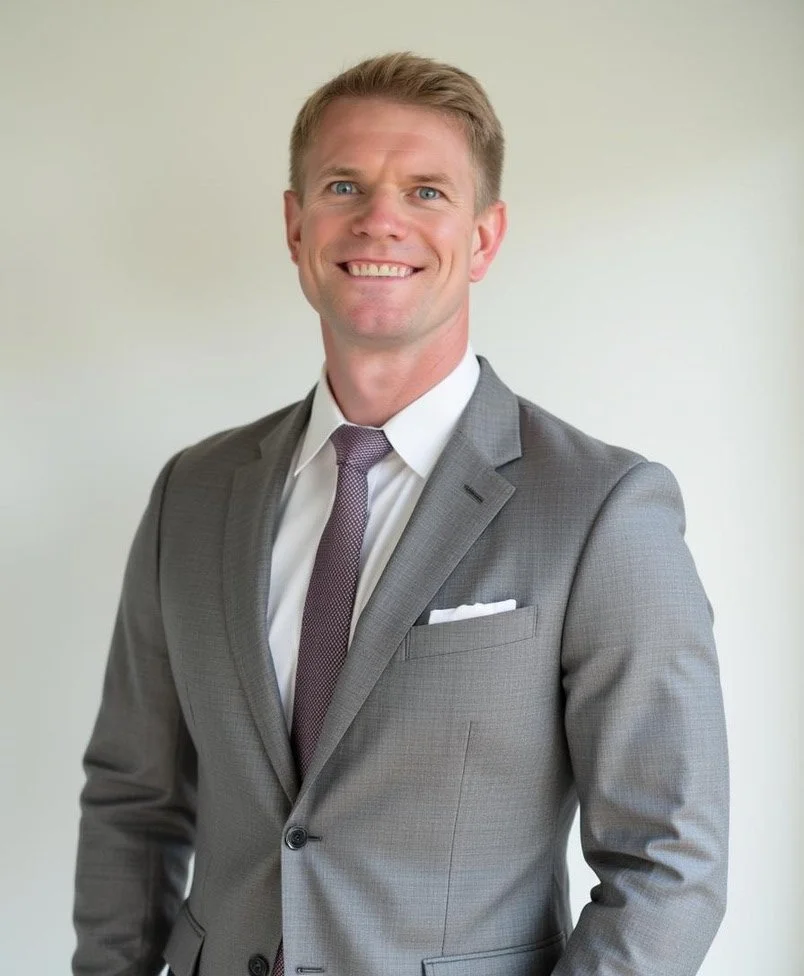
Most people don’t have a knowledge problem when it comes to wellness. They have a consistency problem. You already know the basics, but when stress hits, you fall off and you start chasing the next hack, app, plan, podcast, or supplement.
In this episode, Brandon Hall (CatholicWell) explains why the real battle is willpower, how stress and trauma can train your brain to live on high alert, and why the most underrated wellness practice is going inward. Stillness, self-awareness, prayer, Scripture, and simple daily habits that actually stick.
In this conversation, we talk about:
Why you keep starting strong, then falling off
How stress and trauma can rewire your brain, and how neuroplasticity means you can rewire it back
Simple nervous system tools (like breathing) that calm you fast
Why wellbeing is not just self-care, it’s self-gift and love
Get Dakota’s FREE Guide, The Biggest Fitness Mistakes to Avoid
Watch the Trailer: Kenny (3:31 min)
Kristen Holmes: Modern Society's Biggest Sleep Problem REVEALED | TUH #125


Enjoy the show?
To be notified when new episodes go live, subscribe below.
As a bonus, you'll receive the first chapters from our book, It's Not Your Fault: A Practical Guide to Navigating the Pain and Problems from Your Parents' Divorce.
TRANSCRIPT
Transcript produced by artificial intelligence. Please pardon any errors!
Joey (00:47)
Welcome to the Restored Podcast. I'm Joey Panarelli. If you come from a divorced or dysfunctional family, this show is for you. We mentor you through the pain and help you heal so you can avoid repeating your family's dysfunction and instead build strong, healthy relationships. Here's the reason you're not healthier, myself included. You don't have a knowledge problem. You have a consistency problem. Most people already know what to do. Sleep, move more, eat real food, pray, slow down. But instead of doing the basics, we keep chasing the next hack. The app, the plan, the podcast, the book.
hoping it'll finally make us discipline. And this might explain why you keep starting strong and then falling off, why you can't follow through with sleep, prayer, workouts, therapy, boundaries, or maybe the habits that you swear that you want. And instead, like I said, you keep chasing the next hack. And if you come from a broken family where you're carrying a lot of this untreated trauma, all of this can feel so much harder. In this episode, we explore what actually fixes that consistency problem. I promise you it is not what you think.
We talk about the most underrated wellness practice, which will certainly strengthen your will and make you more disciplined. We also talk about spiritual faith-based practices that when they're paired with brain science can actually help you calm stress, rebuild discipline, and live with more peace and purpose. My guest today is Brandon Hall. He's the founder of Catholic Well, where he integrates brain science, wellness research, and Catholic spiritual practices to help people navigate stress.
and anxiety. He spent 15 plus years in health sciences and medical devices and he's lived this personally too. He's battled chronic stress and anxiety himself, which is a big part of why he cares so much about helping others through this. And so if you've ever wondered, why do I know what to do, but I can't stay consistent? Or why do I feel like my nervous system is always on high alert? Or how do I stop coping and actually start becoming whole this conversation?
is for you. Now in this episode we do talk about God and faith and if you don't believe in God you're totally welcome here. Anyone listening for a while knows that this is not a strictly religious podcast and so wherever you're at, glad you're here. If you don't believe in God, my challenge for you is this, just listen with an open mind. Even if you skip the God part, you're still gonna get a lot out of this episode. And with that, here's our conversation.
Brandon, welcome to the show, man. It's good to have you. Excited to dive in. I was curious starting out, why do you care about helping people in particular? Be well, be healthy.
Brandon Hall (02:56)
Thanks brother, great to be here.
So this has been a passion of mine for a long time. As you know, I'm in medical devices and my mom's been a nurse and I've always been interested and passionate about health wellness. But more recently, I've started getting reinvested in my Catholic faith and you know, we're called to serve and we're called to love and we're called to help each other. And in particular for me, I have suffered from some stress and some anxiety for most of my adult life. And I think that is like the number one challenge that we face in today's society.
And so I just believe it's a calling of mine to help people get through their stress, their fear, their anxiety in any way I can with my experience in medical devices and also with my experience building Catholic Well, the holistic wellness platform that I'm working on.
Joey (03:47)
For someone who's just learning about this for the first time, like what problem do you solve with this work? I know you mentioned stress and anxiety, but I'm curious, like how would you communicate like this program, what I'm doing with this work solves this problem?
Brandon Hall (03:59)
Yeah, I mean, that's really what it boils down to. It's the lingering and seemingly growing problem of stress and anxiety and fear in not only adult lives, but young kids' lives and teenagers' lives. If you look out in the world, and specifically in the West and the United States, we have a growing epidemic of mental health challenges. And it's heartbreaking because there are so many tools and resources out there to help with our mental health, to help with our physical health.
I mean, you know, diet, fitness, nutrition plans, technology, smartwatches, phones, but it doesn't seem like it's getting any better. And so I think we're missing something. I think there's a major disconnect there. And I think that we are missing God and we are not incorporating God in our faith-based practices into our health and wellness practices. So that's what we do. And that's what I think kind of sets us apart as we take in particular our Catholic faith, Catholic traditions and teachings.
and integrate those practices into modern scientific health improvement practices to try to help people overcome their stress and anxiety and optimize their wellbeing.
Joey (05:06)
I remember you even mentioning St. Thomas Aquinas basing some of your curriculum and program on him. Would you say a little bit about that?
Brandon Hall (05:13)
I mean, he's like one of my heroes in terms of saints. I love it because of how intellectually rich he is or was. But also, like I understand how life can be overwhelming and we have so much on our plate already and we have so many challenges we face. Like how do we really get to the heart of the matter and how do we simplify things? And he boils it down so beautifully that we are embodied rational souls. So we are intellect and will. I think for the most part, like we know what we need to do.
in terms of optimizing our health and reducing our stress. We know we need to eat healthy. We know we need to exercise. We know that's good for the brain and body. We know we need to sleep well. We know we need to get out in nature and take a walk. And that helps with stress and anxiety. But the challenge is the will, right? So the challenge is making a conscious effort and a conscious decision every single day.
to do those practices, to stay disciplined. And so that's like the crux of the program is to focus on strengthening our will so that we can first and foremost put God first through Christ and then take on these practices every single day to work on our brains, to improve our brain function, to improve our mindset, and ultimately to improve our souls, our relationship to God.
Joey (06:25)
Beautiful. I love it. And I know you go much deeper in the actual program. I'm curious, like, when you look around in the world, you had mentioned the mental health crisis and different things. Like, what do think most people get wrong when it comes to living a healthy life?
Brandon Hall (06:39)
think we don't put enough emphasis on just how important it is to put God first in every single aspect of our life through the teachings of Christ, through the sacraments, through those spiritual practices, through scripture and prayer. And then in conjunction with that, going back to St. Thomas Aquinas and going back to what Christ said, you know, we are, he said, the spirit is willing, but the flesh is weak. So the second part of that is I don't think we spend nearly enough time focusing on
the part of the body that directly affects and controls willpower in our decision making or planning and that's our brain and that's our prefrontal cortex in particular. So I think it's a two-part answer. think when we incorporate things like greater prayer and scripture and the sacraments into brain strengthening practices, I think that's when we can really get to the heart of the fear, the stress, the anxiety and really overcome
a of these mental challenges and optimize our well-being. think we really need to focus on strengthening and improving our brain, like society says, to do so for like our muscles and our bodies with respect to physical health practices like exercise and diet, which are very important. I'll give you
Joey (07:49)
Yeah, no, it all works together. I'm excited to get deeper into that. But first I'm curious, you know, obviously our audience is full of people who come from broken families. They come from divorced families. They come from highly dysfunctional families. And one of the things I've seen in the data is that they're more likely to have health problems, actually. Obviously way more likely to have mental health problems than a number of them, whether it's depression, anxiety. They're more likely to attempt suicide, a whole range of things. Not pretty.
outcomes. And so I'm curious if you have any insight into how, you know, the crisis in our day and age and how this experience of coming from a broken family might affect like their health and wellness. Like, why do they struggle so much? know, maybe even what's kind of the starting point for them to turn that around? ⁓
Brandon Hall (08:34)
Well, first thing is I empathize with them because I thankfully don't come from a broken family, but I have experience with that and my parents have experience with that. And so I know how traumatic that can be. But if you look into a little bit of the brain science in full disclosure, like I'm not a neuroscientist or anything like that, but I've done a lot of research and I have experience in this department, it's heartbreaking because when you face either trauma or adversity or stress and anxiety, particular at a young age, it quite literally changes your brain.
it changes brain function. so people that go through these challenges, they have a tougher hill to climb because, know, just like a little bit of science, see like the amygdala for instance, in their brain or the limbic system, like that emotional brain becomes hyperactive. And so they're more prone to outbursts or, you know, negative health practices. And again, it's heartbreaking, but the science does show through what's called neuroplasticity brain change that people can absolutely overcome.
the challenges they face in life with specific practices. And, you know, the science shows that it takes a comprehensive approach. So it's not just, you know, trying to think your way to better health, or it's not just trying to hit the treadmill. You have to incorporate all these different things into your life, especially the spiritual aspects. You have to leverage your higher power and you have to flood your mind and your brain with positive, uplifting, healthy spiritual content to try to remold your brain.
and try to renew your mind. Like St. Paul said, do not be conformed to this world, but be transformed by the renewing of your mind. So it's quite literally taking what Christ said and taking all the health resources that we have and flooding our minds and our brains with that. And that helps you to overcome these challenges.
Joey (10:18)
Love it. I want to get into maybe some things you recommend a little bit later, but I'm curious, like if someone's listening to us right now, watching us right now, and they're thinking, interesting, like I don't really know where I stand with my health and wellness. Cause I think a lot of times we can become so much on the like autopilot that we don't really.
take a step back to assess like, I'm really struggling in this area or maybe I'm doing well in that area. How do you think about this? Like maybe for yourself or for people that you're coaching, how do you kind of assess your wellness and get a starting point as if you would go to the doctor and get a, you know, a little bit of like a health assessment? how do you think about this?
Brandon Hall (10:52)
So, I mean, there are a lot of health assessments and wellbeing assessments out there, and we actually have one for our program. But one unbelievably powerful, impactful practice that goes by multiple names that's been practiced for centuries by, you know, Catholics, Christians, and non-religious people is something that you've probably heard of called mindfulness or interoceptive awareness or contemplation. I think it quite literally boils down to, and this is very biblical,
Be still and know that I'm God. So get rid of the external noise and just spend a few minutes a day and go inward. Evaluate your own thoughts, evaluate your emotions, evaluate your bodily sensations. How do I feel today? How do I look today? How are my biological functions operating? Am I healthy? Am I well rested? Am I energetic? And then you do an assessment and wherever you're lacking, then maybe you start addressing those.
But I think no matter where it is, and you can do this obviously from a spiritual perspective as well, am I close to God? Am I living with meaning and purpose? Am I loving my neighbor? Am I performing spiritual or corporal works of mercy to be Catholic specific? So you do this internal evaluation, and this is very much in line with St. Thomas Aquinas, and you kind of figure out
what areas of your life, and I like to, I love, you the greatest commandment, and I use that to guide my entire life, but I think that is very pertinent in particular with respect to health and wellness. Like, just bucket it and focus on three categories. You know, mind, body, and spirit. Like, how do I physically feel? Again, am I well rested? Am I energetic? Am I strong? Like, what's my physical health look like? What does my mental health look like? Can I control or manage my thoughts, my emotions, and my behaviors? If I can't, why not?
And you can talk to somebody, you can talk to spiritual counselor or a mental health professional, you can write it down in a journal. Journaling is profoundly impactful for mental health and well-being. You can talk to a priest. How is my spirit doing? Again, am I praying? Am I hearing God's voice? Am I living the life the way God is calling me to live? And I think it sounds incredibly complex, but I think when you boil it down in simplistic terms, you have to go inward.
And you have to evaluate those areas of your life and find out, you know, where am I struggling? And hey, let's figure out a plan and let's start putting those pieces together and let's start improving those different areas of life. And then we can get over the challenges that we're facing and optimize our wellbeing.
Joey (13:19)
I like it. And I've always found Matthew Kelly's four parts of the human person helpful. And I'm sure I know he didn't like originated. I just learned it from him of like the, heart, your mind, your body, your soul. And, and that's always been helpful for me. Like when I'm assessing my own like health and wellness, it's like, okay, how am I doing on the level of like my mind? Like, I learning new things? Am I staying sharp? Am I, you know, giving my brain, you know, the kind of fuel it needs to, be at its best.
And I know, you know, they're all connected and they overlap like in that example. and then, know, with my body, like you said, sleep being the foundation of our health, like in my sleeping well. And one of the interesting things on sleep I saw recently, the head scientists at whoop, if anyone's familiar with whoop, the kind of wearable bracelet that gives you so many biomarkers, a lot of athletes where they, she was saying that sleep regularity is one of the biggest, most important aspects of sleep. And by regularity for anyone not familiar, she means that
when you go to bed and when you wake up, if it's roughly the same every night, that makes one of the biggest impacts on your health and just your function as a person, your mind, your body, everything. And they actually correlated that. There was a research they did at Harvard that she was talking about in this podcast. They correlated that with GPA, actually, with Harvard students, like the ones who had more consistent sleep regularity. They were the ones who had a higher GPA.
which at least there was a correlation. don't know if they got causation in that, but that was on Gary Brekka's podcast, anyone's familiar. We'll maybe throw a link in the show notes for that, but that was fascinating. So I imagine your course, your program is filled with little tips like that. And so one of the things on that topic is I'm curious about the nervous system, because it seems like there's ⁓ a lot of talk maybe more about the nervous system, and that's kind key to kind of assessing how you're doing as we're talking and also
figuring out how you can better deal with stress and fear and anxiety and all that. so just curious, how much do you teach on the nervous system in the program and how important is that to
Joey Pontarelli (15:13)
Okay, real talk, if you've been trying to get in shape so you feel better physically and emotionally, but nothing is working, you're not crazy. I've been there myself. I recently read a free guide by Dakota Lane, a certified personal trainer who we've partnered with that's about a thousand people. And it was really helpful for me personally.
In the guide, he breaks down the biggest fitness mistakes that we all make like under eating, overstressing, focusing too much on the scale. And he gives really simple practical tips you could actually use that you can implement today.
And so if you're tired of feeling like you're never gonna get in shape, just click on the link in the show notes and grab the guide today. It's totally free it might just be the thing you start feeling healthier physically emotionally.
Brandon Hall (15:50)
It's incredibly important. then, so that's funny. The nervous system in the brain in particular is obviously incredibly complex and incredibly important. from like coming from a scientific background, an analytical background, as you're well aware, you know, I've been in the operating room for 18 years and helping people with heart health devices. And so those are incredibly complex as well. So what I love to do, and I think is very beneficial is to take the complex and try to simplify it as best as possible.
and focus on, you know, the key components of health and wellness. So to answer your question in terms of the nervous system, I mean, you hit the nail on the head. Like sleep is incredibly important for holistic health and wellness. mean, that's where brain change occurs. That's when the body detoxifies. So we absolutely need to get high quality sleep and maybe that's the major change that somebody needs. They just need to improve their sleep and all other areas of their health immediately improve. But like I mentioned before,
Simple practices like, you know, meditation or mindfulness, interoceptive awareness, or even journaling, like simple practices really do wonders for brain health and the nervous system. And simple breathing practices can quite literally calm the brain and body in matter of seconds. And I'm sure you've heard of different breathing practices, but one of the things I thought that was fascinating, what I learned is, I'm not sure if you're familiar with this, but when we breathe in, our heart rates naturally speed up a little bit.
And when we breathe out, they naturally slow down a little bit. by just, again, going inward and just focusing on controlled breath work, but making sure you breathe out slower than you breathe in, you can quite literally calm your brain and body in a matter of seconds, which is like incredible. I use this technique all the time in the operating room. Yeah. So there's, simple practices that you can adopt into your everyday life.
like reading scripture. mean, reading physical paper is incredibly beneficial for brain health. And I like to boil it down. So my physical health practices, I like to first and foremost start in the brain because if my brain is not working optimally or if I'm stressed out or if I fear an anxiety, I'm probably not going to the gym that day, right? If I'm nervous about something and stressed out, I'm probably not getting high quality sleep. And like you said, I mean, everything kind of plays on itself. And so
You know, our brains affect our thinking and our thoughts affect our brain function, which affect emotions, which affect behaviors, and they reinforce the patterns. And so I think it's important to start somewhere. And again, that combination of I love to start with either prayer or scripture and, you know, start in the morning and start with the brain. And then that can kind of cascade your entire day and get you on the path to healthier living and those healthier practices.
Joey (18:31)
No, so good. I love those practical tips you gave to, think like with the breathing, that's so helpful. And we had a podcast episode where we talked with ⁓ a friend of mine actually, who is a first responder, he's a paramedic firefighter. And we talked about it. Yeah. Box breathing that those guys use and special operators use and how they are able to stay focused and calm and perform well under like high pressure. So that's great. And the rest of us can certainly use it as well. I heard of a study recently actually that said that if you read physical paper,
for at least six minutes before you go to bed under like low light, ⁓ you will, I think, fall asleep faster and have better sleep quality. Can't remember the details, so don't quote me guys, but it was something about like it helps your sleep and improves your sleep. And I've tried it and it seems to help. And so it usually results in like reading at least three pages, which is pretty doable. Six minutes, that's it. And so I'm curious, there any other sleep related or not kind of tips or hacks that you maybe personally use or that you recommend to?
to people that you like sharing something that maybe someone could take and like use right when they stop listening to this.
Brandon Hall (19:34)
My go-to practice that kind of ties everything together, which I absolutely love, is Lectio Divina. So I'm sure you're familiar with, but for those of audience who are not familiar. So Lectio Divina is ⁓ an ancient Catholic practice that's basically called divine reading. So there's a couple different parts of it. It's physically reading scripture, and then it's meditating or reflecting on that scripture. Then it's prayer, praying about the scripture. And then it's that stillness and listening to God speak back to you in prayer.
And this practice is incredibly beneficial for holistic wellness because when you physically read and you you mentioned something that I thought of, there's a nice study. If you read the Bible or scripture four times a week, there's significant reductions in stress and anxiety. yeah, yeah. So reading scripture directly targets the prefrontal cortex in your brain and then meditation, mindfulness, stillness, whatever you want to call it, again, directly targets the prefrontal cortex and it reduces stress and anxiety.
And this is quick sidebar. I love the science behind all this. People that regularly practice either mindfulness based stress reduction or mindfulness or interoceptive awareness. The studies have shown that they quite literally have stronger prefrontal cortexes in that they have greater density in that brain region and they have greater blood flow to that brain region. And conversely, the emotional brain, that amygdala in the limbic system,
they found to be smaller in people that do this over consistent basis. And that portion directly controls and governs stress and anxiety. So then again, it's about being disciplined. It's about doing it every day. But I absolutely love starting my day with ideally reading scripture, but or listening to like Father Mike Schmitz or Bishop Robert Barron or some kind of positive uplifting, ideally spiritual podcasts. And then just sitting in silence, praying, listening to God's voice and
For me, my prayer life has been absolutely on fire lately, especially since I've been working with my dad on Catholic Well and, you you're well aware, I three young kids and they go to Catholic school and I'm getting reinvested in my Catholic school and church. I mean, I can't tell you how many times I hear God speaking to me. Now, it's not like an audible tone, but the thoughts that I get from God in my head and the emotions that I get and the little life circumstances and coincidence are just incredible. ⁓
You know, God doesn't always answer them, know, answer my prayers how I want them, when I want them, and I don't always look for those signs, but I find the more I get involved in Scripture, the more I meditate on Christ's Word, the more I pray to God, and then I'm just still and I listen. And it could be like right now in the office, or it could be before bed, or when I wake up, or it could be taking the dog for a walk. The more I hear God speak back to me through my thoughts and my emotions, and I think that has been
incredibly powerful for my own personal health and well-being because we're not our thoughts. Thoughts come and thoughts go and we are bombarded every single day by evil, by negativity on social media, by the emergence of AI technology and artificial reality and all this jazz. mean the world comes at us every which way and puts thoughts in our head. But again, we have the will and we have the intellect and we have the power to choose what thoughts
hold on to and what thoughts to let go of. And when we flood our minds and our brains and our souls with the mind of Christ and with scripture, that's when, as St. Paul said, we can really transform our minds and transform our souls. But it takes consistency, and it does take work. And, you know, there's no shame in asking for help and getting help from somebody, a friend, a mentor, a colleague, a coach, or, you know, a spiritual advisor to help you along this process, you know, help you along your health and wellness journey.
Joey (23:17)
So is there anything you would say to someone who maybe is struggling with the implementation? So you mentioned maybe asking for help or getting someone to kind of keep you accountable, guide you. I'm curious if there's anything else that maybe someone can do today in terms of, know, they kind of understand at least at a high level that they need to be doing these things. Maybe they need to learn at a deeper level, you know, going through a program like yours or a book or something else. But I'm curious if there's anything that you would recommend in terms of like a best practice for being more consistent with implementing.
Brandon Hall (23:47)
think it's gonna vary for each individual depending on where they are. And I would say first and foremost, there's absolutely no shame in asking for help and getting help. So I would say start there, whether it's a friend, a loved one, again, a spiritual advisor. I would be open and honest and say, hey, I'm struggling with this. I need help. Because when you are so riddled with fear or stress and anxiety, sometimes it's hard to just get out of bed. Sometimes it's hard to just function. And it's a lot easier when you're getting the help that you need.
But in terms of if somebody said, you know, like they don't necessarily need the help or aren't ready for the help, think, again, I might sound like a broken record, but I think waking up in the morning, and I'll give a little bit of ⁓ habit science here for the audience. If you want to adopt a new practice, you know, say, Lekia Divina or journaling or reading scripture, and you want that to stick and become habitual, that eventually leads to other healthier practices.
There's two components in the habit research. You want to start small and you want to start immediately after an existing habit or routine. So if somebody's starting tomorrow is like, okay, you know what? I'm going to do something about my diet or I'm going to do something about this fear and this angst. What they can and should do is immediately after they wake up and they do something automatically like brushing their teeth or making their cup of coffee, they should start the practice. And what that practice is, is going to vary for each individual person. I recommend either prayer or reading scripture right away.
I recommend getting God into your life the first thing that you do in the morning in some capacity or turn on a podcast and go for a walk and listen to the Bible in a year or the catechism in a year. So I recommend starting there, starting small and just either read a passage or two or listen to a five-minute little podcast and going for a little walk and doing some praying.
So again, starting in the morning is great because we're naturally more alert and awake in the morning. then, know, the habit, habit research also shows that specific practices can lead to other practices that are called keystone habits. So a habit like, you know, either exercise in the morning or reading scripture or prayer can lead to other healthier habits. So that's, think, where I would recommend starting first and foremost, you know, go inward and kind of do a self assessment and ask yourself, can I do this myself, whatever the challenges I'm facing? And it's okay if you can't.
Ask for help. So that may be the first thing is to pick up the phone or open up to somebody and that can be challenging in and of itself, but pray about it. Ask God for the strength and the guidance to do it. Ask for the help and then, you know, whether it's my website or program, there's so many, there's so many, like I said, podcasts and there's resources out there to help people with their mental health and anxiety. Just start somewhere, get help and then put together a plan and take action, take consistent action because
your brains can absolutely change and a lot of the research shows that they can change in a couple of weeks to a couple of months. So you can absolutely change and improve your life. It's easier to do it with somebody as an accountability partner. And again, there's no shame, but it does take consistent daily action and you should ideally start tomorrow, start in the morning and just do a little bit each day and a little bit more. And you'd be surprised at how quickly you can change and improve your life.
Joey (26:50)
I it. Yeah. And I think a lot of times maybe we look down on those like small things because, you know, we think like, well, if I'm not reading, you know, a lot of this book or the Bible or doing a full workout, then it's doesn't really count. But I love it. You're saying that, you know, just getting started, just putting in the two minutes, putting in the five minutes to start is such a good piece of advice. I'm curious, ⁓ if there are any other kind of keystone habits you recommend people start with, if they're not implemented in their life, you know, you mentioned
prayer, you mentioned exercise for me, just to kind of share my experience. Exercise has been so huge. My goodness, that has really transformed my life in a lot of ways because I mean, for so many reasons, like I, so I typically work out in the morning. usually do like a 7 a.m workout. Um, so it's super early, but I like getting it in. I will work out for an hour and that just like sets my day super well. And for me, you know, maybe I'm just not as disciplined, but I really have a hard time like praying in the morning.
So for me, it's like I need to move my body first and then after that is when I'm able to kind of get into that state of prayer. So, so anyway, but it just like sets me up for the day. gives me so much energy. ⁓ and honestly, it makes me feel more disciplined throughout the day too, because, you know, I just did this hard thing, this hard workout and I got through that. So I'm like, okay, I can get through this project or deal with this difficult conversation or write this, you know, kind of challenging email, whatever.
⁓ I'm able to, it just makes me think a little bit more resilient. So I'm curious if, you know, in addition to exercise and prayer, if there's anything else that you would add to that as like, these are really good keystone habits to consider if they're not present in your life.
Brandon Hall (28:24)
I I have too much more to add to that. I'll just give you my own personal routine that's helped me. And I think I mentioned to you that I was not trying to brag or anything, but I lost a decent amount of weight this summer because I wasn't prioritizing these things. Like 25, 30 pounds. That's lot. Yeah. Yeah.
Joey (28:36)
How much to do this? ⁓
It's impressive.
And it's, imagine you just got really lean cause like I've known you for a bit now and you don't are carrying around a ton of weight.
Brandon Hall (28:48)
Yeah,
with a body that wears it well. I distribute it pretty evenly across the body, which is nice. I you know, I played football in high school and college and I've always been kind of like, you know, bulky, so to speak, and I kind of wear it well. But yeah, I mean, I wasn't feeling great and I was snoring a lot and sweating a lot. And I was like, you know, I've been meaning to just shed these these pounds and let's go. It's time to do it. And so again, what helped me was
working on Catholic well and incorporating these faith-based principles into my everyday life. But to answer your question, so what I love doing, and you actually bring up a very important point here. Not everybody's going to want to wake up and start praying in the morning or start journaling or reading scripture. mean, everybody's different. Some people might find it easier to get up and go for a simple walk or get up and hit the gym right away. But you can combine these different practices, especially the spiritual practices into your physical health practices.
So what I love to do is I actually, so I love waking up relatively early, nothing crazy, anywhere 6, 6.30, maybe sometimes 7, but usually early enough, about an hour before the kids have to get up and do the school routine thing. And I do, I love to just consume either scripture or a podcast. I love to start filling my mind and my soul with the Word of God. And again, it could be like a sermon of Bishop Robert Barron from the previous Sunday. It could be, you
Father Mike Schmitz, could be various podcasts like Thomistic Institute or Pines of the Aquinas, but just to get God into my life right away. And then some mornings I'll do the Lekio Divina, I'll do the full thing, but sometimes I'll do a partial Lekio Divina and then the prayer and the stillness I'll actually do while I walk my dog for, take my dog for a walk. And so I'm kind of killing two birds with the stone there. I'm getting in, you know, the spiritual, the mental practice plus the physical practice. And then depending on the day, you know, when I have to go into work,
I started running again. That's what helped me really shed the weight. Cause I actually love running, but I haven't been able to run that often because stupid me. ⁓ you know, I think I'm still in college and I can just go and do something and I don't stretch. Right. So I learned after going to the doctor when he evaluated my cast, cause I would keep popping my calf muscles cause I would never stretch. And he's like, sorry, buddy, you're getting old. You just, your calves are fine. You just need to stretch.
So that's one thing and there's another practice. if somebody wants to incorporate a really nice, relaxing, stress-reducing practice, maybe they get up and just start stretching in the morning just to get the blood flowing a little bit. And so, you know, I would do the Lectio Divina or pray or scripture. You know, I would work on Catholic Well a little bit or journal a little bit. Then I go take the dog for a walk. And that just kind of sets the tone for the day. And then maybe I drop the dog off and then I go run two extra laps, just something nice and easy. And from a physical health perspective, there's a lot of really good science out there now to suggest that
getting exercise on an empty stomach, they call it low intensity, steady state lists is really good for your health and wellbeing. So I'd like to do these practices on an empty stomach. And then maybe after I go take the dog for a walk or a jog, then I get a lift in and then that actually will set the tone for the day in terms of my diet. So then I will sometimes just intermittent fast till lunch or I'll just have like a small, you know, protein filled lunch. And so right there, by starting my day off with God and getting a little walk in a little exercise in, mean,
I feel so much better and this kind of goes back to my prayer life. And I think this is kind of what it really clicked for me. And I don't know if I heard this from somebody. It probably has crept up. I know it's crept up over the years, but it really started to sink in. used to love to eat to cope with stress and I would derive such pleasure and fulfillment from food and from sweets and those sorts of things. And lifting for me was always pretty fun, but then it became more of like a job and a task and I didn't like it. But again,
When I went back into my Catholic faith and when I started really deriving fulfillment and pleasure, if you will, from God, you know, that cookie didn't really taste as good anymore. And those exercises became more enjoyable because I would listen to a podcast while I would be jogging or I would listen to a podcast while I'd be lifting. And those sorts of practices, again, they kind of all became intertwined for me.
That really helped me with my weight loss because I wasn't overeating, I wasn't as stressed out, I was getting those stress-reducing practices, was performing the breathing techniques. Sometimes I would always kind of like take a pause throughout the day, but again, I couldn't get enough of scripture and I can't to this day get enough of prayer. And that just fills my heart and that's where I derive my fulfillment now. And those other areas that were negatively affecting my health and well-being like booze, alcohol, like the foods,
they just don't do for me anymore. Like this does it for me. know, it's getting together with you through, you know, scent or the different various Catholic organizations, or it's talking about Christ. It's trying to help people with their health and wellbeing. Like that's what does it. And that's what we're called to do. And that's what ultimately brings, you know, health and fulfillment is, you know, knowing, loving and serving God in our own unique way.
and then helping others with their challenges, because we all have challenges. I mean, we all have varying degrees of stress and anxiety in our lives, and that's not going away because evil permeates this world. But we're called to do more, and we're called to face that head-on with Christ's help. We have the tools and the resources to do that. Again, it goes back to Thomas Aquinas. It's about strengthening our will, and we absolutely can do it. We can overcome our challenges in life, but it takes help, and it takes consistent action, and it first and foremost starts with God through Christ.
Joey (34:23)
I
Joey Pontarelli (34:25)
Blackstone Films.
They just released a new documentary called Kenny. It's about an ordinary Denver priest who lived like a true father transformed families and inspired vocations. He would actually wake up at 430 every day to do an hour of adoration. His parishioners ask him to pray for them and they actually got those prayers answered. Some even call them miracles. had to shepherd his people through the Columbine shooting, if you guys remember that.
horrible horrible fan.
He ate with the families in his parish every night of the week. He hiked with groups of young adults in the Rocky Mountains on Colorado, and he sat with couples on the brink of divorce, even saving a marriage, which they talk about in the documentary.
And so if you want a hopeful model of leadership and fatherhood, something worth watching with maybe your spouse or your small group, watch Kenny.
The trailer and the full film are now streaming on formed.org. You could just tap the link in the show notes watch the full documentary or just the trailer.
for sponsoring this episode and for telling such an inspiring story that I myself watched and really appreciate it.
Joey (35:28)
love it. Yeah, that's so good. And I think one of things we talk a lot about to restore it is filling, you know, like you said, your mind with good content, surrounding yourself with like coaches who can guide you, can advise you, who maybe have accomplished what you want to accomplish. And then surrounding yourself also with community, with people who are maybe at your level who
can support you and encourage you and be a little bit maybe more constantly present that maybe a coach or a mentor or spiritual director couldn't do. So content coaching community, I hear so much of what you're saying kind of fitting into that as well. And yeah, I how practical you make it as well. Anything else, any other daily practices that fit within your routine that you found helpful that you would offer to everyone the same?
Brandon Hall (36:10)
I would say, and I know everybody's situation is gonna be different here, obviously because of the challenges that some of your audience have faced or may have faced, try to reconnect with family and try to get that family component into your life or back into your life. And maybe, unfortunately, it's not with your parents or siblings, but maybe could be with an aunt or an uncle. But again, for me, I'm so blessed in life, love of my life, I'm married to with three beautiful kids. That is...
The probably, you know, in conjunction with, you know, getting God in my life, that's the go-to for my stress and, you know, my stress anxiety management. It's having deep, meaningful conversations with my wife. It's doing things for her and doing things for my kids and seeing them grow in the faith and grow in Christ. And it's not just me going to church by myself or confession, which I do, but it's also taking my family with me and getting reinvested and reinvigorated.
in my faith with them and seeing my kids grow up in the faith. That's incredibly beneficial for health and well-being. along those lines, there is good research that shows people that pray consistently that they go to mass or spiritual services have reduced stress and anxiety. They have greater peace in their life because not only does that transform you spiritually, but it also transforms you mentally and physically, like physically going to receive the sacraments, going to mass, going to confession.
Those are the practices that I would encourage everybody to do, you know, with their family, if possible, you know, getting reconnected again with their family and just again, living life for them and for the benefit of others, because there's a huge, and don't get me wrong, I'm all about self care, but there's a little bit, I think too much of a movement to emphasize self care. And I think we tend to forget that, you know, the greatest commandment is to glorify God and love God with all our heart, mind, soul and strength and love others to will the good of others.
So we can and should focus on improving our health and wellbeing, but let's not forget that's for the benefit of others. That's to take care of others. And one of the best ways that you can help yourself and reduce that fear or those challenges in your own life is to go help somebody with the fear and the challenges and stress in their life. And it's to reconnect with family and it's to do things with your family. So, you know,
That may not be considered a health practice, but in my book it absolutely is because it is incredibly beneficial to health and wellbeing to have solid, deep, meaningful relationships with your close inner circle, with your friends and your family first and foremost, and then go out and evangelize and then go out and meet people in the world. But, you know, do everything you can to mend those wounds that you can with your family.
Joey (38:53)
Okay, no, it's good stuff. And I've mentioned this elsewhere in the show, but the author of the book, The Happiness Advantage, he was a researcher at Harvard who studied happiness, what makes people happy. it's a thick book, it's a dense book, but one of the big takeaways is that the greatest predictor of happiness in life is the strength of your social connections, which is like a nerdy way of saying quality of your relationships. And he even said like your family relationships are,
so key and core to that, just exactly what you're saying. So it's good research to back it up. In fact, I mentioned this before, but he actually moved away from Harvard after doing all this research and just, he now lives, I think, on the same street as like his parents and his sister and his family's there, which is pretty cool to see him put that into practice. So yeah, I think there's something to be said for if you want more happiness, more peace in your life, that improving those relationships to whatever degree is healthy and possible, especially for our audience, ⁓ is only gonna help.
I know it's a big topic for another time, but so often accomplishing that is maybe experiencing your own healing and growth first and then being able to work through some of those wounds and challenges in the relationship, which will often include difficult conversations, which is a whole topic on its own, maybe we'll shelf for another time. But yeah, so anyway, just backing up what you're saying with some research that I've seen. To do all that, everything we're talking about, but especially men in those relationships have those good relationships.
you know, requires emotional intelligence. requires a bit of resilience. I'm curious, how does wellness that we're, you know, these practices that we're talking about relate to support, improve emotional intelligence and resilience?
Brandon Hall (40:31)
Yeah, sure. have to just, know again, broken record, but it all goes back to brain function. The practices that we talked about, particular the mindfulness based stress reduction or meditation directly target the prefrontal cortex. And then again, whatever you want to call it, it's as simple as being more mindful of your thoughts and emotions. And then what you can do is you can take those thoughts, right? And those emotions and recognize which ones are healthy and which ones are unhealthy.
And that's kind of like the basis for emotional intelligence. It's understanding what's going on in our internal state so then we can better learn and understand what might be going on in the lives of other people. And that's like, that's the precursor to emotional intelligence. It's that interoceptive awareness. It's that stillness, it's that contemplation, it's that meditation that first and foremost comes from, again, being still known that I'm God. It comes from prayer. It comes from understanding where you are with your health and wellness. And then in terms of resilience, again,
It's really, it is brain function. You can basically strengthen the willpower part of your brain. Resilience is just overcoming adversity and it's very much mental as it is physical. And so again, it starts with those simple daily practices that help you to strengthen your brain and your mind and your thoughts so that when you do face adversity in life or when you face somebody that's dealing with challenges, you know how to help them and you know how to overcome those because you've either dealt with them yourself or
you have a stronger brain and you have stronger willpower and you have also incorporated those challenging practices in your life. Because, I mean, we all know this, like avoiding the cookie is hard. Go into the gym and lifting weights is hard. So when you introduce good stress into your life, like those physical health practices, you, you naturally will build resilience. You'll be able to strengthen your mind, your body, soul, to be able to deal with life challenges when they, you know, inevitably arise in your day.
Joey (42:22)
Yeah, I know it certainly translates and it seems to me too like if you you know do these things that help you have a calm like nervous system and you know like you said just maybe think before you act and not be as so on autopilot or knee-jerk that's gonna increase your empathy and it's gonna increase your kind of thoughtfulness and I'm sure we you know we've all been I know
this for me, I've been in seasons where I'm more knee-jerk and I'm more automatic and I'm not as thoughtful and I might come across as a jerk or arrogant. And so I've noticed when I'm doing that, and that's often because I'm not doing the things that you're talking about, but when I am doing those things, I am more thoughtful. I am able to take a step back and detach from the emotions and tense situations. am able to, maybe someone reacts poorly to me instead of chewing them out or feeling anger towards them or whatever.
I'm able to take a step back and think and even say maybe, hey, are you okay? Like, is everything okay? And so I've noticed that even, you myself and so not that I, you know, do that perfectly by any means, but it's something that I'm trying to work on. And so I think, you know, if we want to be better in relationships, learn how to love and what motivates my audience, especially is that we don't want to repeat what we saw in our parents' marriage. We have to start with being healthy and whole. And the root of that, as we've discussed is like healing.
whether it's through therapy or through other therapeutic practices that kind of resolve trauma and bring closure to emotional wounds, that's one end of it, healing. And then the second thing is building good habits, which you kind of hit on both, but especially the habit part. If you can build these good habits into your life, then you're going to be this healthy whole person and you're going to go on and instead of building maybe unhealthy relationships, you'll build healthy relationships.
instead of building, you know, maybe a weak marriage, you'll build a strong marriage. And instead of building a broken family, you'll build, you know, a thriving family and you'll be able to break that cycle that you came from, which I, you know, it's just, it runs so deep in our audience to want to do that and maybe being afraid, but you know, craving it so badly. So I love how all this kind of fits together. And I think that piece of, ⁓ yeah, just taking care of yourself, but even going beyond that and loving is just so good. And that's what this is all aimed towards is teaching you.
create helping you love better so you can build the relationships in the life that you want.
Brandon Hall (44:37)
think for people that might either not be familiar with Lectio Divina or maybe wondering like, know, give me something specific where I can start, right? Sermon on the Mount. I mean, that is like one of the most impactful, incredible sayings, words, sermons in the history of the world. It directly addresses every challenge with respect to human beings, stress, anxiety, fear, anger. So I would start there. And again, it goes back to everything that we talked about. When you read scripture,
And when you strengthen your faith in the words of Christ, then you can deal with those life challenges easier because you know what to say in certain circumstances. You just say what Christ said. You do what Christ did. I mean, He gave us the blueprint to deal with all life challenges. And when you combine that, again, with these other physical health practices, the mental health practices, when you get help, when you strengthen your relationships with your family, I mean, that's all you need. That's it. mean,
Like I said, it may sound incredibly complex and yeah, it does take a comprehensive approach to really optimize your wellbeing, but you got to start somewhere, start small and then you'll see over time and you hit the nail on the head. It's about building those habits and you know, reoccurring theme in our Catholic faith and in the Bible are the virtues. It's temperance and it's prudence. It's wise decision-making and it's self-control. So it's focusing on the brain, focusing on better self-talk, better self-control.
wiser decisions and then building from there and you'll see you'll find the changes will come in your life.
Joey Pontarelli (46:11)
If you come from a divorced or broken family, or maybe you know someone who does, we offer more resources than just this podcast. Those resources include things like a book, free video courses, speaking engagements, a free assessment, online community, and much more. All of our resources are designed to help you heal from the trauma that you've endured and build virtue so you can break that cycle and build a better life. And so if you want to view those resources for yourself or someone that you know, just go to restoredministry.com slash resources, or click on the link in the show notes.
Joey (46:39)
Okay, so that's your kind of spiritual challenge read the Sermon on the Mount which if I'm looking this up correctly would be Matthew 5 through 7. That sounds right. Matthew 5 through 7. What would you say I guess if there was like a physical challenge maybe related to sleep maybe not if you were to issue something that someone can do right away to improve maybe the way they sleep or the way that they're you know, but their bodily health. What would one challenge be there?
Brandon Hall (47:00)
Oh, let's combine them. So, and you hit the nail on the head with a sleep tip. So let's just say you're used to going to bed at 10 or 11, right? Back that up a little bit and try to go to bed at like 9.30 and then try to wake up a half hour earlier and just start with like 20 minutes to a half hour. Just try to go to bed a little bit earlier and then wake up a little bit earlier and then try to stay consistent with that. Go to bed at the same time, wake up at the same time and take that extra 20 or 30 minutes and do exactly what we talked about. Read the sermon on the mount, pray and just go for a walk. Just start there.
those three simple little things and then build from there. And then maybe instead of you go for a walk, then you exercise and you do some resistance training. But I would, I would wake up and make time for yourself in the morning. And if you're married, if you have a spouse or whatever, maybe they'll get up with you or they'll help you get up, you know, or maybe you have somebody that will call you and get you up. And it might be challenging at first. You may like your sleep. may like your Netflix at night, but I think that would be a good call to action would be, all right, let's not.
let's not watch Netflix tonight, right? Let's go to bed a little bit earlier and wake up just a little bit earlier and just start and then do something that you naturally like to do from a physical perspective. Cause I think we all like to move in some capacity, right? Unless we have a significant physical challenge. Maybe you like to, mean, the weather's still nice. Maybe you like to go hit some balls. Maybe you like to play racquetball. Maybe you like some different sport and maybe you're already doing this. So if you're doing this, maybe on the drive to this activity, you
put on a podcast or you put on the Bible in a year and you get God into your life. I think you should start your day with God, with scripture, with prayer immediately and then tie in a physical practice and then just build from there, go from there. And then you might find that, feel really good after doing that. I'm gonna do a little bit longer the next day and I don't feel like eating a donut after I just had a good workout. Maybe I'll eat some eggs instead. And a real quick side note, I think we as a society put...
It's very important. We put way too much emphasis on diets nowadays. I mean, just keep it simple. Eat what God made. Just read the Bible. Plants, animals and water. You'll be fine. You'll be healthy. Fruits, vegetables, lean meats, fish. Drink plenty of water. Sprinkle in some fasting. There you go. We have the tools, right? Yeah. It's about doing it. And if you're allergic to beets, I mean, there's tons of other, you know, like some random vegetable that you don't like, you don't have to eat it. There's plenty of other options.
Joey (49:09)
Cool.
Brandon Hall (49:22)
But back to what I said earlier, try to disassociate pleasure with eating. mean, that's a huge, that's a huge component, I think, to the physical health practices. When I learned how to do that, it was like, well, let me just, you know, I'll just eat a piece of meat and a piece of fruit and I'll go about my day. Like I was so concerned in the past with what I'm going to eat and, you know, and gorging and fill my belly and I need all this energy. No, our bodies are phenomenal. We can go on little calories. We can fast.
we stay hydrated, I mean we can go about our day, can get good quality sleep and exercise, it's not the physical, it's not so much those physical practices, it's more so the will, and it's more so the decision to stay consistent in deriving pleasure and fulfillment from God versus those physical passions or the food or the booze and those sorts of things.
Joey (50:09)
One of the things that has been helpful for me to get to bed a little bit early, because I'm naturally a night owl. So like you had mentioned, just to kind of add my personal experience, if this is helpful for everyone listening, having something I look forward to in the morning is huge with getting me out of bed. So I really look forward to going to the gym, to doing the CrossFit workout. I know that there's going to be people there that I like seeing and interacting with. kind of like waiting on me. They want me to be there. If I'm not there, like they're maybe reaching out and being like, Hey, you know, where are at?
So that there's kind of that accountability broken in or built in. And, and I love what you said, like it doesn't have to be like one size fits all, like what did you prefer? What you like can be different and starting with as simple as a walk, I think it's a great, great thing. And even if it's really cold out, you can bundle up. If you can't go outside, you can walk around your house. Like there's ways to do this. ways.
Brandon Hall (50:57)
it's actually good to get some cold, know, cold temperature.
Joey (51:00)
Yeah, yeah. No, for sure. That's been something that's been helpful for me. I've been, I'm not brave enough to do like a full cold shower yet, but I at least do like 30 seconds of cold water and it's like, it's invigorating. I feel great. I feel more disciplined, all the good things. So not to too much down that, but yeah. So like having something to look forward to, just like you said, I think it's been, it's a great tip that you mentioned.
Brandon Hall (51:02)
the world.
Joey (51:22)
And then like you said, the nighttime routine, like the evening routine, the bedtime routine, whatever you call it, I think is so huge. so I, I'm such a nerd. like wrote mine out and I have it to reference if I ever need it, but it's like, okay, you know, at this time you do this and I actually have an alarm on my phone that kind of starts it. So I first get myself, this is very nerdy, but if this is helpful for you people who are especially type A and maybe not, if you need this.
I have an alarm that says, you in like 20 minutes, you've got 20 minutes to finish up what you're doing and then you got to do your bedtime routine. And then the alarm goes off like right at the bedtime routine. And I actually like threatened myself on the screen saying, Hey, if you don't go to bed, this is what's going to happen. Like you're to get sick. You're going to, tomorrow's not going to be as good of a day. Like all these problems are going to happen. And that like is a little bit of a incentive for me to like, okay, like stop, get off the computer or stop working on whatever you're working on. Like go brush your teeth and.
drink your tea or whatever I do. so anyway, I just wanted to kind add my personal experience just to double down on what you said in case it's helpful for people. So having the alarm that starts a bedtime routine I think is huge. And then, you know, getting off your phone because doom scrolling is just probably the worst thing for sleep.
Brandon Hall (52:31)
I mean, we are up against it with technology. technology can be a blessing, but it absolutely can be a curse. And I think we all have been there doom scrolling. And again, going back to the brain, it targets that emotional part of the brain, the dopamine, and they're designed to keep us addicted and keep us attentive. And so it's challenging. Yeah, I mean, we're facing these challenges and there's no shame in that.
Joey (52:53)
No, and that's why you said, you know, having a program like yours, your book, you know, getting guidance and help and learning like the best practices, all that I think is really, really good. On that note, I'm curious, yeah, what is it that you guys offer? What is it that you, that people can maybe get and how do they get that?
Brandon Hall (53:10)
Yeah, sure. So there's two components of Catholic Well. There's the student component and then there's the adult component. So I'll just give you a quick 30 second synopsis. My dad is a retired superintendent of schools and also retired Catholic school principal. You know, I've been sharing my work with him over the years and he suggested that we put together this Catholic program because unfortunately, not many schools, if any, have an actual health class anymore in Catholic schools that teach kids about how their brains work.
teach them about stress, anxiety, teach them about mindset development, and incorporate the Catholic practices and the principles into their everyday life, in particular with their health and wellness practices. So the one component of Catholic Well, we have a, Pennsylvania standards aligned nine week course, so an elective course for middle school and high school students that does just that, that teaches them about their brains, helps them to develop emotional intelligence, resilience, transforms their mind, incorporates their faith into every one of the physical practices that we talked about.
And he's kind of spearheading that and off and running with that. And then I also personally offer some executive coaching for Catholic adults in businesses and some health and wellness, either workshops, virtual in person. And I also have a little book on the website, just again, to help people with their health and wellness to overcome their stress and anxiety and help them to really realize the fullness of life that God intended to incorporate those Catholic practices and their faith in the sacraments into their health and wellness practices to lose some weight.
get more energized to improve their physical health, their mental health, and their spiritual health.
Joey (54:39)
Love it. ⁓ remind us of the website one more time.
Brandon Hall (54:42)
So
it's one word Catholic Well, know, CatholicWell.com. And then you can reach out to me, email us, and the training guide on there is free, so you can download it and kind of walks you through, again, the way my brain works, kind of like a systematic overview of reality, God, how we connect with God, the necessity for Christ, how we derive ultimate fulfillment and optimal well-being through Christ and through our Catholic faith.
Joey (55:06)
Awesome. If you guys, ⁓ you know, need to reach out to him, feel free to do so. There's, ⁓ this, I know the program is going to be developing further and when they get to the website, there might even be new things there depending on when they're listening to this. So definitely encourage you to reach out if you, if you have any questions, it's been good to have you in. I am glad we got to do this and I just wanted to give you the final word. What final maybe encouragement or advice would you offer to everyone listening, especially maybe that young person unless you're right now who
comes from a broken family and maybe they're struggling with a whole range of problems, what encouragement and advice would you offer them?
Brandon Hall (55:37)
I can't help but think what Christ said. said, you know, in this world we will face challenges, but take heart, He's overcome the world. So we all have challenges in life, varying degrees. We all have the tools to overcome those challenges. And He also said, you know, take up your cross and follow me. So there are ways to overcome whatever challenges that we're facing in life. And it first and foremost starts with incorporating God into your everyday life.
as much as possible through Christ. And so I would just encourage anybody that's facing any type of challenge in life to think about some of the things that we talked about and just start small. And again, there's no shame in asking for help. Take the time and start, you know, tonight, tomorrow, start as soon as you can. And you can absolutely change your brain. The science shows neuroplasticity. You can absolutely change brain function. You can renew your mind and you can strengthen your soul by drawing closer to God because that's, you know, that's what we're designed to do. I mean, he's, he's written,
his law and his word on our hearts and all we have to do is just incorporate him more in our everyday life and we can heal.
Joey (56:43)
That wraps up this episode. If this podcast has helped you, feel free to subscribe and rate or review the show. You'll avoid missing future episodes and help us reach more people too. In closing, always remember you are not doomed to repeat your family's dysfunction. You can break that cycle and build a better life. And we are here to help. And keep in mind the words of CSU is who said, you can't go back and change the beginning, but you can start where you are and change the ending.
You may have entered adulthood without ever seeing what healthy conflict looks like. But avoiding conflict isn’t the answer. In fact, healthy conflict can be one of the main ways couples build trust. Adam breaks down the practical relationship skills many people never learned growing up.