
Money Stress in a Broken Family Forces You to Grow Up | Liz: #170


What if your anxiety about money didn’t start in adulthood, but in your dysfunctional family during childhood?
Growing up with financial instability doesn’t just affect your bank account. It can train your nervous system to live in survival mode — forcing you to grow up too fast and quietly shaping how you date, marry, and handle responsibility.
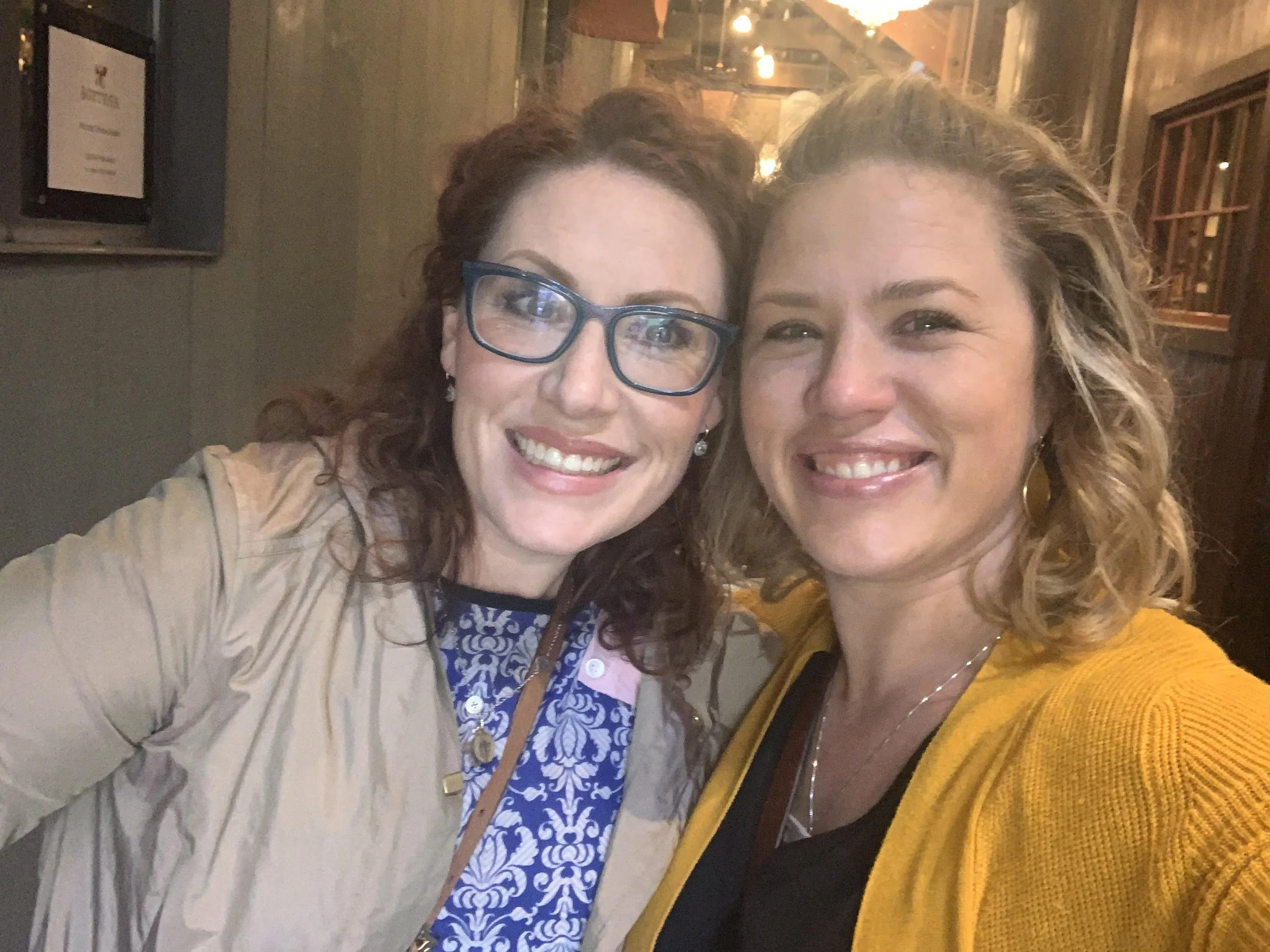
In this episode, pediatric cardiac ICU physician Liz shares her story of financial chaos, parentification, and how that hyper-responsibility followed her into adulthood and marriage.
We cover:
How money stress creates “parentified” kids
Why responsibility can feel like survival
How financial trauma affects relationships
If you grew up worrying about money, feel responsible for everyone, or struggle to rest — this episode is for you.
Get the Book or FREE chapters: It’s Not Your Fault
Get Dakota’s FREE Guide, The Biggest Fitness Mistakes to Avoid




Enjoy the show?
To be notified when new episodes go live, subscribe below.
As a bonus, you'll receive the first chapters from our book, It's Not Your Fault: A Practical Guide to Navigating the Pain and Problems from Your Parents' Divorce.
TRANSCRIPT
Transcript produced by artificial intelligence. Please pardon any errors!
Joey Pontarelli (00:48)
Welcome to the restored podcast. I'm Joey Pantarelli. If you come from a divorced or dysfunctional family, this show is for you. mentor you through the pain and help you heal so you can avoid repeating your family dysfunction and instead build strong, healthy relationships. What if your relationship with money was shaped long before you earned your first paycheck by the money problems within your dysfunctional family? Most people think being stressed about finances makes you somewhat responsible, but
What if it actually trained your nervous system to live in survival mode? Could explain why you struggle to relax even when things are technically fine, especially financially, why responsibility feels heavier for you than it does for other people, and why often in your relationships, you feel like the fixer, the provider, the one who has to hold everything together no matter the cost. In this episode, we explore how growing up with financial instability doesn't just affect money. It affects parentification, hyper-responsibility,
the way you show up in marriage and relationships long after childhood is over. My guest is Liz. She's a pediatric cardiac ICU physician who spends her days caring for critically ill children while also caring for her own father with moderate dementia. She shares her personal story of growing up in financial instability, becoming the emotional adult in her family, and how the survival mindset followed her into marriage, faith, and adulthood. And so if you felt like rest is in
If you grew up worrying about money before you even understood it, or maybe you've noticed that financial stress has quietly shaped how you love, how you commit, how you trust. This conversation is for you. Now in this episode, we do talk about God and faith, and if you don't believe in God, you're totally welcome here. Anyone listening for a while knows this is not a strictly religious podcast, and so wherever you're at, glad you're here. My challenge for you is this, if you don't believe in God, just listen with an open mind. Even if you skip or take out the God parts, you're still gonna benefit a lot from this episode. With that,
Here's our conversation.
Liz, welcome to the show. So good to have you here.
Elizabeth Dorwart (02:48)
Yeah, thank you so much. really appreciate that.
Joey Pontarelli (02:51)
I'm excited to dive into your story. You wrote a blog article for our blog and we'll link to that in the show notes, but I'm excited to get into more of the details. So starting out, I'm curious from what you remember, what you were told, what was life like for you growing up?
Elizabeth Dorwart (03:04)
So, you know, when I was little, things were really great, pretty normal, happy family. I remember going to summer camp in the summer. I remember my parents always being really proud of us, especially when we excelled at something. My sister was an athlete and very good volleyball player. I was in the band. Going to mass on Sundays, morning pancakes, I would always get syrup in my hair. Pretty good memories. And about middle school and high school is kind of where things started to get tough.
as we'll talk about it, of continued to kind of get a little harder in my 20s and 30s. But, you know, my parents in general were really good hearted people who went through some really tough stuff. But I think that was unclear at the time. And that's part of why I wanted to sort of talk about it is it's easy to when you're young to form an idea of what's going on. And sometimes it becomes clear what's actually going on quickly. And in my case, it sort of took
many years to sort of unravel what was actually going on and so my understanding of my family changed a lot.
Joey Pontarelli (04:06)
No, it's fascinating. Um, because I, um, I heard, I think it was Tony Robbins say recently, like how you describe your experience becomes your experience. And I think it's really wise. It's like, okay, so it's really like what you were saying. It's really important to actually know the truth. Obviously maybe some things we're not always going to be privy to as children with our parents, because there's some level of like maybe privacy, but as we get older, I think we have a right to learn a lot of that.
But that's super interesting that you hit on that right away because I think that's really important that we really grasp reality as it is.
Elizabeth Dorwart (04:37)
I totally agree. think that's one thing I've learned along the way is that it's really easy when things are imperfect and human and full of ugly emotions and ugly realities. For a long time, I thought that that part had to be sort of hidden from God and hidden from people. And it's taken me a long time to fully appreciate like in His mercy. Number one, He knows how human we are and how broken we are. And He loves us through that, not just
accepts it and tolerates it, but he's a good father who really like he has his compassion. So that's been very freeing. Yeah
Joey Pontarelli (05:13)
Yeah, that's so beautiful. Wow. I was curious, would you describe your parents' marriage as high conflict or low conflict?
Elizabeth Dorwart (05:20)
Yeah, good question. would say it was a mix. So high conflict in the sense that there was a lot of arguing, never any physical violence. I have all the compassion and respect for people. I have to go through that. We didn't. Some of the things that were more clear, I would say, were there was always this sense of stress around finances, some sort of shame around finances and wanting to keep that a secret as a family.
And then there were some struggles with addiction as a coping mechanism in my father later on as things got harder. So yeah, there were some parts that were unclear, but I wouldn't say there was a lot that was like surprising or sudden.
Joey Pontarelli (06:05)
Yeah, and it's sometimes a high conflict, low conflict, like categorization could be a little bit hard, because it can like change a little bit and then the lines are a little bit blurred. But yeah, I know, so, you know, violence and abuse and things being thrown and being exposed to maybe like drugs and things like that is obviously the hallmark of like one of the high conflict situations, but we all can have kind of pieces of that. that totally makes sense. I'm curious, so how old were you when things started going downhill and how, if you're open to sharing, how old are you now?
Elizabeth Dorwart (06:33)
Yeah, so
I'm 42 now and I found your blog, it was just a few couple years ago. So I think the healing is ongoing and sharing the story is helpful. So I'm glad that you saw that that was a need for people to share their stories, to own it and really accept it. But I would say interestingly, so when I was seven, I have like a really distinct memory of my dad and I were playing Monopoly.
and I was beating him at Monopoly and I felt really guilty and confused as a seven year old. I was like, how am I beating my dad? This makes no sense. And I remember thinking, is he like letting me win? But it seems like he wasn't. And then around that time, interestingly enough, I think because, you know, it's amazing how much kids absorb and I'm sure parents, they do the best they can to hide or protect them from conflict. But I would hear these discussions about finances and the race.
stressed, pressured discussions. And I remember asking my dad, what are taxes? How do taxes work? And what happens if we can't afford taxes? And I was so stressed. I'm a high strung individual. That's my nature. Anyway, and he said, no, it's a percentage of what you earn. Like, don't worry. That's, know, and he kind of laughed it off. But that's been an interesting part of the story, because unfortunately, he struggled a lot because of some undiagnosed
probably football related brain injury. He played football in high school and college and played on the offensive line. So I'm sure had many concussions. so kind of as all the discussions like five, 10 years ago came out about concussions and CTE or chronic traumatic encephalopathy, I kind of started to wonder and realize like, wow, his story of being a vibrant, friendly, he's a gentle giant, he's six four.
big guy, but friendly, everybody loved him. And outgoing, he was in sales. And through my teens and 20s and 30s, he would struggle to keep jobs. then as a man and someone tried to be a provider, there was a lot of shame hidden in that and a lot of struggles with depression. Anyway, sorry, it's a long winded answer. But yeah, but I feel like it was interesting because there's times that I wonder, like, wonder if that was.
Joey Pontarelli (08:45)
That's a good answer.
Elizabeth Dorwart (08:53)
guardian angel or the Holy Spirit or something kind of clueing me into maybe part of the story that was going to happen later on. And there are some beautiful like elements of providence that I only saw much, much later on. And so in that period of time was going through a lot of confusion, frustration at God, frustration at my dad, frustration at the whole situation and lack of trust was a big thing for me. But it has come to, I feel like it.
into my late 30s and 42, there's been a lot more understanding of, oh wow, God is a good father and he really did provide, even through my father who couldn't provide financially, but would always give us blessings and take us to church. He provided in the ways that mattered.
Joey Pontarelli (09:37)
Okay, beautiful. No, thanks for sharing all that. Okay, so you had that experience when you were seven. Would you say that's when things went downhill or was it a little bit later or was it of sprinkled through?
Elizabeth Dorwart (09:47)
Yeah, good question. ⁓ I would say, so in middle school, my dad lost a job and he was working in sales and he became really depressed. And it was the first time I really saw my dad not just cry, but really struggle to regain hope. And his personality kind of changed in middle school and high school. He became more withdrawn, you know, the lovable, ready to talk to everybody, life of the party.
dad that I knew kind of disappeared and that was hard. He was very withdrawn. It's a tough thing to go through, so I can only imagine how difficult that was. My mom was scared. And then when I was in, at the end of high school, my sister had gone away to play. She played volleyball at the University of Oklahoma. So we became Texans who then had to struggle with, we go for the Oklahoma Sooners or do we go for Texas? And there's a big rivalry there. So was kind of a funny.
That's awesome. We were like, what do we do? So when you walk down the street in Texas with an OU sweatshirt, you get a lot of dirty looks. People are like, ooh, get out of here. But so when my sister went away for college, I remember, I think I was 14, my mom said, there is no money for college, and you will go to college. So we were in the car, and she said, I'm dropping you off at H-E-B. It's a grocery store in Texas. It's pretty popular. And you will get a job. And so, OK.
and I got my first job. And then that wasn't hard as much as it was just sort of a stark reality of like, you're now growing up. And I'm glad I'm grateful for it now. And then sadly, at the end of my high school career, just before I went to college, may I shame us, it's cool. My dad was really depressed and had a near attempt. So almost committed suicide. Thanks be to God, at the last minute, he changed his mind. He actually called a deacon at our church who's a wonderful man.
and came to the Deacon, came to where he was and got him help. But that was ⁓ a really big moment as I'm sure it is for anyone. And I have a lot of compassion for people who have to bear the huge cross of losing someone to suicide, but even nearly losing someone was, it really changed the way I looked at the world. It made me sort of very fearful and sort of assume that this is what's normal. I think that's what happens when you're young if something happens to you traumatic.
that's traumatic, it's easy to say this is how the world is and luckily it's not.
Joey Pontarelli (12:13)
When the suicide attempt radiation hold you.
Elizabeth Dorwart (12:17)
So that would have been right at 18. It was my senior year of high school right before I went away to college.
Joey Pontarelli (12:24)
Yeah, that's such a tender age and difficult for all of you guys, man. I wanna push a little bit more into the financial stress side of things, because I think there's a lot of people who can relate to that. Before I go there, I was curious, at any point in your story, did you ever wish that your parents had gotten divorced? I know there's a lot of people who sometimes feel that. They sometimes feel like, things are so bad at home. Maybe they heard about, maybe even if they're young, they've heard about this idea of divorce, or they knew someone who went through it and like, yeah, that would be better. So yeah, and then later, it made me feel a lot of shame, like I wish I wouldn't have.
said that because now things got worse or whatever. But I'm curious if you were ever in that situation, did you ever wish that they had gotten the divorce? Okay, real talk, if you've been trying to get in shape so you feel better physically and emotionally but nothing is working, you're not crazy. I've been there myself. I recently read a free guide by Dakota Lane, a certified personal trainer who we've partnered with that's helped about a thousand people and it was really helpful for me personally. In the guide, he breaks down the biggest fitness mistakes that we all make, like under eating.
overstressing or focusing too much on the scale and it gives really simple practical tips that you could actually use and can implement today. And so if you're tired of feeling like you're never going to get in shape, just click on the link in the show notes and grab the guide today. It's totally free and it might just be the thing you need to start feeling healthier physically and emotionally.
Elizabeth Dorwart (13:39)
Yeah, I can definitely empathize with that. I would say in my 20s, I was married, I had decided to go to medical school, I was in medical school, and there was a lot of big, I kind of call them financial explosions, and I think a lot of these were related to my dad. Cognitive abilities were getting worse and worse, and he was just doing the best he could.
At the time, we didn't know that. so everybody in the family was so frustrated at him and so confused. And trying to be a young person who's grappling with your parents, can't seem to handle things that maybe it looks like on the outside other parents have figured out or should have figured out was definitely, I definitely went through periods of that. My sister was actually brave enough to say it out loud and I wasn't, but I definitely felt it.
because after a while of their marriage became so strained, I can't imagine raising kids. And my mom was raised in a family where her mother was the stay at home mom, was married to an Air Force general who was sort of a take charge person who was a leader and handled all of the finances. And my mom didn't want anything to do with that and didn't think it was part of her job.
didn't want to take on the responsibility, was scared of all that responsibility, especially because it wasn't going well. And so there was a lot of resentment between resentment from a mom towards my dad, even though she's a wonderful, hardworking, very faithful woman. But you know, it doesn't matter how faithful you are, anger and emotions are real. They're a part of being a human and being disappointed and dealing with disappointment. And so seeing her be frustrated at him and him continue to be ashamed.
as he declined and I think he was trying to figure out what was going on. Why can't I just fix things? Why can't I keep a job? Why can't I handle finances? He never said those things to me, but you could just see it. And looking back, just looking back, I can see all of those elements. Yeah, there was definitely moments and I was just like, they'd be better off alone or better off, excuse me, apart. But my mom was pretty stubborn, but pretty, she was honest about it. Like we got really close.
into my 30s. And sometimes she would call me to really vent and it felt awful because it gave me this new insight I didn't want. I wanted to keep this idealistic view of my dad and my mom. I didn't want to see these ugly emotions. So that was hard. And not to be too Pollyanna about it, but I just think this stuff is really the beautiful redemptive part of the story that I think, you know, needs to be said because God really did redeem all the ugliness and there was a lot. So my mom, you know, she was kind of broken at
many points. And she told me one time when we were, you know, I was an adult and your relationship changes and you could be more honest with each other. And she didn't have to hide anything from me because I wasn't young anymore. And she said, you know, there are weeks when I the only way I think I can get through this marriage and all of these struggles and all of these financial problems and all of these, you know, she was aging, getting arthritis and all this looking forward to she didn't know how they were even going to retire. They couldn't even like do basic repairs on their home.
in Texas where things were more affordable in the 80s and 90s and 2000s. And she would say, you know, ⁓ the way I get through the week is I do an hour of adoration every week. And that's how I get through the week. And she didn't do that her whole life. That was something she discovered, you know, into her like 50s and 60s. But she would just say, Jesus, I need an hour of you to get through a week of my family because nothing is easy. And at the time I thought,
Gosh, that was so harsh to hear. I wanted it to be softened somehow and be happier somehow, but it was so real. And I think it showed how much like her faith really did sustain her. So that was inspiring. I mean, it's humbling too, because I'm much ⁓ more self-reliant and like, I'll just go do it. And then I'll clue you in when I need you, I mean, that's part of my, yeah, it's a theory I need to grow in.
Joey Pontarelli (17:48)
I'm type A too, so the self-reliance is definitely a, oh my goodness, yeah. We think we could tackle the world, and in some ways we can, but in other ways, I mean, in all ways, we definitely can't do it alone. But I could tell that the financial stress was just a big part of your story, so I wanted to dig into that even further. I can relate, first of all. My dad worked in construction, he made good money, but my parents, they would tell you this, they didn't know how to manage it well.
especially when he lost his job and it was just a really hard time for him because he found so much worth and value in his work and he's really, really good at what he does. And it was just a hard time for him, for my mom, for their family. You know, and I was younger, so my memory of it is more of like maybe what I've learned from others, but I do remember some of it. But this whole idea that like job loss and financial stress in particular is really difficult on a marriage. And I remember hearing another interview.
where one of the guys from Shark Tank of all people was saying, he's like, I've done a lot of research into this. He said, a marriage, it's really difficult, but a marriage can survive an affair, but it can't really survive financial stress. Like you can come back from an affair, in his opinion he was saying, but financial stress is even more devastating than that, which is just wild to hear, but I've found it to be true in so many ways. And so I'm curious, what did that like financial instability,
How did that make you feel in particular growing up and then where did that leave you once you got on your own?
Elizabeth Dorwart (19:14)
Great question. I am so glad that you asked. So, and it's funny, I sometimes I get nervous talking about this because it's such a part of my story. And I like, I think about how it's going to come across as like financially obsessed, but it really does. I appreciate that the guy at Shark Tank said that, cause I totally agree. I think when there's just so much stress and then there's just, it's like, you can't just have joy and in relationships you need to have moments where it's just like,
the stress melts away for even a weekend or a day and you can just celebrate. My sister used to say this a lot. She used to say, you know, after things got hard, the biggest thing I resented is that we couldn't just relax and make memories together. We couldn't just go away. And even if it was just a, a relaxed, you know, weekend at some cheap hotel or, you know, something really frugal, but there just wasn't that breathing space to do it. And so for me, I definitely,
became, I reacted really hard against that. I assumed that if my parents can't handle it, like I knew my dad wasn't, to me he was a normal dad. He wasn't a rocket scientist, but he seemed like he could handle things. I didn't see the cognitive deficits at the beginning. And so I thought, man, if my mom and dad can't handle this, then the world must be incredibly expensive and finances must be incredibly scary and hard to manage because my parents can't do it. And then,
You know, I'll be perfectly honest, when I was in high school, kind of floated through high school, enjoyed school, was a good student, just kind of naturally loved to read books. know, calculus, forget it, that's hard for everybody. But I thought I really love music. And so I thought, okay, I'm going to be a music teacher, or maybe I'll go into something like healthcare. My mom was a, was a physical therapist, lot of aunts who are nurses. ⁓ But I wanted to care for people, I wanted to teach, I wanted to
focus on music. That was what I wanted to do. I didn't worry about finances before all of this sort of everything got hard. ⁓ And then after my dad's attempt, you know, I remember being really worried in college and seeing a lot of wholesome families who seemed together and happy, but just thinking, my gosh, if I get married and have children and like, there is a real possibility that my future husband could have the same attempt and not be able to keep a job. So I need to be able to provide for the entire family. So
that plus my mom saying, you know, if you want to be in medicine, ⁓ you know, don't let lack of confidence prevent you from applying to medical school. You're smart. I think you could do it. And so that was part of my decision to do it. But definitely thinking about I need a doctor's salary. was an I need that because the world is so expensive and scary. I must have that. And so I think there was a lot of
limitation. I think God did redeem that. There's been many beautiful moments that I'm very thankful that I went into medicine. I have a spiritual director I meet with monthly and she's pointed out these things that I haven't seen. And she's like, look at, you know, look at all this good that God has pulled out of you feeling like you had to be a physician, even though, you know, residency is very hard.
student loans are very hard just the stress, but he redeemed even that. I wouldn't, I think if this hadn't happened and I had been in a family that had a lot more peace, I probably wouldn't have gone into medicine, probably the medical field of some fashion. you know, everybody in medicine on every level is important to taking care of the patient from the unit clerks to the custodial staff to everything on up to the CEO. So anyway, I delve really, sorry, I long winded.
Joey Pontarelli (22:52)
No, no, this is great. But the financial piece is just like so important for you. could tell even like you talking about it. like, it almost like, this is what I'm hearing you say, it's like, it just felt like it's survival for you. Like if you didn't figure this piece out, ⁓ like you, things were gonna be really bad. That's at least what your mind and your body were telling you.
Elizabeth Dorwart (23:12)
Yeah, absolutely. And part of that was reinforced by, you know, things as I went into my 20s, sorry, like a very long story, a little shorter. As I went ⁓ into my 20s and 30s, my parents struggled more and more and so I went into a six-step mode. So I learned about all about Dave Ramsey and managing money and staying out of debt. And then I met a wonderful guy who coincidentally came from a very lovely
set of parents who happened to be very frugal. They came from humble families and just were frugal people and hardworking and also had a lot of fortune in their luck and good providence in their professional careers. But there was a lot of comparison there that was difficult. And then ⁓ my husband's career took us to California, which very expensive state. So there was sort of extra pressure. There was like the student loans was extra pressure. But I paid off my student loans really quickly so that I could help my parents because in my 20s and 30s,
there was like things would come up. My dad would, I think with all the best of intentions, open up credit cards and try to find a product he could sell because he always knew he could go back to sales. But he was unsuccessful multiple times. And looking back, I can tell it was because the cognitive abilities were slowly declining. One time he didn't pay the taxes for seven years and we found out in a surprise fashion. I wanted, yeah, I'm sorry. want to tell the audience, all your listeners.
I wouldn't share this many details if my dad was still in a state where he would hear or it would hurt his dignity. He's got pretty moderate dementia, so functions about like a five or six year old now. He's about 76 years old. So that's the reason I feel like it's okay to share. But so there was a lot of big sort of financial explosions that came up and luckily my husband's kind of a level-headed guy and he would just sort of dive in and try to help fix and we
tried to live frugally so that we could try to fix by giving my parents what they needed to help fix up their home. Yeah. But it never, it felt like the pressure didn't let up frankly from sort of medical school on and that was a lot of discussions I'd have with that is like, it's been so intense. It's been so intense for so long and it just seems to be like a slowly unfolding train wreck and I don't, you know, it was really easy to get hopeless and just feel like it's never gonna get better. It's only gonna get harder.
Joey Pontarelli (25:39)
wow, no I totally hear you and it's so interesting that you went the route of just like trying to be really good at making money and really good at managing the money.
And I think those are great skills to have, but it's unfortunate how it was like kind of thrusts upon you to like figure this out because it felt like survival with my family. My mom later got into Dave Ramsey's stuff and took the course and then, you know, shared stuff with us. And, you know, I went through the course and I went through with my wife. And, and so we follow, you know, his principles as well. And that was incredibly helpful. Now it's funny if when I look at me and all my siblings, everyone is in a spot where we're like stable.
financially and it's a beautiful thing. So I think like one of the kind of redeeming aspects I wanted to focus on, I know you want to focus on too, is that there was some good, even though it was kind of hellish going through it all, there was good that came out of it, now you're in a better spot. And I think to anyone who's maybe living through that now or who is kind of scarred by maybe a situation like Liz described, hopefully our situations can offer some hope that it doesn't always have to be.
that way and yeah, might take time. It's definitely gonna be hard. It's painful. But can get to a spot where you're better and ⁓ it doesn't mean you're crazy wealthy or anything like that. But you can be at a spot where you are able to provide for your needs and not be able to stress about it. Because there's nothing, yeah, I don't know if there's anything worse than money stress.
Elizabeth Dorwart (27:06)
Yeah, I agree. I guess I can't remember the name of the friar but there's one of the Franciscan friars of the renewal who I love and I watch sometimes and he says, Poco a Poco, little by little. Yes, don't lose hope. Just one foot in front of the other. Do a good job at whatever you do. I'm so thankful that Dave Ramsey says it's just like it's God's money and he gives it to you to manage. Or you could say the same with like talents, I think, you know. He gives you certain talents, go use those. He gives you energy or he gives you health.
go use it. And if there's a time in your life when you're deprived of those things, you know, that's another thing I had to come full circle onto is because I weren't so extreme into, ⁓ everything has to be fixed and everything has to be following these rules. It was easy for me to think because I was surrounded by physicians and I was in a very, we were in the Bay Area, which is very fast paced and there's a lot of really high achieving people and
There's a lot of focus on status or achievement or degrees and it's easy to get pulled into that. I think part of the story too is I think God allowed me to be humbled in some ways because and it taught me right to remember like it's about doing whatever you do well. It's not that there's a certain career or a certain level of wealth that necessarily gives you more dignity. You know, we all contribute.
Joey Pontarelli (28:28)
Yeah, and I think one of the lessons since we're talking about wealth that was really helpful for me and I'm curious any other lessons that you would want to pass on to like the younger you when it comes to finances before we move on to some other topics. But one of the lessons that I loved hearing was just that wealth is really, it's not for you in the sense that.
True wealth can be measured by the quality of your relationships, and so your money really is meant to enrich your relationships. It's not meant to just accumulate a ton of stuff, because we've been through that. Especially our parents' generation, they were more the generation of buying things. Our generation's more the generation of experiencing things, which has its own pitfalls we have to be careful of. But I think that the purpose of wealth is to, the purpose of money is to enrich your relationships, and true wealth is measured not by the stuff you have, but about the quality of your...
relationships and the rest of your life. So that was like one of the shifts for me. But one of the other, I think, lessons too, is just that, yeah, like you can be frugal and then you can also work really hard. So you can decrease the expenses and you can increase the income. Like there's ways of doing it and it won't happen immediately. You might fall and fail and mess up, but I think there's so much hope. And I think that's what Dave Ramsey does so well is like he shows people who maybe don't believe that it's possible that actually know it is because there's someone like you doing it right now. And if they can do it, you can do it too.
So anyway, so many lessons and I could talk money all day. actually studied finance as my undergrad. So I love this topic, but I'm curious, what are maybe some of the main lessons when it comes to money that you learn through this really kind of grueling experience? For countless teens and young adults, their parents' divorce is actually the most traumatic thing that they've experienced, but so many feel lost and alone in navigating the challenges. I've been there myself. It's really not easy and it shouldn't be this way. My book, It's Not Your Fault.
guides them through those challenges by helping them put their pain into words and begin to heal, work through the emotional problems that they face, cope in healthy ways instead of falling into bad habits, improve their relationship with their parents, navigate the holidays and other life events, and build healthy relationships and so much more. One Amazon review said this, this book is packed full of really practical help. If you come from a broken family, or even if you don't, but you love someone that does, this book is so helpful. I can't recommend this enough.
By the way, it's a quick read and it doesn't need to be read cover to cover. Since it's in question and answer format, you can just read one of the questions and one of the answers. And so if you want to join the thousands of people who've gotten a copy, just go to restoredministry.com slash books to get the book or download the free chapters. Again, that's restoredministry.com slash books, or just click the link in the show notes.
Elizabeth Dorwart (31:02)
I think one of the best things that I learned and I think this is, I think God, you know, he definitely puts people in your path that you need to learn from. My in-laws are really good about not falling into like a dis-American materialism comparison trap that we all are so susceptible to and it's hard. I remember watching them and I've always been like, love people and I love to watch people and I think I love to.
Maybe it's because I'm a little type A and a little perfectionistic, but also had a lot of fear when all this was going on in my high school years and my 20s. There was a lot of that I would look for advice and I would watch people and I would try to think about other couples that were like doing it well or doing it right. ⁓ Not that there's, you know, we're all in a journey, right? But they were just happy with simple things and it had a sense of just kind of natural gratitude for, you know, I don't need a brand new
I don't need brand new Tupperware. can use the same Tupperware that I got handed down from my grandmother, you know, 30 years ago. Or I can do a simple thing. Like we don't need to go out and eat. We can make a delicious meal at home. And my mother-in-law really was a good cook. And so it actually was delicious. And I think growing up in a family where sometimes it felt like, like the fancy thing to do is going out to eat. And it's like, well, in a lot of restaurants you could probably make something just as delicious or more at home for keeper.
So I think there's lots of examples of that you could think of, of like pulling back in certain areas so that you can spend in your other areas that enhance your life. My mother-in-law loves to play the piano, so she has a nice piano, ⁓ but she uses that gift and she's developed it. It brings her joy. ⁓ She sings and plays at her church. So both can happen at the same time. It's not a black or white, like everything is.
pinching pennies and stressful or everything is lavish. You know what I mean? Like it's a mixture like every part of life is. And then I just think just it's so hard to trust. And if someone said this to me at the time, I probably wouldn't have believed it. But if I can say like just trust that God does provide, maybe he doesn't directly hand you the money. Maybe he doesn't like I'm not saying prosperity gospel. I'm not saying like, just claim it and say a prayer and a thousand dollars will fall into your lap at all.
Joey Pontarelli (33:25)
That would be nice.
Elizabeth Dorwart (33:26)
I wish it was. Not at work. But, you know, he puts both the good and the bad in your life. And the bad, he'll redeem it eventually. It will be very unclear sometimes. You'll get humbled, but you'll eventually come around to where that humility you realize benefits you somehow. Like, there's been times in my life where I've had conflicts at work, I've gotten really humbled at work. And then a few years later, I realized that that humility that I was sort of forced into,
taught me a lesson that benefited me and someone else will say, like I had a coworker a year ago, she was like, I think you're one of the most humble people I've ever met. And I just started laughing because I was like, I am not by any means humble. am. I have an ego that gets in my way all the time. But I thought about that and I thought it was funny because I just thought, you know, if I hadn't gone through those really crappy situations, I wouldn't have gotten humbled and I wouldn't be here.
So God, even in that, was doing something. He was providing for me, maybe not directly financially, but he was providing me the things I needed for the next steps. If you just, yeah.
Joey Pontarelli (34:31)
No, no, that's so good and I appreciate you sharing all that and I, yeah, there's so much more we can say about the financial side of things but I think the last thing I was just gonna say is, yeah, I think it has so much to do with this feeling of safety and security and it's not about, for so many of us, especially who came from maybe families where money wasn't handled well, it can really, it can feel, maybe traumatizing is a strong word but it can feel really scary and like, ⁓ gosh, I don't know if I'm gonna be able to provide it so.
Yeah, no, even with me, I remember in college, I would give myself like a $10 a week, like budget to spend on things. And often I wouldn't even use it because I was just like so careful. And I was like, I'm putting myself through school, I'm taking dad, not going to go out and do all this stuff. And I'll just do the free stuff and play sports. But I think there was an aspect of like me just desiring like, just want to be safe. Like I just I don't want to be in a situation where I'm going to be.
Yeah, maybe not at someone else's mercy, but just like not not feeling safe. And so that was like a big motivation for me. So if you're feeling that you're not alone, and if you didn't see your parents handle money well, and you want to handle it better, like Liz has, then I definitely recommend Dave Ramsey's course. We'll link to that in the show notes. There's zero pressure from us, of course, and we don't, we're not incentivized to say any of that. But we've seen a lot of results he's helped about, I think.
about 10 million people and most like have massive transformations within like this first like I think six months or less. So you can see like really good results if you have a plan that works and Dave always says there's great hope in a clear plan and that's what it gives you when it comes to money. yeah, so anything you would add to that before we maybe shift the conversation a little
Elizabeth Dorwart (36:09)
Yeah, no, I think you I think you said it really well and watch his when you get down watch his Radio show and just watch those families that really shows that you can anybody can get there doesn't matter your budget It's just it's not what you make. It's what you keep ⁓ for your family and then when you have enough to give then you give and And that parts really fun
Joey Pontarelli (36:31)
Yeah, yeah. And that's, remember hearing that quote, what is it? If you don't think money can buy happiness, you can't, haven't given enough away. And so I think that's so much, that's beautiful to be able to be generous or to help a family in need or something like that. So I want us to shift a little bit to a topic that a lot of our audience struggles with this, which is this whole idea of like having to be parents to our parents. I mean, you could probably write a book on this with everything you've done. So I'm curious, like imagine you're talking to the younger you.
Elizabeth Dorwart (36:51)
Mm-hmm.
Joey Pontarelli (37:00)
What advice would you give to them? What do you maybe wish you would have known back then?
Elizabeth Dorwart (37:04)
Yeah, so I did a ton of counseling years and, you know, I'll just be honest about it. I know there's a lot of some people who still have some some holdouts and shame about about that. But I hope it's something that we're all learning as a society to talk about more openly or at least, you know, just allow other people to be wherever they are in their story because it's so helpful. But I had a lot of great counselors that taught me that about being parentified, as I think what they call it in the psychology literature.
how it's normal to become hypervigilant, it's normal to become hyperresponsible, it's normal to find it to be difficult to relax because the world is really scary when the people who are supposed to take care of you are not able to do that for whatever reason and to feel like you have to take the reins. It can make it, I guess I would just say allow yourself to know that that response is normal to accept yourself.
and to love yourself, give yourself some mercy because you're going through a tough thing. And those responses are very human and they're very normal and they take a long time. I mean, I'm still working through ⁓ learning to relax, learning to pull off the gas pedal, learning to like I reminding myself I don't have to take care of everything just because I did that role for a long time. And my spiritual director actually was telling me a story about in Japan, there's a
a ceremony called the, something like the ceremony of the loyal soldier. But they take soldiers who have been in battle and when they're ready to integrate into civilian life, they struggle. And so they have a ceremony where everybody in the community comes and they thank them out loud as a group. Thank you for your service. You are now finished with your service. It's giving me chills. It's like, ⁓ it's like, so, but.
And that's what it takes, plus a lot of time for people to shift gears into knowing that they can rest and not be, and I can't imagine, know, like everything I went through is little T traumas that caught, like I can't imagine being on a battlefield or going through like true PTSD, having like my life endangered or seeing violence or violence toward me. But I think that there is a small portion of that and there's a lot of resentment.
that can go along with a lot of anger that I had to deal with and worked through and it took time. It wasn't like one day I said a prayer and, you know, automatically all those ugly feelings went away. So the thing, one of the things that helped me is it became more clear over time that it was truly a medical issue for my dad. And so, but even that, it still took years to accept it and to say, well, I was so frustrated at him for making all these poor decisions and putting me in these situations where
I felt like I had to excele of these things. know, my mom would cry when the taxes weren't paid. They had to lean against their home. The home was almost taken away and we had to help negotiate that. And by the grace of God, they were able to keep their home. sorry, I don't want to traumatize everybody else. so but I and now I'm in a caregiving role. So my mom passed away sadly from a really rare ocular melanoma eye cancer in 2020. She was diagnosed. She passed away in 2021.
I have to insert this because it's a huge moment of grace. Sorry to tell this part of God's story because he, sorry. He writes the most beautiful stories, just sometimes really confusing as you're going through them. So, but I feel like I want that to be my quote on my headstone someday is like, God writes the most beautiful stories. Like he is the best plot writer. Just hang in there because, ⁓ so my mom passed away. Her mother had died on Good Friday and she had
was getting, we were getting close and she wanted to pass away. Good Friday. She had a real appreciation for the suffering Jesus, which I sort of appreciate from afar. And I'm like, I don't want to do all the suffering like can somebody else? No, thanks. Thank you for doing it for us. I really just want to sit in my cozy home and drink some coffee and pet a puppy as we all do, right? So 30 minutes over midnight, she's in our house in San Jose. She was the only one working at the time because my dad wasn't driving or working anymore.
And when she got diagnosed, they couldn't stay in their home. They didn't have anything in savings and they couldn't make the mortgage. So we had to rent the home out. 30 minutes before midnight, her breathing slowed and I had given a pope. was like, she's not gonna make it. It's gonna be the day after Good Friday. And her breathing slowed and her heart rate slowed and she very peacefully passed. And she got her last wish and it was just like, that can't be anything other than the grace of God. Like it was just the most beautiful ending to a really hard story.
Joey Pontarelli (41:44)
⁓ Wow, what a severe mercy. My goodness. Well, thank you for sharing that and I love that one. I think that the whole parentification thing is really tricky because there's an aspect of it that sometimes it's thrust upon you and you can do nothing else but the best you can and you can't often just walk away. There's other situations where maybe you can and you should, but that's not always the case. And so it's a really difficult thing. And that's where anyone who's in that situation, I think,
like you said, spiritual direction, therapy, maybe a good mentor who can guide you through it because each situation is so unique that we can talk principles, but it's really helpful to be able to apply those properly in any given scenario. But yeah, no, I think your story is like really helpful and difficult to hear because of how much you suffered. you, was, you know, I'm sure a lot and I know now there's such redemption and it's beautiful, but like talking to someone who's going through it now, it's like,
There's such a level of injustice. There's such a level of like, it's holding you back. It's causing you stress. You know, just doing all these things that are just, it's not supposed to be this way. That's the whole kind of takeaway. So let's say someone listening right now, let's say little Liz is listening right now and she's going through that. Are there any other lessons that you, cause you have so much wisdom. I want to make sure I get all the wisdom out of you. Is there any other lessons I guess you would offer to the younger you when it comes, if they're kind of getting pulled into this whole parentification situation in addition to what you already said?
Elizabeth Dorwart (43:09)
So great, it's a great question. And I thank you for asking because I want to be fully transparent about that. By no means was my story like I'm a human and I look back and there are things I regret. There are things that I wish I had done differently. I think that's going to happen for all of us. It's a beautiful and very difficult part of sort of reaching midlife is looking back and going, yeah, I really wish I had done that differently. And I can't really point the finger at anybody else except myself. But yeah, I would say just give it to God.
And also be a human, allow yourself to cry, feel angry, vent multiple times to trusted people, whether it's a counselor, whether it's a priest, whether it's a best friend. I was ashamed for a long time and I tried to hide things. I just didn't feel comfortable sharing it. I just assumed everybody else's families have it figured out, mine's such a mess and I don't want to share it. And that doesn't help anybody and it definitely doesn't help you. So try to open up as you feel comfortable. It's hard at first and it gets easier.
you know, with time and, you know. And then I think just be merciful to yourself to know that it's okay at times to say, you know, I'm depleted. I need to take care of myself. I'm young, I'm overwhelmed. I'm trying to focus on ⁓ my own career, my own marriage. You know, I'll be perfectly transparent. I was so overloaded with what was going on with my parents that there's times when I put them first before my own husband and he, you know,
I think wouldn't mind me saying that there's been times when he said, you know, I really felt like when you got married, like the Bible says, you're supposed to cleave to your spouse and they're your number one. And I felt like you would never do that. And I that frustrates me. It's hard. It's a hurt that he has to heal, too. I never felt comfortable because I was so focused on finances and I was so focused on fixing everything. I never felt like there was a time when we could have kids and when we tried it, it didn't happen. And that's another hurt. I would say help.
and also know that you need to call in other people. It's not all you. It can't be all you. Like no one can, in the hospital, right? I can't, if we have a dying patient, I can't run a code by myself. I need nurses, I need RTs, I need ⁓ specialists, need, you know, the best medical team is a huge medical team with lots of brain power, all tackling it from different areas. Part of it was hard for my parents.
They didn't, you they were ashamed. I want to be respectful of their privacy. But I think if I could do it again, or if I could give advice to someone else, I would say gently encourage your parents to find peers who can help in addition to you. It's normal to feel like it's all on you or it's your fault, but it takes a huge village. And so make sure you focus on yourself too. Focus on your family, focus on your career, your rest, your friends, all of the things that make us a happy, healthy human, your physical health, right? You need all those things.
to keep running the marathon. You need to have joy. You need to go on vacation sometimes and just get away from the burden so that you can go back and help them carry it again, right? Like Jesus had Simon help him, right? He was God, right? So we all need help. guess that's what I'd say.
Joey Pontarelli (46:18)
That's really helpful. Thank you for all of that. And I think at the end of the day, to you and to everyone listening, would say what you've done has been heroic and really beyond even what's required. It's really beautiful to see how you went through a lot of hurt.
And some people who've been through what you've been through become very bitter and angry at their parents. And I know you said you've wrestled work through that, me too. But they end up putting their parents out in a situation where it's like they don't help them. And so it's really beautiful and redeeming. could tell that you have been able to work through that and not be in a spot where you're giving, you're kind of giving your parents or your dad now the care that you wish maybe would have been shown to you and not saying that, you know, not pointing fingers at him or anything, but it's really, it's beautiful. There's like such a redemption in that. And I just wanted to highlight that before.
shifting to the final part of the conversation, which is ⁓ relationships. So were you like me and just terrified of love and marriage and relationships or where were you with that? This episode is sponsored by Blackstone Films. They just released a new documentary called Kenny. It's about an ordinary Denver.
priests who lived like a true father and transformed families and inspired vocations. He would actually wake up at 430 every day to do an hour of adoration. His parishioners would ask him to pray for them and they actually got those prayers answered. Some even call them miracles. He had to shepherd his people through the Columbine shooting, if you guys remember that horrible, horrible event. He ate with the families in his parish every night of the week. He hiked with groups of young adults in the Rocky Mountains on Colorado and he sat with couples on the
rink of divorce, even saving a marriage, which they talk about in the documentary. And so if you want a hopeful model of leadership and fatherhood, something worth watching with maybe your spouse or your small group, watch Kenny. The trailer and the full film are now streaming on formed.org. You could just tap the link in the show notes to watch the full documentary or just the trailer. Again, thanks to Blackstone Films for sponsoring this episode and for telling such an inspiring story that I myself watched and really appreciate it.
Elizabeth Dorwart (48:20)
Yeah, no, definitely. So it's kind of funny. I dated in high school as a public school kid and then I went to the University of Dallas. It was a wonderful experience, amazing education. I mean, I met real men of God and went, wow, there's actually guys in the world who like really believe in their faith and like live it. You know, as a public school kid, I remember like having guy friends and being like, oh, they're attractive. And then you find out like somebody whispers, oh, they're thinking about the seminary. And I was like, I don't know what that means. Like, can I talk to them? Do I have to?
Is there like a distance we have to, I don't know what to do. Just like looking back, it's so funny. Anyway, but wonderful priest and I'm so thankful for their service to our church. But so, I didn't date at UD, I just focused on studies, just, I don't know, didn't really meet anybody. So that was kind of a funny thing for four years and then I went out and I was dating in the real world and that was a real shock because, know, online dating was just starting, but I was, was scared and I was, I think,
I think because my journey was going to be so hard and so long and God knew that in his eternal wisdom, I think he put my husband in my path because he knew I wasn't going be able to do it alone. So I do think I'm very thankful for that. think if I hadn't met my husband, I did. And the way things continue to get more difficult through my 20s and early 30s, ⁓ yeah, can't imagine meeting someone and then...
sort of feeling like I was burdening them with that. I can't imagine really having the time and the brain space to even want to date. There was so much, so I'm very grateful that I met him when I did. I think that's another redemptive part of the story is I wonder sometimes if everything had gone smoothly, would I have picked up on some of the qualities that my husband had? He told me when we first started dating, he said, I've only been in one serious relationship.
and she broke my heart. And one of the things is she used to tell me that I'm not romantic. So I'm very nervous about how I'm not spontaneous and romantic enough. And high school me would have been like, oh yeah, like, bye. But it was just so funny because I'm a very idealistic, spontaneous, all over the place, kind of untreated ADD person. But it was like that steadiness and that just,
I don't want to say predictability because that sounds like boring. He's not boring. But he's the dependability is something I never would have appreciated if I hadn't grown up in a chaotic home. ⁓ And so, I even think God redeemed that. Like, I think He wouldn't have been like, I met Him. I just was like, I can rest around Him. I can rest because He's logical to a fault. It's so funny. Like, sometimes I know how He's going to like, He's a scientist. And so, any problem you come to Him with, He like,
he's like, well, according to XYZ principle in science, I just die laughing every time. But it's that, like that is a gift. And some people are like that. And guess that's the other thing I would tell people is when you meet people like that, that just your soul just rests, whether it's a friend or romantic partner, like lean on those people, because you need that peace and you need that steadiness to also help you handle whatever chaos is going on in your life. And I think
I think the alternative is also true when you're going through a lot of chaos, when you add another element of chaos or another chaotic person, it kind of just makes things much more difficult. So I would just say, try to be wise about that. know, everybody's journey is gonna be a little bit different. you know, I know some people are really gonna have ⁓ families that have a lot more trauma and a lot more dysfunction. And you know, there, there may be certainly scenarios where you need to step away from.
a parent or a loved one for a period of time, you know, for your own safety or anything like that. But I think a beautiful thing, you know, when you're looking for someone is to think about things like, I don't know, I just really believe that God gives us all gifts that really pull out different things in different people, know, different, He made us all so different and it cracks me up when I'm around somebody who's really direct because I'm really sensitive and it has an impact on me that's interesting, you know, or
I'm really empathetic and some people are not built that way. And so sometimes when I say something, you know, and people will say, kind of, did you pick up on that? Or, know, I had one time a friend say like, pointed out like, Liz, you're really, you're really warm. And you're good at like setting out a warm like environment. And I sort of thought, wait a minute, why is that? Like, this is how it always been. Why is that different? Sorry, I'm kind of going over this because I worked in the hospital last night. So forgive my tired brain. I think it's just interesting to point out those things and to think about
how different personalities work and just watch the person that you're dating or even friends. They'll have different impacts on sort of, I don't know, the climate or the feeling in your family. And I think stuff like that, it doesn't have to be like a make or break, but I think it's helpful to sort of think about that and to think about somebody who obviously is respectful or sort of whatever.
I think sometimes people can be a fix, can be part of the fix that God's trying to provide you. Sometimes it's like you need a different type of personality or a person with a different background or just a different way of approaching life, different way of communicating that it changes the dynamic in maybe a dysfunctional family. And it certainly did for ours. My husband is, he cracks me up. His parents and his whole family, they're very just naturally.
considerate of each other. very polite to each other. Versus my family dynamic, there was certainly a lot of outside pressures that amplified our natural predisposition. But our predisposition, you'd think that we weren't mixed Irish with a little bit of German and Texan heritage. You'd think we were fiery Italians. We are all up in each other's business and we argue.
and we fight and it's fiery and we say things we don't mean, but then we all know we don't mean it. And so we come back together after it's sort of the pressure is let off the volcano. And then, you know, we apologize and say, didn't really mean it. know, versus my husband's family. It's just funny. One time I asked him, I was like, do you guys ever fight? Like, is there ever any fighting? You know, and so but I can also be pretty intense. And so you need people who are less intense because it kind of balances out that, you know, I just think. ⁓
It's good for us to be around people who are different. And I had a friend actually, sorry, this is probably just my tired brain being really creative and linking things together. But I had a friend who I went to college with at UD, who taught me about like, know there's so many, there's so much to our church. There's like, you could study for ages and continue to uncover saints or teachings or books or philosophies that, know, wisdom that
that is out there. So it's always funny to me that I continue to get surprised because I'm like, well, the church has been around for a really long time. So there's a lot of ideas out there. But she would talk to me about like the Ignatian discernment of spirits. And I kind of think it's sort of similar to that. like different, like one of the things, and I'm certainly not an expert in this area is, you know, thinking about when you feel sort of consolation or desolation, maybe wait until you feel some consolation.
You feel consolation to sort of make a decision. You feel peace about something. Or you feel kind of peace about something. And I think that that's interesting because I feel like people do that. Sometimes people just give you a sense of peace versus they may kind of rile you up. But my husband was really just to get more concrete. Because he was so steady and reliable and respectful. And I think because we had had so much history of
And it wasn't just my parents, you know, my sister and I were under the same pressures and so there was some some arguing and some fighting and some different personalities that really revved up against each other sort of in a friction way rather than like a smooth way. And so I just think it's good to think about that. And similarly, like when you watch someone as you're dating, like watch how they interact with other people, it actually teaches you a lot about, you know, sort of just what they're like, what their natural character is and you know.
Some people are more introverted, more extroverted, quieter, louder. All that stuff is okay. But I think when you watch someone and, you I can speak to women because I am one. I think when you when you see a man who can be sensitive to people, who's principled, who believes in something and stands by it and who can sort of I'm not saying my husband's perfect. We're all human, of course. But, you know, when you can see those good qualities and see someone really treat people well and be able to relate to people. For me, that was really important because I am a massive
extrovert, can probably tell by how much I've talked on this podcast. I love it. I am a talker. I need to be around people. I like to be around lots of friends. And so if I was around someone who like couldn't get along with a lot of people, that would be really difficult for me. I just don't know that we would sort of fit. Like I can't envision my life just having one person that I'm around all the time. Now I love my husband and and he's primarily the one that I'm with, especially like we're in the trenches with with caregiving. My dad's got pretty moderate dementia and it's he and I most of the time. But
when we get a day off, we want to be around people. We love to have dinner parties. We like to invite people over. We like to, and that's just, that works for us. So I think just pay attention to that with people that you meet. And I know it's hard, especially as a woman, to feel so much pressure, to feel like, I have to find the person or I have to make this work. And I can't speak to the pain of, you know, I certainly had a few people that I...
In high school, I thought, well, they're the one in my sort of young, immature high school brain and it broke my heart. And I can't speak to having that happen later on in your 20s and 30s where you're feeling sort of the pressure of like, I'm getting older and I want to have children and I want to build a life. But I guess I would just say, try to find people who have healthy relationships, be around them and try to have a little bit less of a tight, white knuckle hold on a relationship just because you have it. Because if there's
If God's sending you signals that this doesn't work for some reason, and part of those are just natural things, it's your personalities, like you're human. We're spiritual beings and we're physical beings and we're personalities, we're psychological beings. It's okay to listen to those things and let them guide you a little bit. I think he talks to us through all those things, not just, know, Dear God, here's 15th, give me a billboard. Thanks for the billboard, answer, done.
No, I wish it was that way. really do. There's so many things in my life I wouldn't have stressed over if that was the answer. ⁓
Joey Pontarelli (59:08)
No, so good. What I hear you saying, like overall when it comes to the relationships is like just the importance of choosing the right spouse for you. And they're never going to be the perfect spouse for you. But like I hear you talking about complementarity. So certainly there's people you mix well with, you're better suited to than others. And it's important that we find someone like that, not just someone who we think is attractive or, you know, maybe we have fun with it, but it's like, do we compliment each other? I love that. And yeah, I think like maybe aside from like your own
growth and like virtue and healing. Um, the number one decision or the number one, yeah, really decision in your life, but especially as it relates to your relationships is who you marry. And so I love that advice. I think it's really, really timely. And I was like, I could talk to you forever. Hopefully we get a chance to sit down in person at some point. know we're on the side of the country, but um, but I just want to say thank you for being here and I appreciate all the wisdom you know, you've given us and I'm really hopeful that, um, you I know for a fact it's going to help thousands and thousands of people for.
tens of thousands and hundreds of thousands of people for years to come. And so thank you for ⁓ being here. And I want to give you the final word. What final advice or encouragement would you offer to that maybe younger you that's listening right now who feels pretty broken and knows that they want love, they want life to be better, but maybe they're not quite there yet. What final advice or encouragement?
Elizabeth Dorwart (1:00:27)
you give? know, I guess, I mean, can be trite and say, don't give up hope. But I guess I would just say ⁓ there is, it's a both and. There's so much in our church that teaches about the both and. And life, family life does not have to be perfect for it to be joyful. You will be surprised at how many things you find in life. And even if you remain single, if you're called the single life or you're called a religious life, you will be surprised by how many
funny moments happen and just tickle you and bring you joy and you think, now if you could told me 10 years ago I'd be in this moment and I'd A, still be standing and B, be laughing about it, I would call you crazy. And that really is true. There has been many moments as hard as it has been, as a slog as it has been, when I have just been surprised by hilarious things and joyful things that you never could have told me like.
you would be, that I would find delight in my father with dementia who just says the cutest things as he becomes more childlike sometimes. And that exists along with sometimes so much frustration that I can't even pull my hair out. And that's okay, that's life, you know? And you'll get there and keep going. ⁓ Cling to God if that is your journey of faith. And if you're not in a place of faith, truly, truly, truly, please hear this, no judgment. We are all on a.
We're all on our own journey and God, there are many, many, many, many, many ways to live your life. There are many ways that God can craft you into who he needs you to be. So just know that even if there's lack of trust, there's lack of belief, there's, you know, ⁓ a sense of like, that's not for me. That's okay too, because I'm not gonna try to proselytize, but truly your story is beautiful and you are beautiful, but your story's not done yet. So just keep on day by day and just keep hope.
because I promise you things will get better. I know that. I know that we have a loving God. And even if you feel like you're not comfortable with that, just know that there are good people out there and we're all struggling. And the more we can be open about our struggles, the more we can support each other through it and feel like this is a part of life and we can get through it together. You'll be happily surprised by the help that you find.
Joey Pontarelli (1:02:50)
That wraps up this episode. By the way, if you'd like to reach out to Liz, her email is in the show notes. We'd love to hear from you. And if this podcast has helped you, feel free to subscribe and rate or review the show. You'll avoid missing future episodes and help us reach more people too. In closing, always remember you are not doomed to repeat your family's dysfunction. You can break that cycle and build a better life and we are here to help. And keep in mind the words of C.S. Lewis who said, you can't go back and change the beginning, but you can start where you are and change the ending.
You may have entered adulthood without ever seeing what healthy conflict looks like. But avoiding conflict isn’t the answer. In fact, healthy conflict can be one of the main ways couples build trust. Adam breaks down the practical relationship skills many people never learned growing up.