

BLOG
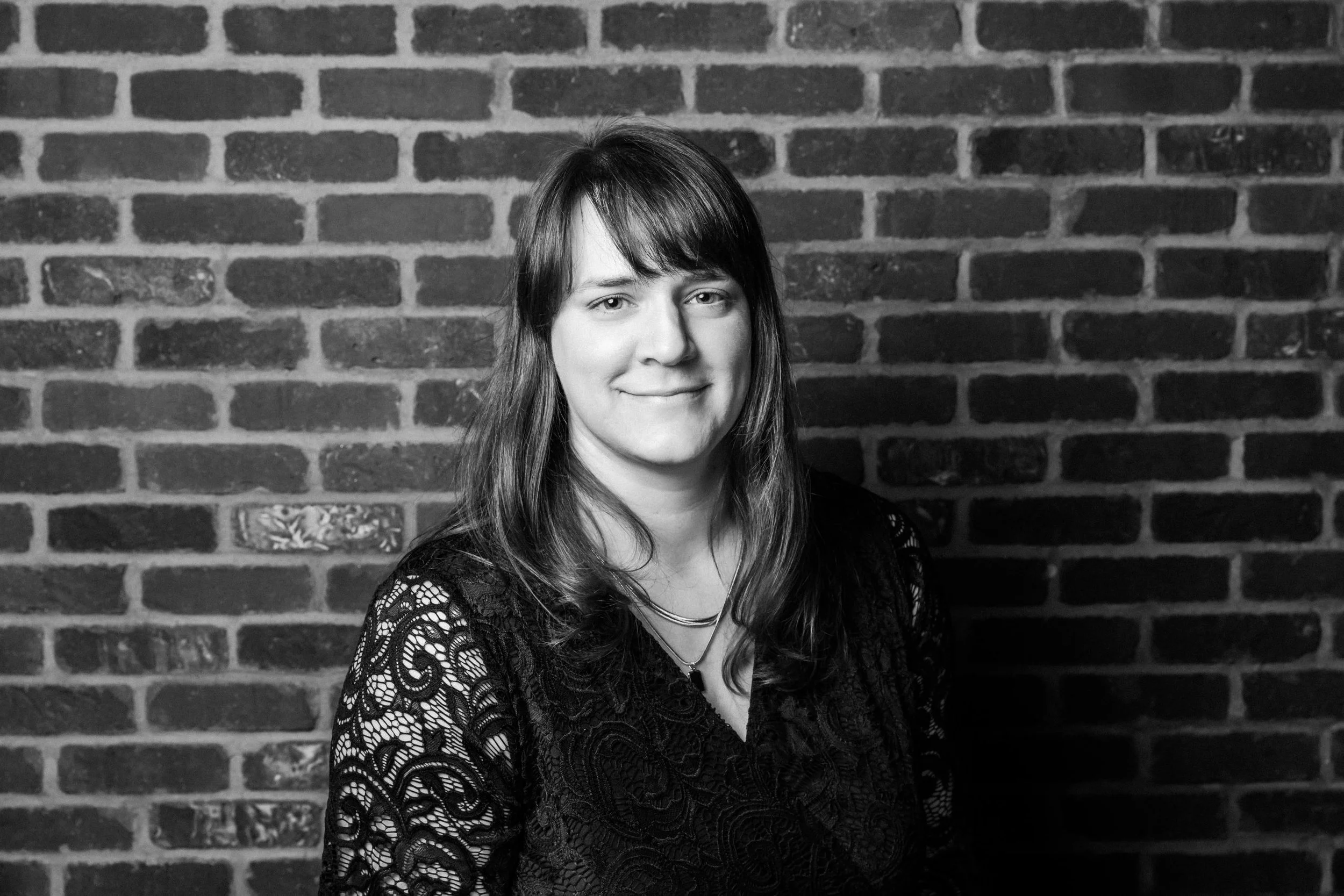
#117: Children & Parents Deserve Better Than Divorce | Jennifer Friesen
So many divorces happen because one spouse follows their desires at the expense of their vows. That happened in the family of my guest today.


So many divorces happen because one spouse follows their desires at the expense of their vows. That happened in the family of my guest today.
In this episode, we cover:
How her family’s dysfunction led to struggles with gender and sexuality
The beautiful transformation she’s experienced and even seen in her parents
The biggest lie about getting divorced
A new organization that’s fighting for children’s rights
Follow Jenn’s Blog, Do Better Theology
Links & Resources
Full Disclaimer: If you purchase through the links on this page, your purchase will support Restored at no additional cost to you. Thank you!
To leave feedback, comment below or contact us.




Enjoy the show?
To be notified when new episodes go live, subscribe below.
As a bonus, you'll receive the first chapters from our book, It's Not Your Fault: A Practical Guide to Navigating the Pain and Problems from Your Parents' Divorce.
TRANSCRIPT
Transcript produced by artificial intelligence. Please pardon any errors!
So many divorces happen because one spouse chooses to follow their desires at the expense of their vows. And what follows in the family is often just devastation, both for the abandoned spouse and for the children. And that's what happened in the family of my guest today. And so we discuss all that.
Plus we talk about how we're Her family's dysfunction actually led to her struggling with her gender identity and sexuality. We touch on the beautiful transformation that she's seen in her own life and even the lives of her parents. We also talk about the biggest lie that people are told about getting divorced.
And finally, she shares about a new organization that's fighting for children's rights. Stay with us.
Welcome to the Restored Podcast, helping you heal and grow from the trauma of your parents divorce, separation, or broken marriage, so you can break the cycle. I'm your host, Joey Panarelli. This is episode 117. We're so thrilled that so many of you have found the podcast helpful and even healing. We've heard a lot of great feedback.
One listener said this, they said, love your podcast. It's been very timely and helpful to me. Another said this, This is an excellent podcast. Highly recommend again. We're so happy that you found it helpful and even healing. We do it for you. Today's episode is sponsored by Dakota lane fitness. If you've ever felt intimidated by working out and eating healthier, maybe you've tried workout plans and meal plans that just didn't work for you.
Then listen up, this is for you. Dakota Lane is a nationally certified fitness and nutrition coach. Who's helped about a thousand clients worldwide, including moms of 10 kids, CEOs, MLB baseball players, 75 year olds, and people who've never even stepped foot in a gym Dakota builds, customize fitness and nutrition plans with around the clock accountability and one on one coaching for people anywhere in the world and a safe.
An approachable environment, but what else makes Dakota different than the many, many fitness coaches out there? I want to mention just three things. One he's done it himself. He walks the walk. He doesn't just talk the talk. He's a very healthy ripped dude, but he's also a good virtuous man too. He's not just focused on making his body better and stronger, but The rest of his life as well.
Second thing, he actually studied to become a priest for a little while. And, uh, from that experience and from his experience studying at Franciscan University of Steubenville, as well as the Augustine Institute, he developed this belief that to live a fully human life involves not just growing in one area, like your spiritual life and neglecting the rest, like your body, he said, we really do need to care for all of it, uh, so that we can become more virtuous and more free.
to love. And finally, I would say that Dakota's mission is not just to help you get strong, but really to help you experience the highest quality of life through intentional discipline and treating your body the way it was meant to be treated. And so if you desire that freedom, if you desire transforming your body and also your life, Dakota can help you.
One client said this Dakota Lane changed my life. And the best part is that what I once thought was impossible was made so doable and realistic by Dakota. This program is worth every penny. If you have struggled in the past and can't seem to find a way to change yourself for the better, look no further.
Dakota Lane is your man to see what Dakota offers and the amazing results his clients have achieved. Go to Dakota lane fitness. com or just click on the link in the show notes. Again, Dakota lane fitness. com or just click on the link in the show notes. My guest today is Jennifer Friesen. Jen has worked in the nonprofit world since 2010, first with Youth with Special Needs, and then with the organization Them Before Us.
Currently, Jen works as the director of training and the host of the Them Before Us podcast at the organization Them Before Us. Personally, Jen advocates for the church to equip young people with a healthy and biblical view of sexuality, and she blogs at Do Better Theology on matters of sexuality, culture, and religion.
and politics. And if you couldn't tell already, this conversation does go into faith and talks about God a bit. If you don't believe in God, you're totally welcome here. Anyone who's been listening to this podcast knows that this isn't a strictly religious podcast. Wherever you're at, again, I'm happy you're here.
My challenge to you is this. If you don't believe in God, just listen with an open mind. Even if you were to take out the God parts, you're still going to benefit from this episode. And with that, here's my conversation with Jen.
Jen, it's so good to have you on the show.
Thanks for having me. I'm excited.
I'm a big fan of what you guys are doing at, uh, them before us. And I know you do more than just that, but I really want to drill into your story and just hear all about it. Uh, starting out, how old were you when your parents separated and divorced? I think I was about 17. So probably later than a lot of.
Folks, but I'm, I'm thankful for that in some ways. I mean, we can kind of get into it, but yeah, we're, my siblings were 16 probably. Okay. So there's a three or four of you. There's three of us. Sorry. So I have an older brother, younger sister. Yeah. Okay. That's good to know for context. Cause I know we have people come from different family sizes and yeah, I mean, we see the whole gamut.
Like we see people who are super young when their parents get divorced or kind of like me where I was like and then, um, other people who, you know, It happens later in life, even while they're in college, stuff like that. So yeah, totally, um, totally depends, but, uh, to whatever degree you're comfortable sharing what, what happened?
Yeah. So I would say my parents had a medium conflict marriage. It wasn't a high conflict marriage. It wasn't violent. There was an addiction, things like that. I would say. My dad's life was kind of marked with if he wanted to do something, he was going to kind of go ahead and do it. This was his second marriage, which I didn't know at the time.
And so his life was just kind of characterized by, you know, if I see something new in front of me and I want to go that direction, I'm going to do it. So. He reconnected with someone that he had known from the past, you know, one thing led to the other and he decided to leave the marriage, but they had a decent amount of conflict my whole life, so my picture of male and, like, a dad and a mom, male and female, was kind of that, you know, men are just kind of grumpy, irritated, they get to do whatever they want to do, they're in complete control.
Women just have to do what they're told, do whatever to keep the peace. Um, and there wasn't a lot of affection between my parents. There wasn't a lot of connection in general. My mom was, was really great about taking the three of us kids out on adventures on the weekend or. Doing, she would take us to plays or museums, like find ways to do those things for free or, or cheap to give us a lot of cultural experiences.
And it just adventures around town. I just don't remember my dad being a part of any of that. And it was like, we were all relieved at some level if he wasn't around. But he was also the primary caregiver because he was a truck driver, so he was only gone a few days a week. My mom worked outside the home and then would homeschool us, like, in the evenings.
But so my primary caregiver is the one that I perceive as being highly irritable, doesn't really want us around, kind of aggressive toward us, and my The person I want most in my life is the person who's out of the home. I had a lot of anxiety, like, she's not going to come home. I, I thought, I think as a kid, I thought it was going to be like a car accident or a something like that.
I think as an adult, I can look back on that and say some moms just don't come home. You know, like some dads, it's too difficult. The marriage is too hard. Raising kids is too hard. And they just don't come home. Abandon their family. I think I was really scared. She would walk off and not come back to the situation.
So I had a lot of anxiety. It's been healing as an adult to think back and be like, wow, my mom always came back home and re entered into kind of a difficult situation. But, so that was kind of the dynamic of our, my parents marriage. And then, yeah, so they announced at a family dinner that my dad, because of this reconnection with this, old flame in a sense, um, was deciding to leave the family.
And so my mom made it clear she was willing to, wanted to work on it, figure it out. And he was not so. Okay. Thanks for sharing. And yeah, I'm so sorry for what you went through and it sounds like you were really attuned to kind of what was going on in the home. I know some people that kind of have an idea that something's off, but they don't really know the details cause he has the parents, you know, maybe keep it under wraps or whatever, but it sounds like you were, um, um, Kind of in tune with what was going on.
And, um, when did you find out? I'm curious about the second marriage. Was that something that came later in life or when, how old were you when you found that out? We, it was when my dad's dad was dying. So passing away or he had passed away, but we were all over in that other state and looking through different things at the house.
And so I was probably 13 or 13. So this was a few years before, and he showed us a picture of his, I didn't even recognize him, but it was with my mom, she was also there, and she showed, they showed a picture, and they're like, oh, this is your dad, and it's a wedding picture. And I was like, but that's not mom.
And my first question was like, is my older brother actually ours? But I said it in sort of a hopeful way, because he and I never got along, like my older brother and I always were at odds. So, our first, that was my first recollection that, oh, he'd been married before. I don't remember feeling strongly about it.
They didn't say what had happened. He had done the same thing, in essence, to his first wife. They didn't have any children. So, I didn't get any more details, but it was this very fascinating realization. So, your parents aren't, they're much more than you know them to be, you know. Oh, I hear you. And, uh, that makes sense.
I guess at this point in life, I'm curious, kind of drilling into this whole second marriage thing, um, have your feelings changed over time? Has that been kind of an impactful thing, or maybe not so much? So now my dad's been married and divorced three times, because he married the third woman, basically.
As an adult, I can look back and I see my parents with both More clarity and more grace clarity for things that were negative grace for things that were well grace for things that were negative as well But you know I do see my parents as all people are Dealing with whatever the tools they have in their toolbox from their parents marriage from that from how they were raised from their faith Background, whatever So, you know, someone who's been married and divorced three times, he's looking for something.
He wants something, whether it's thinking the next connection will be better than the one you already have at some level, or just being easily turned, your head being sort of easily turned to temptation, sexual temptation, things like that, whatever those things were. I think for sure it's, it's very impactful.
Um, my mom being the marriage that had children. It's kind of a convoluted story, but there was a, a different woman. There was an abortion. So, so I have like a half sibling that is that passed away, but we're the only children, you know, so that my dad has. So that's an interesting dynamic. So we sort of feel like you're the primary marriage and they were married for like 25 years.
So his longest marriage. And so there's so much investment and so much that I would say in my head, this was very worth keeping and fighting for. He only realizes this in hindsight. He, I would say if he could go back in time, he would a hundred percent change his behavior or have wanted to stay. I think that's one of his biggest regrets in life.
And I want to say too at the onset, I feel like I have a good relationship with my dad. And, um, I'm a Christian and our family, we were raised Christian. That's very important to us. I would say he really does demonstrate. Now more of, you know, what Christians call like fruit of, of someone who is living a Christian life.
It's kind of slow. It's kind of here and there, but it is kind of neat to say I see more of that now than I think I ever saw growing up. So I'm really thankful for that. So I feel like I'm kind of, it's kind of nice to be able to talk about my dad as sort of a past self. And, and, but to say it in the sense of I have forgiveness for him and I think he is trying to live in a way that's more faithful now, even with those mistakes in the past.
Yeah, no, I hear you and the grace and the transformation. Those are two words that come to mind when you share all that I love that you gave your parents grace because I think that's super important I think there is a temptation to fall into being very bitter Very angry holding on to unforgiveness when it comes to you know mistakes that our parents made and so it is helpful to see that Well, they're human and you can love them through that.
And at the same time, as I know you'd say, we can still say, well, the ways in which they hurt me or they neglected me, like that was wrong. That shouldn't have happened. But at the same time, like, no, I love my mom. I love my dad. And, uh, yeah, I wouldn't trade them for anything. Honestly, I wish things were different, but I love them.
And it's cool as well to see the transformation of my parents lives as well. And so that that's beautiful to hear. And I think that's hopeful too, because a lot of times what I've noticed in the young people that we work with is we worry a lot about our parents. Um, yeah. almost like disproportionately.
It's, it's some people from the outside looking in, they kind of see it as this odd thing. It's like, well, you have all these like wounds and problems associated with your family and your parents. Um, yet at the same time, you have this like deep concern and love for them. No, I'm not saying everyone feels this way, but I I've noticed that.
And so, um, we, we want, we want well for them. We want them to, even if there is some hurt, even if there is some unforgiveness, ultimately, I think we, we, we do want the best for them. Um, have you noticed that as well? And maybe people, you know, who come from broken families? Yeah, it does seem to reverse the parent child dynamic in some ways.
A lot of times, it seems like then the parent will choose one of the kids to start confiding in more. I don't think, I think my mom was pretty good about that, not doing that to us. We had a faithful church community that we were always a part of, even when my dad chose to leave. So I think she had people she could turn to that were appropriate to confide in and to share really hard things with.
Um, I've noticed like my dad doesn't have a ton of relationships, not super involved in church. And so it's. It's almost like he tries to talk to me like that in some ways, which is not my favorite thing. It's not, it's not like the role any kid wants to be in. And maybe that's harder if you're older, maybe because you're more the appropriate age where typically You're raised by your parents, and then you become an adult, and it can, it, it changes a little bit into more of a peer relationship.
You have more experiences, now you know what it's like to pay taxes, and you know, all the things your parents might have joked with you of, you know, when you pay taxes, then you can do this or that. It's like, well now I pay taxes, and I drive, and I know how to do all these things. And so it comes more of a like, a little bit more of a peer thing.
But I think that gets either accelerated or jolted in some weird way when there's a divorce because I don't even know how to explain why. I think my parents were pretty good about that though. Um, my, my mom did a good job of encouraging us to go stay connected to my dad. But it wasn't like, tell me everything your dad's doing.
I can't believe your dad did this or that. You know, she was not. Using us as an outlet for pain or her thoughts about him. And he wasn't doing that in reverse. So I am thankful they were both acting, remaining the parents in that situation, even though you feel a tension. And one of our parents was always alone for one of the holidays until my mom got remarried.
So that's very, my younger sister, very, it feels very stressed by that. Well, if we go here for this part of the holiday, this parent's going to be alone. But it's just hard. You feel really sad and bad for them. And some of it's like, this is the natural consequence. Even when we've forgiven each other and we get along great, we're not spending every holiday all together.
That's a consequence of what? Yeah. No. And I, I, every holiday I feel that like pit in my stomach when it comes to like, well, dad's alone now or mom's on this one and it's not an easy thing to go through. I agree. So yeah, no, I think, um, totally makes sense what you're saying about the, uh, I know psychologists call it like triangulation or, um, some people call it like spousification more like that.
Yeah. I think the way I've heard it explained and the way I try to talk about it is, you know, Mom and dad, like they have very real, like emotional needs and they're going through difficult things and they need someone there to confide in and all those things. And so the children often like, we're just there and we want to, we love them, we want to help them.
And so they end up, you know, talking to us, which, like you said, is just not the appropriate thing. Even I would argue as adults, like they need other people in their life who they can talk to the, uh, talk about with those things. So it didn't totally relate there, but, um. Another thing I just wanted to point to was like your mom's example, you know, even though things were imperfect, even though there was a, there was tension, it was a really difficult family marriage situation to live through.
There was something that stuck with you, like you said, of her example of like, showing up, you know, coming back, you know, hopefully working on it and things like that. And I think that, um, The narrative in our culture right now especially is to, yeah, just kind of stay married and be miserable in those situations or get divorced and be happy.
And I think that middle ground of, um, the third option of, you know, you could work on your marriage and heal it and it can be better. I know in every case that doesn't happen. Um, but even if not, you know, absent abuse and extreme things like that, um, It is such a beautiful thing to like stick at it, to keep trying.
'cause so often what we've seen is, and that, I know there's research on this too, that if you stay at it, you know, and you get the help that you need, your marriage can like transform. Mm-Hmm it can become better. Like, it's not just like this downhill slope. Right? Yeah. We definitely would disagree that there's only those two binary options.
You know, stay and be miserable. Leave and be happy. If those things are even completely true, because leaving the marriage, I think there's some stats to say, you know, people might feel an immediate sense of pleasure or it's better now. But like, for example, my dad's third marriage, the one he left my mom for, it lasted two years, which is about as long as, you know, The infatuation kind of new stage can last, you know, according to some people.
So I feel like I've seen this or heard this anecdotally quite a bit is people will leave to start the new thing. Well, a lot of those problems just come with you, but now you're leaving a trail of brokenness behind you, particularly for kids who a lot, you know, when we post, so I've done before us, when we post different.
Articles or quotes about divorce will inevitably get some comments that say my parents got divorced and I'm happier now. Maybe because they're indicating there was a high conflict marriage. My parents fought all the time so now I'm happier. Or they, they don't like one of those parents for their behaviors.
Addictive behaviors or abusive or whatever. And even if that is completely true, that's an outlier. And you could be happier that your parents in a high conflict marriage aren't there fighting all the time. But I always try to present the idea, what if your parents had done the hard work of Going to get counseling, going to get sober, separating for a time, if there's a safety issue or something, separating to make sure there's safety, and that parent getting the help they need, and then coming back and being healthy and happy.
Would that not have been better than your parents getting divorced? Can we at least say, you know, there's a ideal, and adults need to do a bunch of hard things. To, to fix a marriage that's breaking or broken, but we jump, I guess our culture jumps quickly to there's discomfort. This is really hard and it would be better for me.
Don't my kids want to see me happy? And then thinking that's a good excuse to bail on the marriage. And so I have some close people who really walked through some of that considering are we going to separate? Or not, you know, cause like we can't do it anymore. And, um, but the children was the biggest consideration, understanding what that would do to their kids was their biggest consideration to kind of stick it out and really try to find help and support.
And I'm so thankful that in this instance of someone I'm close to, there's been some positive moves. So I just appreciate, I'm like, wow, that person sticking it out. And again, people of faith praying and being hopeful and seeking help has helped their marriage now is going kind of on that upward trajectory versus just leaving.
Wow. Yeah. No, I love that. And you're right. It is presented as like this easy option that will lead to happiness, which isn't true. It's, it's really not, I guess it depends on how you define happiness. If it's a lack of, uh, you know, discomfort, then that's a really dangerous road to go down. Cause I don't think you can do anything meaningful and Have a satisfying life if you're trying to just avoid discomfort.
So yeah, um, man, so much. I want to comment on, but I love the question you asked. And it's so funny. We asked that exact same question as like, would you prefer your parents to have like, wouldn't it have been better if they just worked through things and healed the marriage? And I think for a lot of people that aren't anything, that's great.
possible. Um, but it is like, I've seen it as well. And there's so many stories that I'm aware of, of people who've, who've done even though if I, even if I don't know them personally, so really good stuff there. Yeah. There's some other things I wanted to go back to as well. Like the situation that you were describing in your family, again, like your mom's heroic example, working through things, your dad's kind of tendency to kind of go where his desires led.
And I think that, It hits at the core of what you guys do at Them Before Us of like elevating these adult, adult desires over the rights of children. And so since we're at this point in the conversation, I'm curious if you, um, yeah, I'm curious to hear maybe a little bit more about Them Before Us. I knew I was going to wait for till later, but I think that's so relevant right now with what we're talking about.
So yeah, what is the work that you guys do? And then we'll transition back into your story. Yeah. Great. Yeah. Them Before Us is a nonprofit, international nonprofit. We have a lot of connections all over the world. that wants to reframe all these conversations, all these controversial topics, marriage, family, third party reproduction, which includes things like sperm donation, egg donation, surrogacy, IVF.
We want to frame everything from the perspective of the rights of the child. So, for example, when we want to argue a public policy issue about should surrogacy be legal or not, we want Instead of us arguing along typical, maybe in the United States, um, you know, blue versus red politics or this is about religious freedom or this is about my religion says you shouldn't do it.
We say, let's consider the rights of the child if someone is using a surrogate. Okay, where did the embryo come from? Was it a sperm donor, egg donor? Well, that's a violation of a child's rights. Because if you're being, you know, Quote donated from sperm or egg. There's a good chance. You're never gonna know your mom or dad Creating motherless or fatherless children is a violation of that child's rights We have the right to know the two people we came from that's the best way for a child to thrive is not only to know The mother and father we came from, but be raised by them, married in the same home.
We know that's ideal for children up until two seconds ago, when it became culturally advantageous to not do that, you know, since culture decided, Hey, you know, we're kind of going to say whatever adults want to do is great. And now here's the science that proves what we want it to say. Well, we had decades of social science before that.
That said, fatherlessness is a big deal. It's not ideal if children need adoption. That means you lost something. You know, so anyway, any topic then, so if we talk about divorce, if we talk about what should, how should marriage be defined, we are trying to train people to ask that question first. Does this impact the rights of a child?
And that helps us frame our answers. And we've found a lot of success because it's really helping us stay away from religious disagreements. It's helping us a little bit, stay out of political disagreements, though, unfortunately, really only one side of the political spectrum in the United States. Is even open to conversations like this, which is the more conservative side, but it's, it's been very helpful because we're really trying to like, dig down to these most basic ideas, natural rights, biology.
This should inform our public policy and our law. And it's been very helpful because it really is, is undercutting a lot of the arguments about. You're a bigot or this is just about religion because we're saying, no, it's not. I'm just talking about the biology that this child has a mom and a dad and has rights.
Beautiful. I love that. And I know you guys do, um, work on public policy. You do a lot of different interviews and things like that. What else specifically do you guys offer? We're just finishing right now a small group curriculum for churches. So if you have a church community group, that kind of thing, we're going to have a workbook and seven sessions that people can walk through.
It'll go through each of our chapters. In our book, we'll talk about surrogacy. Here's what the data says. Here's the them before us argument, and then we'll connect it to scripture and the Christian ethic. So that's really exciting. We have a documentary that's being worked on. If you saw the, this is a woman or what is a woman documentary, um, it'll be similar in style, just in the sense of we're trying to boil it down again.
What is a child? Is it, is it a, just, it has rights. It's kind of a thing that can become a person one day and it'll eventually have rights when we say so. Or is it a human being with unique value and that has rights. And so we're going to have a lot of different interviews with experts and talk about what is a child.
We are developing a human resources package or basically a way to go to. an organization and say, here's how you should frame a child friendly human rights package. Or sorry, healthcare. What is HR stand for? Human resources package. Sorry, not human rights. HR. Nice. That's good. That's like a, um, It's kind of like both, right?
But so for example, these big companies are giving you money to go get an abortion out of state. We would say to a company, do not offer that. Offer an adoption credit. You know, offer, offer counsel. Offer if someone has an unexpected pregnancy. Offer, um, Different things they can do to, to write off the need for diapers or, you know, things that if they need marriage counseling, you should offer a credit for marriage counseling to your employees.
And I don't even know all the details of what's inside there because I'm not within the HR sphere, but it's basically the idea to present companies. Here's these alternatives. We're not helping people do. IVF and surrogacy and, and redefining infertility just to mean whoever, whenever. Because, you know, California has a bill that's redefining it.
So I'm a single woman under California's new bill. I can be considered infertile and get state benefits to go get a sperm donor, et cetera. So, or, you know, same sex couples can be redefined to be infertile. And this project would help companies not use those kinds of benefits that violate the rights of children, but frame benefits that are helping promote family marriages, And if you are truly infertile and cannot have children, here's the ways that you can go about helping a child, adopting, and things like that.
So good. Thanks for kind of breaking that down. And I know some people listening right now might feel like an objection to some of that. And I would just offer two things. One, Don't children deserve to be protected? Don't children deserve to be protected? I think so. And, um, if they do, like how so? And I think that's where the second question comes in of like, um, if you disagree with this stuff, why don't you hear them out?
Hear out them before us, listen to their podcast, check out their book, their resources and see, you might agree with, you know, 80 to 90 percent of it. Um, and then on those maybe 10 to 20 percent you don't agree, um, look into it. Like, I think it's intellectually honest to. Go into those areas where there is some disagreement, because I know these are hot topics.
I want to acknowledge that from the outset. And, uh, so, but I appreciate you going through all that and kind of transitioning from there back into your story, this whole theme of adults putting like their desires, their quote unquote, happiness over the rights of children, um, is something that happens all the time in various areas.
But of course, in this conversation, we're focusing on the area of like divorce and, you know, separation and broken families. Bye. One thing that, um, you made me think of before too, was, uh, John Eldridge, the author, he, um, talks about this, uh, phenomenon. I was just thinking of your dad's kind of tendency towards, you know, these flings and stuff.
Um, this phenomenon John Eldridge talks about of the woman with the golden hair, where, you know, you have someone, he just explained this experience where he would see these like blonde haired women, and he would feel like this pull on his heart of like, Oh, they're going to solve all my problems. They're going to take away all my pain.
They're going to bring me the, you know, the happiness that I deeply long for. Um, and he just goes into saying how it can be such a lie. And we're, I think so many of us, even if we're not at that level of like, Hey, I'm just going to leave my family and go run off for this woman. Um, we experienced that whether male or female, we experienced this like, Oh gosh, I think this thing will, will offer me all the happiness that I long for.
And you touched on this before. Well, but, um, I, that image has always. With Eldridge. And on that note, I'd love to hear if you have anything to add to that, but I also want to hear, um, just, yeah. How else the breakdown of your parents, marriage, your family, their ultimate divorce affected you. Yeah, I think.
Actually, that kind of idea, so seeking after, looking for something that will satisfy you, is ultimately why I was able to have so much forgiveness for my dad. So, part of growing up for me, I think a lot to do with the dynamic I saw of male and female. I had a lot of gender Confusion. I wouldn't say dysphoria because it wasn't like a diagnosable thing.
I just thought, I was a Christian as long as I could remember, as early as I could remember, but I had a thought, God made me wrong. Like there's a switch somewhere up in heaven, on off, girl boy, whoops, he did the wrong one. I'm in a girl's body for some reason. I just think, in a child's mind, You feel discomfort, or you feel a sense of here's the interests I like, or I prefer to wear this kind of clothing, I like to wear pants versus dresses, and still do, but you start to, you see these things very, it's very binary, well, my brother likes doing these things, and wears these kind of clothes I prefer, and he's a boy, and my sister wears these kind of, she was a lot more girly, and like dolls and all this stuff, And I prefer this way.
So I must have been made wrong and was probably supposed to be a boy. Well, what am I going to do with that? Nothing. I could really articulate as a kid. I think because of my parents, I mean, my mom's working 40 hours a week and homeschooling, and I'm sure my parents are stressed about money and they're figuring stuff out.
You think all of these things as an adult looking back, right? Adults. I have so many things there trying to figure out why my kid is throwing a fit because she doesn't want to wear the dress or the church shoes. I don't think was a thing in there that like, this is a deeper thing we should talk to her about.
There just wasn't a lot of those tools or those conversations that I know of. In the eighties and nineties, you know, versus now, I think there's a lot of pretty good resources for Christian parents or more conservative parents. If your kids are saying or experiencing some of these gender things, there's a little more tools to deal with.
I don't think my parents really had those tools or the time to, to, to know, to like go into it anyway. So I experienced some of that. I experienced. Felt same sex attraction. So toward my peers again, my perception of male is scary and control and You know kind of I want to avoid and then my perception of women makes sense to me What's that which makes sense to me like if that was all you knew about men Like why would you want to go that route right and my perception of women is I love my mom and I do not get enough time with her and I'm terrified she's going to leave or something's going to happen to her.
So a longing mother hunger. And so it kind of makes sense as you go through and then feeling the gender dysphoria kind of thing. Then you go through puberty and of course those broken misaligned, whatever thoughts start becoming sexualized. Right? So, okay. So that's stuff I'm dealing with without really talking to anyone in the nineties or early two thousands.
And then. Fast forward and I won't get too detailed, but I, I had a relationship with a woman that really just started out as an unhealthy friendship and then kind of progresses, but this is why I had so much grace for my dad. I did not wake up one day and think, you know what I'm going to do? Get into this relationship that's like secret, and I feel shame, and it's, it's It's not healthy in any way.
It's not healthy even if you thought being two women in a relationship was great. It still wasn't healthy for a lot of other reasons that a lot of relationships wouldn't be healthy. I didn't wake up one day and think I'm gonna wreck my life and do all this stuff, you know? It was a million little decisions.
Like you're saying that, that the golden hair, the appeal of something, I want this kind of love. I want feminine love and affection. And instead of going about it in appropriate ways and seeking appropriate mentorship and love and care, I'm going to go about it in a illegitimate way, I would say from the Christian perspective.
And when I sort of woke up to that and it's like, well, I don't want to be doing this anymore, but how do I get out of it? You know? And then it was a very difficult. hurtful process of getting out of that, confessing, kind of living openly with people. I was able to look back at my dad and say, he didn't wake up and think I'm going to wreck my 25 year marriage, ruin my kids lives, abandon everything I've, you know, we've done.
I'm, it was, it was decisions he made over time, little decisions. the golden haired person you turn your head and you start versus catching it in that moment and like in the christian perspective i've been hearing this a lot more and thinking about it like mortifying your sin the idea of like catching thoughts errant thoughts and different things that are not truthful um crucifying those thoughts and and repenting of and whatever before they get to these further stages, right?
Because by the time you're already, you've already done the thing, you're already in the relationship, and then you wake up, well now there's this trail, yeah, behind you of ruin. And that's why God, I think, tells us, you know, guard your heart, guard your mind, guard your thoughts, fill it up with the good things, fill it up with the truth, because we really are likely to just continue along down the path we're not supposed to go without even recognizing it, it feels like.
So my own sin and brokenness. And being, and doing what I did not want to do, a relationship that I should not have been in, gave me a lot of grace for my dad. And realizing, yeah, we get here because a million little mistakes and lack of repentance were sin. Not, you know, you wake up and I'm going to ruin everything today.
Yeah. Yeah. No one dreams of that. No one's like, okay, I'm going to, you know, build this marriage and this family, have kids. And then I'm like, you said, gonna leave it all. That's my dream. That's what I want in life. It's like, no, no one dreams of that. So no, it's really well put. And Yeah, I, um, no, your struggles make sense to me.
It makes sense that it led there. It makes sense that, um, yeah, everything, everything that you said. And I love the point about like mortification you said, um, which is if anyone's not familiar, it's like a Latin word, which means like basically to die to yourself, um, like to kill things, like you said, and, um, it's so powerful.
Like it leads to self mastery. It leads to you being more in control of yourself, which is. One of the steps of leading like a really meaningful life, uh, and, and even a really joyful, like happy life too. And so, yeah, I couldn't agree more. And that's been super helpful for me as well. Thank you for sharing so openly and thank you for talking through that.
And one, two resources I want to mention, and if anyone isn't, you know, maybe resonating with you and wants to know like, Oh man, I need some help in this area of like maybe gender dysphoria, um, or, you know, same sex attraction, whatever it might be, uh, Jason Everett is one of my mentors. He runs, um, An organization and he has a great book called male, female, other, um, and that's like basically a Christian guide on, um, wrestling with all these gender issues.
So it goes into a lot of the claims of gender theory and just kind of talks to those logically. And then it also, um, just has a lot of compassion and some guidance for people who do struggle with gender dysphoria. And then he has some other resources on his website, which we'll link to and the show notes, uh, related to, you know, navigating same sex attraction and things like that.
And then the other thing I was going to mention is. When it comes to the sexual, um, you know, temptations and things like that, like struggling with unwanted sexual behavior, we did a whole series on this topic called healing sexual brokenness. And so we'll link to that in the show notes, but I think if you go to our website, restored ministry.
com slash, um, I think it's sexual brokenness. We'll, we'll put this in the show notes, then you'll see all the episodes. We did a whole series with these awesome experts and different resources that will help you navigate through those. So just want to make sure you guys have all the help that you, you deserve.
Um, but Jen, I'm just curious, kind of, if there's anything else you wanted to add about different struggles you had that stemmed from the breakdown of your family before we transition into kind of the hopeful part of your story. Oh yeah. Yeah. I would just say. Yeah. I agree. We just need, that's why I think I'm passionate about wanting the church to have more of these resources, and again, I think you mentioned a bunch of great ones, but there's been so many things written in even the last five years.
years resources that didn't exist. Or I didn't, granted we didn't have the same access to the internet and ability to find, you know, youtube videos and stuff. We're just starting out when I was more of a preteen, so it wasn't that I could go Google different things, but I think parents being the first ones to talk to their children, about, Sexuality and what does it mean to be male?
And what does it mean to be female? And correcting a lot of those childish thoughts that we think, well, I like wearing pants, so God must've made me a girl on accident. It's like, no. And what's cool is I feel. I'm in my mid thirties now. I feel the most me I've ever felt the most comfortable in, in my body and who I am as a woman now.
So I would not go back to being 13 for anything in the world because, you know, every, but everyone experiences those changes during puberty and those feelings and the hormones and all these things. Right. And whatever the family and friend dynamics are, everyone is experiencing those. It's just that when you have.
confusion about gender and then sexuality i think it then can just get really mixed up where if someone is able to say someone a feeling comfortable to share it at all it feels dark and shameful when at least at the very very beginning a little kid thinking oh god made me a girl on accident it's not like sinful thinking it's just childish thinking because we don't understand who god is and that he doesn't make a mistake you're a male or female for good you Righteous reason both are made in God's image from the Christian perspective, but an adult to say, Oh, no, that's, that's not true.
You can like this interest, that interest, you can dress, you can dress in this color, that color, but God made you a girl on purpose. It's a good thing. Here's all the reasons that's so good. He made your brother a boy on purpose. Here's all the reasons that's so good. We need both. And then continually help correct thinking that is off.
In a way that's very cheerful, it's not scary, it's not shameful, but little kids need to understand. Oh, okay, yeah, I thought this weird thing about God, but my mom, or dad, told me. But God's actually like this. So now I know that's not true. God made me a girl on purpose. It's okay if I like playing sports.
And I, we don't, we, some of us don't have that from when we're little, we have it now, or at some level, you're responsible for doing it for yourself now, because we're an adult, like Paul in the Bible says, When I was a child, I thought and reasoned like a child, but now you're an adult. So you need to think and reason like an adult, right?
So I don't even know if that answers the question. No, no, no. So good. And that's super helpful. And one of the things you made me think of too, that I learned from Jason Everett, who wrote that book, Male, Female, Other, as he says that, uh, in our culture, we, Claim that a woman, for example, is like someone with a female personality and any body when the opposite is actually true.
It's a woman is someone with a female body and any personality, which can run the gamut, right? You know, people who are maybe a little bit more like traditional masculine traits or more, more of a leader, more like, you know, physically fit, like things like that, that you'd normally associate with a man.
Like a woman can totally, you know. Have those characteristics, have those qualities and still be like fully woman, fully feminine. And so, yeah, it's, uh, it's, there's so much confusion out there. So I'm glad you're shedding light. The work you guys are doing is awesome. And so glad we can, you know, give people some resources as well.
But I'm curious, um, just honing in a little bit more in relationships, whether it's dating relationships or friendships, how did, um, your, Yeah. Everything that happened in your family impact those. Uh, I, I was remembering this this morning. My mom made counseling available to us, like offered to pay for it and help us get there and things like that.
When, when the divorce happened, I think I was the only one who did it. My brother and sister just processed it in different ways. But so I went to counseling I personally have really benefited from Christian counseling. It was also something I could do for free at the college I went to, you know, cause there's like students, psychology students that are counseling you.
And, but I think beyond that, so counseling was very helpful. I think just to process and, and talk things out. And just like I said to you, okay, if my dad, if my experience, my dad this way and my mom this way, and then I feel these things. A counselor for me was the person who said that makes sense, which I had never sort of drawn lines and thought, I'm not crazy, I'm not some psycho broken person that feels this way, it would make sense that someone experiencing some of these things might feel a certain way, and Christian counseling doesn't leave you at all.
Okay, it makes sense that you feel that way, because Christian counseling, and especially myself, because I am a Christian, still wanted to know, well, is the way I feel and want to act righteous, unrighteous, healthy, or not healthy? And then I think that's what the Christian ethic helps you do. Okay, well, it makes sense that you feel this way, but then we need healing, repentance, and healing.
New patterns of thinking, etc. So we can move from unhealthy to healthy, right? It's not just saying, oh, you feel that way. Great. That's who you are. So that's very helpful. And then I'm so thankful not only for just women who mentored me. I've had a number of women, like women have been my bosses in the jobs I've worked at.
I've done Christian and non profit work for most of my career, but I've had mentors, close friends, people I really did feel I could share deep things with and you feel like it's very dark and shameful until you share them out loud to other people who feel Experience something similar or they can really understand how you feel and offer you prayer and biblical wisdom and just it's kind of the light thing.
Right? So things I feel dark and shameful and I don't tell anyone can fester and grow and it's like, you know, cancer inside of you versus when you are able to share things and shine light into dark places. You start feeling like you're not alone. You start feeling like you're not out of control. And so I'm really thankful for that.
I'm also really thankful for a lot of great marriages I've seen. So like one of my mentors, um, in a job I worked previously, her and her husband, We're just fun to be around. They weren't not traditional in the sense of her sort of deferring to his leadership on something or saying, Okay, well, I'm gonna go check with him to see about this or that scheduling or whatever.
Okay, there was definitely a notion that they were checking in on each other and they were going to be in agreement about something. It wasn't It wasn't like she was just doing whatever she wanted and he would go along with it, but it also wasn't what I perceived growing up, where they, the guy just gets to decide whatever he wants, doesn't care what the woman has to say at all.
I started being around people, men and women who are married, and having a very different picture of marriage than what I grew up with, a very positive picture, like genuine love, affection, caring for each other, serving each other. You know, men who are after a party where everybody's hanging out at the house where the bunch of the guys are the ones all doing the dishes and laughing and having fun and women are just hanging out on the couch and chatting, not even a thing where it's like talked about or the woman saying, can you please do the dishes?
That the husband deciding to do it and the guy friends just standing up and doing it. Things like that, that really start shaping your view of marriage away from just what you experienced growing up. I think is so important and I'm really thankful for. Beautiful. Yeah, so mentorship, close friends, and obviously a lot of my friends got married as well.
So then you're with your good friend. And their husband and their kids. And so that's a fun, cool picture too. You see the good and the bad you, I had one counselor that said, just because someone's marriage might be bad or having a hard time, doesn't mean the institution of marriage is bad. And I thought that was really good because yeah, everyone has difficulties or difficult seasons, but I still can honor and, you know, I still advocate for this institution as a good institution.
God honoring good for society kind of thing, even though I'm not married. So no, so good. Thanks for sharing all that. And everything you said sounds super helpful. And I've found so many of those things helpful in my own life. And I've heard that, uh, you know, from a lot of people who've who've been down through the experiences that you and I have been through.
I am curious when it comes to, yeah, just the transformation you experienced, you explained a little bit about this, but you know, you were kind of in this dark rough spot and now you're in a different spot. Uh, contrast that a little bit for us. I know your life isn't maybe perfect now, not no one's is, but, um, how is it different now than it was before?
How is it better? Yeah, I think growing up and, and feeling these feelings of gender stuff, same sex attraction, and not feeling like I had any place to go with it other than keeping it inside my mind. And I think a lot of building up, well, if I could just have this relationship with a woman, Then I probably would feel happy or maybe that is what I'm supposed to be doing or made for or whatever.
While my Christian ethic did, I would not say that or think that was true. In essence, I was wondering if that was true in my mind. Because it's all just kind of dark and locked up in there, which I think gave ground, you know, fertile ground for sin and desire, et cetera, to grow into a relationship. Then I find myself in with that woman that was not healthy and not good.
Okay, so all that getting Smashed apart and then confessing things to a bunch of people. Okay. So you thought this was just this friendship. Here's actually what was going on Here's all these ways I lied to you and was not being truthful. Here's all these things I think and feel I think it took a lot of the power away from it to be honest I definitely have never felt like it's this big thing.
It's like who I am I've never used any of the LGBT ways to like label myself. Like none of that has been meaningful to me. Rosaria Butterfield, if any of your listeners have heard of her or want to look her up, has been very influential in my thinking around sexuality, really great, uh, thinker and, uh, Author, and it's just been helpful because it, it makes it not as big of a thing.
Um, but at the same time, there is a sense of having to be on guard. Like you said, it's the, the golden hair lady. I think the, the problem is God really has to help heal the mother and the father wounds. For anybody, whatever combination that is, whatever it leads you to. Um, or we're going to get caught in those same patterns over and over again.
So for me now, it just means I'm a lot more upfront with people. And there's definitely a handful of people that know everything about me, where I can call them on the phone and say, can you pray for me? I feel this or I'm thinking this and that's really helpful, but and really necessary. Um, yeah, yeah, because if you don't have people that know you or check in on you, like I've had to give people permission to ask, will you ask me this question?
Will you ask me this question? Cause otherwise I don't want to answer that question. And most people won't think to ask it or it's uncomfortable to ask it because it feels nosy or like you're going to try to judge you or think you're doing something wrong. So there's been trusted people. I've said, here's all these ways I want you to check in on me.
And then. I, I blogged about some of these things and processed a lot at Do Better Theology. So it was interesting, it was kind of in response to this other group that was attacking my former business, my former non profit, because they were saying, this Christian business doesn't like LGBT people, won't let them be volunteers, won't let them be on staff, and they just did.
A few hundred posts condemning my, where I used to work. And so when I no longer worked there, I was like, okay, well, I'm going to respond to all these accusations, particularly about the work. But then I started sharing my own, you know, this is how I feel. This was my experience when I worked there. Here's the people I got to talk to.
And it's very powerful in a sense, because in our culture, your lived experience. Or whatever is very powerful. Like that's a powerful weapon culturally and even things working within them before us, we will get people who are very irritated with us because. Well, you're, you have no compassion for people who are infertile, you know, if you're saying there's ethical questions about these different things.
And it's like, I can respond and say, I don't know if I'm going to have children. It's different because I'm not married and trying and not able to have children. I haven't had miscarriages. I understand those things would be very painful and hard, but you're talking to someone who also doesn't know if she'll ever be able to have children.
So there is a different level, I think, of being able to talk to people because a lot of the maybe more manipulative tools. Are not there when it comes to arguing about sexuality and things like that. Yeah, i'm trembling now, but yeah, so I just feel like god has done a lot in this is good building up What does it mean to be a woman a typical woman a book by abigail dodds?
Highly recommend if anybody Listening has has felt any of these things particularly about what does it mean to be a woman? And it's like your point. She's you know, people will say well, how how am I a woman and a business owner? How am I a woman and a mechanic like what would what should I do? And she's like, you just are.
If you're a woman, that's how a woman fixes cars. It doesn't matter if you're, you know, I'm really aggressive as a businesswoman, or I'm really meek as a businesswoman, so should I act more like a man or more like a woman? She's like, you can't. You're a woman. And if you own a business, that's how a woman owns a business, you know, so it's, it's like you're saying, it's, you put the body and the biology first, and there's ways, of course, there's a few things in the Bible that says women should do or men should do specifically, but just because it says women You know, it might say women should be gentle over here.
Then it also says like elders are supposed to be gentle and not quarrelsome and different things. So just because it specifically says women should, there's the fruit of the spirit and all these kinds of things. It doesn't mean men also shouldn't do those things in a sense. Abigail Dodd says all of the Bible is for all of women, just like all of the Bible is for all of men.
And then there's some specific things that are great to take as well when it comes to being married. Women, wives should do this. Husbands should do this. Great. Good stuff. Thank you for going into all that and just sharing your, your story. And before we close here, I'm curious, um, If you were to talk to your parents, if they were maybe even listening right now, what would you want them to know?
What would you say? I would tell my parents. I love and appreciate them for the ways they did sacrifice for us growing up. I'm thankful they were married as long as they were. We had a lot of stability that if they had gotten divorced sooner, we would not have had. I can imagine boyfriends and girlfriends coming in and out.
Which house are we going to? Even just financially, the fact that they stayed together made it so we didn't, we never missed food on the table. We had family dinner every night. I, I can just see these positives and the stability that my parents gave particularly my mom, because she was willing to continue coming home.
And I have said this and would say that I forgive them for things they didn't do right, and that I understand and can have grace because of that. I also now know, even better, the older you get, the more of a sinner you know you are, and I can have compassion, like, we're only doing, we only, yeah, we have the tools that we have, and it's by God's grace that I'm as functional as I am, you know, I can't look back and say, I did all this, like, I'm great and fairly healthy and all these things, because I just figured it out, and you guys didn't figure it out, it's like, no, thankfully, I'm healthy.
My mom's influence in particular with, with faith, our church, people who mentored me, youth leaders, coaches, that's all God's grace to me. And so I can look back and just have compassion. My dad did not have all those same tools, but still he worked his job. He came home. He struggled a lot with mood and temperament and things like that.
But for the most part, we were safe and That's still adult sacrificing for you, you know, and so yeah, I'd want them to know I appreciate them for all the good things that I can see now, I forgive them for the things that were not ideal, and I think too, as an adult, I just want to make sure I'm taking responsibility for my own health and faithfulness, so as someone who's a Christian, I can't I can't say, well, I struggle with XYZ because you guys did this to me the rest of my life.
You know, at some level, I just need to say, well, what can I do to grow, to be healthier, to be more faithful? And so that's kind of where I've landed, I think, in my, you know, 30s. I spend a lot of the 20s going to counseling and trying to think through. What did you guys do to me? And then really you have to take responsibility.
And I've heard some people say you kind of have to parent yourself, but I would say from the Christian perspective, it's like allowing God, a perfect father, to help fill in those places that we're missing. And, and with Christian community and with the friends and families that you can surround yourself with.
Ask God to help fill in those missing spots and build, build you up in the ways that you feel like you're lacking. Yeah. No, I love it. Really good stuff. I, uh, Jen, thanks so much for sharing your story and for being so vulnerable again and, um, offering resources and things like that. If people want to follow you and find you online and, and then before us, how do they do that?
Yeah. So you can type in do better theology and I have a sub stack and an Instagram and then then before us. Really, you can type Them Before Us into any of the big social medias or into Google and you can find us. ThemBeforeUs. com is a great place to find kids stories. A lot of the, a lot of the difference with Them Before Us is we're highlighting the stories of the kids that have experienced these things because it's about them and their rights.
So I was from a surrogate, here's my story. So you can find all of that on ThemBeforeUs. com. You can follow Katie, who is our founder and president, who speaks on a lot of these topics. You'll find her. Um, what would you say to someone listening right now who feels stuck, who feels really broken because of, you know, everything they've been through and their family, their parents, marriage being a disaster, falling apart, maybe getting divorced?
Like what encouragement, what advice would you give to them in closing my biggest advice would be, um, To find someone to talk to so maybe I know Joey you guys have a lot of different resources for that for people to be able to connect with others, whether that's a faith community, whether that's, you know, Maybe someone in your family that's trusted to you, an aunt, an uncle, a grandparent, an older sibling, a good friend.
I would say find people to connect to and talk to about these things. We cannot process and do this alone. That's my primary thing. I think counseling is great, Christian counseling, but yeah, faith community and friendships that you can actually talk about hard things with people and And get a sense of compassion, not just get over it, but people who can talk through and listen to different things and encourage you, I think is number one.
Super grateful for Jen and all the good work that they're doing at Them Before Us. Go ahead and check them out. If you'd like, just search Them Before Us or you can find the link in the show notes. If you'd like to share your story with us, kind of like Jen did, we'd love to hear it. There's three easy steps to do it, but first, some of the benefits of sharing your story Reflecting on your story is actually healing on a neurobiological level.
It makes your brain healthier. Writing your story is actually healing as well. There has been so many studies that have found that people who write about these emotionally difficult events that they go through in their life end up being healthier, happier, less depressed, less anxious, and so on. Also sharing your story, not just writing it, not just thinking about it in a sharing your story with someone else who can receive it with empathy is also healing on a neurobiological level.
And then finally, if you were to share your story, because we're going to share it with thousands of people online, it's going to be able to help someone who's maybe going through something that you were going through and were able to overcome. And so if you want to share your story, the first step is just go to Restored Ministry.
And then the forum on that page will just guide you in telling a short version of your story. And then we'll take that and actually turn it into an anonymous blog article. And so if you want to do that, just go to restored ministry. com. Slash story, or just click on the link in the show notes. If you come from a divorced or broken family, or maybe, you know, someone who does, we offer more resources than just this podcast.
Those resources include a book, free video courses, speaking engagements, a free assessment, online community, and much more. And all our resources are designed to help you heal. from the trauma you've endured and build virtues so you can break the cycle and build a better life. And so if you want to view those resources for yourself or someone you know, just go to restoredministry.
com slash resources or click on the link in the show notes. That wraps up this episode. If you know someone who's struggling from their parents divorce or broken family, feel free to share this podcast with them. Honestly, take like 30 seconds to just message them and say, Hey, I just listened to this podcast.
I thought you'd resonate with it given everything that you've been through. I hope it helps. Like honestly, you will be surprised. How much they'll be grateful for you just doing that simple act. So feel free to do that now if you'd like. In closing, always remember you are not alone. We're here to help you feel whole again and break the cycle of dysfunction and divorce in your own life.
And keep in mind the words of C. S. Lewis, who said, You can't go back and change the beginning, but you can start where you are and change the ending.
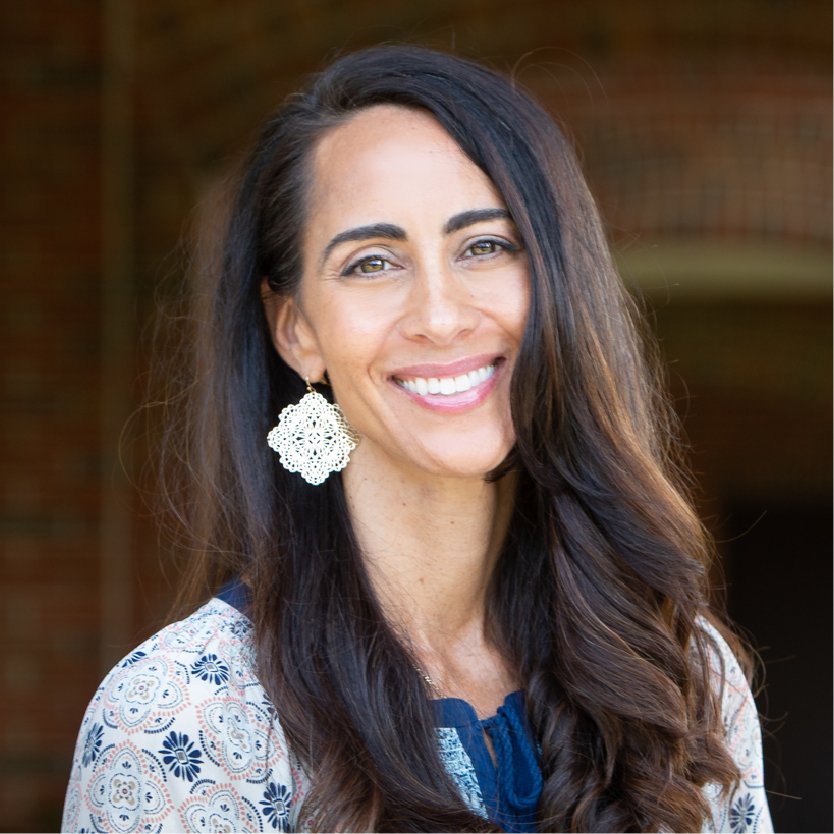
#114: You Were Not Made to Be Without a Father and Mother | Nicole Rodriguez
When your parents divorce, you almost always lose one or both parents physically or emotionally. But as our guest today says, we’re not meant to go through life without the mentorship of a father and a mother.
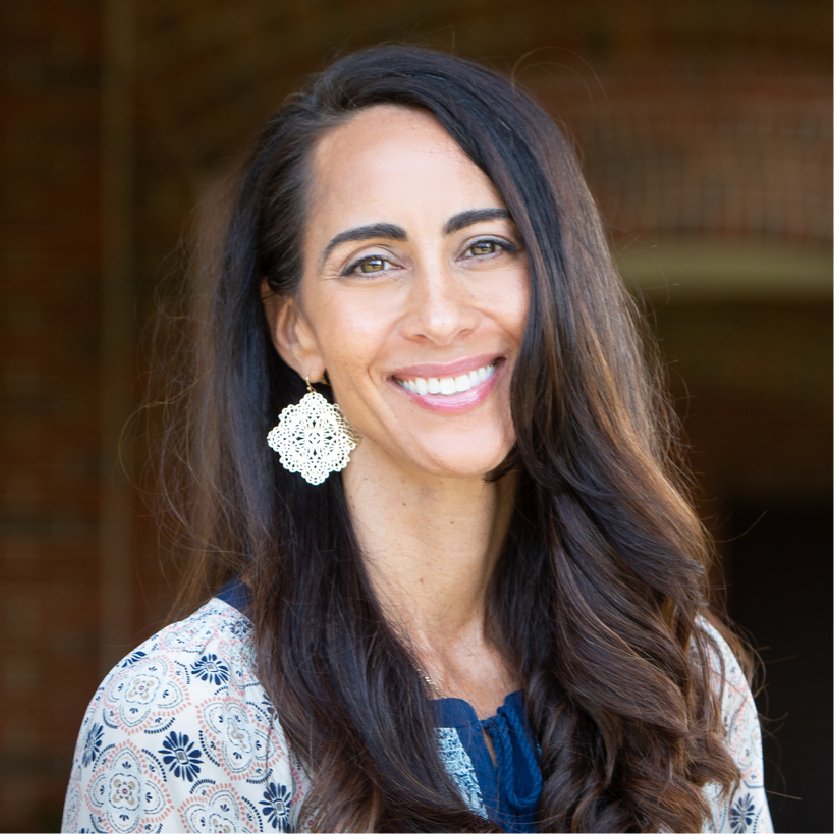
When your parents divorce, you almost always lose one or both parents physically or emotionally. But as our guest today says, we’re not meant to go through life without the mentorship of a father and a mother.
In this episode, Nicole Rodriguez shares the immense healing she’s experienced through parents who were not her own. We also discuss:
How her parents’ divorce started with infidelity and led her to feeling abandoned and lonely
The emotional numbness and skepticism toward emotion that she experienced
How she felt doomed to repeat the cycle of dysfunction and divorce, but thankfully overcame that
Buy the Book: Undone: Freeing Your Feminine Heart from the Knots of Fear and Shame
Attend the Undone Women’s Conference
Links & Resources
Full Disclaimer: If you purchase through the links on this page, your purchase will support Restored at no additional cost to you. Thank you!
To leave feedback, comment below or contact us.
Nicole Rodriguez

Enjoy the show?
To be notified when new episodes go live, subscribe below.
As a bonus, you'll receive the first chapters from our book, It's Not Your Fault: A Practical Guide to Navigating the Pain and Problems from Your Parents' Divorce.
TRANSCRIPT
Transcript produced by artificial intelligence. Please pardon any errors!
When your parents divorce, you truly lose one or both parents, either emotionally or physically. And that was the experience of my guest today. But as she says, we're not meant to go through life without the mentorship of a father and a mother. And in this episode, Nicole Rodriguez joins us to share the immense healing that she's experienced through parents who are not her own.
We also discuss how her parents divorce started with infidelity and led to her feeling abandoned. and lonely. She shares the emotional numbness that she experienced and even the skepticism toward emotion itself. We also discuss perfectionism and control that she's wrestled with in an attempt to build the life and even the marriage that was the opposite of her parents.
We also touch on how she felt doomed to repeat the cycle of dysfunction and divorce in her own life. But thankfully how she overcame that and then finally how she's struggled in relationships and marriage and what she's done, the solutions she's found, um, to that. So much good stuff ahead. Lots of wisdom.
Stay with us. Welcome to the Restored podcast, helping you heal and grow from the trauma of your parents divorce, separation, or broken marriage so you can break the cycle. I'm your host, Joey Panarelli. This is episode 114. We're so thrilled that so many of you have found the podcast helpful and even healing.
We've heard tons of great feedback. Sandy said this, she said, this podcast is so healing from the insights gained to Joey's sincere acknowledgement of the pain we feel from our parents divorce. He's one of the few people who has given me permission to grieve my parents divorce, even though it happened decades ago.
And to make me feel like I'm not crazy for needing to do so. To be able to put words and understanding to my pain has been huge. It's so encouraging to know that it's not just me and that I'm not alone. Thank you. Again, we're so happy to hear that it's been so helpful for you. We do it for you. My guest today is Nicole Rodriguez.
Nicole is a presenter for the Undone Women's Conference and has been associated with the John Paul II healing center since its earliest days. She's a contributor to the book Undone, freeing the feminine heart from the knot of fear and shame. She and her husband of 29 years are parents to three biological sons who are now powerful intercessors in heaven.
Both she and her husband have really fully embraced the call that they feel to be spiritual parents and have been blessed to share their hearts with over 30. spiritual children and Nicole has actually studied at the Theology of the Body Institute and is a certified spiritual director. And as you can probably tell, we obviously talked about God and faith in this episode and if you don't believe in God, you're totally welcome here.
Anyone who's been listening to this podcast knows that it's not a strictly religious podcast by any means. And so wherever you're at, again, I'm glad you're here. My challenge to you is this, if you don't believe in God, just listen with an open mind. Even if you were to skip the God parts, you're still going to get a lot out of this episode.
And so with that Here's my conversation with Nicole. Nicole, welcome to the show. It's so great to have you here. Thank you. This is a, it's an honor really to be here. And the gift is to share some of my story with you and, and to just see where the Lord takes us today. I'm excited to hear more of your story.
And I already admired you and the work that you've done and you guys do at the JP2 Healing Center. So excited to go deeper into your story. To start, I'm curious, how old were you when your parents separated and divorced? Yeah, I was 11 years old. Um, for me, that's a very pivotal time in life for any child really.
Uh, so it was, it was a crushing blow to my heart, honestly. Um, yeah, at that young age, so such a sense of my world and my foundation just kind of being torn out from under me at that age, um, from going from a place of feeling safe and secure to such a place of feeling, uh, where do I belong? Like where is home?
Um, no longer having that sense of security, um, in my own life at that point in time. So it was, it was a real source of sadness for me, um, and a source of loneliness for many, many years. Thank you for sharing all that. And I can totally relate. And, um, funny enough, or coincidentally, I should say I was 11 as well when my parents, uh, separate and later got divorced.
So definitely can relate to that, the tenderness of that age and just feeling the way I often talk about is it truly just shattered my world. I just brought a ton of pain and problems into my life, which I know we're going to get into kind of what that more specifically looked like for you, but to whatever degree you're comfortable sharing, uh, what what happened.
Uh, well for my parents, um, their divorce was basically, um, a point with my mom and my dad of just not being able to reconcile some differences. Um, basically there was a lot of infidelity, if you will, in the marriage and just to be honest. And so for my mom at that point in time, my parents, um, really were of no faith background.
And I just mentioned that just because I think, uh, for them. It gave way to not having a particular foundation in their life of why they even came together to begin with. They were very young, 17 and 19, so they were children in my eyes in so many ways. So, there's so much there in the background that led them to, to their divorce.
Okay. No, that makes sense. And thanks for sharing all that and lacking that kind of common purpose. And I've heard researchers, uh, say that if you can get on the same page when it comes to what you believe in God, um, kind of your parent parenting techniques, like how you want to parent, how many kids you want to have, um, on the same page about, um, in laws, like how to handle, um, you know, relationships and boundaries there, and then also how to handle money.
If you can get on the same page with those four things, Your chance of having a successful marriage, a stable marriage is much higher. And so like you're saying, that relationship with God, if that's missing and there's no like consensus there, it's going to be a lot more challenging to build something that's stable and to again, go through life, especially the challenges, um, and endure and make it to the other side.
So that totally makes sense and love for you. Feel free to comment on any of that, but I am curious about kind of how the breakdown of your parents marriage and the divorce affected you. Yeah, absolutely. Um, It had a profound effect on me, really, uh, in the area of being a daughter. My identity as a daughter.
Um, that particular heartbreak, it's just, I didn't know who or whose I was after this divorce. Uh, I felt so abandoned. And from that place of abandonment really came these lies that became the lens through which I saw life. Um, really the, the lie that I am alone. Uh, no one understands me and i'll always be alone in my suffering.
And so these wounds, if you will, the abandonment wound and these lies, lies that surrounded this whole area has really hindered my ability to mature and just in my identity as a sister, growing, right, and maturing, um, becoming a bride later on and becoming a mother. So it just impacted me in all these places of my life.
Um, and in particular as a sister after my parents divorce, I remember My older siblings just the intensity of the pain and anger that they were experiencing That their emotions felt so overwhelming to me being the youngest of three When I would go to share my own thoughts my own feelings. I just felt incredibly paralyzed, if you will, and I felt overwhelmed and not welcomed to express myself.
So I learned very quickly at that age and at that young age to really, um, to recognize that I am powerless in these places and I felt really weak, um, because I couldn't make the situation change. I couldn't change the situation with my parents. I couldn't change what I was experiencing with my sister and my brother.
Um, and so with that, it's just the reality that I didn't have anyone to process my pain with. Which is a terrible suffering to experience, to not have anyone to really go to, I'm in a process at. So I believed, I began to believe really it's not safe to feel my emotions. Um, and if I do, I'm going to get stuck and my needs and my emotions are just too much.
So that's what I carried really into my marriage, my identity as a bride, if you will, I came into marriage with this lens of, uh, two things I like to say really perfectionism, um, abandonment and fear holding it together. And what I mean by perfectionism is I thought that, um, If I pray enough novenas, if I pray enough rosaries, if I checkbox all these lists off correctly, then I will not likely experience what my parents experienced.
Um, that if I do everything perfect, I won't be anything like my family. And so I had no idea at the time when I came into marriage that really, that I came into marriage with all of the, this baggage, if you will. Um, the lies that started to affect me as I was married was just a sense of hopelessness that somehow.
I'm going to be just like my family, and I'm never going to change. So, there is no hope. And that's what I was wrestling with, um, and I was dealing with all this pain at that point, and I didn't know how to express it or bring it to my husband. And so if you can imagine, simultaneously, I'm experiencing this pain, if you will.
At the same time, I'm discovering John Paul II's writings on the theology of the body, his integrated vision of the human person, human love, and just this understanding of family life, and the beauty and the goodness of what we are made and created for. So as I'm reading this incredible vision that's being laid out, Of what we're ultimately made for and created for in family, as a woman, as a man.
It was speaking to the deepest places of my heart. It was like breaking open everything that I ached and longed for so profoundly. And it gave me an understanding like, oh my gosh, like this, this is what I'm made for. I'm made for this goodness. I'm, I'm made for family life. That I'm good, my body is good, that marriage is sacred and holy.
And so at the same time I'm reading this vision and at the same time all these wounds and these lies are starting to erupt. And I'm starting to see, oh my gosh, how do I get there? How do I live into that vision when my experience, my life experiences, do not match up to what this vision is that's being laid out for me?
And not recognize I was bound by all of these, these lies that I began to believe as a teenager that I grew into that I believe from my family life growing up. And so that reality hit. I understood I needed to journey deeper into my heart because my understanding as a daughter, as a sister, bride, and mother needed to be redeemed.
It needed to be restored. Um, all these areas of my heart, because when the foundation of being a daughter is so deeply affected, it affects everything. every other part of my heart. It affects my capacity to be a sister to others, to love well, to be in healthy relationships, right? It affects my ability to, to love freely as a bride, to be receptive and open, and to give of myself fully.
And it affects the capacity to be a mother, um, because I remember early on in marriage I was like, I was a little fearful, um, just because of my own witness of what I, what I saw around me. And yet, the Lord redeemed a lot of that, for sure. So that's kind of the starting point of, of how things started to become.
Just the seal was broken, if you will. Wow. So good. And thank you for sharing so vulnerably and I'm sorry for what you've been through. And yeah, I'm just impressed with you too. Just the pain you went through, the ways in which maybe you reacted to that, that were unhealthy and then the person you are today and the healing you found.
It's really inspiring and beautiful and something I know that all of us You know, uh, want. And so, gosh, I can relate to so much of what you said. I know our listeners can too, especially just that sense of kind of being doomed to repeat the cycle of dysfunctional divorce in your own marriage and relationships.
I know that's a big fear. Of the young people that we work with, like we want better, but we don't really know how to go about that. We don't know how to go about building a healthy relationship. And again, we feel like, man, am I just destined to repeat this cycle? And statistically it's scary to see. And I know, you know, this data, but like we do.
statistically are more likely at least to end up repeating that pattern. And so it really is a big question and an important one of like, how do we avoid that? How do we not go down that path? And I know your life, um, you know, is just a beautiful roadmap, a beautiful, um, testimony, beautiful story that we can learn from and, um, act on, on those lessons.
So I'm so grateful that you're here. I, um, yeah. Just the abandonment. I can relate to that a lot too. And remember the sense of feeling, you know, I was just on my own, like the two people that I trusted the most, my parents, once they split and, you know, that all came to light. I was just, just like you said, just this profound sense of abandonment.
Of isolation, of loneliness, no one really there to, you know, catch my tears and to, to be with me, to walk with me through all of that. And, uh, you know, that being impactful in and of itself, and I remember this one trauma therapist that we partner with, we work with, she says that what makes a trauma a trauma is really how it's handled after the fact.
If someone's there to like love you and walk with you through it, the negative effects can be mitigated in large part. Maybe not entirely, but in large part. But if we're alone, if we're isolated, if we feel that abandonment, then we're going to go through life limping on and doing the best we can in many ways.
Um, but that's not like what we're meant for ultimately. So anyway, your story is just really moving and beautiful. And I, um. No, it can relate to so much of it. I am curious, uh, just for everyone listening, how many siblings do you have? Um, I have an older sister who has since passed away, actually, and an older brother.
I'm sorry. And then I also have a younger half brother. My father is remarried and I have a brother that's in college. Okay, beautiful. Um, thanks for sharing that too. And yeah, I mean, I'd love to go deeper into your story. Um, yeah, feel free to expound on anything I just said, but also I like to hone in a little bit more on that, you know, the relationships in your life, whether those are friendships, but especially romantic relationships and your own marriage.
Like, how did you see it? You already mentioned a little bit of it, but I'm curious to go deeper of how you saw your parents divorce, the breakdown of your family impact your relationships, especially your marriage. Yeah. Most specifically, um, well in high school, it definitely impacted my, my, uh, inability to be close to anybody really, um, very protective walls around my heart.
Um, and when I met Lance, my husband, it's honestly, uh, when I first met him, It was a time in my life where I was so focused on my education and school and it was kind of a back burner idea to get involved in a relationship. But as we did grow in friendship and grow in, in relationship with each other and entering into marriage, yeah, that my family's divorce had a profound impact.
And I thought. I thought because I was doing all the quote unquote right things, if you will, as far as, um, in my life, going to mass, um, going to church, right? Praying these particular things which are very good, yet, yet the human formation and the emotional pieces that need restoration, healing are so profoundly important.
And so it's so difficult then. I found really it was like the seven year mark in our marriage that things kind of started coming up and realized like, wow, there's a lot here. Um, I was struggling with depression. I was struggling with just Gosh, is this what marriage really is? Is this all there is? Like questioning these things in the back of my mind?
Um, and like I said, coming across Theology of the Body and a lot of writings that I started diving into on the dignity and vocation of women and just all these different beautiful letters and writings within the church itself. So all that started to give me a framework for what I was made for, but yet I couldn't get past the ache and the pain of the unresolved grief that I did not.
Get to experience fully and enter into the sorrow, the pain that was really deeply locked and buried away inside of my heart. And I had the safety in my marriage to begin to actually experience it and feel it. Because I've, I've really have learned that in order to enter into the pain or to grieve the sorrow or to feel all of the emotions, the anger, whatever it was that I, I needed to experience, there needed to be a safe space to know.
That I would be loved where I'm at and what I feel before I could enter the pain. And marriage naturally gives you that space. My marriage did anyways. Began to give me that space to feel these things. Um, and yet at the same time it wasn't for my husband to carry everything. It was for him to come alongside of me and walk through it with me.
And at that point we realized I needed and we needed others to come in and help us on the journey. So it was hard. It was difficult because I felt when I would look at my husband, it was just this, this Desire to love him more fully, you know, and experience that place of like, why can't I, why can't I love more deeply?
Why can't I give more fully? Well, understandably so. I understand why now very clearly because of those places of my heart, those parts of my heart, the child teenager that were still experiencing the trauma and the pain of the loss. But having nowhere to go with it. Hmm. Profound. And, yeah, I, I know everyone listening can relate to you, who comes from broken families.
There's so much in your story that I, I just want to highlight for everyone. One of the things, if I'm hearing you right, please correct me if I'm not, that just the numbness you experienced too, of kind of like shutting off your emotions because they were so overwhelming. Or like you said, your siblings couldn't like really receive them or their.
Kind of heavy emotions overshadowed your own and I, um, certainly experienced the numbness thing through high school because, you know, like I said, my parents separated when I was 11. Once it got to the point of high school, I almost had this like distrust of emotion. I almost thought it was like a bad thing because so many of my emotions.
At least in the years prior, we're just like these quote, unquote, negative emotions of just anxiety and pain and loneliness and sadness, depression, like all the, those things. So I thought the point of life in many ways would just to kind of feel nothing, be kind of stoic. And, uh, and I adopted that for a while, but after a while, and I'm curious if kind of where you went with this too, um, I realized that.
There's just such an emptiness to that and that life is meant to be more than just, you know, getting by or trying to feel nothing, um, but truly embracing the good and the bad, like truly, um, giving it the attention. Maybe it deserves. It's a better way to say it. Um, so yeah, I think that that numbness, I know it's a kind of a typical trauma response, but it's something certainly that I wrestled with for a while.
And it actually, it didn't change for me until like later in high school when my brother was actually studying over in Austria. Yeah. Um, and I was able to visit him, um, based on like my, you know, just kind of school schedule and everything. I had some time to go visit him. And, um, it was really through that that, um, I felt like God was inviting me to kind of open my heart a lot more and just be able to experience like all the goodness of life, all the different, you know, colors, so to speak.
And, uh, man, that certainly was a pivotal point in my life where, um, I saw that I was meant to. You know, emotions aren't obviously the, um, only thing in life that only input only a bit of information, but they're part of like, we're not meant to just live from our heads. We're meant to live from our hearts as well.
And so that was kind of instructing for me. So I haven't talked about this in a while, but you just brought it out and I thought, uh, yeah, it meant really beautiful. Um, and I'm curious, kind of your, um, experience with like battling the numbness and kind of opening yourself. And then you already touched on it a bit, but I'd love to hear more.
Yeah, absolutely. Um, well, just to bounce back a little bit, in high school, I definitely, um, I would say because of my experience with family life, um, I definitely started dabbling into areas I shouldn't have gone into, really, because my desire To be seen, known, and loved so deeply. Um, so, you know, starting to enter into relationships that weren't the healthiest.
Uh, entering into, um, drinking wasn't the healthiest thing to be doing. So, all these things to numb the pain, if you will, right? Um, and then, later in life, Within marriage, I think the beauty of what the Lord started doing in orchestrating through my marriage and then orchestrating through pivotal people that he brought into our life and into my life, uh, where the healing really began, um, but ahead of getting to those places it was just, I, I completely can relate to the experience of having so much shame around my emotions.
So much shame for feeling anger, so much shame for feeling sorrow, so much shame for like literally having any kind of, um, emotional experience. Because when I felt anger, it was just like, it was anger explosive. It wasn't this medium, you know, and that's because I was never taught. How to regulate and navigate my own emotions.
Um, and so, so much shame would come in with feeling the anger. So just such a spiral would happen over and over, right? Of this cycle. around emotions. Um, and it wasn't really until it's so beautiful and amazing just like in my marriage of pregnancy actually and experiencing the gift of being pregnant and then actually um, experience the loss of our one son Thomas and I say this In such a delicate way that in that profound experience, the Lord was speaking so strongly to me about the importance of experiencing my emotions, the grieving of the loss.
And as I was grieving the loss of my son Thomas, memories were coming back of my childhood of the abandonment and the loss I felt. So at the same time I was grieving the loss of my son, but grieving also the loss as a child feeling my heart as a little girl, this vulnerable place of experiencing this loss.
Of the many times I'd cry myself to sleep at night, those memories that started coming in. And the Lord was just so, saying clearly to me, this is what it means to be fully alive. It's to feel all of your emotions. And it just started breaking things open further and further for me, of entering into my emotions, of entering into these experiences, and not running away from them and not being afraid.
Uh, because that would've been a moment in my life when it comes to losing a child, uh, within the womb, to run from those experiences, to run from the pain. But as I embraced it, I actually ended up embracing these other parts of my heart, that's just the beauty of God, right? Of experiencing another area that needed restoration and healing.
And the Lord is so good in His economy to use one experience that's so present in the present moment, yet to attach it to, other moments of my life, if that makes sense, to bring about restoration healing. Wow. I'm so sorry for what you went through with the miscarriages. We had a miscarriage early on, my wife and I, and definitely, um, very difficult, impactful, and even traumatic thing to go through.
So I'm, I'm sorry you went through that and, and your story, but yeah, I. I love what you said about just experiencing like the full range of human emotions and how that's part of what it means to be fully alive, which is so true. And I think those of us, again, who've gone through trauma and kind of been flooded, um, truly flooded with an overwhelm of emotion, um, again, I think we can, like, we're both expressing like we can have this like distrust of emotion, but, you know, slowly with the right people guiding you through your life.
Um, if you're in that spot of kind of feeling numb and not trusting them, you can get to a spot where you're, you're feeling the healthy anchor, you're feeling, you know, um, even healthy loneliness in a way that signals to you that, okay, something needs to change here. Like I, you know, I need to do something, um, to fill my life with relationship with maybe mentors or with friendships and things like that.
So love, love all of that. And man, we can do a whole episode on, on that. I'm sure. There was something else you said too that I've, uh, we've recognized in the young people that we worked with, have worked with as well as in our own lives as a team here. And that is just that desire for perfectionism and control.
And, um, Oh man. Yeah. My so much of my life. And even now it's something I have to, you know, battle, but so much of my life was just like that. Desire to control so that nothing could go wrong like you said, so well before and I've noticed, um, kind of two extremes when it comes to marriage and relationships to for people like us on one end, we might just give up on love and relationships like we want nothing to do with them or if we do, we love at arm's length like you expressed and we don't really let people in.
But it's kind of like this abandonment of what a true relationship would look like, because we just like, don't trust it, we don't think it's going to work out, eventually it's going to fall apart. So that's the kind of one end of the extreme, just like, kind of giving up on loving relationships and likely settling for the counterfeit.
On the opposite end though, and I experienced both of these, we have this desire for this almost utopia, this perfect relationship that's so the opposite of what our parents had, um, that, You know, we, we just want that with all of our hearts that we start to, again, like we're saying, try to control and manipulate and even kind of manage it to the point where it becomes an idol and it becomes something that we, you know, can't realistically hold up even if we can create some sort of facade for it.
Sooner or later, our humanity and our spouse's humanity is going to come out and we'll realize like, no, no, no, it's marriage is not going to be this. Perfect. Flawless thing. That's totally the opposite of what our parents had. It might actually kind of resemble what they had, but with God's grace and you know, the right human formation and virtues, like we're saying, you can get through those things and you can end up being in a better spot than you are now, which has kind of been mind blowing for me as someone who comes from a broken family that like your struggles within marriage don't need to lead.
To like a separation and abandonment and divorce, but actually can lead to like a stronger bond, like really blew my mind. So yeah, I love your wisdom there. Absolutely. Um, and I just want to add to the reality of when you're just touching on with, um, healing and just the reality of, for me, I think what's, what people need to really hear and understand, because this is what transformed my life.
And it was when really pivotal players came into my life, which I call spiritual parents. Um, a profound bishop came into our life, uh, a founder of a, of a religious order came into our life who really mirrored the father's love and the mother's love to us, a reflection of that love in our life, and a married couple, Jim and Lois.
And um, and I think 18 years did I have with Jim and Lois before they passed away. So that's 18 years of formation, 18 years that I did not receive. Within my biological family, but what the Lord brought through these individuals was a safe place to be who I was made to be, a safe place to be loved. In my weaknesses, a safe place to be told that, um, you're going to make it through this.
It's going to be okay. You have what it takes. Always pointing me back to the truth. If I would not have had these particular people in my life, I wouldn't be who I am today. I wouldn't be where I am today because I needed a mother's love. I needed a father's love. Um, I couldn't, we're not made to be without a mother or a father's affection and love.
So even if it's not our biological parents. It's, it's somebody, right? The Lord brings people into our life to help journey with us into these places of our hearts and I needed that. I needed someone to journey with me into this place in my heart. I remember my spiritual mother said to me, Nicole, when you walked through that door, you came through as a little girl.
I was in my early thirties. You came in as a little girl, she said, but now I see you as a young woman. I literally had to mature and grow in all of those places in my heart. All the things I missed. Growing up, you know all those marker points that we need and if it honestly they believed in me They loved me really well and to be seen and known and delighted in and to and to feel like someone rejoices in your presence Like that's family life and not that family life is going to be perfect, but we all need to have that experience Because that kind of love is what heals and if it wasn't for that kind of love in my life I wouldn't be able to still be married.
I wouldn't be able to love the way I love. I wouldn't be free as to where I am now without these individuals loving me through these moments where I just needed compassion and tenderness and kindness so that I could have compassion and tenderness and kindness towards myself so I could begin to grow in my own emotional life and understand what my emotions actually mean.
So that was like, that was in combination with good counseling. That was solid, solid counseling that I had in my life. Um, that gave a language to what I was experiencing that started putting things into context and helping me realize like, no, actually, Nicole, that was a valid emotion as a child. Your anger, your sadness, you're crying yourself to sleep at night, you're longing for your mom and dad.
That was healthy and that was normal and that was good. I lived for years thinking that wasn't healthy, normal, and good. I don't know why. But that was in my mind, that somehow it was shameful to have a need for my mom and dad. It was shameful to, to have these emotions, the sadness, the sorrow, the grief, the anger, the hate, you know.
No, it was all healthy, normal responses to what I was experiencing. And to come into a place of embracing that and knowing that, that unlocks freedom. It unlocks the heart to be free. And like that's just been, that's been my experience and that's been part of my healing journey to be where I am now. I wouldn't be who I am without the individuals that came into my life, to mother and father me in these places specifically.
Um, and to share life with them, to share meals, to share conversations, to share the deep places in my heart, to have them pray with me into some of these areas with healing prayer, like just encountering love and those memories that I thought were dismal and dark. So it's like we, we all have these places.
And, um, and it's, it's a lifelong journey. Like it, it hasn't ended for me. There's so much more life and joy in my life now than I would have ever had 20 years ago, 10 years ago, five years ago. Just gets better and better and better. It's like a fine wine. I tell everyone, it's like you get better with age.
It really, you really do. I love it. That's so hopeful. And I think we all need to hear that. And so thank you for, for sharing all that and how beautiful that you had people in your life to mentor you and to love you and to. In a very real way. Like you're saying, fill the gaps that were left by, you know, your parents, not to shame or put them down in any way, but it's truly what happened.
Like you didn't get that formation love that you needed. And so, yeah, it's beautiful that these are the people came into your life and were able to kind of compensate for that, which is, which is really amazing so much. I want to say that I want to get deeper into your healing journey though. Before I do something you said before, I just want to say this for everyone listening, especially if maybe you're married and you're struggling in your marriage or.
Maybe you will be one day. Um, the seven year mark, according to, um, data from like the U S census is actually the typical mark for separation. And then typically statistically for first marriages, I'm talking about the, um, uh, one year later at the eight year mark is when most couples get divorced. Uh, some people call it like the seven year itch.
So a lot of struggles can come up though. I don't understand why totally. Um, but it's interesting that in your story. That was, um, kind of the trend there as well. So if you are married and you're facing those struggles, or, you know, maybe you do in the future, um, understand that that is a pretty common occurrence and there's so much hope and help out there for you.
And we've had episodes on different resources like the Alexander house and different, you know, um, resources to help you through difficult times in marriage. But I just wanted to mention that cause I thought that was a really interesting correlation between the data, but I'd like to go deeper into your healing story.
So you already mentioned some things that were really helpful. helpful in healing for you. What else would you add in terms of kind of the biggest things that really helped you to heal from the brokenness from the wounds that you endured from your family's breakdown? Yeah. Um, most definitely, like I mentioned, counseling was a huge help.
Um, I even found, um, people can look this up, I'm, I'm not going to be willing to give a great explanation for this, but EMDR therapy, um, uh, with an incredible group out of Wyoming. Uh, that I worked with and was profoundly healing in the area when it came to these memories from my childhood around my parents divorce and the effects after that, I found to be incredibly helpful, um, for myself and also just, I think is so, so needed is just.
I'm gonna say it over and over again is spiritual families, spiritual parents, um, to love. And that was incredibly huge in my life, um, also for myself. Healing prayer was, um, something, and people might be asking, like, what is that? What does that mean? It's, it's just really a, um, a place of inviting Jesus into these moments, these memories of our life, and asking where he was in that situation, or how he saw me, or, or, um, just to experience, like, what was the truth in that moment?
Uh, when I was believing a profound lie that I was alone and that nobody was there to care for me and experiencing truth, the truth of where he was in that moment and how he saw me and who, and who I was in that moment, um, and experiencing that with my spiritual parents actually at times praying with me.
Um, so those were, these are really big areas. And for myself too, the sacramental life has been profound, uh, for me within the Catholic Church. It's just. Yeah. the gift of the Eucharist, the gift of, um, yeah, the anointing of the sick, just the gift of confession, having incredible priests who have a Father's heart and know how to see the truth in my own heart and call it out and call it forth.
Um, that has been incredible. Um, again, they're just You know, it's just, we're made for communion and intimacy. We can't heal by ourselves, we can't heal, I can't heal on my own. It's just not, it's not possible, we're not made for that. We're made for intimacy, and healing comes through authentic love, and it comes in a place of safety, and it comes in a place of belonging, um, and just knowing that, yeah, that you're good, and that you're seen, that you're known, and you're loved.
It's encountering that and I know when I first started encountering that, actually authentic love, I, I would walk away and feel desperate inside of like, how do I cling to this? How do I grasp to this? Like, because I was so thirsty for, for it, you know, even the good authentic love. I was so hungry for it.
It's at, at first responses, Oh my gosh, will I ever get this again? And learning, having to learn that no, this is steady. This isn't going anywhere. This is lasting. And because of coming from a divorce household, I didn't know that. I didn't know that, oh yeah, love can last. These people aren't going to leave me.
They're going to stay with me. Something's not going to happen and go wrong. Like always living with that in the back of my mind, not necessarily as conscious of it. The fear that someone is going to leave, something's going to happen, and yet it's steadfast love that, that is unchanging and when it's unchanging and our hearts begin to really Receive it and know it, it starts to transform.
It started transforming me from the inside out. So, you know, those are the things that have been profound in In my life, and it's been seasons, seasons of counseling, right? Yeah. As you enter new chapters of life, I've noticed in my own life, you know, brokenness from your past might surface again and you kind of need to go back into it.
It's not something that's like a one and done. Um, we like to talk about it here as like an infinite goal, kind of like fitness or health or physical health. It's like, it's not something you just like stop one day, like, Oh, I've reached the pinnacle of fitness. I'm now able to no longer work out and no longer eat healthy.
It's like, no, you need to stay on top of that. And I think it's similar, um, just with, you know, healing, um, emotional wounds as well. Yeah, absolutely. And I, I just, when I say one thing, I think I really learned from my. My spiritual father was 97 when he passed away, um, and I can remember in his 90s, and he came from a family that, um, that was secure and stable, that wasn't divorced, but he would share with me, he would wake up and say, there's just other areas of my heart that, that still need a little work, that the Lord's showing me that it needs a little bit of restoration.
He was in his 90s, and I thought, like it gave me such a beautiful example of like, this is normal. Like this is what normal actually is and this is what healthy actually looks like and that it's there's nothing there's there's no shame There's like no shame in the fact that there are other areas of our heart that will still need to be tended to like That it's okay, and it's good, and there, that's very freeing to come to a place of realizing this ache I feel, oh it's okay that it's there.
It's gonna be okay. This isn't going to, I'm not going to shatter because of it. Um, so to have visual representations of that in one's life, we, we need people in our life that are reflecting this truth to us. Because it, it literally starts to rewire all those places of our thinking and our way of seeing things to rewire it to the truth, right, to what is good and true and beautiful within our brains, within our minds, within our hearts.
So we're truly living life based on the truth, not some lie that we told ourselves when we were kids or that came from the wounds that we experienced. Beautiful. No, I, I love that. And I was curious for everyone listening, um, the EMDR therapy with a group in Wyoming, what was the name of the practice and if they have a website that you remember, I'd love to give that.
Yeah. It's Veritas Splendor in Cody, Wyoming. Okay. Sounds great. We'll link to that in the show notes, guys, in case you want to check that out as well. Nicole, I know we're close to the end of our time together here and I wanted to, uh, just if you would contrast a little bit your life, kind of how it was in the past and how it is now.
I know you'd say that like we're just talking about right now, we're always kind of a work in progress. There's always more work to do, more growth to, um, be done, but I'm curious kind of, yeah, now that you've gone through this healing journey for. You know, um, years now, what does your life look like now compared to how it was then?
Well, My life was defined by my parents, I, um, divorce. So my identity was defined by their divorce for many, many years. And now, my identity is defined by being a daughter, um, and knowing who I am as a daughter. So the difference now is that divorce no longer defines my identity. At all. What defines my identity, you know, is, is being a daughter and what defines my identity and understanding is now that I am able to, instead of being afraid of my emotions and feelings, I can now enter my emotions and feelings without fear that I can experience them, that I know what it means to actually regulate the emotions and return to joy.
Um, I know what it means to experience it. Freedom in my marriage and being able to love, I'm not perfect at any of it, but being able to embrace what's imperfect with, with just joy, with being okay, with knowing like, I'm okay. This is, I'm actually, this is actually normal, you know, to like have that healthy outlook on life.
Um, I'd also say just being able to be receptive and open and loving. the person I am now versus the person I was, right? High school has voted most likely never to get married. The contrast is very vast now, very different. It's not that I no longer am that individual. I am who I am. Um, but it's, it's the lies, it's the wounds that do not paralyze me and hold me in bondage anymore.
There's freedom. And I, in life, really, I'm learning over and over again that we're always coming into greater freedom, we're always coming into, into a greater understanding of ourselves, into, um, you know, the greater glory of our marriages, a greater, greater, like, restoration, if you will. Um, we go from femininity to femininity as, as a woman, right?
As a man, from masculinity to deeper masculinity. It's like, we're always going deeper into who we're made to be. So, that, to me, brings comfort in my life now, where, as before, I wanted the perfect picture of how life was supposed to be. The utopia, right? And, um, and, and within my own faith, the utopia is the perfection of theology of the body, if you will.
It's a journey there. It's a journey there. It's a lifelong journey. Um, and we get tastes of it on this side of heaven. So it's just, um, yeah, there's just more of a sense of being grounded. And knowing who I am now, your story is so inspiring. Thank you for all of that. And I wanted to ask you to kind of a difficult question.
If your parents were listening right now, what is it that you would want them to know? Oh, well, I would want them to know. I can so freely say this with, with the freedom of my heart of how much gratitude I have for their, for their lives and for the gift of their union, that I am a product of their union.
Um, and just how much I deeply love them. And I, I really, I really feel the love that I have for my parents now is, is really due to the love that I've received through spiritual parents, the healing I've received. So now I, I see them with so much love and compassion and mercy, um, and I don't have a quote unquote need.
For them to fulfill something in my heart that they're not capable of doing. Um, it's just more of a freedom to love them for who they are or where they are at. Um, yeah, so with my father in particular, I'd say great grace and my mother, you know, passed away several years ago. And, um, and, you know, with that said, if I can share just a moment of, uh, A beautiful story that happened at the end of my mother's life.
I always like to say that the Lord wrote the end of my parents story with, uh, His final word of like mercy and compassion and restoration. Just in the last Week of my mother's life, um, we had the gift to be with her and my father came every single day just to be present and, uh, during the last couple days we realized my mom was waiting for my dad to let her know it was okay to go home and so we let him know that.
And he came over. And he started to have this conversation with her, and I realized this was an incredibly profound sacred moment happening in front of my eyes. And as I, as I saw my father letting her know, like, it was okay to go home, um, and that he was giving her the okay. And within several hours she started to transition from this life to the next.
And my dad was there at the end and he said to her, it was my brother, my sister, we were all surrounding her bed. He said to my mom, he said, you know, you're surrounded by love. He said, you're surrounded by your family and we love you. He goes, and you're going home to the father's house. He goes, and it's okay to go home.
And uh, she breathes her last two breaths. And I would have never imagined my entire lifetime that my parent's story would be written by like restoration, mercy, and love. Um, it was, it was incredible, just incredible. And um, that forever deeply transformed. My heart and I am forever grateful for that moment.
And I say that I say that as a word of encouragement To everyone who's listening whether that happens with your parents isn't the point but what the point is is is that you're so deeply loved by the father and he desires to bring a restoration to every part of your heart and every every point of your life and It can look different.
It doesn't have to look like it looked like for me in the moment in that moment But it's no less as beautiful and as good, you know, in the way that he wants to bring love and life and restoration to your heart. So it's like, he wants that for you, is my point. As much as he wanted it for me, he wants it for everyone who listens as well.
Nicole, wow. What a beautiful ending. And man, definitely brought tears to my eyes hearing that about your parents. Yeah. Wow. No words. Really, really beautiful. Thank you for sharing. Before we close here, I just want to make sure if people want to reach out to you or make use of what you offer, um, first, what is it that you offer and how can people find you online?
I wanted you to, if you would give a little pitch for your book as well, um, the book you contributed to. Oh yeah. Undone, um, Freedom for the Feminine Heart. So The book basically is, um, it's a beautiful book. It's written by Carrie Daunt, um, and basically she put together a compilation of stories of women and healing from the areas of their identity as daughter, sister, bride, and mother.
And in mine, stories particularly in the area of motherhood and my own healing. So a little bit more of my story is in that chapter within her book. Um, so you're welcome to, to look it up actually. John Paul II Healing Center, uh, they'll have it online there as well. Um, if you want to check it out. And, uh, And also Undone, the women's conferences.
They have so many beautiful conferences that I would recommend. If you're on your healing journey, healing the whole person is beautiful. Restoring the glory, uh, for women there's Undone. Um, and yeah, there's just Yeah, a plethora of things available out there just to let you know that's there too. Um, as far as myself, yeah, I'm through John Paul II Healing Center.
I'm online. I'm on Instagram if you want to follow me on Instagram and see the, the life I live and the beauty of all the spiritual children, my husband and I have together. And, um, yeah, just, you can find me there. Awesome. Thank you so much. And we'll make sure to link to your Instagram account there as well and to the conferences.
I know you lead those conferences as well, and you're one of the speakers, which is really amazing. So guys, definitely couldn't encourage and endorse, um, the JP2 Healing Center enough and Nicole's work as well alongside Dr. Babchut. So, Nicole, thank you so much for, for being here, for sharing so vulnerably, for, yeah, just everything you've been through, um, now is, it's amazing.
It's a blessing. I don't know if you could have imagined that when you were going through it then, but all the pain and all the problems that you faced are now just like a huge blessing. You're able to truly guide, mentor, and even parents. Um, those of us like maybe behind the path. Um, so thank you. Thank you so much again for being here.
And I wanted to give you the final word. I'm just curious what final advice or encouragement would you give to everyone listening, especially people listening who maybe feel super broken and stuck in life because of the breakdown in their family. And their parents divorce. Yeah, I honestly want to say to you that, um, just like in my own life, divorce is not, uh, the final word in your life.
Um, it's not your identity. It's not who you are. That brokenness is not who you are. It's not your identity and it's not the final word in your story and that there's more being written with your life. Um, there's more to the story of your life and there's more to come. So just the reality of, of standing in that truth.
I know it's really hard when you're feeling the intensity of the pain. Internally, um, But just to, just to let you know that there is hope and there's healing and there's restoration and I'm going to be praying that your hearts will receive the goodness and the beauty and truth of who you are and that, that will come through the people who are currently in your life and maybe those that the Lord wants to bring into your life.
But be not afraid is the greatest words I have to say. Be not afraid of what you're experiencing. And to know there is life on the other side of it. I love talking with Nicole. She has so much wisdom. She's obviously reflected on this a lot. And it was really good to hear her story. If you want to share your story with us, we'd love to hear it. There's three easy steps to do that. But first, some of the benefits of sharing your story. Reflecting on your story is actually healing on a neural basis.
Biological level makes your brain healthier by actively and constructively reflecting on your story. Writing your story is also helpful as well. There's been studies that have found that people who write about emotionally significant events in their lives are actually less depressed, less anxious, they're healthier and they're happier.
Uh, sharing your story with someone else. It's again, is really helpful in healing on a neurobiological level. And also you can give some guidance to someone who's maybe in a similar spot that you were in. Um, but maybe there are a few steps back on the path. So if you want to share your story, it's really simple.
Just go to restored ministry. com slash story, or just click on the link in the show notes. On that page, you'll be guided through telling a short version of your story, just filling out a form. And then we'll take that and we'll turn it into an anonymous blog article. So if you want to share your story, go to restoredministry.com/story, or just click on the link in the show notes. That wraps up this episode. If you know someone who's struggling because of their parent's divorce or their parent's broken marriage, uh, share this podcast with them. You'll never know how grateful and how helpful it will be to them unless you actually do it.
And honestly, feel free to take like 30 seconds out and just shoot them a quick. text message to say, Hey, I was listening to this podcast, you know, it's been helpful for me and I just thought it'd be helpful for you given everything you've been through. No pressure to listen, but I know it will benefit you.
Something like that. You will be shocked at how grateful that person will be. Even if they don't say it now, I wish someone would have done that for me. In closing, always remember you are not alone. We're here to help you feel whole again and break the cycle of dysfunction and divorce in your own life.
And keep in mind the words of C. S. Lewis who said, you can't go back and change the beginning, but you can start where you are and change the ending.

#111: The #1 Lie About How Divorce Affects the Children | Cody
There’s an extremely popular lie about how divorce affects the children.

There’s an extremely popular lie about how divorce affects the children. In this episode, we discuss that lie with my guest who is an only child from a divorced family, plus:
The loneliness, addiction, and social problems that stemmed from his family’s breakdown
The anger and even hatred he felt toward his parents and how he feels now
A unique thing he and his wife did before they were married to strengthen their relationship
Get the Book or First Chapters: It’s Not Your Fault
Get the FREE Guide: 5 Tips to Navigate the Holidays in a Broken Family
Links & Resources
Full Disclaimer: If you purchase through the links on this page, your purchase will support Restored at no additional cost to you. Thank you!
To leave feedback, comment below or contact us.



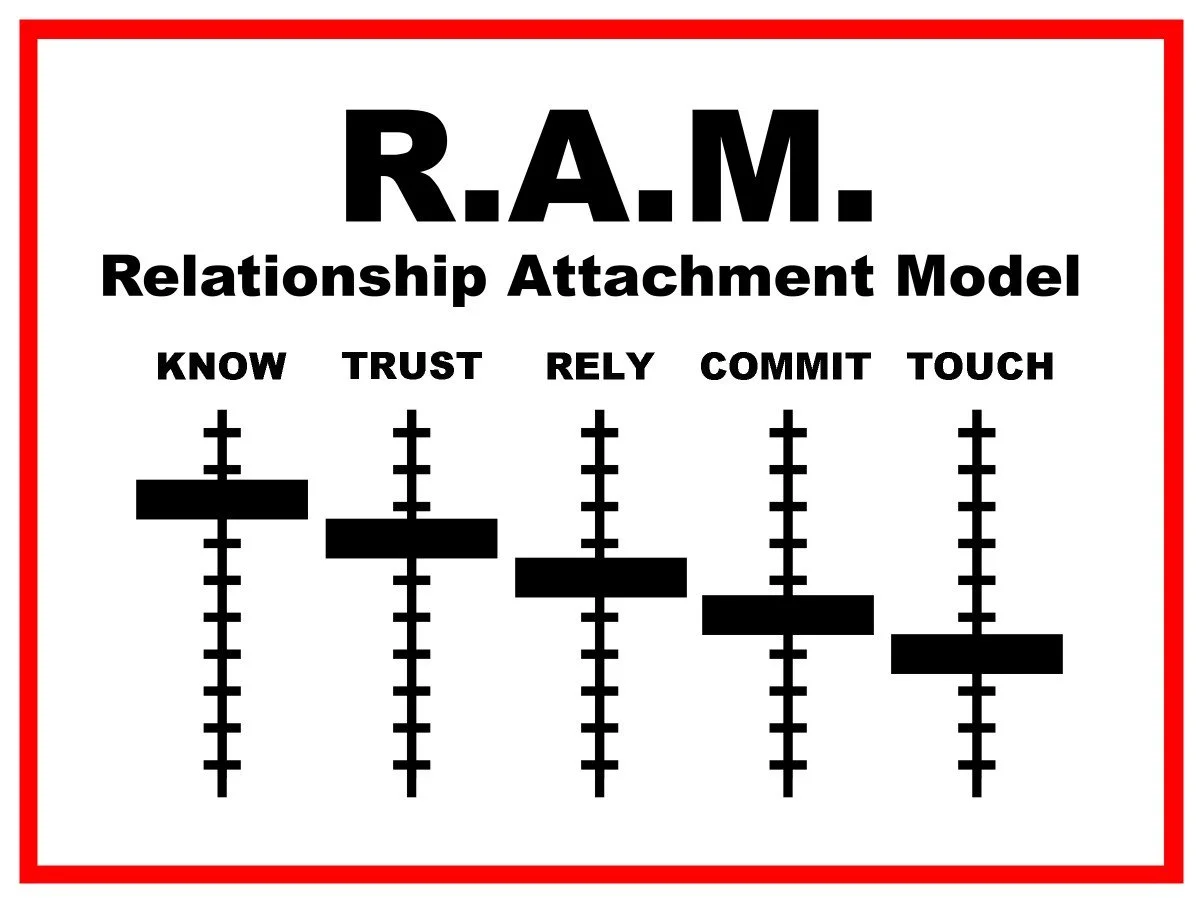
Enjoy the show?
To be notified when new episodes go live, subscribe below.
As a bonus, you'll receive the first chapters from our book, It's Not Your Fault: A Practical Guide to Navigating the Pain and Problems from Your Parents' Divorce.
TRANSCRIPT
Transcript produced by artificial intelligence. Please pardon any errors!

#100: How Restored Helps Children of Divorce and Broken Families
What’s brought the most pain and problems into your life?

What’s brought the most pain and problems into your life? If your answer (or a top answer) is your parents’ divorce or the breakdown of your family, this podcast is for you.
In this episode, we talk about the specific pain and problems your parents’ divorce or family breakdown bring into your life. We also highlight resources to help you heal and build virtue, so you can feel whole again and break the cycle of dysfunction and divorce in your own life.
Take podcast survey (5-10 min)
Schedule donor pitch with Joey
Share how Restored has helped you
Content
Coaching: Find a coach
Community: Join Restored’s FREE community
Enjoy the show?
To be notified when new episodes go live, subscribe below.
As a bonus, you’ll receive our free guide, 7 Tips to Build a Thriving and Divorce-Proof Marriage!
TRANSCRIPT
Transcript produced by artificial intelligence. Please pardon any errors!
I have a question for you. What has brought the most pain and problems into your life? And if your answer or one of your top answers is your parents' divorce or the breakdown of your family. This podcast is for you. In this episode, we talk about how the trauma of your parents' divorce or your family's breakdown impacts you. We also highlight some resources to help you heal and grow from it so you can feel whole again and break that cycle of dysfunction and divorce in your own life. Some new stuff that we haven't really shared on the podcast before. So keep listening. Welcome to the restored podcast helping you heal and grow from the trauma of your parents', divorce, separation or broken marriage. So you can feel whole again and break the cycle. I'm your host, Joey Panelli. This is episode 100. At this milestone of episode 100. We wanted to explain again how restored and this podcast can help you if you come from a divorce or broken family where you know someone who does. But the best place to start really is with the problem that we solve in order to show you how it can help you. Not long ago, a woman reached out to me that I call Mary and she said that when she was a little girl, she would watch her parents fight all the time. Their marriage was a mess and they really needed help, but they never got the help that they needed. And so the dysfunction just continued on for years. Fast forward to when Mary was in high school, her mom came to her and she said I want to divorce your dad. Mary didn't really know what to say to that. So she told her I just want the fighting to stop her mom went through with the divorce. And what honestly seemed like a solution to a really bad messy situation just made things worse for Mary. It just was one trauma on top of another, one wound on top of another. Now up to this point, Mary didn't really act out, she held her pain inside, but that all changed. When she went to college. She got into the party scene. She started drinking heavily that led to dating the wrong guy. She ended up marrying one of those guys who was a drug addict and an alcoholic and their marriage was obviously a mess as well. Now before long they get pregnant and because Mary was terrified that her baby would grow up in that hell and that dysfunction, she got an abortion that obviously brought a lot more pain into her life. And following that, she divorced her husband repeating the cycle started by her parents, which is super common. Some studies said that people like us who come from divorced families are 2 to 3 times more likely to get divorced than people from intact families, which is already high. And once the dust settled from, from her divorce, she fell into a deep depression and she still deals with some emotional issues to this day. Now, whenever I think of Mary, whenever I tell her story, I cannot help but think what if, what if someone was there for her? What if someone could have gotten her professional help? What if someone could have just showed her how to deal with her pain in healthy ways instead of unhealthy ways? What if someone could have mentored her and building healthy relationships and finding a spouse? I'm super convinced that her life would not turn into the tragedy it became if she had that kind of help. And I know she would agree with me as well. Now, Mary's story is pretty dramatic, but it really illustrates the type of person that we're trying to help. And I know that this is a really heavy topic, but this topic deserves to be talked about because this is such a huge problem. And one of the biggest misconceptions about this problem of broken families and divorce and all that is how big it is according to the US. Census each year, over 1 million American Children endure their parents divorce 1 million. It's hard to even wrap your head around that number and they define child as anyone 17 and younger. And that means that right now there are tens of millions of young people right now again, from broken families who are not getting the help that they need and that they frankly deserve. Like Mary. I also come from a broken family. I'll never forget the day that my mom broke the news that she and my dad were getting divorce. It just absolutely shattered my world. It came completely out of the blue and it brought so much pain and so many problems into my life. But that day I remember just being unable as an 11 year old boy to handle that news, to cope with that news. And so I just hid in the closet and I cried and sitting in that closet. I couldn't have put it in towards then, but I felt abandoned. I felt unwanted. I felt like I just wasn't good enough. And in the days and months and even years that followed, I dealt with all sorts of pain and problems. I dealt with emotional problems, like anxiety, depression, loneliness, a lot of anger for me. As a boy, I dealt with relationship issues. If someone would have told me the ways in which my parents divorced, the breakdown of my family would impact my future friendships dating relationships, even my own marriage, I probably wouldn't have believed them. I was terrified of love, terrified of marriage, terrified of relationships because I didn't want mine to end the way that my parents' marriage had. And I felt so lost and clueless when it came to building lasting love. And then finally I fell into bad habits around the time when my parents split, a buddy of mine introduced me to pornography. And so I got hooked on that stuff. And through all of that, I just, you know, before long, I knew that I was so unhappy, I felt so unhappy, so empty, so broken. And I knew that I wanted to be happy. Even as a boy, I knew I wanted to be happy and I knew to be happy I needed to heal. And so I looked around for some help and I was shocked to find that there was pretty much nothing, nothing practical for a young person like me who came from a broken family who wanted help with that in particular. And the reason I was shocked because I looked around and I saw friends of mine who were going through their parents divorce and really struggling often in serious ways. I saw how my siblings were struggling. And over the years I started reading the research and just understanding that this is a huge problem. But for some reason, nobody is really talking about it because divorce is just seen as normal. And as a result, these young people, my friends, my siblings myself, we not getting the help that we deserve since resources just don't exist for us. And so after doing business school, scaling a business in the business world, getting my MB A doing all that stuff, I wanted to take those skills and build resources for that little me for that Mary that I told you about a little earlier. But before we get into the solution to the resources that we offer, I want to stay with the problem and go deeper into it. I want to take a look at the research. What does the research have to say about this problem? And the real question is how does divorce affect the Children? And by extension, how do really dysfunctional families affect the Children? Know the research shows that Children of divorce are more likely to have social problems, behavioral problems, they're more likely to struggle in their relationship with their parents, struggle in romantic relationships, more likely to get divorced, more likely to struggle with depression or violence. They're at higher risk for suicidal attempts, more health problems, less success in school, more emotional problems and lower self esteem. And one of the sources for those findings was a meta analysis by Dr Paul Amato from Penn State University is one of the foremost authorities on this topic. And he looked at 67 different studies that have been conducted on Children of divorce and he summarized those findings in his meta analysis which was published in the journal of family psychology. Another researcher who spent a lot of time studying Children of divorce is Dr Judy. Well, if you've been listening to this podcast for a while, you've probably heard me talk about her. She did a 25 year long study on Children of divorced, the longest study that we have to date on this topic. And she wrote about all of this in her book, The Unexpected Legacy of Divorce. The Unexpected Legacy of Divorce. She studied 100 and 31 young people from 60 families. And one important detail about her research is that she only chose Children who didn't have any emotional or developmental problems prior to the divorce. And then she observed the effect that the the divorce had on them and compared them to their peers who came from intact families. And by the way, going into this research, Dr Judith expected the effects of their parents' divorce to be minimal and temporary. So, you know, they would be minor if any at all and they would be short lived if they were there. And after years of researching this, she said that she said our findings challenge the myth that divorce is a transient crisis. And then as soon as parents reestablish their lives, the Children will recover fully. That doesn't happen in her research. She found that Children of divorce were less likely to get married, they were more likely to get divorced. They were less likely to have Children. They were much more likely to heavily use drugs and alcohol. During high school, they were less likely to finish high school, less likely to go to college, more likely to drop out and far less likely to receive financial support from their parents. And the men interestingly were far less likely to enter an intimate relationship. And Doctor Judith said this. She said parents like to believe that if they are unhappy in their marriage, the Children also will be unhappy. Conversely, if divorce is better for them, it will be better for the Children. But things don't work that way. Children frequently do not share their parents unhappiness with a problematic marriage while a divorce brings pain into their lives that until now has gone unrecognized. She goes on to say that we are allowing the Children to bear the psychological, economic and moral brunt of divorce. Two main takeaways from her research. The first is that the full effects from your parents', divorce aren't actually experienced until adulthood. She called that the sleeper effect. That doesn't mean you're not affected before then, but it just means that the the full effects come out around college age and beyond. And the area of our lives is most impacted by our parents, divorce by the break 10 of our family is our own relationships, especially our romantic relationships in our marriage. And so now that I've made you all clinically depressed. I just want you to know there is good news we're going to get into that. There's resources you can use to heal, to overcome a lot of these negative effects. And so we're going to get into all that. But before we talk about the solution, we have to talk about the problem. And that's why we wanted to go into a lot of the research about this topic. But please, again, there is hope I know this is a heavy topic but it deserves to be talked about because these young people who are struggling, they deserve our help. And speaking of young people who come from a broken family, if you are a young person who does come from a broken family or maybe not so a young person who comes from a broken family, I wanted to say a few things to you first. I'm so sorry for what you've been through. I get it. I know how painful it can be. I'm so sorry for what you've been through, what you've been through, losing your parents, losing one or both of your parents, your parents splitting, losing your home, whatever you've been through, it's such an injustice to you regardless of the reason. Maybe it was justified. Maybe it wasn't, it's such an injustice to you because every child deserves a mom and a dad who love each other and who stick together and provide stability for you. And that was taken from you. And so I'm so sorry for you. I want you to know too that it's not your fault, it's not your fault. Like we feel responsible, don't we? I, I know I felt that way like there's something I could have done to prevent that from happening. But just remember you didn't cause it, you couldn't have prevented it. And there's certainly nothing you personally on your own can do to fix it. It's not your responsibility. Your parents got themselves into the situation. They are the ones who need to fix it. And what I often say to young people that I mentor is that the problems that led to your parents', separation and divorce were likely there long before you were. So it's not your fault. I want you to know too that you're not doomed to repeat your parents' mistakes. You're not doomed to repeat your family's dysfunction. You can write your own sword. You can have a beautiful marriage, you can have a beautiful family. You can, you know, live a life that's totally different than your parents. And I'm sure they want that for you as well. So remember, you can write your own story and finally, you're not alone. That's such a struggle for people like us. We feel so alone because this topic is never talked about. And so it's, it's a real struggle, but I just want you to know you are not alone like I said before, there are millions of people like us who are struggling with the same things. And so what we want to do at rest sort is not only provide resources for you, but hopefully connect you with other people. So you can realize, wow, I thought I was the only one and realize that you're not. So again, we'll mention resources to help you feel less alone and to navigate those pain and problems and even to, to find healing. And if you're listening and you're not from a broken family, um I just invite you to think about people, you know, who are like, you likely know someone who, who is and I'm guessing that's why you're listening to this podcast. But just think about that, like, who do you know who comes from a broken family and how have you seen them struggle because of it? And it's not always apparent on the surface because often people like us get really good at presenting a good exterior, but interiorly, we're really struggling and we don't know what to do with it. We feel stuck, we feel broken, we, you know, are struggling with all sorts of pain and problems. And so just, you know, give them some thought and I'm so glad you're here and we're going to give you some tools that you can use to help them. So all of that, you know, my own story, seeing my siblings struggle, understanding like there's so many people out there reading the research led me to start this podcast and the ministry behind it called Restore Word. And so what we do is we help teenagers and young adults from divorced or broken families to heal and build virtue so they can feel whole again and break that cycle in their own lives. And our ultimate vision is to not only break the cycle but really reverse it by helping young people again, to heal the trauma that they've been through and to build virtue so that they can build healthy relationships, strong marriages and good families. And if they don't heal and they don't build virtue, they're statistically much more likely to get divorced themselves and to repeat that cycle for generations. And what we've seen is that again, if you carry around untreated trauma, trauma that hasn't been healed and you're living a life of vice of sin, of bad habits, then you're going to build really unhealthy relationships to be frank, you're going to build really weak relationships which will lead to broken marriages, which will lead to weak families. And I believe that's why we're in the mess we are in our culture today. But on the flip side, if you can heal the trauma you've endured, if you can build virtue and get that, you know, those bad habits out of your life, you're going to go on and build those healthy relationships, a strong marriage and good families, which I'm convinced will transform our culture. And so that's our vision. We want to help these young people who come from broken families. But how do we do that? And like I mentioned, we want to build or connect you with resources that help you heal and build virtue, which those resources fall into one of three categories, content, coaching and community. So content, I'll mention our resources there. We have this podcast, of course, it's the top podcast for Children of divorce. And if you've been listening, you know that on it, we feature expert interviews and stories that offer really practical advice on how to navigate the pain and the problems from your parents, divorce or your broken family, how to heal from that trauma, how to build the virtue so you can feel whole again and break that cycle. In addition to the podcast, we have books, we have one book right now. We're working on our second one right now. The first book I wrote is called It's Not Your Fault, a practical guide to navigating the pain and problems from your parents' divorce. And in that book, we just feature 33 questions and answers on the most pressing challenges faced by teens and young adults who come from divorce or broken families. Our future book is research based. I'll kind of tease it there and in the future, I'll tell you much more about that book will be coming out. Hopefully by the end of this year. Um But really, really excited about that. Well, and then we also offer speaking engagements. So typically 45 minute keynote or breakout sessions, uh the three talks that we have right now will likely be adding more in the future is what I wish someone told me when my parents divorced and that talk, I just go through my story, share my story. I talk about kind of what you can do to navigate the pain and the problems. How do you cope in healthy ways instead of unhealthy ways? How do you find healing? What are some practical things you can do and how do you begin building healthy relationships? The next one is uh relationship talk and that's seven tips to build a healthy relationship and divorce proof marriage. So, in that talk, we look at a lot of psychological research and what does it take to build a divorce proof marriage, a really healthy thriving marriage. Uh What about, you know, really beautiful couples who've done it? What can they teach us? It's really a road map on how to build a healthy relationship and divorce proof marriage. And then finally a talk for parents or anyone who loves or leads young people who come from broken families. And that's titled 10 Tips to help someone whose parents are separated or divorced. We've gotten a lot of good feedback on that one. That's one of our newest talks. And so that's those are speaking engagements. We'd love to work with you if you, you know, are in a position to host us in a school church, maybe a retreat or some sort of an event like a conference. We'd love to work with you. And uh we'll mention all at the end about how you can get in touch with us to book one of those. Recently, we released video courses. So we have two video courses at the moment that are free. Um And the first one is broken to whole tactics to heal from your parents', divorce or broken marriage. And that's actually taught by a trauma therapist who's been treating trauma for 17 years. She knows a lot about trauma, a lot about what it takes to heal it. And if you're not ready for that full course, we have kind of a mini version of it called why you feel broken. And so we'll tell you again how to get all of that. The second course though is real, help a guide to confidently help someone from a divorce or broken family. And that's taught by me. We're just taking everything we've learned through my experience, the experience of people. I've known closely the young people, hundreds of young people that we've spoken to and mentored. Um All of you who listen to this show, who've reached out, we've taken all those learnings and we've given a guide to people who are in our lives who don't come from a broken family and how they can help people like us. We also do workshops that's titled How To Heal From The Trauma of your broken family. Tools and tactics to feel whole again and thrive. And my team and I offer daylong workshops which includes myself, a trauma therapist and other speakers. And we give talks, we bring you through exercises and we're just there to talk with everyone in the audience, one on one. And then in addition to all that, we also have the ability for you to share your story. We have a short form on our website sites that guides you in telling a short version of your story. You can share what you've been through what's helped you to heal and navigate the pain and problems. And then we'll actually turn that into an anonymous blog article uh to help other people. We also have uh ask restored. It's a feature on this show where you can submit questions and then my guests or I will answer those questions on this show. And then finally, we have an assessment. It's a new assessment that will help you just name and diagnose your Brokenness. You can heal it at its roots and not just treat the symptoms and build the life and relationships that you want. And so that's content. Now, we have coaching as well. We're building referral networks of coaches that we trust that we vet that we recommend. And there's a few different categories there. Uh counselors, obviously, therapists that we trust vet and recommend uh mentors. People maybe don't have the formal training and counseling, but they have a lot of advice, a lot of wisdom just from their life experience, spiritual directors. And we also want to start a program called The School of Love. One of the clear trends that we've seen from the 90 plus interviews and the hundreds of young people that we've spoken to, if not more, is that something that's really, really healing is actually just spending time with good marriages and families. I found that incredibly helpful as well. There are two families, two couples that I just looked up to a ton who really taught me, you know, that it was not only possible to build a beautiful marriage that gave me a lot of hope because I thought it wasn't, but also some tactics on how to do it. I saw how they would interact, how they would speak to each other. And so uh that school of love is what we want to do with. It is basically pair up good marriages and families with young people who come from broken families and they would spend maybe a couple of days a month together, doing chores around the house, sharing a meal together, a bonfire or whatever, just spending time together can be incredibly helpful. So with all that, whenever it comes to finding a mentor or a coach or a counselor, uh the challenge is always, uh what do you look? How do you find a good one? How do you know that the one you're choosing is the right one for you? And so we're working to solve that for you by building this referral network of coaches that we trust that we vet that we recommend. And so it's a work in progress at the moment. Um But it's something that we really want to build down, we can see that being super, super valuable. So that's coaching and then finally, community so friendship, I'm sure you've known this in your own life is incredibly healing. It can help you grow, it can help you become the best version of yourself because you become like your friends. And so the people you surround yourself with is really, really important. And so right now, we have a community that's online, that's on whatsapp at the moment. And it allows young people who come from broken families to really just speak openly about the pain and the problems that they're dealing with uh to find resources or ideas for how to solve those problems and ultimately know that they're not alone and also be challenged to grow because we don't want to just stay where we are or brood on, you know, this, these difficult things we've been through in our life, we want to close that chapter and move on. And eventually we want to take those groups offline too. And set up in person groups as well. And so that just scratches the surface of our resources of content coaching and community. We have more that we want to do in the future as well. But we firmly believe that each of those things, content coaching and community can be truly life changing. They can be solutions to the trauma of divorce and broken families. I know they have been for me, each of those things has helped me. A tonn helped me to grow, help me to heal, help me to build virtue um and become a better man. So I want you to imagine Mary, the woman whose story I shared at the beginning, imagine she had all of that. Imagine she had all of that. I'm so convinced that her life would have been totally different. She could have avoided a ton of pain and problems if she had resources like this. And the great news is that all of that is working. I wanted to share some stories uh because I don't do that a lot in this podcast and you guys really deserve to know that this is working and we're not offering like a silver bullet here, something that's going to fix all of your pain and problems and immediately heal you. That's not gonna happen if someone tells you that they have that be wary. But our resources are really helping people and we've barely marketed restored. But we've already heard that countless people have been helped. And so one day I got on the phone with a woman who I'm going to keep her confidential. But, uh, she said that when her parents divorced at 10 years old, it was really impactful for her. She was, and now she's 50. And so she's been dealing with the pain and the problems, uh, from her parents' divorce for 40 years, she's done 30 years of counseling. Uh, the counselors didn't really understand the problems she was going through couldn't really help her because they didn't really, again understand the problem. They thought divorce was normal. It wasn't a big deal. But hearing that she's been through 30 years of counseling, you might think, well, maybe she's kind of a crazy woman. That's not the case at all. She's a wonderful woman. She's been happily married, she has kids. Um, she, you know, has had a lot of financial success, had a successful career, all of that and you would not be able to tell from the outside looking in, but inside, she struggled a lot. And so when she found this podcast, she said it was an answer to her prayers. She said that the podcast alone has been more effective in helping her heal than 30 years of counseling. And if that wasn't enough, the next part she shared with me really brought me to tears. She said that one of her particular struggles sometimes is suicidal thoughts and tendencies. And so Now, when she starts to go down that dark path, she'll put on this podcast, she'll listen to the interviews and she said it immediately helps. So she told me, she said, Joey, this podcast is a ministry has literally saved my life. And another thing too I wanted to share is we've been very effective on this podcast at getting people to counseling. One woman said this. She said, I know this, I say this all the time, but that last interview was really good. I shared it today. And two hours later, a lady commented that she listened to the podcast and finally, after 20 years since her parents divorce just made an appointment for counseling. Bam. That's awesome. There's some other reviews and testimonials. I want to go through some of them. One young man said this. He shared this with me. He said, I absolutely love the podcast. It seriously feels like a life hack listening to it. It helps so much. What you're doing here is very important and meaningful. I haven't seen any other attempts to support people who suffer from their parents divorces and even if there are other attempts out there, yours is likely far superior. I'm not particularly religious though, that doesn't mean I'm not open minded. It's more of a habit developed from years of being angry at whatever divine being is out there. This podcast and everything you're doing is extremely helpful to anyone religious or not who is struggling with their broken family. I hope you make 1000 more episodes on your podcast because that's what really made me realize that all the weird stuff I've been through isn't abnormal for someone in our position, which is beyond healing. Keep doing what you're doing. You're really making a significant positive impact on people's lives. A young woman who listens said this. She said this podcast has seriously blessed me. Every episode leaves me feeling so seen so known and so loved. It's really nice to be reminded that I'm not alone and to have validated my experience with my parents divorce. I love that. Each episode leaves me feeling encouraged, hopeful and inspired. I feel so so supported to this podcast. I'm continually learning growing and even healing through each and every episode I listen to. I've even discovered lots of additional resources to support me through just giving these episodes a listen. It's so helpful. I can't recommend this podcast enough. Truly, I'm 13 episodes in and I've been blessed by every minute spent listening and I look forward to slowly but surely listening to all the rest of them. Another woman said this. She said finally a podcast that helps me understand why my parents divorced when I was five affected me so much. Joey's guests are articulate and every episode helps me heal. I normally avoid religious content. But this show is so focused on felt experience that it doesn't come across as religious at all. Major props for that. Another listener said, must listen, I'm not religious. So some ideas discussed here are new to me yet have gotten so much out of this podcast. I breathe easier. Listening to Joey discuss a lot of the common feelings, adult Children of divorce experience. Another listener said that this podcast is extremely helpful and validating and I give them so much credit for chat challenging the culture's narrative that divorce isn't a big deal or that the onus is on the Children involved to be resilient. Thank you to the guests who have shared their vulnerable stories. I'm over 40 years old and still deal with the effects of my parents breaking our family. The effects of divorce will last a lifetime for the Children involved. And this podcast is a wonderful resource for them to not feel alone and to foster healing and hope. Thank you. So, those testimonials of which there's a lot more are all related to the podcast. But just to add two more again, of many about our other resources. So after a speaking engagement, I did for 100 and 75 young people in Denver, we got this feedback from the person who hired us to speak. She said I went to a friend's house this weekend for a girls game night, the girl I sat next to just got married within the last seven months. She said she watched her marriage talk three times because she found it so helpful about my book. It's not your fault. Uh Alison wrote this on Amazon. She said I bought your book for someone very close to me who is going through their parents divorce as a young adult. It really, really helped him and was a major turning point in his healing journey. Highly recommend. I'm so glad this is a resource and I don't share all of that to boast though. I am really proud of my team and what we've been able to accomplish and how we've been able to help you guys. But really just to show you that these resources work, people are finding them helpful. Now, if you're new to the show, you might be wondering a little bit about me, like who are you? You know, I shared a little bit of my source. So you know that, but what gives me the credentials or the ability to stand up here and talk in front of you guys? Um Because the truth is I'm not a psychologist. I don't have my phd and so on this podcast and overall, in this nonprofit, this ministry, I really take the posture of a curator and a guinea pig. So a curator, I want to give you access to people. You maybe normally wouldn't have access to and then ask the right questions to build resources with them. Uh So you can get the answers that you deserve to help you heal and grow and when I say guinea pig, what I mean is I want you to learn from me from my story from the mistakes I've made the things that I have also worked for me um as an older brother. So again, I want to be able to help you along the path as well, just based on my experience. But I'm not a traditional expert or guru who's figured it all out, who doesn't struggle at all? No, that's not the case at all. But again, I want to be a curator kind of facilitate the conversations and be a guinea pig. So you guys can learn uh from my experience. But a little bit more about what I do bring to the table. In addition to that for almost 20 years, I've wrestled with the pain and the problems from my parents' divorce and I've sought solutions to the problems. I've done over 10 years of spiritual direction. I've done seven plus years of counseling. In addition to hosting this podcast, I've spoken across the US and abroad in Europe and Central America. And uh with the launch of that first book I mentioned, it's not your fault. I became an author. I've spoken mostly in the Catholic world, which I, I love doing, but I love to break out of that as well. I've spoken at Franciscan University of Steubenville Ave Maria University, the Archdiocese of Denver, the Archdiocese of San Francisco, the Diocese of San Diego. Focus the Fellowship of Catholic university students and so much more. Um I've also been a guest on Relevant radio's the Drew Mariani show. It's a really popular radio show that reaches millions of people. Uh Ewtns women made new and Jason Everetts Less is boring podcast. I mentioned before that I got my MB A and I've scaled the business and neck deep in the business world. And so I want to again, use those skills to build or point you to resources that will help you to heal and grow. And most importantly, I'm a husband and a father. Um I'm trying to live this stuff out every day again. I don't do that perfectly. I mess up, but I'm trying, I'm a practitioner again, I'm not a guru who's figured it all out, who's just pointing you along the way. But I am a practitioner, someone who's trying to live this stuff out. And for some of you, I am a few steps ahead. And so I want to help you wherever I can as well. But with that, I want to hit on some common questions that come up around this podcast around restored before we close out the show. The first one is, is this show, is this ministry only for True of Divorce. No, it's not. Your parents don't need to be divorced for you to benefit from our resources from what we're offering if they're separated perhaps, or their marriage may be just really broken. And your family was really dysfunctional growing up or even now. Uh this podcast in this ministry is totally for you. The experiences and the negative effects from those experiences are very similar can be very similar as if your parents were divorced. We also serve people like I mentioned who love or lead someone who comes from a divorce for broken families such as parents, grandparents, siblings, significant, others like a spouse, fiance, boyfriend, girlfriend, relatives, cousins, aunts, uncles, et cetera, friends, uh coaches, you know, teachers, pastors, youth ministers, and missionaries, anyone who leads people who come from broken families. Another question that comes up is, is this only for teenagers and young adults? Now, I will say we do primarily serve teenagers and young adults. Anyone who's like 13 to 30 or 35 or so. Uh But like I said before, if you find our content helpful, this is for you like no matter your age, you're more than welcome here. If you find this content helpful. Uh The reason we picked that age group is just because I felt called to them. I felt equipped to serve them. I honestly thought that our resources would be too basic to help someone above or beyond that age group. But I've actually was totally wrong about that. We've heard quite a few of you who have given us feedback that you know, you're older outside of that age range. But you've found, you know, our content, our our resources really, really helpful like I shared before. Uh And then the final question that comes up or misconception is that, are you trying to turn Children against their parents? Absolutely not. This is a big misconception about this podcast and about restored because we, you know, talk about these tough topics in a very blunt way. Uh People think that maybe we're trying to drive a wedge between parents and their Children. That is not true. Nothing could be further from the truth. In fact, there was a study of high school students where they found that uh the high school students who came from divorced families or parents who were divorced, they were more likely to struggle with depression, anxiety and loneliness. However, they found that those students who came from divorced families who had a good relationship with one or both parents were less likely to struggle with depression, anxiety and loneliness. And so parents, you play a key role in helping your Children to heal, to help mitigate those negative effects. And so since parents play such a key role in helping the people that we're trying to serve to heal, why in the world would we want to turn Children against their parents? The opposite is actually true. We want to help Children and parents to heal their relationship, which is sometimes a long road. It takes a while, but we want to help heal that relationship. And so parents, any parents listening, right. Now, please know that our content, our resources um, aren't here to condemn you in any way. We're not judging you. We're not tearing you down. Uh, I don't know your situation. I know you've dirt a lot and I'm so sorry for any of the pain that you've been through. I can't imagine what you've been through. And so we're not here to minimize your pain. Um We're really just intent on our only intention truly is to help your sons, your daughters to heal and to grow. But the first step is truly acknowledging the pain and the trauma that they've been through. I mean, imagine in the medical world, right, if you have cancer before you can heal the cancer, you first have to know that you have cancer and then you have to know uh what type of cancer it is before you can treat it and heal it and hopefully overcome it. And so that's what we want to do on the emotional side in this podcast and our resources. And so in the process, we're going to speak some uncomfortable truths. So please be prepared for that if you're a new listener that's not done on a spite or anger, but really again, a desire to help your Children because we both want the same thing. We want your Children to be healthy, to be whole, to thrive in life and have a great relationship with you. And so with that, if this podcast has helped any of you listening and you want to help us back. Uh There's three things that you can do. The first is just make use of our resources. You can view our resources, uh the link I'm about to share and then just pick one and start with one. You know, maybe you've been listening to the podcast for a while and you want to check out the book, go ahead and check out the book or maybe you want to try some of our free video courses. Go ahead and do that. So just view our resources. Pick one and start with that. You can go to the show notes at restored ministry dot com slash 100 again restored ministry ministry singular dot com slash 100. You just click on the link in the description, you'll get a list of our resources, you can pick the one that you want to start with. The second thing is we just launched our restored podcast survey uh because we want your advice on the topics, the guests and even the future style of this show. And so it takes 5, 10 minutes uh to do, but it really is helpful because it allows us to understand who you are, what you're struggling with, what you want, help with and what you want those podcasts to become. We want to serve you better. And the only way we can do that is if you tell us how we can serve you better. And so you'll be guided through that survey and we'd love to hear from you again, you can have a hand in forming the future of this show. And if you found it helpful, that's one way that you could help us back. And so you can go to restored ministry dot com slash survey. Again, restored ministry dot com slash survey. Just click on the link in the description. And finally, if you're interested in helping us reach even more young people from broken families by funding this podcast or this ministry. I'd love to actually meet with you personally on a video or audio call. Um I can share more stories. I can share our goals, future projects that we have. And so if you want to just go to restored ministry dot com slash donate, you will see a link on that page to schedule a call with me. Uh so restored ministry dot com slash donate. And uh some of the questions that come up around that is our donations tax deductible. They are, we are a 501 c three tax exempt organization. Um People are also wanting to know like what type of support are you're looking for? We have two types of supporters. So we have people who invest um monthly in us. They, you know, are, are giving monthly donations. They range anywhere from, you know, 25 to 50 to $100 to $200 to 300 to even more. We have some people who are generously supporting us. Um But we want to grow, we want go further and help more people. And so, but those are monthly supporters. Um We have people who invest on a special basis or with special gifts, usually that's once a year, but it might be some other uh cadence as well. And so, uh that's, we'd love to have you along. We'd love to have you as, as partners, as investors in this. Uh And the return on this, obviously, we're a nonprofit, but the return on the investment is really impacting the lives of young people, helping them heal, helping us build more resources to reach more young people and really get these resources into their hands. And so I'd love to speak with you personally. If you want to help us reach thousands more young people from broken families again, you can go to restored ministry dot com slash donate or just click on the link in the description wraps up this episode. If you know someone who's struggling from their parents, divorce or broken marriage, please share this podcast with them. They truly deserve to know about these resources and to know that they're not alone. And always remember, we're here to help you feel whole again and break the cycle of dysfunction and divorce in your own life. And remember the words of CS Lewis, you can't go back and change the beginning, but you can start where you are and change the ending.
#092: Is Divorce Good or Bad for Children? | Katy Faust
Is divorce good or bad for children? There’s tons of confusion around that question. In this episode, speaker and author Katy Faust offers answers with clarity and tons of research.
Is divorce good or bad for children? There’s tons of confusion around that question. In this episode, speaker and author Katy Faust offers answers with clarity and tons of research. She also touches on:
How does divorce affect the children?
Is divorce really worse than the death of a parent?
What do children need that marriage provides?
How do you navigate speaking about your parents in a respectful yet honest way?
What’s your advice to parents considering divorce?
Buy Katy’s book: Them Before Us: Why We Need a Global Children's Rights Movement
Links & Resources
Full Disclaimer: If you purchase through the links on this page, your purchase will support Restored at no additional cost to you. Thank you!
To leave feedback, comment below or contact us.
Katy Faust
Enjoy the show?
To be notified when new episodes go live, subscribe below.
As a bonus, you’ll receive our free guide, 7 Tips to Build a Thriving and Divorce-Proof Marriage!
TRANSCRIPT
Transcript produced by artificial intelligence. Please pardon any errors!
Is divorce good or bad for Children? There's tons of confusion around that question. But thankfully in this episode, speaker and author Katie Foss offers answers with clarity and tons of research to that question. She also answers. How did divorce become so prevalent? It's divorce really worse than the death of a parent. Really interesting discussion and research around that. What do Children need that marriage provides as a child? How do you navigate? Speaking about your parents in a respectful yet honest way and what's your advice to parents considering divorce? Tons of great content, had a lot of research. So keep listening. Welcome to the resort podcast, helping you heal and grow from the trauma of your parents, divorce, separation or broken marriage so you can feel whole again. I'm your host, Julie Pontarelli. This is episode 92. As I mentioned, my guest today is Katie Faus. Katie is the founder and president of them before us, a global movement defending children's right to their mother and father. She publishes, speaks and testifies widely on why marriage and family are matters of justice for Children. Her articles have appeared in Newsweek USA today, the Federalist Public discourse, the Daily Signal, the Washington examiner, the American Mind and the American Conservative Katie helped design the teen edition of Kenya Vox which studies sex, marriage and relationships from a natural law perspective. She is the author of the book. Then before us, why We need a global children's rights movement. She and her husband are raising their four Children in Seattle. So without waiting any longer, here's my conversation with Katie Katie. It's so good to have you on the show. I've wanted this for a while. So thank you for making time to join us. Well, on our little free chat here, I just realized that I've been a fan of yours for, I probably saw you like, right when you first launched because once you started talking like, wait a second, I've been on that website. So it's a joy to be with you. Thank you so much. Now you're the bigger deal and we're big fans. So thank you for the work that you're doing and I'm so excited to learn from you. I'd like to start with your story if that's okay. Like so many of us listening, even your trauma in your life, including your parents, divorce. What happened there and how did it affect you? First of all, I'm so glad that you understand that divorce is traumatic. You know, the narrative that our culture tells about divorce and really all forms of modern family is the kids will be fine. The kids will be happy if the adults are happy. And the reality is, as you know, the research shows that this is a deeply traumatic life altering event for kids and not only is it a one time event, it usually leads to multiple losses and transitions and other forms of trauma and, and lost. So you're just, you're framing is exactly right. And I'm so grateful that teens and young adults are coming to get validation from you because literally there's just hardly any sources in the world that will even tell kids that. Yeah, you are wrong to feel hurt about this. So, my parents were married until I was 10. I was clueless. I had no idea there was anything wrong and it was just, you know, some kids know and some kids don't and I was just absolutely oblivious and our parents sat down, um, and told me one night that they were getting a divorce and I was devastated. My world was absolutely rocked. Um, I ended up having like physical symptoms the first year afterwards of bizarre stomach pains that would like just, just come out of nowhere and debilitate me in the middle of a play date. And I remember my, my dad having to like, carry me places because I couldn't walk, you know, and I remember this one time where I was sitting in class ready to do like a, like a test and the teacher said, okay, pick up your pencils okay and go And then like, five seconds later, pencils down, it's time to stop. And I was like, what? And like 20 minutes had gone by and I hadn't even realized that, you know what I mean? Like, I just was so lost in the sadness and the upheaval of my life and this new reality. So my and I was petrified because the only kind of divorces that I had ever seen were the kind of divorces where the dad moves away, or the kid sees their dad once a month or only on the weekends. And my dad and I were really close, my mom and I were really close and so I was just so afraid that I was gonna lose, especially my dad, you know, so long story, they actually had a very amicable divorce and lived very close to one another. I could go see whichever one I wanted whenever I wanted. And so I ended up remaining in pretty close relationship with both of them throughout honestly, through the rest of my life. And for that, I'm very, very grateful. But, you know, the story is always, is not just That one time event of we're now getting divorced, it's really what ends up being nonstop change and instability after that. Right? So my father dated, he had, had a lot of several different girlfriends and then remarried. But very soon after the divorce, my mom re partnered with a woman and they have been in a relationship together ever since then, since I was 10. And so they've been a really big part of my life with the remaining of my adolescent years and then as a young, married and as a young mother and now as a mother of teenagers, so we, we've got it all going on and my husband's from a divorced home too, but his was not the kind of divorce, like my parents could still be in the same room together and we would sometimes spend holidays together. But for his parents, it was war, you know, and not just war with each other, but they used him against the other parent. So, you know, even though my story sounds somewhat dramatic, he had a more of a conventional, you know, both of his parents remarried heterosexual and it was very, very hard. I mean, his heart, they divorced when he was three and his mother actually was killed suddenly when he was 16. And he would probably say that the divorce was more traumatic than his mother's death. So we are definitely in that camp of people who are seeking to parent the family. We wish we had had as kids. We want to be the people who were, you know, especially my husband when we were dating. He would say, are you serious about this relationship? Because my Children will never live through what I've lived through. If we get married, it is forever and I'm, and I mean, he would just have me like, recommit all through our dating and engagement. He's like I am not going to do this unless you are all in because he vowed that his Children wouldn't live through what he lived through. Wow. Incredible. Thank you for sharing and man, yeah, my heart breaks for you and for your husband and I can relate on so many levels. And you know, I know uh in the book, in your book, you mentioned so clearly how there's really no such thing as a good divorce, even if some are less dramatic. And so what we'll get into all that for sure, especially the difference between low conflict and high conflict. That's a really important distinction that you make so clearly in your book. But I wanted to stop for a second on a pain point that our listeners deal with a lot and that is talking about this topic at all. So I'm curious how you as a public figure, talk about this topic, navigate, speaking about your parents in particular in a respectful, yet an honest way because like I said, there's a painful point for our listeners where we want to be honest, truthful about what we've been through that our parents actions and decisions harmed us, but still honor them because we love them. Like we want to respect them, we want the best for them. So how do you navigate that little trip? The ministry trade because when I am not doing children's rights advocacy, I'm deeply involved in church. My husband's a pastor, we do tons of counseling. I do tons of walking with people in difficult situations and you know, the women's ministry world in my life. We've got a little saying that says you don't need to tell everybody everything, but you do need to tell somebody everything. And so somebody needs to hear every little corner of the pain and the confusion and the loss that you've experienced. It's good to do that with a counselor, but it's I would say better to do it with a trusted friend. You've got to let somebody in, right? Because the areas where people don't get to come in those areas very quickly start to control you. So I think that you should tell somebody everything but probably not publicly. So for my situation, it actually is fairly easy for me to speak well of my parents because there's some things that I'm not going to share about them. You know, some aspects of things leading up to their divorce, post divorce. That's just not my information to share. So I don't, I can talk honestly about kind of give an overview of how it impacted me the divorce. But the reality is I don't share their dirt. I just don't, but I can absolutely share the things that they did. Well, like both of them remained very connected to me. Very intentional. They were, they did their best to live at peace with one another. And I will also say this, that as they re partnered and remarried, neither of them, they did a very good job of making clear that their new partners were not my parent, right? I had a mother and a father. Neither of their new partners or, or spouses ever tried to replace or step into the role of my mom and dad, which I thought was very smart. So I think that, that my parents, you know, obviously it was the undoing of the home that I loved, you know, and wanted every child wants their mom and dad to love them and love each other. That's, I mean, like, I've never heard it more simply than that. I'll tell you what every kid wants. They want their mom and dad to love them and they want their mom and dad to love each other. That's it. And if they're not loving each other, right. That's a, that's a sort of a death for the child in some ways. But even if they weren't loving each other, at least they continued loving me and I still had a full relationship with both of them. Beautiful. Thanks for that advice. That is helpful. And are you familiar with the podcast? The place we find ourselves? It's a great podcast. Yeah, it's a great podcast. He's a therapist out in Colorado and he really makes healing simple, which I love. And so he talks about trauma and how you heal from. And one of the things he teaches is that neurobiologists have found that um one measure of brain health is neural connectivity. So for everyone listening, if you imagine your brain is like a web of connections, the more connections you have, the healthier, your brain, the healthier you are as a person. And he says that the act of reflecting on your story in a constructive way. Um And in addition to that, telling your story to someone who can receive in an empathetic way, actually heals your brain because it increases connectivity, thereby making you healthier more whole. And so I think that advice is fantastic and we're big proponents of that as well. So I love that I want to shift gears to your book if that's okay. So in the chapter on divorce, the main point you really make throughout that whole chapter is that divorce is traumatic and it's bad for Children like we said at the top of the show and you prove it so clearly. So I'd like to get into some of that proof. But before we do, I want to give you the chance to elaborate a little bit more on what you just said, which is, you know, what is it that marriage provides for Children that they need so badly? You mentioned it already. But I want to give you a chance to go and if you don't mind. I'll back up a couple more steps and just say what I do if that's okay. So, back when the whole marriage debate was raging, um, in 2012 kind of first came on my radar. Um, what I heard people saying, you know, in, in an effort to advance gay marriage is kids don't care if they have two moms or two dads. And what that means is kids don't care if they've lost their mom or dad. Because every time you're looking at a picture of a kid with two dads, you're looking at a kid with no mom. Every time you're looking at a picture of kids with moms, you're looking at a picture of a child who has lost their father. And you know, we've been doing youth ministry and I have a background in adoption work. And I think there's very few things kids care more about than being loved and known by their mom and dad. And so to me, it was just this huge, it was like the weaponization of child pain to advance a political agenda. And I totally couldn't handle it. It like it enraged me. And so it got me into writing about the importance of mothers and fathers. And then because I realized that the whole marriage debate around gay marriage especially obsessively focused on what adults want. But then the more that I did like research and on all of this, I realized everything that has to do with marriage and family is always focused on obsessively on what the adults want, whether you're talking about like reproductive technologies, it's so focused on the pain and the longing of people with infertility, you know, or people with same sex attraction that want to have a child or cohabitation or polygamy or like all of these different topics, everything we hear about, it always has to do with elevating adult feeling, desire, longing, identity above the well being of kids. And you can see that plainly in the conversation around divorce. It is always about what the adults want, what's going to meet their needs. It's their suffering, it's their longing, it's their new romance, it's their unfulfilled part that always takes center stage and the kids just have to stick it and it makes me so angry. You know, I'm like all of us. I am surrounded by kids who are, who have just been told their parents are divorcing, who have been in this process for a year or two, who are 10 or 20 years out of it and it very often leads leaves a lifelong wound. So my I started a nonprofit in 2018 in essence saying that Children have a right to their mother and father and every question about marriage and family, whether it's the definition of marriage, how we think about divorce, same sex, parenting, sperm donation, egg donation, surrogacy, adoption, polygamy. Every conversation we have about marriage and family in essence boils down to matters of justice for Children. And that is, are you protecting children's right to their mother and father or are you violating children's rights to their mother and father? So we wrote a book about that. We, me and my co author Stacey that goes through each of those topics. Chapter one is just all about why Children do have a natural right to their mother and father. And it's not a stretch, it's a pretty well established, nearly universally agreed upon principle. Chapter two is all about why biology matters in the parent child relationship. And this is pretty relevant probably to your audience because they have experienced the dissolution of their parents', marriage of their two biological parents. And then very often they have begun to be parented by somebody who was unrelated to them in a handful of redemptive cases that has gone well because that unrelated adult is genuinely seeking to step into the child's life in a way that is redemptive, but in the majority of cases that has not increased child well being. And that's because research shows that unrelated adults are less protective, less connected, less invested in Children than their own mother and father. In. Chapter three, we talk about why gender matters in the parent child relationship, why moms and dads offer distinct and complementary benefits. And then we talk about why marriage is a matter of justice for Children because it is the only institution that unites the two people to whom Children have a natural, right? So it's on that foundation that we then talk about divorce. And so we go right into divorce right after that, right? Because if you're talking about the legal movement to destroy the family that didn't begin with same sex marriage that began with no fault, divorce, no fault. Divorce was the original redefinition of marriage. That is when we started to transform what used to be the most child friendly institution the world has ever known marriage into just another vehicle of adult fulfillment. So that's, that's sort of like leading up to divorce and like kind of the foundation needed to know before we address divorce, let's say with no fault, divorce for a second. How did that come about? Because you say in the book that divorce was once a rarity, it wasn't a very common thing but that all changed with no fault divorce like you just mentioned. So what is no fault, divorce versus at fault divorce? And how did that all come about? Most places, most laws, civil and religious have recognized that there are times when a marriage might need to dissolve, you know, biblically, there was exceptions for adultery or that was a justifiable reason to end a marriage. In terms of our civil law, we have largely regarded the three A's adultery abuse, abandonment, right? That if you were guilty of breaking your marriage vow to have and to hold in richer for poorer sickness and health till death. Do you part? Right? That's your vow. And if you violated the vow because you were abusive because there was adultery or because you abandoned the family or your spouse, society and civil government would punish you. Right? And so what that did is this at fault divorce standard actually pressured the couple to keep their marriage together because what would happen if dad ran off with the secretary? Well, first of all the courts wouldn't give him 50% custody in the house and society would look down on him and say you are, that is a home wrecking floozy. You need to go back to your wife and kids. How dare you do this to them? Right. So that's sort of the at fault model where somebody is deemed at fault for breaking up the marriage. Well, the problem was in the late sixties, especially you had people that were simply unhappy in their marriages and they wanted a divorce. But because no fault, divorce, divorce was not an option, they would then have to sort of lie and say, well, James had an affair and that's why we're getting a divorce, but James really hadn't had an affair. They just both wanted out of the marriage. And so we began with no fault, divorce going well, this is so mean adults have to lie and say they did something that they didn't do. Let's create something called no fault, divorce where you can get out of the marriage when nobody is at fault of abuse, adultery, abandonment. And so that's more humane, right? And actually Ronald Reagan was the first governor to legalize this in California in 1969 because he himself had to go through a situation where they got a at Fault divorce when nobody was at Fault because he wanted out of one of his marriages. So what that led to was an absolute explosion of divorces and no fault, divorce very quickly became divorce against your will, right? Instead of it both parties knowing, you know what? I just don't think this is working for us. No fault. Divorce meant that almost always there was an innocent party or somebody that was desperately trying to make the marriage work and hold the family together and be a responsible parent and one party that just wanted out and simply wasn't willing to do the hard thing on behalf of the family and the kids. But the no fault divorce model Required that both spouses be treated equally. There was no favor given to the innocent spouse or the faithful spouse. The judge was required to split things 5050 or award 50% custody or split the assets down even though very often there was one spouse who was misbehaving or not adhering to their vows. So Reagan later went on and said that was the biggest mistake of his political career was legalizing no fault, divorce because it had such a devastating impact all across the country. Wow. Fascinating in that background. No. Reading your book. That was, I was learning that for the first time even with this work that I do. So, it was so insightful and helpful. And I think one of the things I've heard, a lot of people say when, when this topic comes up with no fault, divorce is that, you know, they say without no fault, divorce, spouses, especially women will be stuck in abusive marriages. What's your response? It is true that it is sometimes hard to prove abuse. My concern with that argument is if there is abuse going on and you get divorced through no fault system, there's no way to keep the child from the abusive parent. There's really abuse going on. It must be proved they lose custody because to me it's not enough to say, well, he's abusive, he's unstable. I'm going to get a no fault divorce and get out of this. When the kids still going to have to deal with that, they're just not going to have the buffer of the same responsible parent. So there are some cases where I know where some women have left abusive marriages through no fault, divorce. I would rather have it be an at fault divorce and we punish the guy, punish him if there is real abuse going on, he needs to be punished and he needs to be put in prison. So I do think that sometimes very often whether it's so called emotional abuse or some other kind of physical abuse, oftentimes that abuse is a veil for, I just want to get out of here, but I don't want to look like morally responsible, especially the emotional abuse. You know, I'm like, look, I've been around the block enough time. I have counseled people and struggling marriages. I know that some of those people say this is emotional abuse. And I'm like, you know, it's not, it's a legitimate disagreement or it's a personality difference or it's a, you're actually asking for something destructive and unreasonable. And he is saying, no, that's not emotional abuse. That's somebody willing to go along with what you're saying. So I do agree that there are some times where people use no fault, divorce to get out of a marriage that they should leave or at least a separation. But very often those claims of abuse are not what they, what they seen. And legally, I would rather have the abuse be proved so the guy can go to jail. Yeah. No, it makes so much sense how that would end up being better for the Children especially. And on that topic, I love how you bring in the research on this, the difference between low conflict and high conflict, divorce. I think this is really important to understand because I think a lot of people perhaps assume that the majority of divorces are high conflict situation where there's abuse, there's a threat of death, there's violence, there's, you know, a lot of overt problems and drama at home, but that's not the case. Talk about that. I think that, you know what we see from a lot of media. I think the perception we have is that divorce takes place in these extreme cases, right, where it's a serial cheater or there's abuse going on. And the reality is 70% of divorces break up low conflict marriages, right? The majority of divorces that take place today are not these extreme cases. The majority of them are people who have fallen out of love or who are unwilling to do the hard work. And to be clear, it is hard work. It is hard if you're in a marriage where there's job loss or financial challenges or porn addiction or emotional affairs going on or unpacking childhood baggage. I mean, the reality is you make the vow because it is hard. And the reality is that most divorces take place because somebody is unwilling to do the hard work. And what we say in the book and what we say in our ministry, in our in our organization is it is hard, like keeping a marriage together is difficult. But if the adults are unwilling to do the hard work in those low conflict marriages, what they are saying is this cross is too heavy for me here, kids, you take it instead, it is simply a transference of the hard work. That's so true. And I see that day in day out and the young people that we serve, that we mentor. It's, it's such a transference and you know, there's so many painful stories even in your book. You know, I hear this stuff all the time. Kitty but reading that chapter and divorce in your book, I had to like take some breaks and be like, this is so sad how much these Children suffer so oft in silence because no one's speaking for them. So I'm grateful that you are since you're such a so knowledgeable on statistics. I was wondering about the divorce rate. That's something that comes up a lot. What is the divorce rate currently? And are there any challenges to getting those statistics these days? Because I know there's been some changes in the way that we collect? Well, first of all, let me just say that I had done a lot of research on same sex parenting and I had really been in the reproductive technology world before I wrote the book. And divorce was probably the area where I was the least familiar with the research and it was the divorce chapter that I had to step away from a couple of times. It was the divorce chapter that I was like, and it's not like it's not like I don't have my own personal experience it's not like it's unfamiliar to me in terms of the lives of people around me. But I guess the research showed me the reality of what I had been seeing for a while. You know, the one statistic that really got me, That I was like that I've seen so many times is shows that in 50% of divorce cases, 50% of the kids who are living in two different homes because their parents divorced, 50% of them develop different personalities, right? They literally become a different person from their mother's house to their father's house because they have different religions. Mom and dad now have different political views. There's different secrets that kids have to keep at each house. There's people in their lives and very often they feel so close to the people at their mom's house and their dad's house, but the two people in those two worlds barely know the other one exists. And so they literally transform themselves into a different person between the drive from mom's house to dad's house. And that was when I just had to stop for a while because I saw that as a kid. I see it now in the lives of kids around me who are in a situation of divorce and it is an absolute cruelty. It's such a cruelty and the fact that we have allowed this to go on virtually unchallenged and unchecked for decades that we have wrecked a generation of kids over this and we never talk about it. It just, I'm generally a very nice person but you talk about these kinds of things and it enrages me because the harm to Children is so strong and so long lasting. So divorce, we did see a peak in terms of divorce rates. We have seen divorce drop in the last couple of decades, but it's not good news. The reason the divorce rate has dropped is because marriage rates have dropped and so fewer people are getting married. Therefore fewer people are getting divorced and fewer people getting married is bad because that means kids aren't being raised in marriages for the first few years of their life before their parents break up. They're being raised in cohabiting relationships before their parents break up. And Children in cohabiting households fair dramatically worse than kids raised in married households. So there's very little positive on the home front when it comes to marriage and divorce rates right now. Okay. Now, that makes so much sense and it is sad. I, yeah, there's so much to say here. One of the statistics that really stood out to me going back to what you said in the, in your book was about Children of divorce than repeating that cycle in their own lives. And I'll just read the snip if that's okay. It goes like this Children of divorce whose parents never remarried are 45% more likely to divorce and those whose parents whose divorced parents married, step parents were 91% more likely to divorce compared with adults raised an intact biological families. That blew me away. Any comments. I think it also blows me away. Right. You would think that a kid who watches their mom and dad divorce and then their mom remarries that they would go okay. Look, marriage is still worth doing marriage. You know, we can do this, but that's ultimately not what they conclude. If your parents divorce, it is going to set you back in terms of going. I don't know if like real love is even possible. But if you see one of your parents remarry, something about that literally makes it more likely that the child will say I can never, I can never get married myself. I should never get married myself. Is it because there is less connectedness investment in the step family situation? Is it because they feel like so much more of an outsider? Is it because marriage now leaves the impression that they'll never get what they really want, which is their own mom and dad getting back together again? I don't know. I can't explain that statistic, but it's not really an argument that you can make from the data if you are a parent who has divorced and you hope and you, and, and it was against your will and you love the institution of marriage and you believe that marriages are wonderful and good. You should probably stay single. You should probably not get remarried because somehow that damages your child's own opinion of the institution of marriage in a way that your divorce didn't. Yeah. And it's a very unpopular thing to say, but there's so much truth in it and it's true. Love requires sacrifice. This whole idea that the purpose of marriage is happiness is just so false and we need to speak out against it whenever we can. Doesn't mean that happiness isn't a part of marriage. It's a good thing to experience joy within marriage. It's not gonna be a fairy tale. And I think especially people in Michael or my generation, I think we were kind of sold on that idea where even though we saw the, you know, misery of a lot of marriages and divorces and just broken families, we had this hope somewhere inside of us. I know I experienced like that simultaneous like terror and fear. Um And at the same time, just like a desire to build something so much better. Yeah, it became almost an idol to me. It was this, you know, this thing that I wanted to be perfect and be so different. So the opposite of what I saw in my parents' marriage, um that it just became this kind of fantasy that I was trying to build. And then I realized love is messy. You know, marriage is messy. We've been married about five years at this point. And uh I've learned that it's, it's not easy, but there's so much beauty in that. And we all know that the hardest things in life, you know, the best things in life are often hard. And so, you know, ask any Navy Seal, ask any Olympic gold medalist how they got to where they are. They didn't do it by sitting on the couch watching Netflix, like they showed up every day they put in the hard work, especially when they didn't feel like it. What should we expect any less in marriage? Well, and you know, we are almost at 25 years in our marriage. It is beautiful and we were idiots when we got married, we were total idiots. We had never seen a healthy marriage, lived out in our home and we had a few examples as kids that we could, you know, and there was one family in particular in my husband's life who showed him what he deserved and it was formative for him. But once we got married, we needed discipleship in this area of our life. So at the different churches that we went to, we would find a couple that was 10 years ahead of us or 15 years ahead of us who had a great marriage. And we were just like, tell us what to do, tell us how to do this. We gave them permission to show us what we were doing wrong. And there would be women that would, that I gave permission to hold me accountable and she would pull me aside after a conversation and she'd say things like, do you see how you undermined your husband in front of his friend? Don't ever do that again? You know, like I needed somebody to just give me tailored advice about this. So it's totally possible. But a lot of us need that recalibration, right? The recalibration of its impossible, it will never happen. But also the recalibration of it's ideal, this is going to save you, right? So you've got to have and the only way you're going to get that is with wise people who have gone before you who can give you that tailored moment by moment advice. So good, I love it. We want to start this program called The School of Love where we pair up young people who come from broken families with healthy marriages and families. So they could just spend time, go over maybe a couple times a month, have a meal with them, help out with chores around the house just to like soak in like you said, they're example, which just again programs you on a subconscious level and how to love, how to build relationships, how to build because like you said, more than anyone else, we learned how to love and how to build relationships and how to build marriages through our parents example. Again, even on a subconscious level but thankfully that programming can be rewritten, the script can be changed. And uh and we believe in that so deeply. So that's something I'd love to talk to you more about that sometimes. That's something that we will at some point because It's a trend we've seen in this podcast, like in the 90 plus interviews we've done at this point. So many people say, you know, it was so formative, like you said, so healing to spend time with this healthy family, with this married couple that wasn't perfect, but they had a really good, beautiful marriage. And that was the same for me. There were two couples who to this day just have so much love and respect for who gave me hope that love could last that it was possible and even showed me by their example of how to do it myself. So, so helpful. Thanks for that tip and to everyone listening, find those people in your life who you can look up to, you can mentor you. And you'd probably be surprised how willing they are to help you if you just ask, start with building that relationship. But in time you can be more intentional and say, hey, you know, I would go to the to the men in the marriage especially and I'd say, hey, I want a good marriage. You know, I come from a broken family. Would you mind mentoring me and helping me here and there? And they were still willing to give good advice. So great, great tip. I want to go back to the research in the limited time that we have together. So, you know, you've clearly demonstrated in the book shows you've researched this topic extensively. What have you learned about how divorce affects the Children in addition to everything else, we've already touched on how does it not affect the Children would be an easier question to answer. And the reality is that it affects Children on every level of their bodies. There's actually a stat that we give beginning of chapter two that talks about father loss, like they've actually studied father loss and in one of those death, divorce and incarceration where the kids that were surveyed in this study that had lost a father to death devils or incarceration and what they found, especially when that happened early on in life, that those Children had shorter telomeres, that is the end cap of their chromosome. So it literally affected Children on the cellular level and telomeres are responsible for health and longevity, right? Children who grow up daughters who grow up without their dad in their home, absent dad, maybe for divorce, maybe for some other reason, those girls end up beginning their menstrual periods on average a year earlier than other girls, right? There's something about father absence that triggers an early reproductive season. And couple that with the father hunger that Children, girls often go through when they don't have a dad. That is one reason why we see drastically higher rates of teen pregnancy in girls whose fathers are not living with them and connected to them. Physically, Children of divorce are more susceptible to getting like common colds, chronic illnesses, like it literally affects their physical health for the rest of their life. People who already had underlying mental health struggles, sometimes the divorce can lead to extreme mental health disorders. So it can be very serious. We obviously see a greater emotional burden on Children. Like I think most of us expect that there's going to be an emotional toll on the kids, but most people sort of conceptualize it as, oh, it's like a cold, it's, you know, the divorce is like a bad cold, they'll get over it. But that's not really what divorce does to a child's emotional state. Children who have divorced parents just have higher emotional challenges and emotional struggles than their peers who are living continually in one home who have never had to deal with that trauma and that destruction, that disruption, Children struggle in school, right. Divorce. We pulled in some, some surveys of test results, you know, for like the S A T s or the equivalent in the UK and these kids will say the divorce absolutely tanked my test scores, right? Kids really struggled academically and then relational e you know, you pulled out that study that shows that kids whose parents divorced the deck is stacked against them When it comes to forming and maintaining their own healthy relationships. And there's a quote, I mean, probably have 30 stories in the divorce chapter of kids who went through divorce. And there's one woman that said, the one thing that my parents divorce taught me if anybody can leave you any time and you'll never see it coming and there's nothing you can do about it. And if you learn that lesson from divorce, why would you ever try? Why would you ever risk forming your own family and getting married? And I actually think that it is because divorce was so with at epidemic levels, when our current millennials are now considering getting married for them, marriage looks so risky. Shacking up seems so low risk, right? When the reality is, it's the opposite, right? Shacking up having relationships have much higher levels of abuse, more, much higher levels of dissolution. The Children of cohabiting parents are more likely to be abused in the collected, more likely to live in poverty. Marriage is and still, you know, was and still is the safest avenue for especially women and Children. But when you've learned those lessons of your parents', divorce, marriage itself feels risky. So it said it's a no, there's nothing good. I mean, there are a few rare cases where separation or divorce might be necessary for the protection of one of the parties or the kids, but there's no child of divorce, overall, whatever situation that fares as well. Statistically as the child raised by their own married, biological mother and father, I love it. You know, it's so important to know this stuff. And for some reason, the myths out there in our culture just say the absolute opposite. And the point you made earlier about your husband's family and just how his mom was tragically killed, you know, when he was 16, that reminds me of the story you told in the book and the study that you quote, that found that the death of parent inflicts less psychological damage on a child um than a divorce does. And that again flies in the face of what our culture says about divorce, which is Children are resilient or if the divorce is better for the parents, it's better for the Children too. So elaborate on that, especially that study, which is fascinating. We're not saying of course that it, you know, you lose your parents tragic accident that that's not a really, really difficult and traumatic thing to go through. Of course, it is, but it's mind boggling that this would be even more traumatic. So why is that? You know, why is it that it's sometimes more traumatic to have parents who divorced? Well, when my husband's mother died, everybody mourned with him. He was not alone. There was so much validation. Everybody looked back and remembered his mother fondly. He had a lot of people who supported him in his loss. But if you look back at often divorce situations, very few people will validate the child's loss. Much of the messages that Children get are. Oh my goodness. You should be so happy that your parents are happy. You get to have two Christmases. Wow. Look at this incredible man that your mom has found now. In essence, the messages are all like you should support your parents, right? You need to validate and support your parents. You should celebrate what's going on with your parents. And so very often in those divorce situations, the child is alone in their grief, nobody's validating it. If one parent looks back at the other parent, it usually is not with fondness. It's often like, oh that man, right? It's a demonization of the child's parents instead. So that creates a huge psychological burden on the child because the child has, in both of those cases, the child has experienced very real loss and trauma. But in one of those cases, the child is surrounded by a community of people who are mourning and remembering together. And then the other one, the kid is absolutely on their own. And oftentimes the world is telling them the exact opposite of what they need to hear. 100% and what makes trauma so devastating on anyone, but especially young people is essentially what happens in the aftermath of it. You know, if like you said, there's people come around you and love you and walk with you through it. Um You're going to fare much better in life than like you said, if you're abandoned, if you're feel like you're rejected, unwanted, like all these things that happen when your parents get divorced and it's just so sad that um there's not more people out there who are talking about this. I'm so glad that you and your organization exists and I want to shift a little bit to parents listening. We have parents listening right now who are considering a divorce? Like right now they're listening, they're considering a divorce. What's your advice to them? You don't have to read my whole book. Just read chapter five. Don't think your kids are special. They're not. Your kids may, may not know you're considering divorce or maybe they're too afraid to tell you what they think because they desperately want your love. And it's very hard for a kid to be honest with their parents because they're so desperate, right for that. Maybe they can't even form the words. But the reality is somebody is going to do the hard thing in this situation. There's no easy answer here. Whatever you are going through, whatever struggle you're experiencing in your marriage, I will not minimize that. It is hard. I have been in a marriage myself. I have been surrounded by a variety of other marriages. The kind of struggles that married couples go through are very hard, especially in certain seasons, they usually don't last. But man, those seasons when you're in the fire feel like it feels like you've just got to get out. But the reality is either you will do the hard thing of working it through finding the healing, doing the counseling, doing your own self examination, changing your own behavior, changing your expectations or your kids will do hard things. Do not imagine a scenario where nobody does hard things. If you don't, your kids will. And if you do, there's a very good chance that things will be better. In a couple of years, we've got several studies at the end of the chapter that talk about remaining in a marriage even when you want to get out. And the very high rates of improvement and happiness if you can persist. But if you choose the no fault, divorce route, your Children will not have a year or two of struggle, they will have a lifetime of struggle. So you are swapping, doing the hard thing in your own marriage for a couple of years for their lifelong struggle. And that is not the narrative of a just decision making process, a just society or adjust family does not ask the week to sacrifice for the strong, you are the parents. You are the strong, you sacrifice for the week, you sacrifice for your Children because the only alternative is your kids sacrificing for you. And that is the no go zone. I can't agree more and there's more information in the book. If you guys want to pick that up, kid even dives into what researchers have to say about kind of that economy. Like if you're in a difficult situation, what's best for the Children, which I thought was fascinating, Amato and Booth in particular Kitty. I was thinking of. Um, did you want to go through that at all? About a motto? There are cases like those 30% of high conflict marriage cases where the child does experience some relief in the wake of a divorce, right? When there are plates being thrown across the kitchen, when there is extreme volatility, oftentimes the kids do experience relief post divorce. Um so you can work that through and talk that through with trusted counselors and advisers. But we have to dispel this idea but but even the kids that do come out of those high conflict marriages who then divorce. Those kids do not fare as well as the parents who worked it out and were able to stay together, right? So sometimes you have to get out. But this narrative that then the kids are going to be fine. No, those kids don't fare as well as the kids who were persistently raised by their married mom and dad. So like we said like there are cases where divorce may be the best option, but that is not the majority of divorces that are taking place today. Yeah, and I think it's assumed that it's, it's safe to assume in most cases that's not your case that work through every possible scenario. And even if you know, one of the things that we see in this um nonprofit that we run is even if there's a need for a temporary separation, that is a tool or a step toward healing the family, bringing the marriage back together, that might be necessary in some cases. Hopefully, that's not necessary, but it might be. And the goal though, which is the difference than what the culture says is to bring the family and the marriage back together instead of just saying, oh, it didn't work out this time. We'll try with someone else. I totally agree. Marriage isn't for the faint of heart. It's work. And like I said, especially in certain seasons, right? Most of us go through a for worse before we get to a for better. And so hopefully you're embedded in a, in a community that can disciple you correct. You encourage, you offer some relief, give you wise counsel, all of us needed. Yeah. So true. Getting at the end of our time together, what will happen to our culture if we continue down this path of this divorce and dysfunction in our families? And what's the solution? Well, we're already seeing it, Children that just can't function. You know, we are seeing rapid increases in all of the social ills that we supposedly care so much about whether it's teen homelessness or teen suicide or seeing pregnancy, child poverty. I mean, every one of those social ills have something in common and that is there overpopulated with fatherless Children and many of them got fatherless through divorce. This idea that post divorce, you're always going to be getting 50 50 with both parents and seeing them all of the time is an absolute myth for a large portion of Children two years after, you know, I think it's about 40% of kids, two years post divorce, they don't see their, their non custodial parent anymore. Very often. Divorce is what leads to the complete loss of a parent. So we are just not going to be able to fix any of the struggles that we have in society unless we get back to this idea that Children have a natural right to their mother and father lifelong marriage is the only way we give to them, the only way we get to them. And the same sex marriage debate has gotten a lot of attention and rightly so, but it didn't start with same sex marriage. It started with divorce. Divorce was the original legal wrecking ball of the lives of Children. And so one thing we do at them before us is we look for any opportunity we can to fight divorce because it really is a matter of justice for Children. So you guys keep doing what you're doing because these victims need healing. We need the support groups, we need the mentoring. We need people that are helping people resolve the trauma. But we also need advocacy. I am so honestly, I'm so sick of all of these laws on every topic going through the state capitals with nobody, nobody representing the child's perspective. Nobody advocating for. They're right. Nobody's saying, wait a second, the adults might like this but you're gonna shackle Children with lifelong loss. So divorce is a part of that. You know, wherever we can get in on it, we're going to get in on it because it is what has gone on through divorce in the lives of Children is wrecking their lives. It is literally, you know, we talk in the book about how there's three staples of a child, social emotional diet. Three things they need to be nourished on every single day if they are going to arrive at adulthood functional and ready to take on the world. And those three staples our mother's love, father's love and stability. Okay. If you're missing any one of those three things, kids are going to be emotionally malnourished, they're going to be at risk for all those social ills. They're not going to be able to function as well in life. What does divorce do? Takes away half of mom, half of dad and usually stability is totally gone right now. It's only instability as mom or dad re partner, remarry divorce again. Decouple again. Welcome. New half siblings. Welcome. New step slings, lose those siblings through another divorce. Dad moves to another state. Mom moves away. I mean, whatever it is like the stability is just gone for kids of divorce. How do we expect? Why do we expect society to function? Why do we expect to have thriving kids when we are starving our kids and divorce is um is a huge reason why our kids are emotionally malnourished today. I couldn't say it better. And one of the things I see so much is like when you're living a life of vice, you know, bad habits and you have this trauma in your life that hasn't been resolved, it hasn't been healed, hasn't been dealt with. You're going to go on and build broken relationships, dysfunctional relationships, you're gonna have a broken marriage, your family is not going to function in a healthy way. And so often what we've seen and you see these two KT is you're just going to repeat that cycle and that will happen for generations. And so we need to put an end to it. But on the flip side, this is where I think there's so much hope I want to end on this note. Looking at someone like yourself to, if you can build those good habits in your life, if you can heal that trauma, get the professional help that you need, continue to grow in little ways every day, then you're gonna be this healthy, whole person, you're going to go on and build strong relationships, good marriages and you know, healthy families. And that's what I believe is going to transform our culture. But we need both. We need the personal growth side of it. We need the activism, legal side. So I'm so glad you're doing what you're doing. I could never do it, but I'm happy to support you in that work. And however I can, I'm pleased to know that you, you have our support. So thank you so much. And I did want to give you a chance to tell us anything else about them before us, like about your mission and how people can get involved. Well, first, I will say I love this ministry. I'm so grateful you guys exist. I hope that anybody that's listening to this podcast, share with your friends who have gone through a divorce like they need to know they're not crazy. Like that's my biggest concern is that kids have divorced. They think everybody around me thinks that this is awesome. My parents are happy with their new partners or lovers or spouses. My life is wrecked but I just feel like nobody, everyone keeps saying, oh my gosh, you know, your dad's so lucky he found this woman or whatever it is and you are not crazy. You deserve to have a mom and dad who love each other and love you. You are made for that and obviously not obviously, you will experience loss and pain if you're not getting, even if the world doesn't support that you aren't crazy. You are the one that's right for feeling hurt and pain over this. And I will say, you know what you just talked about is repeating the cycle. We often say in my house and at church with our youth group, you become what you behold, whatever it is you're looking at, you will become like that, which is why so many Children of divorce go on to get divorced. So I love what you're doing with the mentors because you need to start beholding something else. You need to start looking at something else. Look and study the families in your world where the mom and dad cherish each other where they absolutely delight in their Children, where they overcome struggles together. Give yourself something new to behold, right? Behold what it is that you want to become and sometimes we can't behold the example that was handed down to a fire own parents. We need to find something else that we can behold so that we can become like that. Because what you've gone through is really painful but you are not doomed. You are absolutely not doomed to repeat what was done to you. You can become something really different from your parents. You can become the family that you wish that you had as a kid. It's not gonna happen by accident. You're gonna need people ahead of you showing you how to become that thing. So behold, beautiful examples of families, right? Hopefully, you've got some in your world. If not, I would really encourage you to go to church somewhere because That is the place where I see the family that are doing the hard work of staying together, um where ads are striving to protect and provide where moms are sacrificing their career sometimes. So they can be present with their kids when they're young, go there, they will probably love to have you even if they're a 15 year old, you know, just walk through the doors and let them love you. So behold what you want to become and there's good examples out there. Thank you for mentioning that. And again, I just want to give you a chance to say anything else you want to about them before us and how people can get involved and help you. Well, you should totally come to them before us dot com and subscribe and you can stay up on all of our advocacy work. But I'll also say that if you want to share your story, I personally bet everybody that shares their story on our website. But then I'm going to encourage you to write under a pseudonym so that you can be raw and honest. One of the big things we do with them before us is we center the stories of kids because otherwise the adults stories get centered or the narrative is centered and it's very hard to fight against adult narrative and pithy phrases like, oh, the kids will be fine or kids are resilient. The thing that does absolutely destroy those narratives is the real life stories of kids who have had to live through those split home situations and the pain and the struggle and very often lifelong harm that ensues. So if you choose to share your story at them before us, I will do my best to change the world with it. How can people buy the book too? I just wanted to make sure that they have that and how can they find you elsewhere online aside from all of our social media tags at the bottom of the website, we're on Twitter, Instagram, Facebook. Um The book is at Amazon. It's also a Christian books. If you don't want to Feed the Amazon Beast, we do have an audio book. I got to narrate it. They did make me audition, but they did end up giving me the job. That was really nice. So if you'd rather just listen to it, you can listen to it as well. Yeah, get, get the information into you. I think that it will be very validating for a lot of you guys out there. I think that it might give you words to describe how you're feeling. If you are somebody that is counseling kids, it's going to give you a pretty sharp perspective on what this is like for them. If you're a parent who's struggling right now, go into this choice with your eyes wide open, knowing the kind of cost that you will leverage on your child. If you go down this path, this conversation piqued your interest and you want to know more, definitely pick up Katie's book than before us to learn more about the research behind this topic. Really fascinating research that she put in the book when it comes to how divorce affects the Children. And you can just click on the link in the show notes to get that book. If you come from a divorce or broken family, how is your parents' divorce or your broken family affecting you today? It's trickier to answer that question than it might seem. And if your answer is, I don't really know or you don't understand the depth of it, you're not alone, that's actually very common. But in the words of one therapist, when it comes to experiencing healing, naming how you've been harmed is about 70% of the battle. Our new assessment will help you name and diagnose your Brokenness. So you can heal it at its roots, not just treat the symptoms and build the life and relationships that you desire. So if you want to become the best version of yourself, find the love, happiness and freedom that you long for avoid repeating the cycle of dysfunction and divorce, then you need to heal. And the first step to healing is naming and diagnosing the wound. Help you do that. Take our free confidential and research based assessment. Just go to my broken family dot com again, my broken family dot com, answer the questions there and then you can view your results again. Go to my broken family dot com or just click on the link in the show notes that wraps up this episode. If you know someone who's struggling from their parents, divorce or broken marriage, share this podcast with them. Always remember you're not alone, we're here to help you feel whole again and break the cycle of dysfunction and divorce in your own life.
If your parents are divorced and seeking a Catholic annulment, it can feel confusing — and even scary. What is an annulment? Is it just “Catholic divorce”? Does it erase your parents’ marriage?