
Her Dad Cheated, Her Family Broke, But She Broke the Cycle | Autumn: #175

Episode link coming soon. Thanks for your patience and support.

Episode link coming soon. Thanks for your patience and support.


When your family breaks apart, anger makes sense. But if it has nowhere to go, it can turn into bitterness, depression, addiction, relationship fear, and despair.
In this episode, Autumn shares how her parents’ divorce, her father’s infidelity, generational dysfunction, and sexual abuse shaped the way she saw men, love, marriage, God, and herself. She opens up about the rage she carried, her struggle with pornography addiction, suicidal thoughts, and the fear that she was doomed to repeat her parents’ mistakes.
But her story does not end there.
Autumn also shares how faith, writing, friendship, therapy, forgiveness, and a healthy marriage helped her heal and build a life that looks completely different from the brokenness she came from.
In this episode, we discuss:
Why anger after divorce is often a response to real loss and injustice
How divorce can feel like a death, even when it was “necessary”
Why fear of repeating your parents’ mistakes is so common
How pornography addiction can be connected to deeper wounds
What Autumn learned to look for in a spouse
How she forgave her father without pretending the hurt didn’t happen
Why your parents’ divorce is part of your story, but not your identity
If you’re from a broken family, angry about what happened, afraid of repeating your parents’ story, or wondering if healthy love is even possible for you, this episode is for you.

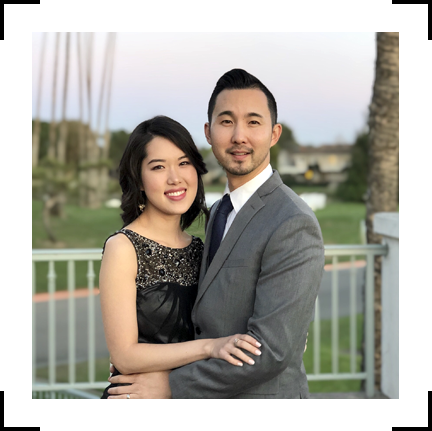

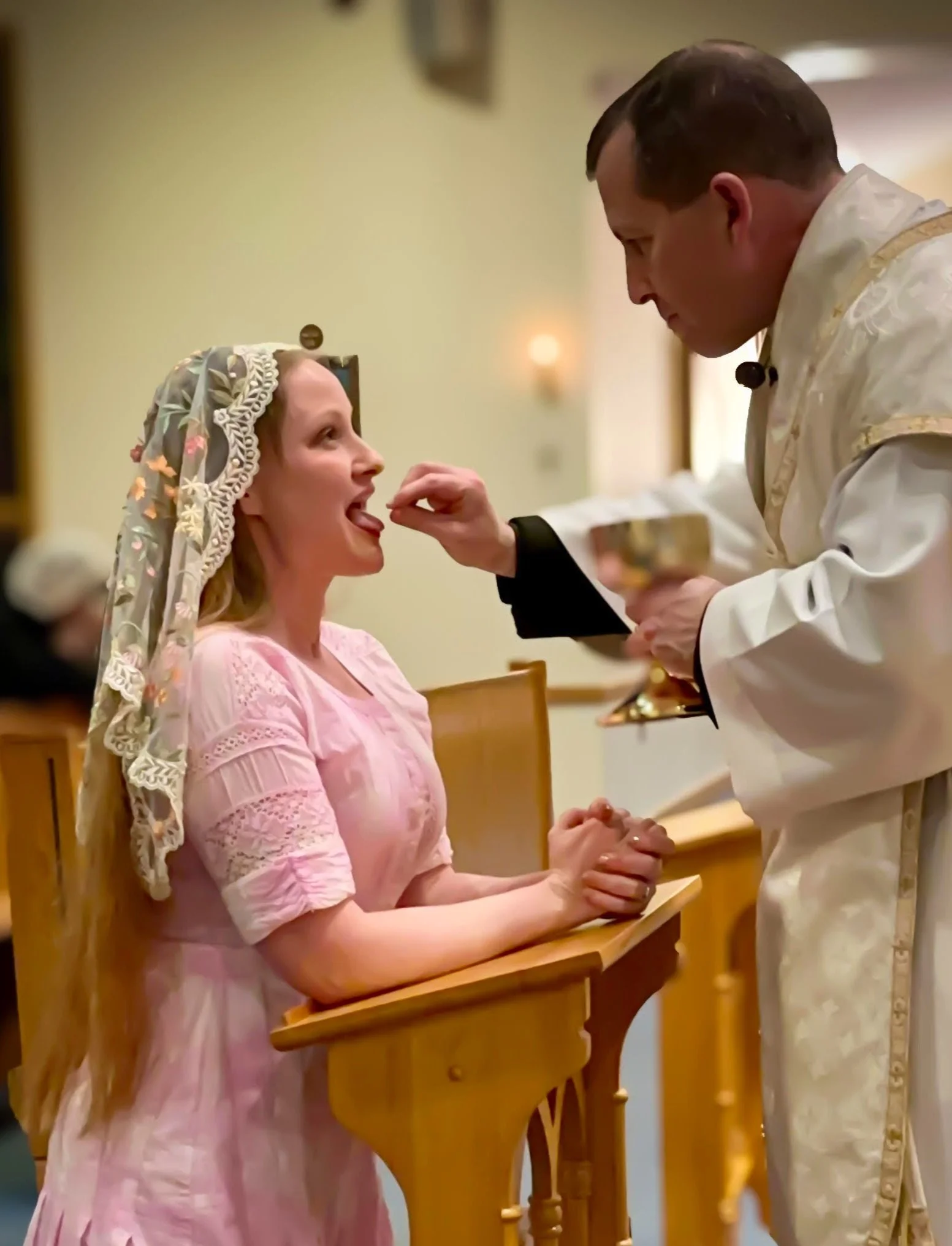
Enjoy the show?
To be notified when new episodes go live, subscribe below.
As a bonus, you'll receive the first chapters from our book, It's Not Your Fault: A Practical Guide to Navigating the Pain and Problems from Your Parents' Divorce.
TRANSCRIPT
Transcript produced by artificial intelligence. Please pardon any errors!
speaker-1 (00:00)
Autumn, welcome to the show. So good to have you here. Thank you for having me. I'm excited to talk with you. You've been through so much. You have struggled with things like depression, even struggles with suicide or ideation at least. You have struggled a lot in relationships you've shared, whether it's your relationship with your parents or romantic relationships. But you didn't let that crush you. You worked through so many things. You're in a better spot today. And I'm so excited to see kind how you went from where you were to where you are today. But starting out, I wanted to kind of go back to the beginning. You were 14 years old.
when your parents shared the news that they were getting divorced, but you weren't surprised. Why weren't you surprised and what led your family to that position of your parents getting divorced? I wasn't surprised because the tension in my house was very palpable. My parents were speaking to each other, but weren't hugging, weren't kissing, showing any sorts of affection. And my father was sleeping upstairs in the guest room. And I remember asking my mother why, and she said,
Well, he gets up early on the weekends to, he was training for triathlons at the time. So he gets up early, early on the weekends. I don't want to get woken up. And I just didn't buy that. I think I was a little too old to buy that line. So that was kind of the first inclination. And then I actually met the woman he was cheating with. And so when my mom broke the news to me that my father had committed adultery, I immediately said, it's this woman. And.
I pulled up the picture of her because he introduced us to her and I said, it's her. So I think on some subliminal level, I knew that their relationship was a little more than friendly. I didn't know the real start of the story was when my brother was just born. So this was about 2006. My father had previously committed adultery with his secretary at his workplace. And I did not know about that affair, but my mother forgave him for that affair and they moved on.
there was just a pattern of infidelity in the relationship and my mother and father tried to work things out, but there just didn't seem to be any road to reconciliation. So that was when they decided to divorce. And there was a point at which you realized that the infidelity that you saw, you know, with your dad didn't start with your parents. There were signs of it in previous generations. Yeah, take me to that moment when you kind of realized, this goes deeper than just my parents' marriage. I think
The fact that on the grandparent level there had been cheating as well. My dad's dad cheated on his wife when he was in the military and even left the family for a few, maybe not a year, but a couple months. So my dad had seen that and unfortunately fell into that pattern. But it also was on my mother's side as well. Her grandmother was cheated on repeatedly by her grandfather. And so it kind of ran through both sides. So.
Thankfully, my mom was very open about our past and it wasn't like a shameful thing. was, you know, these people made mistakes, but they're still our ancestors. So I did know about that. And I think that helped me kind of cope a little, little bit knowing that, you know, it's easy to fall into the sin. And my dad did not get the best example growing up. He didn't see a faithful relationship. So without having that example, it was hard for him to replicate it in his own marriage. when did your mom share that news about your grandparents? I'm curious.
⁓ I can't remember a time not knowing. think I was always kind of curious about people I'd never met. And so I just asked all sorts of questions and she was always very open with me and not judgmental, but just letting me into the fact that there were good things about our ancestors and bad things. And these were some of the bad things. Okay. Now that makes a lot of sense. And it sounds like you, yeah, like you said, you were curious and it wasn't this thing where she was kind of like cheering it with you that overwhelmed you. Okay. Yeah. Now that makes sense. I've heard.
kind of the opposite side of the story. That's why I was asking where, you know, parents ended up sharing and dumping, which I know we'll get to a little bit later, but dumping maybe information that kids don't really need to know, at least not at that point in their life. And so I'm glad to hear that at least given this topic, it was done in a way that wasn't overwhelming to you. Yes, that came later, the dumping, unfortunately. We're getting into, but on this note of infidelity, I'm curious, how did
you know, the families, the paths and fidelity with grandparents, and specifically your father's cheating, impact how you viewed men, love, relationships, and especially this idea of like being faithful. It seemed unattainable to me. Most of my friends, it seemed at the time, looking back, I know this wasn't the case, but it seemed like everyone's parents I knew were breaking up, getting divorced, having all sorts of issues. So I just thought that this wasn't possible for me. Like it was, it was in my blood somehow that I couldn't be faithful.
So that was really, really tough to kind of get over that fear and realize that the cycle can stop with me and it doesn't have to be a generational thing that is like in my DNA or something like that. So it sounds like you've wrestled with that a bit. I'm curious. I've dealt with similar questions and I'm curious, was there a specific moment when you kind of came to that realization that, you know, this doesn't have to be me in my story? There's certainly that fear, right? And I hear this with a lot of people, I guess it's like,
we're really afraid of repeating our parents' story. Because we've seen that. We've seen, you know, kind of like with the grandparents that started there, went to your parents, you know, not blaming them, but there's certainly this trend that you see that's hard to ignore. And so, yeah, I'm curious if there was a specific moment where you kind of realized like, no, this doesn't have to be me. I think in preparing to be married to my now husband, a lot of these fears came up, especially in like the engagement and pre-engagement period. I think I had to just honestly take a leap of faith and
recognized that he came, like look at the objective facts. He came from a good whole family where there was no divorce present. That was healing for me to at least have one of us have a whole family. So I saw a good example of marriage from his parents. I had many examples of good marriages around me. So I knew it was theoretically possible, even if it wasn't for my parents. And I think the knowledge that helps me the most actually is that my parents were frankly just incompatible with each other and both had very traumatic upbringings.
And in comparison, my upbringing was more positive, not saying there was nothing bad, but more positive. So I had just better tools to use to resolve conflicts. And that coupled with the good examples that I saw coupled with just God, ⁓ you know, having Catholicism in my life and having the blessed sacrament and confession and just having those, just having the tools to be a good partner, I think helps me take the leap and get married.
No, I love them. I felt similar in a lot of ways, like looking back at my parents. I love my parents and you know, I know they would admit that there were mistakes that they made. I clearly see that, but still love them of course. And in a lot of ways I've come to this place of compassion where it's like, man, they had to do so much with so little. And I feel like, you know, it sounds like we're the same in that we were given so much. had people in our lives, especially for me, and we'll get to this in your story, like mentors and people who kind of stepped into fill those roles, maybe where mom and dad didn't quite live up to what.
I need it. so, so yeah, so it's like looking back at it almost feels unfair. It's like, I, yeah, I've been so blessed. There's been so much good given to you feel the same. think it is kind of unfair to expect a perfect marriage from two people who grew up in very broken homes and in a very, they grew up almost in a cult. That's a whole nother story, but that whole situation was super damaging to them. I, yeah, I just can't imagine. So I try to imagine my parents as the ages that I.
see them as, which is teenagers. There were certain events in their life that didn't let them move past that. So when I think of my mom as a teenager who's struggling and has abusive parents and my dad and his situation with his mom leaning on him emotionally, I mean, it was just a mess on both accounts. So I try to think of them as teenagers and that helps me to have a lot of compassion for them. That's a good tactic. And as you know, before everyone listening, that's one of the effects of trauma. It can literally keep you like stuck.
developmentally in the past, or at least when you're triggered in certain ways, you literally act as like an 11 year old or a 14 year old or whatever age you might be kind of forced back into. And so I think there's a lot of wisdom in what you just said, but I'm curious, was there anything else specifically in your view of maybe men that kind of bled from your dad's behavior into your relationships? thought that every fight would end in the dissolution of the relationship. So I put up and shut up. I let...
one partner kind of take advantage of me because I thought that's what you had to do to be liked and stay in the relationship. So I kind of modeled what my mom had to do to keep the relationship together, if that makes sense. And I couldn't have a voice because my mom didn't have a voice. And at the same time, this resentment of men just was simmering under the surface. You know, they're not faithful. They can't be faithful.
Is it even worth it? Like, is marriage worth it? I don't even want to have kids. You know, it just all felt like too much of a risk because men seemed so, you know, wishy washy and like you couldn't depend on them because I couldn't depend on my dad. So that was kind of the underlying belief under all of that angst. Yeah. And it's true in some situations, like you experienced with your dad and, you know, sadly in our culture, it's like a really common thing for men to be exactly what you described. but I'm really curious. So you ended up with a guy at one point who
really mimicked your dad in so many ways. I remember in the article I read, you said, Freud would be proud. So just kind of recreating that same environment relationship that you had, you know, with your father, but you didn't stay there, which I really admire. I'm curious, like you came to a point where like, I need to break up with this guy. he? And I'm curious what changed in you and maybe take us to that moment when you're like, this has to stop.
I think COVID was a point for a lot of people to figure out what they needed to change in their life. For us, I was under the sad illusion that people who disagreed on very fundamental issues and beliefs could still make it work in a relationship. so we disagreed about very, very many things. At that time, I was still an agnostic, so we should have on paper worked well together. But at a certain point in about April, 2020, I realized our beliefs about
this pandemic and really everything are completely different and they cannot be reconciled. I just had this one little thought in my head of, want to raise my children in the faith. I was agnostic, so that makes no sense. But I think I wanted my children to have a structure, even if I didn't believe in that structure. That was a non-starter with this particular boyfriend. That was it. Breaking point. I'm curious, was there a point ever
in your relationships where you were just like, you mentioned this a little bit before, but you were just like, why even try? Like, I'm not even gonna go down the route of love and marriage. I'm not even gonna, you said you didn't even want kids at one point. Yeah, like tell me a little bit about that experience and how you came around to the point of like, no, I think this might be worth it. After that relationship dissolved, I resigned myself to be a cat lady for like the rest of my life. It was very dramatic. I'm sure you would make a great cat lady out of me. I was 20, I mean.
There was no reason to be this dramatic, but I was ready for it to be over because I was like, that was a year and a half of my life. I can't, and my judgment is so bad. Like I couldn't trust my own judgment. I felt like if I dated that guy and thought that was love, then I need to have a reality check. So I think I was just ready to write it all off and give up because it is a lot of effort to be in a relationship and it's very vulnerable and being in love is very vulnerable.
And so you don't want to get hurt again. And I was tired of being hurt by that point, especially with my parents' situation. And then my now husband comes into my life and I'm like, oh, gosh, okay. Love makes no sense. I love this guy, even though I am so scared of that, that I do love him, but I couldn't stop it. You were scared. What were you scared of exactly? I we're kind of talking about all of this, maybe going back a little bit, but yeah, what scared you the most maybe? The first one that came to mind is rejection. Just not.
getting into a relationship and marriage, which I believed and still believed at that time is permanent and realizing, oh, this person doesn't love you and that you don't love this person. That was my personal nightmare. Cause my parents, that's, that was my parents story. They liked each other, but they probably shouldn't have gotten married. You know, they just weren't compatible. So I feared that. feared that. A hundred percent. My mom shared at one point that this isn't maybe too much, but my mom shared at one point that, um,
Yeah, my dad and her didn't have the healthiest relationship. And I think they both would admit that at some level before they were married. And I think there were even people in their lives like telling them like, no, you're like not a good idea. Don't do this. And for one reason or another, they just kind of pushed ahead, kind of fell their way into marriage. yeah, and then it led to just a really unhealthy place, unfortunately. Yeah, I know that there's so much to say on the relationship end. What about your husband made you believe that like a man
could be different than everything you experienced before and that he could be faithful in particular. He could apologize. Wow. I mean, that was huge. He could say, I'm sorry and mean it. That was a huge thing for me. He was upset when he made me upset. It wasn't all about him. We resolved our conflicts with words. All of that gave me hope that we could make a marriage work.
And he just loved me. Like he, he cared about me. He cared about my family. He would go out of his way to do things for me. He drove an hour and 30 minutes, like every week to visit me. So yeah. And he had, he had good parents. Like that is so key. Cause I was, I was like, I can't be in a relationship with someone else who has divorced parents. know some people can do that, but I just, I needed a guy from a good household and he was that. So that was nice too. Yeah. No, I don't think you should feel.
guilty or anything about that. know sometimes that could be a little triggering for people, but I think it's, you know yourself and you knew that's what you needed. I have friends who both came from, you know, divorced families and they've made it work and they've, from everything I could tell, a really beautiful marriage. Yeah, but I know others where they're like, no, that is absolutely a requirement of mine. So, so yeah, I think that's, that could be really wise. I love that what you said about your husband though. And I think, you know, one of the most important decisions we can make, let me just spend some time here, is um,
on choosing a spouse. so I, you one of the things that I like to say is you can tell kind of where someone's priorities are by how they spend their time and their money. And if they spend their time like and their money just on themselves, uh, that that's, think a red flag, but if they're doing that for others, like you said, your family, for you, I think that's a really good and beautiful thing. I love the fact that your husband is humble. That's a really beautiful quality. think people should look for, because on one level, as you know,
It's the foundation of all the virtues. But it also, like you said, so well, it gives you the ability to apologize, to admit when you're wrong, which I'm sure you've noticed, like it happens a lot within marriage. I certainly have noticed that. So yeah, I'm so curious, like, was there a list of qualities you were adamant about in addition to wanting someone from, you know, a healthy family? If you'd like to share your story with us, we'd love to hear it. You can do that in three easy steps. But first, some of the benefits of sharing your story.
Reflecting on your story and sharing it with someone who can receive it with empathy is actually healing on a neurobiological level and makes your brain healthier according to neurobiologists. Writing your story is also healing. Studies have shown that people who write about emotionally significant events in their lives are less depressed, they're less anxious, they're healthier and they're happier. And finally, it can be really helpful to someone who's maybe on the same path that you're on but a bit far behind you.
to just hear your advice and to hear your story since you're going through things that you've been through. And so if you want to share your story, just go to restoredministry.com. You can fill out the form on that page that will guide you in telling a short version of your story. And then we'll take that and turn it into an anonymous blog article. Again, if you want to share your story now, you can do so at restoredministry.com slash story, or just by clicking the link in the show notes. Your list of requirements gets shorter and shorter as you get older. ⁓ I wanted someone who wanted children, smart, funny.
Ideally, caring gets along with my friends and family. That's very important. He kind of fit all those boxes. Attractive to me doesn't necessarily mean attractive to everybody, but attractive to me. Ambitious. I love music. That was a non-negotiable. I was like, I need someone to love music with me, otherwise they're not going to understand me as a person. Yeah. Love that. No, I like the mix of the objectives. You got to have these and then.
these like more subjective to you, but really important and still non-negotiables. That's really, really good. I did make the list of like the qualities I wanted, but I remember one of the things that really attracted me to my wife was just her selflessness. Kind like your husband, I noticed that she just had a heart for other people. Like she's a nurse and so clearly like her job literally requires her to care for others. She, you know, was involved in like ministry at our college campus. So it was like this kind of obvious thing. Like, yeah, she's clearly like time and money. Like she's...
proof that she's putting it into that. So that was one of the things that really attracted me. What would you say to maybe a woman like you were at the time who maybe doesn't know what she wants to look for in this spouse? Like obviously there's all these different qualities. What are some, yeah, what are maybe some of the big ones in addition to what we mentioned of like someone who's humble, can they admit that they're wrong? Like, yeah, what advice you give on that? I'm curious. think the biggest thing for young women is you want to be with the guy who wants to be with you. It sounds so simple, but I can't think of how many times
If you have to ask yourself, what's he thinking about? Does he really want to hang out with me? Why isn't he answering this text message? He just might not be the one. He might not be actually into you. But I think women, kind of like on some level crave that uncertainty maybe. It's hard to describe, but if a man is not excited to see you, wanting to see you, sad when you leave, happy when you arrive, like you just need to, you need to cut your losses, I think, and walk away.
That's probably one of the big ones. And someone who shares your values. Don't waste your time with a guy who you don't agree with on the fundamentals because in marriage, you don't want to spend your time arguing about the fundamentals. You want that to be something you're aligned on. So whether that's like kids or are we going to homeschool or what church are we going to go to? Those are big issues that you just don't want to about every day.
Right? marriage is hard enough as it is. Like if you add those like big wedges between you, my goodness, I don't know how couples make it there. And if it's okay, I just wanted to throw in, you know, in addition to those things you mentioned, what the researchers say is there's like kind of five big areas of life where you need to be on the same page. And you mentioned God, parenting, you know, how are you going to raise your kids? How many kids are you going to have? Or just an openness to life. Money being another one. A healthy relationship with your in-laws, being able to set boundaries there.
And then intimacy, especially sexual intimacy, you before marriage, but even within marriage, like having boundaries there and having like a plan being on the same page with what that looks like. And yeah, from what I've been told, if you're on the same page in those five areas, your chance of having a happy, know, successful marriage just shoots way up. So I love your advice. It's good. I want to transition a little bit if that's okay. So you had mentioned that you struggled with, you know, depression. There was a lot of anger, some suicidal ideation, but some of the things that
I think two of the things that stuck out to me the most in reading your story was the anger and the addiction. And so if it's okay, I wanted to go into those little bits. Maybe let's start with the anger. You were angry at your parents, at God. What were you angry about and what did you learn to do with that anger? I was angry about everything. Angry that my picture-perfect life had been taken away. We had to sell my childhood home because divorce costs money and it's so expensive.
So we had to sell my childhood home and leave it and move into a very, we were poor for many years is basically what I'm trying to get at. And that was really, really hard, especially in my suburb that is kind of upper middle class, I would say. So I just felt shame and that turned into anger. I was angry at my dad for thinking that he did nothing wrong. I think if we had a conversation today, I don't know how much.
self-reflection has happened, I hope more, but at the time he was convinced he did nothing wrong in the relationship. So that made me angry. I was angry at my mom for filing for divorce, even though on some level I knew it was justified. It was just very complex. And so I was just angry all the time and I didn't really do anything with it until college. So it kind of just simmered and turned into bitterness and resentment and judgmental thoughts of others. And that kind of continued.
for years. So I did not handle it productively at the time. think that's a common experience. I know I experienced that too. I remember when I learned the news that my parents were getting divorced, I just felt so much anger. Like I wanted the people involved to die. And I was a love-neural kid at the time and it was just like so pent up. And then I think over time, I'm curious if you would agree with this, yeah, we just learned to kind of hide it because we know that rocking the boat and adding more drama to an already dramatic situation is not probably going to help.
at least in some situations. Some people do act out and kind of cry for attention in that way. But I think there's a lot of people who care a lot of anger and they just don't know what to do with it. Yeah, I'm curious, any further thoughts on that before we jump over to the addiction? No, I wish I had an answer solution for people, but it is just hard sometimes. Yeah, it is hard. And I think I remember hearing anger is the response to a real or perceived injustice. Yeah. And I think there's something so good there. And I think sometimes it's so confusing for people like us because the way that
people talk about broken families and divorce, they don't really talk about the fact that there's an injustice going on there. They talk about the fact that like, well, it's for the best. There's actually a good thing on some levels. I hate it's for the best so much. Tell me more. Oh my goodness. Every child with a divorce knows that, you know, it's better for your parents. Okay. It's for the best. You know, it's better for you guys. No, it's not. No, it might be better in some ways, but.
there's a real loss. It's almost like a death, you know? So every time I hear it's for the best, just, I nod politely, but I, you know, just move on. Yeah. It's very, not triggering. don't like that word, but just brings back memories to hear that. No, a hundred percent. And I think, you know, sometimes this well intentioned people often I've found as well as people trying to like console your, I don't know, make sense of something that's painful. But, ⁓ yeah, I've, found that that was just so unhelpful and
demeaning in a lot of ways. Yes. you said, you never walk into a funeral and be like, well, it's for the best. It's best. It's like, gosh, that's dark. So no, no, I totally hear you there. And even in the cases, which some people might be thinking of where it's necessary, it's truly necessary because of real abuse and violence, things like that, the danger of death that happens in some situations, it's still a loss, like you said, because it's not the ideal it's supposed to be. Right.
even if it's the better of two really crappy options, it's still something that I think deserve to be grieved. It's a serious loss, like you said. Right. The addiction, so as much as you want to share, what led you to it? How did that start? And what kept you coming back? What need was that filling? So I was exposed to pornography when I was 11. A classmate had said the word lesbian and I had no idea what it meant. And so I went to Google and I found out what lesbian meant very quickly.
What kept me coming back? think, so I was sexually abused when I was younger by my grandfather. So I think that was part of it, trying to reconcile that. And what kept me coming back? I think it was just a coping mechanism for boredom, for rage, for sadness. It made me feel good about myself in the moment. Felt like I was doing something not harmful because society says it's not harmful. So I was.
I was engaging in my sexuality in a very twisted way, but it was the only way I could because of my traumatic background. just, I couldn't even hug people. Like it was, it was bad. So I couldn't hug people, but behind closed doors, there was this horrible addiction that was happening. And after a certain point, you just come back because you're addicted. You don't even have a motivation. It just becomes part of your neural pathways. So that probably happened pretty quickly, but yeah, broken home plus abuse plus, you know.
just trying to find an escape. Yeah, okay, 100%. And I was exposed at the same age and, whoo, no, my heart breaks for you too with the abuse. I'm so sorry for that. I am curious, so you're 11 that lasts into high school, I imagine. And was there a low point that you hit where you were just kind of ready to give up or you hit rock bottom and realized, my goodness, this is controlling my life? Yeah, I think, I always knew I had a problem, but I think...
I had given up on trying to fix it. I basically threw up my hands and said, this addiction is going to be with me for my whole life. So why bother trying to fight it? It was only in meeting my now husband and eventually converting to Catholicism that I realized, this is a sin and I need to get rid of it. So I had no plan though to get rid of it. I had no idea what to do. So I started like calling off sources of my addiction and that helped a little bit. the only thing that, so I would like,
delete apps that were pathways to that addiction. had ⁓ a bunch of notes that had explicit content on them, so I would delete those. So I started pairing back, but as people who are addicted know that there's always a way to get back to what you want to do. So really what solved it was basically a Hail Mary prayer of like, God, can't do this alone. I can't figure this out. Help me. And I was
I would call this a miracle because I have no other explanation for it, but when I converted in 2021, I put down pornography and never picked it up again. So after I had the Plessis Sacrament for the first time, I just stopped watching pornography wholesale. And I know that might not be relatable for some people and might be hard to hear for others because they want that miracle for themselves, but for me it was just grace. It's beautiful. over five years or about five years.
It was a decade. It was a decade of addiction. Okay. So, it lasted, but then you've been free since that time. And you don't have to go into this, but I know yet to anyone listening, I think one of the most tempting things when you find freedom is if you ever were to fall back, it can be extremely demoralizing. Something like, ⁓ I've fallen there. Then I, there's no hope for me, but I just, anyone.
who maybe finds himself in that situation. Like, I just want to say there's so much hope, even in that situation where you've maybe broken free and you fall back, that you can find freedom again. yeah, would you say anything like anything else to someone listening right now who maybe either is stuck in their kind of initial addiction or maybe did have a relapse and feels a lot of shame? I would say that shame is not super helpful in changing your behavior. You know, a little guilt can be good to...
have you come back to Jesus and apologize, but shame just keeps you in that spiral. Seek help. I know for women it's especially hard because we think this is a very male sin. There's a lot of resources for men and women don't get talked about nearly enough with this sin, but Magdala Ministries is wonderful and ⁓ they have small groups for women who are struggling with the same thing. So I highly recommend them. So yeah, there's hope out there. Yeah, I couldn't agree more. Love Magdala.
We'll link to some of the podcast episodes we've done on this topic for both men and women. ⁓ because yeah, it, you know, it's a human problem. Like he said, it's not just a male or female problem. And I think it's one of the things that I learned from J. Stringer. Have you read any of J. Stringer's content? man. It's so good. So he, J. Stringer is a therapist who kind of specializes in this area of sexual compulsion and addiction. And his first book, he studied about 4,000 men and women who struggled with sexual compulsions or addictions we're talking like.
porn use, masturbation, infidelity. And one of the wild things he found was that the type of trauma someone endured could be predicted by their porn searches and sexual fantasies. Wow. And in other words, was like this whole, there was this whole mosaic, there's this whole pattern to it that they realized like, none of this is random. And I think what happens with so many of us who've struggled in this area is that we think like, we're the only one. We think that no one could relate. We think that, you know, there's no hope for us. When in reality it's like,
Actually, it's super common for people from broken families to struggle with this. Dr. Patrick Carnes, I have said this on the podcast before, Dr. Patrick Carnes, another expert in this area of sexual compulsion, he found that 87 % of people with a sex addiction come from a broken family. I believe that. That's nine out of 10. So it's like, if you are dealing with this and your family was really dysfunctional, broken, parents got divorced, it's like, makes sense. And so I think there's like a lot of freedom to, you know, to hearing that, wow, it's actually predictable and it's likely, but.
Thankfully you don't have to stay there and that's where some of those resources that we'll mention or that we'll link to in the show notes can be incredibly helpful. I do believe that freedom is possible. What Jay Stringer basically says is like, our path to freedom is actually through the specific sexual struggles that we have. not sometimes we're gonna like shy away from them. They're bad, they're dirty, they're shameful. But he says, no, you actually need to learn to listen to your lust. He's not suggesting that we fall into lust. That's not what he's saying. But he's saying basically it's just a symptom.
It's just like pinpoints where deeper healing is needed. So not to go on a rant, but I found it really helpful and a lot of people like us have as well. So we'll link to all that in the show notes. Jay came on to talk about that book, but is there anything that you would add to any of that? Yeah, I think I would just treat your addiction with curiosity instead of revulsion. So porn satisfies a need. You just have to figure out what that need is for you. So if it's connection, if it's love, if it's acceptance.
if it's a self-esteem boost. That's all good to know so you can find those good things elsewhere. So just be curious about your addiction. Don't be afraid of it. That's where the devil wants to keep you, I think, is fear and shame. And yeah, that's all I'll say. For countless teens and young adults, their parents' divorce is actually the most traumatic thing that they've experienced, but so many feel lost and alone in navigating the challenges. I've been there myself. It's really not easy and it shouldn't be this way. My book, It's Not Your Fault,
guides them through those challenges by helping them put their pain into words and begin to heal, work through the emotional problems that they face, cope in healthy ways instead of falling into bad habits, improve their relationship with their parents, navigate the holidays and other life events, and build healthy relationships and so much more. One Amazon review said this, this book is packed full of really practical help. If you come from a broken family, or even if you don't, but you love someone that does, this book is so helpful. I can't recommend this enough.
By the way, it's a quick read and it doesn't need to be read cover to cover. Since it's in question and answer format, you can just read one of the questions and one of the answers. And so if you want to join the thousands of people who've gotten a copy, just go to restoredministry.com slash books to get the book or download the free chapters. Again, that's restoredministry.com slash books, or just click the link in the show notes. So good. And one final thing to just kind of mind was just how porn in particular can be a super stimulant. So similar to like a street brawl, it's to the point where
you are going to have to go through a period of withdrawal. And so it's going to be like really difficult and the habit you created, like you said, is going to just want to pull you back again and again. And so that's where I think there's so much wisdom in what you said about like, just don't do it alone. It's just such a fool's errand to try and you'll look up years later and be like, well, haven't made any progress, even though I wanted to save my pride and not ask for help. Was there anything else in terms of like struggles with emotions or habits that you wanted to mention that was part of your story that we haven't?
touched on. I think when you mentioned all the big ones, like the acting out sexually and then the judgment and rage against other people, but that was all kind of part and parcel of what made Autumn. Yeah, Maybe let's go back to the anger for a second there. Was there any other shift in you that helped you deal with the anger toward particular people? Was there anything you learned or a transformational moment that helped you realize that maybe the anger is normal to feel, but what do do with that? I think part of it is just healed by time.
distance from the events helped. I went to college and was away from my parents and wasn't in their house anymore. That was a good healing distance for me. Then seeing my younger brother, this is probably one of the saddest parts of my story, think, but my younger brother is six years younger than me and he couldn't escape the court system. He was having to go back and forth between my mother and my father's house. At the time he was so young, he couldn't understand why I was angry at my father, so he was angry at me for not.
coming to the house with them and hanging out with dad all buddy buddy. Seeing him get older and progressively get more angry at my father for what he had done was devastating. But seeing him feel that rage helped cool my rage, if that makes sense. I had to be his oracle in the desert when he was needing to go to someone who understood. We couldn't both be angry, it wouldn't be productive. So I had to process my emotions, journal it out, talk to friends and family and
So I could be there for him. So I think that helped me turn down the temperature a little bit, was seeing his struggle. It'd be kind of a counterweight to his anger. Okay. That makes some sense. You mentioned writing has been helpful for you. You're a great writer. I think. Yeah, no, no, you are. I was really impressed with your writing ability. Yeah. Talk more about that. How has that helped you heal and kind of process your emotions? I think journaling is really good for some people, myself included, just to get out the things that you probably shouldn't say.
⁓ My mouth gets me in trouble most often. I think journaling is good for me. So I just wrote down every emotion I was feeling just to get it out because if I kept it in, I would just get really depressed. So that was helpful for me is just writing and channeling that energy into something creative that could be painting for you or running or working out really hard or some other mentally stimulating activity to make sure you don't unleash that on your friends. But that journaling was that for me.
Cool, beautiful. Writing has been really helpful for me. A friend of mine told me recently that people who've endured traumatic events in their lives are more likely to get into endurance sports. I don't know all the psychology behind it, but it kind of made sense to me, like you said, that could be a good outlet in a lot of ways. And I've definitely found that moving your body is incredibly helpful as well. Good stuff. You said you kind of escaped the court system and you didn't have to do the visitation similar to at least your younger brother, right?
I remember you saying that you felt really conflicted in that though, that his brothers were going to be with dad, but you out of self-protection just knew you couldn't do that. Why did you feel so conflicted and talk me through where you were at that point? I mean, I still don't know if I made the right choice sometimes. Basically, my older brother has autism, so he's not fully aware of everything that happens. And my younger brother was so much younger.
my dad was bringing his girlfriends to the house and things like that. I, yeah, you already know where this is going. So they were mean to my brothers and I couldn't do anything about it. I was the only one who like saw what my dad was doing. If that makes sense, like saw through all the BS and was watching him to make sure he was on good behavior. And I think he knew that, which is why he accepted me not wanting to come to his house because it served his
you know, his benefits. So I didn't go because I wanted to be a source of positivity for my brothers. And I tried going back and forth a couple of times and it was just incredibly damaging to my mental health. And I was like, I need to be alive for them. So that's more important than me being there in this case. It's still tough though. I mean, I don't know if you have siblings, but this is like really hard, a really hard choice to make, think. So hard, yeah.
No, I remember feeling guilty as well when I got to the point where I didn't have to do that stuff and they still had to and gosh, it's the worst, especially when you know things are unstable, tumultuous and they might be in a situation, which happened, it did happen where it's like, goodness, I wish it was there. You mentioned just this desire to not live anymore, to give up. What happened there? I don't know. I think part of it was like a hormonal thing that's common for women is once you
you know, start your menstrual period, your emotions just kind of are up and down for a few years. So that didn't help because that's exactly what my parents decided to get divorced. Yeah, not good. So I think part of it was hormonal. Part of it was just, I don't know, it felt like death basically. Like, I think this says, it says this in the literature, but sometimes a parent dying is actually better than a divorce because
your parent can die and still be this like paragon of virtue for you. You can still miss them. You can still talk about them lovingly. Whereas divorce, it's just more complex. So it felt like a death on steroids. So I just didn't see a way forward for me to be happy. I thought, well, I'm just gonna end up like them. You know, I'm gonna be this bitter person for the rest of my life and be angry and who's gonna wanna, who's gonna wanna deal with that? So I think all that together just made me not wanna.
do life anymore. I hear you. And was it just your brothers who kind of kept you from going there? Were there other forces as well? Thankfully, I was baptized when I was nine. So I think that was part of part of it. was the Holy Spirit just withholding my hand. But I never had a concrete plan. I was just I was just tired. I was just tired. I didn't I didn't have an active will to die, but I didn't have an active will to live. But I had friends, which is key. I had friends that were
from whole families and people who cared about me and would notice if I was gone. So I couldn't play that game of, no one would care. I knew that was a lie. So for their sake, I stayed alive. It's a heart wrenching place to be. I've sat with people close to me who were like at that point and yeah, you can just tell like, like you said it so perfectly, the look in their eyes, it's like they don't necessarily want to die, but they just don't want to live with the pain they're going through. And it's an understandable place to be. And so it's beautiful that you were able to
pull out of that and I definitely can see the impact of grace and all that. But really beautiful. What did you learn from your friends and their families that were healthy that maybe helped you get to a healthier place and even build your own marriage? I think I've had the luck to have exposure to a lot of wonderful father figures. So it proved to me that there were good men and that they loved their wives and could love their wives. So that was helpful for me believing that could be possible for someone like me. And then
I learned from my friends, this was a harder lesson to learn, but eventually they were like, Autumn, can't trauma dump on us anymore. And I was like, wow. At first I was hurt, I'm so hurt by that. But over time I was like, you know what, they're right. Like me rehashing this over and over again is not making it better. I need to like do something with this pain. So that's how know you have a real friend when they're like, ⁓ enough, we love you, but enough. So that was good for me to learn to not make the divorce and my
trauma from it, my whole personality. Like there were other parts of me that were important and not just that my parents hated each other. So. Totally. No, and I think it's even something I worry a lot about running, hosting this podcast and running this ministry or nonprofit behind it. It's like even the term child of divorce, I've said this before, I like don't really like cause it's just meant to describe an experience you had not become an identity.
And think sometimes we like take it on as an identity. So you said you were able to kind of look beyond that and move through it. I know we're gonna get to this shortly, but I'm curious, like, where did you go with your trauma and your pain, if not to your friends? Journaling continued to help. And then really diving into philosophy and faith helped me. Thinking about thinking, finding good answers to the problem of evil. That was huge for me because the problem of evil was my life.
Why would a good God let this happen to me? And so philosophy and reading C.S. Lewis and reading really good authors like that helped me process mentally and intellectually that evil does not mean there is not a good God, evil does not mean that you deserve it, those kinds of things. So I think philosophy helped a lot for me personally. Beautiful. No, why do you think that worked so well? mean, in addition to like the problem of
pain and evil, like that's huge, obviously, to figure that out or to come to the realization that there can be a good God and still have suffering in our lives. But yeah, why did that help? I'm really curious. I think it broke me out of my like mental prison a little bit. thinking about thinking is good for you. It's like math for your brain. Well, instead of thinking about my pain and how sad I was about myself and how everyone else sucked and all this stuff, I could direct all of that energy into thinking about higher things than myself.
So it took me out of my own mental prison here. So I think that was a good thing for me. Yeah. Okay. Expanded your kind of small world to the bigger world. love that. A mentor challenged me in a similar way. He challenged me to find someone who was lonelier and struggling more than me and just help them, like love them. And that was really kind of eye-opening realizing like, whoop, there are people who are struggling more than me. And ⁓ so I think it
helped me realize that, you know, my pain wasn't the only pain in the world and even admits the pain, can still do good. You can still choose to love and help people. So I can definitely relate with you a lot on that. So we're almost to the end of our time together. I was curious, just want to touch briefly on your relationship with your parents. So you said that you, you know, you got to a point where even given all the hurt and anger that you felt toward your father, you were able to forgive him. What made it motivated you to actually forgive him? A lot of people.
don't go that route, they hold on to the unforgiveness. What motivated you to forgive him and maybe what were some of the practical things you did to actually forgive him? I think forgiveness is more for me, you know, like holding on to that poison. I've heard it said that like unforgiveness is holding on to poison and expecting the other person to die. And it's true. Like it was ruining my life being that resentful and angry all the time. And I was ready to move on. It had been years since the events took place and
I knew my dad and I were probably never gonna agree on what happened. So there was really no point in rehashing it. It would just be like banging my head against the wall. So I could either accept both my parents, frankly, as they were and not expect them to be the perfect parents that I probably would never have. It's kind of sad, but it's also like you have to accept what you were given a little bit and look for father figures elsewhere and in the church and...
in your families and friends because yeah, sometimes you're not going to get what you want. Practically, how did I forgive him? I wrote a letter forgiving him just for me. And over time, I slowly, you know, opened myself up to conversations with him again. Now that took years, so, you know, don't rush yourself if you don't feel ready. But I chose to invite him to my wedding, even though my therapist at the time said it was a terrible idea.
Once my granddaughter, or once my daughter was born, granddaughter, I told him I was pregnant. I allowed him to send me gifts for the baby. I invited him to her baptism. Events that had other people, so it wasn't so intense, like just one-on-one with him, because that always made me nervous, still does. But if there was an event with other people, I figured, how can I include him in my life, even if it's at a healthy distance? So that's basically what I've done. And I think it's...
been fruitful. And I also use it as an evangelization opportunity. He's not Catholic. So I feel like every time we see each other, I'm like, Hey, have you consented the church? So yeah. love them. Like even if there's with those boundaries, like which love requires health boundaries. So I love that. Well, it's been so good talking. You had two final questions. One, how is your life better now? Give us a little bit of a contrast. We kind of went through a lot of the mug and a lot of the hard times you've been through, but tell me the good things about your life. How is your life better now that you've
found a lot of healing and growth. Oh my goodness, my life's completely different. My marriage is wonderful. We have a little house together in the rural countryside. It's wonderful. I have a daughter who's amazing and just inspires me every day to be a child again with her. My relationship with my in-laws is good. My relationship with my mom is pretty good, all things considered. My relationship with my dad's getting better. I'm writing. I have a job I like. It's completely different. I just don't.
hold all that negative emotion in my head anymore. And I take myself lightly a little bit nowadays, which is good. So good. Adam, so good to speak with you. Really grateful for you sharing your story and, being so vulnerable. I know it's going to help a lot of people. I want to give you the final word. What final advice or encouragement would you offer to maybe the younger you listening right now, especially if they fear becoming like their parents, maybe repeating their parents' story in their own life? What final encouragement or advice would you give?
tools out there that can help you not become like your parents. However, your parents are still within you and there are good things about your parents, even if it's hard to see that right now. But you are the good things about your parents. You are. So you can take those good things and maximize them and minimize the bad things. And that's your choice. You know, there's a lot of tools out there. There's ministries like this to help you kind of cope with the trauma from this event in your life.
there's friends you can have, beautiful relationships are possible, just all things are possible with God and with an openness to good things. It won't always be this bad. And if it is this bad for a long time, God's always with you in that as well.
That wraps up this episode. this podcast has helped you, feel free to subscribe and rate or review the show. You'll avoid missing future episodes and help us reach more people too. In closing, always remember you are not doomed to repeat your family's dysfunction. You can break that cycle and build a better life. And we are here to help and keep in mind the words of C.S. Lewis who said, you can't go back and change the beginning, but you can start where you are and change the ending.
You may have entered adulthood without ever seeing what healthy conflict looks like. But avoiding conflict isn’t the answer. In fact, healthy conflict can be one of the main ways couples build trust. Adam breaks down the practical relationship skills many people never learned growing up.