


If you come from a divorced or dysfunctional family, this show is for you. We mentor you through the pain and help you heal, so you can avoid repeating your family’s dysfunction and instead build strong, healthy relationships.
In this episode, you'll hear highlight clips from the podcast in 2025.
If you’re new to the podcast, welcome! This is the perfect way to sample the podcast and learn how it will help you. If you’re a longtime listener, this is the perfect episode to share with someone you know who needs to hear it.
Get the Book or FREE chapters: It’s Not Your Fault
Get the Guide: 5 Tips to Navigate the Holidays in a Broken Family
Episodes featured:
#155: Am I Doomed to Repeat My Parents’ Divorce? | Dr. Brad Wilcox
#156: “This Is Not the Marriage I Signed Up For” | Heather Khym
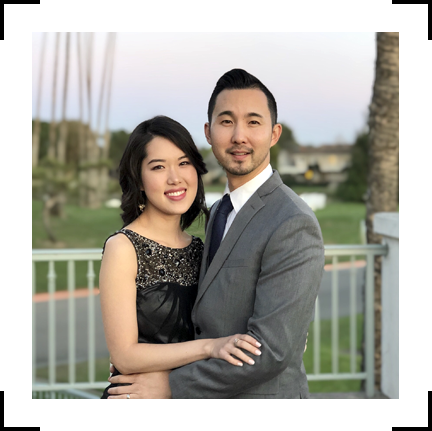
#139: Dating or Marrying Someone from an Intact vs Broken Family | Paul & Maggie Kim
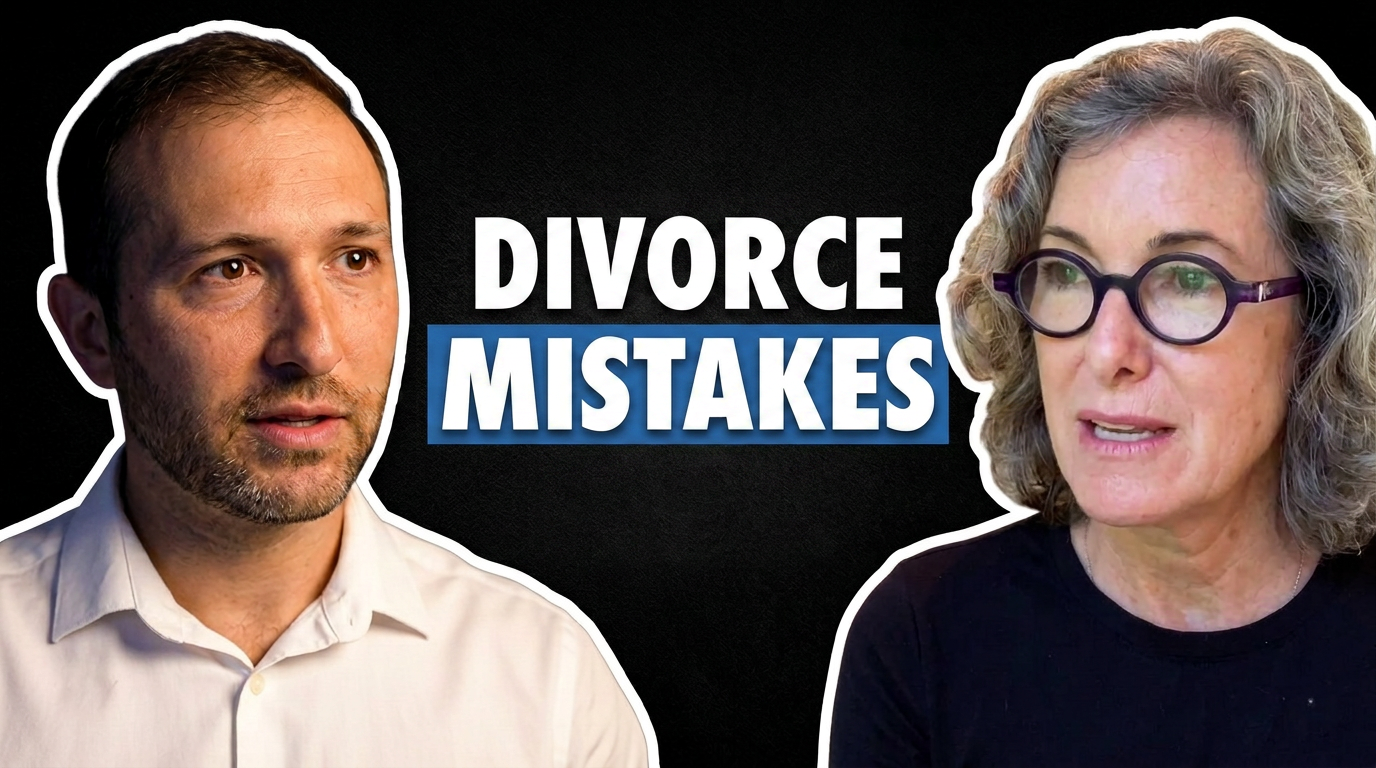
#144: The Secret to Not Repeating Your Family’s Dysfunction | Dr. Andrew Abela
#146: 1/3 Less Marriages Today Are Making Us Lonely | JP De Gance
Full Disclaimer: If you purchase through the links on this page, your purchase will support Restored at no additional cost to you. Thank you!
To leave feedback, comment below or contact us.


Enjoy the show?
To be notified when new episodes go live, subscribe below.
As a bonus, you'll receive the first chapters from our book, It's Not Your Fault: A Practical Guide to Navigating the Pain and Problems from Your Parents' Divorce.
TRANSCRIPT
Transcript produced by artificial intelligence. Please pardon any errors!
Joey Pontarelli (00:59)
Welcome to the restored podcast. I'm Joey Pannarelli. If you come from a divorced or dysfunctional family, this show is for you. We mentor you through the pain and help you heal so you can avoid repeating your family's dysfunction and instead build strong, healthy relationships. close out the year, my team and I wanted to share highlights of the restored podcast. So you're about to short clips from episodes this year.
Now, if you're new to the podcast, welcome. This is the perfect way to sample our content and learn how it can help you. And if you're a dedicated listener, we're so honored to serve this is really the perfect episode to share with someone you know who really needs to hear content. By the way, if after listening to the clip, you want to listen to a particular episode in its entirety, but maybe you forgot the episode number, just go to the show notes to find it. I'll remind at the end of each clip as well. First up is episode 151 with Brandy titled, Even Necessary Divorces Hurt.
So Brandy's father struggled with alcoholism and that led her mother to divorce him. But even though the split was necessary in that case, it left its marks on Brandy, which nobody saw for years.
again, I think when I think about my parents' divorce, I think a lot of people thought, one, I was so young that there would not be repercussions. And two, I had this wonderful stepfather, you know, and no memory of life before him, without him.
And so I think most people would have dismissed it and said, well, she's just a really resilient child. There's no, you know, no reason to worry about, you know, whatever the repercussions of the divorce would be for her. And here I was abused and there's a repercussion of the divorce I'm afraid to tell. so I think that's really important too for adults to remember that it doesn't matter, you know, what the story is. There are always repercussions, you know, that children have wounds from that.
divorce and so it's just important to remember that and be sensitive to that.
It's so common for people to assume that if things after the divorce are good or maybe even better than before the divorce, that the child is fine and unaffected and that's simply not true. A lack of exterior signs that the child is maybe wounded or struggling doesn't automatically confirm that they're resilient or not hurting internally or in secret.
It's really dangerous to assume that they're fine since they might go through life like Brandy did carrying grave hidden wounds like abuse and never getting the help that they deserve. And so even when necessary to do abuse or other extreme cases, a divorce is always difficult and usually traumatic for the child. Brandy's episode is great if you had an alcoholic parent, maybe you suffered abuse, you hid your wounds for years and you desire to build a strong, healthy marriage one day. Again, that's episode 151. Next is episode 155 with the
brilliant researcher Dr. Brad Wilcox titled, I Doomed to Repeat My Parents Divorce? If you're skeptical about whether marriage is good for you or not, Dr. Brad has the data to answer. Most importantly, his research and his advice offer amazing guidance on how to avoid getting divorced and instead build a strong, healthy marriage. In this clip, we talk about the soulmate myth, which is depicted well in the story Eat, Pray, Love, which he talks about in the beginning of this clip.
Liz Gilbert actually is someone who in the beginning of the book leaves her first husband because she wasn't ready to become a mother travels the world meets her second husband in Bali in this incredibly romantic setting. He's Brazilian. He's a good cook. He's a good lover. He's like a male feminist. You know, he's like all these, like the perfect different things, you know, and then she marries him. Right. And she also talks about like the importance of like basically chasing your own happiness in her book and all this kind of stuff. And of course, 10 years after she marries, you know, husband number two and you know,
who she met in Bali, she divorces him and leaves him for someone else and she's now with another person. But the point is that I think she was kind of both chasing happiness in relationships and also kind of chasing the feeling of being in love, a more romantic, intense connection with someone. Not recognizing that's not really a strong foundation for lifelong marriage, lifelong love. Feelings are fleeting, they go up and they go down. And so I think the idea with the
the sort of the soulmate myth is recognizing that directly pursuing happiness, directly pursuing that intense emotional connection or romantic connection with someone is a kind of fool's errand. And that people who recognize and realize that marriage is about kind of love understood as kind of prioritizing the good of the other, the good of your marriage, the good of any kids that you have is the real kind of business of marriage. And that's what love really looks like. And then what I find too in the research that I've done is that
Generally speaking, people who embrace the more classic idea of love as pursuing the good of the other in the context of being a spouse and a parent are more likely to be happily married. So there's just something about not privileging your own happiness in the moment and your own sense of romance, but trying to just be a good husband, good father, good wife, good mother. If you do that, generally speaking, you're gonna be happily married, and actually more so than the people who trying to be.
directly happily married. That's kind of the paradox of what I call marital happiness is that by just trying to be a good spouse and parent, you know, you're more likely to succeed when it comes to marriage.
sounds super unromantic, but the purpose of marriage is not happiness. The purpose of marriage is for both spouses to become the best version of themselves and to raise their kids to be virtuous and to thrive in life. In other words, if you think your marriage is all about you, about making you happy, once it no longer does that, even if it's
on a particular day or week or month, it's really tempting to just leave. But if you instead focus on loving your spouse and your kids, well, Dr. Brad says that the data shows that you're more likely to be happily married as a byproduct or side effect of your selflessness. Dr. Brad's episode is great for you if you want to avoid getting divorced and instead build a strong, healthy marriage. And that's episode 155. 156 is next with the amazing Heather Kim titled, This Is Not The Marriage I Signed Up For.
Her story is so powerful. Her husband struggled with an addiction early on in their marriage that nearly destroyed the marriage. But by God's grace and a lot of hard work, they rescued their marriage and now help people who feel broken to find healing. And in this clip, she offers a really solid tip for doing just that.
think one of the most important things is you got to find someone to talk to, someone who can respectfully hold that space and that.
heavy weight with you. So sometimes we'll just tell a friend and that's good. Like you can do that too. But I think it is important to find someone who knows how to help you navigate your way through it. That's been so incredibly powerful for me. And it's like a relief when you're sitting in the room with a good counselor or someone that you feel like they can bear the weight of this with you. Like that is so powerful so that it doesn't just become a secret that festers, you know?
I think when we keep things in the dark, boy, they get so much bigger than they need to. That's powerful to be able to say it out loud to someone. It's powerful to, I think in the work that, you know, Jake and I do with people to be people who will sit there and hold it with someone. I remember even my therapist saying to me three years ago, she said, Heather, I am going to hold this for you. Like even when you leave this office, I am holding this with you. You know, you're not in this alone anymore. And that knowledge alone was like life changing for me.
I think that that is really, really important just to bring some wise people into it. I also just, if you're willing, obviously I'm a believer in God, know, but, and God is love. So however we can open ourselves up to a love that is bigger than us, a love that far exceeds any human failure, that is the most healing thing that I've experienced in my life. And that is available to anyone and everyone. There is a love that is faithful.
and true and good and kind and gentle and respectful who honors who will never betray and for me that has absolutely changed my entire life because then also Jake's failures or even my parents failures or whatever like they don't have the same bearing weight they can still hurt me but that's not the only love that is available to me love that fails isn't the only love that's available to all of us
Now even if you're not ready for a relationship with God, I love the advice to just find someone who you can talk to, who can hold the heaviness, the burden of your brokenness, not just for you, but with you. Knowing you're not alone, I've learned also, is extremely healing. And when you find someone like that, like Heather said, you have the opportunity to show that person the unfiltered you, the real you, with all the baggage and all the secrets that you'd rather nobody knew. But something powerful happens when that person hears and sees
all the blemishes and still loves you. I've had that experience and I want that for you too. Heather's episode is a great listen for anyone who feels broken and desires to feel healthy and whole. And her episode is number 156. Let's now jump to episode 139 with the famous speaker, Paul J. Kim and his amazing wife, Maggie, titled Dating or Marrying Someone from an Intact vs Broken Family. One of the most important decisions that you will ever make is picking your future spouse, but
Those of us from broken families often fear picking the wrong person that maybe will lead us to repeating our parents' marriage. And in this clip, Paul and Maggie offer really practical advice on how to pick the right spouse for you and how to avoid picking the wrong.
One of the struggles that our audience has is that they've expressed this fear to us where they end up marrying someone they think is solid, they think is good, but then they change. They become not the person that you married. A lot of them have witnessed that in their own parents' marriages. And so I'm curious, like, what's your advice for like really vetting the person and making sure that, you know, they are virtuous and they are the right fit for you? You want to go first? man, yeah, that's a good question.
I think that's why the dating process and the engagement process is so important. And it's important to really ask the hard questions during that discernment period. And yeah, I think it was important for us to not just make a decision based off of our feelings at the time, but really diving into like, what are your core beliefs? What is going to be the foundation of our family? What is that going to look like? And, you know,
leaning on our faith. And that helps a lot with just discerning like, this the man that I want to marry? I don't know. you anything to add to that? Yeah, I think I agree with everything she just said. just, yeah, there are a couple like non-negotiables for me. And that was like, one, I want to be able to raise our future family in the faith, right? Particularly like I wanted us going to the same church and I wanted our relationship to be Christ centered. I wanted
to obviously know that we were in agreement with values, worldview. Like obviously there has to be like a level of alignment with worldview, otherwise it's gonna be a pretty difficult road ahead. Not only worldview, but just values in general. And so, know, naturally there have been some like relationships dating wise where there are some things that we aligned on, but then there were obvious red flags or things that we didn't align on. And so the reality is like once those feelings and emotions fade, which...
They will, it's not gonna be like a flame thrower of romance like all the time in marriage. It feels that way sometimes when you're dating and it can really blind you from asking the more important questions of like, is this a person who I'm comfortable like entrusting my future kids to? You know, like a question I've heard that which is a really good discernment point for people who are dating, but if I had a future daughter for the ladies out there, would I be comfortable with her dating a guy like this? And same thing for the guys, if I had a future son,
Would I be comfortable with him dating a girl like this? And it's a good question, you know, cause it's one thing to just like each other or be able to just, you know, get along for the most part, have meals together, do fun things, feel romantic. But like for the marathon, which marriage is, it's like, you got to make sure that you're really aligned in not only your beliefs, but your expectations. And obviously expectations can change. Beliefs can change as well in different ways.
But there just has to be a foundation that's bigger than just like how you feel towards each other. There has to be a common mission.
Like I said, picking a good spouse is perhaps the most important decision that you'll ever make in your whole life. And I love their advice for picking a spouse. Ask hard questions. Don't decide on your feelings alone, but rather on your core beliefs.
know what criteria or non-negotiables that you want in a spouse. Like for them, they wanted to raise their kids Catholic, they wanted a Christ-centered relationship, they wanted alignment on their worldview and values. And I love the question that if you had a future son or daughter, would you be comfortable with them dating someone like the person that you're dating? And I also love the advice that marriage is a marathon, it's not a sprint, and your feelings are going to fade, they're gonna go up and down at different points.
Maggie and Paul's episode is great for any couple where maybe one of you is from a broken family like Maggie and the other is not like Paul, or really anyone who just wants to build a healthy marriage now or in the future. And again, that is episode 139. Jack Beers joined me in episode 152 titled The Three Ways to Find Meaning in Suffering. As an amazing storyteller and communicator, Jack just talks about how not to just endure pain and suffering, like your parents divorced or other suffering in life.
but to find meaning in it and actually let it make you better. How? He shares much more in the episode, but here's a clip of where he shares how to find meaning in suffering.
One of the things that he says in order to draw meaning out of suffering when you're in the context of suffering is that when you suffer, it's self-absorbing and self-defeating. So if you can get outside of self by thinking of another person, deciding that, you know what, my friend is having...
tough day or they have a big job interview, I'm going to surprise them with coffee. That doing that, making yourself a gift, thinking of another, doing something selfless shows you that you don't have to be consumed or broken by your pain. You can still be a gift to the world. that in that context and the context of suffering is tremendously valuable. St. John Paul II talks about like, that's why Jesus gave us the parable of the good Samaritan because
man can't find himself except by making of his life a gift. And suffering, seeing the suffering of another draws love out from you. So even when you're suffering, when you see the suffering of another person, if you allow yourself to engage in that, it will actually draw out the best in you. It will draw out compassion, empathy, generosity, and then you'll see that you're not broken by your suffering. You're not incapacitated by it. You actually still have the faculties of love.
and you still have the faculties that you need in order to be a gift. And even more so, if that person knows you're suffering, the gift you give them will have a tenfold impact. They'll be like, my gosh, I know that you're going through this really hard thing and you still thought of me before my job interview? Wow. Right? Wow. It's incredible. So that's, that's the second one, self gift. And then the third one is probably Frankl's most famous. You know, he talked about how
As long as we have our mental faculties, the last of human freedoms is choosing your attitude in any given circumstance. And your attitude in response to life can actually draw meaning from it. ⁓ So there's a really viral video that went out by Jocko Willick. And he went through this litany of things that he was, he's a Navy SEAL and he was a commander and he was in charge and people would come to him with all their problems. And he started developing this attitude where he would, someone would come up to him and be like,
You know, we're out of ammunition over here and he'd be like, good, good. That means we get to exercise our creativity or whatever it is that he would do. And he was like, I developed this attitude of whether good fortune or ill fortune comes my way, I'm going to respond with this is for my highest good. Whatever it is, this is coming to me and it can be used for my highest good. And I get to choose, I choose whether this tends for my highest good or it tends for my destruction. I choose.
So he developed this attitude and you can see this across, you know, across the spectrum of people who make the most of their lives through through difficult experiences. One of my favorites is Joan of Arc. Joan of Arc was was persecuted largely for for her faith after she had just saved France from being taken over by England. And so she's persecuted. And during the persecution, people were like, you know, if you keep down this path, they're going to kill you. And she's like, I'm not afraid. I was born to do this.
And I like, put this over my kid's wall. I'll send you the picture of this, but I had someone come in and paint this picture and put words right above where my kids sleep. And it says, I'm not afraid I was born to do this. And I call it our family motto. I it sounds dramatic, like sometimes it's bringing a bazooka to a fist fight, if you get into a context where,
Like you're surprised by a test at school and you say, I'm not afraid I was born to do this. Or you realize that you like this girl and you're afraid to go tell her that you like her. I'm not afraid I was born to do this. Whatever this is, rejection, acceptance, boyfriend, ostracization, I was born to do this. They'll live an incredible life. Incredible, incredible life. And there's literally nothing that will stop
Victor Frankel, who Jack talks a lot about in the episode, said that the thing we want most as humans is not money.
pleasure, power, but meaning, a deep reason to live that's bigger than ourselves. And that meaning gives us the ability to endure even the worst situations and pain in life and even to find happiness. And Jack's episode is excellent if you're dealing with any sort of physical or emotional pain right now or maybe you feel that your life is lacking meaning. That's episode 152. Episode 144 is next with Dr. Andrew Abella titled The Secret to Not Repeating Your Family's Dysfunction.
If you don't want to repeat your parents' marriage, two things are needed. To heal your wounds and to build virtue. Then as a healthy whole person, you can build healthy a strong marriage and a thriving
it's a habit of excellence. We say a habit of excellence that makes or rather a good habit that makes you good. And the word habit is critical, as we've just said, you know, it's not a human characteristic that you were born with. It's something that anyone can develop.
But it's something that we already have the tendency for, as I said. The muscle is already there, it just needs to be exercised. But the word virtue is really problematic, because most people when they hear the word virtue, they think maybe virtue signaling, right? Just pretending to be good, you know? Or as I said before, goody two shoes, you know? But that's why in the book I use the phrase super habit. A virtue is a super habit. How is a super habit different?
from any other habits any regular habits so so make in your bed or brushing your teeth or wearing a seat belt these are all habits they're good habits but they're not virtues they're not super habits why here's the difference super habits virtues we know from research make you happier as you grow in them and in many cases make you healthier as well which is really quite stunning for example there's research on gratitude
as you grow in gratitude, so for example, using a gratitude journal, write down every day things you're grateful for that happened that day, for example. That's how you can grow in gratitude, one way of doing it. As you grow in gratitude, we know this from research, not only do you become happier, but there are reductions in mental and physical pain. So if you struggle with depression or anxiety, growing gratitude, goes down. If you struggle with chronic pain, back pain, pain tends to go down as you grow in gratitude.
Wow. Why? The researchers can't tell us why. We can guess we're made to be that way. And so when we grow the way we're meant to be, everything works better for us, you know. So that's one way in which super habits are different. Or two ways. Making your bed doesn't make you happier. I mean, yes, maybe momentarily, you know, but growing in any virtue and in super habit gives you more of a lasting happiness, makes you healthier. The other big difference between
regular habits and super habits is regular habits. So the habit of brushing your teeth makes you good at brushing your teeth. But the habit of courage, which is the habit of moving forward, even though you're feeling fear, right? Courage is not having no fear. Courage is the habit of moving forward, even when fear is present. If you develop courage on the football field, you can then use it in an interview or when giving a speech or in having a difficult conversation with a loved one, you know.
Because the super habits tend to have a much wider scope than regular habits. So those are three big differences. And the fourth one would be they are natural to us, as I said before. Brushing your teeth is something you have to learn. It's foreign to us as human beings. There was a time when people didn't brush their teeth, but the habits, the super habits, the virtues have always been inherent in us.
I love what he said about how habits make you happier and usually healthier. And it's wild how a virtue like gratitude can actually reduce physical pain.
I've also found that virtue is really the secret to happiness within marriage. Here's what I mean. The married couples that I've been blessed to know who are the happiest and have the best marriages from what I can tell have this in common. The more virtuous the spouses, the happier the marriage always. And so if you want a great marriage or you just want to be happy or you want to avoid repeating your parents' mistakes, learning how to build virtue and break bad habits
is what Dr. Abella's episode will help you do. By the way, this episode and Abella's book are the perfect compliment to the popular book Atomic Habits, which I love. Abella says that Atomic Habits shows you how to develop habits, while his book Super Habits shows you which habits to pursue. Dr. Abella's episode is 152. Our final episode is 146 with JP Degant, titled One Third Less Marriages Today Are Making Us.
Lonely so many of us who come from divorced or broken families want love that lasts but we feel totally lost when it comes to building it We are especially afraid of getting divorced ourselves, which we badly want to avoid Jp Degans has the answers to those fears how to build lasting love and how to avoid getting divorced in this clip He offers a snippet of that blueprint
we see that there's actually steps that we can take to both heal
And there's intentional steps that we can take to have a great marriage and a great relationship. So what oftentimes happens is there's this idea that a great marriage is just sort of like a bolt of lightning. It's sort of random chance. hear pastors and preachers say that, talk in this way, half of all marriages end in divorce and sort of reinforces coin flip sort of fortune favors the brave kind of mentality, which is, I believe is reckless and foolish.
And so if you're a preacher or pastor and you've repeated these lines, I think you're doing your people a disservice, even though it's well intended. The reality is the divorce rates actually never hit 50%. 50 % of all divorces have never ended in divorce. And I would refer you to a book written by Shanti Feldhahn called The Good News About Marriage. And the best source for that is that in early 80s, at the peak of the divorce revolution, the trend in divorce was so high that scholars began to say in the early 80s that
half of all marriages will end in divorce. And it was implied on the, if the trend continued to grow and it didn't continue to grow. First time we're probably looking at somewhere around between 35 and 38 % of all first time marriages will end in divorce, which may not seem like a significant difference, but the big differences is talking about well over six, you know, the vast majority of first time marriages will last a lifetime.
That's if we don't know anything and don't do anything that's just everybody, then there's things that you can do to increase your odds substantially. And, you know, it turns out if you go to church regularly, okay, if you pray regularly, okay, as a couple, that has a huge medicinal impact and a great impact. Pray as a couple, okay, has a huge impact ⁓ on the health of a relationship. There's also skills. ⁓
For those are going to church and prayer, these are examples of spiritual skills, but there's also human skills to have a good relationship. There's five interpersonal, five intrapersonal skills that are known and knowable that when we work with churches, we help them build out an ongoing ministry to help singles and marrieds practice these skills and be good at them. Okay. And then for
For the singles, we can ask ourselves questions, right? There's questions in the discernment process, right? Does this person make me a better version of myself or am I a worse version of myself? Okay? Does this person, it matters of faith, do they help me grow in my faith or make it harder for me in my walk, in my faith walk? How does the person get along with his or her parents, right? Now, I say that knowing a lot of people listening might come from a home.
right, who do come from a home where mom dad didn't stay married. The question is, you know, to the extent that it's appropriate, does the person treat each parent with honor, even when there's been some woundedness, right? So that is an interesting and important, right? We can know how that person will treat us over time by understanding how anybody treats their closest relationships.
love what JP said about only 35 to 38 % of first marriages.
ending in divorce today and his point that a successful marriage does not happen by chance. It is not based on luck. Instead, it's based on deliberate actions and skills that we can learn and of course, God's grace. And I think that's incredibly hopeful, especially if you feel doomed to repeat your parents' broken marriage. Now, sure, you're probably gonna have to work harder to unlearn some of the bad examples that you saw in your family, but it is doable.
Just like Dr. Brad Wilcox's episode, JP's episode is really awesome for anyone who wants practical advice on how to build love that lasts, especially if you didn't see an example of a healthy marriage growing up. Again, that's episode 146.
That wraps up this episode from our team here at Restored. We're honored to serve you guys and we wish you the best in the next year. And if this podcast has helped you at all, feel free to subscribe and rate or review the show. You'll avoid missing future episodes and help us reach more people too. In closing, always remember you are not doomed to repeat your family's dysfunction. You can break that cycle and build a better life. And we are here to help. And keep in mind the words of CSUS who said, you can't go back and change the beginning, but you can start where you are.
and change the ending.
You may have entered adulthood without ever seeing what healthy conflict looks like. But avoiding conflict isn’t the answer. In fact, healthy conflict can be one of the main ways couples build trust. Adam breaks down the practical relationship skills many people never learned growing up.