
BLOG
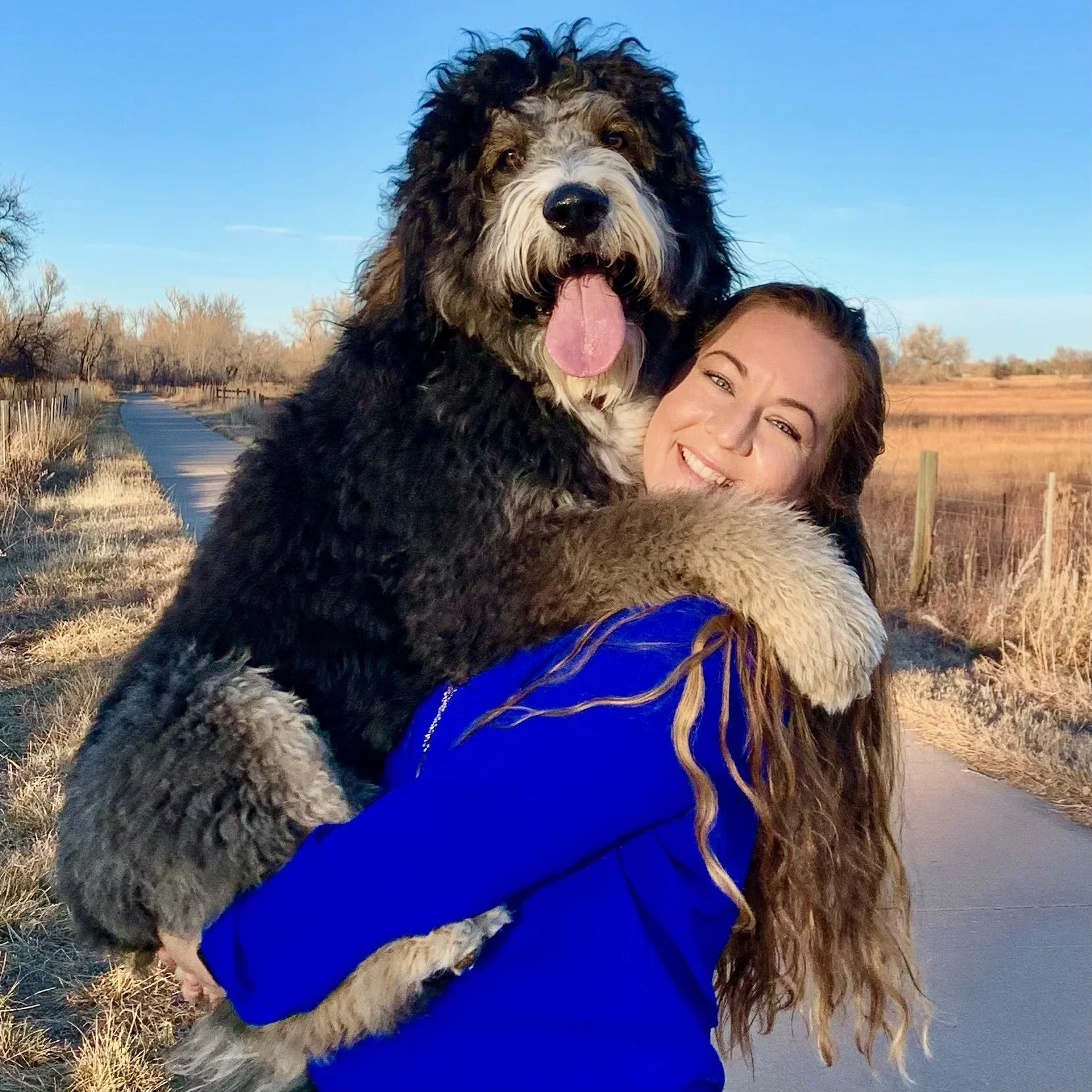
#103: How Does Your Body and Brain React to Trauma? | Patricia Scott, LPC, PhD Candidate
What happens inside your brain and your body when you endure trauma?


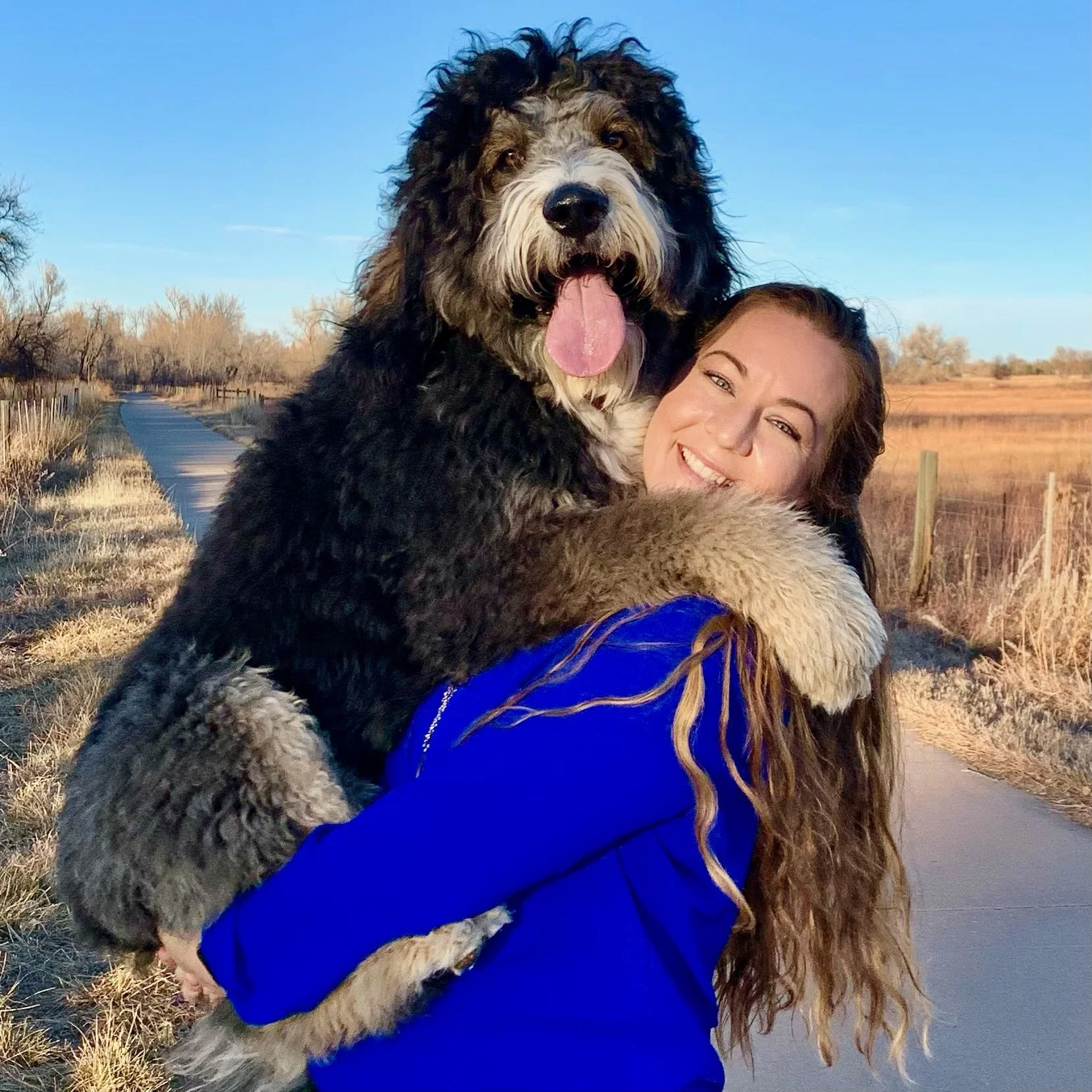
What happens inside your brain and your body when you endure trauma?
Surprisingly, there’s actually a predictable way that your body and mind responds to trauma. In this episode, we break down each response with a trauma therapist. We also discuss:
How her parents’ divorce impacted her
Is healing trauma even possible? If so, what does it take to heal?
How to apologize the right way
Links & Resources
Full Disclaimer: If you purchase through the links on this page, your purchase will support Restored at no additional cost to you. Thank you!
To leave feedback, comment below or contact us.
Book
Enjoy the show?
To be notified when new episodes go live, subscribe below.
As a bonus, you’ll receive our free guide, 7 Tips to Build a Thriving and Divorce-Proof Marriage!


TRANSCRIPT
Transcript produced by artificial intelligence. Please pardon any errors!
What happens inside your brain and your body. When you endure trauma, it might surprise you. But there's actually a really predictable way that your body and your mind responds. And in this episode, we'll break that down. We'll break down each reaction with a trauma therapist. We also discuss how her parents' divorce impacted her. We asked the question is healing trauma even possible. And if so what does it take to heal it? We touched on some really interesting facts about human development too. It's really important stuff to know if you want to heal and grow and thrive in life. We even discussed parenting and this stuff is relevant even if you're not a parent or you won't be for the next 10 years and how to apologize the right way and finally share for some encouragement and advice to anyone who feels broken and stuck in life. So, keep listening. Welcome to the restored podcast, helping you heal and grow from the trauma of your parents', divorce, separation or broken marriage so you can feel whole again and break the cycle. I'm your host Joey Panelli and this is episode 103. My guest today is Patricia Scott. She is a licensed professional counselor certified in trauma therapy and a phd candidate at Ducane University in counselor education and supervision. She graduated from Franciscan University of Steubenville with her master's degree in Clinical mental Health Counseling and from Argos University with a master's degree in sport and exercise, psychology. Prior to that, she completed her bachelor's degree in psychology, philosophy and theology at Franciscan University. You heard that right? A triple major. She served as an adjunct professor of psychology and social work at Franciscan University and adjunct faculty member at Ducane University. After treating clients as a therapist, she now works on the management side of a counseling practice as the director of data management and analytics. Petty loves to play volleyball, spend time with her family and close friends and most of all play with her nieces. Uh she lives in Boulder Colorado with her dog, Mr Darcy. So Patty is brilliant if you can tell and that's a good friend of mine. I'm just so excited for you to learn from her. Uh In this episode, we do talk about God and faith. And so if you don't believe in God, you're totally welcome here. Anyone listening to this podcast for a while knows that this is not a strictly religious podcast. So wherever you're at, glad you're here. And if you don't believe in God, my challenge to you, is this just listen with an open mind even if you skip or take out the God parts. You're still gonna benefit a lot from this episode. And since we recorded this in person too, you might hear her dog in the background. So just be aware of that. Here's our chat, Patricia. Welcome to the show. Thank you or Patty. I might refer to you as Patty. It's really good to have you. I wanted to have you on the show for a while and as we usually do on the show, let's just dive right in. How old were you when your parents separated and divorced? I was a junior in college when it officially happened. And I say officially, I found out my sophomore year of college, my mom had told me that her intention was to wait until my younger brother went to college to divorce my dad. So I knew a whole year ahead of time. So it officially happened once my younger brother was a freshman. So that would be my junior year of college. Was that kind of a burden? It was, it was, um, I was thinking about, I was reflecting on that today and just thinking, you know, what are the reasons I felt like I could have said something. I should have said something and really it comes down to just a few scenarios. Either I tell this important information and things get worse because he didn't know or I tell him he makes an effort or they both make an effort. Things get better or I tell him and I see that he makes no effort and it's heartbreaking. Um But either way I felt like being told that before it happened, put a lot of pressure to build an alliance to my mom because it was this big thing that I was told not to say anything. So having to hold on to that, I think it, it did burden me and pressured me into an alliance that I didn't want to have any alliance. I mean, they're my parents. I love them equally and that's not my information to hold. It's not my information to know. So no, that's difficult. And you know, I could see from your mom's perspective, too kind of want to prepare you. But at the same time, it's yeah, there is a burden to carry around both and the aspect of wanting to inform your dad. But also probably your brother too, knowing that kind of they were waiting for him to kind of move out and that's a lot to carry. So, ok, and I got the impression that I was the only one who was told, I'm not sure. So I'm not sure if I was being told to prepare me for it or if I was being told because she wanted to tell somebody and your child is just not the appropriate person to tell. So true. I'm glad you said that because I think there are a lot of parents listening to who are going through a lot of messiness in their marriages and trying to figure out what to do next. And I think it's important to remember that Children are not meant to be emotional confidants or not meant to kind of fill the role of a spouse or even to become a parent. And it's so easy to do. Like I get why it's done, but it's so damaging, especially when you play that out over years, like ruins, the relationship creates a really unhealthy dynamic and it becomes really sad. I've seen situations where the kids just don't want to talk to the parents at all years later. And it's how sad. It's almost as if every conversation is approached with a new hesitancy because you don't know if this is going to become a conversation about you and dad or you and mom, you just don't know. So it feels like every conversation is all of a sudden unsafe to have because it's so easy because you, you shared a life with these people. This is your family and the simplest of things is not doing the dishes or not doing the preferred way or not cleaning your room. You just never know what can lead to a conversation. Oh, I remember your mom or your dad let you do this and everything can turn so quickly. Yeah. No, I hear you. And we must develop these multiple personalities in the sense that we need to be one person around, like dad, one person around mom, one person around like maybe certain relatives or friends. And it can be really challenging to juggle all that. I know, man, there's so many heartbreaking stories of kids who literally had to juggle their lives between two homes and then everything else that comes along with that like bringing different bags to school and all that good stuff. So it's not good stuff. it's heavy stuff and uh yeah, it's, it's tragic, but I'm glad you said you love your parents because I know, um there's sometimes people get the impression that if you speak honestly about what you've been through that somehow you're putting them down or condemning them or saying that you don't love them. But I, I usually kind of cheekily ask, you know, do you hate your parents? And you already answered the question? And that's, yeah, it's, you know, we love our parents. Um, but in order to, I think to, to heal and grow, we need to be honest about what we've been through and we can do that in a way that still honors them. I am, I think the love I have for them has deepened in a sense because I've seen them, they've become more human and as I've grown older, I understand what it means more to be human and to be fallen. So I think being able to reflect on that each year, not that I make an active effort to reflect on each year but each year, like, you know. Yeah, exactly. There's, you know, it always comes up in some way it comes up or I think about it or a conversation happens and it just, that gets brought up. So, seeing more of their humanness and growing up and understanding nobody is perfect. So still it doesn't invalidate the good things they did. As a parent it doesn't take away or make worse the negative things that happened. It just makes it more human and making it more human is really humbling to see myself progress as a fallen human. So it's almost as if I understand them a little bit better and I not that I sympathize or I have compassion for it. I don't think I ever would and I don't think, I think it's ok to not just seeing it, their humanness helps me grow in love for them. No, that's beautiful and no, I could say, you know, being married and having a baby girl and you know, being a parent, it definitely opens your eyes more to you definitely can understand what your parents were going through. But at the same time, you can still kind of hold that standard up and say like no, what happened was damaging. It was difficult, it was in some cases even wrong. Yeah, you can say both of those things at the same time. So I'm curious how did all that affect you, we talked a little bit about it. But how did that play out in, you know, the years that followed? Honestly, I think there was some of God's grace at work in the timing of it, even though I found out as a sophomore and I didn't want to know that initially, it did make me more angry and anytime I would come home during that year and I was, I was more anxious because I was just waiting to find out that papers had been presented or there have been discussions with lawyers finding things out, just waiting to have this burden lifted from me. I do think there was graces in it though. I think waiting until the last kid was out of the house and in college was a smart choice. So even though you're going to do this monumental, you know, damaging thing, having an appropriate sense of timing or respect for the development of your Children and you know, with the timing of it, I think makes a difference. And so we were out of the house, we didn't have to see what happened. So I didn't, I don't know what happened on a day to day basis. None of us did because even though they were living in the same house and they were going through this divorce, none of the kids were there in the house. Now we all saw what led up to it. So when we heard the divorce, you know, I was like, oh, well, that makes sense. Like finally kind of thing. So I do think there were some graces. I, I can see that I was definitely angry and anxious. I, I think that was more leading up from a sophomore year when I found out it was going to happen to when it actually did happen and then when it did happen, I felt a big sense of relief just not because it was happening, but because I didn't have to hold that information anymore. So after that, I think I more felt a sense of relief and I was curious to know how things would happen. Whose house would I be coming home to for Christmas or Thanksgiving? You know, I didn't know that information yet and it wasn't, it wasn't figured out. So I think having it where I was away at college, it did help and I think that minimized it. I think there was a lot of safety nets there because I had a community. I had my faith. I had things to fall back on. I had school as a significant distraction and that was my vocation at the time. So I would have to really, really think and see like what were the immediate effects of it during that time when it was going on? I mean, the divorce officially, all the paperwork in courts going back and forth just ended this year over a decade later. Oh, my goodness. I didn't know that. Ok. And we're good friends for everyone listening. Yeah, I didn't, I mean, there was, I thought a lot of the stuff was over. So, I mean, the divorce itself was done but then the battles for, am I getting paid enough? You know, like going into those things, you only have so many years. So obviously it's half of the marriage in years. And so that finally is over and that, so all I would hear about is the court battles, blah, blah, blah. So now that's done and I don't have to hear that anymore. So there's a lot of relief in that I'm sure for everyone involved. But I could see especially for you and yeah, no, that sense of relief I think makes a ton of sense. And I've heard that from other people too because I remember one young woman saying, you know, her mom approached her and told her that she wanted to divorce her dad and kind of put her in a weird spot. She didn't know what to say to that. But one thing she knew was she just want the fighting to stop. And so I totally get that sense of relief immediately, especially. Was there anything else that you can kind of tie back to? Yeah, just the breakdown of your family and the divorce and everything that maybe played out years later. I mean, there's some major things I would say that play out later. But they played out in the time they played out during their marriage. So from a younger age, I obviously had a love for our faith. I had a love for theology. I had a love for church teaching. So when I first learned what marriage was learned this, this is great Sacrament. And I remember talking to it about my, with my siblings and my parents. When I say siblings, I don't mean all of them. I mean one sibling in particular just to clarify. So I would talk to about to my older sibling uh because she was also very active in our youth group at the same parish. And so I remember bringing it up to her. I'm like, oh, I just learned about this and she was like, oh yeah, our uh some of this was my mom's second marriage. Her first marriage was Sacramental. It was never an nulled because she felt at that time she was so young. She didn't have a full understanding of it that if it was to be annulled, it would be as if she didn't exist. And so that was her conception of that at the time. Obviously, that's not the case, that's a very harmful thinking and that really should be addressed and it just wasn't addressed in a healthy way. So my parents' marriage was a civil marriage. So as soon as I heard that all I could think was man, I don't want either one of my parents to be in mortal sin. I want them to divorce and knowing that I had, I think I had that thought probably around sixth or seventh grade was the first time I thought that but they should not be married. Like it's not even a sacrament. It's a valid marriage but it's not sacramental. My mom has been living in mortal sin in this and my dad's participating in it as the sin of scandal. I want this to be over and thinking, you know, it doesn't take away any of our identities as kids in a family. It doesn't take away any of that. I just wanted it to be done because I didn't want either one of them to be hurting their soul in that way. And it was very difficult to the only person I tried to articulate that to was my youth minister and my older sister, I never said that to parents. But I do remember feeling that sense of like, oh like, ok. And I remember after that would be like mom, you want to go to confession with me, but you never know if someone's going to realize that level or degree of sin and actually bring that to confession or want to, you know, have that, that cleansing from it. So knowing that it definitely put a different filter on relationships, it put a different filter on what I see marriage being and the intention behind it and having it being sacramental and the value of that as I was growing up more in high school years, not seeing what I would consider a healthy marriage, seeing more fights. I was very hesitant to get into any kind of relationship with people because I thought that's all it was. This is just someone that you fight with regularly and they just can't go anywhere like they have to come back. You know, that's kind of what my conception was of it a little bit like, ok, this is someone you have kids with, you get to fight with them all the time. But I realize as an adult, all I saw was the fighting. I didn't see the resolution. And that's something as an adult, as a therapist. Whenever I talk to people, I said the most important thing in my opinion that you can do as a parent is resolve conflict in front of your kids because so frequently we all learn how to fight. We all learn how to fight fair, we learn how to fight unfair, you know, I mean, we learn how to backstab but we don't learn how to resolve. And that is the most difficult thing. Like we rarely, probably rarely hear how to even properly apologize to someone. And now that's such a big emphasis in my life. Like when I apologize to someone, I have like a specific formula that I follow for even making an apology because it was something I had to really learn to dive into because I never saw that example through my parents. And that was hard, like realizing that like first time in the inkling England 6th, 7th grade, going into high school, seeing it more and then have developing, you know, more deep relationships with friends, seeing the importance of it and then going to their houses and seeing that their parents had such great relationships and they were playful, you know, things like what like what was in their water today, like what is going on here? So seeing that is a big gap in the knowing that something is missing in my life and something is missing in their marriage and it's not healthy, like there's something unhealthy here. So I had to do a lot of observation of other families and other married couples to learn what it is. And through God's Providence when I went back to school at Francisca, and I lived with a family, the most amazing family who they really taught me what it is to be a Catholic family and have a sacramental marriage. I mean, they're, they're beautiful. So I think they kind of were like the positive influence that kind of took away a lot of the negative effects. I mean, it influenced every single influence relationships I had from friendships to romantic interests. It affected everything of not knowing and thinking, ok, this person is just going to fight with me and leave me you know, how long do I have with this person? Because they're probably just going to leave me whether it was a friend or not. And that was, that was a definitely a hard thing to have to think of. Like, how would you enter any sort of relationship? I know I felt the same way. I remember as like a 12, 13, 14 year old, like in the years that followed my parents' separation and later divorce. I was like, I will never get married. Like just like you felt, I was like, if this is where it leads, why in the world would I want to put myself through this? Because it was super painful for me even from the outside. And then I, you know, was able to think through like, well, it must be really painful for them. I don't know what it's like, but it must be really painful. So why would I want to put myself through that? So, yeah, and I love what you said about observing, you know, healthier relationships and how that, you know, it sounds like it gave you hope and it also kind of taught you well, this is what it looks like, this is what it should look like. And I know that was super helpful for me and we've heard that trend a ton on the show and the interviews we've done. So it's really, really beautiful. I want to go back to the apology formula. You got me really intrigued. I know everyone's like ears lit up when you said that. So what is your formula if you're willing to share? Yeah. So and this is not, I don't have the book references. It's upstairs in my library somewhere. So when you are apologizing to someone, you need to acknowledge what it is, you did and you need to name it specifically. So it's not just saying, I'm sorry that you feel bad. I'm sorry that upsets you. Well, what is the that of that statement apologizing for their feelings? And you can't do that? Your feeling, your feelings are your own. I can't control how you, I mean, I can influence and anticipate what your feelings might be through my actions. And so that is part of my responsibility, however, I don't have full responsibility over your emotional reaction. That's yours. So when we apologize to someone, you're like, I'm sorry that made you upset. Ok, great. That's not an apology. The apology is discussing what that is. So when I apologize to someone, I want to make sure that I go over the exact action that I believe I was wrong in doing or was unjust because it's not always something that you're actively doing wrong. I think it sometimes can also be when you're not being just towards another person which could be that you neglected to act or you acted in a way that could potentially be harmful or you're just wrong with something, you know, you could say something that wasn't factual in the heat of a moment and it was inappropriate to say so that I think owning up to the specifics of what it is, you are acknowledging you did wrong then recognizing how either you anticipate or you think not anticipate again, that would be worse. But how you see it affected them. Whether or not your reflection on their reaction to it is accurate or not. That's not the really important thing. It's acknowledging that you, it's a way of seeing them of understanding. Yes, this is, I have been acknowledging what it is. I did wrong. This is how it affected you. At least I could see this is how it affected you. And this is why I really don't want to do that again. You know, you saying something I suppose not say I really, I couldn't stand your shirt and I made a terrible comment about it. Is this an actual statement? Right? I just kidding. No, that's a lovely color. So I might say, you know, Joey, I'm really sorry. I made that comment about your shirt. It was really inappropriate and disrespectful for me to say. And I can imagine how disrespected you may have felt and I don't want you feeling that way because I do respect you and I do care about this relationship and I wouldn't want to have you think that I don't care about you. So I'm really, I'm really sorry that in the heat of the moment I disrespected you in that way and that was wrong and I will do my best to try and not, you know, make a comment like that. So adding a little bit of um and not just saying, I'm sorry, like everyone can say, I'm sorry, not everyone can apologize. An apology is really what repairs a relationship and that's something when I go back to what I said, I heard my parents say, I'm sorry. Tons of times. I don't think I ever heard them apologize. Oh, ok. And so that's something, that's something I had to learn over time. And when I actually started practicing it, it is tough. I don't want anyone listening to this thinking that following the formula that I just did is easy. It is so incredibly difficult. Like I'm getting goose bumps, just think about how difficult it is to do. And there have been many times where it brings me to tears just because you feel the weight of it. It's almost kind of a pseudo confession to someone who's not a priest. You're really acknowledging what it is and taking responsibility and giving that action a name. And when we give something a name, we can take ownership of it and we can do something about it. It gives us a new found power over it. So that's really good. Yeah. It's very difficult to apologize. It's easy to say. I'm sorry. It's difficult to apologize. Yeah. No, that's so good. And, yeah, I think one of the things that I struggle with when it comes to apologies is there's situations where, like I was genuinely trying to do the right thing or I thought I was doing, you know, what would help that person and then there's like, either a misunderstanding or it's seen in like, a bad light and that gets really frustrating. It's like, I don't want to apologize in that moment. Like, no, no, I was actually trying to do the right thing. So that could be tricky. So any advice there for people listening who are, you know, they literally feel like no, no, like I was literally trying to help and I did something that was then perceived as harmful or whatever the thing I think with that it's, we do need to be careful of what we say, the reason you're a what it is you're apologizing for because if you genuinely did not commit an offense, you did not do something wrong. You did not do something unjust, then really what you're doing is is making a comment or having a conversation to repair that relationship because I, I don't think we should start apologizing for things when we didn't do something wrong or when we weren't unjust. So if your action, whether it was because you think you were doing the right thing, if you were genuinely doing something that was correct. And right. And just to do, you don't apologize for doing something. Right. And just, we apologize for doing something that was wrong. So I think having that distinction is really important and that's how we would approach it because it's a different type of conversation. If it's the conversation where you did do something, just, it just didn't turn out the way you wanted and it had a negative impact on them or negative influence on, on the person. That's a conversation of repair and bringing up the intention of this is why I thought this was correct. I can see perhaps I didn't go about it in a way that was going to be positive. And so I can see how maybe I did, I could have approached it differently. And the reason I'm even bringing this up is because I do care so much about you. I wanted to do right by you. I wanted to help you. And so in my perspective, I thought I was doing that. I can see that perhaps I was incorrect. I was wrong in thinking that but again, you're not apologizing for what you did. If you didn't do something unjust, then we don't, we shouldn't apologize for doing something that was correct to do. We can apologize for how we approached it. Perhaps it could have been something that you actually talked to the person about first before you did it or maybe it could have been something that you acted on it out of, you didn't use proper prudence or temperance and you acted too quickly and you didn't reflect on the situation enough. So, in that sense, you can bring that up. I just, I don't personally, I don't think, and that's tough. It's really tough on the receiving end because you want to hear that someone say like I was wrong. But when they think about it too, if you didn't do something unjust and you were not wrong, you should not be apologizing for it because you didn't. There's nothing to apologize for so that it's more a conversation to repair. Yeah. No, that's good. And I think, um yeah, I think that's freeing because, you know, I, I think at times as humans were falling, we can be malicious, we can be nasty. But a lot of times I think there's frustration in relationships where it's like there's just misalignment like you thought the person wanted this, but they actually wanted that and they were kind of put off by you trying to do the first option, you know. So I've definitely seen that play out. I love what you said about the resolution though. And that's something you taught me actually. And that I've tried to live out not perfectly um bridge and I try to do that with Lucy, especially if she sees us, like having some sort of conflict and, you know, beyond just maybe a little bit of a dialogue, like if it's something that, you know, becomes more of a conflict, we want her to know like, hey, we're fine. Like mom and daddy, love each other. We're not, nothing's changing. We're just, you know, we just had a disagreement. We had a little bit of a conflict and trying to explain it and then saying, like, we love each other and being so young right now, uh we try to show that in some sort of a physical way like with a hug or a kiss or something. Yeah. Again, we don't do that 100% of the time. We're not perfect. I don't want to give people an impression. But uh it's definitely been very, very helpful and we've seen that also with her like she lights up when she knows that like everything is ok, like there's peace in the home because it's crazy how little kids like they become very perceptive to those things. And uh and so it's, it's really helpful for so parents listening, it's a great tip. It's something that like you see an immediate effect with. And so it's something you can implement right away. And I think to add on something to another layer, having a resolution or presenting one, it also needs to be developmentally appropriate to the child because if it's not, then it's going to go way over their head and they might not realize that was actually resold. That makes sense, you know, so in the way you display it. I mean, because you can show that to Lucy at, at a young age that she is, you know, you can role play things like even sharing basic things. You wanted a toy, she ripped it from your hands. You guys fight about it and then you have a resolution. You can physically embody that and that's something that will stick because then they will pick up on that. That's the correct behavior. Even if this is something I want and I rip this out. That's not OK. Here's how we resolve that. Whether it is that that gets removed from me and hand it back to whoever or I learn to share better, whatever the case may be, it's not always my dog is snoring in the back. Yeah. So having, having something that's developmentally appropriate as a resolution, I mean, obviously as kids get older, letting them hear those discussions to the point that's appropriate for them and again, to the degree that is appropriate for them just because someone has the capacity to understand the argument and all the, you know, the words that are being said does not mean they should get all the information. So even having resolution be presented because you can, you can go fight in your room, you can have the resolution be done in your room. In private, there needs to be an additional public display that's appropriate for your Children to hear because that's what you're teaching them if they saw the original discriminated. And I think that's, I think that's what's so powerful is that you don't have to do it perfect every time. That's why you don't need to do it in front of them every time you can go resolve it in private. But then when you're ready to come back out, you need to show that there's power in having a public display of a resolution. And I love what you said before too. You just never saw that side of it growing up and then you were exposed in other relationships and you learned it, which is beautiful and that's such a hopeful message to anyone listening right now, especially maybe you're going through your parents' divorce like in the moment and you're just in a like dark tough spot. There's a lot of hope at the end of the road, there's a lot of hope ahead. So keep your head up. Um Even if it is really, really painful and hard right now. So, yeah, I love that so much good stuff there. And like I said, it works. It's, it's really, really helpful and the more you practice, the better you get at it. I mean, even if you're doing it in private and you come out and you do a role play, you will only get better at resolving things and doing it publicly. I mean, there's no downfall to it. Yeah. No, 100% and it is, um, you need humility, kind of going back to that apology. And that's, I think that's the challenging part for me. I know that's pride is easy to, uh, it influences your behavior, actions and if you're not humble then, yeah, it can be just horrible for your relationship and I've certainly struggle with that. But, um, when you are humble it's beautiful and it ends up making the relationship and it's, it's a good reminder to your kids that you're on the same team. Like the team is your family. And even, even greater than that is the priority of the marriage that you two are on the same team as a married couple as parents. And then your whole family is on the same team. So, when we don't have that, I mean, that's something I didn't have. I didn't feel like our family was a team. I didn't feel like my parents were a team. I could play off of them like a fiddle. Not that I don't play the fiddle. Who knows? Maybe I could have. I tried, but I would get a yes from this one and a no from the other. And I would play that all day easily and I knew exactly which scenarios to go to which parent for, to get the answer I wanted because I knew they were not a team. And so that's just, that was definitely a hard thing to learn. And that was something that I could see influence my relationships, even friendships if I had a disagreement. Stonewall. No, it was so much easier just to cut someone out and not try and resolve it because I didn't know how to resolve anything. Yeah. How would you? You never, I mean, some things, I mean, I don't know. I wouldn't call it a supernatural gift. Although, and I don't mean supernatural in like a hero sense. I mean, supernatural is a grace that was given to me. I felt very, very protective of friends. And so even if someone got bullied, I would go and confront the bully and say, hey, that was not ok. What you did, I want you to come apologize. And so I would, I would do that. I started doing that in like fourth grade when bullying became like, you know, more prominent when we get to fourth grade. And so I just hated bullies. And I mean, I certainly, I know there was comments I said that I can think of to this day. I'm like, man, that was really rude. So if I ever came across that person, I probably would apologize for the things, some things I said, oh, even now, but it was just, I learned that it was so much easier to cut someone off instead of doing the hard work and no one wants to know that they're wrong. No one wants to think they're wrong. No one wants to hear they're wrong. We all are very prideful and having a sense of pride is a good thing, but it, obviously it can go too far, too quickly when you're not willing to submit yourself. I mean, especially this is your spouse, you're on the same team, not having the willingness to submit for the sake of your family, for the sake of your marriage, for the sake of Christ. Like for, there's so many things that go into it just for the sake of goodness, you know, for the sake of growing and becoming a better person. I think it's extremely, that's probably one of the most difficult things to actually live out. Yeah. No, I, I can agree with that. Let's stay here for a second because we have some parents or people who will be parents, future parents and they may be wondering, I know, I kind of wonder this. Now you're making me think, what do you do as a parent when kids try to, like, pit you against each other? Because they're so good at it because they're so good. I remember doing that as well as a kid. And so, yeah, what do you do in this situation? Have a game plan going into it? We all know kids are going to do this. Even if, even if you're a great example of a marriage, kids are going to do that because they're not going to be satisfied with a no answer, no kid wants to hear it. Can I have a dessert? No, if you said that I was going to go to mom or dad and I'm going to figure out who's going to say yes. And then I'm going to go to that person to get the answer I want next time. So having a game plan ahead of time and just having the default statement of saying I need to talk to mom about it. I need to talk to dad about it and just doing that and knowing that if that becomes your go to phrase, they will stop asking you, they will stop asking you because they know they can't play that game with you. And even if your kids are doing it now where they're pitting you against each other, you can start doing it. Now, it's going to be an uphill battle. It, it absolutely will, it will get worse before it gets better. And it could be that your spouse gives in more because it is tough. It is tough to maintain a new behavior, especially when you know that behavior is going to be a painful growth. You're gonna have some significant growing pains for your kid, but it will get, it will get better if all of a sudden they realize, ok, every time I have come to you with this, you said I need to talk to mom or I need to talk to dad first and not even giving them an answer. And that's, that's the important thing is not giving them even your preliminary answer. Cut it out completely and say no, I need to go talk to the other parent and then we'll give you an answer. So please don't ask me about it again until I have a chance to talk to mom or dad. That's so important because if you give them a preliminary example or the preliminary answer, they think that that's going to be the final answer. And so they might become even more upset if that's not the final answer. So it's better just to leave that out completely and say nope, I need to talk to mom or dad about it first. So like a scenario I know with Lucy, she's so funny. She has this like motion that she does when she wants ice cream. Like we try not to give her too much ice cream but she like imagine licking ice cream. She does that she goes and that means like I want ice cream. And so one of the mistakes I'm realizing I've made is I say, well, it's ok with me. If it's ok with mom, it would be better to say because then all the pressure is on her and then she'll be actually disappointed, but it's better to say like let's talk. I need to talk to mom. I don't know yet if you can not talk to mom. So OK, let's get him learning. Thank you even saying that, that little piece. He said, I don't know if you can yet because even that statement signals to the kid, it's up to mom. I see because you have just acknowledged that you don't have the answer and that you have to ask mom because mom holds all the power. Ok. Yeah, because then you're basically putting all the power and pressure because then because the kid is going to question, well, why don't, you know, I'm asking you, you're my parent, you know, so obviously depends on the cognitive ability of the kid. But that is something that they will catch on to. I mean, if I'm able to catch on to it in a second now, kids, kids get that so much quicker. I mean, they will believe your behaviors so much faster than they believe your words. I mean, they will just read that for days. So it, it even though it as difficult of a suggestion as it is just not giving any kind of answer and saying I need to talk with mom about it first, then I'll let you know, please don't ask me about it again till then. That's it. I mean, something different in the dynamic of I have my nieces spend the night with me usually once a week and I have done that since I moved here in 2020 which has been amazing. I love being able to give their parents a date night because I think it's so important for spouses to have a designated date night and have it be as routinely as possible. So they have it usually once a week, at least during the school year, it's always once a week and when they're at my house, because I have seen at their house that dessert is such a problem whether they haven't eaten enough to get dessert or they don't get the dessert of the choice or they misbehave. And so dessert is taken away. I mean, it is, I mean, it's just a nightmare. It's like a nuclear bomb just went off in the house. And so in seeing that I was like, nope, that does not fly in my house. I will not put up with it. So we do not do dessert in my house, period at all. They never and so it took a little bit for them to because initially we did and it started off with they would never finish it. So they would insist on having their own. We would get like a little mug cake. So it's like an individual cake. You put the mix in your cup and then you put in the microwave and you just eat a little cake out of your own little personal size mug, but they would never finish it. So I was like, ok, well, I'm not going to try and get you to finish your dessert just for the sake of finishing it. I'm just going to take it away because if you really, all you had was one bite. So you two can either decide to share or we just won't have it. They didn't want to share. So I said, ok, we're just not going to have desserts anymore, then that's fine. So they stopped expecting it and it's never a problem. So now if I give them a dessert, it's like this huge surprise. And so now you can ask my sister this, I think it was two weeks ago when I brought them home, she just sat at the other end of the counter and she goes, so I'm just curious, is there anything that mom and dad can do differently to help you listen to us better because you seem to listen to Peter so, so much better. There's never a problem. You don't throw temper chances for her. What is it? And it was her Aunt Leila's answer was very interesting. She said, well, Peter Rat doesn't give us warnings. She says sometimes when you give us a warning, I get anxious and I think I'm going to make a mistake. And so I get more emotional. If I do make a mistake, this is coming from a seven year old. This is pretty profound stuff for a seven year old to be saying in Lucy, you know, she chimes and she goes, yeah, parent doesn't give us warnings. She just tells us what happened or if we did something wrong we resolve it and we move on like there is no warning, there is a correction and that's it. So, I mean, it is the case when I thought I was like, man, do I ever really good warnings? Like no, actually I, I really don't. And so we don't have issues and so having different set of expectations and being prepared for those, like not simply not having dessert, period. There's no expectation for it. So there's no temper tantrum. There's no emotions around dessert. If you get it, it is a genuine treat. So it's never about you have to finish your food. You don't, you can't merit it at my house. And that seems to help. The master is a little tiny. I know dessert is very, very small, but for little kids, it can be really big deal when you're trying to get them to go to bed. So it's just an easy thing to do. I mean, it's not really easy because obviously if they're so used to it, it, it takes a long time to get out of that habit. But it is possible. I don't even remember where that tangent started. This is good. No, I appreciate you going into this and I'm learning and I know everyone listening is learning too and just to be clear to everyone listening, I do not have Children. I have nieces and nephews and I adore them. So I love being the thing that they get to come hang out with. Yeah. But now you have all your background and studying human development and helping people in that way too. So that's certainly helpful. And no, this is really good stuff. Going back to your story a bit. We were talking about just how your upbringing and what you experienced at home impacted you personally and we got into your relationships. Was there anything else you add about your relationships? Whether it's your friendships, dating relationships that you saw, like, were affected by the, there was this little thing I didn't realize how big of a deal it was until I started dating someone in a very serious way. And I can see a serious future with holding hands. And the, and the reason was I never saw, I think I can count on one hand, the number of times I saw my parents hold hands. Yeah, exactly. And when I think about it, I'm like, man, that's when all the other functions are gone. When you can't be physically intimate with your partner. If you or your spouse, you can't have a conversation with them because maybe you're mentally, not there or you're sick and you can't kiss them. What's the one thing you can still do is hold hands and so never seeing that really growing up, I realized how, I mean, I'm also a physical touch person that's really important to me. So, seeing that that wasn't done and it's such a simple thing. And then when you see like old people holding hands, you're like, oh my gosh, they are just the cutest thing ever. Like you have to ask yourself, what is the reason I'm having that reaction to seeing some strangers hold hands or why do I find it so annoying? When I see a couple at a table who are just like following each other's hands, you're like, ok, guys eat your dinner, you know, but there's something really, I think there's something so powerful about that because I mean, our hands are very, very sensitive and we use them to speak, we use them to do day to day action. So we use, they're so profound. I mean, we wouldn't really be humans without our hands, you know, like obviously there's much more to that statement. This is just a very simple thing, but I didn't realize how important holding hands was until I met someone that I really, really want to spend a future with and thinking man, my favorite thing like when I and don't get to be around you, the one thing that I want to do is hold your hand and it's because I never saw it. And so I, I explained to him, you know, I really think the most important thing to me is to make sure that if we, if we're still together, if we get married, we have kids that we better hold hands, whether you are upset with me or not. If I reach for your hand and you deny holding my hand, like there will be hell fire running down. But I just think there's such importance in holding hands. Like because even if, even if kids are not comfortable hugging or they're not comfortable sitting next to you or they're not comfortable with any kind of physical touch. Generally, they might be ok with holding your hand. Like because it could be a safety thing like crossing the street. So they get used to holding your hand for some reason. So there's so much about holding hands that I think goes understated. Yeah. And I didn't realize that until I was an adult and then when I realized why it was, I realized I didn't see my parents hold hands. Yeah. OK. Now that makes so much sense. It's such a primal thing to I forget if this was in a talk or something. But when we're meeting someone for the first time too, you might have even taught me this. The, the act of like shaking a hand or showing your hands is actually on a subconscious level. Like we did have this conversation many, many years ago. It's like a signal of safety. It's like, oh, they don't have like a weapon again. It's like a primal thing, but they don't have a weapon in their hand. They're not trying to hurt me. They're giving their hand as like an extension of vulnerability and trust And so that makes sense. Why that would be that important to you? That's cool. Anything else that you would add about, kind of the impact on your relationships? I would say the intentionality of approaching relationships. So I'm just now entering into a relationship where I'm like, ok, I'm on my end. I'm like, 1000% positive. This is the person I want to marry and then having that hesitancy of, well, I've met lots of people who were wrong, who may have had that same thought. So how could this be different or how can I better prepare myself? Because, I mean, the last thing I want to do is think of what kind of letter would I write in an annulment to try like annulment process to say that I didn't know or that I wasn't prepared and I don't want to ever be in that position, you know, I mean, it's just, it's interesting because I, I mean, I didn't really know the annulment process until I met someone who had gone through it. And they had to have, they had to write their own witness statement, but they also had to have friends, either the person like the best man or someone at the wedding party or just someone who knew them intimately, they have to write in a statement as well to support that. Let's explain that a little bit for people who don't know what we're talking about. So, I annulment is saying that valid marriage was never, is it valid or sacramental marriage? Sacramental marriage was never created or I don't know what the right term there is. It never, it never take place. And so there was like an appearance, but there was some substance was missing, something was lacking essentially. And that's a longer conversation of like, well, what are the different property or what are the different things that need to be present? That's a separate conversation. But in this context, we're talking about, yeah, when you go through that process, you're essentially trying to explain why you think there were those things that were lacking that did not allow you to enter into a sacramental marriage. So that's what you're talking about when you're writing that statement. Yes. And I can't remember if it was in a movie or if I heard a story about some kind of mobster or gangster or something. I, I remember a story though that each time this person had gotten married that he would write a letter explaining that he really had no intention of being faithful, didn't want to marry this person, but wanted the appearance of it to be a sacramental. So they wrote a letter prior to the sacrament taking place so that when they wanted to get a divorce, they could because they had written this letter beforehand. And so I think that's kind of where I can't remember where this came from. But when I heard of that. I was like, man, it's that easy. It really is the intentionality of it. So I don't ever want to put myself into a position where I have to think back on a time that was positive because I don't think anyone really looks back at their, their wedding in that time of marriage prep thinking I should not get married. I mean, I think there are people and if that's the case, then there is grounds for annulment because obviously that is indicative of some kind of pressure or there was something withholding and not allowing them to express their full free will in that. And obviously, that's a condition for it. But thinking how, how best can I prepare myself for this to know that this is a good decision and not just a good decision, but a real decision, one that has firm grounding like I'm not just standing on sand. And so now like I'm going through a book that says, you know, 100 and one questions before you get engaged. And it's really because you've mentioned how helpful it's been. We've only gone through eight questions and we this has been weeks and the conversations end up being more than an hour multiple times. I've cried just because some of them are really difficult to have to think of because you have to, you're explaining things that you don't want to shed light on. But if you're going to be spending your life with someone. There's a lot of things you need to shed light on and to make sure that, you know, that you are entering in this with a full and free knowledge of someone and that's so difficult and, and I'm not sure that my parents had that at all. And so I think that's something that from seeing an unhealthy example of a marriage thinking how can I prevent that or guard, not prevent it, but guard myself against that. And I think a really good step to guard yourself against that is to do the really hard work before you initially say yes, I'll marry you. I love that. And it's really tough. Like we've only gone through eight questions and it's been like nine hours of us talking and like I said, I mean, it's, it's emotionally really good, but afterwards I feel so much better, like it's just, it's not a weight off my shoulders. It's not as if I'm withholding anything. It's just being intentional about the reason we're asking these questions is because we are discerning if we should get married or not. And so I think it's so important. So what are some examples of the questions just for anyone who's thinking like, yeah, I could really use that in my relationship. Like maybe they're in a dating relationship or maybe they even are engaged and they're trying to, you know, further decide discern is this really the right person for me because that really is what engagement is. It's a time of like further sermon. So I'm just curious. Yeah, what that book is like and what some of the questions are? Yeah, I'll just go through the first question was great because obviously it opens up a space for the further questions. The first question is what makes it easy for you to be vulnerable and open and what makes it difficult? Obviously, that's very intentional is the first question because you want to create a space where you are willing to be vulnerable and open. Because if you're not, then you shouldn't go through this book. Like if you can't create that or they can't provide that or they're not willing to work on providing that, then you've got a problem. Yeah. So if you can't make it through question one, you have got a problem like that's a big red flag right there. If you, if your answer is I'm not willing to be vulnerable in front of you, do not proceed until you, you address that. Um One that was very difficult for me. Uh Was the question, how do you maintain healthy interdependence? So I've been on my own for so long. I can move myself from house to house, all by myself. I can do fixing things around my house all by myself. I can do a budget all by myself. There's so many things that I'm completely capable as a human being to do all by myself and you just have the temperament to just being a very independent person like me, I, I've always, I've always had that. Like, if I see something that needs done, I'm just going to do it and even if I think someone else could help me with it, if I think it's going to take them longer to do it, I'd rather be more efficient and do it myself. So it's very tough to say, ok, how am I going to actually allow this person to enter into my world and me give up something and allow them to do something for me. Even, even like how I put groceries away in the refrigerator, the simple thing, you know, it's something simple or how I fold a towel. I'm so used to doing it the exact way I have done it for so many years. And now I'm going to not only give up that desire for how I've always done it, I'm going to allow someone else to do it for me or they're going to allow me to do something for them. Like the, the humbling aspect of that. I mean, it's even just ironing someone's shirt for them, you know, like everyone's capable, not everyone, I guess, I don't know that for a fact, but many people are capable of ironing their own things but allowing someone else to serve you in that way. And that's something that I think is very profound. I've always wanted and I have a very strong desire to serve others and act like act of service. I think it cannot be understood. I think it's a great thing and it's something we should all practice. Not because it's our love language just because we should do that. We should sacrifice that because it's, it's saying that you're worth my time, you're worth this effort. I think it's extremely important. So this question, I think we, I think we talked about this one question for two hours and I was bawling because I was like, I like, that's one thing I'm so petrified of is that I'm not going to know how to give something up even though I want to, I desperately want your help. I want you to be able to do these things for me because I want to be able to receive that love from you in that way. And it would be great. I'm just afraid that I'm not going to be willing to actually give it up to allow you to do that whether that's my pride or just anxiety popping up because it's something different and I have to get used to it. That was a really tough question. Yeah. No. That makes so much sense that I could see the, this book being a great conversation starter and it gets to the root of, you know, so many of those foundational things that you want to be on the same page. On when it comes to at least to know kind of what to expect moving forward. So, wow, I love that and I could see how that would be super, super helpful. So, anything else before? Yeah, I would say there's one more question, that's a beginning question that was really profound and I didn't limit it. I, when I read this, you'll know that there's a one specific sense of this statement, but I took it in a different direction. Obviously, that's just if there's one direction, I'm always going to go a different one. So what have you learned from previous relationships that will make you a better spouse uh for someone at this time? And so when we hear the word relationship, we're thinking romantic relationships, I didn't take it that way. I thought of how, what's my relationship as being a daughter? What's my relationship as being a sibling? What's my relationship as being a friend? What's my relationship as being, you know, beloved daughter of God? What have I learned from those relationships that make me a better person to make me a better spouse? And that was, I mean, that was tough, like just actually thinking and reflecting on that because I mean, like, yeah, I think it was so great. Yeah, I do, I do think I'm great. I think I'm a wonderful person. I think I'm a worthwhile person. But what has helped me to get there? And it is a very humbling experience to actually reflect on the ways you haven't been a great friend or you have missed opportunities to serve others. And so thinking of that and thinking, how has this made me a better person now, or how is it going to make me a better person in the future as someone's spouse? A tough question? That is a tough question. So good though. I'm glad you brought that up and I think it's an excellent resource for everyone listening, especially people who are entering or in a relationship to help, you know, further discern if this is something that could turn into marriage that could go down that road before we transitioned into talking about trauma. I'm curious, what were a few things, the two or three things that helped you cope with the pain that you were dealing with and also to heal? Like, what were some things that helped you cope and heal? I think first and foremost, not being in the environment. And I can't even say how it helped me because I have no idea what it was like because I wasn't there. But I can anticipate what it might have been like because I can reflect on what our family like was like when I was there. You know, the all the arguments and things like that and unhealthy behaviors and patterns not to say that there weren't some healthy ones too. Of course, there were. But I mean, we're kind of primarily looking at the ones that are more unhealthy. So I think the most powerful thing that was helpful was the fact that I was not physically there. And then I, where I was at college, I had, I had my faith community. I had my friends, I had sports, I had my classes, I had positive things that were actively engaging me instead. So I only had to really think about going home for the major holidays or for break and I imagine things probably would have turned out very, very differently if I had been there, if you were in the midst of it. Yeah. No, that makes sense. Um, and that's something that we recommend from time to time. If things are so intense and toxic at home, it's good to have a breather. It's good to have some space. It can, it can be very, very helpful in terms of, yeah, just helping you not be as emotionally distressed and maybe acting out in different ways trying to deal with the pain that you're experiencing. So I'm right there with you and I think even beyond that, uh, now that I think about it more, but if you really care about your Children, the way that you imagine yourself to care about your Children, if you're going through a divorce and there is no way for them to be physically somewhere else like they're not off to college, they are there making sure that they do have the positive relationships and positive outlets and that you encourage them to maintain their level of participation if not increase it. I think that's something to really think about. Obviously, I, I can't say one way or the other. Um, but I do think that would, I mean, it would only serve to help, you know, to make sure that you're encouraging and not, not limiting it because you're fighting or you're having a bad day. So you're just going to cancel a play date or cancel that sport or cancel that practice. You know, I think encouraging it more and making the effort more to ensure that they have all these, what we call protective factors in their life. Um So maintaining those, if not increasing them for your Children, that makes sense. Was there anything else that was healing for you? It was a long road of healing, you know. Yeah, there's, I would say it all comes for me personally, it all comes back to prayer. And I, during that time, I felt most at peace when I would be able to go to daily mass. I mean, we were very fortunate that the Franciscan University to be able to have three different masses to choose from. Now, it's four, I think masses to choose from on campus. So being able to just offer, I would go first thing in the morning. Um And I did that, I think the majority of the time I would I would go to usually would always for sure. It would always be lent. I would always make sure. Ok. No, this is, I have to go on them but then I would just continue it and it would just kind of just stuck. So then when I got back I'd be like, oh, I would just go anyways. Um, so at that time I hadn't always gone to adoration routinely, but I always went to mass. And so just having that, having that way to start my day and pray the rosary. I mean, I don't, there's no way we can understate that. I mean, it's the source and sum of our, our faith. So allowing yourself to be drawn in and, and knowing that you're not always going to feel good when you go, just the action of choosing to go, even when you feel like a wretch, even when you feel like there's no way that you could even force a smile from your face. Like the greatest effort you're making is getting yourself to get out of bed. You have to remember you by doing that. You're telling yourself more than you think, by choosing to get out of bed, by choosing to maintain your commitments, by choosing to engage in mass to, by choosing to engage in prayer. You are in a very real way telling yourself just how much you are worth it. And so when you had people in your life that maybe weren't telling you you were worth it or that's your perception of it, doing those little things for yourself or you might not be actively telling yourself you're worth it. But you really are in a behavior sense. Ok. Now, that makes sense. And that almost goes further than words for a lot of people at least, which I, which I like, I want to transition into trauma. I don't know, we don't have too much time left, but I'd love to know we've talked about trauma a bit on the show. But I'm curious, uh what's the definition of trauma that you uh for me, the definition of trauma is having something that stresses your resources beyond their capacity. So it could be because trauma can happen. I mean, usually we think of it in a negative sense like post traumatic stress disorder, we think of that, but in a, a lighter sense, it could happen when something really good happens. Like anything that really stresses all of your resources to the point where you do not have the mental, physical emotional resources to continue on at the, you know, maintaining the same level of behavior that you were the same level of competence that you were to me in that sense, it is a trauma. So it could come even from the birth up a new child, that's something that is so gloriously wonderful. But for that short period of time, it can also be very traumatic on us because it is pushing through every single resource you have. And if you don't have additional people to make up for the resources that you're now stressing like family or friends or community, then it can become a problem very quickly. But when you do have those and you're not stretching out every single resource you have till it's bare minimum or its absence, then you're just going to remember that time as, yeah, it was stress when it was hard but it, it was wonderful and I want to have another one. But when you don't have that, your idea is no, like having another one that, that becomes the most difficult thing that you don't want, you want to do. But at the same time, you don't because you know, the stress and the trauma that is going to bring you because your resources are just going to be blood dry again. Ok. That's super interesting. I've never heard anyone that it get a totally different, totally different one, but I think it becomes more applicable to many more things. I wouldn't, I would say my definition. There's definitely some capital t traumas that we would say. But I would say it really acknowledges a lot more of the lower case t traumas that we can experience throughout just day to day life. I'm not saying that it's gonna have a lasting impact, but I would say that I would qualify it as it was one, it does affect you. No, that makes sense. I want to go deep here. What happens inside our bodies, inside our brains when a traumatic event occurs. And I know it's a big conversation. But yeah, let's chip away at it. So, I mean, there's lots of different theories. I mean, essentially we engage in our fight or flight response. And so usually initially, we are startled by something that's the shock of what took place, the event itself and then we can go into our fight or flight and how someone's going to respond to that, it's everyone can be different. And many times we can be shocked, I think by how we react because we can say, you know, well, I always think I, you know, I would be someone who reacts this way if I was given that situation, that might not be the case. You know, it might take you actually being in that scenario to realize how you would respond and it could be completely different than your personality. I found that out the hard way when I had to go through my own trauma, I think, knowing, realizing that I'm a person who's probably going to freeze when everything about my personality, if you met me would tell you that I'm fighting 100%. And so, I mean, that was really even that in itself realizing that and reflecting and I was like, wow, that was in itself very traumatic and very hurtful. Like thinking, I actually for a period of time, thought less of myself because I was like, man, you rose, you didn't fight the way you thought you'd always fight and maybe because you, maybe you weren't capable, who knows? Like I don't, I can't completely say everything to that state, but all I know is that I, I totally froze and that was not, that's not who I am. That in day to day life, that's not who anyone would think I am. And so you learn a lot about yourself. So then after that, the fight or flight, then we have, you know, we, we can go into a freeze and then we have what we consider an altered state of consciousness. So that could be where they, you know, we could think of it as you're in shock or you have an out of body experience as if you are, you know, detached from yourself, watching it happen like you're a witness to it now, um that's a very common thing for people to report happening. And then after that, we, we kind of start to return. And during that also that altered state of consciousness or that out of body experience, you're really not aware or you may not be aware of the physical bodily sensations that are going on. Like you might not feel it like some people who don't realize that their limb was just cut off and they don't feel anything until they actually look at it and then it clicks with their mind that your arm is missing. You should feel extraordinary pain right now and they don't feel it until they actually look and acknowledge it because they're in such an altered state of consciousness that it takes them coming back down. And when they actually are in a place that self repair is the, is the very, what we consider the very end of it. When they start getting into that, they can act. That's when they'll start all the body sensations and thoughts come back and you could be capable of feeling. So between the out of body or the altered state of consciousness and repair, we can go into what we consider just an obedience state. And this, you see a lot with first responders, someone comes to rescue you, they give you directions and you're just going to blindly follow them. But this can be something that is for better or for worse. Uh because it could be someone who is harming you that you're now obedient to because you're just in that you're not fully capable of your own free will in a sense because you're just, you're not in your right mind and that's just a response from it. And until you're in a space where you can be safe, whether that's emotionally or mentally or physically, you're not gonna really get out of that, you're just gonna be listening to the directives that are given to you and God willing, it's going to be through someone who has your best interest and is there to protect you, like someone, you know, officials out of the police or fire department or, um, an EMT. And once you're able to do that, then you can kind of go into the, the self repair. But even the self repair doesn't always mean that it's gonna be positive. It can be something that, and I don't even really want to say negative. It could be something that is life impairing might be a better way of saying it. I mean, we could become more obsessive compulsive with things. I'd say that's probably a very common one. I, I saw that in my own life. That was definitely the path that my trauma took. I mean, it could be with how we eat, it could be with how we exercise. It could be with different addictions. I mean, usually it's very behavioral. That's, that is the one theme of the self is that if it's going to become an issue in how you live your life, it's going to usually come out in the behavior of some kind. And for me, it was definitely the obsessive compulsive of needing everything to be within my control because I wasn't in control and I had a sense of obeying someone that I did not want to because I froze because I wasn't able to fight or fight. And some of that and some of that, when you, when we say fight or flight, it doesn't necessarily mean that I'm physically fighting you or that I'm physically, you know, it could be that you're stuck and you freeze because you are physically not able to fight. I mean, and that's a very real thing that people need to acknowledge that sometimes we physically cannot fight and we physically cannot flee. And so our body just start, we just go into a freeze kind of state. So when we come out of it, our self repair could be that we are now in need of absolute control over every single piece of our life. And for me that could have, that came down to how I clean. It came down to how I organize things. It came down to how I put away silverware, it came down to how I fold things, how I organize my closet, everything had to be absolutely perfect. And if it wasn't, then I would get extremely frustrated and I would be easily become angry. Yeah. Um And I usually wouldn't be angry at myself like it would show up in some other relationship, like I would get set off by something little. But it's really because I couldn't keep this, this one thing to be exactly the way I wanted it to. It makes so much sense. And now I like how you said, the self repair is really just a way to kind of feel some level of normalcy back in your life or to get yourself out of a maybe super anxious or super depressive state, like an emotional equilibrium, which makes sense. And there's some really unhealthy behavior that actually does that. And so that's what you're saying, that it serves a purpose. We don't want to continue down that road, but it's there for a reason. And that's often what kind of brings us back to that. And you might not even recognize it. Like a lot of people with mine didn't recognize the obsessive and compulsive behaviors that I was doing. They just thought I was super organized and super on top of my life, like, like type a personality and really, no, my personality is, yes, I'm a very organized person. I prefer to have my life organized. I prefer to anticipate my day to day. Like, I prefer to anticipate three months from now, to be honest. But I can allow to have dishes pile up. I mean, usually not very much because I don't, I have a routine and a habit that I generally don't let that happen or I could go a day where I don't make my bed even though generally I usually do every morning. So it could be things that we see as good behaviors or good traits or things, you know, sense of perfection that we want. But it, it's, it's unhealthy because it was impairing my life that it was affecting how I saw the world. It was affecting how I was able to interact with other people because I couldn't do it. And that's, that's the thing to watch out for, for people. OK. That's good. All right. I want to explain and kind of this whole model one more time and we can use me as a guinea pig. OK. So, so I remember when my mom uh I talk about this sometimes on the show. So forgive me if this is repetitive for some of you listening. But I remember when my mom broke the news that they were, my parents were getting divorced, I was 11 and it was so shocking, like it literally shattered my world. It was really difficult to hear and all. Yeah, I remember that that sensation of like being startled, like kind of looking in disbelief at my mom. Like is this real, is this like actually happening? And then having the reaction of just like crying and, and feeling really angry kind of simultaneously? And so all I could do in that moment was flee. Actually, I remember, yeah, just going hiding in the closet to where like no one could find me. And I was just like kind of suddenly sobbing and just like really, really, really angry. Yeah, kind of like that. Maybe I don't know if that at that point, I was having the psychotic body experience, but I can see how these stages play out. So with that example, if you would kind of explain the model again to make it a little bit more concrete. Yeah. So in, in, in just hearing what you said, so obviously, the startle is very obvious when you hear the news and your fight or flight was very obvious when you said you went into a closet and you started crying with it. Um So the altered state of consciousness would come in or how we would in within this model describe based on the details, solely the details that you gave me. The question is this real that going through your mind and having that doubt and that would be considered for this model and altered state of consciousness that in in this therapeutic approach, we would address that would be what we used for the alternate of conscious. Is that just sense of gosh, how could this be real? How could this be my real life like that is alter state of conscious? Doesn't mean you have to be like hallucinating, you know, it doesn't have to mean anything like that. It could just be that, that sense of doubting the reality of the situation in a very simple way that makes sense. Now, for the sense of automatic obedience and the self repair, based on the details of the story provided, I wouldn't be able to say that this was, you know what that was what was going on. I imagine though that some of the body sensations or the attempt to self repair for you. If you were putting yourself in a closet away from other people crying, you probably, or may have very well had your arms wrapped around your knees rocking yourself as a way of attempting to comfort yourself within the tears. Yeah, that's what it was for sure. That's, that's something that we in an attempt. If you always grew up knowing that was a pattern of comfort for something that brought you comfort, then that very well could have been the self repair that you were attempting to self soothe. It may not have been what actually brought the repair and usually it isn't because it's, it can happen in a very all these things can happen in the span of five minutes or they could happen in the span of five years. We just never, you never know like someone could be um like there's people who are all of a sudden in a clinical sense they have are presenting with schizophrenia when really that's just an altered state of consciousness. And once the trauma is resolved, the schizophrenia may very well go away or diminish to a significant degree where it's no longer clinical, like clinically impairing their life. And schizophrenia again, just for this thing where you're going to be having disorganized thoughts, you might not even be able to string a sentence together in a way that's cognizant to other people. You probably will have either audio visual hallucinations, you may smell things that aren't there. You may have delusions, either of gran or you may think you're Jesus Christ, you may think that everyone is out to get you different things. So it's definitely you are out of touch with reality. I see kind of a break from reality. That makes sense, right? Which is why that would fall in some people who are just in an altered state of consciousness from a significant trauma may present with schizophrenia. Hm. Wow. Ok. I didn't know that that's profound and yeah, and that makes sense with the example I gave how maybe not all the stages are in there. But if I were to continue telling this story, I know for me, one of the things that I fell into which I've shared openly in this show was, um, yeah, pornography became kind of a self repair because it was a distraction. It was something that was brought relief. It brought pleasure, obviously, it brought, yeah, just kind of a way to like emotionally regulate. And so I can, I totally see that as an attempt to self repair as well. But yeah, I don't, I guess the obedience thing I didn't see as much or I'm having a hard time like putting my head around that one. It might not be that every single one of these the phases might not be present in every trauma, right? Or you might not even be able to identify them. You simply we don't always know. That makes sense. I can say I had kind of some weird situations where I've pulled up on like car accidents for some reason, like a good amount of them and try to help the people, like hop out and help. And in those moments you can tell, like people are like kind of during the headlights sort of look that startle and then yeah, they'll do anything you tell them at that point, like if you tell them to like, stop, if you tell them to get out, like whatever, it's, it is profound. So you can clearly see that like anyone who's ever been in that situation or maybe you've seen it on TV or something, you can see how, yeah, that obedience kicks in and hopefully it's with a person, like you said, who's trustworthy because then that's a really good thing. I doubt you could talk to any firefighter EMT or police officer that has not experienced that during, you know, approaching, um, some traumatic experience that someone is going through. Yeah. No, that makes so much sense. Anything else you doubt about the motto in terms of the phase, the phase in itself? No, it is a very, I would say it's a difficult model to go through. Uh So part of the premise is that it's not just discussing these different phases. So what we would have someone do is draw them out and that can be extremely difficult. I mean, not that it can be, it will be, it will be very difficult to do this. However, I have seen people who I had a client who every single minute of every single day was scheduled because she presented, she had sexual trauma for when she was less than two years old and she presented with significant O CD. And so to the point where she wouldn't even allow herself to go to the bathroom until it was time on her schedule for her to go to the bathroom. And so her day was so rigid because she lacked so much control in her life. And that's just how it presented. So it was extremely difficult. And I worked with her for a couple of years and we went through and by the grace of God, she was willing to give this a try no matter how difficult it was. And we went through and she drew out these different stages for different traumas. Then we put them up on a board and I retell the story back to them, but we tell it in a way that usually you put something over their eyes so that they can focus with just one eye. And so that that will help them see it in a different it, it changes your perspective. So it alters the way our brain takes in that information by kind of providing almost like a tunnel vision of it. And so it also provides detachment because when you look through a telescope, things can look, they look far away. They're not, they're not completely present to you. So it's you're telling the story back so that I'm an audience to my own story now. And by doing that, it allows us to close the story because generally what we're seeing is that these different mental health disorders are presenting because that story was not resolved. So when we're, when we're able to start a story and end the story or the trauma, we're able to resolve it mentally and they can file that away and put it away and not have to bring it back out unless they willingly want to and then they can move on with their life. And so this was, this was someone who from every minute being scheduled to not having to schedule anything and living her life freely being able to engage in relationships. I mean, it was a significant transformation but it was extremely hard. I mean, there were some days where even I didn't want to go through working through the therapy with her because it was, I could see it was such a struggle for her. But I also I didn't want to see it's not pleasant content, you know, asking someone to draw out some of the most disgusting things about human behavior and human corruption. It's tough. I mean, it's excruciating. Yeah, but knowing that it's also extremely humbling that this person trusted me so much to help them change their own life and to share their story. I mean, it's, it's, I think I'm one of the most humbling things to be a trauma therapist, I bet. Yeah. Wow. Profound. And that was my next question. Actually, some people I think, feel that healing isn't even possible that the hand they've been dealt in life is just what they have to deal with. They have to carry, carry on. They have to do the best they can that there's no way to really improve. It's just kind of get through survive and, and I get that, I get that feeling. But yeah, is it possible? I mean, you just said it is absolutely, it's not easy. It's possible. It is not easy for some, it will be easier than others. I think as long as you are seeing yourself as a victim and only a victim and you're putting yourself in that box or you're putting yourself in a box of just simply being a survivor when you make it too simple. But it's on the more negative side, you will struggle more significantly to improve or to get healthy again if you remove that and you allow yourself to see that. Yes, this happened to me. It does not define me. It is not happening again to me right now. And so I have today to make different choices and to make a different life for myself when you start that process. And you're open to it and you're willing to add a different adjective to your character or your identity that's not victim. And that's not simply Survivor. You open yourself to such a wide range of choices. And I think people, and it's scary. It's also, I mean, because in a sense you're shedding that, that old identity and that can be very scary for people to do because that's all you've known. That's all you in that sense of survival. That's all you've had to cling to, to just make it from day to day. But when we're willing and I'm not saying this is an overnight process or it's like a statement you make one minute and you're like at 12 o'clock, I'm no longer a survivor. 12 01. I'm moving forward with my life. This is something that happens over a year. Exactly. Exactly. Uh, there's no, there's no magic timeline and that, I think that is something that's most difficult for people to know that. And some people can do this on their own. I mean, I did not, I've been trained as a therapist. I did not go through therapy myself. And so in that sense, it took me many, many more years than it could have and I completely acknowledge that. But it was really my pride that was not willing to, I was not willing to humble myself. And so now that's what makes it so much more profound when people are willing to humble themselves to me because I'm like, wow, these people are superheroes like they are doing something that I was not even willing to do or that I could not bring myself to do. That's amazing. Yeah. So I think, I think healing is possible, moving forward is possible. It's extremely difficult work and it has to start with a decision to put 1 ft in front of the other and having a willingness to walk away from a past identity and find and forge a new one. Honestly, you have to forge a new one and realize that. I mean, I think you're a great person. I think you're a wonderful man and I would tell everyone. Oh, yeah, he's one of the best men I know. Like you guys really get to know Joey. Like he's so great. Like, but if I was to learn something about you at this point in time about your past that I didn't know it could be something that you did. That was terrible. It could be something that was terrible that happened to you. It could be something that was great. All I'm doing is learning new information about you. It doesn't change who you are, doesn't change what I think of you. I'm simply learning new information that I didn't have, but that goes into who you are today, but it's not you. It's something about you, but it's not you. And that's an extremely difficult thing to move forward from and, and, and I'm saying that from experience is that for a long time, I mean, I thought of myself as you know, I'm going to be in this box. I'm not, there's nothing I can do about it. And then I realized that I'm focusing on the wrong thing. Like, yes, this something happened to me, it was difficult, but there's so many other things in the world that I could do. I could choose, choose to go bowling to take bowling lessons and become a better bowler like something so simple, but it would help me improve myself and it would give me hope that I can get better. Like it doesn't have to start out with, with your emotional or psychological health. It could start off with something as simple as trying a new skill and just seeing yourself get better and seeing yourself dedicate that time. You're again, you're telling yourself that you're worth it. You're telling yourself that you can improve. You're telling yourself there is hope for something to get better and that you can take a pile of nothing or a pile of not so great things for not wanting to use other terms. But you're telling yourself that you, you can make yourself clean again, you can and if not, and if not clean again, you can tie dye yourself to be different and present. You know, you become renewed in that sense. And so in that sense, you are still cleaning for a bit. So, but it is tough. I won't lie. It is extremely difficult and it takes time and I think that's why most people don't do it. It's like those barriers that prevent them from doing it. But no, I've been through the therapy actually. And it is very helpful and I had worked through a lot of it on my own or with different therapists, not using that model. but going through it is very, very helpful. It opened my eyes to things that I never even saw that were there the whole time. And I was like, wow, that's like affecting me on a daily basis. But yeah, it's crazy how we kind of continue living out those stories even though they are years in the past. But like they feel in the moment like they're present, it's wild and so super, super helpful. I, I love how you mentioned like the whole victim mentality because that's something that's such a hot topic right now. And I think there's an important distinction that I just wanted to mention for everyone. There are like real victims. And I know you would agree with this victims of, you know, circumstances like they're in a situation and they're victimized and that's horrible and they deserve help. And there's a reason that they feel victimized. There's a reason that they are a victim and you know, you need to move through that and you need to grieve you need to do all that stuff, but you're not meant to remain a victim. And that's what I think is so toxic and so harmful in our culture right now. Is that so many people? I think all of us in one degree or another fall into this choose to remain victims. We choose to put ourselves in that box and then therefore we feel stuck, we can't heal, we can't grow or we feel we can't heal. We feel we can't grow and we're like unable to everything. We feel powerless. We maybe point at other people for our problems. And by definition, then if we're pointing at them for our problems, they must have the solution or so we think therefore, I can't do anything myself. And so one of the things I challenge the young people I mentor is OK, you might not have caused the problem, but you can take ownership of the solution and you can implement that in your life and you can grow beyond this. And so that whole idea of post traumatic growth is so real. And I've seen it like I'm preparing to talk right now on this topic and it's not fully ready. So I won't give you guys it. But there's insane stories of people. There's this one marine who um learned his story and he, I think Rob Jones is his name. If I'm getting that right. He fought in Afghanistan and Iraq and he was an expert at spotting roadside bombs, IE Ds and while he was sweeping for bombs at one point so his teams could like move through. Um he stepped on a bomb and it went off and he lost both his legs like he had to get him amputated above his knees. And for most people, like, you know, rightly so that is traumatizing. He is very much so a victim, but he just refused to remain a victim. And so what he did is he got into like the Paralympic Games and got like a bronze medal on the world stage. He was the first double amputee to ride across the country on a bike. He went through if I'm getting the numbers, right. He ran 31 marathons in 31 days in 31 different cities. Like it's profound. So I think people like that. It's incredible to look at and see, wow, maybe you don't need to go run 31 marathons without any legs. It's amazing. But certainly you can, you know, do other things that are going to help you to heal and to grow and to kind of push through that. So it's, it's amazing to see that, you know, we don't have to remain victims and maybe we were victims, but we don't have to remain victims. I would add one more thing to that. So when I also say victim, being a victim can be a state of fact, right? Maintaining a victim mentality is what is so harmful. If we think of Max Milling Colby, he was a victim. He certainly did not have a victim mentality. He maintained his ability to serve others and not despair. He could have chosen differently, but he didn't, but he was a victim. But he did not maintain the victim mentality. And the victim mentality is when you combine the two of them, that is what becomes so harmful. That makes sense. And the story we're talking about Max Mill and Kobe, the quick version is he was a Polish priest who was locked up in a Nazi concentration camp in Auschwitz. And one night, some prisoners escaped. And the Nazis being who they were chose to I think kill 10 men if I'm remembering the story right, randomly as a punishment for those men escaping. And there was one man uh French France, Francis guy, I think his name. And anyway, he had a family, he had a wife, he had Children and he was just like broke down crying that he was going to be killed. And so Maxim and Kobe, this priest who again, very much so a victim by circumstance, he actually stepped out of line, which in itself was just like incredibly brave thing to do because they could have just killed him on the spot. He stepped out of line to offer his life in exchange. And the Nazi officers were so shocked by this that they actually honored his wish they didn't kill the guy who they could have, they could have just said, oh, you want to die? Ok, great. We're gonna do 11 instead of 10. Um They actually allowed that other man to not be killed and he actually got out of the concentration camp years later and was able to reunite with his family on some level. And um and then Max Million was killed. And so it's a profound story of like going rising above that, you know, victim circumstance and escaping and overcoming the victim mentality. So it's a beautiful story as well. Patty, thank you so much for coming on the show. I want to do this. Yeah. And it's been a long time coming and I want to give you the final word. What words of encouragement would you give to someone who, who feels broken, who feels stuck in life because of everything they've been through, especially if their parents got divorced or there's slaughter dysfunction at home, what encouragement would you give them? And the task is not knowing what to say. It's annoying. Which one you know to go go to. I would say you, you are worth it. So the boundaries that you want to set up for yourself, your healthy boundaries with your parents, with your family, they are worth it and they do need to be protected. And in the sense that I say that I very early on told my parents that I was not to be a go between that I was not going to say, oh, tell them this or tell them they owe me this or bring them this paperwork. Shutting that down. You are worth that as difficult as it is to tell that to a parent, you are worth it and you will be better for doing it, not allowing your parent to or both of them could be one could be both to not talk negatively about the other one in your presence, whether it's directly to you or to one of their friends or to a stranger, putting your foot down for those things because you don't want that to happen. You are worth it. So those healthy, healthy boundaries for you to have put your foot down as strong as you can and, and voice, you don't even have to voice your concern. You just say no, you need to stop doing this because it's not OK. I will not allow it. You are worth it. So many great lessons from Patty's expertise in her story. And if you'd like to share your story with us, we'd love to hear it. There's three easy steps to do that. But first, some of the benefits of sharing your story, reflecting on your story is actually healing on a neural biological level. It makes your brain healthier and writing your story also is healing studies have shown that people who write about emotionally significant events in their lives are less depressed, less anxious, healthier. And also it gives guidance and hope to people who are struggling too. So how do you do? It? Just go to restored ministry dot com slash story. There's a form on that page that guide you in telling a short version of your story and then we'll take that and turn it into an anonymous blog article. And so go ahead and share your story now at restored ministry dot com slash story, as discussed in the interview, one tactic to heal is actually find someone who can guide you. That's where a counselor coach or spiritual director can come in. But often it's difficult and time consuming to find someone like that. Thankfully, at Restored, we're building a network of counselors and coaches and spiritual directors that we vet that we trust that we recommend. And by using our network, it's just going to save you a lot of time and effort in searching for a counselor coach or spiritual director. You also find a competent professional that we, again, we've vetted, we trust and recommend. And so how do you make use of that? Just go to restored ministry dot com slash coaching. Fill out the form. It should take about 60 seconds and then we'll contact you once we find a counselor coach or spiritual director, uh, that we recommend at the moment we're still building this list. Uh So if you want to jump on the waitlist, I invite you to go to restored ministry dot com slash coaching. But you might be listening to this at a later date and so it might be fully ready at that point again, go to restored ministry dot com slash coaching or just click on the link in the show notes that wraps up this episode. If you know someone who's struggling from their parents, divorce or broken marriage, share this podcast with them seriously, It takes about 30 seconds to just message them this episode or another episode that you think would be helpful for them. And in closing, always remember you are not alone. We're here to help you feel whole again and break the cycle of dysfunction and divorce in your own life. And keep in mind the words of CS Lewis who said you can't go back and change the beginning, but you can start where you are and change the ending.

#037: Trauma: What It Is and How It Damages You | Margaret Vasquez
What is trauma? How does it affect a person? Today, licensed trauma therapist Margaret Vasquez answers those questions and more.

What is trauma? How does it affect a person? Today, licensed trauma therapist Margaret Vasquez answers those questions and more:
Why your parents' divorce, separation, or broken marriage can be so traumatic
The antidote to trauma, which will surprise you
How trauma therapy works, why it is so effective, and the incredible result she's seen
Buy the Book

Links & Resources
Full Disclaimer: If you purchase through the links on this page, your purchase will support Restored at no additional cost to you. Thank you!
To leave feedback, comment below or contact us.
Book:
Follow Margaret

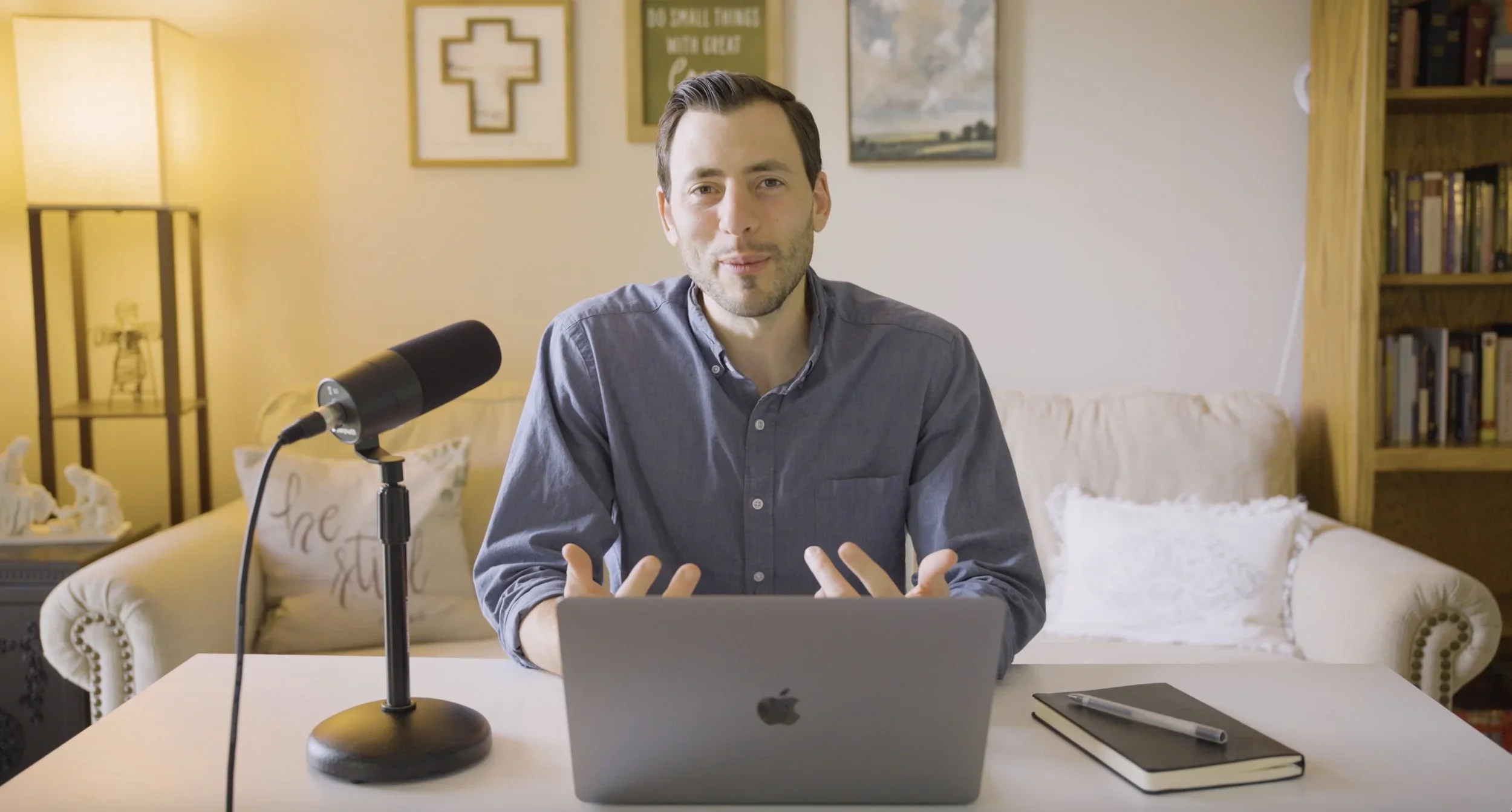

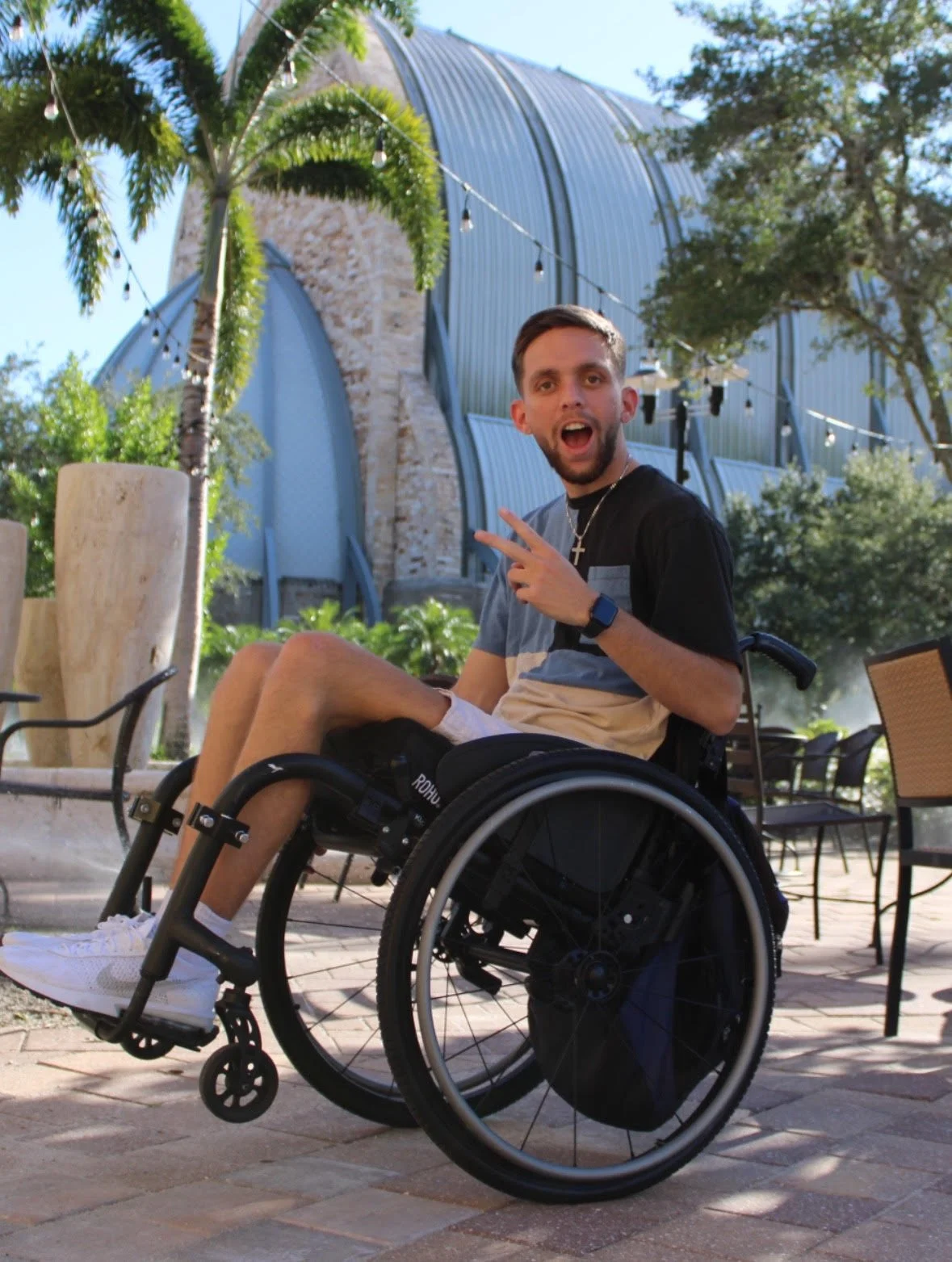
Enjoy the show?
To be notified when new episodes go live, subscribe below.
As a bonus, you’ll receive our free ebook, 5 Practical Tips to Cure Loneliness!
TRANSCRIPT
Transcript produced by artificial intelligence. Please pardon any errors!
A word that we use a lot these days and we use it a lot on this show too, is the word trauma, but what exactly is trauma and how does it affect us today? We dive into those questions and we give you guys answers. We speak with a, a trauma therapist, a counselor specializes in helping people. Who've been through something traumatic in their lives to heal so they can feel whole again.
And by listening to this episode, you're gonna get a bunch out of it. We're gonna talk about why is your parents' divorce separation or broken marriage? So traumatic. My guest shares the antidote to trauma. Something that she's discovered through years and years of counseling. And I think it'd be surprised by the answer.
She also shares her story, her personal story. This isn't just someone who read this stuff in books and learned it, but she's been through a lot herself. She came from an extremely dysfunctional family. She ran away from home and. 17. She was misdiagnosed with bipolar hospitalized twice. She says she was taking basically every medication that you can imagine.
She was super depressed. She couldn't keep a job. And she was actually on the brink of suicide. And as the last stitch effort, she went through trauma therapy after her counselor recommended it and something amazing happened immediately. Her life started to change. She no longer felt depressed. No longer felt anxious, suicidal, hopeless anymore.
And now she helps a ton of people every year through, uh, an improved version of the model that she went through. And so, again, this is just someone who learned this stuff in a book and has helped people, which there's value to that. No doubt, but she's been through it herself. And so she talks about how trauma therapy works, why it's so effective and some incredible results that she's seen in her own practice.
And so if you or someone, you know, feels broken, who's been through something traumatic in their life. This episode is gonna help you so much. Not only is it gonna give you hope, but it'll also give you some really practical things that you can do some really helpful information so that you can heal and move on with your.
You do not wanna miss this episode, keep listening
what to the restored podcast, helping you heal and grow from the trauma of your parents' divorce or separation. So you can feel whole again. I'm your host, Joey Pelli. Thank you so much for listening. This is episode 37. And before we dive in, I just wanna give a quick shout out to those of you who have left us a review on apple podcast.
Thank you so much for doing that. Sheele left a five star review and said, I've always said that I'm okay. That what happened couldn't have changed who I was. Of course it changed me. I still run away from many topics related to divorce, but listening to this podcast, isn't like hearing a bunch of psychologists.
Tell me all the ways that I'm really. Okay. It's so much more helpful to hear this is not okay. And it never will be okay, but I can be. I love that. Thank you so much slowly for, for that review. And I wanted to ask you, would you leave us a review as well? Some of the benefits for us is that it really helps us to know how we're doing to serve you guys.
How, how the content we're producing is helping you or maybe not helping you. It also gives us some more visibility in apple podcast so we can reach more people. We can help more people. And it's actually really easy to leave a review in the apple podcast app. If you click on our show, the official name of the show is stored helping children of divorce.
Just click on our show, scroll down to ratings and reviews that under that section, there's two ways to leave a review. You can tap to review. That means just clicking on the stars and that's helpful. But the thing that's most helpful is if you click write a review that's just below and that gives us more insight into your experience with the show and it doesn't need to be long.
It can be 60 to 90 seconds of your time. And if you need a question to help you prompt your review, answer this question, how has this show helped? We really appreciate the time you take to leave a review and we take those super seriously. So thank you guys for leaving reviews. My guest today is Margaret Vasquez.
Margaret is a licensed professional clinical counselor. She developed the N I method that stands for neuro reformatting and integration of trauma therapy as an adaptation of the ITR model. And that stands for instinctual trauma response model. We're gonna talk about all this in the show, uh, but with a focus on connection as an essential ingredient to attachment health wellness and post-treatment growth, Margaret has treated clients of all ages and backgrounds for over 12 years, considering an expert in the field of trauma therapy in this method of treatment, she has appeared on numerous television radio shows and has been cited in numerous books.
And she also has extensive experience presenting to non-clinical and clinical groups. I'm so excited for you to, to hear from Margaret to learn from here. So here's my fascinating conversation with Margaret Vasques.
Margaret, welcome to the show. I really appreciate you making time for this. Thanks, Joey. I appreciate you inviting me. I wanna start with a, a really basic question. What is trauma? What's the definition of trauma? The simplest definition of trauma that I like to use is any event that overwhelms a person's normal ability to cope.
And so kind of, you can kind of imagine, like, in that definition itself kind of contains the idea that that varies from person to person, right? Because what overwhelms one person might not overwhelm another and that kind of thing. So it's a real, it's real particular to the person. So I kind of like that, that like, understanding that because.
If we understand that, then we don't compare and go, oh, well, this didn't bother that person, but it really bothers me. And so what's wrong with me, you know? So it, it really all has to do with our perspective in the situation and our perception of it, and really our personal experience of it as to if we're traumatized by.
By an event or not. Okay. No, that makes so much sense. So if you would, what's an example, I guess, of a traumatic event that you typically see. I know, based on what you said, it varies for people, but what's something that's kind of a typical traumatic event. And I know some people talk about trauma in terms of like a big tea trauma versus a little tea trauma.
What would some examples be to help people listening right now who may not have a handle on that? Yeah, sure. Um, so one of, so kinda some of the obvious ones would be, um, abusive, any kind. You know, physical, emotional, spiritual, sexual, verbal, natural disaster or accidents can be traumatic as well. It it's so funny because so often people say, well, couldn't have been worse.
You know what? I went through, like, couldn't have been worse and I'll say, well, it could always have been worse or we wouldn't be having this meeting. Right. Mm-hmm cause we're still alive. You know? So I think it's, I think it's more, it makes more sense to compare it to what we're made for. Instead of couldn have been worse because if something bothered us, that's enough reason.
You know, if it was traumatizing to us, if it overwhelmed my, my year, whoever's personal ability to cope, then that, and of itself is reason enough for it to be trauma. I often say like in trainings, I call it trauma. When I'm with my brothers, we call it childhood. You know, so, and I guess it's just kind of make that distinction because people can tend to, to minimize and kind of beat themselves up for, for things bothering them.
Right. And kind of say, I should have been more thick skinned or tougher, or I'm being wimpy or self pity or, you know, or whatever that these things are getting to me. And it's really not. A matter of that. So some of the things that people typically think of as trauma are like combat or violent crimes, but it, it can really run the gamut.
One of the biggest ones that I work with with people is biggest meaning one of the ones that that's the most affect most affects people is bullying. And, and that's really sad cuz that's something that's kinda rampant today. Definitely. Wow. And it's um, I, I think you were a spot on in saying that a lot of people think of trauma as just this huge event in my life.
Like you said, a big natural disaster, something very dramatic that happened like going to war, you know, something like that, but it's a great point that it can be something that maybe is less dramatic. It can be something that, uh, a lot of people may write off as not being very important or being something that they should be able to have a handle on.
Yeah. Well, you know, I kind of, I kind of got scolded in this back in early days of practice and I was working with a young veteran and. He had been through a lot of verbal abuse from his father. And he said to me worse for him than hand to hand combat was verbal abuse from, from his dad when he was a little boy and kind of intuitively like just in my gut, that made sense to me.
But I just, you know, I just asked him this to say more about that. And he said, well, when I, when I went in the army, they gave me a gun and said, people are gonna be shooting at you. Go defend yourself. That wasn't how it was when I was seven years old, little boy sitting at the breakfast table, eating my breakfast, you know, and my person who was supposed to be protecting me was just verbally decimating me, you know?
And while that kind of really put it in perspective, you know, absolutely. Like in one case he was totally unprepared. And then in the other case, he had training, he had somewhat of an expectation of what he would be going into, but that wasn't the case in his childhood. Yeah. And I, and I think also kind of going along with that is the person that he expected protection from was instead the assailant.
Right. Whereas like over in, I don't even remember what, what country he was fighting in Afghanistan or Iraq or where it was, but he didn't ex he didn't have an expectation of safety. He certainly didn't have an expectation of protection from the enemy. Right. Instead like the person who was sadly. Playing the part of the enemy was the person he should have had, you know, he had a right to have expectation of safety and, and even protection from mm.
Yeah, absolutely. That, that makes so much sense when it comes to a person experiencing trauma. How does it affect a person again? I know you said it, it varies per person, but what are some common themes that, that you've. It's one of those things that just can really run the gamut. So I'll get in. I can get into more of explaining my answer to this, but, but it affects us physically, always.
And that has to do with how the brain encodes trauma, like the biological response that happens in the brain when trauma happens. So first and foremost, it affects us physically like it in a way that we can't even see, you know, that just in terms of how it becomes encoded in our, in our brain. Um, but cause of that, cause of how it becomes encoded.
Can emotionally continue to be experienced, like it's still going on. So you can take any of the painful, negative emotions from a traumatic experience. And, and those can continue like on a, you know, hourly, daily, weekly month in and month out, that kind of thing continue to be experienced. Like it's still happening.
So, you know, for example, fear, anxiety or anger, sense of helplessness or hopelessness. Those think things can continue to be experienced like way down the road, you know, for, for years and years, because also because of how it becomes encoded in the brain, it can affect us cognitively. So our ability to, to problem solve can be compromised.
It can make it really difficult to articulate things, but be able to put words on things, to express how we're feeling, which can then leave us. More isolated from other people because we really feel like we can have, have a hard time communicating and help getting other people to understand kind of where we're coming from or how we're feeling.
It can also affect just kind of simple things as far as like the ability to prioritize or be organized, can affect reading. Comprehension can affect our ability to do math, can also make it where memory is really hard. Just the ability to remember things, short term memory, that kind of thing. And it can also affect us spiritually just having to do with that sense of like powerlessness and helplessness and kind of that sense of like, if we're we're in that mode where we, we feel isolated and alone and like kind of like we're on our own, right.
Mm-hmm so we're kind of like abandoned and rejected can kind of project that onto, onto God as well. And so, and it can end up affecting us relationally because all these things can leave a person really feeling like. They're broken and flawed. And so then because of that can leave people tending to kind of isolate or tending, to feel like really kind of desperate and needy.
And so relying that much more on, on other people. And I can, if we, if we stay stuck kind of feeling like very angry, then obviously that can kind of come out and really unfortunate ways in, in relationships also, you know, kind of left feeling abandoned or rejected. You can. Tend to project that onto other people where it's not really objectively the case, but the kind of the messages that we took on and the traumas can become like these lenses that we then like, tend to look at the world and other people through.
So it can really, really complicate situations relationally. Yeah. No, that makes so much sense. So thinking through, you know, the people that we work with, uh, and have restored, you know, people who come from broken homes or parents are separated or divorced, uh, it reminds me of someone who, who mentioned that they, uh, felt like they were almost in competition with, or had to defend against their spouse.
And, uh, based on what you just said, how trauma can leave your brain, experiencing the trauma again, and again, as if there's no time limit on it, it's like an infinite mm-hmm , I, it almost made me think of that. And I've experienced this too in my own marriage where, you know, I, I kind of react to things in not a logical way.
It's like, I'm not using the front part of the brain, the, um, smart part of me. And it just seems like I'm reliving, maybe something that happened in the past where, you know, I, I found out that my parents were separating and that was certainly traumatic for me personally. And, uh, anyway, I could see how, uh, people who come from broken homes maybe could project, like you said, some of the brokenness of their parents onto their future spouse.
Yeah, absolutely. Because if we, you know, in our mind, if our takeaway is like, okay, I'm not gonna let anybody treat me. This again, because that feels really bad and really painful. And so then anything that, that we could perceive from our fear, right. Instead of from, from like real clarity and sense of truth, but more of kind of that nature reaction and going like, oh no, this is that right.
And so it kind of itchy trigger finger, that sort of thing. So, and that's actually for a. Biological reason because the, the limbic system, which is the emotional center of the brain takes less than 20 milliseconds to respond to a stimuli. So something that's a reminder of, you know, whatever painful thing takes less than 20 milliseconds to respond.
But the smart part of our brain, like you're talking about takes more than 500 milliseconds to respond, right? So that, that knee jerk reaction sadly goes off like 25 times faster than the smart part of our brain's able to, you know, kind of show up to the task and try to make sense of it. Wow. No, that is fascinating.
And it makes sense why? I mean, it makes sense why it is that way. Cuz in survival situations, we, we really want that, that part of our. The survival part of our brain to be that quick to react. But it is unfortunate when that's like constantly on, in, you know, our relationships and everyday life when it really doesn't need to be.
Yeah, yeah, absolutely. Kind of leaves us like wired for, for war, but war's not a really good thing to be wired for when you're in a marriage. Right. Or in a family or, you know, or with friends, you know, that kind of thing. Yeah. No, that makes sense. Huh? It's this just a side note I thought of, um, I know, uh, a lot of special operators, like Navy seals and guys like that.
They have a really hard time with their marriages and there's some practical, logistical things like that. Cause they're away from home a lot. Um, and you know, I'm sure there's more factors involved, but I wonder if that's part of. My understanding is that police officers do too, for the same reason, kind of that it's almost like it can leave.
You feel having that really isolated feeling like there's an experience of reality that I have that is so far from anything that, that anybody else can even imagine. And so it just leaves you really kind of isolated. And then when you have that kinda knee jerk reaction going off to, to things and, you know, intensified fear and that, you know, can obviously come out.
In a lot of different ways, anger, anxiety, or things that complicates relationships and certainly think it was complicated. Marriage. Yeah. Fascinating. Wow. Now on the opposite side, so, you know, we've heard kind of how, um, trauma can affect people negatively. Is it possible to, to handle trauma properly? I don't know if properly is the right word, cuz a lot of times, you know, it's not something that we control.
But, um, but is there a way to handle trauma? Well, one of the, the main things is part of what makes a trauma, a trauma is how it gets taken care of. And, uh, I'll give you an example that a supervisor gave me years ago when I was, when I was just an intern. And he said, he, he said that to me, he said that very thing, you know, part of what makes a trauma, a trauma is how it gets taken care of.
And I said, you know, what do you mean by that? And he said, well, he had grown up in Pittsburgh. And so one particular, he pick particular day, he was, he was just a little boy. And he was out with a bunch of friends and they were playing a game of pickup football in a empty corner lot. And he got tackled onto a piece of a jagged pipe.
That seems like it was probably about a sticking up outta the ground, maybe for about a foot, you know? And it was jagged and broken off. Yeah. And he was tackled onto it and it kind of cut his calf and it was just, he was really bleeding and, and he went home and. His mom was kind of freaking out. like, she couldn't couldn't handle the, the blood and kind of everything.
Right. So she's kind of losing it. And so, but his grandfather lived a couple of doors down and so she took him over to his grandfather and his grandfather was just like really calm and really patient and really loving and just got him like all cleaned up and bandaged up and, and took him for ice cream.
And so he says, instead of remembering that event as a traumatic event, he remembers it as a time where he felt like he really got taken care of. And I thought that was like, that was so interesting. You know, it's something that that's kind of become, uh, a really big part of my practice and how I've started seeing trauma.
It's something that something you and I haven't talked about, but it's in, it's been in the last couple of years, I had started noticing this pattern in my practice that it didn't matter the age of the person, the, you know, if they're male or female, you know, if they were super smart or if they were just kind of more simple, like anywhere, you know, any factor you can change up.
Right. And I started noticing that consistent thing was that if somebody brought up something to me, that was just this really, really beautiful experience, which you can imagine doesn't happen a lot when people come to talk about trauma. Right? Sure. But if they were bringing something like that up, it always had to do with a profound sense of connection to either themself or another person or God.
always. And so once I started noticing this, Jo was kind of like, I was kind of geeking out on this. Right. Like I was like, oh, this is fascinating. Like connection is like the antithesis of trauma. Right. It's like the exact opposite. So it's, it's the antidote and which kind of makes sense. Right. It's what we're made for.
Right. Sure. And wow. So then I was kind of like, that was fascinating. It was super cool. Then I started thinking, you know, after a couple of weeks of having this like nugget of revelation and I started thinking. Well, gee what's what's connection comprised of like, that's just kind of this fluffy term, like what's, what's it made of.
And so then started noticing this pattern that it always had to do with our boundaries being respected and which gives us that kind of like fundamental sense of safety. Right. I think, and safety and respect. Right? So there's a place where, where I stop and you start, and I don't, I, I have to have respect for that space, you know, I don't get to just come trudging into, to your space physically, emotionally and spiritually because we're body mind.
Absolutely. Um, so that was one thing boundaries. Right? And then the second thing was value. So it always had to do with the person being treated like they had inherent value. Like they didn't have to earn their value. They just had, they had dignity because they were a human being. That's it and, and didn't have to earn it.
It wasn't based on looks or performance or status or money or, or anything like that. Right. And then the third thing was having that sense of feeling known. So, which I kind of come to, um, to kind of like define as like being seen and heard as an individual. Who's very good. Like very good kind of going back to like Genesis and the Bible.
Right. And then the fourth thing was openness. Cause we kinda, we have to be, have some degree of openness in order to experience those things, another person, right. Even tiny bits of openness. But then the thing I started noticing was that the openness is really a byproduct. Of those four things or those three things, right.
If somebody respects my boundaries and treats me as though I already have value, it's not like I have to earn my value from them and takes the time to really like, see and hear me, then we kind of naturally open, right. Cause we're like we're made for connection. And those three, three things like send us like this really big, you know, message of you're safe in every way, you know?
And so I think those things, like if there's a way to say survive trauma, well, like I would say, you know, kind of like recover from it naturally. Like if you know, something just happened to someone, it it's kind of, you know, showing up with. Those three things and helping that person not feel isolated and not feel like they have to earn their value, or if they have to protect themselves or feel isolated and that kind of thing.
Wow, this is so fascinating. So many different levels to, to everyone listening, who maybe you don't come from a broken home, but you love, or you lead someone who does, this is a great takeaway for you too. And it reminds me of just the fact Margaret that when someone goes through something traumatic, like the worst thing that we can do is just try to get 'em to cheer up.
I know a lot of people, well, intentioned people say, well, look on the bright side or a typical one. When it comes to us going through your parents' divorce, it's like, well, we now, you know, you have twice as many presents, twice as many birthdays Christmases, you get two houses, like trying to get people to see the bright side.
But, um, this shows me that , you know, that model that you just laid out, that the need for connection being the antidote to trauma, that that really proves that that is so unhelpful. Yeah. Yeah, certainly. And of course, like you're saying, you know, of course it's, it's from the best of intentions. Right. And, and I think it's because we, especially, we as helpers, right.
We have a little bit double dose of wanting to help people feel better. But instead of focusing on controlling the other person's emotions, which honestly is a boundary violation. Right. so instead of that, focusing on connection, I think that's like when we, when we go there, we stay on definitely on safe ground.
I I'll tell you a simple story of if we can tolerate another story. No, please. Okay. So a few years ago, One of my nephews. He was three years old and I'm from coastal Georgia. So I was, I was down in Georgia and was visiting family. I was staying with my brother and we had gone over to some relatives of his wife.
So my sister-in-law's grand great-grandmother. And so the little boys, my nephews were three and a year and a half, and they were, they were playing with this ball. They were throwing it back and forth and it went over this little kind of patio fence thing. And so Bryce came running inside and running across the room and ran out.
She was, she lived in an apartment, ran out and the apartment and down the car corridor to go get his ball back and. So he just hear, you know, these footsteps, like, and like little body, like floating on. And then he like goes along in front of the fence and like passed her apartment to now he was in front of the apartment next to her.
And all of a sudden you hear these little dogs, like, and so then all of a sudden he's crying and he's just like tearing back into the apartment, you know, mm-hmm and I thought, oh, like, he, he wasn't expecting to be met with these dogs. And even though they were little, he was little too. Right? Sure. It was pretty overwhelming.
So I met him at the door and picked him up as soon as, you know, he comes to the door and. He was crying and everything. And what naturally came to my mind to say was that must have been really scary because I was thinking about it from, from his perspective, you know? So I was like, that must have been really scary.
You weren't expecting to hear dogs, were you? And he's like, no, you know, and he's, he's crying and he's wiping his eyes and stuff. And so I'm gonna hold you up, appear really high so that we can go back out and get your ball, but you'll be up high. So you'll be. From the dogs. Right. And so we go outside and you know, I'm making up this little story to him and I'm saying, oh, this cause the dogs are not barking.
And it's like, oh, these dogs are saying, Hey, little boy, your balls over here, you know, I'm just being silly. And then, and he's like, oh, that's so nice. You know? So now he's VI his, and, and he, he feels safe though. I'm like, you know, oh, look, they're behind their little fence. And so now he wiggles down. Right?
Cause he, he wants to go get his ball. He knows he's safe. And because the dogs are, are away from him, I can't catch him. So he goes and he gets his ball and, and you know, there's, everybody's, everybody's happy, that kind of thing. But somebody had said to me later when I had, I had written about that story and the book that I had put out back in 2017, somebody said that to like, that was so interesting that you said to him, that must have been really scary.
He said, I, I think the natural thing to say would be, you don't have to be scared. Mm. And I was like really struck by that, cuz I thought, I think back in my experiences I guess that is something that people would've tended to say to me, but, but it just made so much sense to say that must have been really scary because clearly he was scared.
And if I say you don't have to be scared. I think what we tend to think in our minds is like, well, you don't understand, you know, because clearly if I am scared, there's something I'm scared about, you know, that kinda thing. So I didn't want him to feel isolated or him to feel understood. I, I wanted to meet him where he was instead of trying to get him to meet me where I was.
Once he felt like I met him where he was with that must have been really scary. Then I could bring him into, you know, the things, these things that were going was gonna do so that he didn't have to be scared and we could go and face it together. Does that make sense? Yeah. No, I love it. Empathy. That's all about empathy, basical, and then yeah, for sure.
Connected with him. Which helped him overcome his fear, which helped him kind of deal with that dangerous situation that he was facing. That's wow. That, no, that, that's incredible. It's a great illustration of kind of how that works when you truly help someone to process and go through something difficult.
Yeah. And just kinda like take, like looking at taking their perspective first, instead of getting them to take your perspective. Cause I think that we can kind of, we can tend to do that, you know, uh, and again, with the festive intentions, you know totally. Yeah. And I wanna transition into talking about, um, going through your parents' divorce, like when someone goes through their parents' divorce, their parents' separation, or maybe just a really broken marriage, uh, something you said before, how, you know, to, to properly survive trauma, um, means it, we, we need to get taken care of basically.
And so mm-hmm um, it, it had struck me because what we've seen reading the research and hearing all the stories that we've been hearing for years is that so often these young people who come from broken families or not so young. That they aren't taken care of. And again, not not saying parents are like want wanting to damage their kids.
I've never met a parent who wanted to hurt their kids by getting divorced. Never. But I think so often the kids get neglected and that is damaging. They don't have that connection. Like you mentioned, they don't feel that they're taken care of. And so I think maybe that's part of the reason it's so damaging.
So I wanna give you a chance to talk about that. Why, why would you say, uh, from your point of view, your expertise is your parents' divorce or separation, so, so traumatic for so many people. Yeah, I think there's, I think there's so many, so many reasons to that. Like, first of all, I think, cause we're, we're part of mom and part of dad to see that rift between the two of them really feels like a rift within us.
Right? Like even on a, on a very like natural physiological kind of level, you can feel like we're being torn apart. So I think it, it makes a lot of sense just on a really like. Basic like fundamental level. And you know, a lot of times there's even like, I look more like this person. So if you're rejecting this person, what does that say about me?
Maybe I have more features of that person. And if that, you know, he's rejecting this about her, then what does that say about me? And 11 times, I don't think we even necessarily articulate this stuff, but I think it's, you know, I think it ends up playing into the what's, you know, can be going on underneath.
Also, I think one of the things that makes situations so particularly damaging or impacting I would, would be a good word is when. The more helpless we feel in a situation and who, when it comes to something like separation and divorce, broken marriage, the typical, you know, the typical responses in trauma is we say it's fight flight or freeze.
And, and there is no way to fight it, right? Like because we're not even part of the, the breakup really, you know, we're not, we're not the mother, we're not the father. Right. We're not the husband, we're not the wife. So, so they're breaking up from each other and there's no way we can, we can fight that. No way we can, nothing we can do to stop it.
There's no way we can flee it either. Right. There's we can try to avoid and escape kind of from the idea of it or thinking about it, but it doesn't doesn't change the facts of the situation. So I think what most people end up doing is freezing, which is kind of that deer in the headlights kind of mode, where we feel that particular sense of.
Helplessness. There's nothing I can do to fight it. Nothing I can do to flee it. I can't change the situation. And so we, we just kind of brace for impact, you know, kind of, so to speak, if you're thinking about it, like what we would do in a car accident, when there's no way we can swerve to avoid the, you know, the car coming at us or something, things that are handled in that way, they tend to be particularly like leaving a lot of like depressive kind of symptoms.
When, when things are the free state is, as the trauma continues to be experienced, like it's still going on that free state particularly tends to be experienced down the road as depression. So I think, um, I think those are some of, some of the reasons also think particularly cause connection is like, you know, like I said before, what we're wired for and that's kind of the most fundamental connection that we're supposed to have, the way the.
Human family has been designed is there's for a person to come into the world and it needs to be a, a mother and a father and to, to bring this little life in. And so when there's a fraction in that connection, it goes against everything that we're made for, you know? Yeah. So seeing that, like that connection, that, that relationship that's supposed to really teaches about connection when that one, that, that one is like so crucial to the destructiveness.
Absolutely. Um, I also think there's something like, I think there's something to, it's not just like the person, you know, the, the person who's the child in the, um, in the family. It's not just like, they're not get getting taken care of. Sadly. I mean, that would be bad enough, of course, but sadly, a lot of times what I see is they're actually relied upon to take care of the parents or one of the parent and that.
That's kind of backwards, right? That's totally backwards from, from how it's supposed to be. And it's an, it's an awful lot of responsibility and none of the power, there's a story of, um, a boy where he was, uh, just, I think, 13, 14 years old. And, uh, his mom left, his mom just stopped and left, but his dad was just so debilitated by the mom leaving.
And so that child dropped outta school. He started doing everything the mom would do like cooking and cleaning and taking care of everything around the house. Wow. And so he literally, as, as a boy, he stepped into this parent role, not just taking care of the house mm-hmm but also being emotionally there for his dad.
Mm-hmm and we see this all, all the time, Margaret, like in the young people, we were it's yeah. They're filling roles. They were never meant to fill sometime often out of necessity. And, uh, man, it's, it's so sad and it is damaging. It may not. Look like that, you know, right away. But, uh, but down the road, it can be very damaging, especially in your relationship with that parent, which of course we all want good relationships with our parents and it can be really harmful down the road we've learned.
Oh yeah, for sure. Yeah, absolutely. I, I totally agree with that. And it has, I can tell you from, you know, working with adults cuz I, you know, my, my, the people, I treat's a mix of, of kids and adult and. and in working with adults, it has long lasting ramifications. You know, it's not something that once they're outta that situation, it's over.
And I think if you put it in terms of connection, a lot of times, the, the message they've taken away is, is that that's how they have to earn their value. And because they don't feel valued until they step into that role, because they, that they can see like really quickly, like, oh, if I do this, I help dad feel better or I help mom feel better.
And so then they, you know, maybe perhaps like, because of their own pain and depression, whichever parent or parents, aren't really engaging with them, you know, and their. Uh, kind of more kind of withdrawn or, or whatever the case might be. Right. And so mm-hmm but the kid takes away the message. Oh, if I do this, they like me.
If I do this, they appreciate me more if I do this. And so, so it's a real, yeah, it's a real detrimental message for a person to take on that. They have to earn their value, particularly by, by doing something that's like such a roll reversal. Right? No, that makes so much sense. And there's so much to say on that topic alone.
I, I just wanted to mention though that for sure, for, for any parents listening, who may be like freaking out right now, um, there, you, you play such a crucial role in helping your kids handle that the trauma handle that the messy situation, there is some research that we've seen that says basically if that child has a good relationship, a healthy relationship with one or both parents, they're much less likely to experience loneliness, to experience depression, to experience anxiety.
And so parents listening right now, uh, you play a huge role. We often hear how things go wrong. And, and there is a lot of that when people come from a broken family, no doubt. Um, but you can play a crucial role in helping in helping your children heal. So lot, lot more on that than, I guess we could talk about it in this conversation, but would you, um, add anything to kind of, why is divorce.
Separation so unique. Is there anything that makes it different than other types of trauma aside from the things you've already mentioned? No. I think just kind of looking back at, you know, again, to reiterate looking at the, at the family unit and that's like supposed to be our first school of, of connection really.
Right. And it really ends up teaching us how to even connect to ourself and how to connect to God and how to connect to others. And so it it's because it's like that, that primary place where we would get those lessons. Absolutely. And the research we've seen and mark, you've probably seen the same stuff, says that the, the biggest area of our lives that we are impacted by our parents' divorce is our own relationship, specifically our romantic relationships.
And we talk about that a lot in the show. Yeah. But it makes so much sense based on everything you just. Absolutely. Yeah, absolutely. Mark. You didn't just learn this stuff in a book. That's one of the things that I think is so impressive about you, you've been through a lot in your own life years ago, you were on the brink of suicide.
If you're willing to talk about that a little bit, what happened? What's your story? I grew up in a very dysfunctional family. My parents did not divorce or separate, but it was at least physically right. So I, I do think there are people who fall into that category. Right? Absolutely. So there's this, like, there's this incredible disconnect and rift and, and that kind of thing.
So you you're experienced disconnection on day in and day out, but, but without the official divorce or separation. So there was a lot of, lot of dysfunction on pretty much every level. And so ended up running away from home when I was 17, um, came to thankfully came to Franciscan university, right outta high school.
And it was, it was a great place. To come cause it was probably one of the safest places I could have come. And it was, yeah, it, I didn't know I was gonna come here until two weeks before school started when I was a freshman, I just kinda, I needed to figure something out and go somewhere. So I applied and was accepted financial aid, worked through, you know, worked out and I was on a plane heading to Ohio.
And, um, nobody warned me about how cold it is in Ohio. Cause it was not cold in south Georgia but ended up but ended up up here and like really thankfully. So, but that wasn't really the end of the story, you know, that was just kind of the beginning. There was a lot of just kind of trying to sort out what in the, what in the world and, and all, you know, what in the word I had been through and still all the while living out of my own trauma, which just led to more drama and more trauma.
And so it wasn't until I was finally at, uh, by the time I was 33 years old, I had been in counseling for 16 years. I had been. Misdiagnosed bipolar. I had been hospitalized twice on like every medication under the sun and everybody was just kind of stumped what to do with me. And I was really, really under functioning and I knew I couldn't hold down a job because I was so morbidly depressed.
And so I thought, okay, well, school was always easy for me. So I'll, I'll get a master's degree cause that'll help me buy some time to try to figure me out. Cause clearly I was, I was stumping the professionals and um, of the master's programs that Franciscan had at the time master's in counseling program is what interested me for the obvious reason of trying to figure myself out.
Right. Mm-hmm and so, but it, I, so I went into the master's in counseling program, never with the intention of becoming a therapist. Never. That was not my intention. I was just trying to buy time and halfway through the master's in counseling program. I. Really coming apart at the seams and the therapist, I was seeing recommended that I go through the method of treatment that then kind of changed over all of these years into the way I practiced it, but went through it and it was night and day different.
It was intensive outpatient trauma treatment. And I went from, you know, the past, the 18 months prior to going through it, I had been. Imminently suicidal, just like every day and night, all day and night, my thoughts would just kind of always go to, to suicide and, and as sad and as disturbing as it sounds, that was actually kind of, my, my most hopeful thought was suicide because it kind of felt like my parachute, you know, because I had no hope for, for ever feeling anything else, because I had felt that way for, from really from the time I was 17, just so, so, so depressed and so intensely anxious and thought in good conscience.
I can't become a therapist because I don't believe it worked and went down. I went through this method of treatment, the clinic's closed now, but it went through it back then. And it was just day of night difference after intensive treatment. And so I, that kinda, that sold me on it. And it wasn't, it wasn't really the, the end, you know, it was like this silver bullet kind of thing, but it definitely, I, I didn't feel depressed anymore.
Didn't feel suicidal anymore. Didn't feel anxious anymore. And I definitely had the. The tools and the insight I needed to really begin to connect to me and then to connect to, to others, more healthily and to grow in my relationship with, with the Lord was connecting to him. So it was kind of this, it was just like an enormous portion of, of my own journey.
Also, honestly, there was a lot physiological that, that I ended up getting help with from chiropractor nutritionist in the area here, who we both know Dr. Mara, and the reason being that trauma actually takes a toll on your body and stress happens somewhere. Right? And it happens in these, these things we live in, right.
That's where the anxiety takes place when the depression takes place. And it really takes its own its wear and tear honest physiologically. So that was a big component of my healing as well. Wow. Besides my, besides my faith journey. Cause so I kind of had this like emotional, physical, and very and spiritual like aspects of the healing kind of, and I've always.
Really kind of emphasize that with clients, like you really have to go at it body, mind and spirit because that's how we're made. Yeah. You can't compartmentalize. We have to treat the person. No, you really can't. Yeah, for sure. I love that. Wow. What incredible story. And now you're helping other people who, you know, are going through trauma.
Who've been through trauma who are trying to, to process it, deal with it. Uh, tell, tell us a little about the, the therapy that you practiced, the model that you practiced and why, why is it so effective? So I, so, like I said, the model as I went through it, if. Changed. I added it up at one point, probably about 14 or 15 things over the years, trying to make it more, more efficient and more effective.
And mm-hmm and kind of more holistic. And so, so the, as I practice it, I refer to it as NRI, which stands for neuro reformatting and integration. So the neuro part is actually moving, moving. We try where files are stored in the brain. Or if you look at it kinda like reformatting those files, this is the way that they've become encoded instead of being experienced, like they're still going on.
Once we've processed them, they're actually able to be experienced like they're in the past. Which is really that's, that's the most effective part of the whole thing, because then it actually enables the person to be able to feel like a whole person instead of feeling like, okay, well there's part of me, that's carrying these terrible things I went through when I was four.
And these things that I went through when I was 12 and these things that I would turn on 15, you know, whatever ages like these particularly traumatic events happened. Because they continue to be experienced. Like they're still going on. They can really kind of leave us feeling diced up into all these different kind of ages that we were when the things happened.
But once the events are experienced, like they're in the past, then there's able to be like integration within the person. So we feel whole, instead of that sense of, of kind of this brokenness, you know, and, and I think, I think a lot of people who've been, been through trauma can kind of relate to that, you know, kind of feeling.
Like they're a little kid in an adult body and being expected to engage with an adult world, you know, and they're expected to act like adults and they, they don't even feel like an adult, even though they're in their mid thirties, you know, or, or mid twenties, you know, or whatever the case might be.
That's why it's so effective is because, and that's also why it can be done in intensive format. So in a week you can get the, all of these things addressed. You don't need a week or two weeks in between hourly sessions to kind of mull over what was talked about in the last session. And that kind of thing.
I, I always say, if it's easier for you to look at the kind of treatment I do as physical therapy for the brings, then that really kind of makes sense. Right? So, because I'll give you like a good example of like how physiological this is, this is kinda, this is kinda crazy. But during those two weeks that I went through, um, through trauma treatment, my hair turned to tiny little curls.
And stayed like that for the next year and a half. And wow. Um, which is one of the things that kept, you know, the, the body, mind spirit kind of approach, like literally in my face, right? Like anytime I look in the mirror, it was literally in my face and I was talking to my doctor about it and saying like, isn't that crazy?
And he said, well, it makes sense because when you're moving, where things are stored in the brain, it shifts up hormones. And a lot of times, you know, hormones have to do with will effect if a person's hair is curly or straight, like, example, for example, like when women get pregnant or have babies, you know, a lot of times their hair, if they have curl, they'll lose curl, or, um, if they don't have curly hair, they might get curly hair.
So yes, it's kinda it's that biological, you know, kind of shift that makes it so effective. It's, it's not, it's not just trying to get the person to think about it in a think about whatever the traumatic events were in a different light for like a short period of time that then they wouldn't be able to sustain.
You're actually kind of like. Changing how it's stored in the brain. Wow, incredible. It's like you're doing, you're reorganizing their brain, so to speak. Yeah. Which causes the, you know, the symptoms they talked about before it causes those things to go away, you know? So the limbic system's able to calm down.
So the neocortex is able to do, um, in the prefrontal cortex, more of what it's meant to do. So this kind of stuff we call executive functioning. So prioritizing and being organized and, and problem solving. You know, if I do this, wait, that's gonna happen. So I wanna make this choice instead, you know, making better choices, the person's able to from a calmer place and approach things.
More peace and clarity. Wow. Incredible. And Margaret, I wanted to ask you, so when someone comes to work with you, they're, you know, coming to your, um, clinic for a week, uh, what does that week look like? What's the agenda? Like what sort of, uh, exercises do they go through? Like, could you demystify that a little bit?
Like what process do you follow in leading people through this therapy? Sure. So the first part, even before they come to know if they're appropriate for this method of treatment is kind of, uh, a set amount of form and call the history and goals, questionnaire. And so I, I get their history, so I know if they're appropriate for treatment and, and to know if the goals.
That they're looking to attain. If, you know, if you, if they make sense given this treatment, if this is a good fit for that. And then if it is when they come for that week, they stay in the local area. It's outpatient treatment. So they just come for sessions from in the morning and in the, and or in the afternoon, depending on what their schedule is, what they're set up with, what kind of their need is.
And then on Monday kind of do an intake that gives us a lot bigger picture of, um, kind of that context of their life, because we've gotten the real specific information on that history and goals, questionnaire. And then I, I like to educate people on. Trauma, a lot of the, kind of the stuff we're talking about and the effects on the brain and the reason being that the more they can understand how the things they've been through are affecting them.
I think a lot of times it takes away some of the shame and the self blame and that kind of stuff. And it, it actually, a lot of times people will go, oh, well, if this is what you're saying, that maybe I should tell you this. And they'll start sharing with me. Things that, that very much would kind of fall into the trauma category also, and really important for me to know.
So I always look at. Like whoever the person is I'm working with. We are the treatment team for the week because I might be the expert on trauma, but they're the expert on them. So kinda look at getting them caught up to my information and me caught up to them so that we can kind of go at things together.
And then throughout the week, we kind of take things through the neurore reformatting and integration process of this reformatting, these, you know, these memory files, which is actually done through a directed use of art therapy. So there's a lot of art therapy and if there're really little kids play therapy that goes into it, um, a lot of different parts and pieces of that.
And then kind of everything through one of the main things, that's different about how. Practicing these days, that's so different than anything I've done before is it's all through the perspective of connection, because I really want people to finish, not just, um, you know, finish the week up, not just available for connection, but understanding what healthy connection looks like, and then what the steps are they need to take in order to grow and deeper connection to themselves, you know, or others or the Lord, if they're Christian.
So that kind of has a lot to do with, with wrap up and kind of helping them be in a lot better spot for, for being vaed going forward. Because for myself, like that was not how treatment was when I went through it. So sadly I went through treatment, it was enormously helpful, but then I got out just like, okay, ready for connection, but had no idea that that was kind of part of all, what all of this stuff getting cleared up outta my life was kind of positioning me for and didn't have any idea how to navigate healthy connection.
Cause I hadn't experienced that. Wow. So that's become kind of really. What I'd say is like profoundly different about how I practice these days. Incredible. No, it, it sounds super effective. And I know you've helped a lot of people. What are some of the transformations that you've seen? Gosh, there's, there's so many stories I wanna tell you about this, which actually this is not a commercial break, but there a lot of the book that I wrote serious, this is true.
A lot of the book that I wrote, like kind of goes through some of those because there they were such learning experiences. For me. Right. I was like shocked. As I continued to see, like these dramatic changes, whether they be like physically or emotionally or, or behaviorally, a lot of times, you know, with kids, you'll see like major behavior changes.
So one of the physical ones that comes to mind readily was working with somebody. I'll tell you this one. So, so this was a young adult I was working with and this person had all of these physiological symptoms. And so with colorblind, they could feel, you know, sense of TA or of touch, but they said everything, they felt felt like they had gloves on.
And, um, they had a really dull sense of smell. And so a really dull sense of taste. They were getting migraines like all the time. They had been hospitalized for a migraine once for two months, just, just crazy. I can't even imagine my goodness. They had had a really hard time learning to read and also with a really hard time learning math when they were little.
And so they came for treatment. Oh, this person also, their, their coloring looked really bad, like really pale sickly and very, it was a, it was a, a guy and he was very much like underweight kind of sickly looking and all of those symptoms through the week of treatment, all of those symptoms went away. All of those color, like everything I just named all the symptoms went away, started being able to sound words out, started being able to, to you went home, asked his mom what's the deal with fractions.
And she sat down. She said, I sat down and like explained fractions to him, like for the hundredth time. And he's been sitting around doing math for fun for the last three days. Wow. That's the biggest transformation. Sorry, doing master reports. I think that's diagnosable, but that's OK. um, yeah. And then like in the six months after treatment, he grew three inches and put on 40 pounds that he very much needed to put on cuz he was just like so sickly and, and stopped getting migraines.
So, um, yeah, so, so that's just like, it, it, so cause of that, like be because of like having all those symptoms before growing up, he just saw himself kind of like as a person who couldn't do things like, right. Like, like not capable. And so he, he hadn't tried a lot of things, even though he was 20 or 21 years old, he didn't have his driver's license.
Didn't have a job, was living with his parents. Hadn't gone to college. He he'd actually never stayed overnight at their house by himself before. I mean, there was just a lot of things cause he felt really incapable, you know, and all of those things changed. Right. So he ended up kind of. Con like constantly like trying more things and doing more things and then having success, doing those things.
And then it really shifted how he saw himself. And so, so as you, you kind of see that a lot of times, whatever the person's, you know, whatever the symptoms are that you see change up, you see. That it, it kind of becomes evident that a lot of times before treatment people see their symptoms as who they are instead of how they're doing.
And after treatment, like once the symptoms are gone and then the person's able to get, oh, that's just how I was doing. That's not who I, who I am or who I was. Right. And so then they engage with the world and others, like in a lot different way, which is a lot greater degree of freedom. Incredible. Wow, what a sword and I'm sure you have so many more in the book guys.
Uh . There's there's so many more I can hear you I'm sure. No, I'm sure. So the book that Margaret mentioned, everyone, uh, it's more than words, the freedom to thrive after trauma, you could pick that up on Amazon. I'll tell you, uh, at the end, how you can, can buy that if, if you'd like, but wow. One incredible story.
And uh, maybe one day we'll have you back just to tell stories of transformation. That's incredible. if I can tell you, I'll tell you those two. There's a, um, please, there's a manuscript. I just finished. I did it over, wrote it over when the pandemic lockdown happened. Cuz I thought I would lose my mind if I was locked in here by myself.
and so I, I started writing a book. Connection. And so it's all about connection to God's self and others, and just like putting the finishing passes on that. So that should be coming out in the next month or so hopefully incredible. Uh, we'll make sure to link that in the show notes when that does come out.
So man, thank you for, for mentioning that. I, I had no idea that you were working on another book. Gotta do something to stay outta trouble. Joey, there you go. mark. I just wanna in closing up the show, I just wanna ask you, uh, people, you know, are hearing all this and they're thinking, man, this sounds so good.
Uh, you know, I need to heal. I want to heal, uh, but maybe I can't start the week long therapy right now. What's one thing that they can do right now from home in order to, to start that healing process. You know, this might sound like super simplistic, but I, I think it's like profoundly important and I think everybody could stand to grow in this and, and that would just be being compassionate to ourselves to themself.
Cause I think that's, that's like so key, like the more compassionate we are to ourself, whether that means respecting our own boundaries and not attributing our value to, to our performance or our looks or, you know, whatever, whatever kind of external factor, not beating ourselves up. Um, not putting ourselves down, that kind of thing.
I think that's really kind of that begins that shift. I think because we, we talk to ourselves far more than we spend time talking to anybody else in that constant kind of commentary we can have running in our head. So making that conscious effort to begin practicing compassion to ourselves really kind of go, can go a long way to the integration of the person when, whenever they are able to end up getting help from somebody on the outside.
But it really, um, stands in stark contrast. A lot of times to the messages that we've been sent in traumatic experiences. So I say self-compassion is, is, is huge. Absolutely. No, I I've seen that be, um, really fruit in my own life and then the lives of the people and swords audience that, that we've worked with, cuz yeah man, if we were to like write out or listen to the way that we talk to ourselves, we, a lot of us would just be complete jerk.
Because we're just so unkind and so mean to ourselves. So I think, uh, it it's great advice. And one of the things that a lot of people, uh, benefit from hearing is that it's okay not to be okay. It's okay to absolutely to go through something difficult. And, uh, just like you would treat another person who is going through a really hard time.
You need to treat yourself the same. And so not. I love that advice, Margaret, and I just wanna give you a chance to what encouragement, what advice would you give to someone who, who really is in a tough spot? Who, who feels broken, who feels hopeless, who maybe feels stuck, especially because of the messiness in their family.
Like you mentioned, maybe their parents are still together, but things are really dysfunctional or maybe their parents just separate, or their parents have been divorced for a. What advice and encouragement would you, would you give to them? Yeah, well, I like first and foremost, I would say there's always hope.
There's always hope. And, and I, and I would say, you know, to look at your symptoms as how you're doing, not who you are, because they're really not. And, and you know, it, it's all passing. Like it's all passing it's and yet when we're in the middle of it, it can feel like we're gonna feel like that way forever, but that's really not the truth.
So I say there's, there's always hope and you're not the sum total of your symptoms. Beautiful. And how can people learn more about you? How could they follow you? Get your books, learn about your practice. Yeah. Yes, they can. Um, they can follow me on my, or come to my website@culture-of-connection.com and the book is available on Amazon.
So they can either put in my name Margaret Vasquez, or they can put in more than words, the freedom to thrive after trauma. If they come to my website, culture of connection.com, they can sign up to receive emails and say, they'll get updated when the next book is out. And that kind of thing. And blog posts and stuff.
Excellent. And guys will make sure to throw that all in the show notes to make it easy for you, Margaret, thank you so much for your time for expertise and for just your heart, uh, you know, your willingness to, to help people and the heart you have for, for them. So really appreciate you taking time to, to do this with us.
Yeah, absolutely. Thank you, Joey. And just wanna say, I like God bless you and your ministry just really appreciate what you do.
There's so much to say after an episode like that, so many takeaways, but just a few one, I would say don't minimize the negative experiences that you've been through in life. Like Margaret said, a lot of times people say couldn't have been worse and we kinda just write things off as normal or thinking, well, it could have been worse.
A lot of other people go through a lot of worse things in their lives and sure. Maybe it could have been worse, but the fact that it shouldn't have been that. The fact that it should have been different is enough to be hurt by it. And so we really can't minimize those negative experiences in our lives.
We really owe it to ourselves to, to reflect on them, to think about how we've been damaged and then to make an effort to heal. Another excellent point that Margaret made was it really matters how helpless we felt during those negative experiences to put it. In other words, the more helpless you feel during a painful experience, the more impactful it is on you.
And so that's a great question to really reflect on is how helpless did I feel during these bad things that have happened in my life. And then you can kind of draw a line between those bad things that happened, how helpless you felt and the things maybe you struggle with today and how it has affected you over the years.
So something really good to reflect on today, or at some point, this. In for anyone listening, who's maybe trying to help a friend who's going through something tough right now, or just someone you care about someone you lead. Perhaps it's so important that we meet people where they are. I love the story that Margaret told about her little nephew with the dogs and how she kind of handled that whole thing.
And what she said was, yeah, we have to meet people where they are. We need to be empathetic. We need to put ourselves in their shoes, not telling them how to feel or trying to cheer them up, but really going to them in the low place that they're at right now. And so you can say things. That must have been really difficult, or that must be scary, like Margaret said.
And I've found that when you take that approach with helping people, it usually goes so much further. And on the receiving end, I've been on the receiving end as well. It's so much better when someone comes to you with that attitude than if they come to you with the attitude of like, I'm gonna try to fix you, or you just need to get over there.
So you just need to feel better. There's so much more that we can say, but if you wanna pick up Margaret's book more than words is the title. You can buy that on Amazon or wherever you buy books. Uh, we'll throw a link in the show notes. If you wanna buy the book that way you can just click on that and you can buy the book.
We'll also add her new book that's coming out in the show notes once that is released, and those show notes can be found@restoredministry.com slash 37. Again, that's restored ministry.com. Ministries is to singular slash 37 3 7. Thank you so much for listening. And this has been useful. Please subscribe and share this episode with someone that you know, who could use it.
Always remember you are not alone. We're here to help you feel whole again and become the person that you were born to be.
In this episode you will learn simple tools to calm your nervous system, process stored trauma, build internal safety, and integrate all of this with your spiritual life.