
The Ultimate Guide for Adult Children of Divorce

19 minute read.
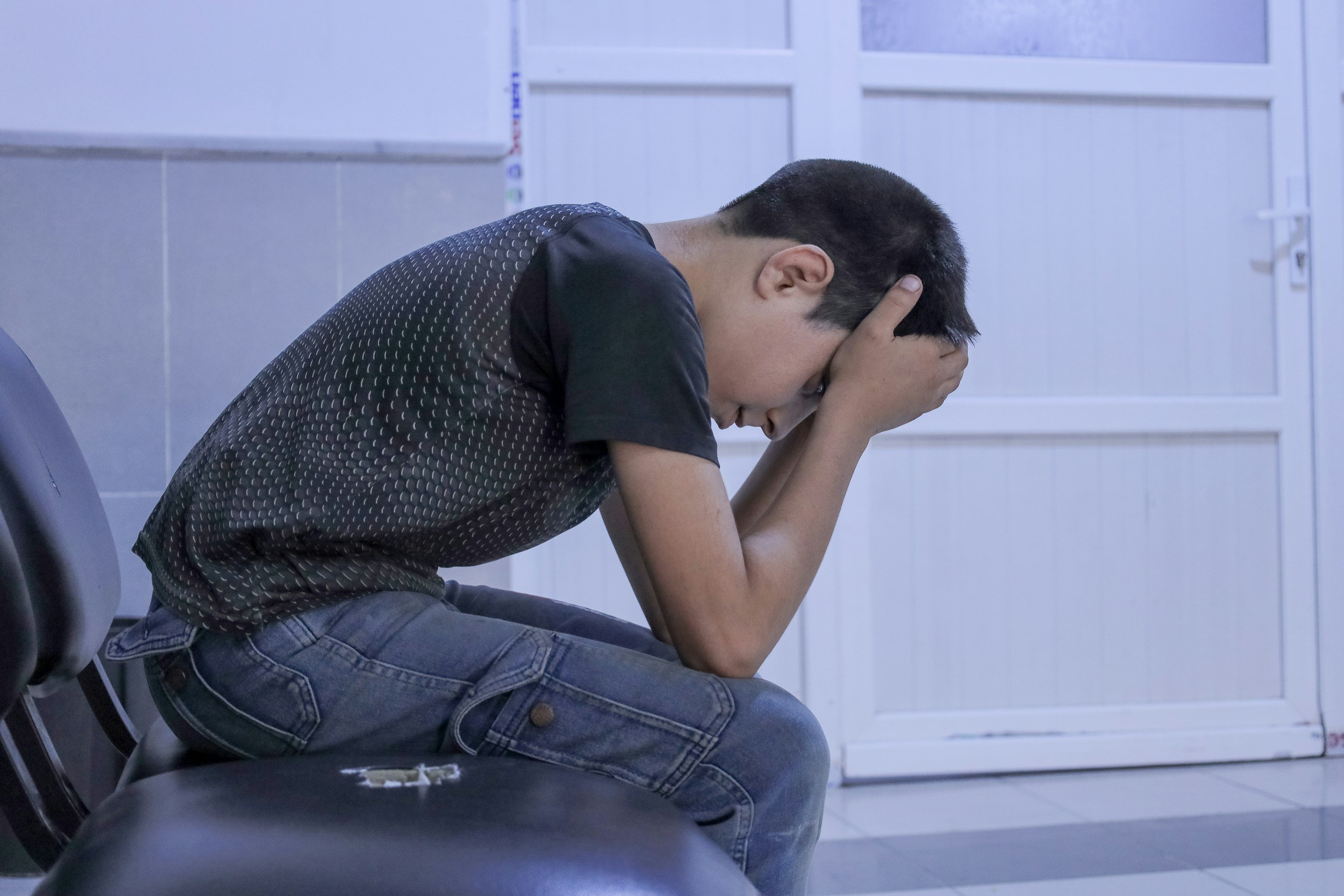
Going through your parents’ divorce is a trauma that few people even get the chance to process today. The truth is that divorce is largely trivialized in our culture, and the effects – though felt deeply – often go unrecognized and therefore untreated. But watching your family fall apart is an incredibly difficult, painful, and often isolating process. That’s why we made this guide.
Adult children of divorce face many serious struggles that result from the effects of their parents’ divorce such as trust issues, anxiety, faulty coping mechanisms, depression, fear of commitment, and identity struggles. This guide will help you heal from the trauma of your parents’ divorce so you can feel whole again, and break the cycle.
In this article we will cover:
What it means to be an adult child of divorce
The long-term effects of parents’ divorce on children
Why children of divorce sometimes repeat the pattern
How to heal from your parents’ divorce
How to build healthy relationships after divorce
Resources for adult children of divorce
No one should have to experience the breakdown of their family. If you are one of the many adult children of divorce suffering the effects of their parents’ divorce, you’re in the right place.
What It Means to Be an Adult Child of Divorce
An adult child of divorce is an adult whose parents are divorced. The parents might have gotten divorced when the person was young, or as an adult. Even if your parents divorced when you were young, the effects are frequently long-lasting even into adulthood. Many adult children of divorce experience serious problems and maladaptive habits because of their parents’ divorce–whether they realize this is the cause or not.
The reason for this is twofold: firstly, because the trauma of your parents’ divorce is often trivialized, many children of divorce never get the opportunity to work through the wounds from this event, or even see it as necessary. Secondly, adult children of divorced parents are missing a key part of healthy relationships: modeling. Instead, what they bring into relationships are all the unhealthy habits that they saw in their home growing up.
The Long-Term Effects of Parents’ Divorce on Children
It is difficult to fully understand all the long-term consequences of parents’ divorce on children since every person has a different experience. However, there are common struggles that an adult child of divorce often faces over the course of their life.
Trust issues:
One of the most common and most challenging struggles adult children of divorce face is difficulty trusting others. Because marriage is upheld as an institution that should last forever, and because it is the foundation of a child’s life, when this falls apart, the child is taught that they can’t trust others to uphold their end of the bargain–so to speak.
Furthermore, unfortunately in divorce there can be lying on the part of the parents, either to protect the child from a more painful truth, or because they don’t want to admit the truth (for example, if one parent is having an affair and trying to hide it from their child).
Their model for relationships is one where at least one parent or both didn’t follow through on their vows, so to trust that others will do what they say becomes very difficult.
Fear of commitment:
Fear of commitment is incredibly widespread in our culture today, and the prevalence of divorce is likely a significant contributing factor. We see it not only in our own relationships or in those of people around us, but also in movies, books, and TV shows.
It is completely understandable that someone with divorced parents would be afraid to commit to another person. They believe that by committing themselves they are only setting themselves up to be hurt when the other person inevitably walks away. They see fights, suffering, and a painful breakup as the inescapable reality that awaits them. This is clearly seen in the declining rates of marriage and rising age of those who finally ‘settle down.’
Anxiety in relationships:
Navigating a dating relationship can be one of the most anxiety-inducing and stressful experiences of an adult with divorced parents’ life. Something that is normally a fun and exciting process, turns into a grueling experience that involves a constant stream of questioning, second-guessing, worst-case scenarios, insecurity, and ineffective communication.
Growing up without a healthy relationship model and a fundamental lack of trust in others can make romantic relationships a challenging at best, and nightmarish at worst experience for adult children of divorce.
Identity struggles:
Another common effect of the parents’ divorce on children is an underlying belief that the person is unlovable, unworthy of affection, or unable to be in a healthy relationship. These faulty identity convictions can stem from a misconception that their parents’ divorce was their fault, that they somehow caused or contributed to their separation. Also seeing a parent can walk away, especially if you are a young child, can make you internalize the idea that you are unloveable and that others will always leave.
Normal insecurities that most people face become heightened in children of divorce and connected to their feelings of being unloveable or unworthy.
Emotional instability:
Adult children of divorce also tend to struggle with regulation of their emotions. This is often due to a trauma response that can be triggered by something seemingly innocuous. For example, if their partner mentions a coworker of the other gender, the child of divorce may immediately assume an affair because that is what happened to their parents and react as if that is the case in this instance as well.
Emotional instability can cause problems in relationships with others, ‘proving’ that they are unworthy of love and incapable of intimate relationships.
Why Children of Divorce Sometimes Repeat the Pattern
One of the reasons Restored exists is to help children of divorce end the cycle. The percentage of marriages that end in divorce is higher if one or both partners have divorced parents. The reality for adult children of divorce is that the family instability they experienced growing up has serious implications for their ability to successfully navigate relationships as adults. Adult children of divorce often have problems related to fear of commitment, relationship patterns, trust issues, and attachment wounds which significantly hijack their relationships over the course of their lives–even if the divorce happened years previously.
Here are a few reasons why children of divorce sometimes repeat the pattern:
Relationship Modeling:
Whether it’s learning to play soccer or owning a successful business, almost every skill in life requires a model to learn from. Relationships are no different. What we see in our parents’ relationship is inevitably the basis for our understanding of how relationships work–whether the relationship was successful or not. Of course, no marriage is perfect and every person brings with them dysfunctional tendencies into their relationship. That being said, this is typically much more the case for adult children of divorce. As their model for what relationships look like is a broken marriage, there are even more problems that adult children of divorced parents may have internalized over the years, such as trust issues, fear of commitment, passive aggression, verbal abuse, stonewalling, etc. Adult children of divorce can bring all of these unhealthy habits into a relationship and sabotage it, unless they are very intentional about healing, communication, and growing.
Conflict Avoidance:
One serious problem that many children of divorced parents often face is conflict avoidance. Sometimes this tendency is something that they learned from a parent, sometimes it is because of the conflict they saw in their parents’ marriage–either way it is unhelpful at best and destructive at worst. Conflict avoidance often looks like suppressing your true feelings, lying about how you really feel, growing resentment, and even disassociation. Conflict avoidance is a significant contributor to adult children of divorce repeating the cycle.
Attachment Wounds:
Something that can be hard for others to understand is attachment wounds that adult children of divorce carry with them. Attachment wounds can look like: having intense anxiety when their partner is not around, intense fear of rejection, constantly looking for reassurance, feeling uncomfortable with intimacy, etc. This is an issue that often stems from watching the breakdown of your family and often being separated from a parent as a result. Attachment wounds can be hard for adult children to identify unless pointed out by a third party, as it is all they know and therefore seen by them as ‘normal.’ It makes navigating relationships feel almost impossible at times and can be overwhelming for the partner who may not fully understand what is going on with their partner.
How to Heal from Your Parents’ Divorce
If you are an adult child of divorce suffering from the family instability you experienced growing up, the most important message we have for you is this: there is hope.
Even if you find yourself in the midst of intense anxiety, trust issues, fear of commitment, attachment wounds, unhealthy relationship patterns, and dysfunctional coping mechanisms, you can feel whole again. Following is a step-by-step guide to healing from your parents’ divorce. If you feel overwhelmed reading through the process, that is normal. You have to take it one small step at a time, and here at Restored we are here to help, support, and cheer you on as you find healing from the trauma of your parents’ divorce.
Acknowledge the wound:
As mentioned earlier, one of the main problems children of divorce face is the normalization of divorce in our culture. Because divorce is so prevalent, it is often difficult for adult children of divorce to see that the family instability and ensuing suffering they experienced truly affected them in a meaningful way. The first step to finding healing from your parents’ divorce, is acknowledging that you were affected.
Whether it’s in a journal, or in the company of a trusted friend or mentor, or with a skilled therapist, or in prayer, take the time to think back on the breakdown of your family. What happened? How did you feel as it was taking place? What things were said or done that have stuck with you since then? What are possible symptoms you experience that could be related to that event.
This process of acknowledging the effects of your parents’ divorce can take time. You may have spent years suppressing everything that happened and your feelings about it so undoing that doesn’t happen overnight. The key is to take the time to reflect on this part of your life–even though it is uncomfortable, time consuming, confusing, and painful. You may even feel that you are causing problems by bringing up the past. Trust the process. This acknowledgement is the launching point for feeling whole again.
Process grief:
Revisiting these wounds and painful memories or experiences will most likely lead to you feeling sad, hopeless, betrayed, or angry. This is completely normal. What you experienced should not have happened. It was heartbreaking and traumatic. Grieving your family is a crucial step in the healing process. Again, this will take time, but allow yourself to feel the uncomfortable and painful feelings and give yourself space to properly grieve the loss of your family. Over time, you will feel better.
Stop blaming yourself:
It is common for children of divorce to blame themselves for the breakdown of their families. This happens for a variety of reasons. In some cases, you may have even been told by your parents that it was your fault. This is not true. You should never take responsibility for your parents’ separation. It might feel easier than admitting that your parents made a mistake that hurt you. It might also help you feel in control in a situation in which you were completely helpless. It might help you make sense of something you are otherwise incapable of understanding. But it’s just not true. It was not your fault, period. Understanding this truth at a deep level is essential to the healing process. Often children from broken families blame their family instability on themselves and hold on to intense guilt for years. This can lead to anxiety in different relationships later on. As you process the problems and pain from your parents’ divorce, make sure you recognize that you played no part in your parents’ decision to separate and that you are unable to ‘fix’ it. This will bring freedom and be an important step in the healing from the trauma of your parents’ divorce.
Learn healthy relationship models:
One of the most beneficial things someone who grew up with family instability can do is find a couple to mentor them, officially or unofficially. This is because the relationship patterns children of divorce learn from parents can be hard to identify as well as hard to change. Seeing a functional, loving couple engage in day-to-day interactions, communicate, and do life together helps give an adult child of divorce a new framework for what is healthy and normal in relationships. If you are not sure where to start, ask a pastor, youth minister, school counselor, or trusted adult friend for advice as to where you can find a couple to spend time with occasionally. This may feel awkward or uncomfortable but it is a incredibly worthwhile investment in your well-being and future relationships.
Build emotional resilience:
For adult children of divorce with attachment wounds, this is essential–but not easy. The challenge that comes with trust issues, fear of commitment, and attachment wounds, is that you become more sensitive. Think of it as a soldier with PTSD, maybe he or she has traumatic memories associated with loud noises. In this case, something as innocuous as a balloon popping could trigger a highly intense stress response. An adult child of divorce who grew up with family instability is the same. An objectively small occurrence–such as their loved one not responding quickly to a text message or phone call–can send them into a spiral of despair, assuming the worst.
Emotional resilience is basically the ability to “bounce back” from events or thought patterns that feel deeply challenging or negative. You build emotional resilience by embracing the negative emotion, while understanding it is not necessarily indicative of reality. You can accept the way you feel without being consumed by your emotions. A helpful strategy is to question the thoughts accompanying your intense negative emotion: is what I’m thinking 100% true? Most of the time it’s an assumption we are making or a conclusion you are jumping to without hard evidence.
How to Build Healthy Relationships After Divorce
Choosing the right partner
Deciding who to marry is the most important decision you will make in life. While there is no ‘perfect’ man or woman, finding a partner suitable for you is essential to a fruitful, joyful life in which you can thrive. While there is no perfect formula to ensuring you are marrying the ‘right’ person, here are some tips that can help you in your decision-making process:
Don’t date alone. This sounds funny, but it is very healthy to introduce your significant other to friends and family members you trust and that know you well. Because these people have your best interest at heart, they may be able to spot something you can’t, or will notice if you aren’t being yourself around them. Bring your s/o around to dinners, double dates, or group hangouts and ask your friends’ and family members’ opinion. While this shouldn’t be your only deciding factor (of course), it is helpful to get a more objective point of view from someone who cares about you deeply.
Find someone who is aligned with your core values. It sounds obvious, but you might be surprised at how many people make major concessions when it comes to their core values with someone they want to marry. It’s hard when you are emotionally involved with someone to end the relationship, and incredibly easy to convince yourself that you will make it work or “compromise.” The best strategy is that if you are not currently in a romantic relationship make a list now of your core values. Such as the faith you want future children to have, where you want to live, how you want to handle finances, etc. If you start dating someone or are already in a relationship, bring it up early. You don’t need to ask the other person how many kids they want on the first date, but don’t let several months go by before broaching important topics.
Challenge your anxiety. It is common for children of divorce to have a lot of anxiety in relationships–even healthy ones. While peace is a great indicator as to whether or not something is right, it can be hard for adult children of divorce who grew up with family instability, trust issues, fear of commitment and attachment wounds to feel peace amidst all the anxiety they experience. For this reason, we recommend journaling, speaking to trusted advisors and praying continually while discerning marriage with someone. Anxiety may not be an indicator that it is the wrong relationship, but careful consideration and solid advice you can trust are great tools to help with this discernment process.
Communication
Any relationship expert will emphasize the importance of communication in a relationship. Again, this can be challenging for an adult child of divorce who saw unhealthy communication patterns growing up. One of the best things you can do is to let your significant other in on the challenges you face and wounds you have from the breakdown of your family. While you don’t want to do this right away, this information will help your significant other to understand and identify your triggers and coping mechanisms (i.e. withdrawal, anxiety, picking a fight, etc.). This will help the two of you to communicate even when you are struggling with unhealthy relationships patterns.
Boundaries
Adult children of divorce often learn early on to navigate tension, keep the peace, or adapt quickly to shifting dynamics—skills that can make it harder to recognize and assert personal limits in adulthood. Establishing healthy boundaries begins with identifying your own needs, values, and emotional capacity, separate from the patterns you may have inherited. It means giving yourself permission to say no without guilt, to communicate clearly and calmly, and to recognize that protecting your well-being is not selfish—it’s essential. Healthy boundaries aren’t walls; they’re guidelines that help create relationships built on mutual respect, consistency, and trust. As you practice, expect discomfort at first—it’s a sign you’re doing something new. Over time, these boundaries become the foundation for more secure, balanced, and fulfilling connections.
Emotional maturity
Emotional maturity is the ability to understand, manage, and express your emotions in a way that is grounded, honest, and respectful—both to yourself and others. For adult children of divorce, this can mean learning to respond thoughtfully instead of reacting from old patterns shaped by conflict, inconsistency, or insecurity. Growth starts with awareness: pause and name what you’re feeling before acting on it. Practice taking responsibility for your emotions rather than blaming others, and communicate your needs clearly without escalating or shutting down. Simple habits—like journaling, reflecting after difficult interactions, and asking “what part of this is mine to own?”—can steadily build emotional resilience. Over time, emotional maturity allows you to create relationships that feel safe, steady, and aligned with who you are now—not just who you had to be growing up.
Resources for Adult Children of Divorce
Restored Podcast: https://restoredministry.com/podcast
The Only Podcast for Children of Divorce & Broken Families. Learn from experts and people like you how to:
Navigate the Challenges
Heal the Trauma
Build Healthy Relationships
It’s Not Your Fault: A Practical Guide for Navigating the Pain and Problems from Your Parents’ Divorce https://restoredministry.com/itsnotyourfault
Find a Coach Submission Form: https://restoredministry.com/coaching
Broken to Whole: Tactics to Heal from Your Parents’ Divorce or Broken Marriage (COURSE): https://restoredministry.com/brokentowhole
7 Tips to Build a Thriving and Divorce-Proof Marriage – FREE guide: https://restoredministry.com/marriagetalk
5 Tips to Navigate the Holidays in a Broken Family – FREE guide: https://restoredministry.com/holidays
Frequently Asked Questions About Children of Divorce
Are children of divorce more likely to divorce?
Research suggests that children of divorce do have a higher likelihood of divorcing compared to those from intact families. This is often linked to learned relationship patterns, beliefs about commitment, and exposure to conflict. However, this is does not mean it is your fate—many people actively build strong, lasting marriages despite their background.
Can adult children of divorce have healthy marriages?
Absolutely. Adult children of divorce can have deeply healthy, stable, and fulfilling marriages. In fact, many become highly intentional partners because they’re aware of what can go wrong. With self-awareness, communication skills, and support, they often create strong, resilient relationships.
How do you heal from your parents’ divorce?
Healing is a process, not a one-time event. It often includes:
Acknowledging and processing emotions (grief, anger, confusion)
Identifying and challenging unhealthy beliefs about love or commitment
Learning new relationship skills (communication, conflict resolution)
Setting boundaries with family when needed
Seeking support through therapy, community, or trusted relationships
Over time, healing allows you to separate your story from your parents’ story.
What are the long-term effects of parents’ divorce?
Long-term effects can vary widely, but may include:
Shifts in how a person views commitment or trust
Increased independence or self-reliance
Heightened sensitivity to conflict
Fear of abandonment or loss
Greater emotional awareness (in some cases)
Not all effects are negative—some individuals develop resilience, adaptability, and strong emotional intelligence.
How does divorce affect children later in life?
As adults, children of divorce may:
Approach relationships cautiously or fear vulnerability
Struggle with trust or stability in partnerships
Feel pressure to “get relationships right”
Be more aware of relationship dynamics—sometimes to their advantage
Experience feelings of depression and anxiety, often without understanding why
Wrestle with suppressed anger which can be misdirected
Avoid committing to a person, place, or even a job
Lack healthy self-care habits
Have faulty and even detrimental coping mechanisms
Experience loneliness
Have misplaced feelings of guilt
These effects depend heavily on the level of conflict, support, and stability they experienced growing up.
Why do children of divorce struggle in relationships?
Struggles often stem from early experiences, such as:
Witnessing conflict or breakdowns in communication
Internalizing beliefs like “relationships don’t last”
Lacking models of healthy conflict resolution
Fear of repeating their parents’ mistakes
These patterns are learned—but they can also be unlearned with awareness and effort.
What problems do adult children of divorce face?
Some common challenges include:
Fear of commitment or, conversely, rushing into commitment
Difficulty trusting partners
Conflict avoidance or heightened reactivity
People-pleasing or overcompensating in relationships
Anxiety around abandonment or rejection
The key is that these are patterns—not permanent traits. With intention and growth, they can be reshaped.
Conclusion
We hope you have found this guide helpful. Being an adult child of divorce can be challenging and at times overwhelming, but you don’t have to go through it alone. Make sure to check out restoredministry.com and follow us on social media so you can get the help and support you need to heal and feel whole again.
Are you interested in sharing your story with Restored? If so, click the button above. Sharing your story can help you begin healing.
Be assured: Your privacy is very important to us. Your name and story will never be shared unless you give explicit permission.



When I was 15…my dad told me that he and my mom were in love, best friends, and had a good marriage... until I was born. At dark times, I wondered if there was any purpose or positivity in the fact that I was born.